Updated July 10, 2026

3D Roofs Editorial Team
Editorial Standards
If you are deciding between a metal roof and an asphalt shingle roof in New Hampshire, the best choice usually comes down to three things: what you want to spend now, how long you expect to own the home, and how much weather-related wear you are willing to deal with over time. In the latest local cost data, the gap is real. For an early budget on a metal-versus-shingle comparison in New Hampshire, compare the New Hampshire cost page with a proposal that identifies measurements, products, accessories, and exclusions. That means metal asks for a much bigger upfront investment, while shingles keep your replacement cost lower and can still be a strong fit for many New Hampshire homes.
Compare measured metal and shingle scopes in New Hampshire
Shingles are cheaper upfront, and by a wide margin. If your main goal is keeping your replacement cost under control today, shingles win. The proposal for a metal-versus-shingle comparison in New Hampshire should price steep-slope access and slower material handling directly instead of hiding them in a standard percentage. If you are replacing a roof because of storm damage to only one section, keep in mind that the New Hampshire Insurance Department says an insurer is only obligated to pay the cost of repairing the part of your roof that was damaged by a covered peril. If the entire roof needs replacing because of normal wear and tear, you will be responsible for paying the additional cost.
When a serviceable metal system may fit the ownership plan
Yes, metal is usually chosen for its longer service life, while shingles are usually chosen for lower upfront cost. The tradeoff is simple: metal often makes more sense if you plan to stay put for a long time and want to pay more now to reduce the odds of another full replacement sooner. Shingles make more sense if you want a lower entry cost, you may move earlier, or you would rather preserve cash now. In New Hampshire, roofs deal with snow, ice, wind, heavy rain, and seasonal temperature swings. Those conditions can stress shingles, flashing, roof penetrations, and attic ventilation over time. Wind can damage roof coverings, and water can become a bigger problem when it gets past aging materials or vulnerable details.
Which roof handles New Hampshire weather better?
Metal usually has the edge for owners who want the toughest-feeling system against long-term exposure, but a good shingle roof can still be the right buy if your budget matters more than maximum longevity. New Hampshire weather is hard on every roof type. Snow and ice can expose weak flashing details. Wind can lift or damage roof coverings. Freeze-thaw cycles can magnify small weaknesses. Heavy rain can turn minor defects into interior leaks. That is why the material matters, but installation details matter just as much. If the roof system around valleys, penetrations, and ventilation is weak, either material can disappoint you.
Talk to a roofer today
Planning ranges, scope details, and a direct path to request a roofing quote.
Where impact-rated shingles fit between the two systems
For many homeowners, yes. Class 4 shingles can be the practical compromise between lower-cost shingles and much higher-cost metal. If you want to stay price-conscious while still aiming for a tougher shingle option, Class 4 is often the version worth a close look. When comparing a metal-versus-shingle comparison in New Hampshire, use a written insurer response rather than a sales estimate for any impact-resistant roof credit. If you are considering Class 4 impact-resistant shingles, ask your insurer whether that roof material qualifies for any premium discount or underwriting benefit. Carriers set their own discounts and eligibility rules, so you should confirm the details with your insurer before you buy.
When lower initial disruption matters to the owner
Shingles usually win for shorter ownership horizons. In that situation, a new shingle roof may give you the practical benefit you need, a clean exterior, and a lower cash outlay. Class 4 is especially worth comparing if you want something more durable than a basic shingle roof without stepping all the way up to metal pricing.
When a serviceable metal system may fit the ownership plan: 6
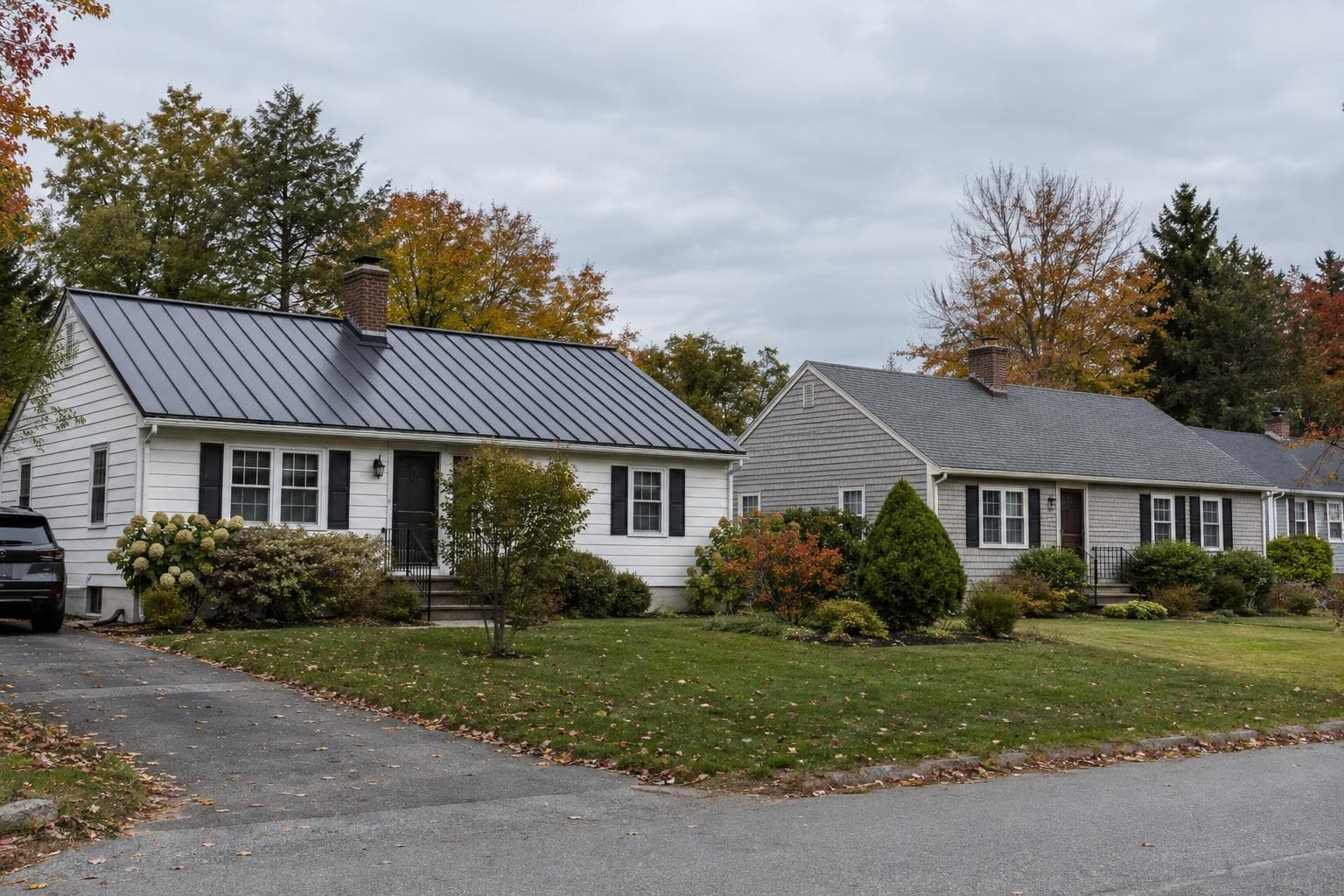
Metal often wins for long ownership horizons, if the upfront cost fits your budget. If this is the house you expect to keep for many years, a standing seam metal roof can make sense because you are buying into a longer-term solution instead of optimizing for the lowest replacement bill today. The key is not whether metal is better in the abstract. If that number feels too high, Class 4 shingles are often the clearest backup plan.
What about repairs, insurance, and claim realities?
The schedule for a metal-versus-shingle comparison in New Hampshire should explain access, material staging, weather protection, inspections, and the process for discovered deck work. That helps frame the real-world ownership side of the decision. A roof is not only about replacement day. It is also about the smaller issues that can show up after wind, ice, or water gets into vulnerable details. On insurance, the New Hampshire Insurance Department says most homeowner policies cover damages to the dwelling caused by tornadoes or other wind damage. The department also says an insurer is only obligated to pay the cost of repairing the part of your roof that was damaged by a covered peril. The New Hampshire Insurance Department says the nonrenewal of a homeowner's insurance policy is not allowed if the nonrenewal is based solely on the insured having filed a single valid claim within any one previous or current policy term.
It is also important to separate roof damage from flood risk. The New Hampshire Insurance Department says homeowners policies do not cover most flooding, and that you need a separate flood insurance policy to protect your home and belongings against flood damage. The department also states that the homeowner policy specifically excludes water damage resulting from flood. If your property has flood exposure, that is a separate planning decision from choosing metal or shingles. And if you run into claim handling problems after roof damage, the New Hampshire Insurance Department says complaints should be submitted in writing to the department, and that staff can answer insurance-related questions and provide guidance and information.
How do you choose the right roofer in New Hampshire?
You should slow down and compare details carefully, because New Hampshire homeowners need to vet roofers carefully. According to the New Hampshire Department of Justice, contractors do not need to be licensed in the state. That means you should focus on basic consumer protection steps.
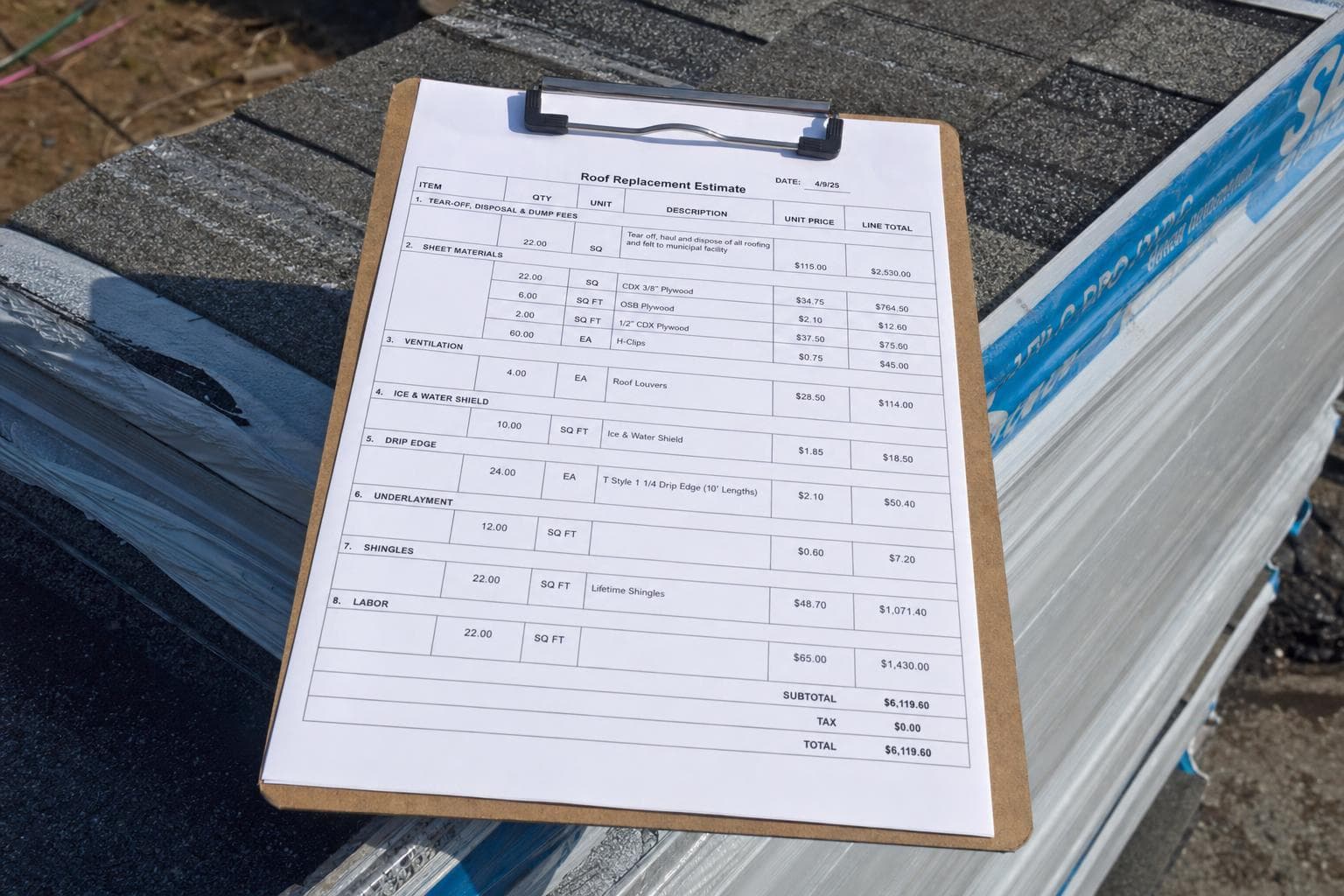
- Get at least three written, itemized estimates.
- Ask for references from past jobs and suppliers.
- Ask for proof of insurance.
- Check the roofer's address and phone number.
- Make sure you have a written contract before work starts or money changes hands, and confirm that it includes the scope of work, materials, total price, and payment schedule.
- Be cautious if someone shows up door to door, pushes you to sign right away, asks for a large deposit upfront, wants full payment before completion, insists on cash or electronic payment apps like Zelle or Venmo, or gives a vague proposal.
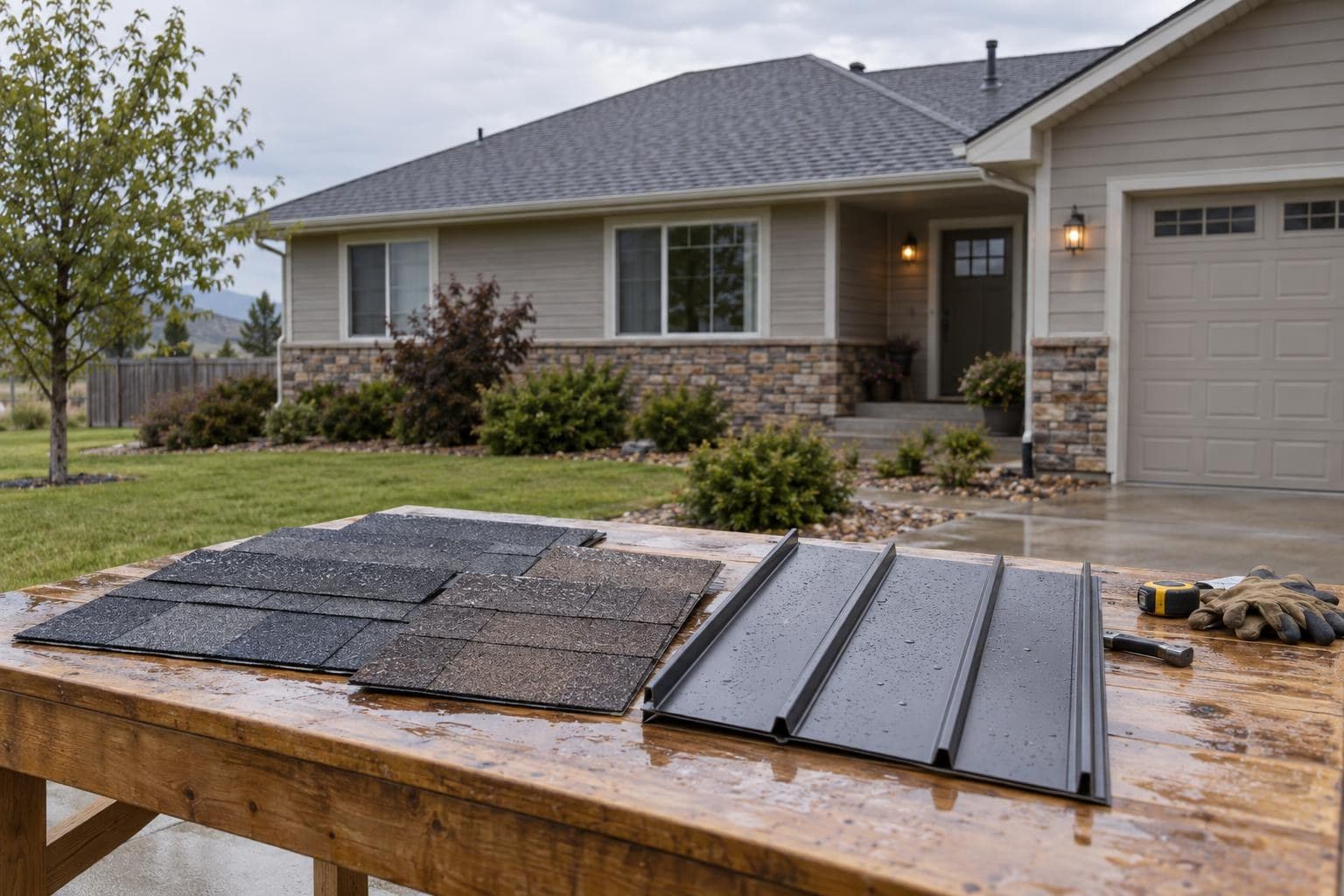
- For metal-versus-shingle comparison in New Hampshire, compare exact panel and shingle assemblies on equal measurements, deck terms, flashings, and difficult transitions.
Build the final New Hampshire decision from two complete scopes
Choose shingles if you want the lower upfront cost, expect a shorter ownership horizon, or want the best balance of price and protection today. Choose Class 4 shingles if you want that balance to lean a little more toward durability and a possible policy-specific premium credit. Choose standing seam metal if this is your long-term home and you are comfortable paying much more now for a roof choice that is usually about longevity. That is the easiest next step if you want to see how size, steepness, and material choice affect your numbers.
Sources
Reviewed technical references for New Hampshire
Related New Hampshire roofing guides
Related services
Updated July 10, 2026
3D Roofs Editorial Team
Editorial Standards