Updated July 27, 2026

3D Roofs Editorial Team
Editorial Standards
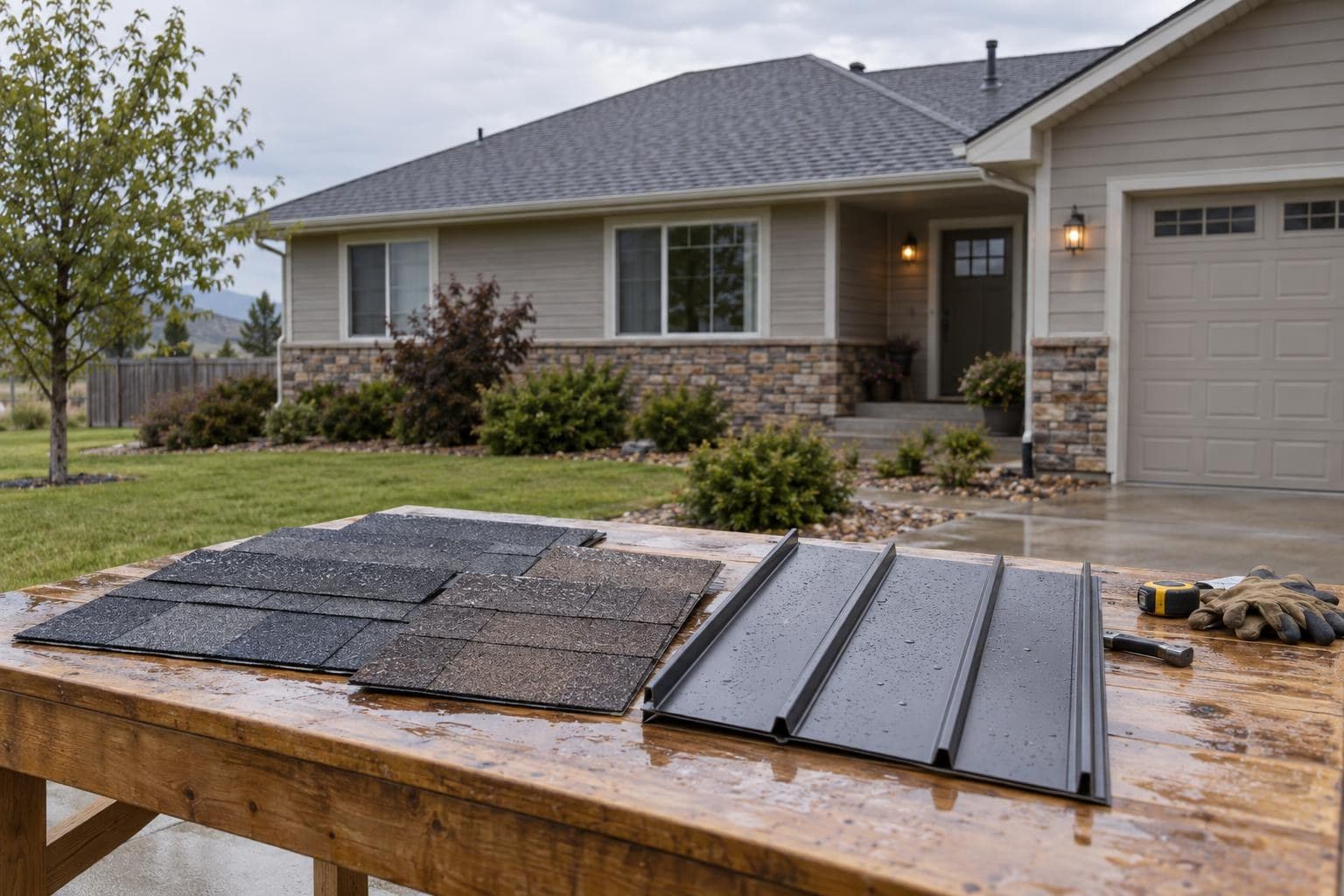
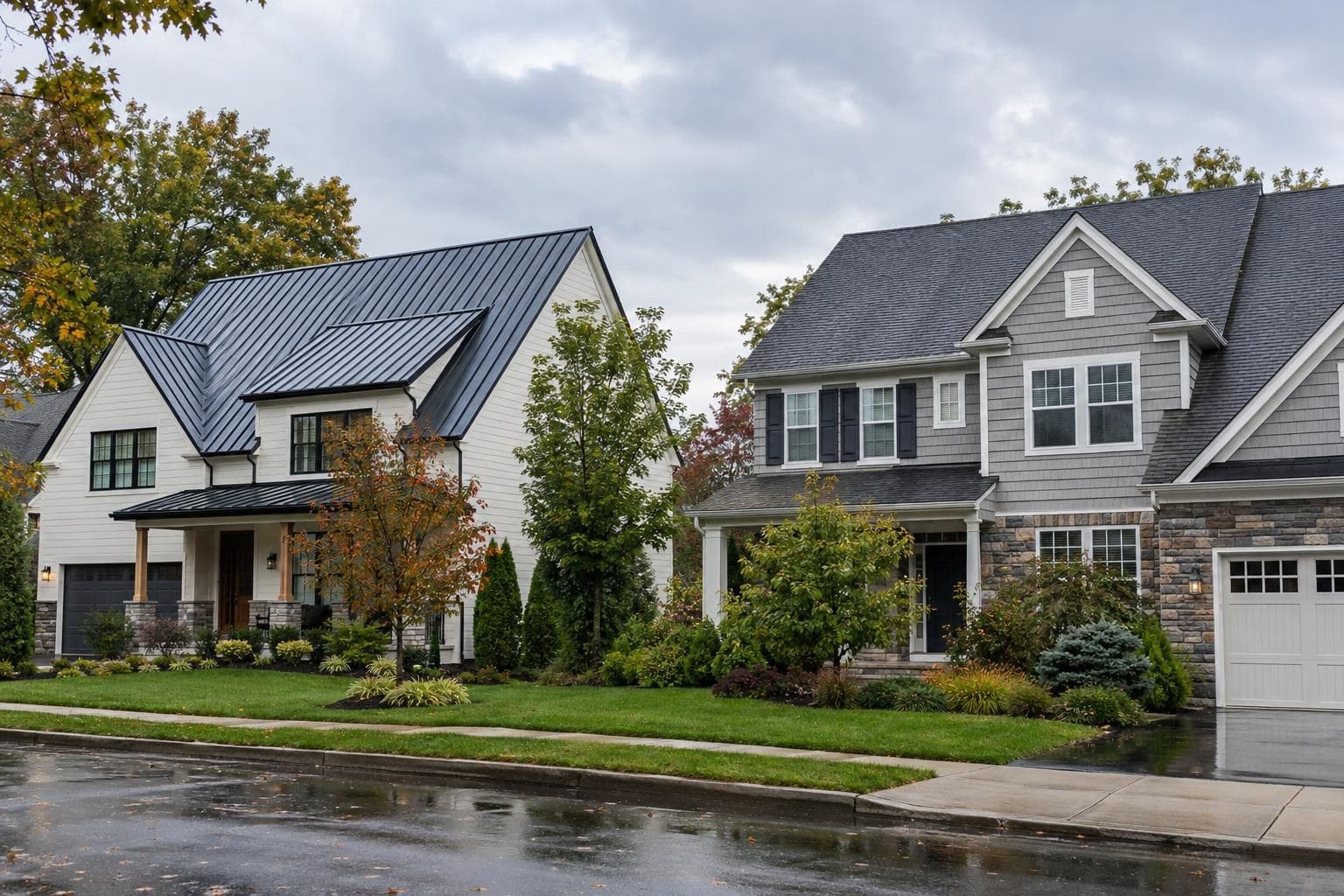
If you are deciding between metal and shingles in New Jersey, shingles usually win on upfront cost, while metal can make more sense if you plan to stay long term and want a tougher roof system. The real decision is not just material. It is your owner horizon, your storm exposure, and how much you want to spend now versus later.
Compare measured metal and shingle scopes in New Jersey
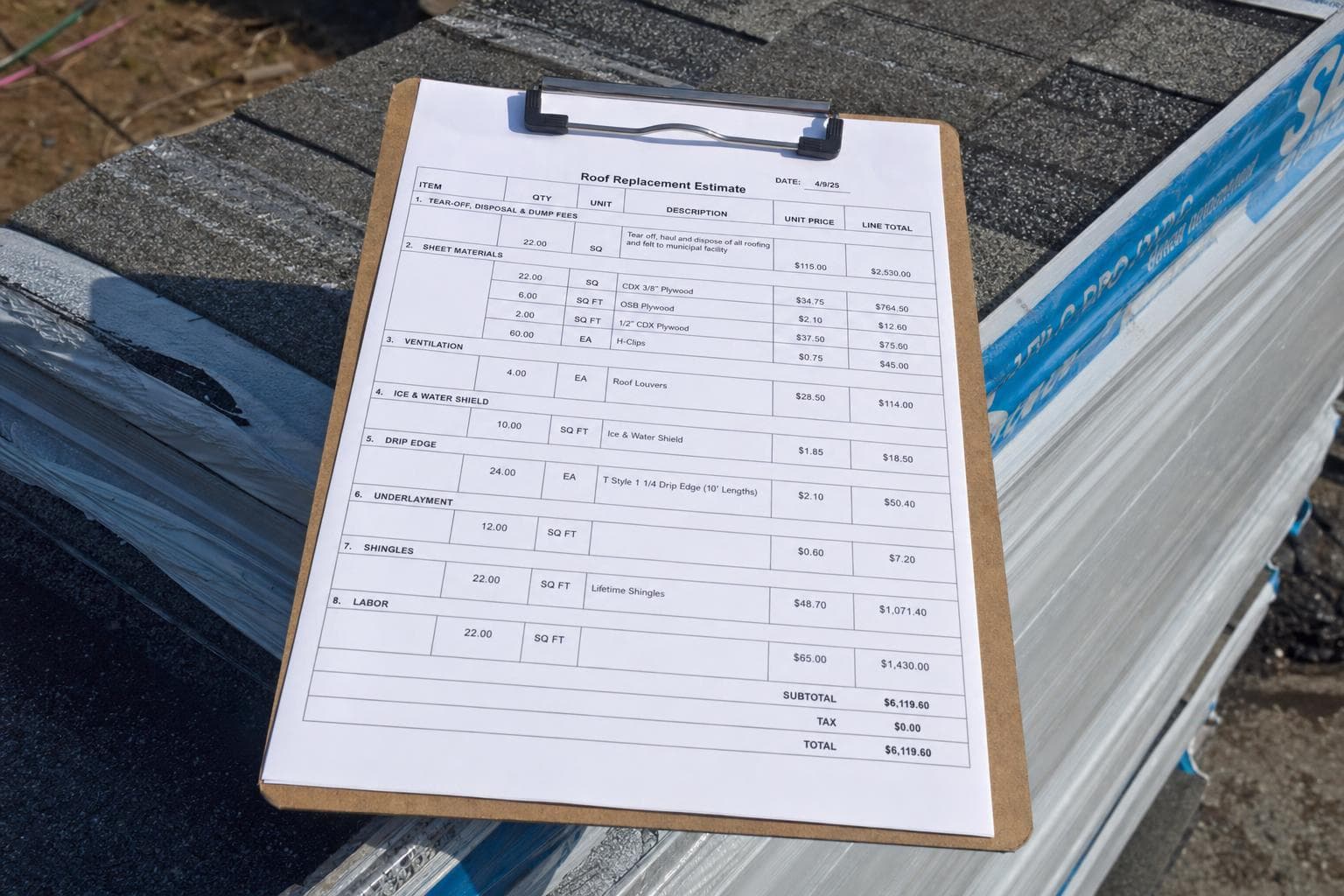
Shingles cost less upfront, and standing seam metal costs much more. Use the current New Jersey cost page and calculator to plan a metal-versus-shingle comparison in New Jersey, then require the measured scope to explain any meaningful difference. Installed price differences for a metal-versus-shingle comparison in New Jersey vary with roof geometry, assembly details, access, and local labor, so compare complete measured proposals instead of assuming a fixed multiple.
If you want the lowest entry price, shingles are the practical winner.
When a serviceable metal system may fit the ownership plan
Metal is generally the longer-horizon choice, while shingles are the lower-cost choice that fits more budgets today. For most homeowners, that is the core tradeoff. You pay much less upfront for shingles, but metal is often chosen by owners who want to reduce the chance of another full replacement during their time in the home.
In New Jersey, that tradeoff matters because roofs take wear from wind-driven rain, storm gusts, hail, and seasonal temperature swings. Near the shore, storms can push wind and water hard against roof edges, flashing, and penetrations. Inland, repeated wet weather can expose weak spots around valleys, chimneys, and older shingles. No roof material fixes bad detailing, so the product matters, but installation details matter just as much.
Which roof is better for storm exposure in New Jersey?
For storm durability, standing seam metal and Class 4 shingles are usually the stronger conversations to have than basic shingles. If your area sees hard weather, a stronger shingle or metal system may be worth the added cost, especially where wind-driven rain and repeated storms hit vulnerable roof details.
If you are looking at a Class 4 impact-resistant shingle, ask your carrier whether it offers a discount for that upgrade. Do not assume a statewide Class 4 credit in New Jersey; ask the carrier to verify eligibility and paperwork for the exact product and policy. Discounts and eligibility are set by the carrier, and your savings, if any, depend on your policy and underwriting. A qualified local roofing contractor can help you compare product options and gather the product documentation your carrier may ask for.
Talk to a roofer today
Planning ranges, scope details, and a direct path to request a roofing quote.
When lower initial disruption matters to the owner
If you expect to move in the near to medium term, shingles usually win because they keep your upfront cost down.
That does not mean you should always choose the cheapest roof. If your home has high storm exposure, a Class 4 shingle can be a useful middle path. It gives you a stronger shingle option without jumping all the way to metal pricing.
When a serviceable metal system may fit the ownership plan: 5
If this is your long-term home, metal becomes easier to justify, especially if you want to avoid another major roofing decision later. The upfront cost is steep, but some owners prefer paying more once rather than paying less now and facing another replacement sooner.
For many New Jersey homeowners, the middle-ground answer is Class 4 shingles. You get a lower upfront cost than metal, a potential insurance conversation to have with your carrier, and a product that may feel better suited to storm-prone conditions than a basic shingle. If you want to compare these options against your roof size and design, check the New Jersey cost page and the calculator for local pricing.
How do repairs, installation time, and roof shape affect the choice?
When planning a metal-versus-shingle comparison in New Jersey, ask how roof shape, staging, weather, inspections, and concealed deck conditions affect both duration and labor. Those factors can matter as much as material choice when you budget a project. A simple walkable roof is easier and cheaper to replace than a steep, cut-up roof with lots of flashing points.
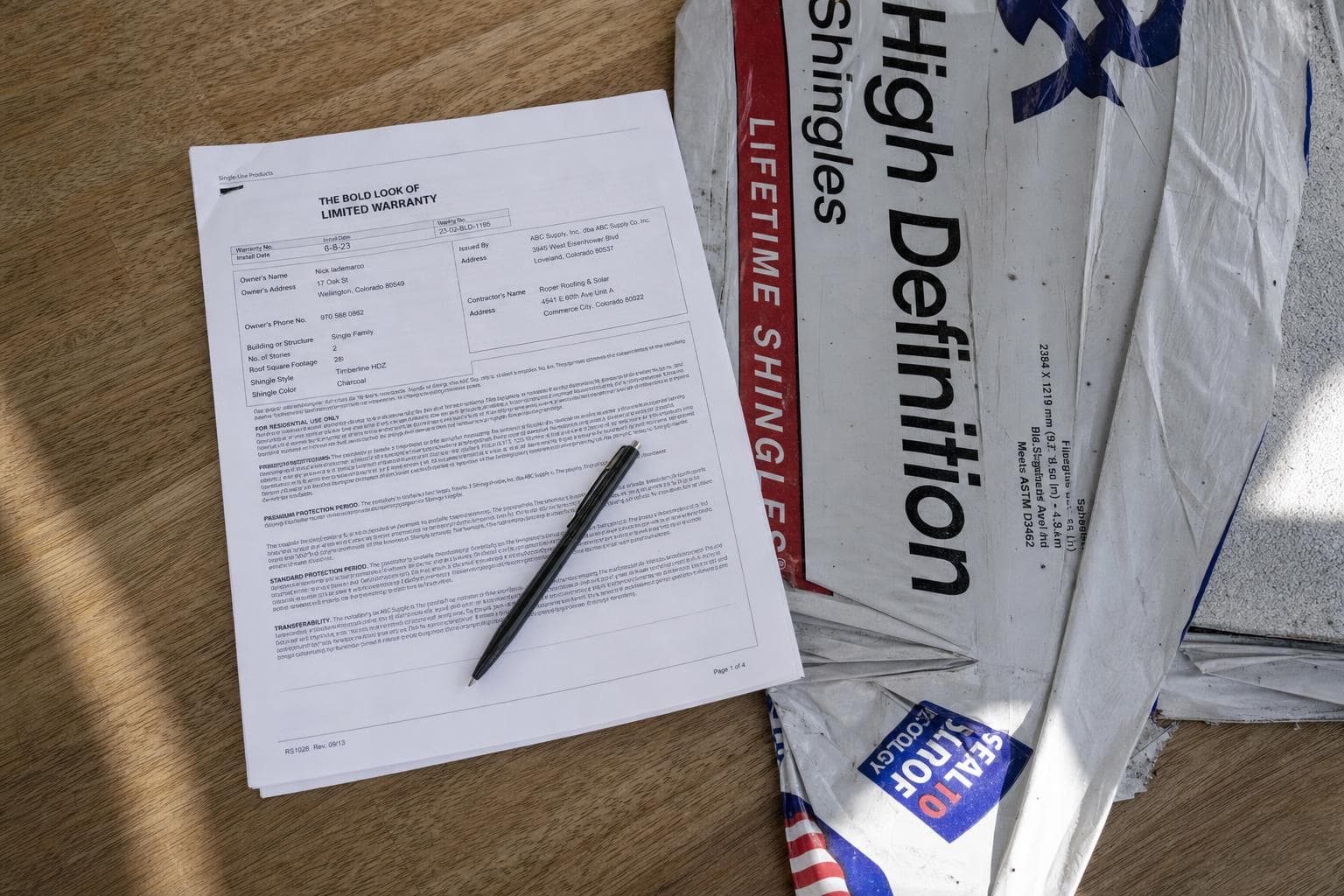
This is also where a written scope matters. Ask your roofer to explain what gets replaced, how flashing and ventilation will be handled, what cleanup is included, and who is responsible for protecting the home if weather hits during the job. In New Jersey, keeping the scope document-focused is one of the best ways to avoid confusion later.
What should you know about insurance before you choose?
Your roof material can affect claim conversations, but your policy details still control what happens after a storm. State guidance says most standard homeowners insurance policies cover losses caused by fire and lightning, smoke, windstorms or hail, but some policies may include a separate, optional wind/hail deductible, and/or a mandatory or optional hurricane deductible. For metal vs shingle roof in New Jersey, coverage depends on the policy language, cause of loss, exclusions, and the insurer's decision; verify those terms in your own documents.
You should also separate roof damage from flood risk in your planning. State guidance says homeowners insurance policies exclude water damage caused by flood. It also says flooding is not covered under standard homeowners policies, and homeowners policies do not cover damage from flooding that accompanies a hurricane. If flood exposure is part of your risk, you may need separate flood insurance. State guidance says there is normally a 30-day waiting period before a new flood insurance policy becomes effective, and also says flood insurance is not effective until 30 days after it is sold. If you are thinking about adding flood coverage, do not wait until a storm is close.
Build the final New Jersey decision from two complete scopes
Choose shingles if you want the better upfront value, especially if budget is tight or you may not keep the home for decades. Choose Class 4 shingles if you want a step up from basic shingles and want to ask your carrier about a possible discount. Choose standing seam metal if you expect to stay long term, can handle the much higher upfront cost, and want a roof system built around durability.
For most homeowners, the smart answer is not metal versus shingles in the abstract. It is which roof fits your timeline. If you want help sizing the numbers to your home, start with the New Jersey cost page and the calculator, then talk with a local contractor whose credentials you verified about the roof design, flashing details, and storm exposure on your property.
Sources
Reviewed technical references for New Jersey
Related New Jersey roofing guides
Related services
Updated July 27, 2026
3D Roofs Editorial Team
Editorial Standards