Updated July 10, 2026

3D Roofs Editorial Team
Editorial Standards
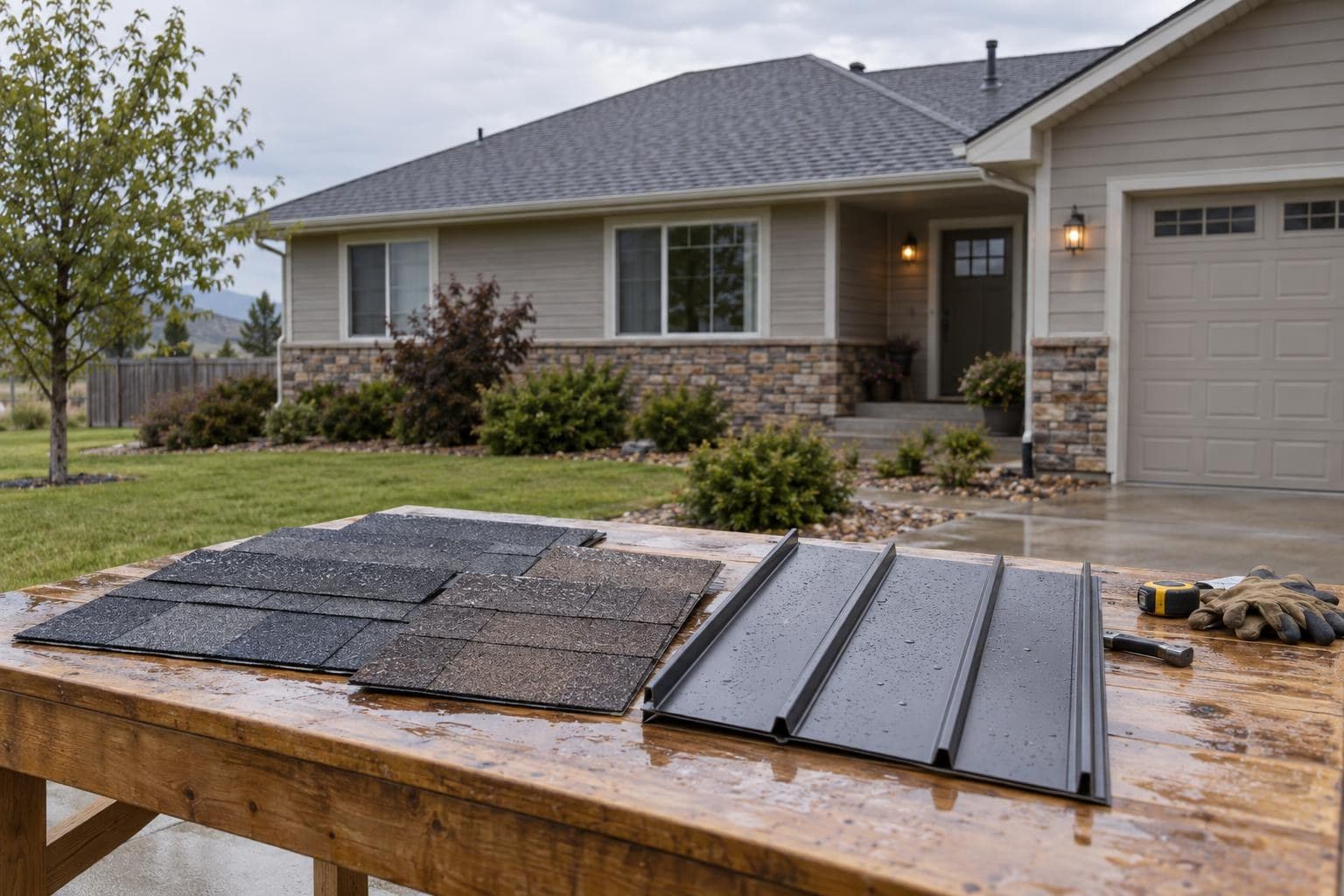
If you want the short answer, shingles usually win on upfront cost, and standing seam metal usually wins on long-term durability. In Oregon, that choice matters because rain, wind, tree impact, ice, snow load, and freeze-related water problems all matter. Your best option depends less on hype and more on your budget, your insurance tolerance, and how many years you expect to own the home.
Compare measured metal and shingle scopes in Oregon
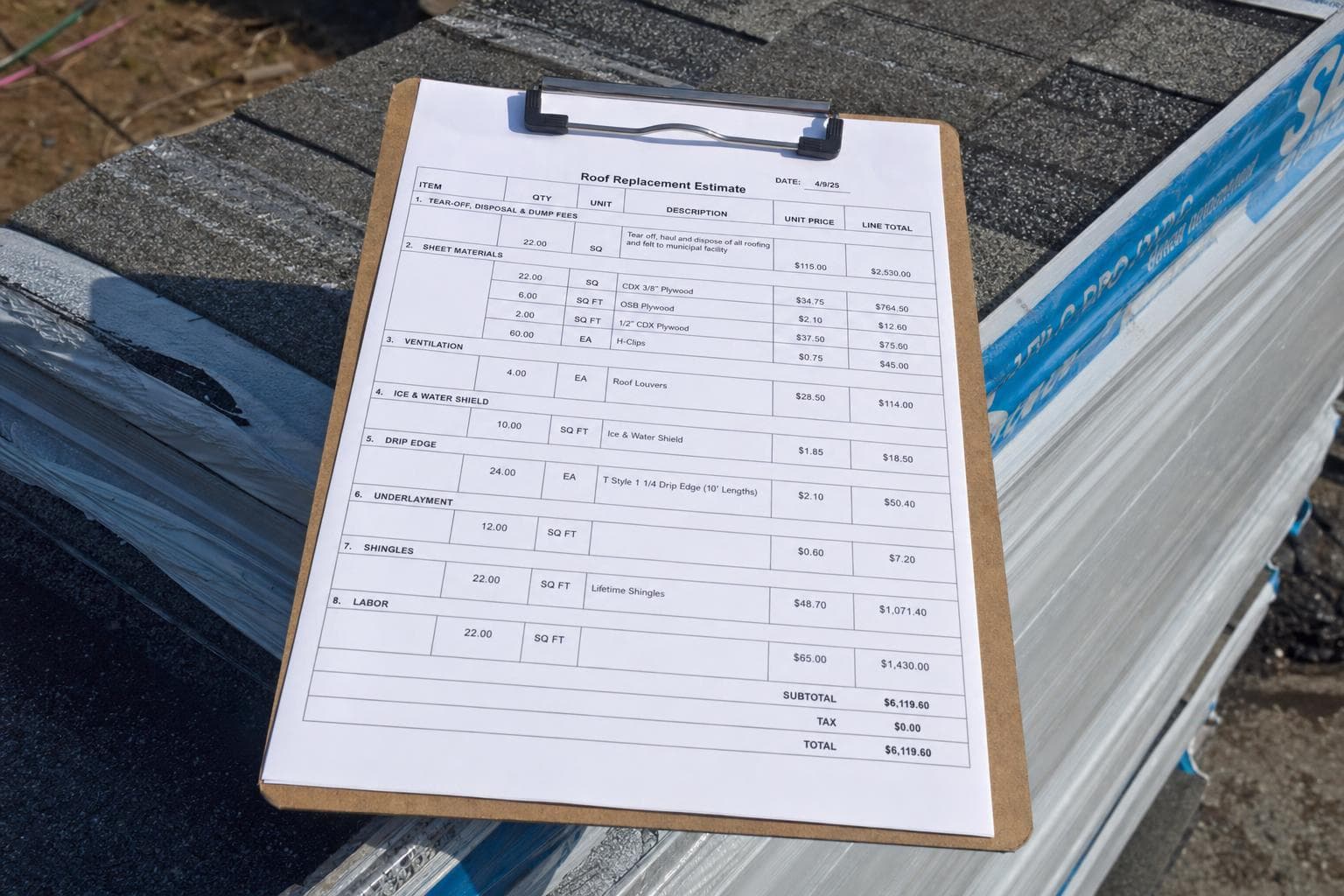
Shingles cost less upfront in Oregon. For a metal-versus-shingle comparison in Oregon, start with current Oregon cost data, then test the planning range against a measured proposal that names the complete roof assembly. For a metal-versus-shingle comparison in Oregon, steep or complex areas should be priced from measured geometry, safety setup, staging, labor, and material handling rather than a flat surcharge. If you are comparing bids, that means standing seam metal is a much bigger initial investment, while shingles leave more room in your budget for related work such as decking repairs, flashing updates, or gutter improvements.
When lower initial disruption matters to the owner
If you expect a shorter ownership horizon, shingles usually make more sense. The reason is simple: you spend far less upfront, and you may not stay long enough to fully benefit from metal’s longer service life. Class 3 is the value-first option. Class 4 costs more, but it can make sense if you want better impact resistance and want to ask your carrier whether it offers a discount for a Class 4 rated product and what documentation it requires. The sources provided do not give a state-specific Oregon rule on Class 4 roof discounts, so you should confirm the details with your carrier.
When a serviceable metal system may fit the ownership plan
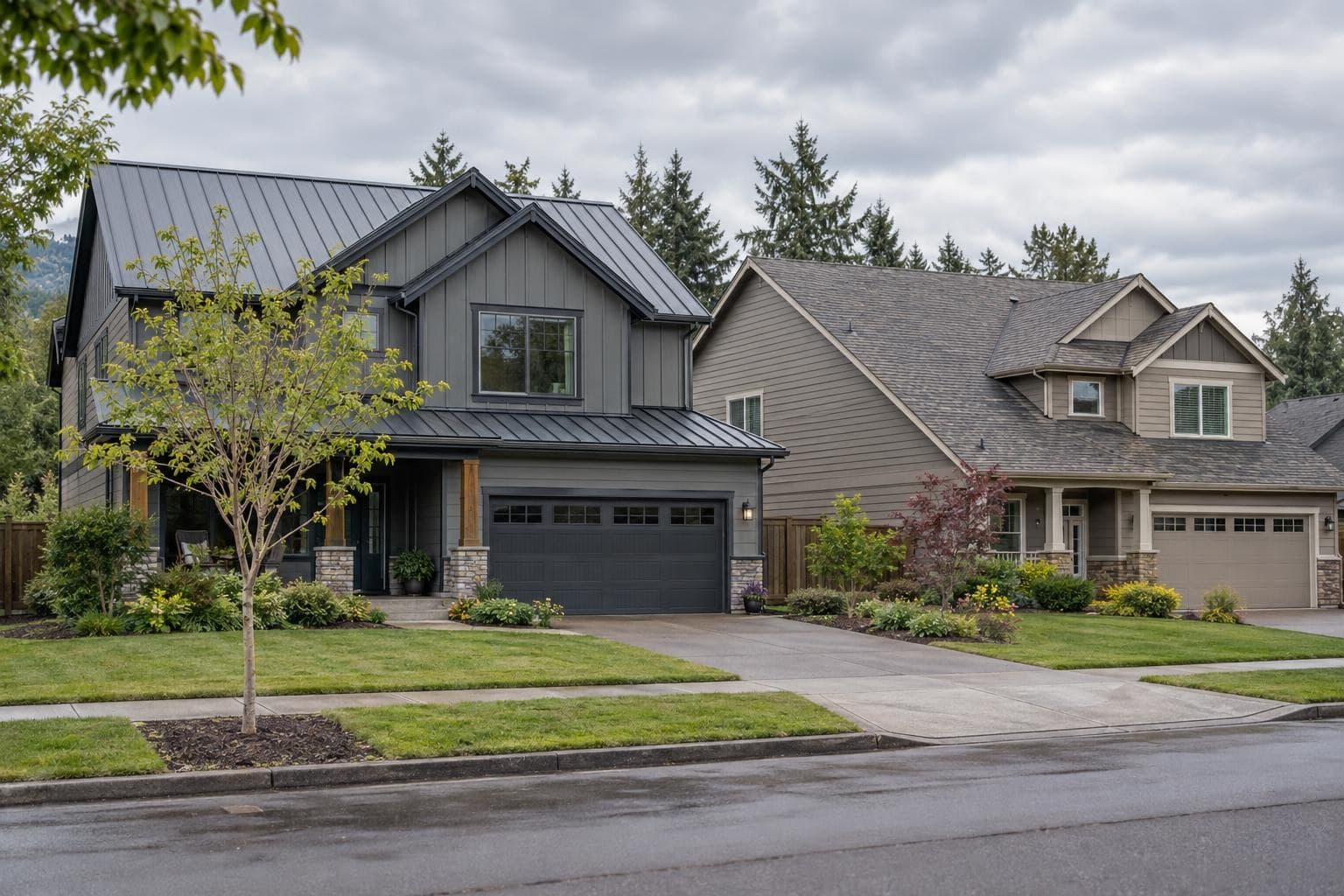
If you expect to keep the home for a long time, standing seam metal can be the stronger long-horizon choice, but only if the upfront cost works for you. Oregon weather can be hard on roofs. Wind can tear off shingles or drop branches and trees onto a roof. Snow and ice can add weight, and sudden cold can contribute to ice dam or burst-pipe damage that affects the roof system and interior. In wildfire-prone areas, ember exposure and debris management also matter. A roof built for the long haul can be appealing when you want fewer full replacement cycles over time, even though repairs and storm events can still happen with any material.
Talk to a roofer today
Planning ranges, scope details, and a direct path to request a roofing quote.
How do repairs and insurance realities affect the choice in Oregon?
In Oregon, the roof material is only part of the decision. Claims often focus on the damaged area, not the whole roof. Oregon’s storm guidance says if wind blows a few shingles off your house, homeowners insurance will likely replace the damaged shingles, but will not provide an entire new roof. It also says insurers pay to repair damage from a covered loss, and if wind damage is only on one side of the roof, the insurer normally will pay only for the one slope of the roof to be replaced. That matters if you are thinking a claim will automatically pay for a full upgrade to metal. It usually does not work that way.
- For a metal-versus-shingle comparison in Oregon, require the written schedule to account for roof geometry, access, weather protection, material handling, inspections, and possible deck work.
- Because many Oregon losses are partial, repairability and material matching can matter as much as full replacement cost.
- Oregon’s Division of Financial Regulation tells homeowners to weigh the benefits of filing a claim against the costs, including your deductible. The state also warns that a reported claim could affect your future premium or ability to get coverage.
Where impact-rated shingles fit between the two systems
Yes, for many Oregon homeowners, Class 4 shingles are the practical middle ground. They cost more than Class 3, but far less than standing seam metal. They also give you a way to aim for stronger impact resistance without taking on the full cost of metal. For a metal-versus-shingle comparison in Oregon, treat any impact-resistant roof credit as unconfirmed until the insurer identifies the eligible product, required documentation, premium portion, and amount in writing. That does not mean every carrier will do it the same way, and it does not replace the need to verify your own policy details. But if you want a balanced choice between upfront price and added resilience, Class 4 is often the first option to price seriously.
What roof handles Oregon weather better?
There is no one-size-fits-all winner, but the best answer is this: metal often appeals for long-term weather exposure, while shingles often appeal for lower entry cost and simpler spot repairs. Oregon weather brings rain, wind, tree impact, ice, snow load, and freeze-related water problems. Some water losses may be covered, others usually are not. Oregon’s storm guidance says sudden and accidental events from an ice dam on the roof or pipes bursting due to freezing may be covered. It also says policies generally will not cover groundwater seepage or water damage from backed-up drains or sewers, though some insurers offer limited coverage or endorsements for water backup. No roof material changes those coverage limits by itself, so your maintenance plan still matters.
Where impact-rated shingles fit between the two systems: 7
Choose based on owner horizon, cash flow, and risk tolerance.
- Pick Class 3 if your priority is keeping upfront cost down.
- Pick Class 4 if you want a middle path on price and impact resistance.
- Pick standing seam metal if you expect to stay long term and want to invest more now.
- If storm damage is limited to one area, expect repair discussions to focus on that area, not an automatic full replacement.
What should you check before you hire a roofer in Oregon?
Before work starts, confirm your roofer has an active CCB license and make sure the business name on the contract matches the license record. Oregon says roofing is work that generally requires a Construction Contractors Board license, and the state warns that anyone can pretend to be a contractor. If you are comparing bids from a local roofer you have vetted, ask who will supervise the job and whether the business is set up for residential roofing work under the proper endorsement structure. That step matters just as much as the material choice, because a good installation is what gives any roof its best chance to perform.
Compare measured metal and shingle scopes in Oregon: 9
If you want the bottom line, shingles usually win for lower upfront cost, Class 4 often wins as the balanced choice, and standing seam metal wins for owners with a longer horizon and room for a larger initial spend. To compare your home more closely, check the full local pricing on the Oregon cost page and use the calculator to size your project based on your roof shape, pitch, and material choice.
Sources
Reviewed technical references for Oregon
Related Oregon roofing guides
Related services
Updated July 10, 2026
3D Roofs Editorial Team
Editorial Standards