Updated July 10, 2026

3D Roofs Editorial Team
Editorial Standards
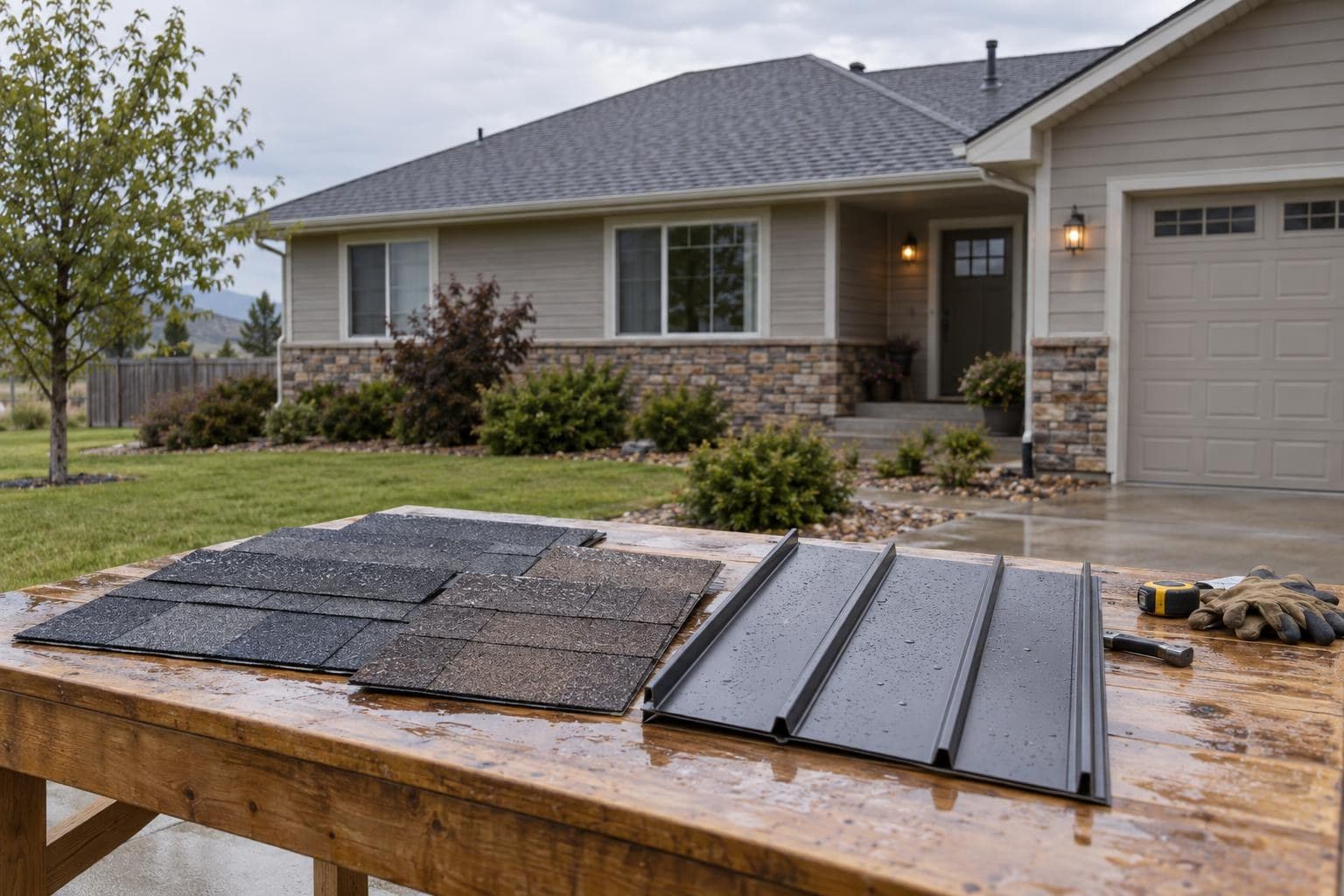
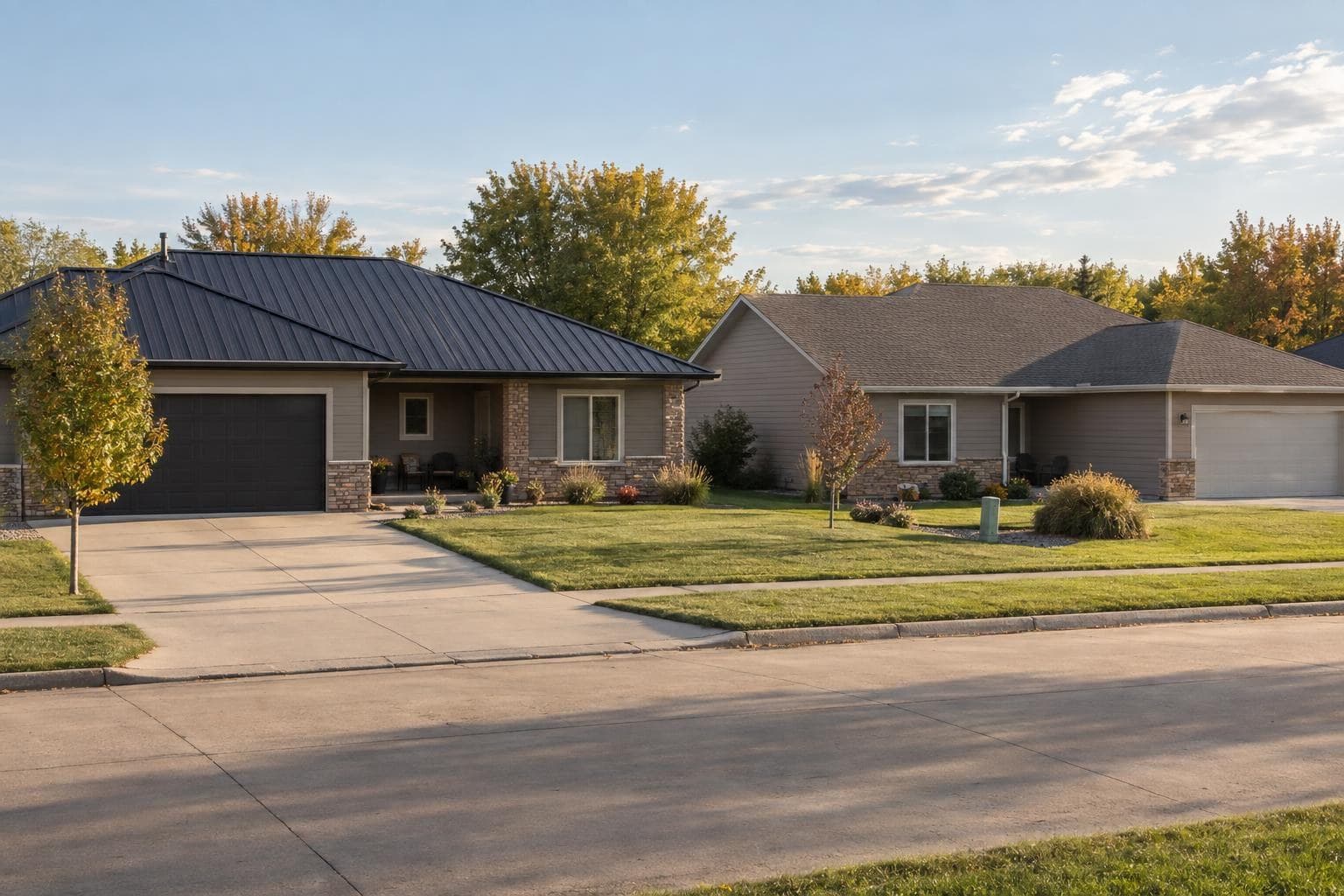
If you are comparing metal vs shingles in South Dakota, shingles usually win on upfront cost, standing seam metal can make sense for a long ownership horizon, and Class 4 shingles often land in the middle for homeowners who want better hail resistance without paying metal prices. Your best choice depends on how long you plan to keep the home, how much repair risk you want to take on, and what your budget looks like today.
Compare measured metal and shingle scopes in South Dakota
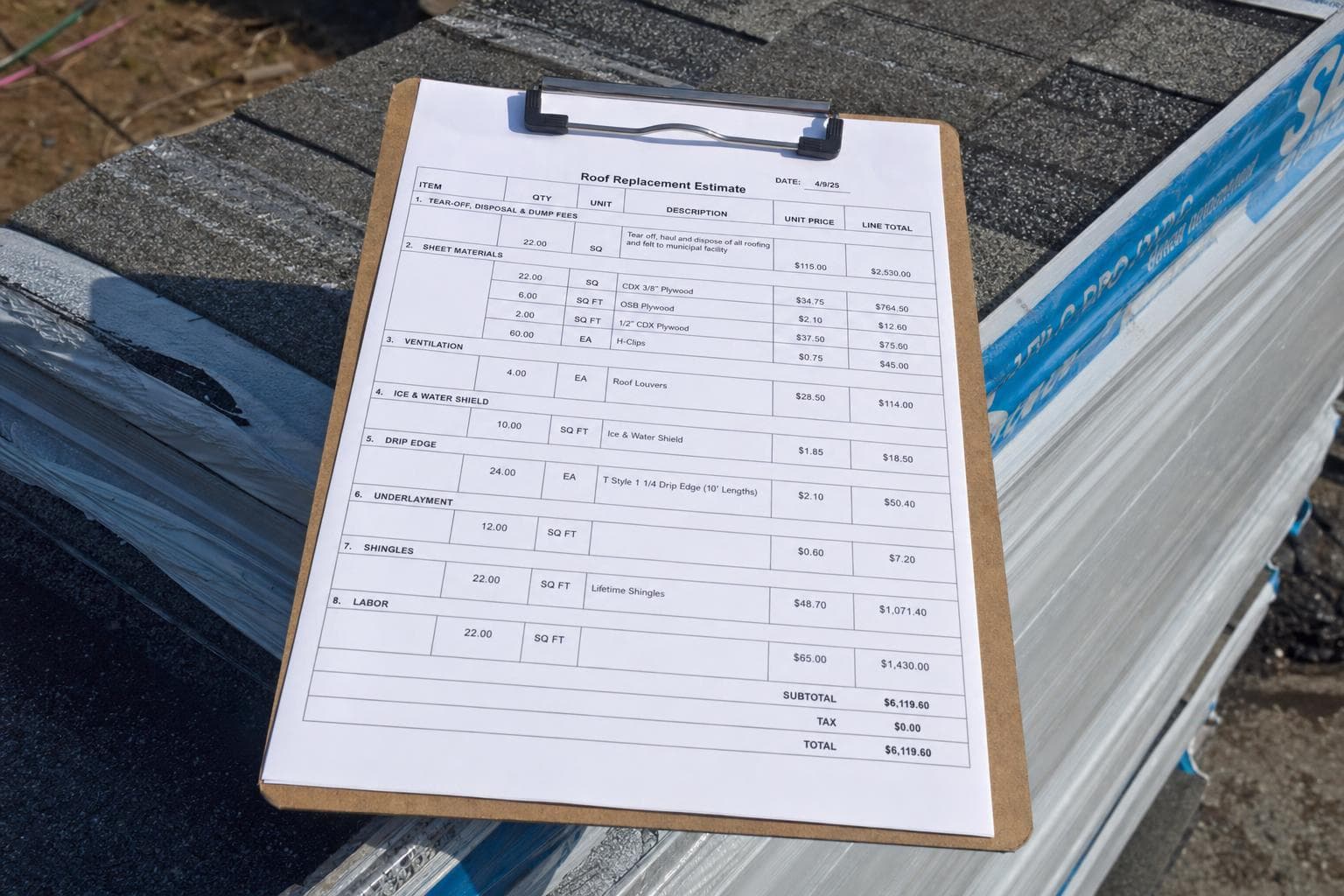
The direct answer is that standing seam metal costs much more up front than shingles in current South Dakota cost data. For an early budget on a metal-versus-shingle comparison in South Dakota, compare the South Dakota cost page with a proposal that identifies measurements, products, accessories, and exclusions. The schedule for a metal-versus-shingle comparison in South Dakota should explain access, material staging, weather protection, inspections, and the process for discovered deck work. If you want a lower entry price, shingles are the clear winner. If you are comparing full local pricing by roof size and material, you can also check the South Dakota cost page and the calculator.
When lower initial disruption matters to the owner
If you expect to move sooner rather than later, shingles usually make the most sense. The reason is simple: you avoid the much higher upfront cost of standing seam metal while still getting a new roof that fits the home and protects it from South Dakota weather.
When a serviceable metal system may fit the ownership plan
If you plan to stay in your home for many years, the answer depends on how you balance upfront cost against long-term durability. South Dakota roofs deal with hail, severe storms, high winds, temperature swings, snow, ice, and strong sun over time. That mix can shorten shingle life, loosen flashing, damage gutters, and turn small leaks into bigger interior problems if repairs wait. Because of that climate, some long-term owners like the idea of spending more on standing seam metal up front. Others still choose Class 4 shingles because they cost far less than metal and can be a practical middle ground for storm-focused protection.
Talk to a roofer today
Planning ranges, scope details, and a direct path to request a roofing quote.
Where impact-rated shingles fit between the two systems
For many South Dakota homeowners, yes, Class 4 shingles are the most balanced choice. They cost more than Class 3, but much less than standing seam metal. That means Class 4 can be easier to afford while still appealing to owners who want to plan for hail. When comparing a metal-versus-shingle comparison in South Dakota, use a written insurer response rather than a sales estimate for any impact-resistant roof credit. If you are considering impact-resistant shingles, ask your insurance carrier whether it offers a discount for a Class 4 roof and what documentation it requires. Discounts and eligibility are set by the carrier, so you should confirm the details before you choose materials.
What repairs and replacement timelines should you expect?
The short answer is that both materials still need maintenance, and storm timing matters in South Dakota. After a major storm, demand can spike quickly, which is why it helps to document damage early and move carefully when you pick your roofer. Even a strong roofing material can turn into a bigger house problem if flashing loosens, gutters are damaged, or a small leak is left alone after hail or wind.
Does metal always beat shingles in South Dakota weather?
No, metal does not always win for every owner. The better answer is that South Dakota weather is tough enough that material choice should match your budget and ownership horizon, not just the idea that one product beats the other every time. Standing seam metal may appeal to owners who want a premium material and are comfortable with the higher upfront cost. Shingles, especially Class 4, may be the better fit if you want a more moderate price while still planning around hail and storm exposure. In other words, weather matters, but budget and timeline still decide the winner for most households.
Where impact-rated shingles fit between the two systems: 7
- The proposal for a metal-versus-shingle comparison in South Dakota should price steep-slope access and slower material handling directly instead of hiding them in a standard percentage.
- Compare the full numbers for your roof on the South Dakota cost page and the calculator before you decide.
What should you watch out for after a South Dakota storm?
The answer is that you should slow down and insist on paperwork. South Dakota Consumer Protection says residents should be vigilant of transient contractor scams following severe weather. The state urges you to take your time, do your due diligence, and contact the Division of Consumer Protection when in doubt. State consumer guidance says you should ask for a written estimate and a written contract, keep a copy of the final signed contract, read the contract carefully before signing, and make sure project changes are handled with a Change Order signed by both parties. It also says any guarantees made by the contractor should be written into the contract.
What should you ask your roofer before you sign?
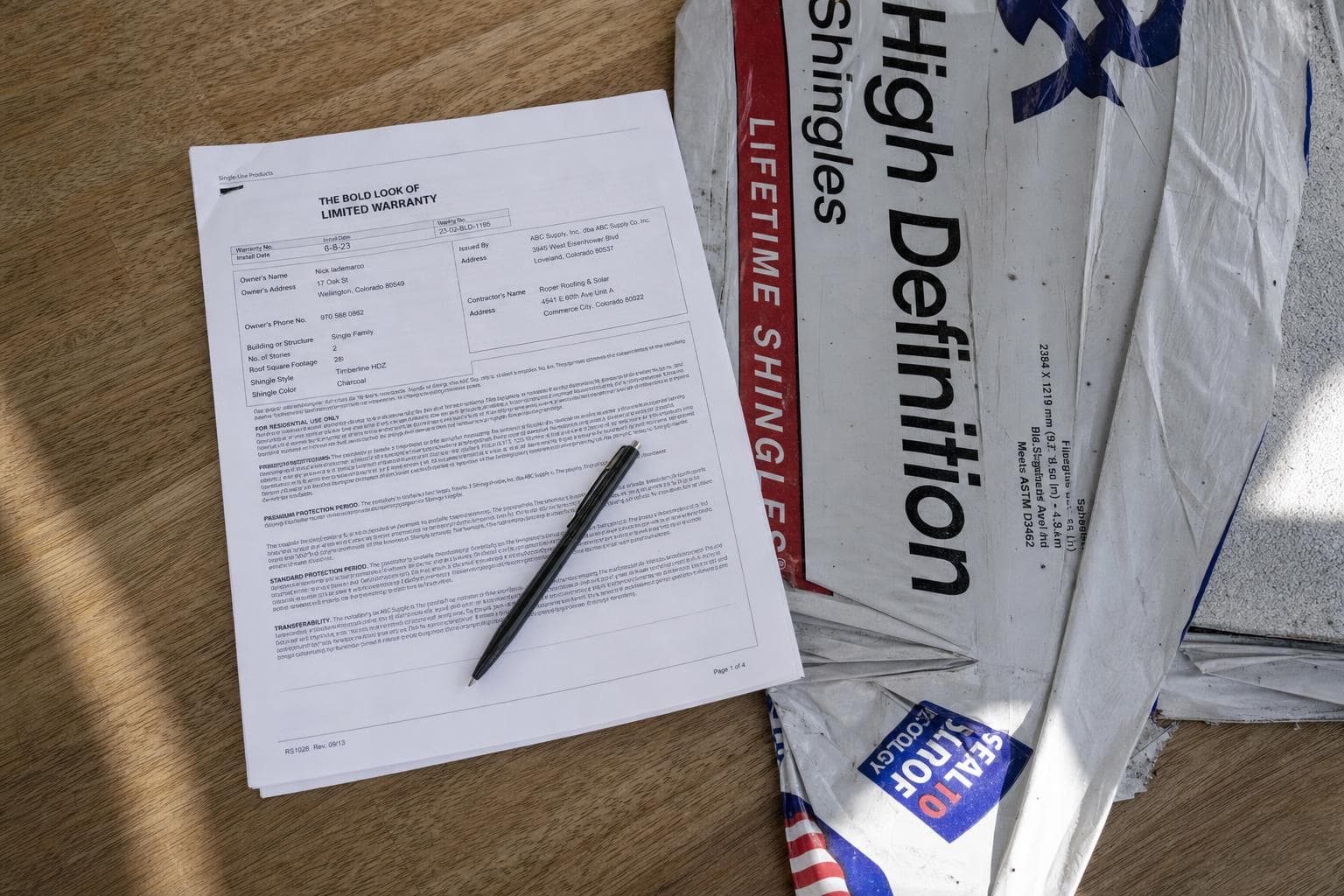
Start with the direct basics: ask for references, a written estimate, and a written contract. Ask for sales tax license, and because the Department of Revenue says contractors doing this kind of work must have a South Dakota contractor’s tax license, ask about that too. If a permit is required, make sure it is obtained. South Dakota Consumer Protection says you should make final payments only after the work is completed. It also says not to sign completion papers or make the final payment until the work is completed to your satisfaction, and to avoid on-the-spot cash payments by paying by check to the contracting company and not an individual. This is one of the simplest ways to protect yourself when storm demand is high and decisions feel rushed.
Build the final South Dakota decision from two complete scopes
If you want the clearest answer, here it is. For a shorter ownership horizon, shingles usually win because the upfront cost is far lower. For a middle path, Class 4 shingles often make the most practical case because they cost less than metal and may help if your carrier offers a Class 4 discount. For a long ownership horizon, standing seam metal can make sense if you are comfortable paying much more now for a premium material. The right move is not the same for every house. It comes down to what you want to spend today, how long you expect to stay, and how much storm risk you want to account for before the next hail season arrives.
Sources
Reviewed technical references for South Dakota
Related South Dakota roofing guides
Related services
Updated July 10, 2026
3D Roofs Editorial Team
Editorial Standards