Updated July 27, 2026

3D Roofs Editorial Team
Editorial Standards
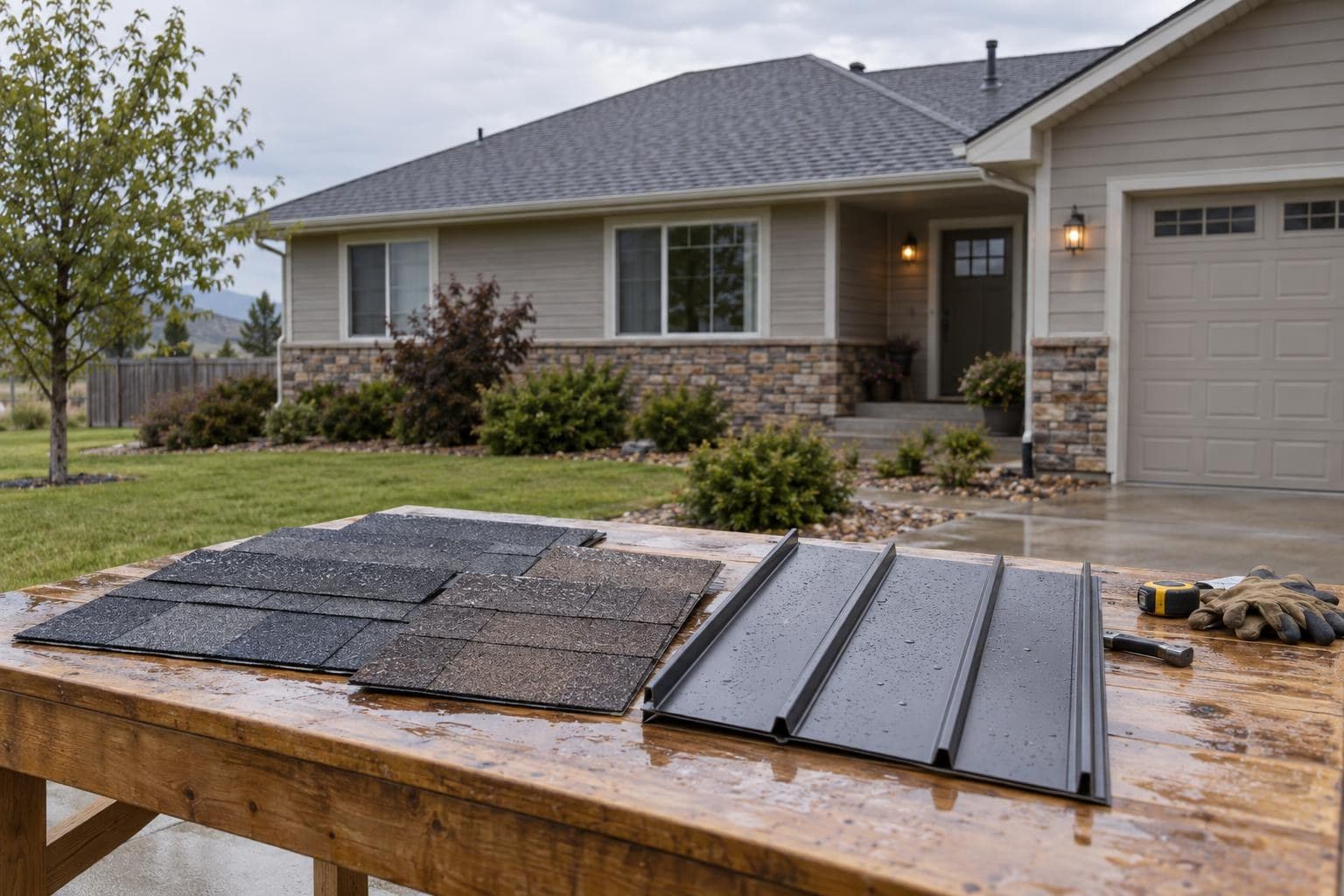
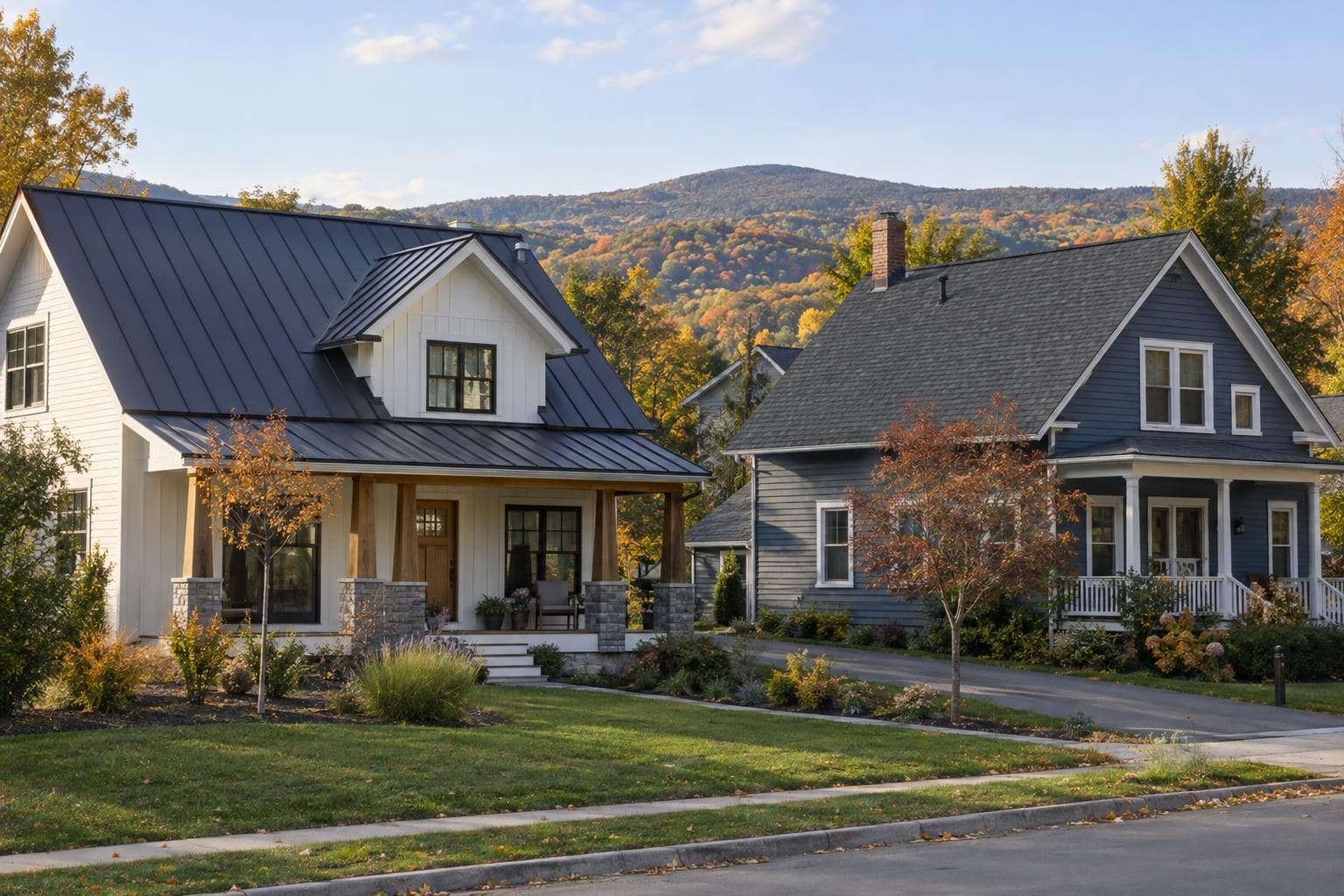
In Vermont, shingles usually win on upfront cost, and metal usually wins on long ownership horizon. Check current Vermont cost data for a metal-versus-shingle comparison in Vermont, then replace the range with an assembly-specific proposal based on measured conditions. If you plan to stay put for years and want a premium system built for repeated winter stress, metal can make sense. If you want the lower entry price and a simpler replacement decision, shingles usually fit better. Your best choice depends on how long you expect to own the home, how much roof wear you already have, and whether you value lower upfront cost or longer-term durability more.
Is metal or shingle roofing better for Vermont weather?
For Vermont weather, metal has the edge on durability, but shingles are still a practical choice when the system is designed and installed well. Vermont roofs take repeated winter stress. Snow can sit on a roof for long stretches, and freeze-thaw cycles can work water into weak spots around shingles, flashings, valleys, skylights, chimneys, and penetrations. Ice buildup near eaves can back water up under roofing materials. Wind-driven rain and seasonal temperature swings can also shorten the life of older roofs and expose installation problems faster. When you plan a repair or replacement, it helps to ask your roofer how the system will handle ventilation, drainage, flashing transitions, and winter weather.
That matters because the material choice is only part of the decision. A roof in Vermont has to manage moisture movement, snow load periods, and freeze-thaw stress around detail areas. If your roof has multiple valleys, skylights, chimney flashing, or a history of ice near the eaves, you want to focus less on brochure claims and more on how your roofer plans the full system.
Compare measured metal and shingle scopes in Vermont
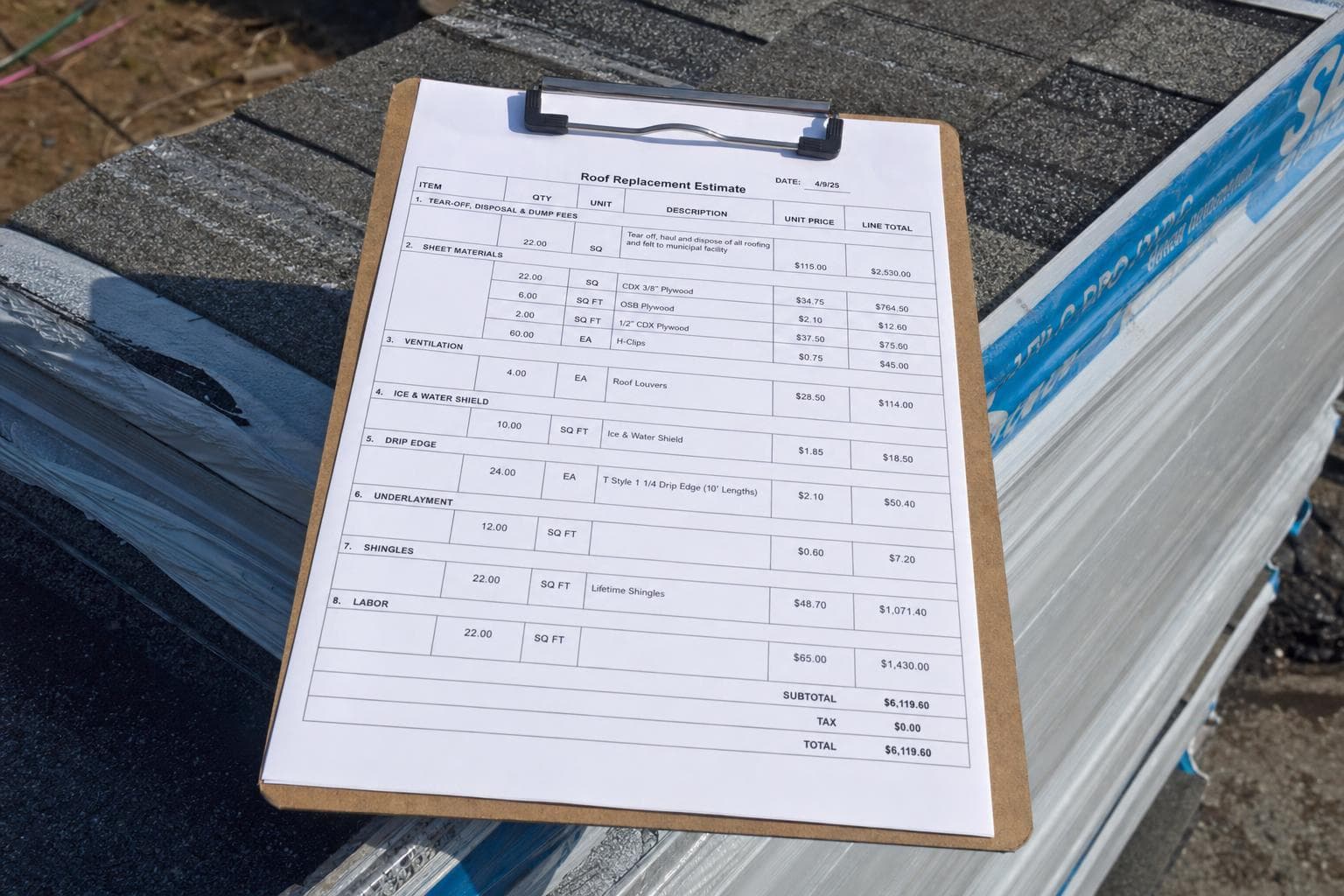
Metal costs much more upfront than shingles in Vermont. Before approving a metal-versus-shingle comparison in Vermont, have the bidder connect timing to roof complexity, crew access, material handling, weather, inspections, and concealed conditions. If you are trying to compare your home to statewide examples, those numbers are the clearest starting point.
For many homeowners, that price gap decides the project. Installed price differences for a metal-versus-shingle comparison in Vermont vary with roof geometry, assembly details, access, and local labor, so compare complete measured proposals instead of assuming a fixed multiple. Class 4 shingles sit in the middle, which is why they often come up when you want something stronger than a basic architectural shingle roof without making the jump to metal.
Which roof is the better value if you only plan to stay a few years?
If you expect to stay only a few years, shingles usually offer the better value. The lower upfront spend matters more when your ownership horizon is short.
Talk to a roofer today
Planning ranges, scope details, and a direct path to request a roofing quote.
Where impact-rated shingles fit between the two systems
Yes, for many medium-term owners, Class 4 is the middle path that makes the most sense. It costs far less than standing seam metal, but it may offer a practical durability upgrade over Class 3. In Vermont, where winter stress can expose weak spots around penetrations and flashing transitions, that can be an appealing compromise if you want stronger protection without paying metal pricing.
There is also an insurance angle worth checking. A Class 4 rating does not establish a policy credit in Vermont; the carrier and policy determine eligibility, documentation, and savings. Vermont also notes that if you are considering a Class 4 impact-resistant shingle, ask your insurer whether it offers any premium discount or underwriting preference for that material. Carriers set their own discounts and eligibility rules, so the savings, if any, can vary by policy and property.
When does metal roofing win in Vermont?
Metal wins when your ownership horizon is long, your budget can handle the higher upfront cost, and you want the premium option for repeated winter exposure. If you expect to be in the home for a long time, the case for standing seam gets stronger because you are buying into a roof system many owners choose for durability, snow-shedding behavior, and lower concern about the wear pattern common to aging shingles.
Metal can also be easier to justify on homes where the roof is a major long-term asset decision, not just a repair need. It is usually not the budget-first choice, but it can be the ownership-horizon choice.
What repair and replacement realities should you expect either way?
Most roof repairs are smaller decisions than full replacement, and they are often worth handling fast before winter moisture spreads the problem. Those are useful planning numbers whether you choose shingles or metal, because Vermont weather can turn a small weak spot into a larger leak path once freeze-thaw cycles and ice buildup get involved.
If you are debating repair versus replacement, look at age, repeated leak history, and whether trouble keeps showing up at valleys, eaves, flashings, skylights, chimneys, or other penetrations. If the roof is failing in multiple places, replacement usually gives you a cleaner answer than repeating patchwork repairs.
What should you ask about insurance and contractor paperwork in Vermont?
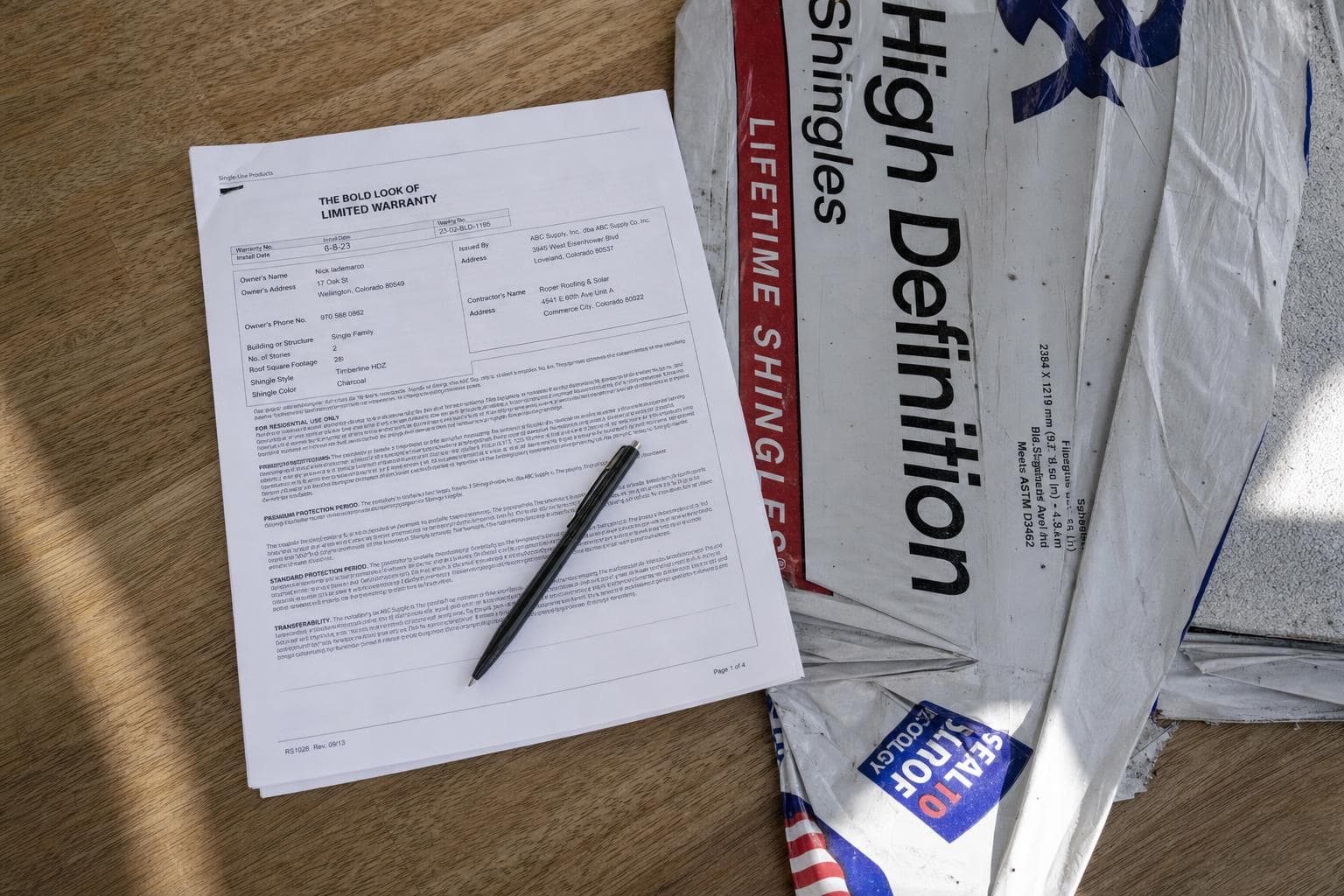
Ask about coverage details early, and confirm your roofer is registered with the state before you sign. For metal vs shingle roof in Vermont, coverage depends on the policy language, cause of loss, exclusions, and the insurer's decision; verify those terms in your own documents. If you want protection from those risks, you need to talk to your insurance agent about separate coverage available in your area. The Vermont's Department of Financial Regulation also says a home inventory, along with photos and proof of ownership, makes it easier to file an accurate, detailed insurance claim if your home is damaged or destroyed, and it can help determine how much coverage you need. Keeping that record before a storm hits puts you in a stronger position after roof damage.
If you are confused about what your homeowners policy covers after roof damage, Vermont's Department of Financial Regulation says you can contact the Vermont Insurance Department directly for help, or file a complaint through the department if you run into a problem with your insurer. On the contractor side, Vermont requires residential contractors to register with the state. Registration for Residential Contractors has been required since April 1, 2023, under Act 182, and the Vermont Office of Professional Regulation oversees unlawful and unprofessional conduct by individuals and businesses required to register. The state is also clear that this does not replace your own homework. You should still get a detailed written contract, the full material list, and a clear cleanup and payment schedule before you sign.
Build the final Vermont decision from two complete scopes
Choose shingles if you want the better upfront value, especially for a short or medium ownership horizon. Choose Class 4 if you want a stronger shingle option and plan to ask your insurer about any available discount. Choose standing seam metal if you plan to stay long term and want to pay more now for a premium roof system that fits Vermont's repeated winter stress.
The simple version is this: Class 3 is the budget answer, Class 4 is the middle answer, and standing seam metal is the long-horizon answer. If you want to compare your roof size, slope, and material choice against the latest local cost data, the next step is to review the Vermont cost page and the calculator, then talk with a roofer whose credentials and written scope you checked about the roof details that matter most in winter.
Sources
Reviewed technical references for Vermont
Related Vermont roofing guides
Related services
Updated July 27, 2026
3D Roofs Editorial Team
Editorial Standards