Updated July 27, 2026

3D Roofs Editorial Team
Editorial Standards
If a storm just hit your Colorado roof, start with safety, stop active leaks, and document everything before cleanup changes the scene. In Colorado, roofs are exposed to hail, high winds, intense sun, snow load, and freeze-thaw cycles. Hail leads the list. Spring and summer storms along the Front Range drive granule loss, bruising, and punctures. High winds can peel shingles and underlayment from edges and ridges. Thin high-altitude air also speeds asphalt aging, which is why the first question after a storm is not just what got damaged, but what was already wearing out.
What should you do in the first 48 hours after a roof storm in Colorado?
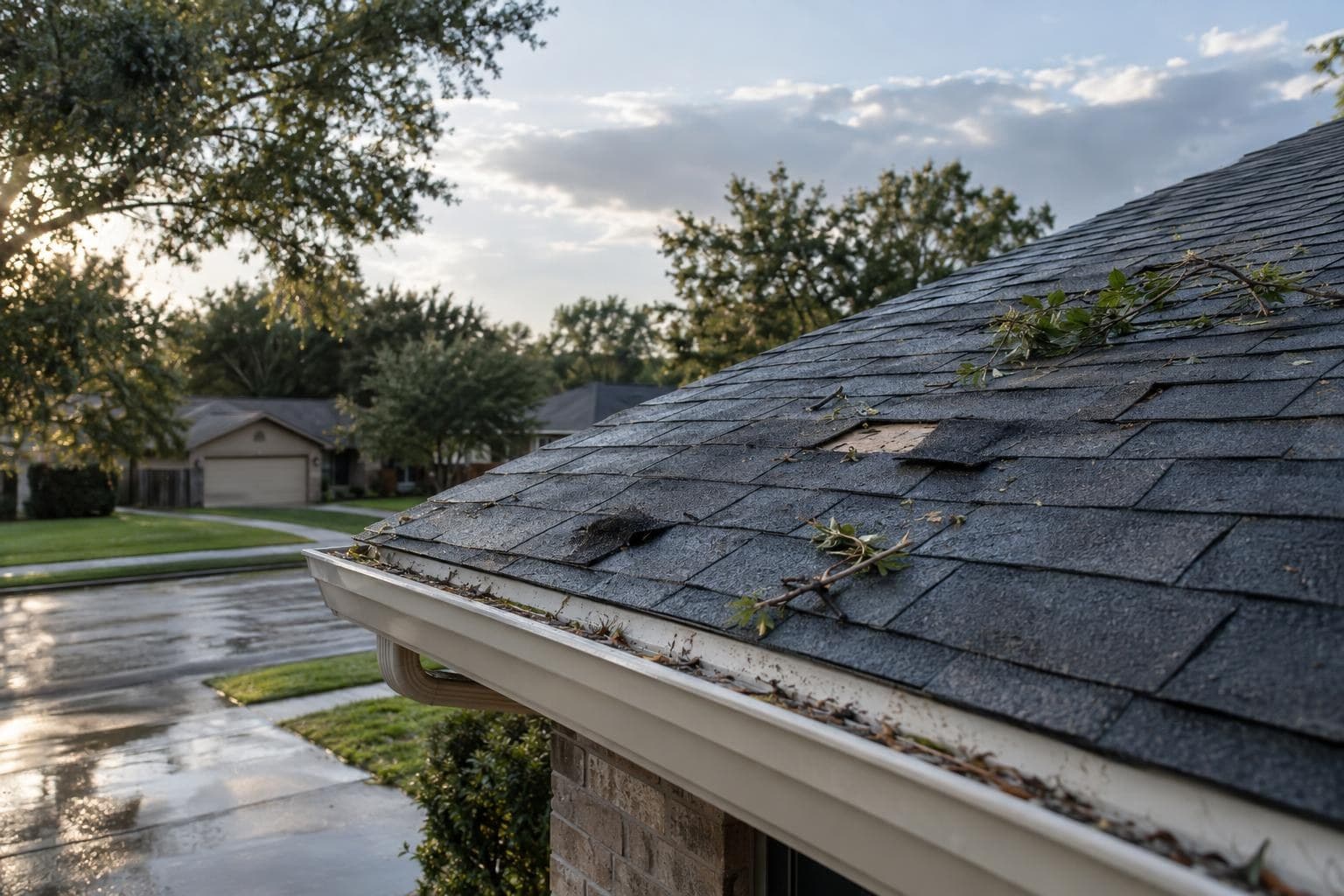
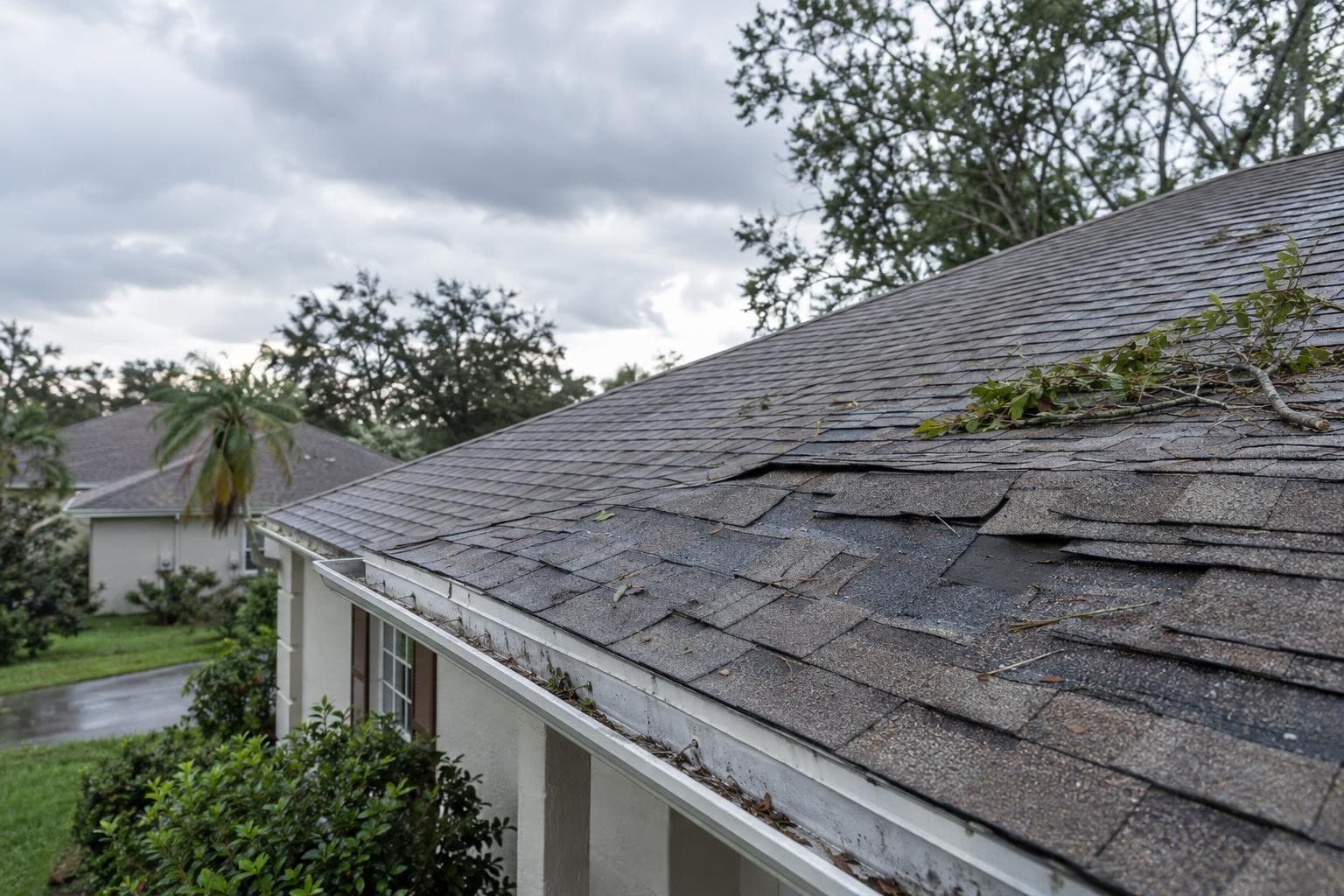
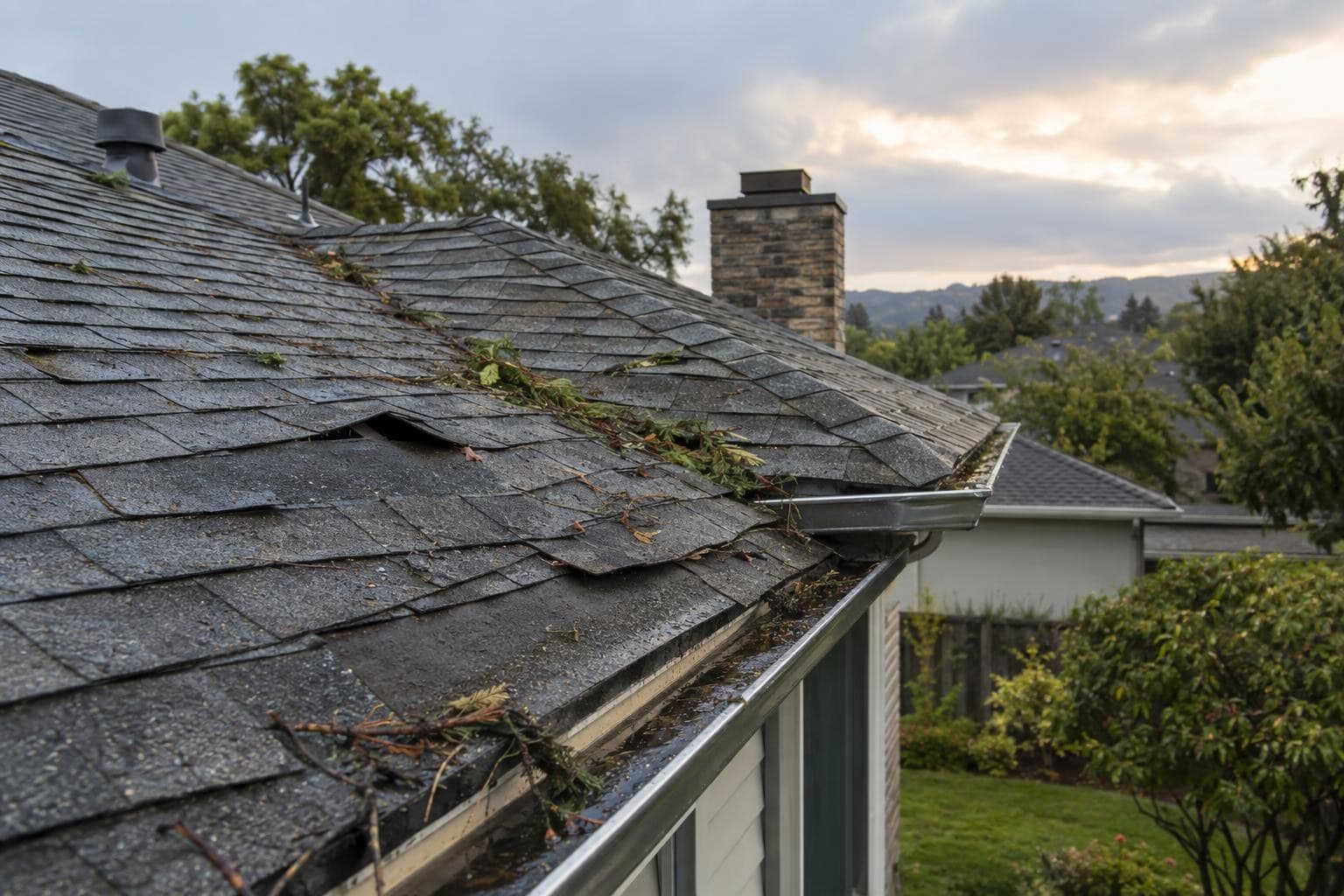
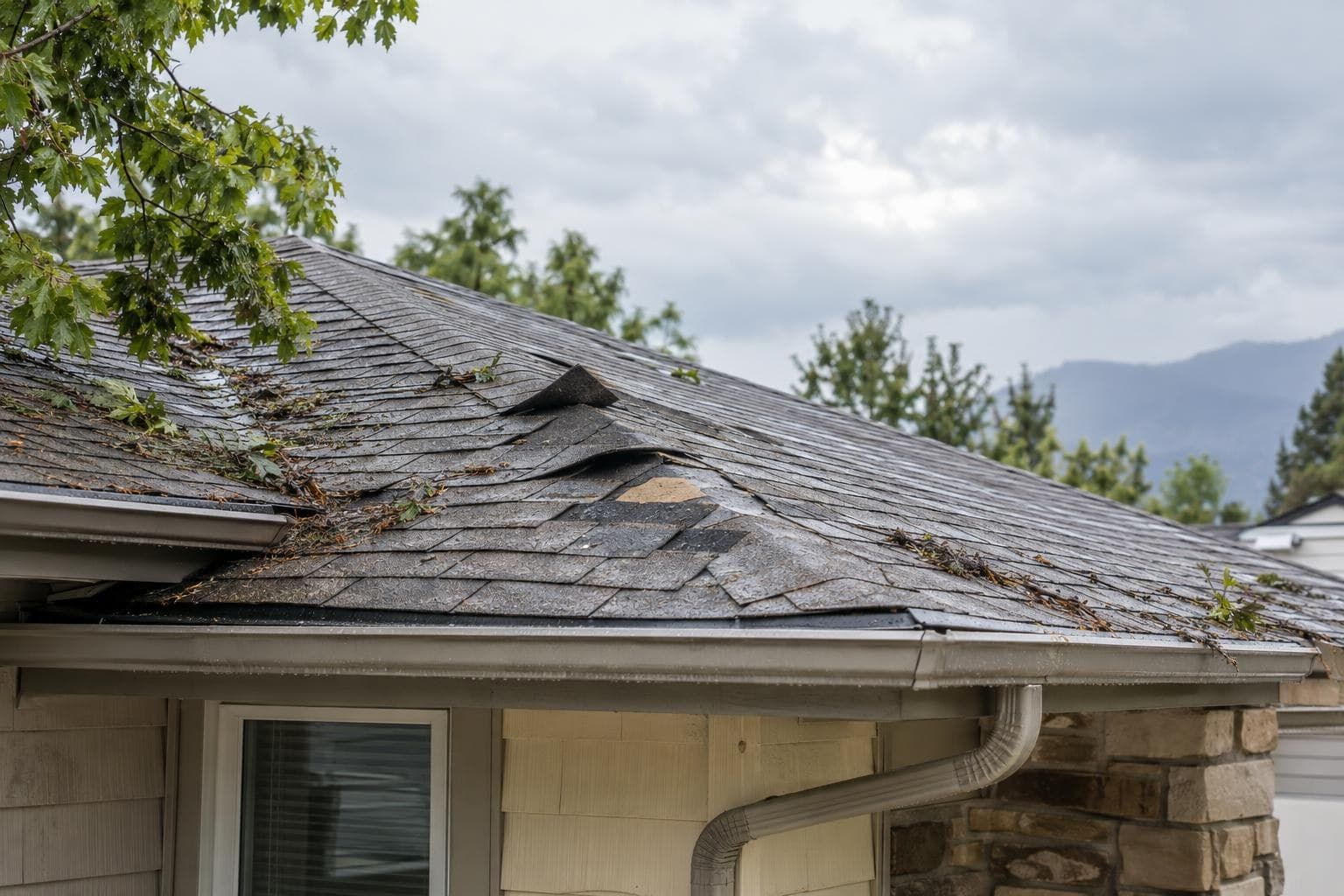
Focus on safety first, then water control, then proof. If there is active leaking, move belongings, place buckets, and relieve bulging ceiling pockets only if you can do it safely from inside. Stay off the roof if surfaces are slick, steep, or visibly damaged. From the ground, look for missing shingles, metal flashing out of place, debris impact, bent gutters, and ridge damage. Then call a roofing contractor you are considering for an inspection and temporary protection if needed. Quick action matters because new water intrusion can turn a repair into interior drywall, insulation, and framing problems.
- Take wide photos of every roof slope you can see from the ground.
- Photograph downspouts, gutters, window screens, siding, deck furniture, and AC fins for storm signs.
- Record the date of the storm and when you first saw the damage or leak.
- Protect the inside of your home with buckets, towels, and moved furniture.
- Do not start permanent repairs before the damage is documented.
How do you document roof storm damage so your claim has support?
Use clear, time-stamped photos and a simple written timeline. Start outside and inside. Photograph every elevation of the house, close-ups of visible damage, water stains on ceilings, wet insulation in the attic, and any personal property affected by leaks. Keep a note on what happened first, when the storm passed, when the leak began, and what emergency steps you took. Save receipts for tarps, buckets, or emergency dry-out costs. If branches or debris fell, photograph them before removal if they are not creating a safety hazard. Good documentation helps separate fresh storm damage from long-term wear.
Should you tarp the roof right away?
Yes, if the roof is taking on water, temporary tarping is the right move. The goal is to limit additional damage, not to hide what happened. A roofing contractor you are considering can place a tarp or other temporary covering over exposed decking, punctures, or torn edge areas while the roof is being evaluated. Keep photos from before and after the tarp goes on. That shows the storm-created opening and the steps you took to protect the home. If there is no active leak and no exposed deck, you may not need a tarp, but you still need an inspection soon.
Talk to a roofer today
Planning ranges, scope details, and a direct path to request a roofing quote.
How can you tell storm damage from an old roof wearing out?
Storm damage usually looks sudden, directional, or concentrated in hit zones. Age looks broad, even, and gradual. Hail often leaves random impact marks, bruising, punctures, broken shingle edges, and granule loss in patterns that match the storm path. Wind damage commonly shows lifted, creased, or missing shingles near edges, ridges, and corners where pressure is strongest. Aging, by contrast, usually shows uniform granule thinning, curling, brittleness, fading, and sealant shrinkage across the whole roof. In Colorado, intense UV at altitude can age asphalt faster than at lower elevations, and freeze-thaw works on flashing and seals over time. That is why a storm inspection should look at both fresh impacts and the roof's overall condition.
- Likely storm damage: sharp localized hits, torn tabs, fresh creases, displaced flashing, punctures, dented soft metals.
- Likely age-related wear: widespread brittleness, even color fade, generalized granule loss, old cracked sealant.
- Mixed case: an aging roof can still suffer new hail or wind damage, and both conditions may be present at once.
When should you file an insurance claim after hail or wind damage?
File once you have enough evidence that there may be covered storm damage, and do not wait so long that the record gets muddy. Start by reporting the loss to your carrier and asking about next steps. Then have your roofer document what they found. In Colorado, your contract matters. Colorado's residential roofing law, C.R.S. 6-22-101 et seq., gives you two ways out of a roofing contract. You can rescind any residential roofing contract within 72 hours of signing it, and if the work is to be paid from insurance proceeds, you can also rescind within 72 hours after your insurer notifies you in writing that the claim is denied in whole or in part. That gives you room to move quickly on inspection and emergency protection without feeling trapped.
What roof repairs or replacement costs should you expect in Colorado?
For current Colorado planning prices related to storm damage roof, use the cost guide and calculator, then compare the contractor's property-specific written scope. For storm damage roof in Colorado, treat a steep or difficult-to-access roof as a scope variable that the contractor should measure and price explicitly. For storm damage roof in Colorado, ask the contractor to put the expected working days and weather plan in writing; timing depends on roof size, material, access, crew scheduling, and conditions found after tear-off. If you want a deeper breakdown for your area and roof type, full local pricing lives on the Colorado cost page and the calculator.
Are Class 4 shingles worth it after a Colorado hail claim?
For storm damage roof in Colorado, coverage depends on the policy language, cause of loss, exclusions, and the insurer's decision; verify those terms in your own documents. Colorado roofs fail where the weather hits hardest, and hail is the biggest local threat for many homes. Class 4 shingles are worth comparing on Colorado homes with meaningful hail exposure. The key is to verify the exact product's current UL 2218 classification, the starter and ridge components, and the rest of the proposed assembly. The rating does not guarantee freedom from all damage or establish a policy credit. Ask your carrier in writing whether the product qualifies, which premium portion is affected, and what documentation it requires. For storm damage roof in Colorado, any insurance credit depends on the carrier, policy, address, and exact product; get the amount and documentation requirements from the insurer in writing.
What Colorado roofing contract and deductible rules should you watch for?
Read the contract closely, and pay attention to deductible promises. Under C.R.S. 6-22-105, a Colorado roofing contractor cannot pay, waive, rebate, or even promise to pay, waive, or rebate all or part of your insurance deductible on an insurance-funded job. If someone offers a free roof by covering your deductible, walk away. Colorado also does not license roofing contractors at the state level, which puts more weight on the written contract and your own checks. The contract should spell out the scope and cost of work, approximate start and completion dates, the contractor's contact and insurance information, and your cancellation and refund rights. You should also confirm your roofer is registered or licensed in your jurisdiction and will pull the local permit required for roofing work.
How do you choose the right next step after the storm?
Choose the path that matches the actual damage, not the fear right after the storm. If the roof has a few isolated hits and no active leak, you may only need a repair. If hail or wind damage is spread across multiple slopes, if the underlayment or decking is exposed, or if age and storm damage together have pushed the roof past a practical repair, replacement may make more sense. Start with a prompt inspection, solid photos, and temporary protection where needed. Then compare repair versus replacement using 2026 market pricing, your policy terms, and how much hail, wind, UV, snow, and freeze-thaw your part of Colorado really sees. That gives you a cleaner decision and a better chance of fixing the problem once.
Sources reviewed
- Colorado Attorney General: Preventing Home Repair and Roofing Fraud
- Colorado Division of Insurance / DORA (action to lower homeowners rates; resilient roofs)
- National Weather Service: Severe Thunderstorm Safety
- Federal Trade Commission: Four Ways to Avoid Scams After a Weather-Related Disaster
- Georgia Attorney General Consumer Protection Division: Beware of Roofers Scamming Storm Victims
Plan with current pricing
Related services
Updated July 27, 2026
3D Roofs Editorial Team
Editorial Standards