Updated July 27, 2026

3D Roofs Editorial Team
Editorial Standards
If a storm just hit your Kentucky roof, act fast but do not rush into permanent work. Kentucky roofs have to deal with severe weather, including tornado events called out by the state, along with the normal cycle of wind, rain, hail, and temperature swings that wear shingles, flashing, and roof penetrations over time. In the first 48 hours, your job is simple: protect people, document the damage, stop active water entry, and avoid deals that can cost you claim money before the real scope is clear.
What should you do in the first 48 hours after roof storm damage in Kentucky?
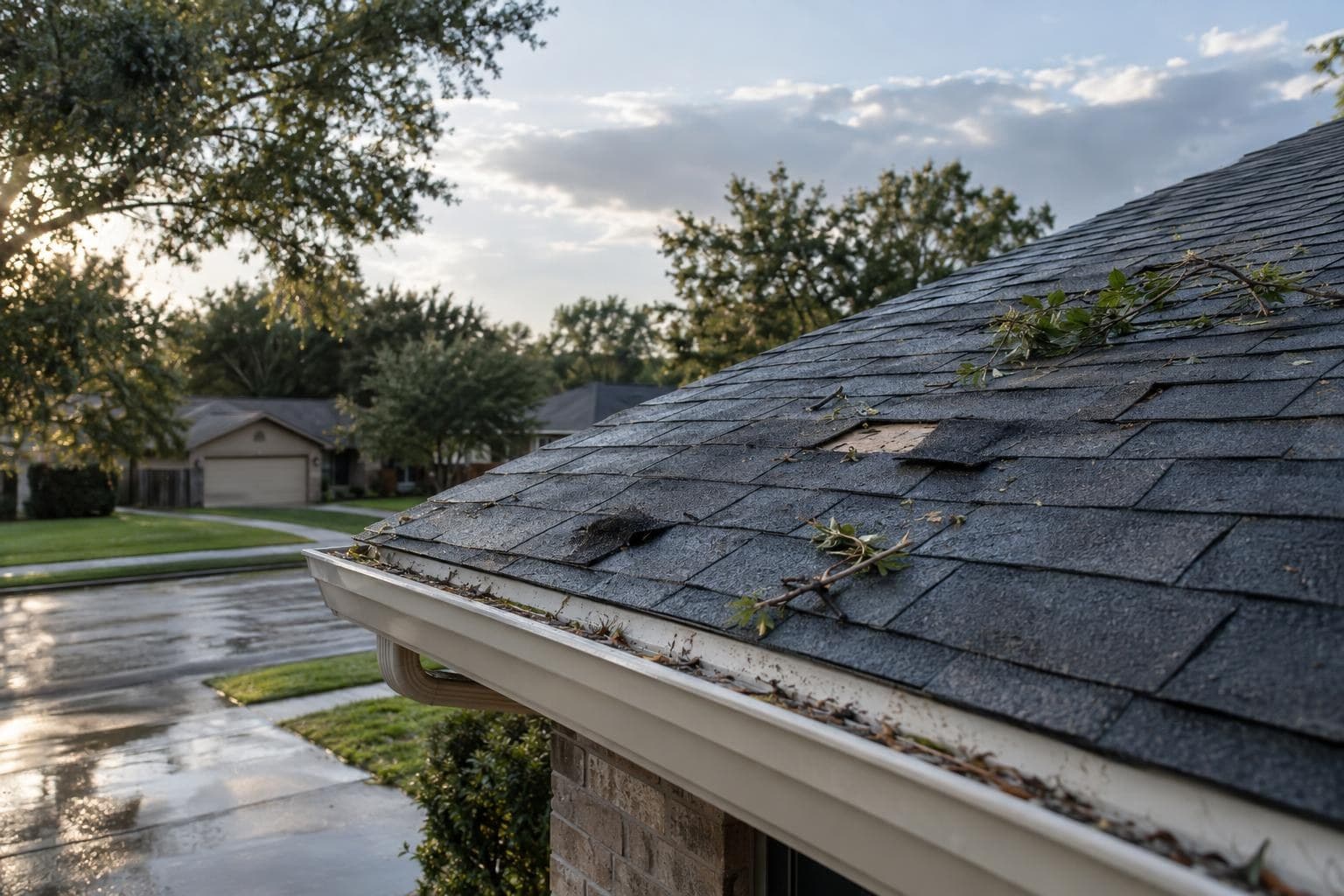
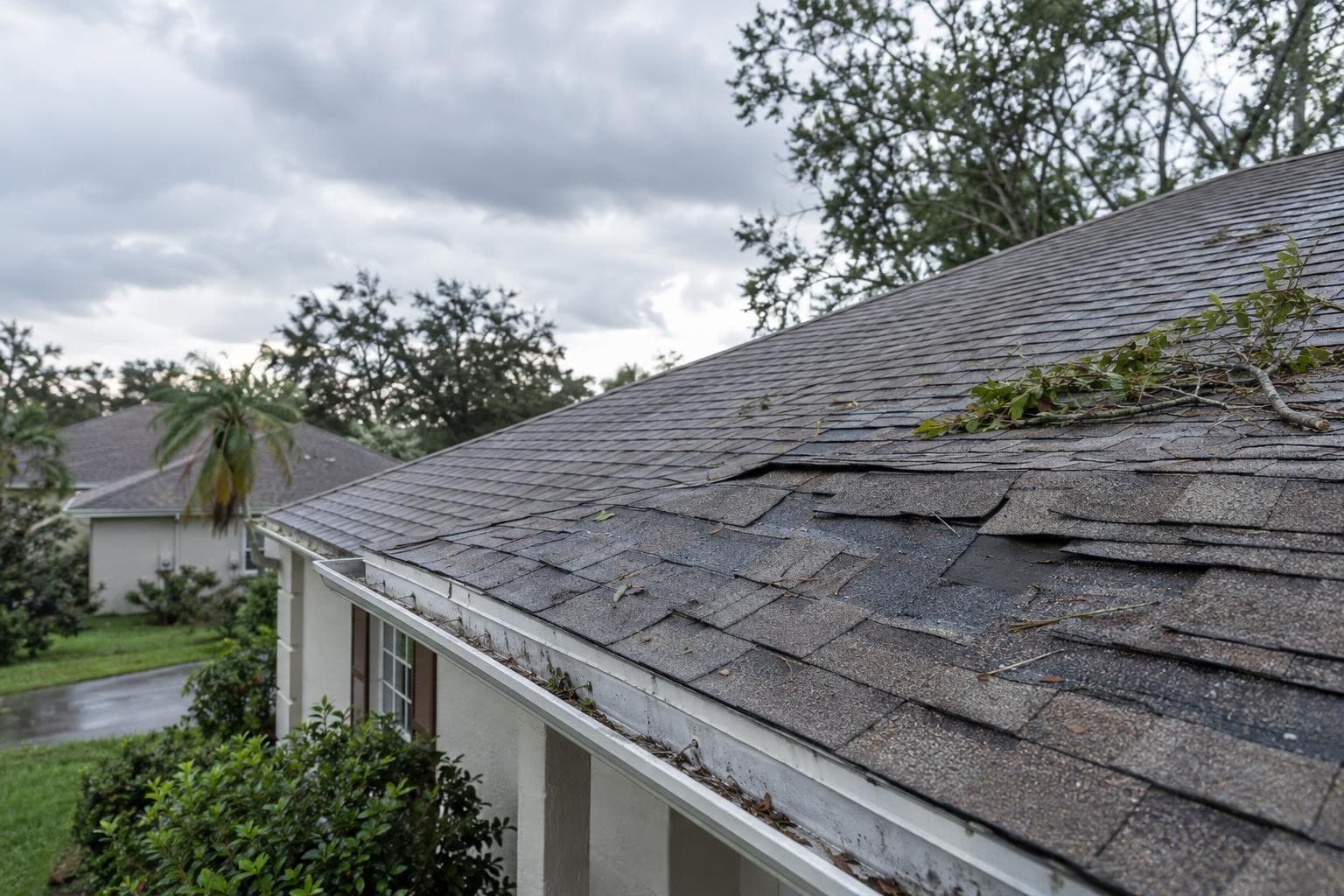
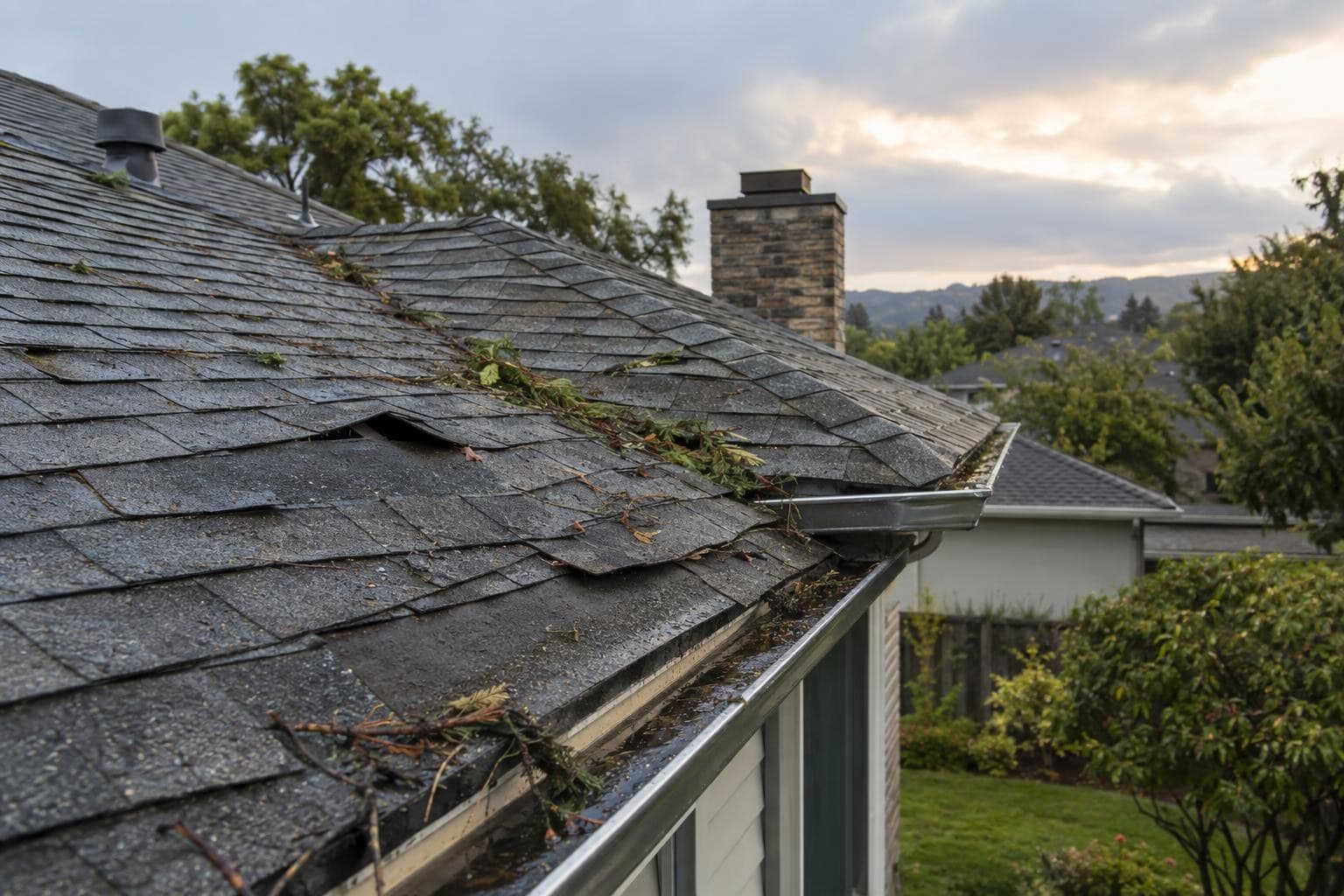
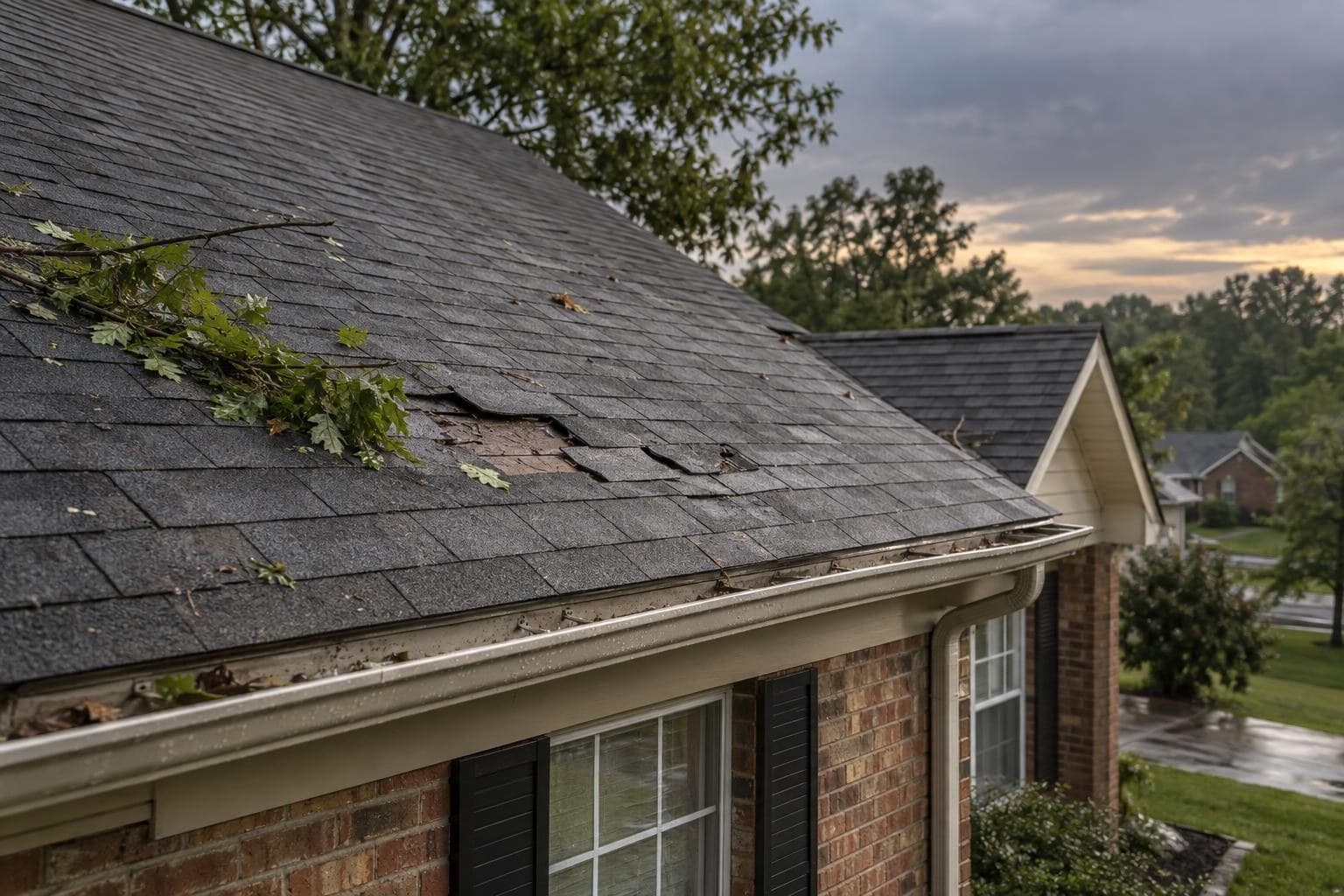
Start with safety, then documentation, then temporary protection. Stay off the roof if it is wet, steep, unstable, or visibly damaged. If water is coming in, move belongings, place buckets, and take photos before cleanup if you can do that safely. Walk the ground around your home and photograph missing shingles, bent metal, fallen branches, dents on gutters or vents, and any debris pattern that shows wind direction. Inside, photograph ceiling stains, wet insulation, peeling paint, and water trails down walls. If you can safely access the attic, take photos of fresh drips, darkened decking, and wet insulation. Save a few loose shingle pieces if they are on the ground. They can help show what changed after the storm.
- Take wide photos of each roof slope from the ground.
- Take close photos of shingles, flashing, gutters, vents, skylights, and siding damage.
- Photograph every interior sign of water, including ceilings, walls, attic decking, and insulation.
- Write down the storm date, approximate time, and what you noticed first.
- Keep receipts for emergency supplies and temporary protection.
Should you put a tarp on a storm-damaged roof right away?
Yes, if the roof is actively leaking or open to weather, temporary tarping is the right next step. The goal is to prevent more damage, not to hide the original damage. A tarp can protect decking, insulation, drywall, and personal property while you plan permanent repairs. It should be installed by your roofer if the roof is unsafe to walk. Good temporary protection is documented before and after installation so there is a clear record of what the storm did and what was done to limit further loss.
This matters in Kentucky because after major storms, the bigger risk is often rushed hiring and temporary repairs that eat into your claim funds before permanent work is planned well. Temporary work should stay temporary. Do not let anyone use a quick patch or tarp as a reason to pressure you into signing a full replacement agreement on the spot.
How do you document roof storm damage for an insurance claim?
Lead with a simple, organized record. Make one folder for photos, one note with the storm timeline, and one place for receipts and inspection notes. Take photos before cleanup, during any emergency mitigation, and after the area is stabilized. If your roofer inspects the roof, ask for marked photos that show the exact location of lifted shingles, creased tabs, punctures, damaged flashing, and hail hits on soft metals. That kind of visual record makes it easier to separate fresh storm damage from older wear.
- Create a room-by-room list of all interior water signs.
- Note whether damage appeared suddenly after the storm or had been developing over time.
- Save samples of materials found on the ground, like shingle tabs or metal fragments.
- Ask for written estimates from at least three contractors.
- Insist on a written, detailed contract covering the work, materials, payment terms, start date, and approximate completion date.
Talk to a roofer today
Planning ranges, scope details, and a direct path to request a roofing quote.
How can you tell storm damage from an old roof wearing out?
Storm damage usually looks sudden and directional. Age-related wear usually looks even and widespread. Wind damage often leaves missing shingles, lifted edges, creases across shingle tabs, torn seal strips, and damage concentrated on the slopes that took the strongest gusts. Hail damage may leave bruising, fractured mat, and fresh impact marks on soft metals like vents, flashing, and gutters. By contrast, an aging roof often shows uniform granule loss, brittle shingles, curling, shrinking, exposed fiberglass, and random maintenance issues spread across the whole roof.
The distinction matters because Kentucky roofs already deal with wind, rain, hail, and temperature swings over time. A storm can damage one part of a roof while age is affecting another part. That is why good photos, marked inspection notes, and a clear storm timeline matter. You want the record to show what changed because of this storm, not just what was already old.
Should you repair the roof or replace it after a Kentucky storm?
If damage is limited and the rest of the roof is in solid shape, repair can make sense. For current Kentucky planning prices related to storm damage roof, use the cost guide and calculator, then compare the contractor's property-specific written scope. If the storm exposed broader problems, caused damage across multiple slopes, or hit a roof that was already near the end of its service life, replacement may be the cleaner long-term move. For storm damage roof in Kentucky, ask the contractor to put the expected working days and weather plan in writing; timing depends on roof size, material, access, crew scheduling, and conditions found after tear-off.
Is a Class 4 shingle worth considering after hail or wind damage?
Yes, it can be worth pricing if you are already replacing the roof after a storm. For storm damage roof in Kentucky, any insurance credit depends on the carrier, policy, address, and exact product; get the amount and documentation requirements from the insurer in writing. The right move is to ask your insurer whether it offers a homeowners insurance discount for that roofing material, because discounts, if any, are set by the carrier.
What should you avoid signing or paying for after a storm?
Do not pay upfront and do not sign under pressure. On the Kentucky Department of Insurance tornado relief guidance, consumers are told: "DO NOT PAY UPFRONT - do not pay out any funds until the work has been completed and meets your standards of satisfaction." The same guidance also says to insist on a written contract that includes a description of the work, total cost and completion date. Be especially careful with door-to-door pitches, requests to sign over insurance checks, or documents that give the contractor rights to your insurance claim.
Kentucky also says home repair contracts generally cannot be canceled, but there are exceptions. You have "three business days to cancel contracts which result from a home solicitation (door-to-door) sale of an amount that must be confirmed for the written scope or more and/or which result in a lien against the home unless the work is done on an emergency basis." If you want to cancel such a contract, the Attorney General says to send a written notice of cancellation within three days to the business.
How do you choose a roofing contractor you are considering after storm damage?
Use the old-fashioned process and slow the conversation down. Get written estimates from at least three contractors. Ask for past customer references. Make sure the roofer comes to your home to assess the job. Be wary of large deposits, pressure to sign on the spot, and any push to let someone control your insurance money or claim paperwork.
Also protect yourself from payment risk. The Kentucky Attorney General explains that subcontractors or material suppliers may be able to collect from you or place a lien on your property if they are not paid, even if you already paid the contractor. The office recommends getting lien waivers and being careful with advance payments for materials. If claim handling goes sideways, Kentucky's Division of Consumer Protection handles consumer complaints against homeowners insurance and also takes complaints regarding the actions of an agent or agency. If you run into claim handling problems, you have a state complaint path.
Kentucky roofing costs
Sources reviewed
- Kentucky Attorney General, Contractor Registration Program
- Kentucky Attorney General, Home Repair and Improvement
- National Weather Service: Severe Thunderstorm Safety
- Federal Trade Commission: Four Ways to Avoid Scams After a Weather-Related Disaster
- Georgia Attorney General Consumer Protection Division: Beware of Roofers Scamming Storm Victims
Related services
Updated July 27, 2026
3D Roofs Editorial Team
Editorial Standards