Updated July 27, 2026

3D Roofs Editorial Team
Editorial Standards
If a storm just hit your Michigan roof, start by protecting the inside of your home, documenting everything, and getting a roofing contractor you are considering to inspect the damage. The first 48 hours matter because water keeps moving after the weather clears, and the photos and notes you collect now can make the next steps much cleaner.
What should you do in the first 48 hours after storm damage to your roof in Michigan?
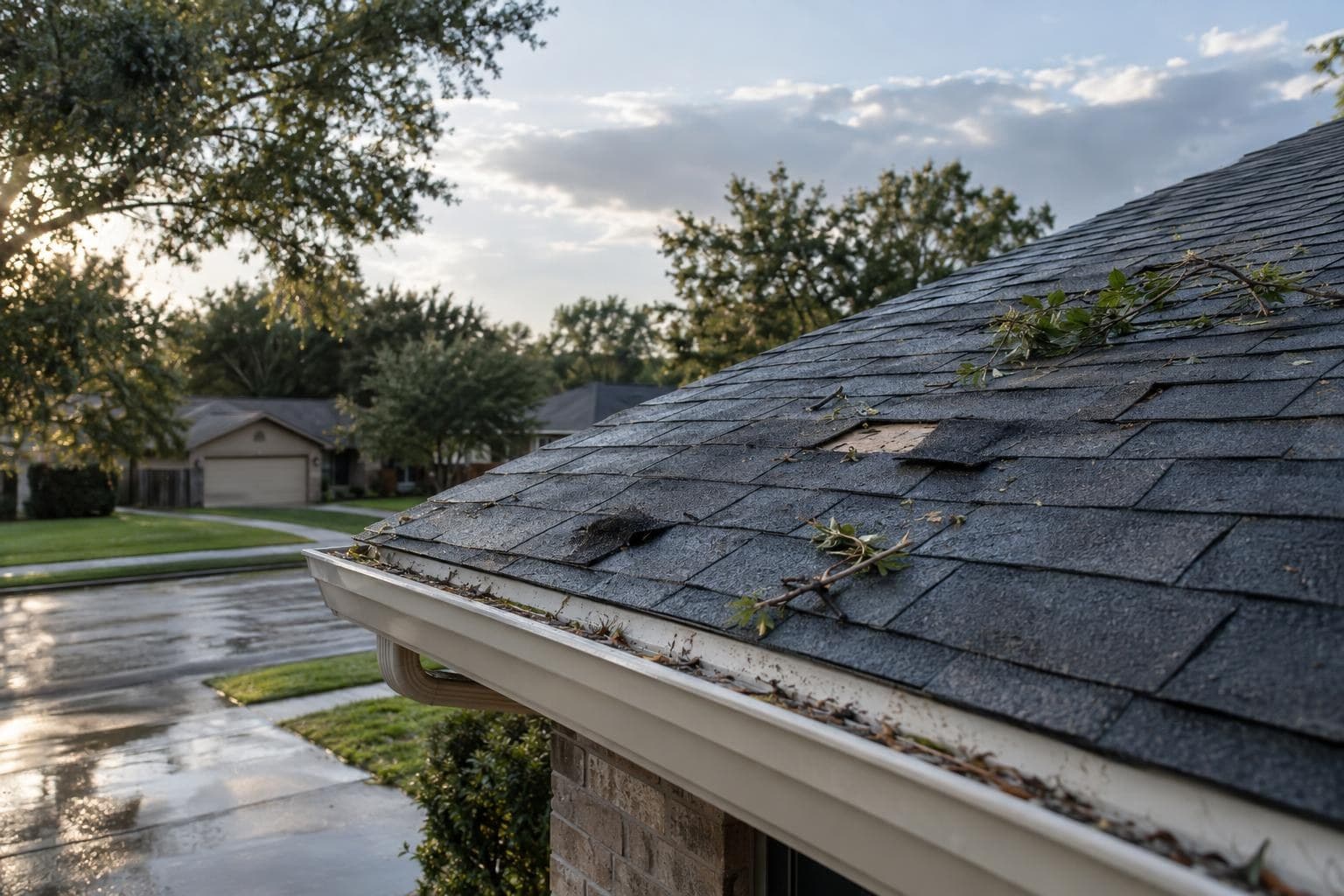
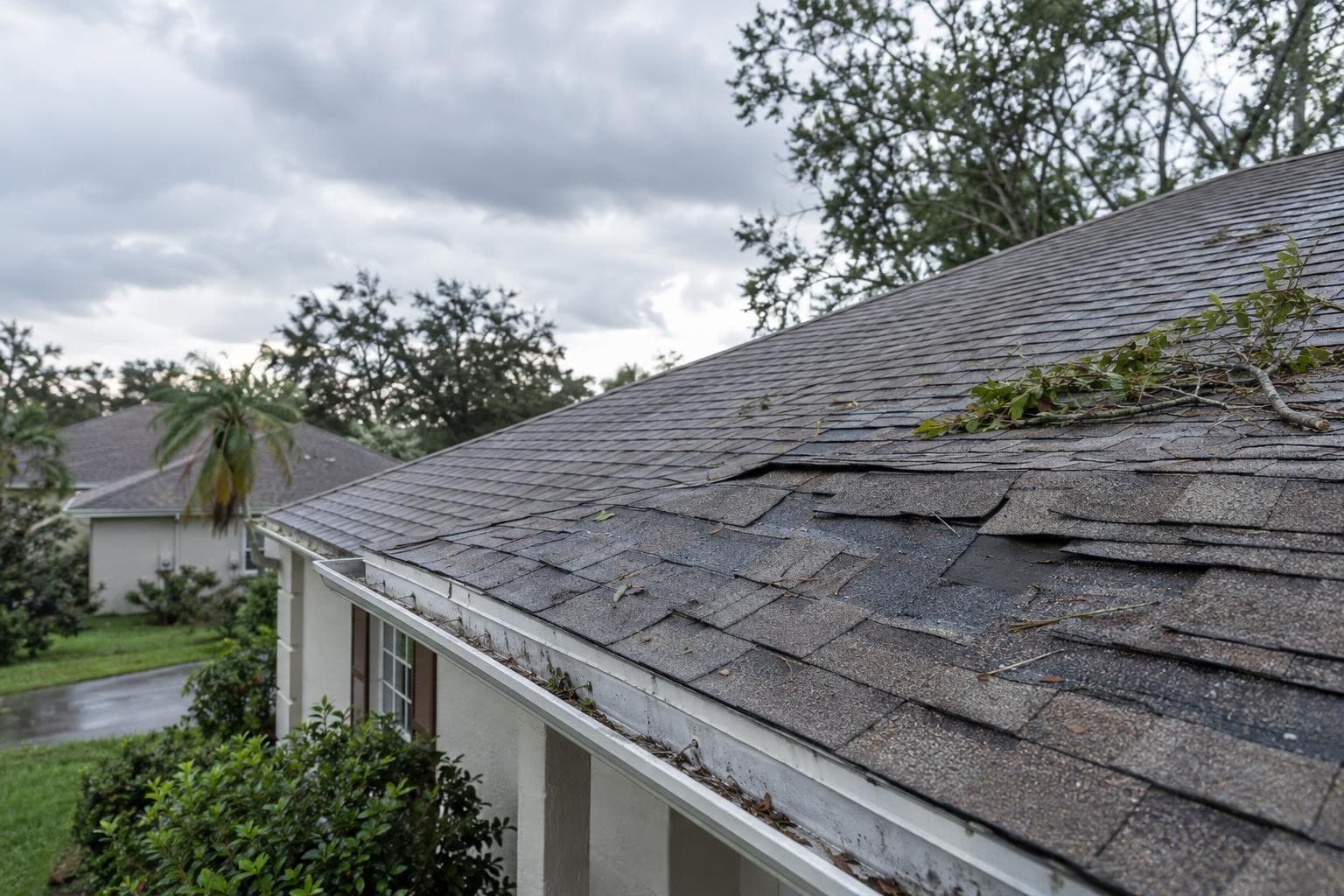
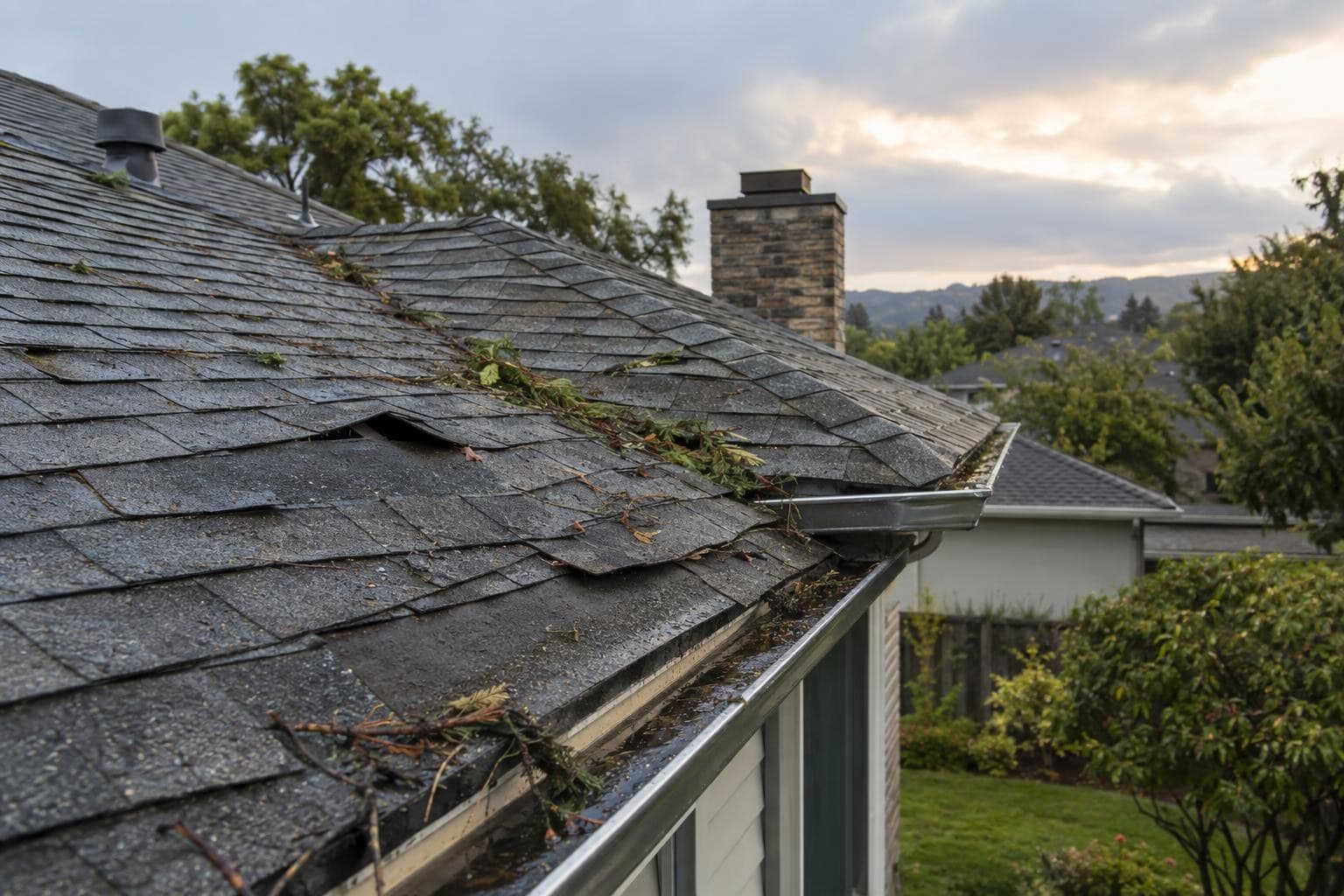
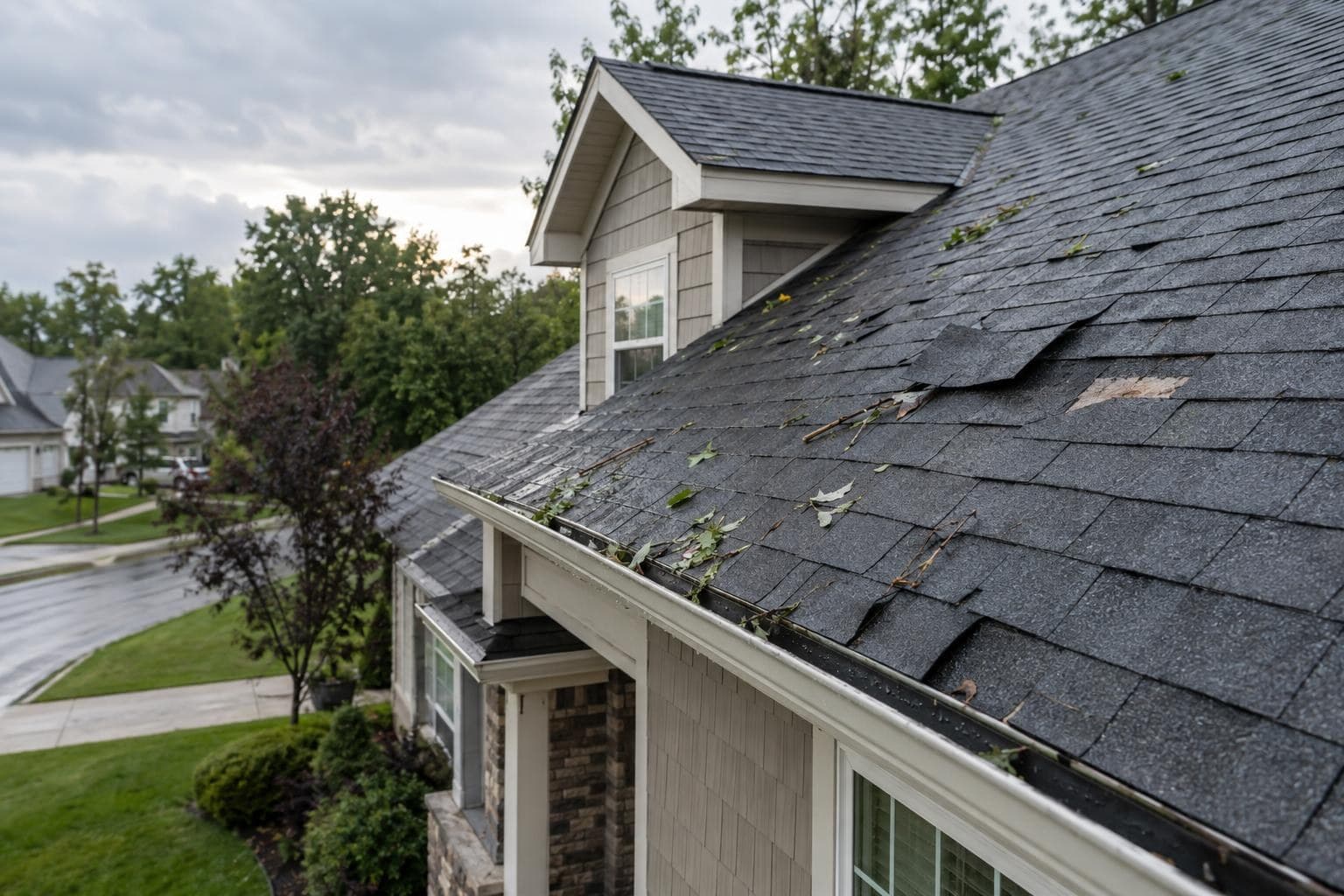
Start with safety, then stop active leaking, then document the damage before anything gets moved or cleaned up. Stay off the roof if it is wet, steep, or you suspect structural damage. Inside the house, put buckets under drips, move furniture and valuables, and take clear photos of ceiling stains, wet insulation, damaged drywall, and anything else the leak touched. Outside, take ground-level photos of missing shingles, bent flashing, fallen branches, dented gutters, and debris patterns. If water is getting in, ask your roofer about emergency tarping to limit further damage until repairs or replacement can be scheduled.
- Take photos and short video of every damaged area, inside and outside
- Write down the date of the storm and what you noticed first
- Save any pieces of shingle, flashing, or other roofing material that blew off
- Do not pressure wash, patch, or throw away evidence before inspection
- If a contractor came to your door, remember you have three days to cancel in writing under the Home Solicitation Sales Act
How do Michigan weather conditions damage a roof after a storm?
Michigan roofs get hit from both cold-season stress and summer storms, so damage is not always limited to one event. Michigan roofs fail where winter hits hardest. Heavy snow, and lake-effect bands off Lakes Michigan, Superior, and Huron, pile snow load onto the structure, while the constant freeze-thaw cycling expands and contracts everything and pries at flashing and fasteners. The biggest cold-weather threat is ice dams: heat escaping into the attic melts snow that refreezes at the cold eaves, and the backed-up water forces its way under the shingles. Summer is not a break either. Thunderstorms across the Lower Peninsula bring straight-line winds and hail, especially in the southern and southeastern counties, that bruise shingles and strip granules. That mix matters because a storm can expose weak spots that were already stressed by winter.
How do you document roof storm damage for an insurance claim?
Document the damage like you may need to prove both the cause and the timing. Use wide shots first to show the whole roofline, siding, gutters, downspouts, windows, and yard, then close-ups of torn tabs, lifted shingles, impact marks, metal dents, and interior water stains. Keep a simple file with your photos, videos, storm date, and notes about when leaks started. If tree limbs fell, photograph them before removal if it is safe to do so. Good documentation helps separate sudden storm damage from long-term wear and can help if a claim is delayed or disputed.
Talk to a roofer today
Planning ranges, scope details, and a direct path to request a roofing quote.
Should you tarp a storm-damaged roof right away?
Yes, if the roof is actively leaking or there is exposed decking, tarping is often the right short-term move. Tarping does not fix the roof, but it can reduce interior damage while you wait for weather, materials, or the repair schedule to line up. Have your roofer handle it when possible, especially on steep or slick roofs. Temporary protection also shows that you acted to limit further damage, which is important when an insurer reviews what happened after the storm.
How can you tell storm damage from an old roof wearing out?
Storm damage usually looks sudden and directional, while age-related wear looks even and widespread. Wind damage often shows up as missing shingles, creased tabs, lifted edges, or a pattern on the slopes that took the strongest gusts. Hail damage may leave bruising, impact marks, or granule loss in more concentrated areas, and you may also see dents on metal vents, gutters, or flashing. Age shows up differently: uniform granule loss, brittle shingles, curling, cracking, exposed fiberglass over broad areas, and old seal strips that no longer bond well. In Michigan, freeze-thaw cycling and ice dams can muddy the picture because they slowly pry at flashing and fasteners, then a thunderstorm finishes the job. That is why a close inspection matters before you assume it is all storm-related.
When should you file a roof insurance claim in Michigan?
File a claim when the damage is clearly from a covered event and the likely cost is more than your deductible or likely to lead to bigger interior damage if ignored. For storm damage roof in Michigan, review the declarations and endorsements for any wind, hail, hurricane, or named-storm deductible. Ask the insurer to show the policy-specific calculation in writing instead of relying on a generic percentage. On a an amount that must be confirmed for the written scope home that can be an amount that must be confirmed for the written scope to an amount that must be confirmed for the written scope out of pocket before the insurer pays anything. Coverage also depends on whether your roof is insured at replacement cost or actual cash value: on an older roof, an ACV policy pays only the depreciated value, and some policies exclude purely cosmetic hail dents. Read your declarations page so the payout does not surprise you.
What if a contractor says they can cover your deductible?
Do not sign that deal. For storm damage roof in Michigan, do not assume a contractor can remove or hide the deductible required by the policy. Verify current state law and the written proposal with the insurer or state insurance regulator before signing. If a storm claim is wrongly denied or delayed, you can file a complaint with the Department of Insurance and Financial Services (DIFS) at michigan.gov/difs or 877-999-6442.
How much does storm roof work cost in Michigan?
For current Michigan planning prices related to storm damage roof, use the cost guide and calculator, then compare the contractor's property-specific written scope. If the damage is widespread, replacement may make more sense than repeated patching. For storm damage roof in Michigan, treat a steep or difficult-to-access roof as a scope variable that the contractor should measure and price explicitly. For storm damage roof in Michigan, ask the contractor to put the expected working days and weather plan in writing; timing depends on roof size, material, access, crew scheduling, and conditions found after tear-off. If you want a broader breakdown, full local pricing lives on the Michigan cost page and the calculator.
Is it worth upgrading after storm damage in Michigan?
It can be, especially if hail and wind are a recurring problem where you live, but the right upgrade is not just about the shingle rating. In Michigan, water protection and attic conditions matter as much as the shingle classification. Ask how the proposal handles eaves, valleys, penetrations, air sealing, insulation, and balanced ventilation. Class 4 shingles are also worth comparing where hail exposure is a concern, but verify the exact product and insurer treatment. Any credit is carrier- and policy-specific, so obtain eligibility and documentation requirements in writing before using it in the budget. For storm damage roof in Michigan, any insurance credit depends on the carrier, policy, address, and exact product; get the amount and documentation requirements from the insurer in writing.
How do you choose the right roofer after a storm in Michigan?
Start by verifying the license and then review the scope in writing. Michigan licenses residential roofing at the state level. Under Article 24 of Public Act 299 of 1980, a contractor doing roofing on homes must hold either a Residential Builder license or a Maintenance and Alteration (M&A) Contractor license carrying the roofing classification (trade code "M"), issued by the Bureau of Construction Codes under the Department of Licensing and Regulatory Affairs (LARA). "Unlicensed roofer" is not just a red flag here, it means they are not legally allowed to do the work for compensation. Ask your roofer for the license information and confirm it is active through LARA's license lookup. Then review the written scope for tear-off, decking, underlayment, ice-and-water shield at the eaves and valleys, flashing, ventilation, and cleanup so you know exactly what storm restoration includes.
The bottom line is simple: in the first 48 hours, protect the house, document everything, and get a roofing contractor you are considering involved before small leaks become bigger structural and interior problems. Michigan storms do not hit a roof in isolation. Snow load, freeze-thaw cycling, ice dams, summer wind, and hail all stack damage over time. A careful inspection helps you separate true storm damage from age, make a cleaner insurance decision, and choose the right repair or replacement path with fewer surprises.
Sources reviewed
- Michigan DIFS - Tornado / Severe Storms consumer guidance
- Michigan Attorney General - Building and Remodeling: Advice for Homeowners
- National Weather Service: Severe Thunderstorm Safety
- Federal Trade Commission: Four Ways to Avoid Scams After a Weather-Related Disaster
- Georgia Attorney General Consumer Protection Division: Beware of Roofers Scamming Storm Victims
Plan with current pricing
Related services
Updated July 27, 2026
3D Roofs Editorial Team
Editorial Standards