Updated July 27, 2026

3D Roofs Editorial Team
Editorial Standards
If a storm hits your Mississippi roof, act fast but keep it simple: document what you can safely see, stop active leaks, and get your roof checked before humidity and heat turn a small opening into a bigger problem. Mississippi roofs face hurricane-season wind and rain, high humidity, and intense sun for much of the year. Wind and hail can lift shingles and damage flashing quickly during a storm, and standard homeowners policies usually cover that kind of windstorm damage directly caused by wind or hail, subject to your policy's terms. Humidity and heat can also wear down roofing materials over time, so regular inspection matters as much as storm response.
What should you do in the first 48 hours after roof storm damage?
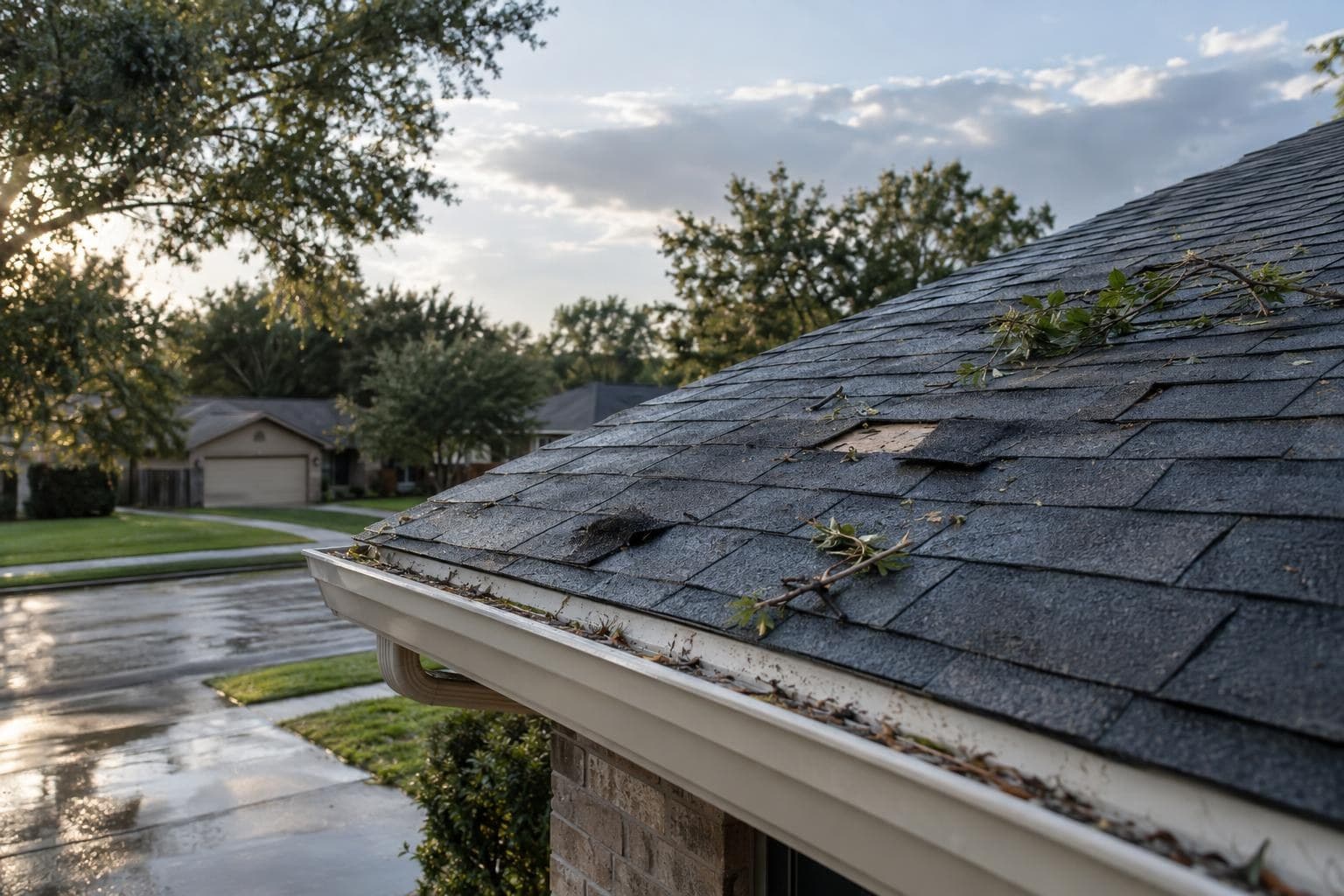
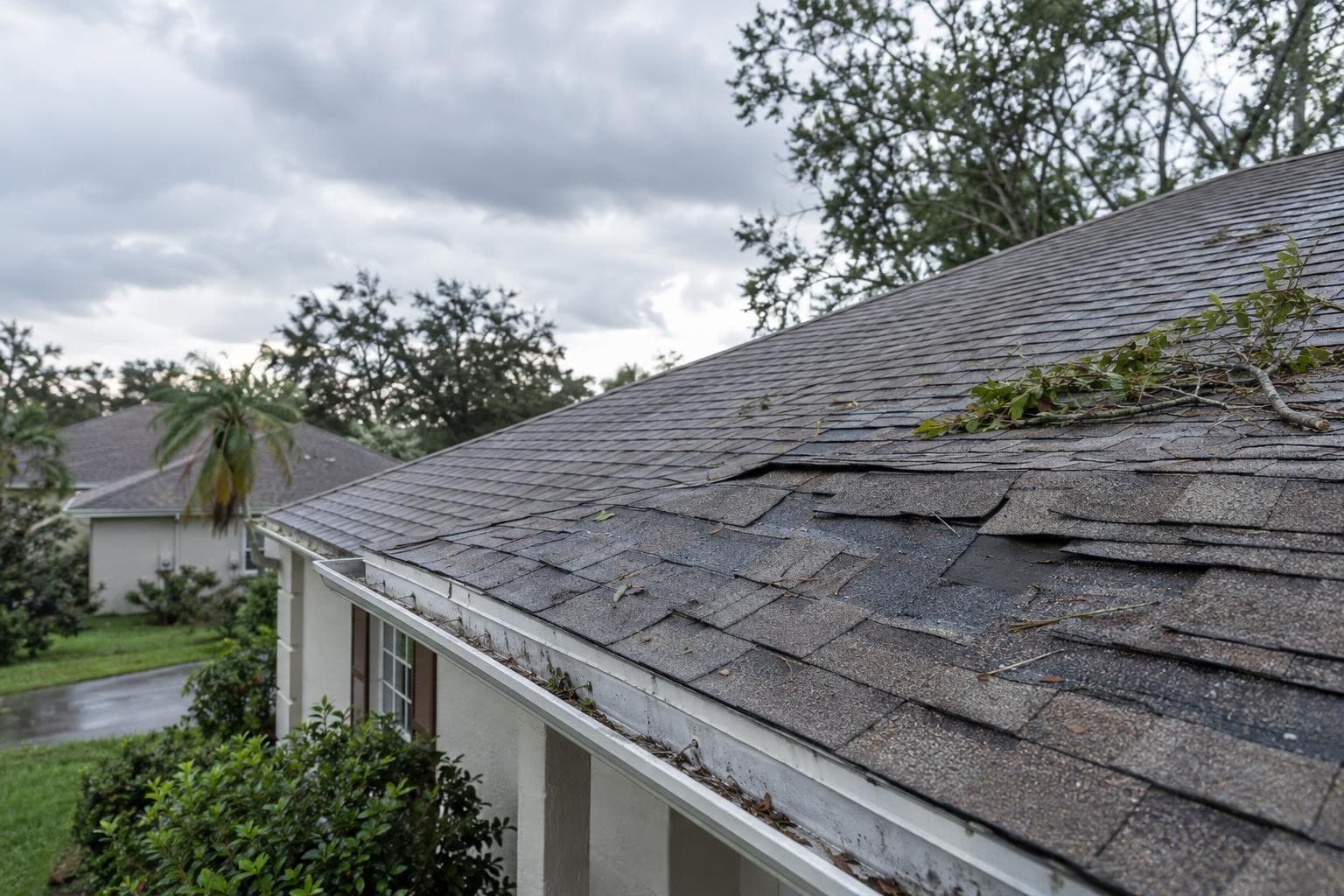
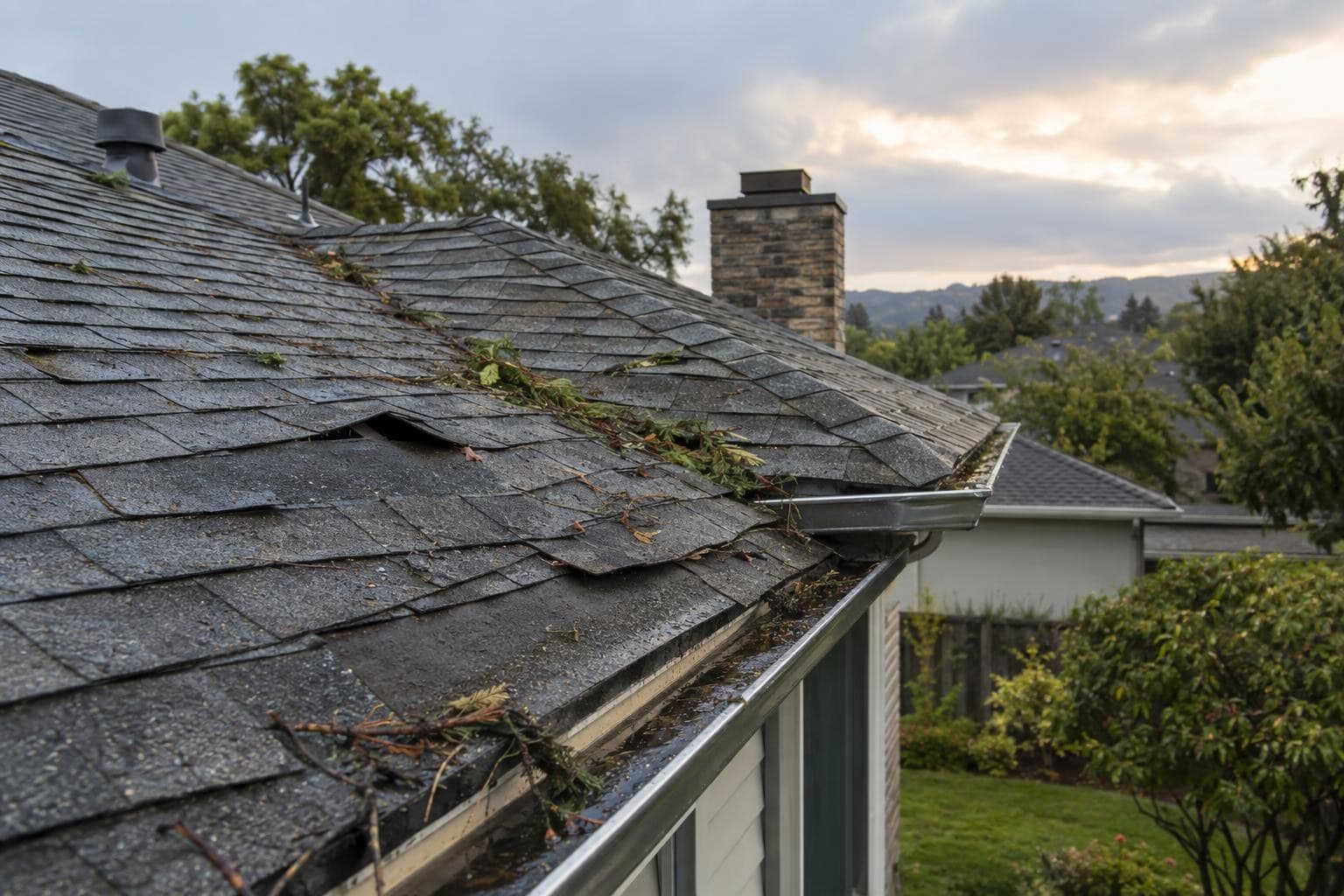
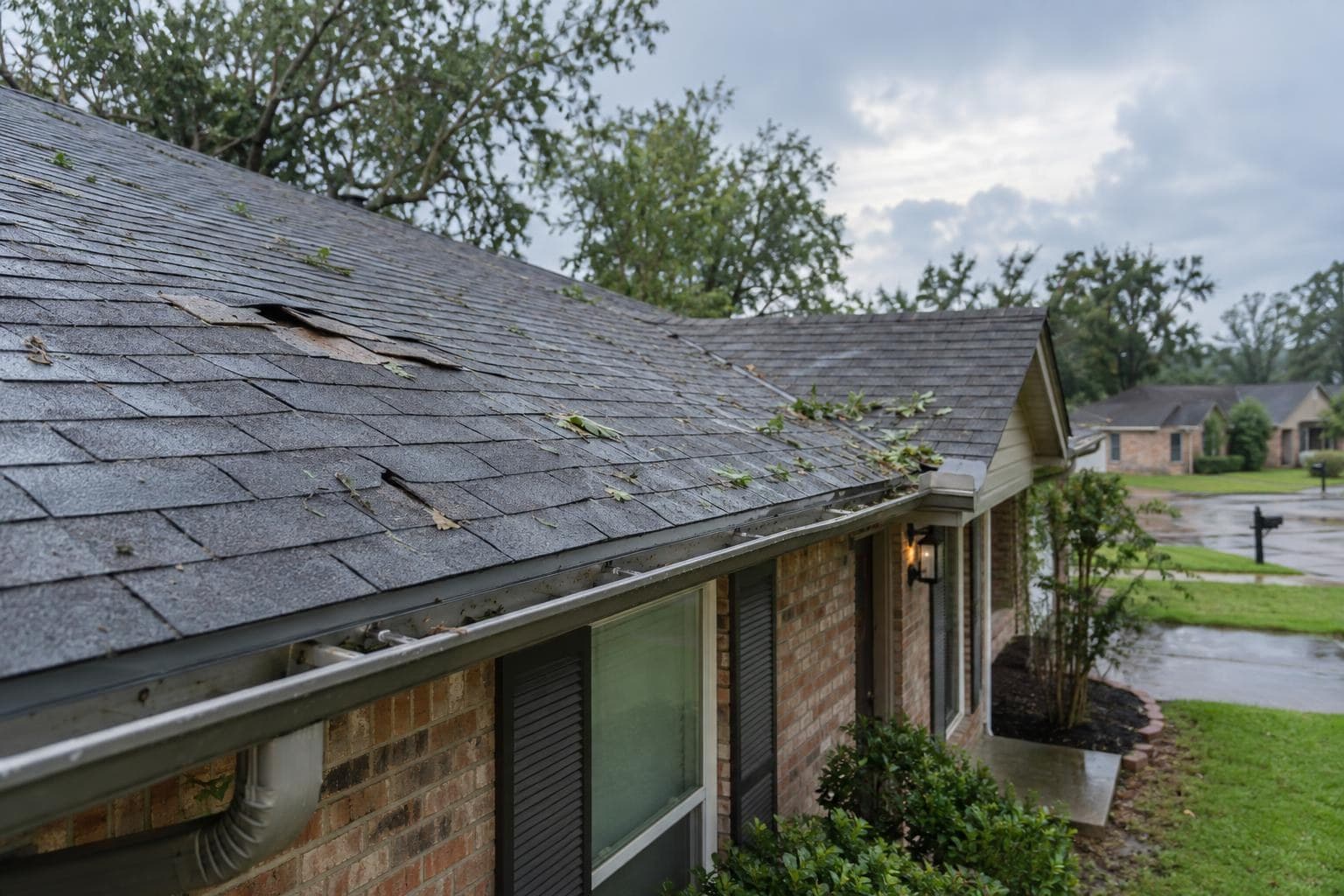
Start with safety, then protect the house, then document everything. In the first two days, your goal is to limit more damage and create a clear record for your claim and your roofer. If water is getting in, move belongings, place buckets or towels under drips, and take photos of interior stains, wet insulation, ceiling bubbles, or damaged walls. Outside, only inspect from the ground if conditions are unsafe. Look for missing shingles, bent flashing, exposed underlayment, fallen branches, dented gutters, and debris fields around the home.
- Take wide photos of every roof slope you can see from the ground
- Take close photos of shingles on the ground, metal pieces, gutters, vents, and flashing
- Photograph interior water spots, peeling paint, wet attic areas, and damaged personal property
- Write down the date of the storm and when you first noticed the damage
- If emergency tarping is needed, keep photos from before and after the tarp goes on
- Save receipts for materials or emergency steps you pay for
Should you put a tarp on a storm-damaged roof right away?
Yes, if the roof is actively letting water in, temporary tarping can help reduce further damage. The key is to treat tarping as a short-term protective step, not the final repair. A roofing contractor you are considering can handle emergency dry-in work and document the damaged areas before covering them. That documentation matters because once a section is covered, it is harder to show what the storm did. If the roof is steep, slippery, or still exposed to wind, stay off it and call for help. The cost of a repair is often much lower than the cost of added interior damage from waiting.
For current Mississippi planning prices related to storm damage roof, use the cost guide and calculator, then compare the contractor's property-specific written scope. If the damage turns out to be widespread, a full replacement may make more sense.
How do you document roof storm damage for an insurance claim?
Use clear, time-stamped evidence and keep your notes organized from day one. Take photos before cleanup, during temporary protection, and after any new leaks appear. If a branch hit the roof, photograph the branch before it is removed if you can do that safely. If hail or wind affected other parts of the property, capture that too, because it can help show the storm path and severity. A simple folder on your phone with the storm date in the name is often enough to keep things straight.
- Save weather alerts, claim emails, and text messages in one place
- Ask your roofer for a written summary of visible storm-related damage
- Keep a list of every room with signs of water intrusion
- Make note of when the tarp was installed and who installed it
- Track every out-of-pocket cost tied to emergency protection or cleanup
Talk to a roofer today
Planning ranges, scope details, and a direct path to request a roofing quote.
Does homeowners insurance usually cover wind and hail roof damage in Mississippi?
Usually yes, but you need to confirm your policy details. The Mississippi Insurance Department says standard homeowners' policies usually cover windstorm damage directly caused by wind or hail, but you should still check your policy to make sure it does not include a windstorm exclusion. If wind and hail coverage is excluded, the state points homeowners to the Mississippi Windstorm Underwriting Association, known as the windpool, as a coastal-area option.
There is another point many homeowners miss before storm season: flood insurance is separate. The Mississippi Insurance Department says flood insurance is written by the National Flood Insurance Program and warns homeowners: "Do not procrastinate; there is a 30-day waiting period before the policy goes into effect." If your roof and home need flood coverage, you need to arrange it well before a storm is in the Gulf.
How can you tell storm damage from an old roof wearing out?
Storm damage usually looks sudden and directional, while age-related wear usually looks even and gradual. After wind or hail, you may see sharp creases in shingles, torn tabs, freshly exposed asphalt, displaced ridge pieces, dented metal, or flashing that pulled loose in a specific area. Age shows up differently: granule loss spread across the roof, curling edges, brittle shingles, fading, and general drying from years of heat and sun. In Mississippi, humidity and heat can wear down roofing materials over time, so it is common for a storm to expose a weak area that was already aging.
That distinction matters because the question is often not whether the roof is old, but whether the storm directly caused new damage that let water in or reduced the roof's ability to shed water. A roofing contractor you are considering can document storm-created openings and point out wear that appears unrelated. That makes it easier for you to have a cleaner conversation with your carrier and adjuster.
What should you ask an adjuster and roofer after a Mississippi storm?
Ask direct questions and verify who is handling your claim and your roof work. Mississippi tells homeowners to make sure any adjuster assigned to a claim is properly licensed and to ask to see identification. If you need help with a claim problem, the guidance says to contact the Mississippi Insurance Department, and after a major hurricane the department will set up a local claims processing assistance center to help residents.
For the roofing side, Mississippi ties roofing licensing directly to job size. The Mississippi State Board of Contractors says residential roofing work over an amount that must be confirmed for the written scope requires a license issued by MSBOC. For you, that means a straightforward first step: ask your roofer for their MSBOC license number and check it before you sign a contract for a job near or above that an amount that must be confirmed for the written scope threshold.
Should you repair the roof or replace it after storm damage?
Repair if the damage is limited and the rest of the roof still has solid life left. Replace if the storm damage is widespread, repeated leaks are showing up, or the roof was already near the end of its service life before the storm. Most storm calls fall into one of those two buckets after inspection. For storm damage roof in Mississippi, ask the contractor to put the expected working days and weather plan in writing; timing depends on roof size, material, access, crew scheduling, and conditions found after tear-off.
If you are considering impact-resistant Class 4 shingles, ask your carrier whether it offers a premium discount or credit for that upgrade. For storm damage roof in Mississippi, any insurance credit depends on the carrier, policy, address, and exact product; get the amount and documentation requirements from the insurer in writing. Discounts are set by the insurance company, so confirm the details and any documentation your carrier wants before you replace the roof. You can also review full local pricing on the Mississippi cost page and the calculator when you are weighing repair versus replacement.
What is the smartest next step after a storm hits your roof?
Get the roof inspected quickly, protect it from more water, and keep your documentation tight. That gives you the best chance to separate fresh storm damage from old wear, make a cleaner insurance claim, and avoid the extra damage that Mississippi humidity can cause after a leak starts. If your roof took a hit, the right move is not to guess from the driveway. It is to get a roofing contractor you are considering involved, understand whether you are looking at a repair or replacement, and move before a temporary problem becomes a much bigger one.
Mississippi roofing costs
Sources reviewed
- Mississippi Windstorm Underwriting Association, About Us
- Mississippi Insurance Department, Consumer Hurricane Checklist
- National Weather Service: Severe Thunderstorm Safety
- Federal Trade Commission: Four Ways to Avoid Scams After a Weather-Related Disaster
- Georgia Attorney General Consumer Protection Division: Beware of Roofers Scamming Storm Victims
Related services
Updated July 27, 2026
3D Roofs Editorial Team
Editorial Standards