Updated July 10, 2026

3D Roofs Editorial Team
Editorial Standards
After a storm hits your New Mexico roof, the first 48 hours are about three things: safety, stopping more damage, and building a clean record of what happened. New Mexico roofs deal with intense UV exposure, dry heat, wind-driven rain, hail, mountain snow in some areas, and wildfire conditions in many parts of the state. That mix can dry out roofing materials, stress sealants and flashing, and make small weak spots turn into leaks after a storm. If your roof is older or already worn, the storm may expose weak areas that were close to failing. Your job is to protect the house first, then get clear evidence before temporary fixes or cleanup erase the story of the damage.
What should you do in the first 48 hours after roof storm damage?
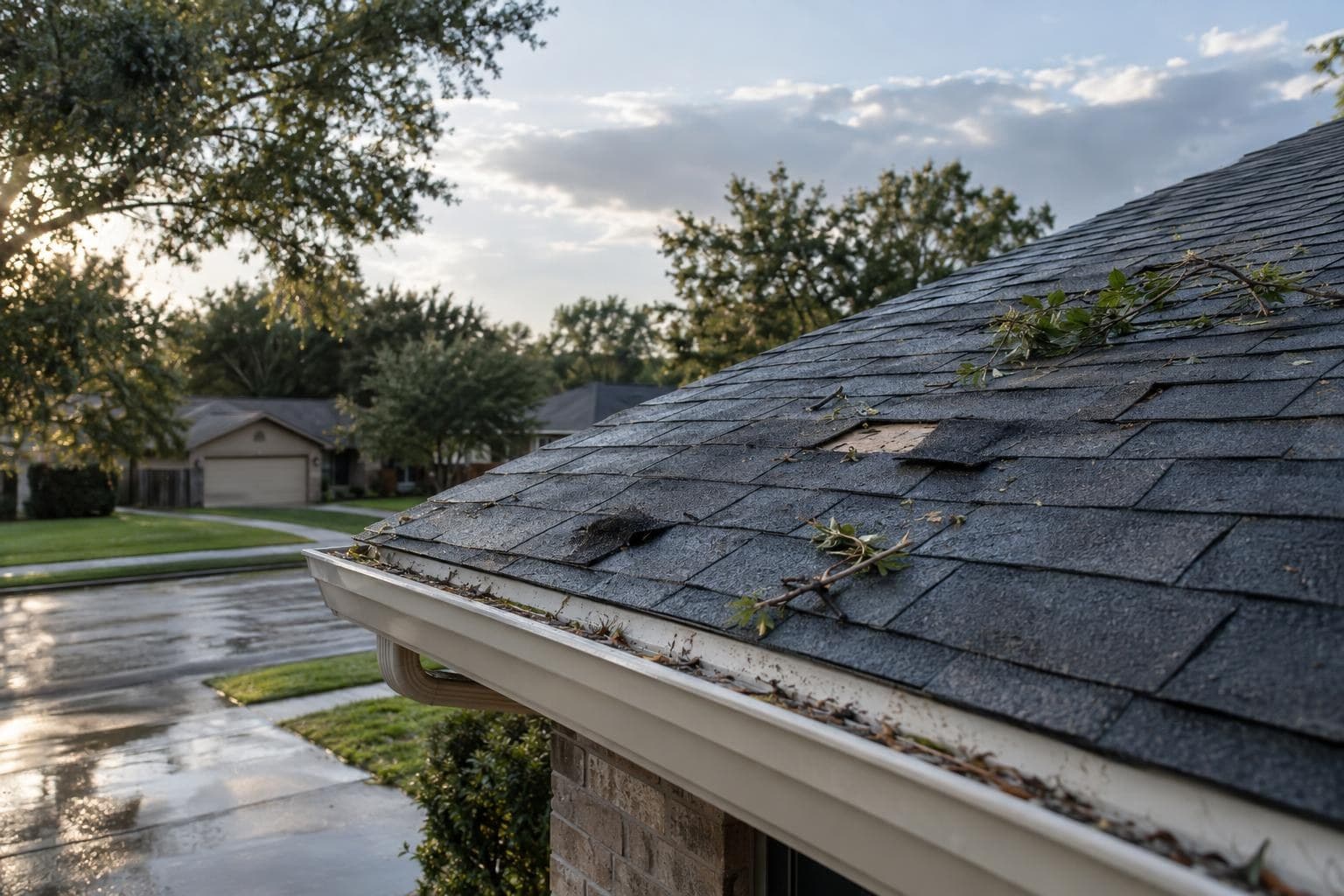
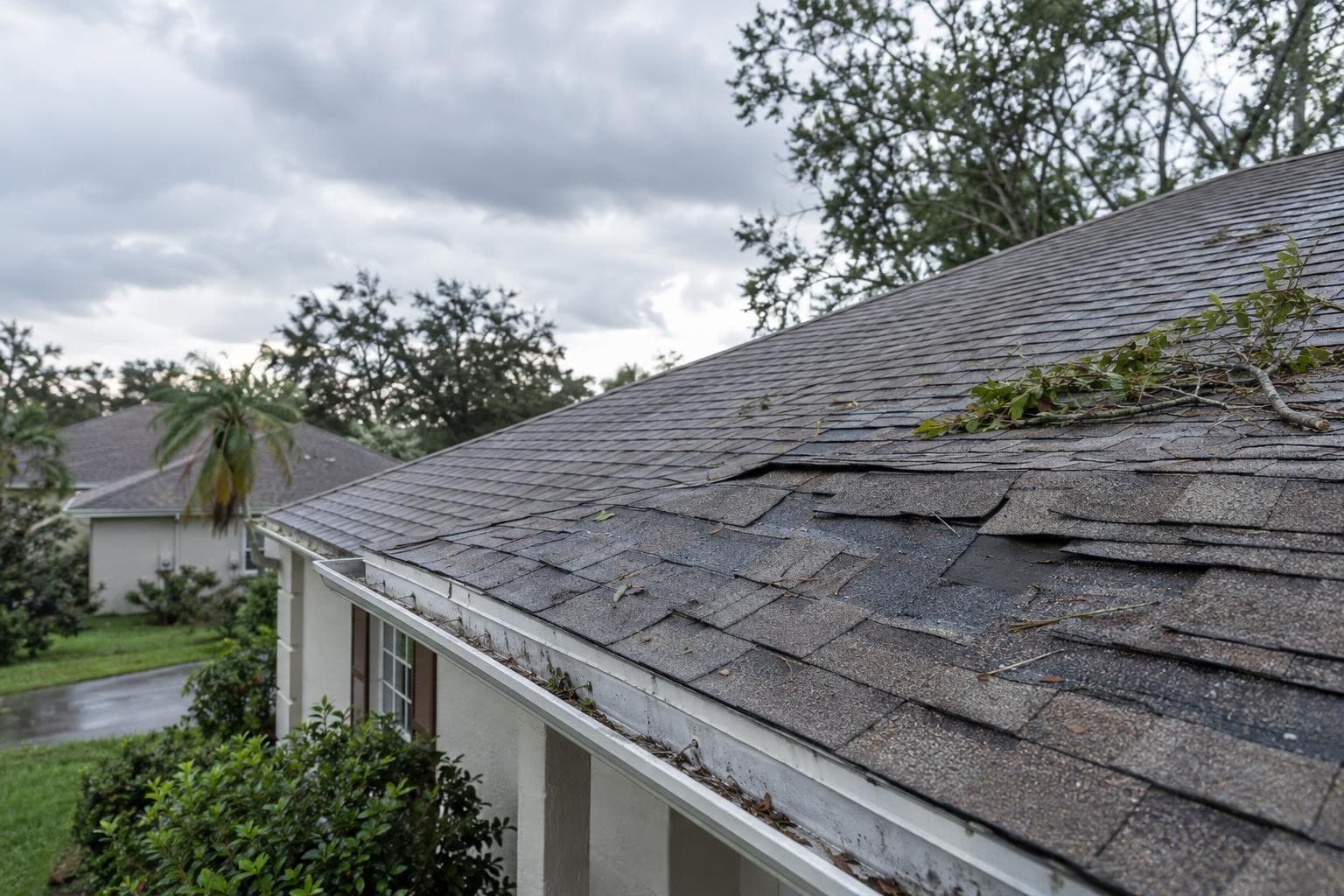
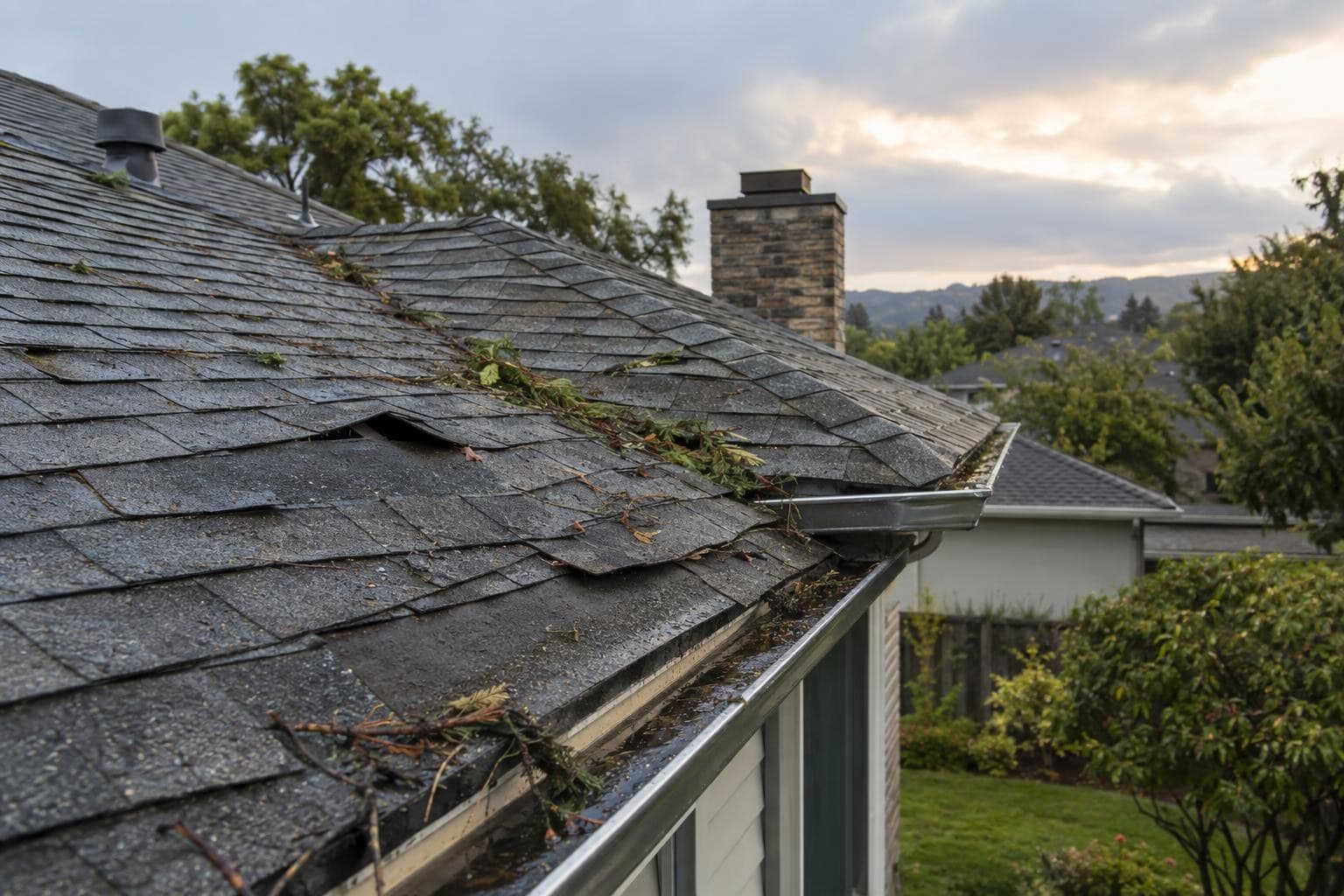
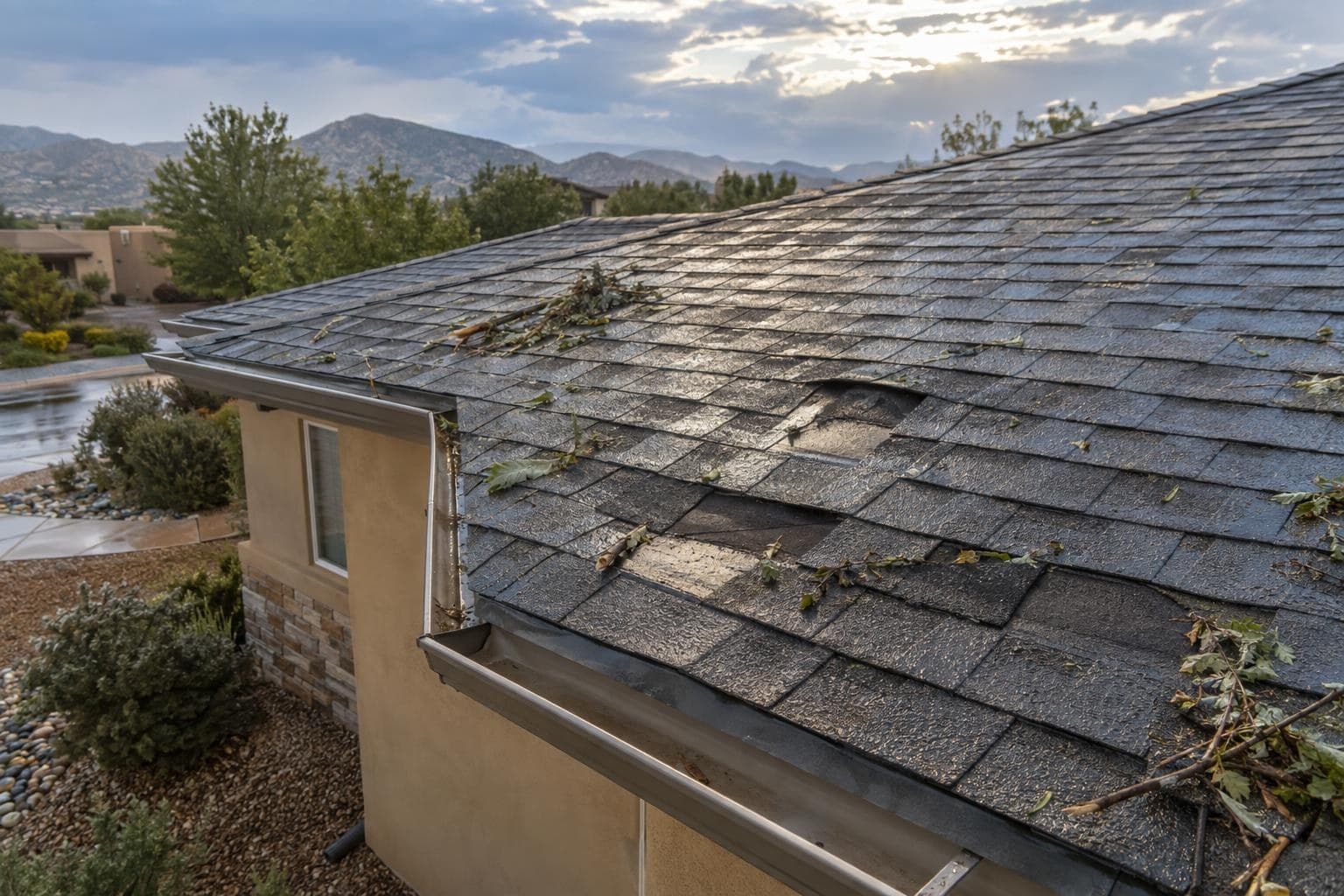
Start with safety, then document, then stabilize. If power lines are down, tree limbs are hanging, or water is reaching electrical fixtures, stay out and address those hazards first. Inside the house, place buckets under leaks, move furniture and electronics, and take photos of water spots, wet insulation, peeling paint, and anything else the storm affected. Outside, only do a ground-level walkaround if it is safe. Look for missing shingles, lifted edges, exposed underlayment, bent flashing, fallen branches, dented metal, and debris patterns around downspouts and valleys. If water is actively getting in, call a qualified local roofing contractor for emergency tarping or temporary dry-in work. Temporary protection matters because a small opening can turn into larger interior damage fast in wind-driven rain.
How do you document roof storm damage for insurance?
Take more photos than you think you need, and keep them organized by area and time. Start with wide shots of each roof slope from the ground, then medium shots of visible damage, then close-ups of specific points like torn shingles, lifted flashing, punctures, dents, broken skylight parts, or displaced ridge material. Inside, photograph ceilings, walls, attic moisture, and any personal property affected by leaks. Save weather alerts, date-stamped notes, and receipts for emergency supplies or temporary protection. If a tarp goes on, photograph the damage before and after the tarp. If debris falls onto the roof, photograph that before it is removed if you can do so safely. Good documentation helps separate pre-existing wear from storm-created openings and gives your roofer and your carrier a cleaner timeline to work from.
Should you put a tarp on the roof right away?
Yes, if the roof is actively leaking or the storm opened the roofing system, temporary covering is usually the right move. The point of tarping is not to hide damage, it is to prevent more of it. In New Mexico, wind-driven rain can force water under loose edges and flashing, and older dried-out materials may fail faster after one storm event. A properly placed tarp or other temporary dry-in can limit damage to decking, insulation, ceilings, and contents while you line up a full inspection. Do not climb onto a wet, steep, or damaged roof yourself. Have your roofer handle the temporary protection and document the condition before work starts. Keep every invoice and photo from that visit.
Talk to a roofer today
Planning ranges, scope details, and a direct path to request a roofing quote.
How can you tell storm damage from normal roof aging?
The clearest difference is pattern and timing. Storm damage usually shows up as a recent, directional event: missing tabs after high wind, fresh creases where shingles bent hard, impact marks from hail, new tears around edges, or sudden leaks near flashing that held before the storm. Age-related wear usually looks more uniform and gradual: widespread granule loss, brittle shingles, dried sealant, sun-faded surfaces, repeated repairs, and cracking that built up over time. In New Mexico, intense UV exposure and dry heat can make shingles and sealants brittle, so a storm may be the trigger that turns age into a leak. That is why your photos, storm date, and a prompt inspection matter. You want to identify what is newly storm-caused, what was pre-existing, and whether the storm made an older weak point fail.
What roof damage should you look for after hail or wind in New Mexico?
- Missing, torn, or lifted shingles
- Creased shingles, especially along tabs or sealed edges
- Dented metal valleys, vents, drip edge, gutters, or standing seam panels
- Dislodged ridge caps or hip caps
- Bent, separated, or loose flashing at chimneys, walls, and penetrations
- Exposed underlayment or visible decking
- Granule buildup in gutters or at downspouts
- Skylight, vent, or chimney cap damage
- Tree impact, branch abrasion, or punctures
- New ceiling stains, attic moisture, or insulation that feels damp
Some of these signs point strongly to a storm event, while others need a closer read. For example, dented metal can support a hail timeline, but cracked sealant may be age alone or a mix of age and storm stress. A local contractor whose credentials you verified can inspect the whole system, not just the field shingles, because leaks often start at flashing, valleys, penetrations, or transitions where weather and heat have already stressed the details.
Should you repair the roof or replace it after storm damage?
It depends on how concentrated the damage is, how old the roof is, and whether the storm damage can be fixed without leaving weak surrounding areas in place. For a storm-damage roof project in New Mexico, begin with documented damage, the policy deductible, and a property-specific repair or replacement scope. Replacement is more likely when damage is spread across multiple slopes, when matching is poor, or when the roof was already near the end of its useful life and the storm pushed it past a practical repair. When planning a storm-damage roof project in New Mexico, ask how roof shape, staging, weather, inspections, and concealed deck conditions affect both duration and labor. Use the current New Mexico cost page and calculator to plan a storm-damage roof project in New Mexico, then require the measured scope to explain any meaningful difference.
Does a Class 4 shingle make sense after hail damage?
It can, if hail is part of the risk you are planning around and the numbers work for your house. A Class 4 upgrade can be worth asking about after a storm because you are already facing tear-off and replacement decisions. Do not assume a statewide Class 4 credit in New Mexico; ask the carrier to verify eligibility and paperwork for the exact product and policy. But do not assume a label changes your premium automatically. Ask your carrier directly before you buy, what documentation it requires, whether any discount or underwriting benefit applies, and when it applies.
What should you know before filing an insurance claim in New Mexico?
Keep the claim record factual, organized, and tied to the storm event. Report what happened, when you noticed it, what emergency steps you took, and what damage you can see. Share photos, notes, and invoices for temporary protection. Also keep contractor scope and insurer decisions separate. If a contractor conversation starts drifting into claim handling promises, keep the paper trail clear and make sure your insurer decisions come through the proper insurance channels. If you run into trouble with a homeowners claim, policy issuance, or cancellation, the Consumer Assistance Bureau says it assists consumers who are having difficulty with an insurance issue. Consumers may submit complaints involving insurance companies concerning the issuance or cancellation of policies and the processing of claims. The Bureau also says it can help with complaints against insurance companies, agents, and adjusters operating within New Mexico.
It also helps to know the limits of that process. The Consumer Assistance Bureau says it processes complaints by assisting the consumer in resolving disputes in a fair and impartial manner. It also states that the Bureau does not have the regulatory authority to determine damages or make settlement decisions on your behalf, cannot give legal advice, and cannot act as your representative. If a complaint raises concern about possible Insurance Code violations, the Bureau says a referral may be made to the Investigations Bureau or Office of Legal Counsel. Separate from claims, the homeowners insurance guidance says companies shall give policyholders at least ten days notice prior to the date of cancellation and 30 days notice prior to the date of non-renewal. It also explains that cancellation and non-renewal are different, and lists examples of reasons a company can cancel a policy, including failure to pay premium, fraud or serious misrepresentations, and certain hazard-increasing acts or violations.
How do you choose the right roofer after a storm?
Start with the basics and keep the scope specific. Verify your roofer through the state license lookup before you sign anything. Then ask your roofer to explain the exact scope, materials, ventilation changes, flashing details, permit needs, cleanup plan, and who will handle any inspection steps. You want a written scope that clearly separates emergency work, repair options, and replacement options. In New Mexico, that detail matters because the same storm can affect a sun-baked shingle roof very differently than a newer roof with stronger sealant lines and flashing details. A clear scope also helps you compare whether you are paying for a focused repair or a full reset of storm-worn components.
If your home has repeated leaks, visible aging, or prior patchwork, ask the roofer to document what is storm-created and what is simply old. That is the fastest way to avoid confusion later. And if coverage is hard to secure in the normal market, the homeowners insurance guidance says the New Mexico Property Insurance Program is the underwriting association for the New Mexico F.A.I.R. plan and that the FAIR Plan Act was enacted to provide essential property insurance to qualified applicants in the State of New Mexico who are unable to secure such insurance in the normal market. The guidance says applicants may apply directly to the program for coverage or use a representative or insurance agent to act on the applicant’s behalf. In the first 48 hours, your goal is simple: protect the house, preserve the evidence, and make the next decision with a clear head.
Sources
Reviewed technical references for New Mexico
Related New Mexico roofing guides
Related services
Updated July 10, 2026
3D Roofs Editorial Team
Editorial Standards