Updated July 27, 2026

3D Roofs Editorial Team
Editorial Standards
If a storm just hit your roof in North Carolina, start with safety, stop active leaks fast, and document everything before cleanup changes the evidence. In the first 48 hours, your goal is simple: protect the inside of your home, create a clear record of damage, and get a roofing contractor you are considering involved before small water entry turns into bigger repairs.
What should you do in the first 48 hours after roof storm damage?
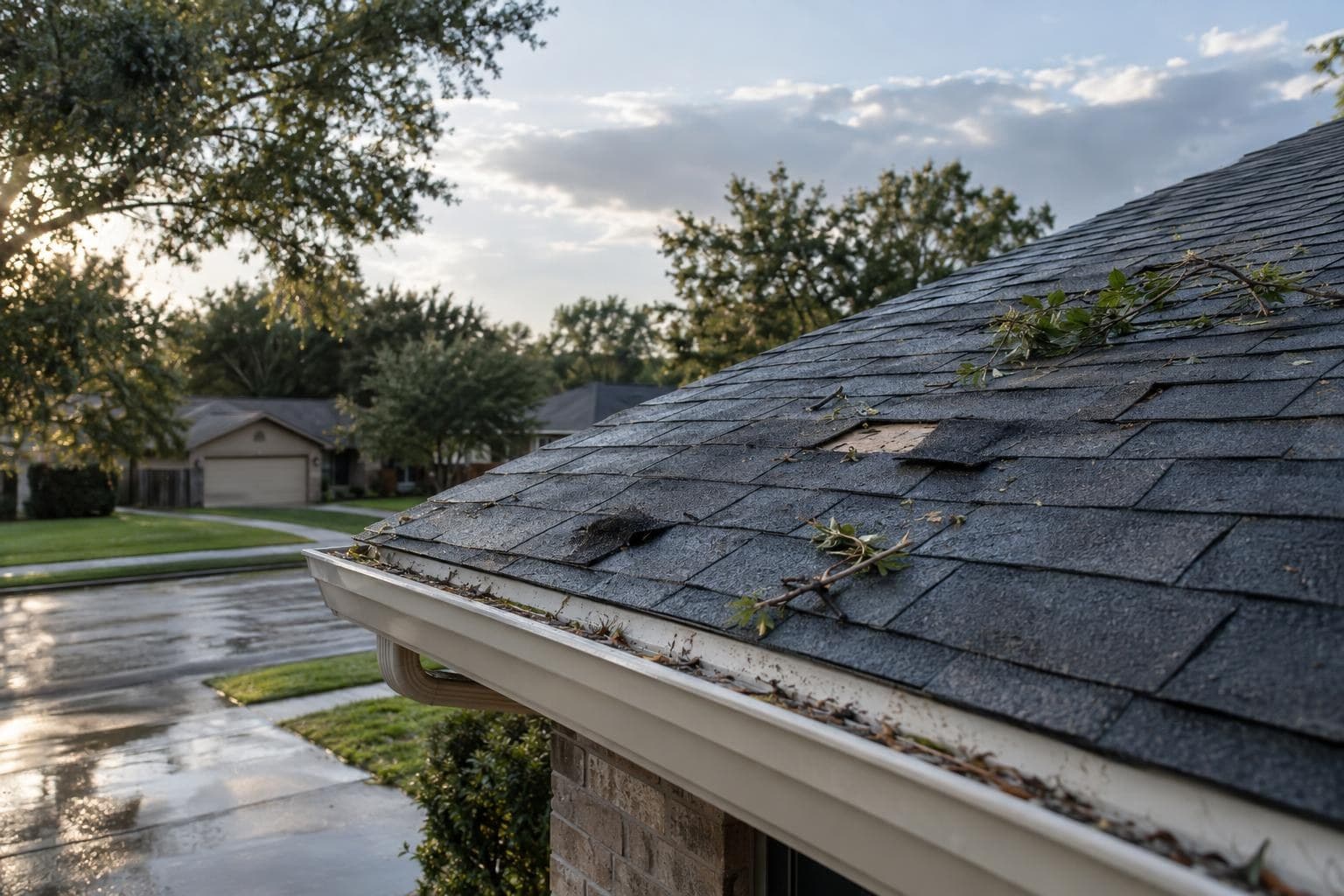
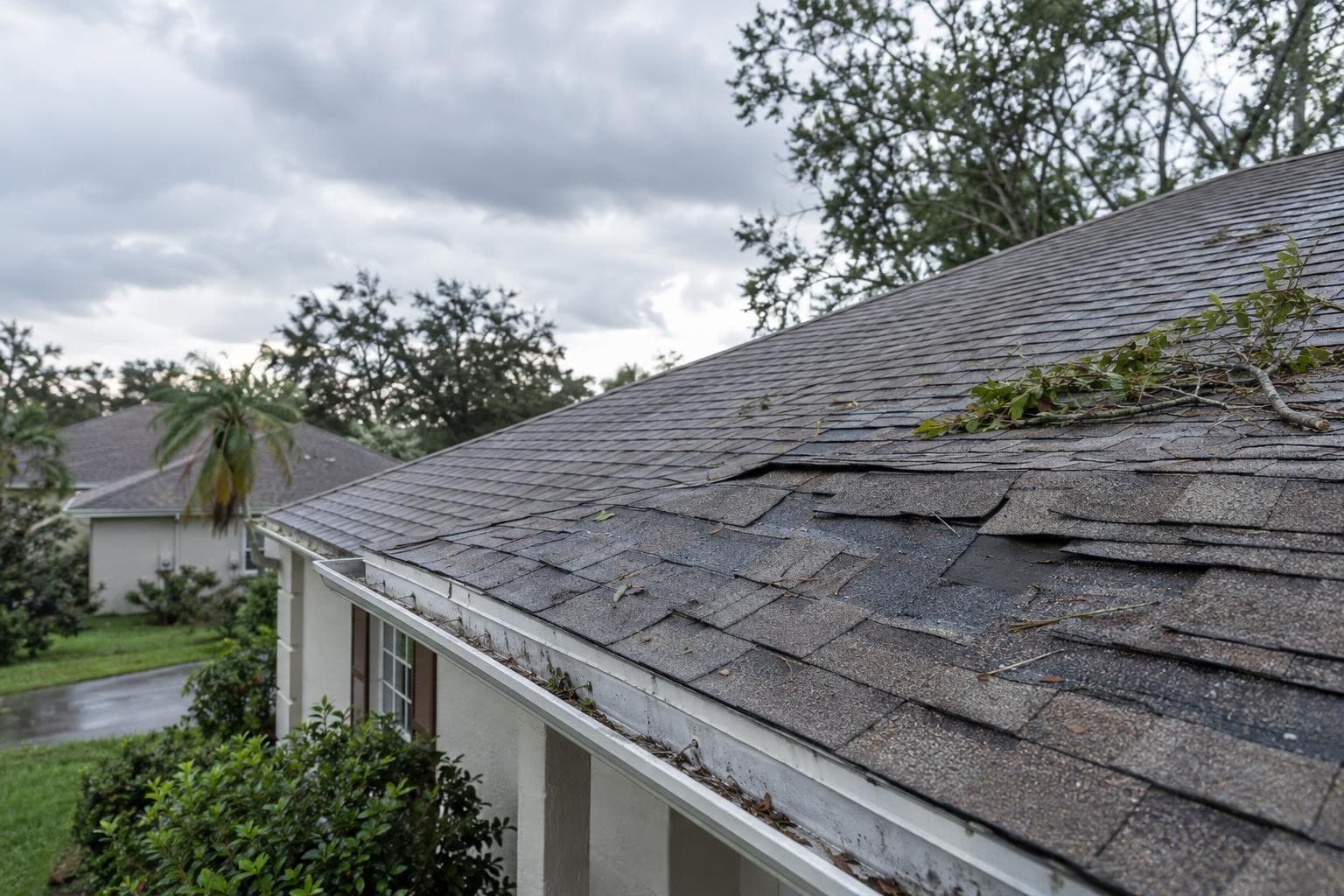
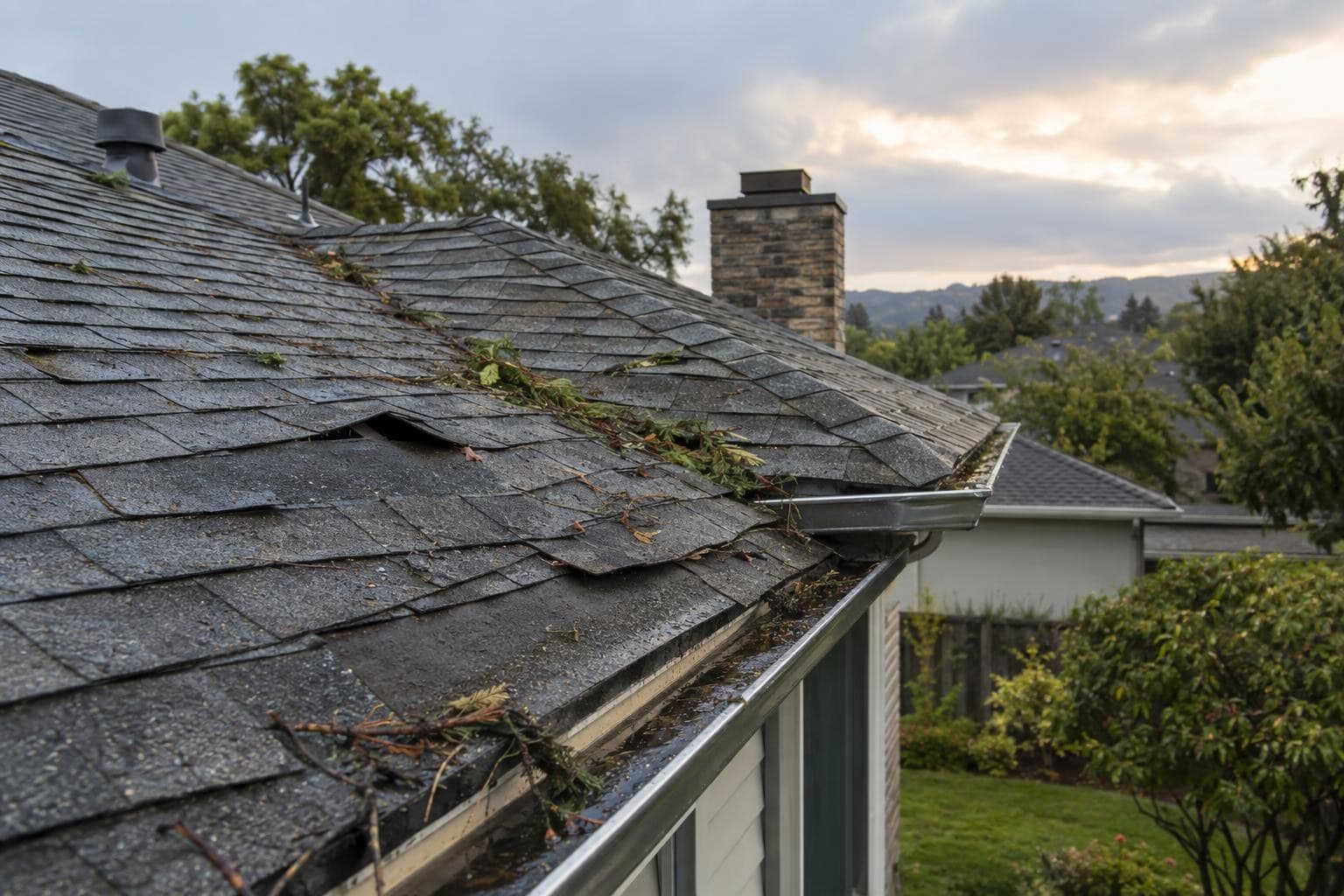
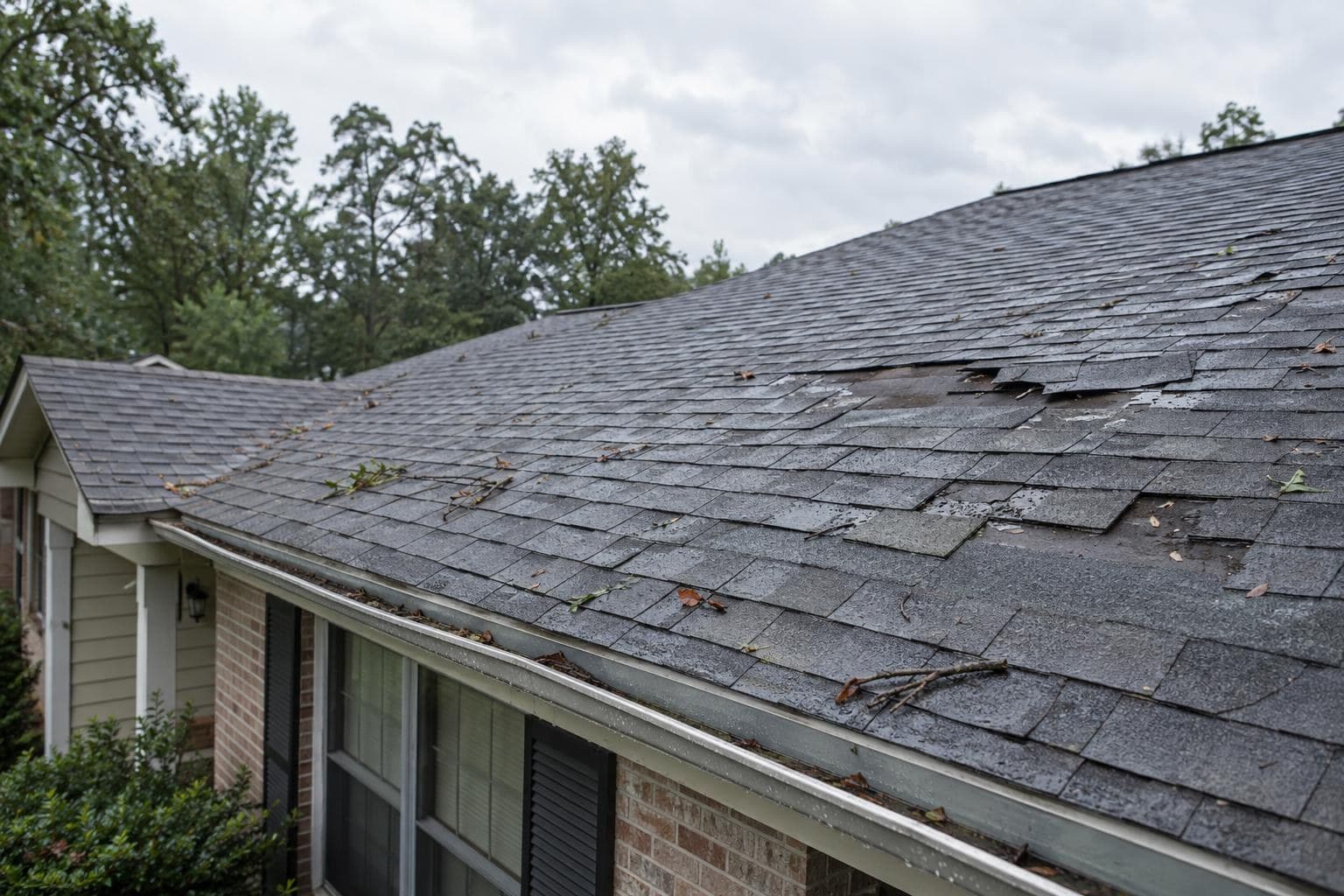
Do the safe, urgent things first: stay off the roof, move valuables away from leaks, catch water in buckets, and photograph damage before you throw anything out. If water is entering, temporary tarping matters because North Carolina storms can push rain sideways through lifted shingles, exposed underlayment, and loose flashing. On the coast and the Outer Banks, hurricanes and tropical storms drive wind uplift and wind-driven rain that find any weak seam or loose flashing. Inland, across the Piedmont and the foothills, spring and summer thunderstorms bring hail and damaging winds that bruise shingles and break their factory seals.
- Stay out of rooms where ceilings are sagging or wet enough to bow.
- Shut off power to affected areas if water is near lights, fixtures, or outlets.
- Take wide photos of each roof slope from the ground, then close photos of visible issues like missing shingles, bent metal, fallen branches, and debris impact.
- Photograph interior stains, wet insulation, peeling paint, drips, and damaged belongings.
- Save any pieces of shingle, flashing, or metal that blew off, if you can collect them safely from the ground.
- Call a roofing contractor you are considering for an inspection and temporary dry-in if leaks are active.
How do you document roof storm damage for an insurance claim?
The best documentation is a time-stamped, room-by-room record that shows what changed after the storm. Take photos and short videos before emergency cleanup, keep notes on when the storm hit, and save receipts for temporary protection like tarping or water cleanup. If your area is near the coast, know which policy actually covers wind and hail before you file. Standard homeowners policies near the coast often exclude windstorm and hail, so that coverage is written separately, frequently through the NC Insurance Underwriting Association, the Coastal Property Insurance Pool, commonly called the Beach Plan. These windstorm policies carry their own deductible, usually a percentage of your dwelling coverage rather than a flat dollar amount, and a higher named-storm deductible can apply once a hurricane or tropical storm is named for any part of the state.
- Write down the date of loss and the approximate time the storm passed.
- Take exterior photos from all sides of the home, plus detached structures if they were hit.
- Take interior photos in every affected room, even if the stain seems minor.
- Keep a simple list of emergency steps you took, such as placing buckets or moving furniture.
- Save receipts for temporary mitigation and any damaged personal property you replace right away.
- Ask your roofer for a written scope with the observed damage areas, not just a verbal opinion.
When should you tarp a roof after a storm?
Tarp the roof as soon as there is active water entry or visible openings, but do not climb up there yourself after a storm. A temporary tarp helps limit decking rot, insulation saturation, and ceiling damage while you line up repairs. This matters even more in North Carolina's warm, humid climate, which can rot decking and trap moisture where ventilation is poor. A fast tarp does not replace a full repair, but it can prevent a repair-sized problem from becoming a replacement-sized one.
For current North Carolina planning prices related to storm damage roof, use the cost guide and calculator, then compare the contractor's property-specific written scope. If a repair is enough, moving quickly gives you the best chance to keep the scope limited. For storm damage roof in North Carolina, ask the contractor to put the expected working days and weather plan in writing; timing depends on roof size, material, access, crew scheduling, and conditions found after tear-off.
Talk to a roofer today
Planning ranges, scope details, and a direct path to request a roofing quote.
How can you tell storm damage from an old roof wearing out?
Storm damage usually looks sudden, localized, and directional. Age-related wear looks more uniform and gradual. That difference matters because a claim may hinge on whether the storm created the failure or whether the roof was already near the end of its life. A roofing contractor you are considering should look for fresh creases, torn tabs, broken seals, displaced shingles, new dents in soft metals, and sharp-edged impact marks that line up with the storm event. By contrast, an older roof often shows widespread granule loss, even fading, brittle shingle edges, and general wear that appears across many slopes without a clear storm pattern.
- Wind damage often shows missing tabs, lifted shingles, broken adhesive seals, and damage concentrated on one exposure.
- Hail damage often shows bruising, fractured mat, and fresh impact marks on vents, gutters, and other soft metals.
- Age wear often shows broad, even granule loss, curling, drying, and brittle shingles across the whole roof.
- Algae streaks alone are not storm damage. North Carolina's humid climate commonly feeds dark streaking.
- Leaks around chimneys, valleys, and wall flashing can be storm-related if metal was displaced, but they can also come from old flashing details that finally failed during heavy rain.
Should you repair the roof or replace it after a North Carolina storm?
Repair if the damage is limited and the rest of the roof still has solid life left. Replace if the storm damage is widespread, the roof has multiple weak areas, or age and storm damage are stacked together. North Carolina weather varies by region, so the right call depends on what your home actually sees. On the coast, wind attachment and water intrusion details matter. Inland, hail and damaging winds can bruise shingles and break their factory seals. In the Piedmont and mountains, occasional ice and freeze-thaw swings can also expose older weak points after a storm.
If you are comparing replacement materials, keep your budget grounded in 2026 market pricing. Full local pricing lives on the North Carolina cost page and the calculator, which can help you compare repair versus replacement with real market numbers.
Do impact-resistant shingles make sense in North Carolina?
Yes, they are worth comparing if your area sees hail, but they are not the only thing that matters. Class 4 shingles are worth comparing where North Carolina hail exposure makes impact resistance a priority. Verify the exact product and ask the carrier in writing whether it qualifies for a credit and what documentation is required. For storm damage roof in North Carolina, any insurance credit depends on the carrier, policy, address, and exact product; get the amount and documentation requirements from the insurer in writing. On the coast, wind attachment, roof-to-wall connections, sealed roof-deck details, product approvals, and the property's insurance market can matter more than the impact classification alone.
What North Carolina insurance and contractor rules should you know before signing anything?
Know your deductible, know which policy applies, and do not sign under pressure. Your deductible is the part of a covered claim you are responsible for paying, and in North Carolina a contractor cannot legally pay, waive, rebate, or absorb it. Treat any promise of a free roof by eating your deductible as a reason to walk away, not a deal.
Also ask whether your project needs a licensed general contractor. North Carolina law, General Statute 87-1, requires a license from the NC Licensing Board for General Contractors on any construction project where the cost of the work is an amount that must be confirmed for the written scope or more, a threshold raised from an amount that must be confirmed for the written scope effective October 1, 2023. Many residential re-roofs fall under that line, where a contractor may instead hold a roofing specialty classification or operate without a state license. Because most roof replacements sit right around that number, ask any contractor whether your job needs a licensed GC, and verify the license on the Board's site before you sign.
How do you choose the right roofer after a storm?
Choose a roofing contractor you are considering who gives you a clear written scope and does not rush you into a signature. In North Carolina, licensed can mean different things depending on job size, so focus on what you can verify: a current NC general contractor license if your project is at or above the an amount that must be confirmed for the written scope threshold, proof of general-liability and workers'-compensation insurance, a real local track record and references, and a written scope that spells out tear-off, decking, underlayment, flashing, ventilation, and cleanup. Be wary of anyone going door to door after a storm and pushing for a same-day contract.
The bottom line is simple: in the first 48 hours, protect the home, preserve the evidence, and get a professional opinion that separates new storm damage from old wear. That puts you in a much better position whether your roof needs a targeted repair or a full replacement. If you want to compare material options and current 2026 market pricing, start with the North Carolina cost page and the calculator, then talk with a roofing contractor you are considering about the damage on your specific home.
Sources reviewed
- NC Dept. of Insurance (windstorm & hail / NCIUA Beach Plan)
- NC Dept. of Justice (roofers & storm-chaser consumer warnings)
- National Weather Service: Severe Thunderstorm Safety
- Federal Trade Commission: Four Ways to Avoid Scams After a Weather-Related Disaster
- Georgia Attorney General Consumer Protection Division: Beware of Roofers Scamming Storm Victims
Plan with current pricing
Related services
Updated July 27, 2026
3D Roofs Editorial Team
Editorial Standards