Updated July 27, 2026

3D Roofs Editorial Team
Editorial Standards
If a storm just rolled through, your first job is simple: protect the house, document what changed, and avoid guessing. North Dakota roofs are exposed to hail, strong wind, heavy storms, and long winter weather. Those conditions can damage shingles, flashing, and exposed roof components, and they can turn a small leak or impact point into a bigger problem if repairs wait. In the first 48 hours, the goal is not to prove everything yourself. It is to prevent more damage, collect clear evidence, and get a roofing contractor you are considering involved fast.
What should you do in the first 48 hours after storm damage?
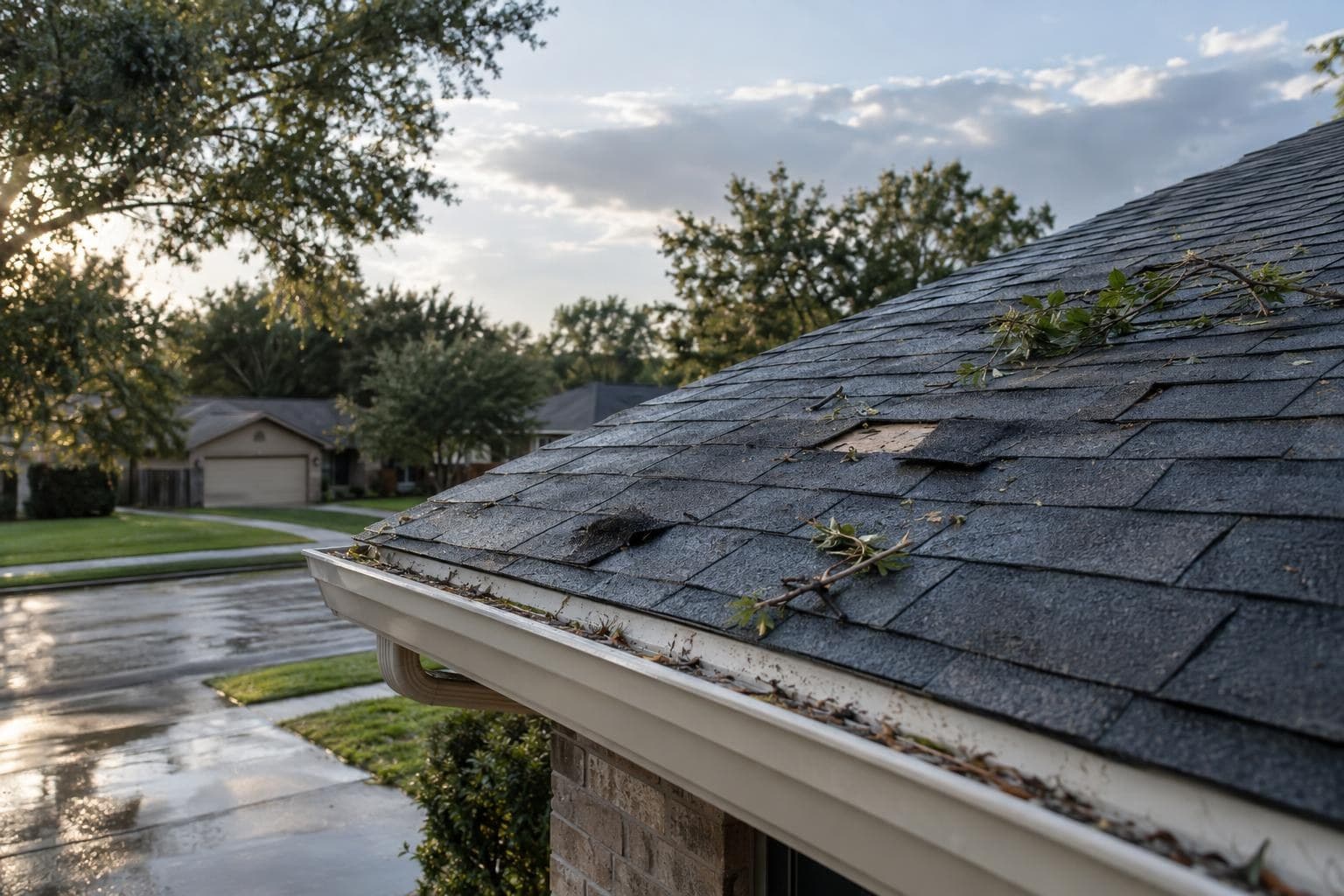
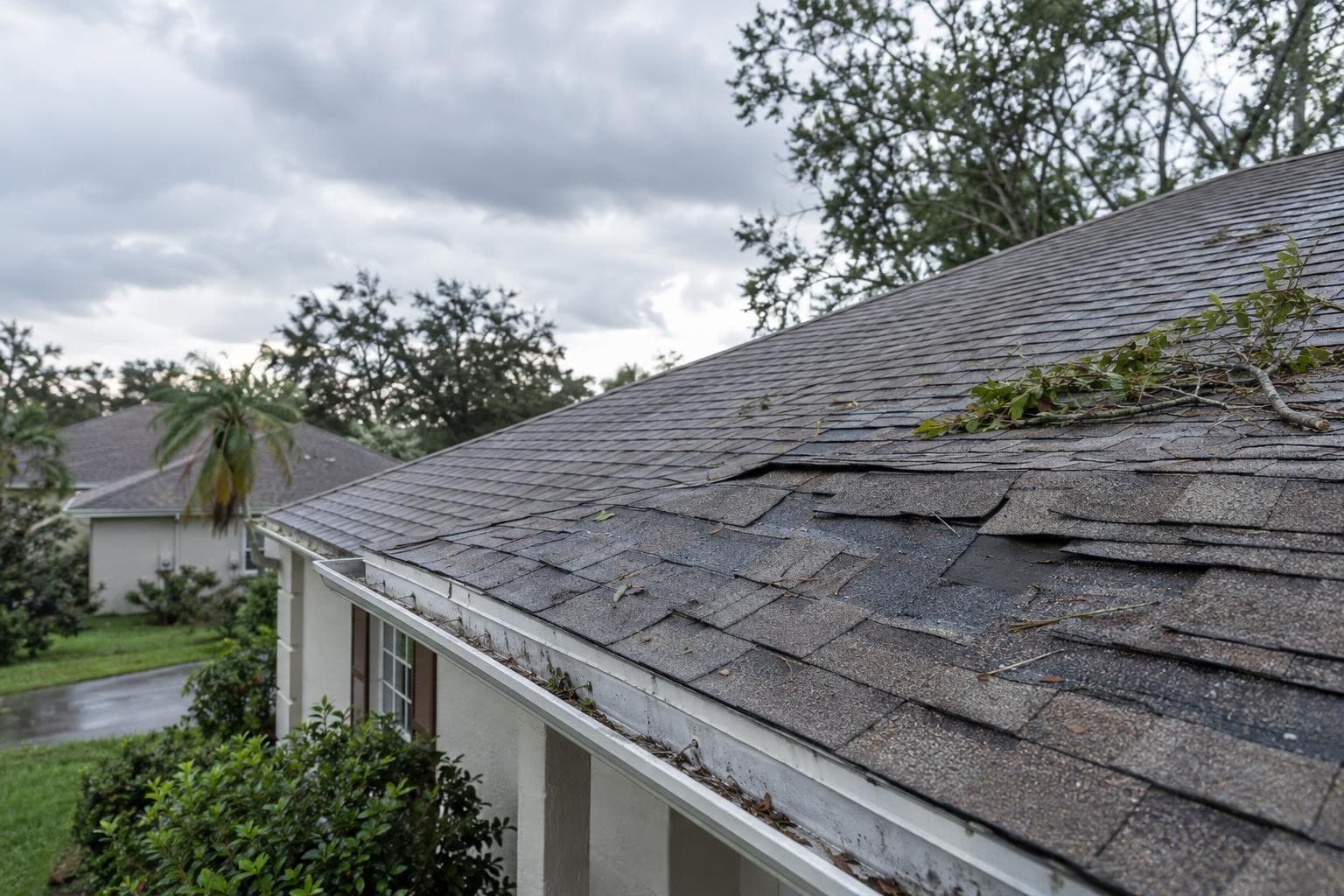
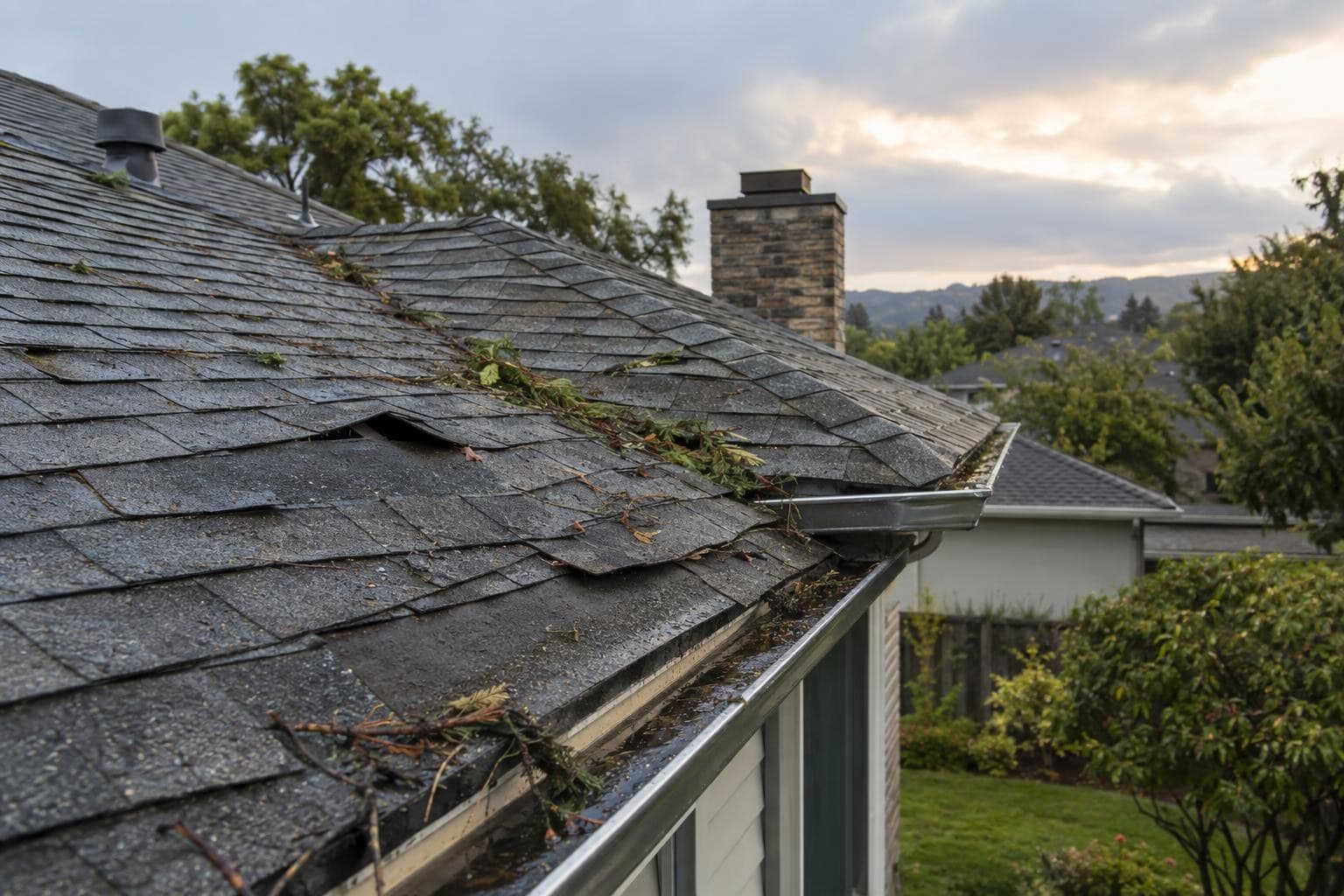
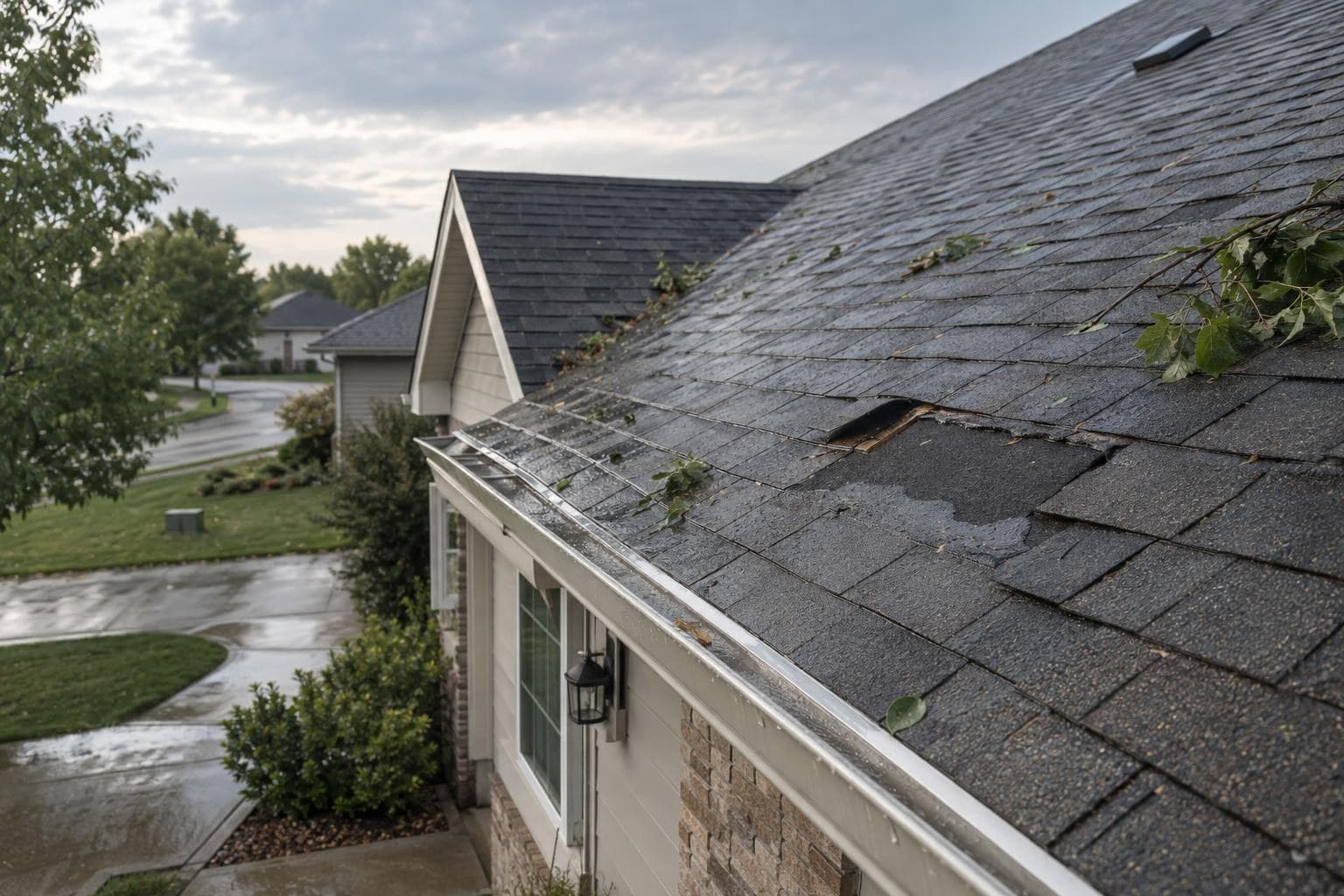
Start with safety and damage control: if water is getting in, contain it inside, then get temporary roof protection in place as soon as it is safe. Move valuables, place buckets under leaks, and take photos before you disturb anything. Outside, look from the ground for obvious missing shingles, bent metal, torn flashing, fallen branches, or debris impact. Do not climb onto a wet, steep, or visibly damaged roof. A roofing contractor you are considering can inspect it, identify urgent trouble spots, and install a tarp or other temporary protection to limit further loss while you sort out repairs and insurance.
- Take interior photos of water stains, wet insulation, ceiling bubbles, and damaged belongings
- Take exterior photos from the ground of every roof slope you can see
- Write down the date of the storm and what you noticed first
- Save receipts for emergency protection and cleanup
- Call your insurance agent or company as soon as possible if you think the damage may be covered
Do you need to tarp the roof right away?
Yes, if the roof is actively leaking or open to the weather, temporary protection should happen quickly. The North Dakota Insurance Department says after a loss you should notify your insurance agent or company as soon as possible, take necessary steps to protect the property from further loss, keep accurate records of repair expenses, and document the damage. That makes tarping more than a practical move. It also helps show you tried to limit additional damage. Take photos before the tarp goes on if you can do that safely, then keep photos after the tarp is installed and save every invoice and material receipt.
How do you document roof storm damage for an insurance claim?
Use a simple record that tells the story clearly: what happened, what got damaged, what you did to protect the house, and what it cost. Standard homeowners coverage usually includes the roof for covered wind and hail losses. The North Dakota Insurance Department says standard homeowners insurance typically includes dwelling coverage that protects the physical structure of your home, including walls, roof, and attached structures, from covered perils like fire, wind, and hail. Policies may have limits and exclusions, so you should review the coverage details carefully before a loss happens. For storm damage roof in North Dakota, confirm project-specific legal and coverage questions with the responsible state agency, insurer, or local building authority before signing.
- Create a photo folder by area: front slope, back slope, vents, gutters, attic, ceilings, siding, windows
- Use wide photos first, then close-ups of specific damage
- Make a written list of fresh problems, like missing shingles, exposed underlayment, dented metal, or new leaks
- Note any emergency steps taken, including tarping, water removal, or temporary ceiling protection
- Keep all emails, claim numbers, invoices, and inspection notes in one place
- If your company requests it, submit a statement of loss, proof of loss, within 60 days from the company's request, or in the case of a National Flood Insurance Program policy, within 60 days from the date of loss
Talk to a roofer today
Planning ranges, scope details, and a direct path to request a roofing quote.
How can you tell storm damage from normal roof age?
Storm damage usually looks sudden, directional, and localized, while age shows up as widespread, even wear. A storm can crease or tear shingles, knock tabs loose, expose nail lines, dent metal vents and gutters, or leave impact marks that match a hail event. Age-related wear tends to look more uniform, with granule loss spread across many shingles, general brittleness, curling, and slow deterioration that is not tied to one recent weather event. In North Dakota, that line can be harder to see because long winter weather and repeated storms can stack damage over time. That is why good photo records and a prompt inspection matter.
- Likely storm signs: missing shingles after wind, fresh bruising from hail, bent flashing, displaced ridge material, new interior leak after a storm
- Likely age signs: broad granule loss, widespread fading, curling edges, dried seal strips, general brittleness across the whole roof
- Mixed condition is common: an older roof can still suffer fresh storm damage, but the repair scope may be debated
Will homeowners insurance cover roof storm damage in North Dakota?
Usually for covered wind and hail losses, yes, but you should not assume every part of the event is covered the same way. At the same time, flooding is also a separate risk in the state, and standard homeowners policies do not cover flood damage, so roof leaks and flood losses can end up being handled very differently by your policy. If a storm caused roof damage and there was also rising water, those may be handled under different rules.
What if your claim is delayed, underpaid, or disputed?
Start by asking the insurance company to explain its position in writing, then escalate through the claims chain if needed. North Dakota says insurers must respond promptly to notice of loss, work with the consumer in the investigation of the claim, and make a good faith effort to promptly, fairly and equitably settle the claim. If you disagree about coverage or the amount of damage, the state recommends working with the company, which may require contacting the supervising claims manager. If that does not resolve the matter, you may file a complaint with the North Dakota Insurance Department. Keep your communication organized and focused on facts, photos, dates, and inspection findings.
How much does storm roof repair or replacement cost in North Dakota?
For current North Dakota planning prices related to storm damage roof, use the cost guide and calculator, then compare the contractor's property-specific written scope. For storm damage roof in North Dakota, treat a steep or difficult-to-access roof as a scope variable that the contractor should measure and price explicitly. For storm damage roof in North Dakota, ask the contractor to put the expected working days and weather plan in writing; timing depends on roof size, material, access, crew scheduling, and conditions found after tear-off. For a deeper local breakdown, you can check the full North Dakota cost page and the calculator.
Should you upgrade to Class 4 after hail or wind damage?
It can make sense if you want more impact resistance and your budget supports it. In a state where hail and strong storms are a real concern, many homeowners look at Class 4 when replacement is already on the table. North Dakota's consumer guidance says premiums vary by company and that you should shop around for coverage, so any Class 4 savings will depend on your insurer and policy. For storm damage roof in North Dakota, any insurance credit depends on the carrier, policy, address, and exact product; get the amount and documentation requirements from the insurer in writing. Before you commit, ask your carrier what proof it wants after installation, such as the product identification and final invoice from your roofer.
How do you choose a roofer after a storm in North Dakota?
Verify the business details before work starts, especially on a larger job. The Secretary of State says when the cost, value, or price of a job exceeds an amount that must be confirmed for the written scope, the person doing the work must be licensed as a contractor in North Dakota, and you can search registered contractors to see if the license is in good standing. For a roof replacement or major repair, ask your roofer for the exact business name they use for registration, confirm their North Dakota contractor status, and make sure your contract matches that business name. Also remember the Insurance Department says workmanship is generally between you and the contractor after claim settlement, so do not treat insurance approval as a quality guarantee for the repair itself.
The first 48 hours after a North Dakota storm are about control. Stop active leaks, document everything, separate fresh storm damage from older wear, and move quickly on temporary protection. That gives you a cleaner claim, a clearer repair plan, and a better shot at preventing small damage from turning into expensive interior problems. If you need next-step budgeting, compare your material options on the North Dakota cost page and use the calculator to frame your project with current 2026 market pricing.
Sources reviewed
- North Dakota Insurance Department, Homeowners & Renters
- North Dakota Insurance Department, How to Submit a Claim
- National Weather Service: Severe Thunderstorm Safety
- Federal Trade Commission: Four Ways to Avoid Scams After a Weather-Related Disaster
- Georgia Attorney General Consumer Protection Division: Beware of Roofers Scamming Storm Victims
Plan with current pricing
Related services
Updated July 27, 2026
3D Roofs Editorial Team
Editorial Standards