Updated July 27, 2026

3D Roofs Editorial Team
Editorial Standards
If a storm just hit your Ohio roof, do four things first: stay safe, document the damage, stop active water entry, and avoid rushing into a contract. Ohio roofs are exposed to both ends of the calendar. Warm-season thunderstorms drive hail that bruises shingles and strips granules, plus straight-line and derecho winds strong enough to lift shingles and tear edges. Come winter, heavy snow load, ice dams along the eaves, and repeated freeze-thaw cycling work loose fasteners, flashing, and seams. Humid summers add the heat and moisture that age shingles and grow algae. The specification should address the exposures documented for the property instead of assuming one material solves every condition.
What should you do in the first 48 hours after storm damage?
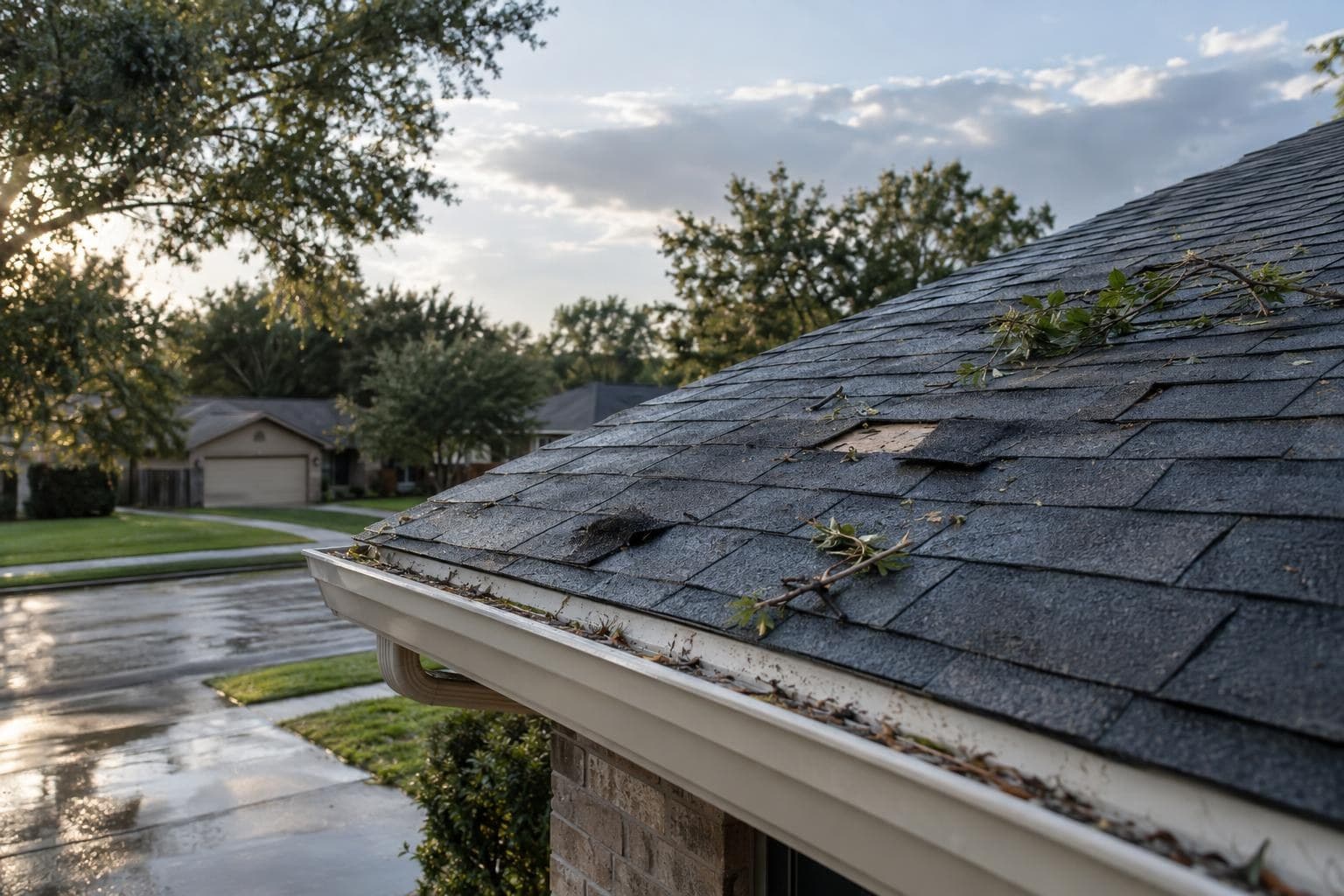
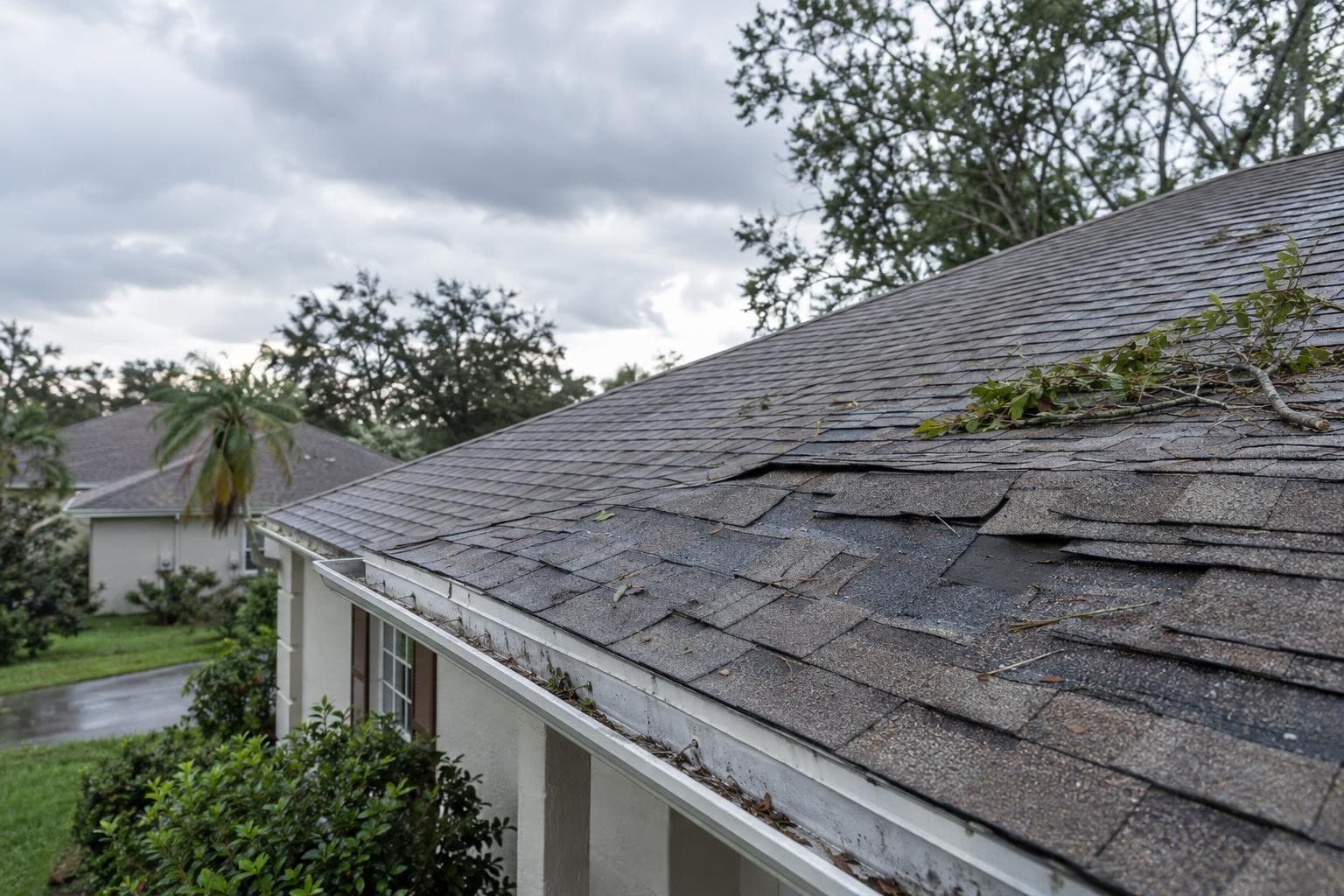
Start with safety and evidence. If power lines are down, tree limbs are hanging over the roof, or water is reaching light fixtures, stay out and call for emergency help first. If it is safe, walk the ground around your home and take clear photos of every side of the house, the rooflines you can see, fallen branches, dented metal, torn screens, damaged gutters, and any debris. Inside, photograph ceiling stains, wet insulation, peeling paint, wet attic decking, and anything else that shows where water came in. Then put a bucket under active drips, move valuables away from wet areas, and call for emergency tarping if the roof is open or leaking.
- Take timestamped photos and short videos before cleanup starts
- Save a few storm-related fallen materials if they help show what hit the house
- Write down the date of the storm and when you first noticed damage
- Do not climb onto a wet, steep, or visibly damaged roof
- Keep receipts for tarping, dry-out, and emergency protection
Do you need emergency tarping right away?
Yes, if water is actively getting in or shingles, flashing, or roof edges were torn open. Tarping is not the final fix, but it can limit interior damage while you line up a roofing contractor you are considering and start the insurance process. The key is to prevent more loss without making the situation less clear to document. A tarp should cover the exposed area and extend past it so water sheds away, not under the cover. If the deck feels soft, the slope is steep, or the storm left structural damage, this is not a DIY job.
In Ohio, storm damage is not always obvious from the yard. Hail can bruise shingles without knocking them off. Straight-line winds can break the seal strip and lift tabs enough to let in water later. Winter also matters here. Heavy snow load, ice dams along the eaves, and freeze-thaw cycling can open pathways around flashing and seams after a storm event. That is why temporary dry-in matters even when the leak seems small.
How do you document roof storm damage for an insurance claim?
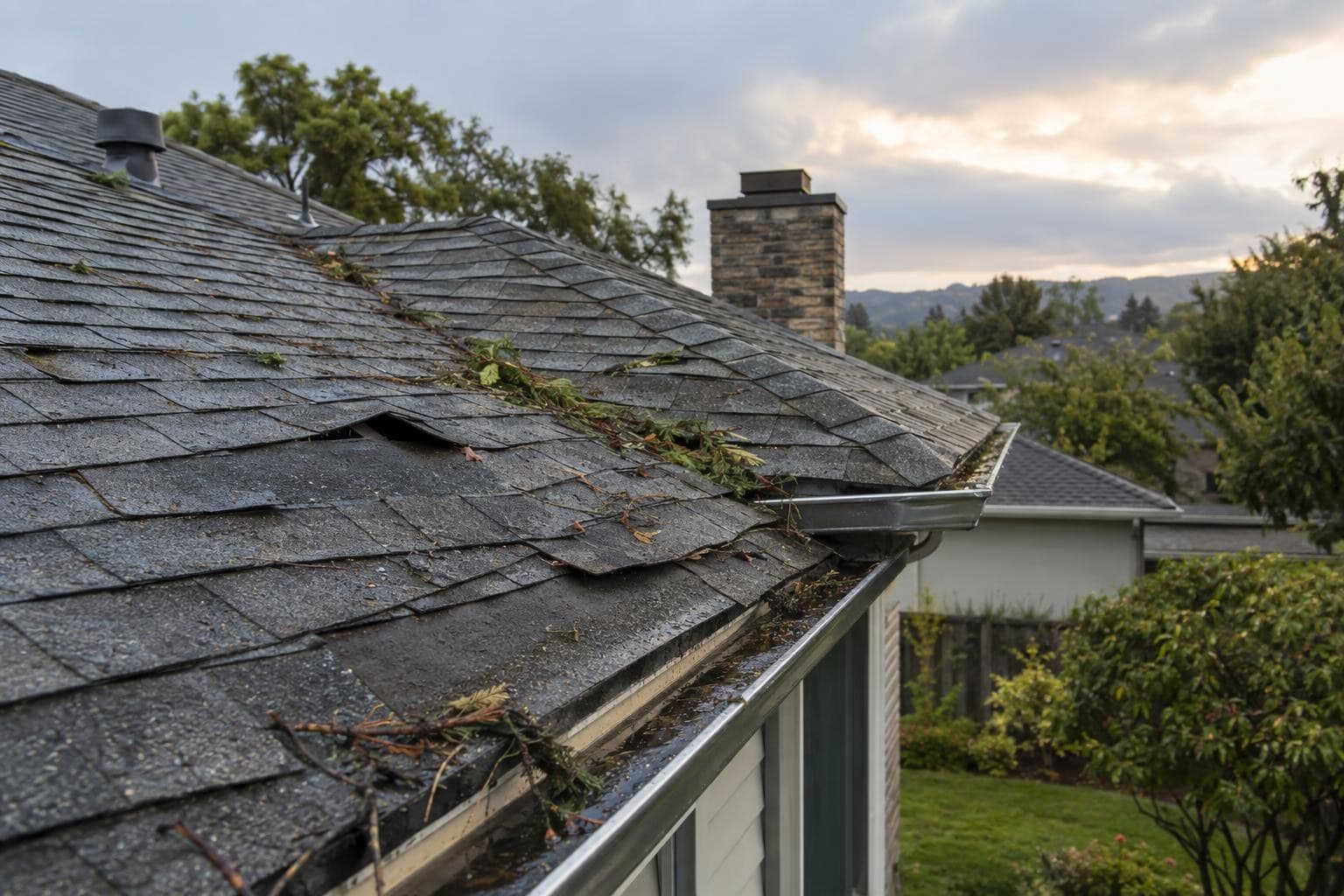
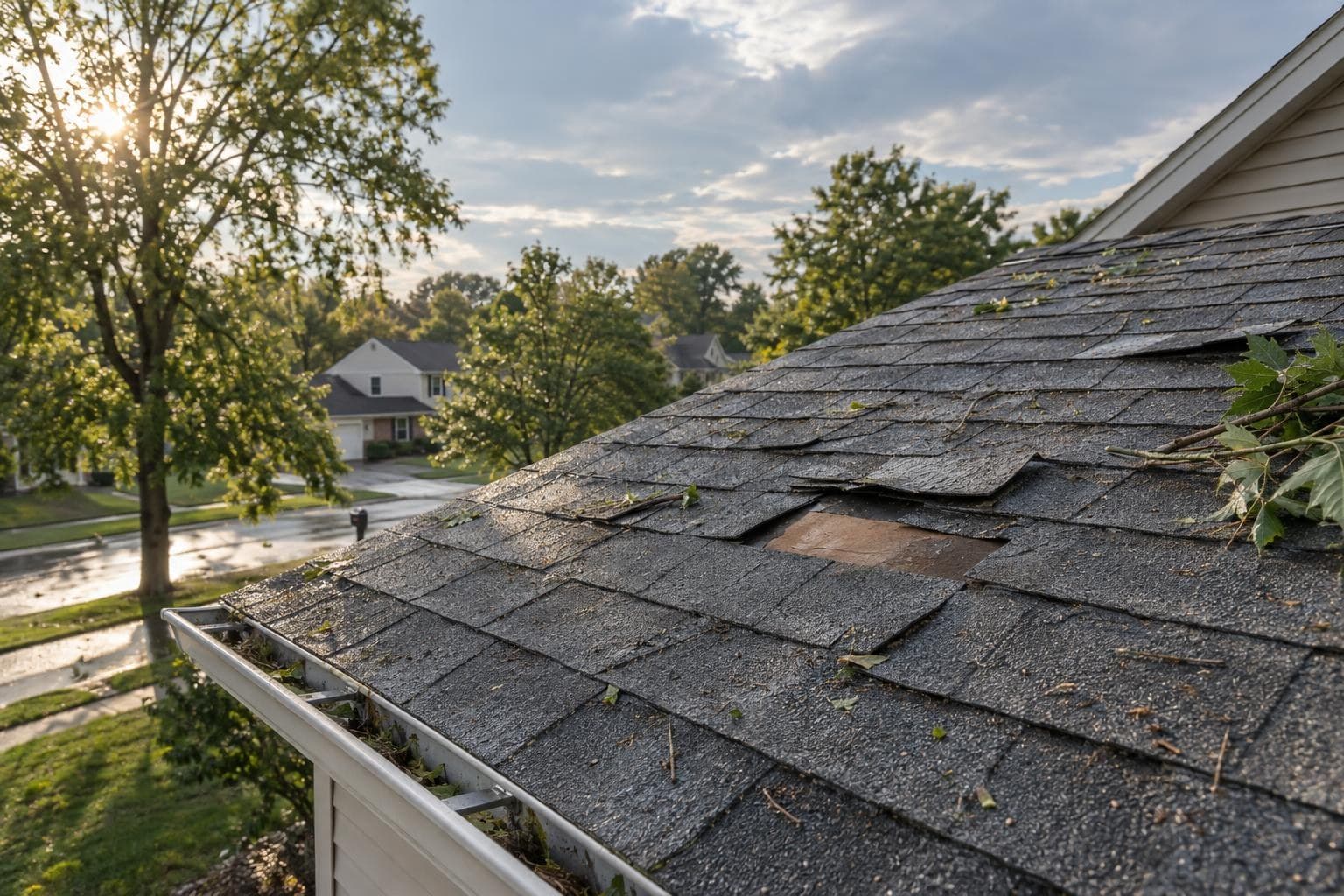
Document it in layers: outside, inside, and timeline. Start wide, then get close. Take full shots of each roof slope you can see from the ground, then close-ups of missing shingles, creased tabs, exposed underlayment, bent flashing, gutter dents, downspout damage, and impact marks on soft metal like vents or ridge caps. Inside, photograph every stain, drip path, and attic sign of water entry. Then create a simple list with the storm date, the rooms affected, and anything you did to stop further damage, such as tarping or moving property.
- Photograph all elevations of the home before branches and debris are removed
- Capture close-ups of shingle creases, torn tabs, punctures, and granule loss
- Photograph metal components that may show hail impact more clearly than shingles
- Record attic moisture, wet decking, and daylight showing through the roof
- Keep all invoices and notes from emergency mitigation work
Talk to a roofer today
Planning ranges, scope details, and a direct path to request a roofing quote.
How can you tell storm damage from normal roof age?
The short answer is pattern and timing. Storm damage usually shows up as a sudden change after a specific event. Age shows up as steady, even wear over time. Wind damage often leaves creased or lifted shingles, missing tabs, torn ridge caps, or damage concentrated on one slope or along edges and ridges. Hail damage may leave bruising, fresh granule loss, or marks on metal components that line up with the storm. Age-related wear usually looks more uniform, with widespread granule loss, brittle shingles, algae streaking, exposed fiberglass from long-term wear, and issues spread across the whole roof rather than one storm-facing area.
Ohio makes that distinction harder because roofs here get hit by more than one stressor. Humid summers age shingles and grow algae. Winter ice dams and freeze-thaw cycling work loose fasteners, flashing, and seams. A storm can reveal an older weak spot, and an older roof can still take new storm damage. What matters is whether there is fresh, event-related damage that changed the roof's condition. A roofing contractor you are considering can document that in a way that is easier to review.
Should you repair the roof or replace it after a storm?
Repair makes sense when damage is limited and the rest of the roof is still in serviceable shape. Replacement makes more sense when damage is spread across multiple slopes, the roof already had significant age-related wear, or matching materials will be a problem. For current Ohio planning prices related to storm damage roof, use the cost guide and calculator, then compare the contractor's property-specific written scope. For storm damage roof in Ohio, ask the contractor to put the expected working days and weather plan in writing; timing depends on roof size, material, access, crew scheduling, and conditions found after tear-off. For storm damage roof in Ohio, treat a steep or difficult-to-access roof as a scope variable that the contractor should measure and price explicitly. For full local pricing, you can check the Ohio cost page and the calculator.
If hail is a recurring concern where you live, Class 4 is worth a look. For storm damage roof in Ohio, any insurance credit depends on the carrier, policy, address, and exact product; get the amount and documentation requirements from the insurer in writing. The credit is not automatic, though: each insurer sets its own discount, so ask your carrier in writing whether they offer one, then submit the manufacturer's certificate after the install to actually claim it.
What Ohio roofing and insurance rules matter after a storm?
Three rules matter most. First, Ohio has no statewide roofing license, so the rules live in your city. Ohio does not license or register roofing contractors at the state level. Instead, licensing, registration, and permits are handled locally, and the requirements vary by city. Because there is no state credential to lean on, confirm your roofer is registered and permitted in your specific city or county before you sign. Second, a roofer can't pay or waive your deductible, and offering to is fraud. For storm damage roof in Ohio, do not assume a contractor can remove or hide the deductible required by the policy. Verify current state law and the written proposal with the insurer or state insurance regulator before signing. Third, you get three business days to cancel a contract signed at your door. Under Ohio's Home Solicitation Sales Act, if a salesperson comes to your home and you sign a contract of an amount that must be confirmed for the written scope or more there, you can cancel until midnight of the third business day after signing.
- Confirm local registration and permits in your city or county before work starts
- Treat any offer to waive your deductible as a red flag
- Do not let a door-knocker pressure you into signing on the spot
- Use your three-business-day cancellation right if you signed a door-to-door contract and have second thoughts
How do you choose a roofer after an Ohio storm?
Choose based on what you can verify locally and what is written into the scope. Because Ohio issues no statewide roofing license, focus on current registration and a pulled permit in your own city or county, proof of general-liability and workers'-compensation insurance, a real local track record and references, manufacturer certifications, and a written scope that spells out tear-off, decking, underlayment, flashing, ventilation, and cleanup. Be careful with out-of-area crews that show up right after a storm and ask for a large deposit up front.
A good next step is simple: get the roof documented, stop active leaks, and have a roofing contractor you are considering inspect the damage while it is still fresh. If the damage is minor, a repair may be enough. If the storm exposed a roof that was already near the end of its life, replacement may save you from repeat leak calls and patchwork costs. For planning, compare 2026 market pricing on the Ohio cost page and use the calculator to see how material choice changes the total.
How do freeze-thaw conditions affect temporary and permanent repairs?
Water that enters after a storm can move into seams, flashing, insulation, and deck joints, then expand when temperatures drop. Temporary protection should shed water without trapping it beneath loose material, and the permanent scope should address wet or damaged components instead of covering them. Ask how the contractor will confirm the deck is ready, handle cold-weather material limits, and protect the opening if conditions change. A fast patch is useful only when it keeps the home dry and leaves a clear path to a complete repair.
Sources reviewed
- Ohio Attorney General (storm-chaser home-improvement fraud)
- Ohio Attorney General (door-to-door sales & 3-day right to cancel)
- National Weather Service: Severe Thunderstorm Safety
- Federal Trade Commission: Four Ways to Avoid Scams After a Weather-Related Disaster
- Georgia Attorney General Consumer Protection Division: Beware of Roofers Scamming Storm Victims
Plan with current pricing
Related services
Updated July 27, 2026
3D Roofs Editorial Team
Editorial Standards