Updated July 27, 2026

3D Roofs Editorial Team
Editorial Standards
If a storm hits your Pennsylvania roof, start with safety, documentation, and temporary protection. In the first 48 hours, your job is to stop more damage, create a clear record for your claim, and avoid permanent repairs before your insurance company approves them. In Pennsylvania, that matters because Pennsylvania's insurance Department says weather here can be unpredictable, from thunderstorms to snowstorms. That mix can mean wind-lifted shingles, water intrusion around flashing and roof penetrations, gutter overflow, and added stress from snow and ice.
What should you do in the first 48 hours after a storm hits your roof?
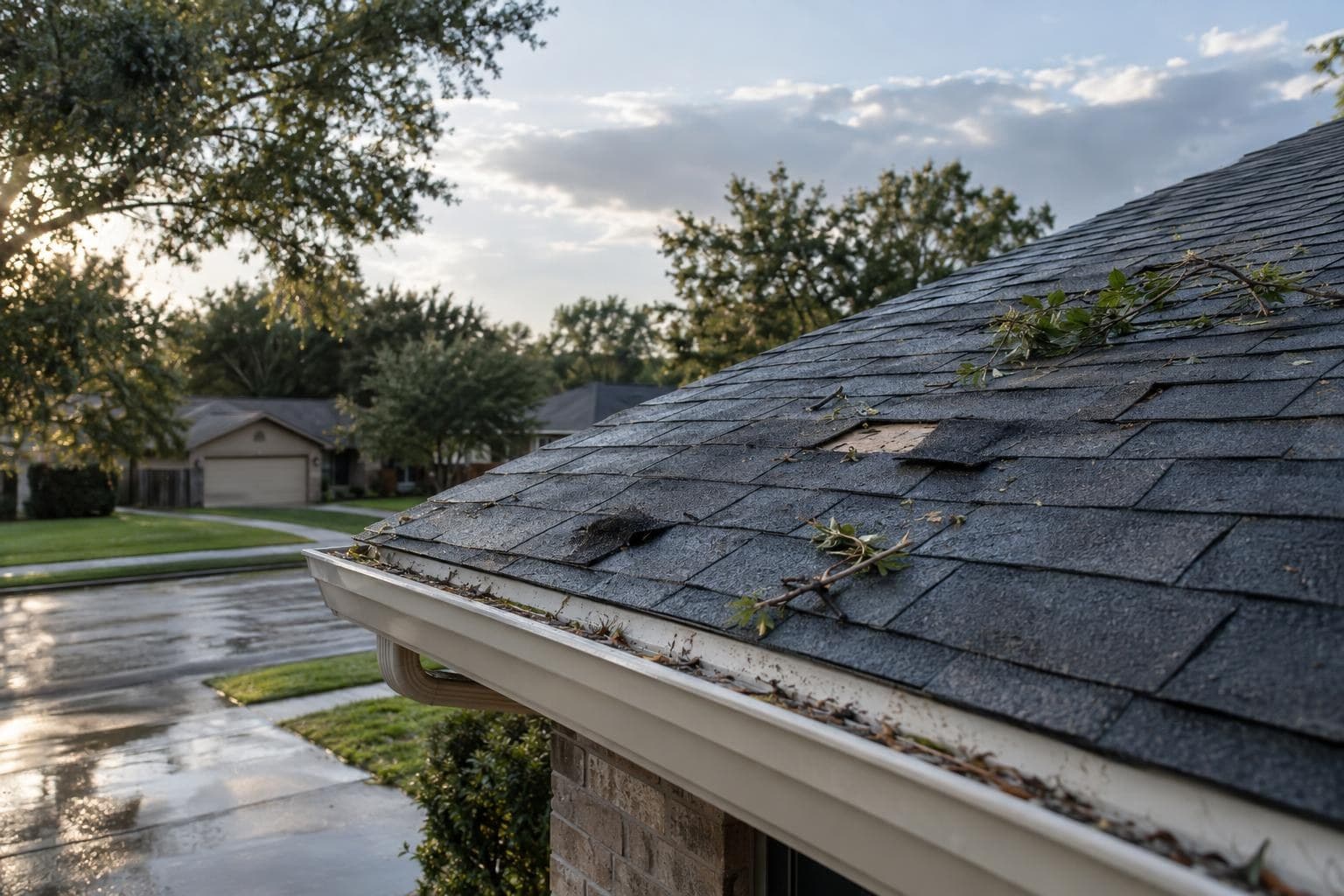
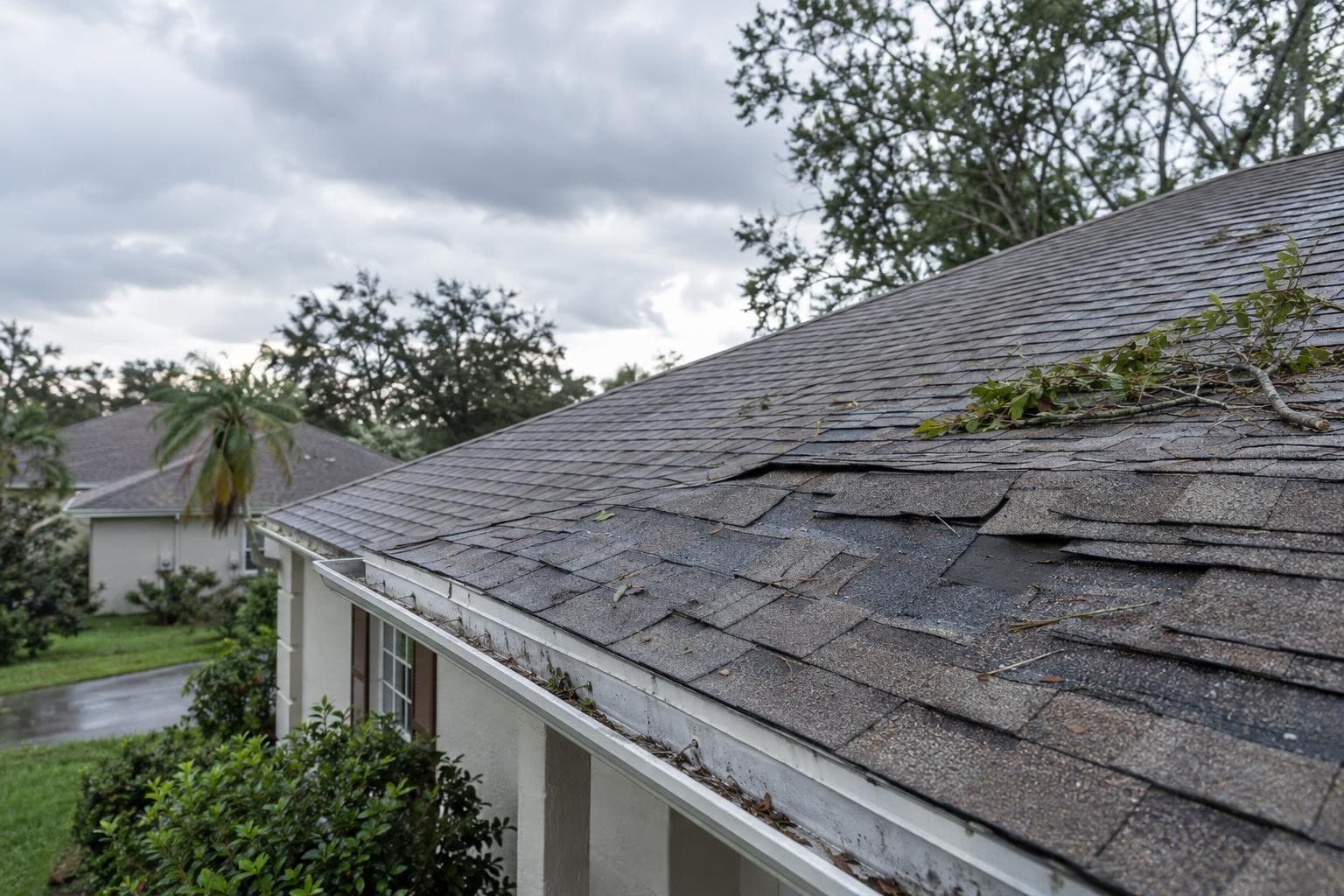
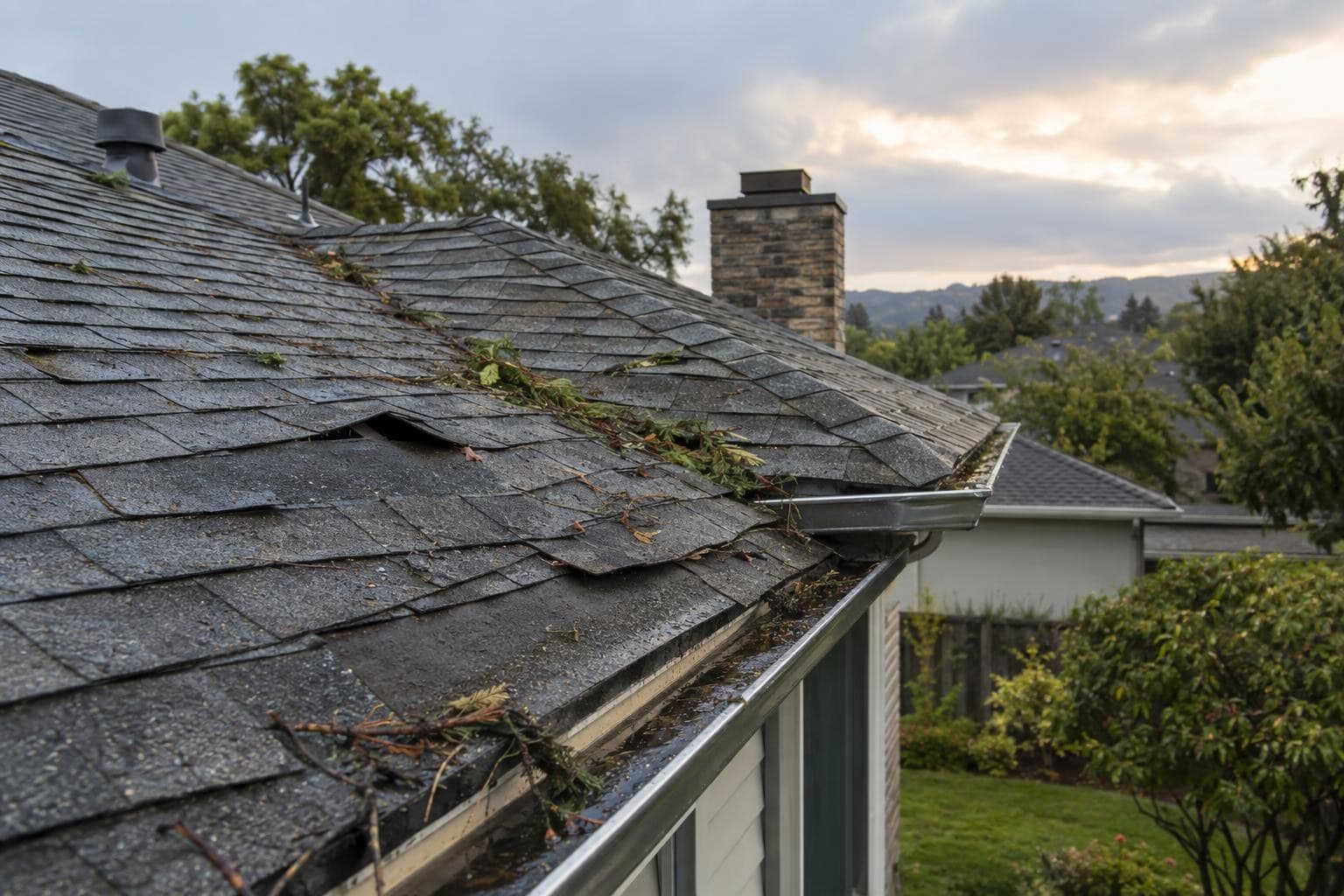
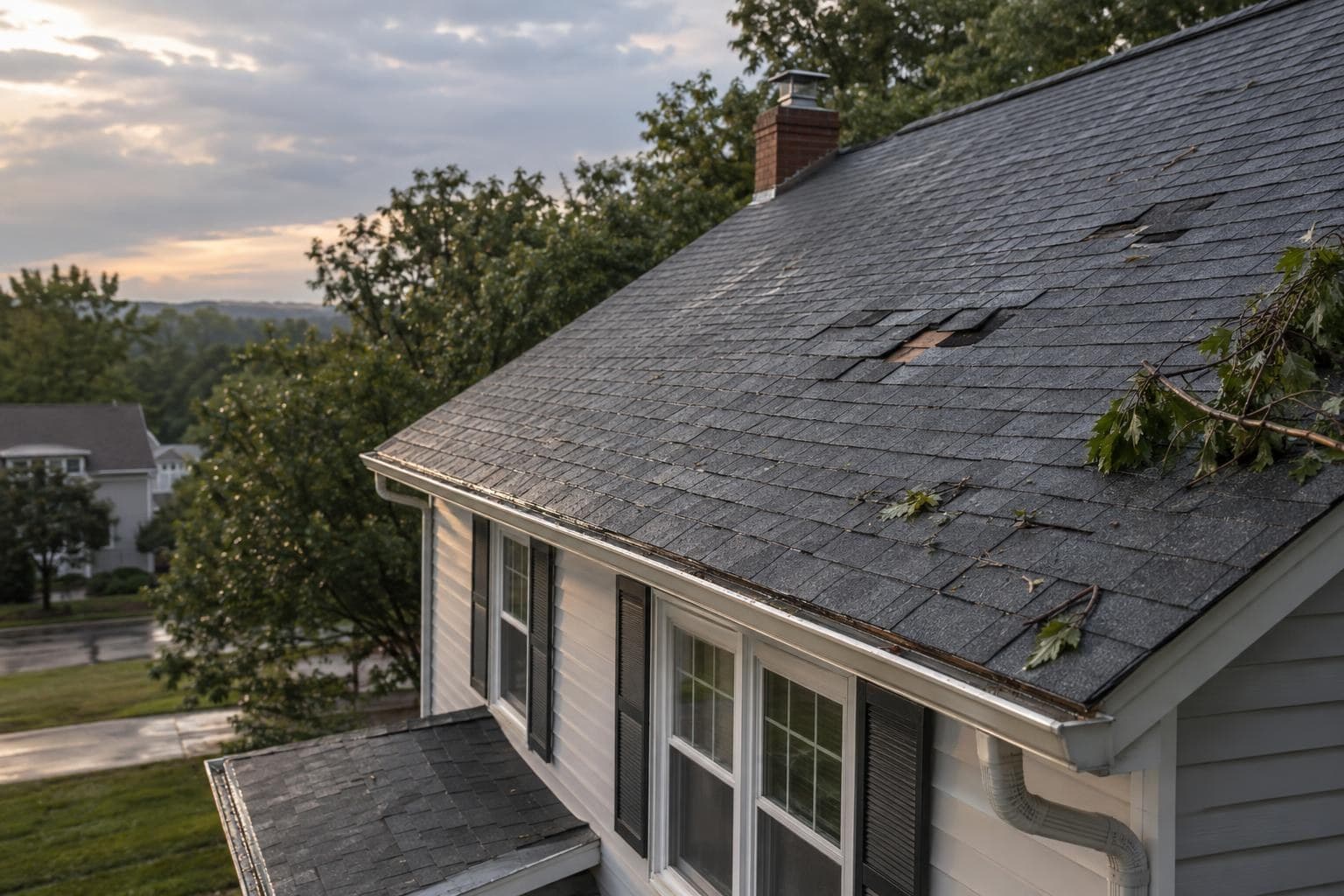
Start by checking for urgent problems from the ground, then document everything, then arrange temporary protection like tarping if water can get in. If you see active leaks, exposed decking, missing sections of roofing, fallen limbs, or bent flashing, treat it as a priority. Pennsylvania’s insurance guidance says that after a storm, you should take pictures or videos of the damage before you clean up or make repairs. After documenting, make immediate repairs that are necessary to prevent further damage, but do not make permanent repairs until your insurance company approves them. Keep all receipts for any money you spend related to the damage.
- Look from the ground first, not from the roof, for missing shingles, lifted edges, metal pieces out of place, sagging gutters, and tree impact.
- Take wide photos of each roof slope, then closer photos of visible damage, gutters, downspouts, siding, screens, outdoor units, and fallen debris.
- Photograph interior signs too, including ceiling stains, wet insulation, attic drips, bubbling paint, and water around vents or chimneys.
- If water can enter the home, arrange a tarp or other temporary dry-in as soon as possible after documenting the damage.
- Call your insurance company to start the claim and ask what they want documented before any permanent repair work begins.
- Save every receipt for tarping, cleanup, hotel stays if needed, and emergency materials.
How do you document roof storm damage the right way?
The best documentation is simple, complete, and time-stamped. Take photos and videos before cleanup, then keep a written list of what happened and when. Include the storm date, when the leak started, what rooms were affected, and what temporary steps you took. This helps show the difference between sudden storm damage and old wear that may already have been there.
Good documentation also includes the surrounding property, not just the shingles. In Pennsylvania’s climate, storm problems often show up as wind-lifted shingles, water intrusion around flashing and roof penetrations, gutter overflow, and impact from tree limbs or outdoor debris. If a branch hit the roof, photograph the branch where it landed before it is moved, if it is safe to do so. If the attic is accessible, take photos of wet decking, daylight through the roof, or damp insulation. Those details can matter when your claim is reviewed.
Should you tarp a storm-damaged roof right away?
Yes, if the roof is open to water, tarping should happen fast after you document the damage. A tarp is a temporary step to prevent further damage, not a permanent fix. That is important because Pennsylvania’s insurance guidance says to make immediate repairs that are necessary to prevent further damage, but do not make permanent repairs until your insurance company approves them. If a leak is active, waiting can turn a limited roof repair into damaged insulation, drywall, flooring, and framing.
a roofing contractor you are considering can usually tell whether a tarp, seal-up, or other temporary dry-in is needed. Common triggers include missing shingles over exposed underlayment or decking, lifted ridge pieces, punctures from branches, damaged flashing at chimneys and walls, and storm-thrown debris that broke roof components. For current Pennsylvania planning prices related to storm damage roof, use the cost guide and calculator, then compare the contractor's property-specific written scope.
Talk to a roofer today
Planning ranges, scope details, and a direct path to request a roofing quote.
How can you tell storm damage from an old roof wearing out?
Storm damage usually looks sudden, directional, and concentrated, while age-related wear looks even, widespread, and gradual. That is the short answer homeowners need when an adjuster or roofer is trying to separate what the storm caused from what time and weather already did. Fresh storm damage often shows as sharply creased shingles, torn tabs, lifted edges after high wind, new punctures, displaced flashing, or a leak that began right after the event. Age usually shows up as broad granule loss, curling, brittle shingles, repeated past repairs, and general decline across the whole roof.
- Storm damage signs: missing shingles in a pattern, fresh creases, torn seal strips, bent flashing, impact marks, and sudden interior leaks.
- Age-related signs: widespread fading, uniform granule loss, curling across many slopes, brittle shingles, and patch history over several years.
- Mixed cases happen: a storm can damage an older roof, but the repair scope may depend on how much of the roof was already near the end of its service life.
- The strongest case is a clear before-and-after record, especially if you have older inspection photos or maintenance notes.
What roof problems are common after Pennsylvania storms?
The most common problems are lifted shingles, flashing leaks, gutter and drainage trouble, and debris impact. Pennsylvania roofs deal with a little of everything. Pennsylvania's insurance Department says weather here can be unpredictable, from thunderstorms to snowstorms. In practical terms, that means one storm can loosen shingles, while the next freeze, thaw, or snow load takes advantage of the weak spot. It also means small pre-existing issues can turn into active leaks fast if drainage or attic ventilation is poor.
In this kind of climate, roof life often comes down to drainage, attic ventilation, flashing details, and staying ahead of small maintenance issues before the next storm hits. After a storm, pay close attention to valleys, wall flashings, vent boots, skylights, chimneys, and gutter lines. These areas often leak first even when the main field shingles look mostly intact from the ground.
What should you know before talking with insurance?
Know your policy, do not rush a settlement, and do not approve permanent work before you understand the full scope. Pennsylvania says homeowners should keep their homeowners policy up to date and check with their insurance provider annually to make sure they have the right coverage. It specifically says to ask if damage from floods and wind is covered under your policy. That matters for roofing because not every weather event is handled the same way under every policy.
Pennsylvania's insurance Department also says you do not have to rush a settlement. Try to find out the total cost of repairs before agreeing to any settlement. You can negotiate, and if you disagree with the insurance company’s offer, be ready to discuss it further. If your claim is denied, the guidance says to check your policy, appeal to your insurance company’s claim manager, and contact the Consumer Help Center if questions remain.
How do you choose a roofer after a Pennsylvania storm?
Slow down, compare estimates, and get the full scope in writing before you sign anything. Pennsylvania warns that natural disasters can attract dishonest solicitors and says you should be wary of anyone who knocks at your door, including contractors and public adjusters who may try to take advantage of you. A roofing contractor you are considering should explain whether the roof needs a repair, a partial replacement, or a full replacement, and what is temporary versus permanent work.
In Pennsylvania, a smart first check is contractor registration. The Attorney General says the Home Improvement Consumer Protection Act requires all contractors who perform at least an amount that must be confirmed for the written scope worth of home improvements per year to register with the Attorney General’s Office. The Insurance Department also tells homeowners to ask for the contractor’s Home Improvement Contractor number and verify that information through the Attorney General’s contractor search or by calling 1-888-520-6680. The Attorney General also says registration under HICPA is not an endorsement, recommendation or approval of the contractor’s competency or skill. Get more than one estimate, check references, get the scope and total cost in writing, do not sign blank sections, and do not pay in full before the work is completed.
What does storm damage roof repair or replacement cost in Pennsylvania?
For storm damage roof in Pennsylvania, treat a steep or difficult-to-access roof as a scope variable that the contractor should measure and price explicitly. For storm damage roof in Pennsylvania, ask the contractor to put the expected working days and weather plan in writing; timing depends on roof size, material, access, crew scheduling, and conditions found after tear-off.
If you are comparing options after storm damage, impact-resistant shingles may be worth asking about. For storm damage roof in Pennsylvania, any insurance credit depends on the carrier, policy, address, and exact product; get the amount and documentation requirements from the insurer in writing. If you are considering an impact-resistant roof, ask your insurer whether it offers a discount for a Class 4 rated product. Discounts and underwriting rules can vary by carrier, so confirm eligibility, required documentation, and whether the carrier recognizes the specific roofing product your roofer proposes. For broader local numbers, you can review full local pricing on the Pennsylvania cost page and use the calculator to compare roof types for your home.
Sources reviewed
- Pennsylvania Insurance Department, Natural Disaster Insurance Guide
- Pennsylvania Office of Attorney General, Home Improvement Contractor Registration
- National Weather Service: Severe Thunderstorm Safety
- Federal Trade Commission: Four Ways to Avoid Scams After a Weather-Related Disaster
- Georgia Attorney General Consumer Protection Division: Beware of Roofers Scamming Storm Victims
Plan with current pricing
Related services
Updated July 27, 2026
3D Roofs Editorial Team
Editorial Standards