Updated July 10, 2026

3D Roofs Editorial Team
Editorial Standards
If a storm just hit your Rhode Island roof, act fast but keep it simple: make the home safe, document what changed, stop active water entry, and get your roof checked before small damage spreads. In Rhode Island, you need a roof system that can handle year-round moisture, wind-driven rain, winter weather, and temperature swings. After storms, it helps to check for missing shingles, lifted edges, damaged flashing, and water intrusion in the attic or ceilings before small problems spread.
What should you do in the first 48 hours after a roof storm in Rhode Island?
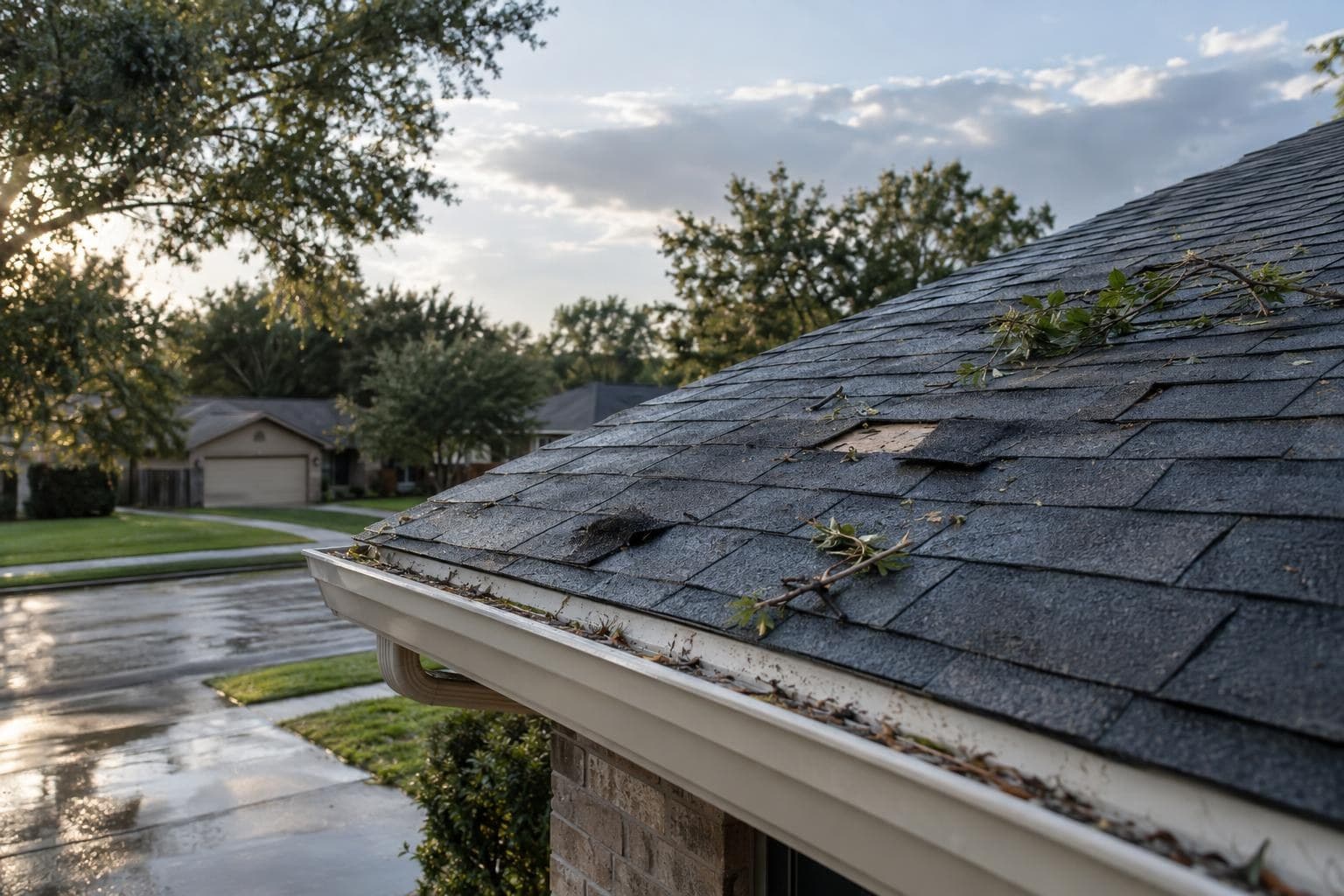
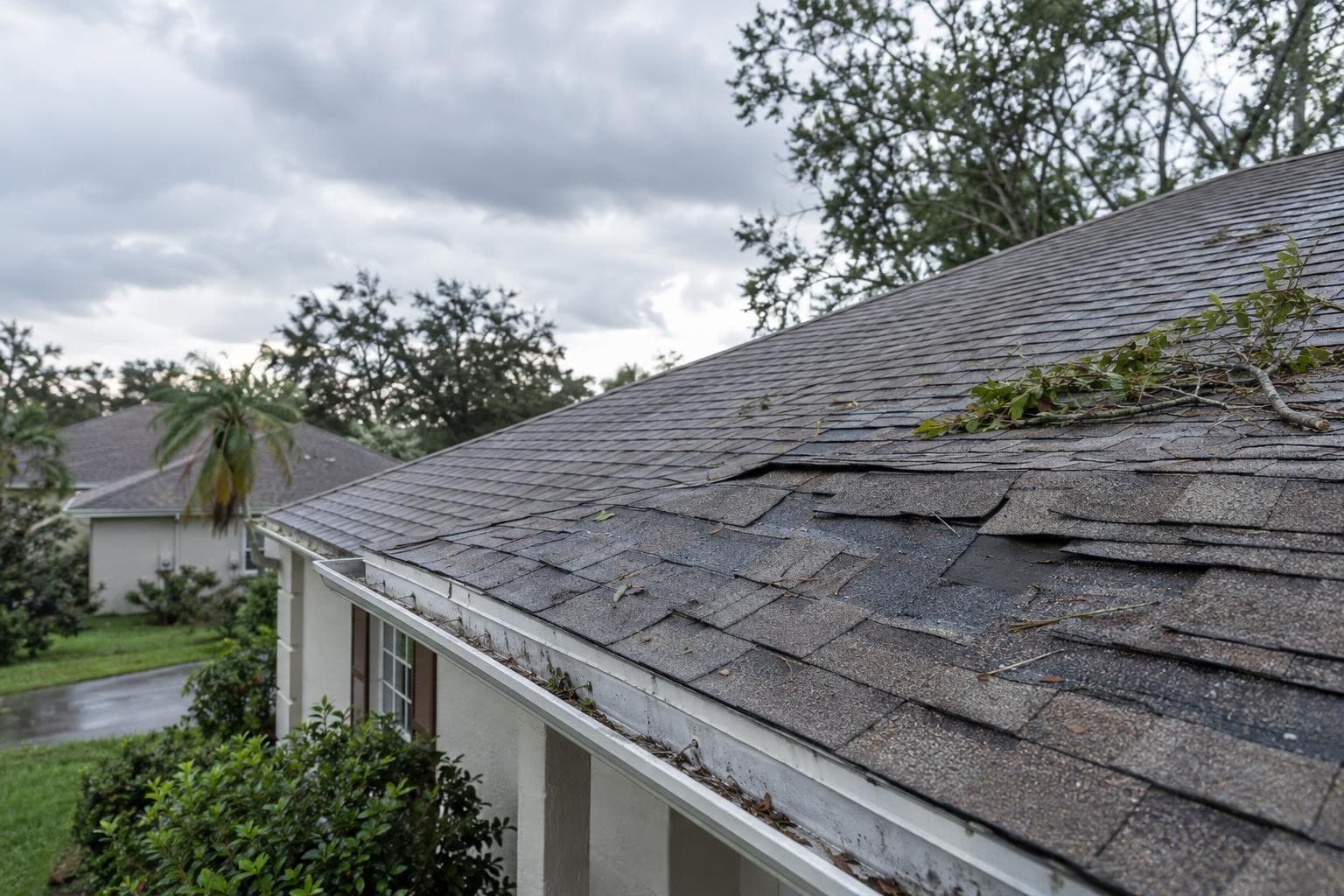
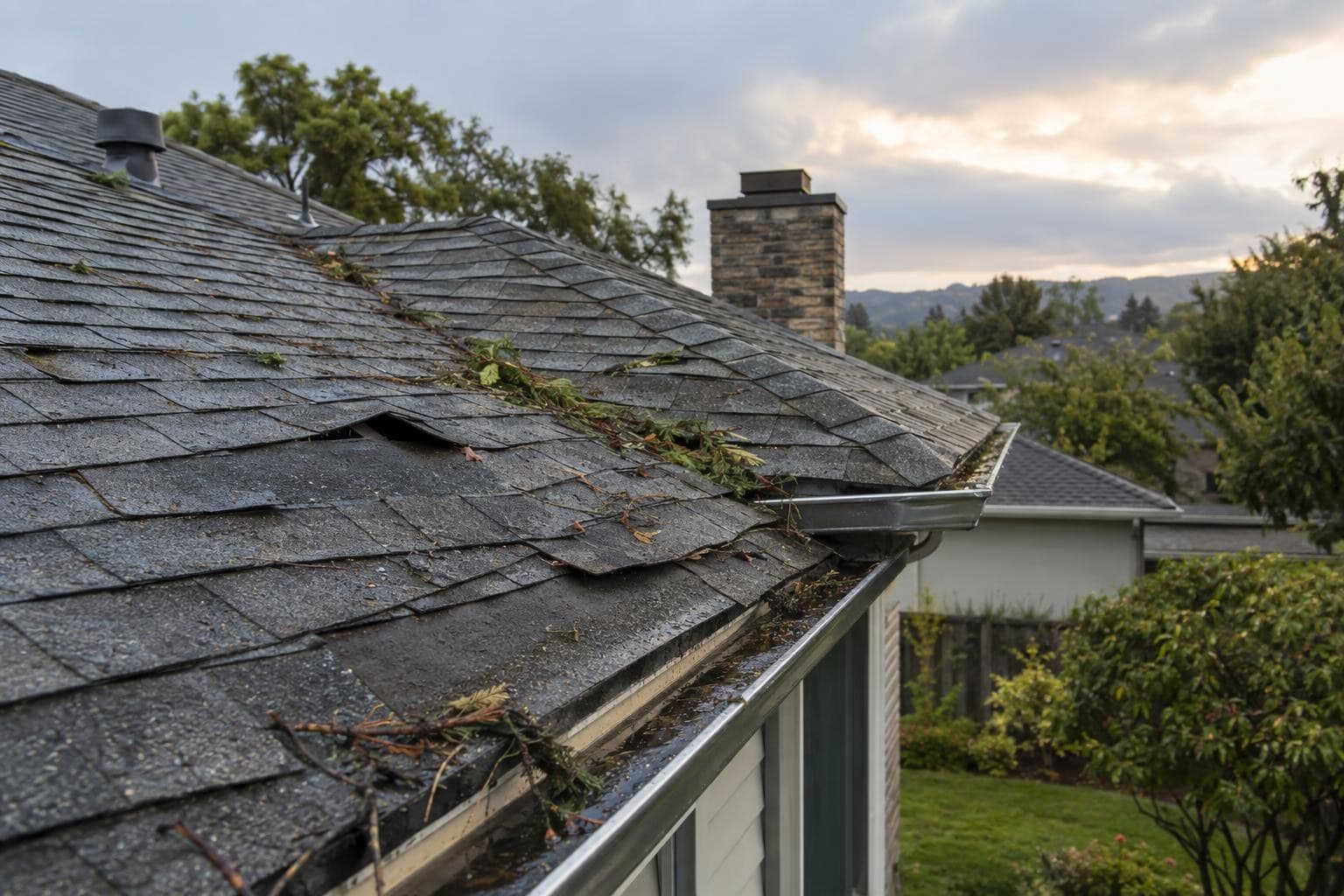
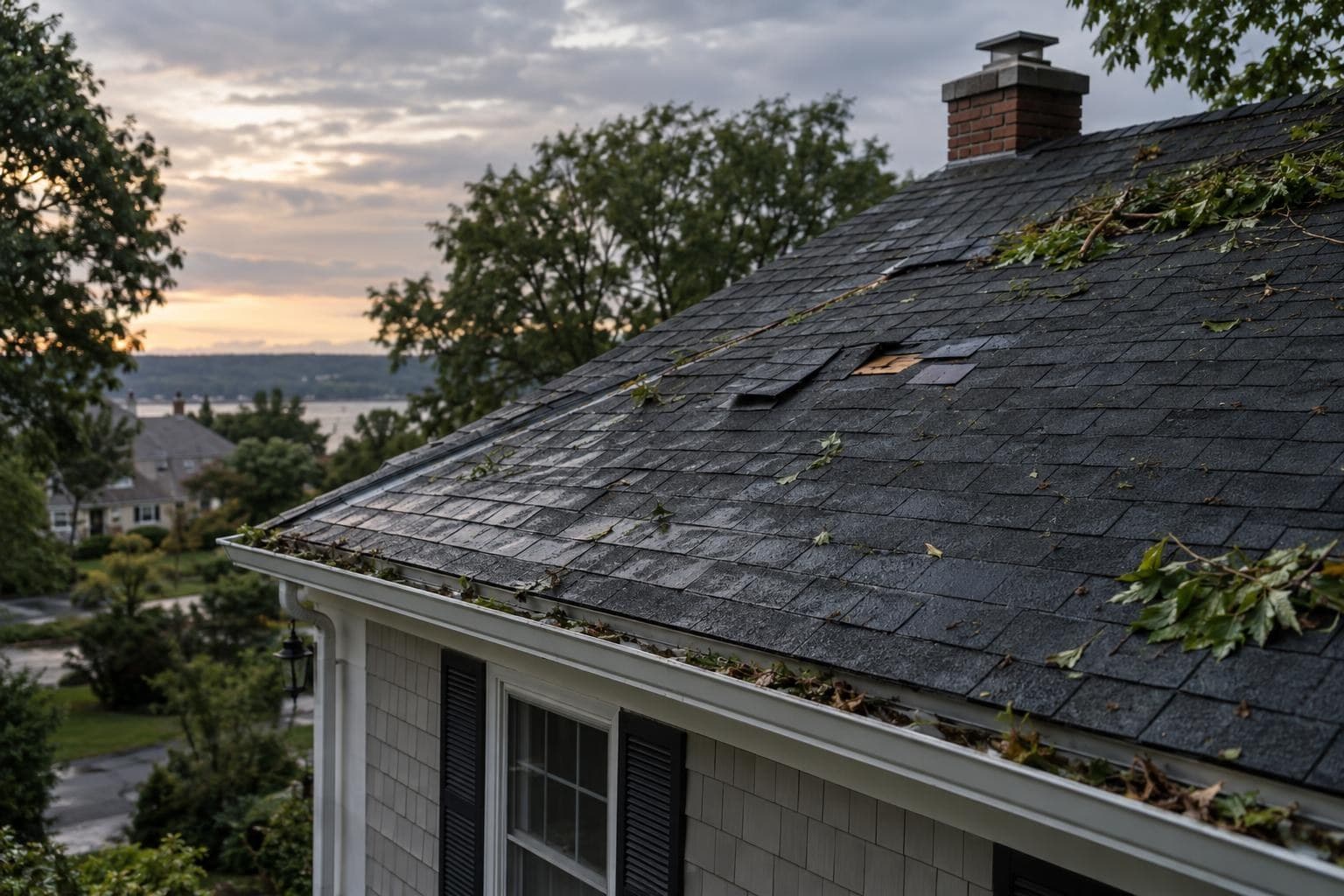
Start with safety and water control. If you see active leaking, protect the inside first with buckets, towels, and moving valuables out of the way. If it is safe to do so from the ground, look for obvious signs like missing shingles, bent metal, fallen branches, or debris impact. Inside, check the attic and top-floor ceilings for damp insulation, staining, dripping, or a musty smell. The goal in the first two days is not to diagnose every detail yourself. It is to prevent more damage and create a clear record of what the storm changed.
- Take wide photos of every roof slope you can see from the ground.
- Take close photos of anything visible, like shingles on the lawn, bent gutters, or damaged flashing.
- Photograph interior signs of water, including ceiling spots, wet drywall, attic drips, and damaged belongings.
- Write down the date of the storm and when you first noticed the damage.
- Keep any pieces of roofing material that blew off, if you can collect them safely.
- Avoid climbing on a wet, steep, or visibly damaged roof.
How do you document roof storm damage for an insurance claim?
Use photos, notes, and a simple timeline. Good documentation shows what happened, where it happened, and whether the damage appears fresh. Take overview shots first, then room-by-room and slope-by-slope photos. If water entered the home, document the path of the leak from ceiling stain to attic moisture if you can do it safely. Save receipts for emergency steps like tarping or interior drying. If your insurer asks for details, a clean file of photos, dates, and temporary repair records makes the claim easier to follow.
Rhode Island says homeowners insurance pays for losses and damages to your home if it is damaged or destroyed by fire, weather, theft, or another covered disaster. It also says you are only covered for a loss caused by a peril your policy covers, and you should review your policy limits and exclusions to understand what damage is excluded. That matters after a storm because roof claims often turn on whether the issue came from a covered weather event or from older wear that was already there.
Should you tarp a storm-damaged roof right away?
Yes, if water is getting in, temporary tarping is often the right next step. Tarping helps limit further interior damage while you line up a full inspection and repair plan. The key is safe, temporary protection, not a rushed permanent fix. Your roofer can place a tarp over the damaged section, secure exposed areas, and help you stabilize the roof until repairs begin.
This is especially important in Rhode Island because year-round moisture, wind-driven rain, and winter weather can turn a small opening into a larger leak fast. Roof penetrations, flashing lines, eaves, and edges are common trouble spots after storms. Near the coast, faster aging from salt air can also make already-stressed materials more likely to fail when wind and rain hit at the same time.
Talk to a roofer today
Planning ranges, scope details, and a direct path to request a roofing quote.
How can you tell storm damage from an old roof problem?
Look for sudden changes, not just worn materials. Storm damage usually shows up as fresh missing shingles, sharply creased tabs, lifted edges, newly exposed underlayment, bent or displaced flashing, impact marks, or a leak that started right after the storm. Age-related wear usually looks broader and more even, like granule loss across many areas, brittle shingles, long-term curling, repeated patching, or older staining that did not begin with this event.
The line is not always obvious, especially on older roofs. In Rhode Island, common roof issues include shingle wear, flashing problems, leaks around roof penetrations, ice-related edge damage, and faster aging near the coast where salt air can be harder on exterior materials. A storm can trigger failure in a roof that was already aging, which is why clear photos, a fast inspection, and a written scope matter. You want the record to show what was newly damaged by weather and what was existing condition.
When should you repair the roof, and when is replacement the better move?
Repair is usually the better move when damage is limited and the rest of the roof is still in solid shape. Replacement makes more sense when the storm exposed broader weakness, when multiple slopes are affected, or when age and storm damage overlap enough that patching becomes a short-term fix. For a storm-damage roof project in Rhode Island, begin with documented damage, the policy deductible, and a property-specific repair or replacement scope. Before approving a storm-damage roof project in Rhode Island, have the bidder connect timing to roof complexity, crew access, material handling, weather, inspections, and concealed conditions.
If replacement is on the table, use current the latest local cost data to compare options clearly. Check current Rhode Island cost data for a storm-damage roof project in Rhode Island, then replace the range with an assembly-specific proposal based on measured conditions.
Is a Class 4 roof worth considering after storm damage?
Yes, it is worth asking about if you are already replacing the roof. A Class 4 roof can make sense when you want a stronger shingle option after a weather event, especially if you plan to stay in the home. A Class 4 rating does not establish a policy credit in Rhode Island; the carrier and policy determine eligibility, documentation, and savings. In Rhode Island, the practical move is to ask your insurance carrier whether it offers a discount for a Class 4 rated roof covering, what documentation it wants before you replace the roof, and then make sure your roofer can provide the product information your carrier requires.
What Rhode Island insurance rules matter after a roof storm?
Three points matter most: coverage depends on the peril, flood is separate, and you have a state help path if the claim process gets murky. Rhode Island says homeowners insurance is not flood insurance and does not cover losses from flood. The Rhode Island Division of Insurance also says there is no state law in Rhode Island that requires you to purchase flood insurance, but if you have a mortgage, your lender will usually require flood insurance. If you have general insurance-related questions or need help resolving an issue, the Rhode Island Division of Insurance says, "We can help." The agency says you can file a complaint online or reach the division by phone.
If coverage is hard to place at all, there is also a fallback market. The state tells consumers that if you are unable to secure property insurance coverage through the voluntary market, you should contact the Rhode Island Joint Reinsurance Association for further assistance. For your roof claim today, the immediate takeaway is simpler: read your policy, document the storm, and keep your file organized so the cause of loss is easier to track.
How do you choose the right roofer after a Rhode Island storm?
Start by confirming the company is properly registered for residential construction work in Rhode Island and getting a clear written scope before you sign. The state draws a line between commercial roofing and residential work. For residential roofing, the state's general contractor registration page says anyone doing residential or commercial construction work, including repairs, needs to be registered with the Rhode Island Contractors’ Registration and Licensing Board, and the examples of work requiring registration include roofers. A smart first step is to look up your roofer through the state's Search a Registrant/Licensee tools and confirm they are properly registered for residential construction work.
- Ask who will perform the work on your home.
- Ask whether any subcontractors will be used.
- Ask for a written scope that lists materials, flashing details, and cleanup terms.
- Ask whether the first visit is for temporary protection, full repair, or replacement planning.
- Compare the scope against the storm damage you documented.
After a Rhode Island storm, the best next step is usually straightforward: get the leak controlled, get the damage documented, and get a roofer whose credentials and written scope you checked to separate fresh storm damage from older wear. That gives you a cleaner insurance conversation and a clearer repair decision. If the roof needs more than a patch, you can compare the latest local cost data and replacement options on the Rhode Island cost page and the calculator before you move ahead.
Sources
Reviewed technical references for Rhode Island
Related Rhode Island roofing guides
Related services
Updated July 10, 2026
3D Roofs Editorial Team
Editorial Standards