Updated July 10, 2026

3D Roofs Editorial Team
Editorial Standards
If a storm hits your Utah roof, act fast but do not rush into the wrong repair. In the first 48 hours, your job is simple: stay safe, document everything, stop active water entry, and avoid permanent repairs until the insurance company has inspected the property and you have reached an agreement on the cost of repairs. That approach helps you limit interior damage, protect your claim, and keep the roof from getting worse while you line up a qualified local roofing contractor.
What should you do in the first 48 hours after a Utah roof storm?
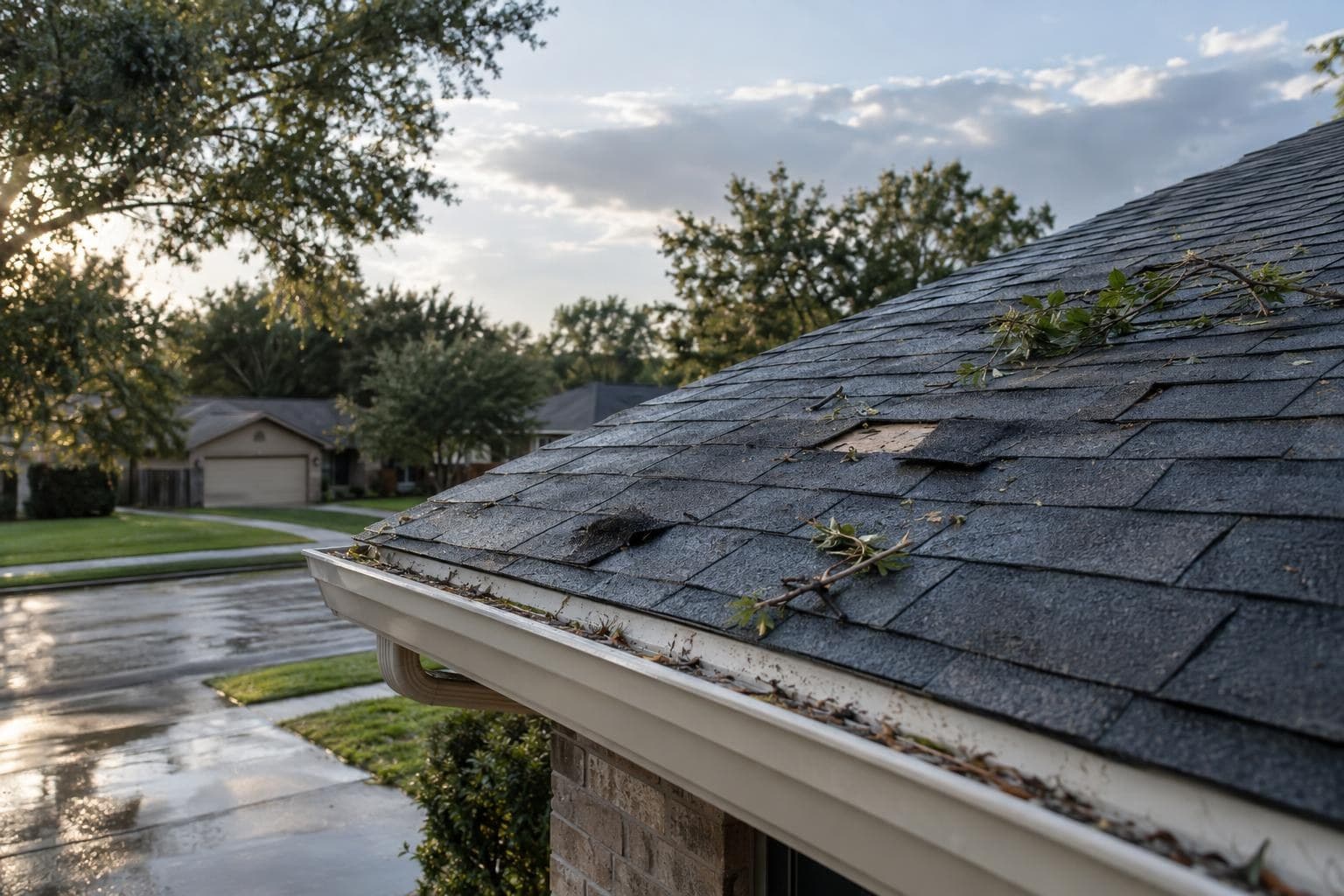
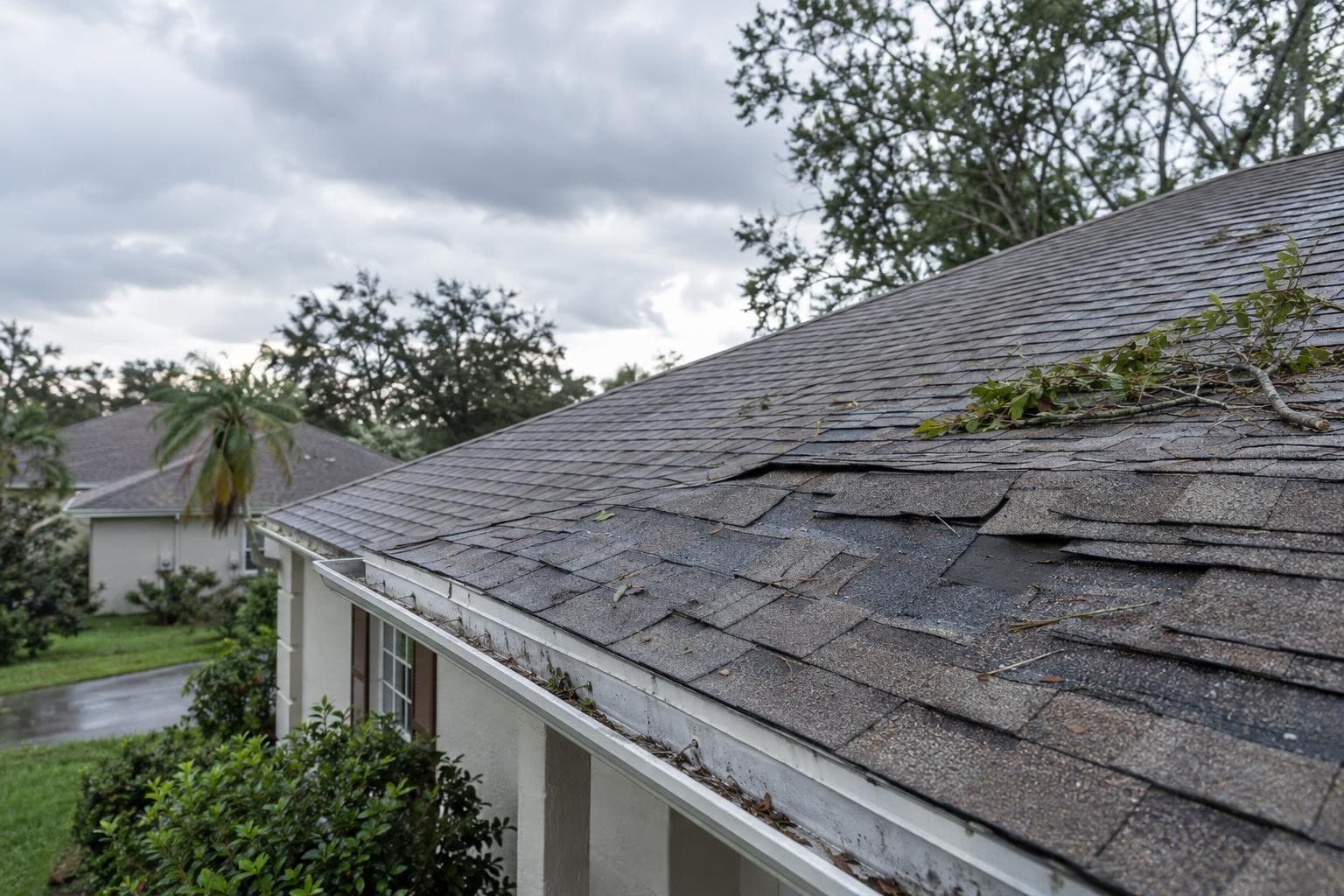
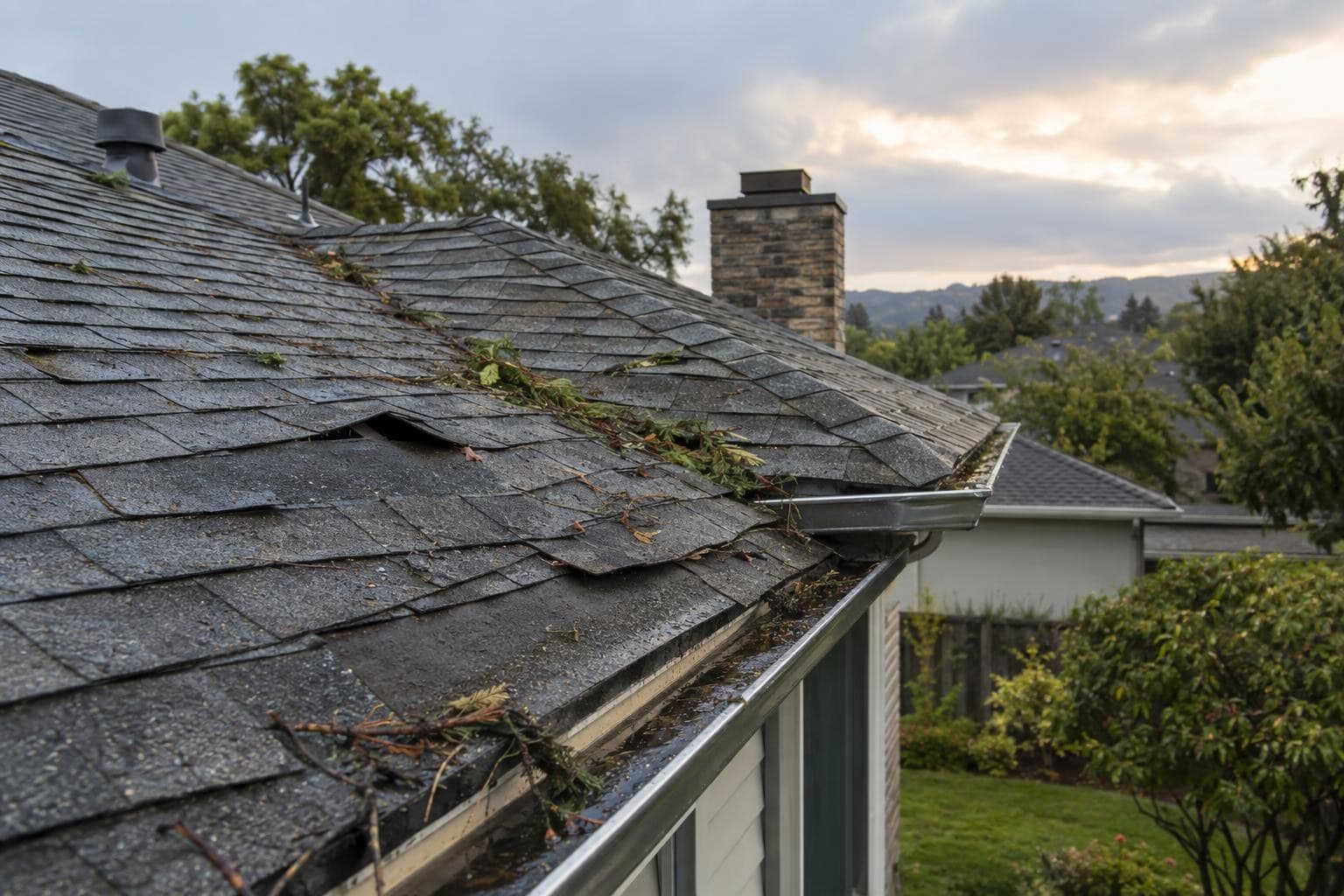
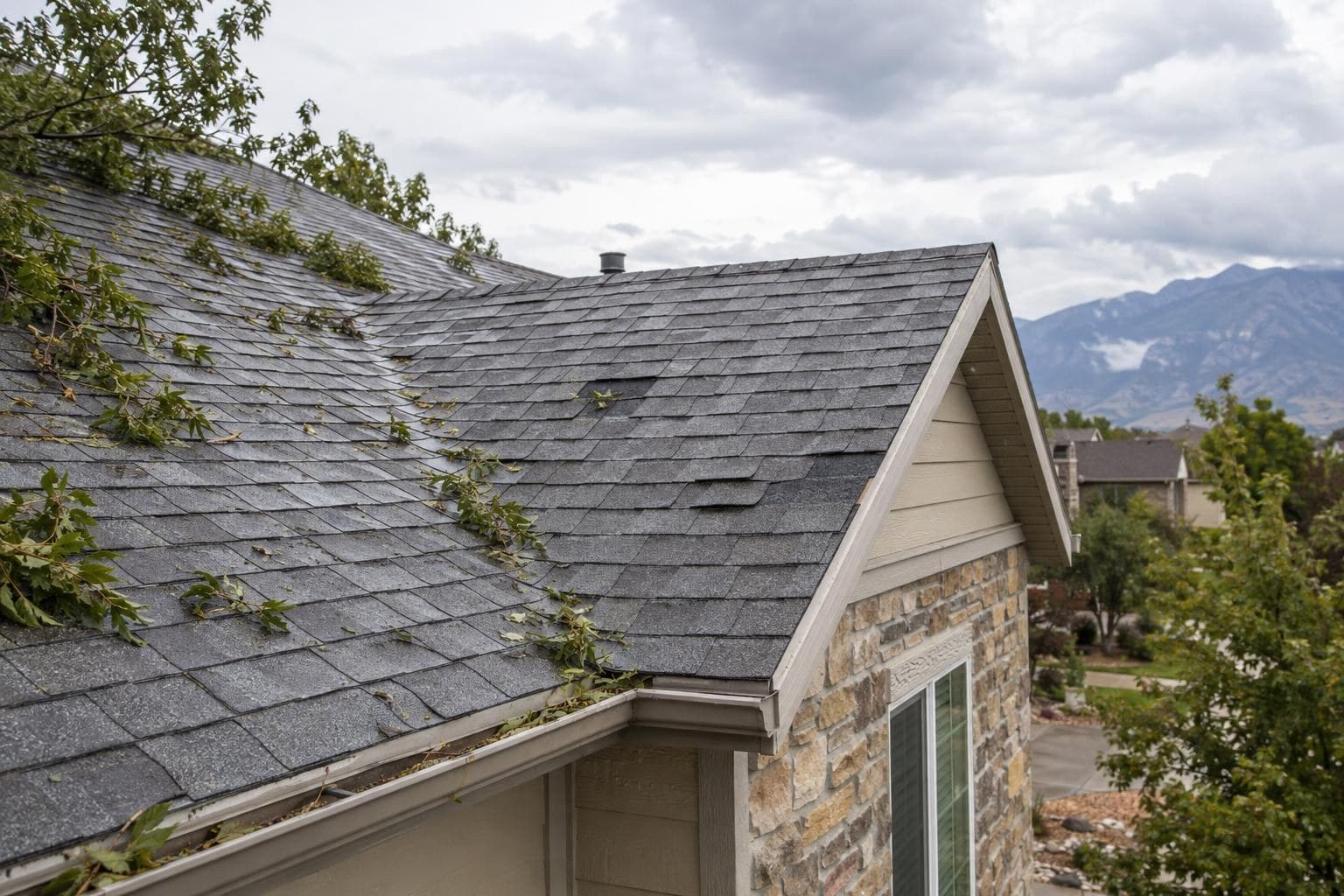
Start with safety and damage control. Utah roofs can take stress from wind, wind-driven rain, falling branches or trees, heavy snow weight, ice, freeze-thaw cycles, and long periods of sun exposure. After a storm, look for active leaks, ceiling stains, wet insulation, shingle debris, bent metal, detached gutters, and branches on the roof. Take photos and video from the ground first. If water is entering the home, make temporary repairs necessary to prevent further damage, such as covering the leaking area. Save receipts and keep a simple timeline of what happened, when you noticed it, and what temporary steps you took.
- Check ceilings, attic spaces, and upper-floor rooms for wet spots or dripping water
- Photograph all visible roof, gutter, siding, window, and interior damage
- Move furniture, rugs, and valuables away from leaks
- Use buckets or towels to limit interior water spread
- Arrange temporary dry-in if the roof is actively leaking
- Call your insurer to open the claim and ask about next steps
- Do not authorize permanent repairs before inspection and agreement on repair cost
How do you document roof storm damage for an insurance claim?
Use clear, boring proof. The best documentation is a full set of dated photos, short videos, notes, and receipts. Capture wide shots of each roof slope from the ground, then close-ups of anything visible like missing shingles, dented vents, displaced flashing, torn ridge material, or tree impact. Inside the house, photograph stains, bubbling paint, wet drywall, wet insulation, and damaged belongings. If you have older photos of the roof from before the storm, keep those too. Quick documentation matters in Utah because added interior damage can complicate the claim.
- Take overview photos of all sides of the home
- Take close-up photos of debris, shingle loss, flashing damage, and gutter damage
- Record video during active leaks if it is safe to do so
- Write down the storm date and the time you first saw damage
- Save receipts for tarps, buckets, fans, temporary labor, and other emergency steps covered by your policy
- Keep copies of any estimates, invoices, and claim emails
Should you tarp a storm-damaged roof right away?
Yes, if the roof is letting water in, temporary dry-in should happen quickly. The Utah Insurance Department tells homeowners to make repairs necessary to prevent further damage, such as covering broken windows, leaking roofs, and damaged walls. The key word is temporary. You should not have permanent repairs made until your insurance company has inspected the property and you have reached an agreement on the cost of repairs. A tarp is there to reduce new water damage, not to settle what the final repair scope should be.
If the storm left the deck exposed, tore off sections of roofing, or caused a branch strike, get a local contractor whose credentials you verified to secure the roof. If the damage is minor and there is no active leak, you may be able to wait for an inspection, but do not guess if water is already entering the home. Temporary dry-in is usually the smart move because mold, soaked insulation, stained ceilings, and damaged framing can all make the claim messier.
Talk to a roofer today
Planning ranges, scope details, and a direct path to request a roofing quote.
How can you tell storm damage from normal roof aging?
Storm damage usually looks sudden and localized. Age-related wear usually looks gradual and widespread. After a Utah storm, wind damage may show up as freshly creased, lifted, or missing shingles in a pattern tied to roof edges, ridges, or one exposure. Hail or impact may leave bruising, punctures, or damage to soft metals like vents, caps, or gutters. Tree strikes are more obvious, with crushed areas or torn sections. By contrast, older roofs often show even granule loss, drying, brittleness, curling from long-term sun exposure, and general wear that is not tied to one recent weather event.
Utah makes this distinction important because your roof deals with more than one type of stress over time. Wind, wind-driven rain, snow weight, ice, freeze-thaw cycles, and long periods of sun exposure can all age a roof. That means a storm can damage an already older roof, and the inspection has to sort out what is new versus what was already worn. A good inspection should note both. Your claim is stronger when your documentation shows fresh damage right after the event.
What if snow or ice caused the roof damage?
Treat it like any other loss: document it fast, stop additional water entry, and open the claim. Utah consumer guidance notes that collapse due to the weight of ice or snow is covered under most standard homeowners policies, which reflects the kind of winter roof stress Utah homeowners have to plan for. Even when the roof does not collapse, heavy snow weight, ice buildup, and freeze-thaw cycles can open pathways for leaks. Photos of sagging areas, attic moisture, ice-related staining, and ceiling movement can help show the sequence of damage.
When should you call a roofer, and what should you avoid?
Call a roofer whose credentials and written scope you checked early for emergency protection and a written estimate, but be careful about what you sign. In Utah, the practical move is simple: verify the contractor's Utah license status first, then compare written estimates and read every document before you sign. The Utah Insurance Department warns you to be wary of door-to-door roof inspection offers after a storm, out-of-state contractors approaching you after disasters, pressure to quickly sign electronic documents, especially Assignment of Benefit forms, and requests for upfront payment.
- Verify the contractor's Utah license status first
- Get at least three written estimates
- Read every document before you sign
- Require copies of invoices sent to the insurer
- Avoid pressure to sign quickly after a storm
- Be cautious with upfront payment requests
What does storm roof repair or replacement usually cost in Utah?
For a storm-damage roof project in Utah, begin with documented damage, the policy deductible, and a property-specific repair or replacement scope. Use the current Utah cost page and calculator to plan a storm-damage roof project in Utah, then require the measured scope to explain any meaningful difference. When planning a storm-damage roof project in Utah, ask how roof shape, staging, weather, inspections, and concealed deck conditions affect both duration and labor.
Is it worth upgrading to Class 4 after storm damage?
It can be, especially if you want better impact resistance and your insurer offers a discount. Do not assume a statewide Class 4 credit in Utah; ask the carrier to verify eligibility and paperwork for the exact product and policy. In Utah, you should ask your insurer whether it offers a discount for a Class 4 impact-resistant roof. Discounts, if any, are set by the carrier, and your eligibility depends on the insurer's rules and your specific product documentation. If you are replacing the roof after storm damage, ask your roofer for the exact product rating paperwork and confirm with your insurer before you count on any savings.
What can you do if the insurance claim stalls or the settlement looks wrong?
You have options, and Utah gives you clear standards to point to. The Utah Insurance Department says home claims information for Utah includes laws on "Timely payment of claims" and "Unfair claim settlement practices." It also lists Rule R590-190, "Unfair Property, Liability and Title Claims Settlement Practices," and says this includes homeowner policies. If your claim starts to stall or the handling seems off, you can contact the Utah Insurance Department for assistance. The department also says that if you have a dispute with your insurer about the amount or terms of the claim settlement, many problems are successfully resolved during its regulatory investigation, even though it does not have the authority of a court to settle disputes of unwilling parties, or to order or enforce payment of individual claims.
The first 48 hours after a Utah roof storm are about control. Document the damage, prevent more water from getting in, keep every receipt, and wait on permanent repairs until the inspection and repair cost agreement are in place. Then compare written estimates, verify your contractor's Utah license status, and decide whether repair or replacement makes more sense for the roof you have. If replacement is on the table, use current local cost ranges as your baseline and check the Utah cost page and the calculator for the full local picture.
Sources
Reviewed technical references for Utah
Related Utah roofing guides
Related services
Updated July 10, 2026
3D Roofs Editorial Team
Editorial Standards