Updated July 27, 2026

3D Roofs Editorial Team
Editorial Standards
If a storm hits your roof in Washington, act fast but stay controlled. Your first job is to protect the house from more water, document what changed, and get a roofing contractor you are considering to inspect the roof before small damage turns into a leak. In this state, roofs deal with frequent rain, damp conditions, wind-driven moisture, debris, and in some areas snow and ice. Even when damage does not look dramatic from the ground, constant moisture can shorten the life of shingles, underlayment, sealants, and roof penetrations. That is why the first 48 hours matter so much.
What should you do in the first 48 hours after a Washington roof storm?
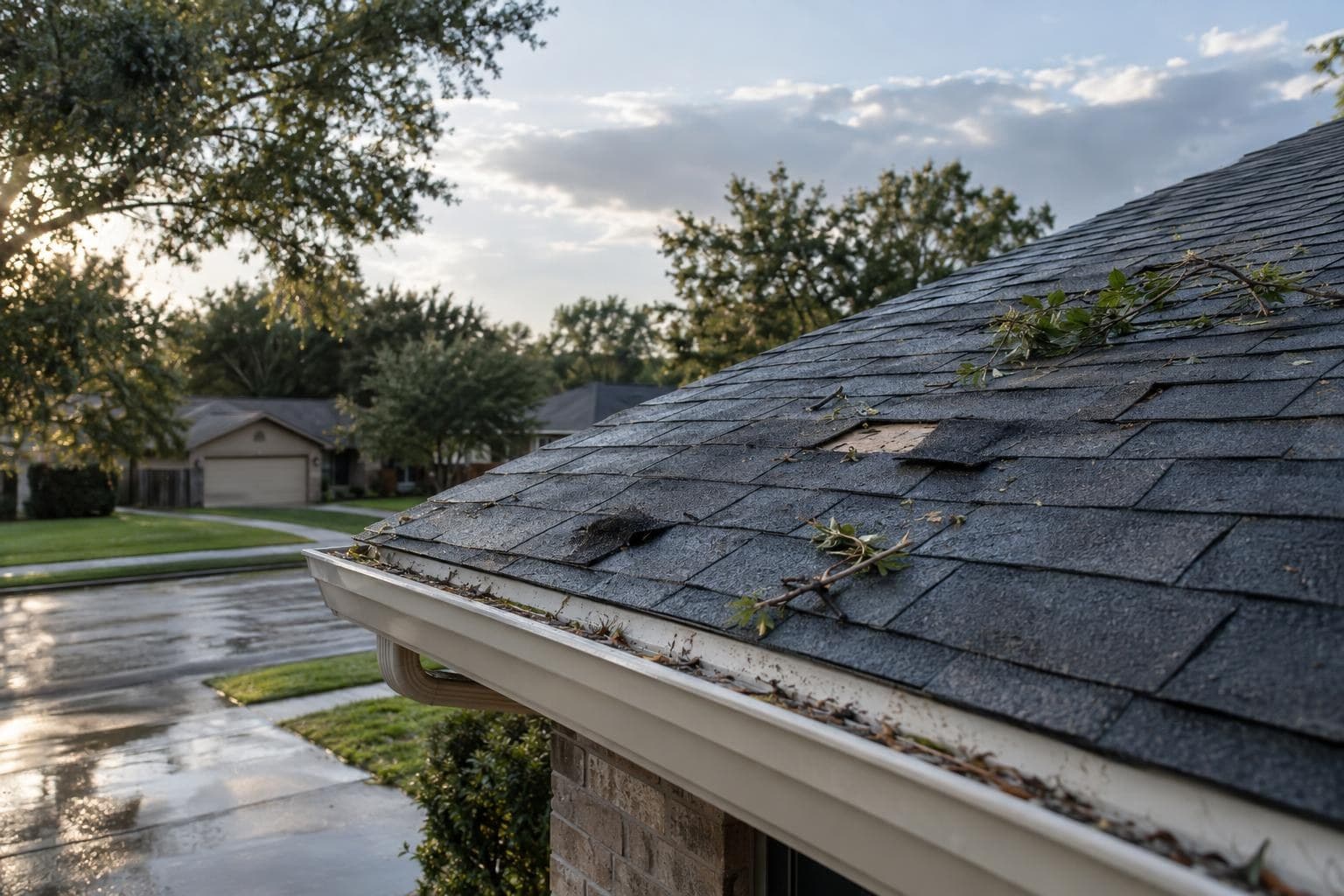
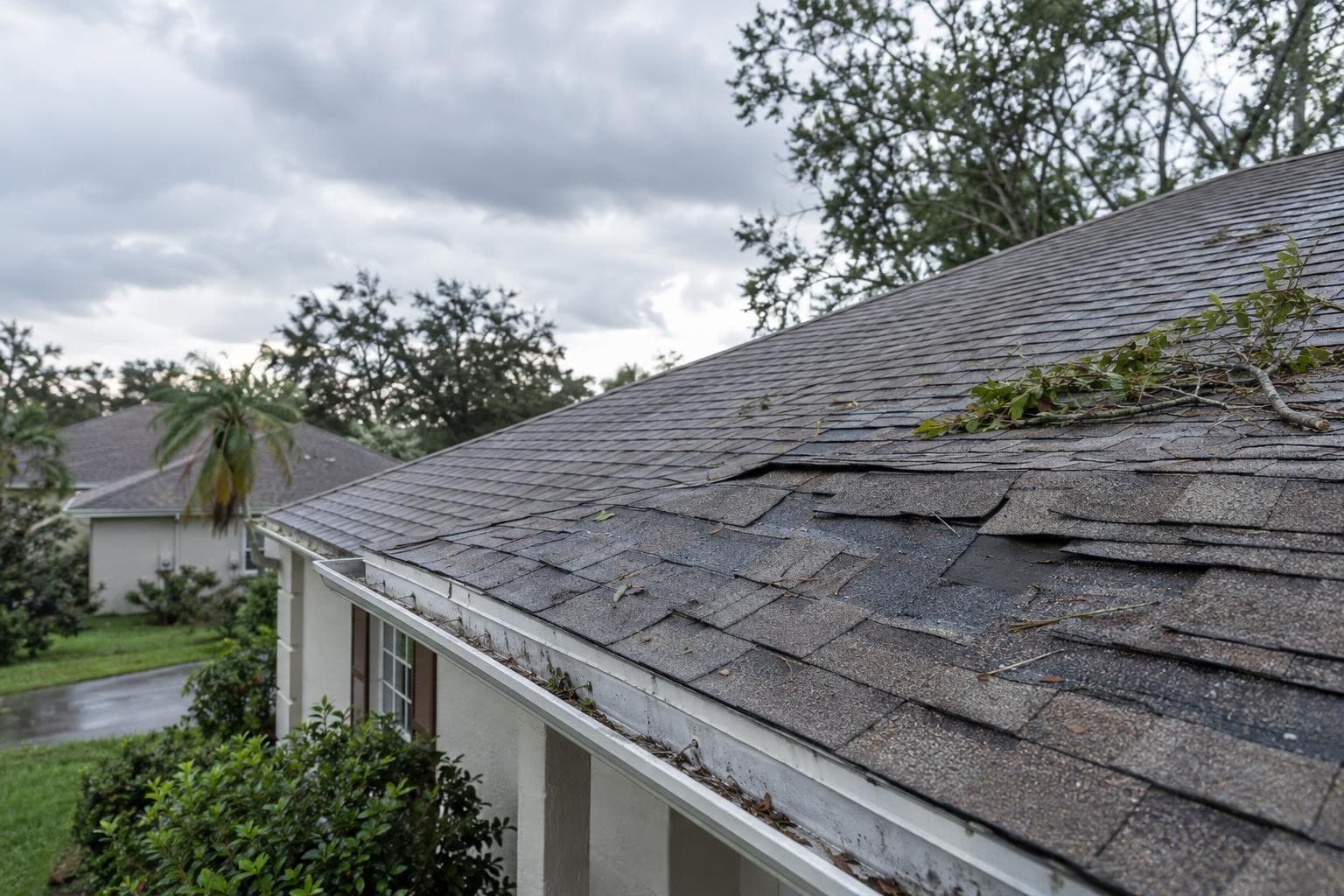
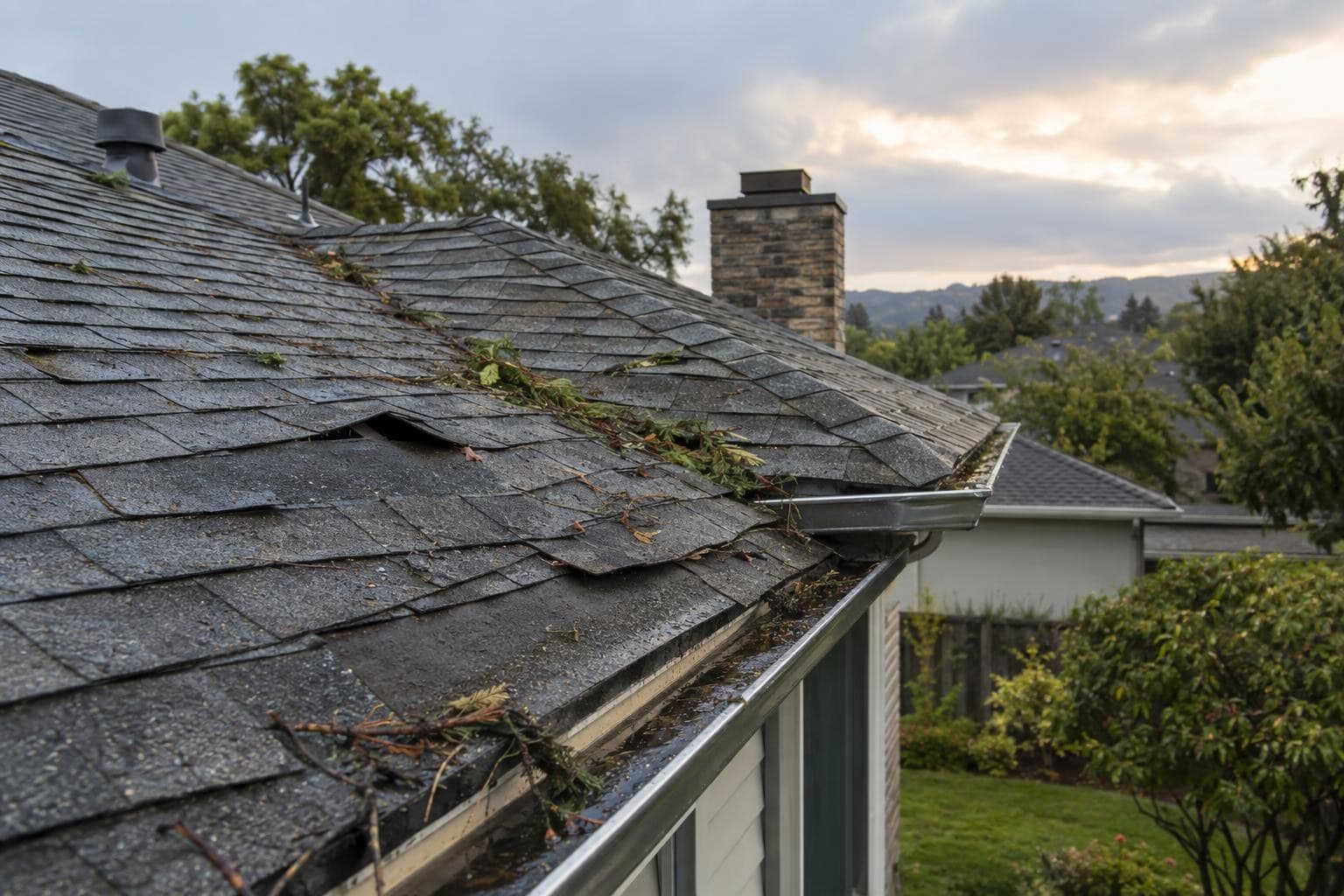
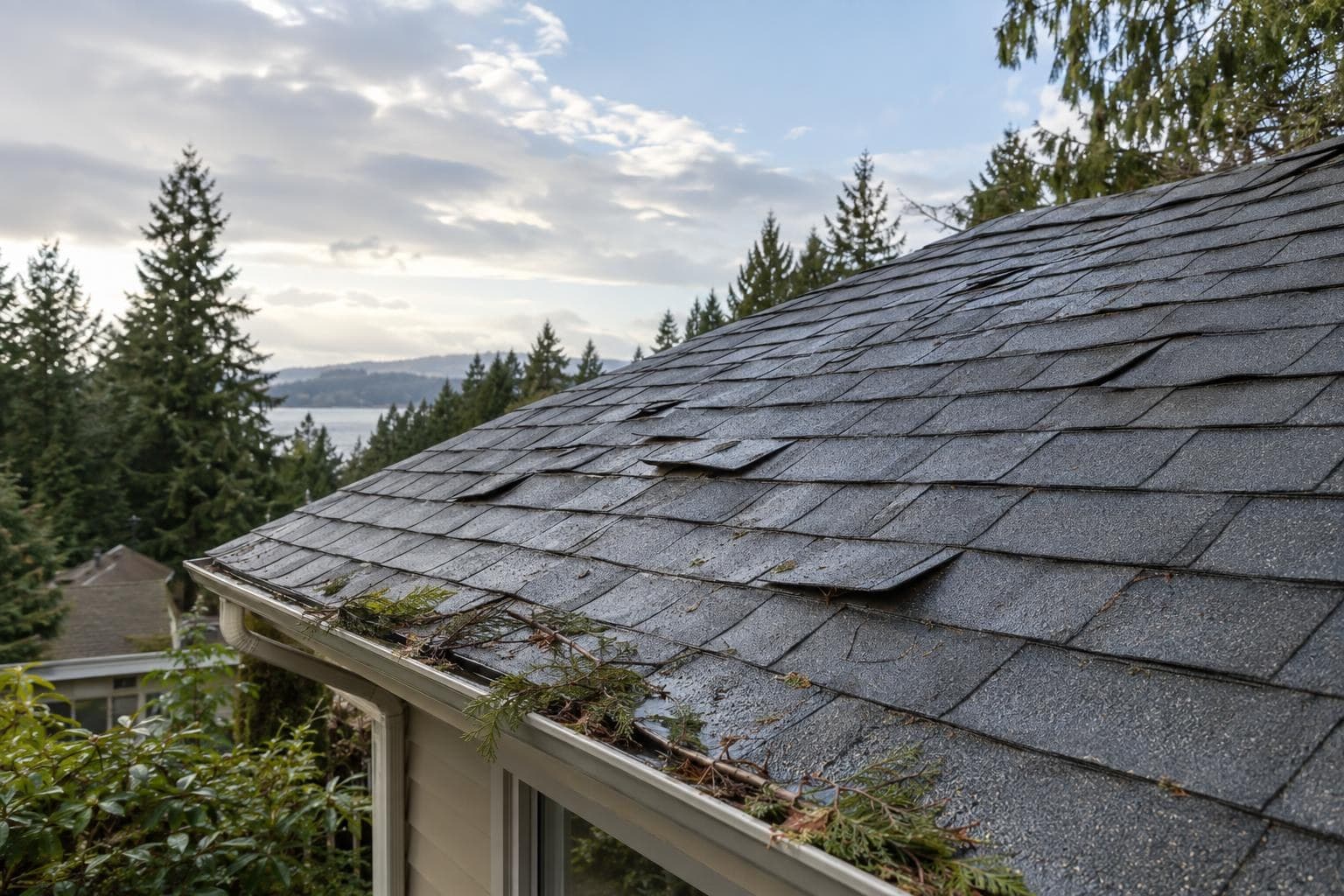
Start with safety, then documentation, then temporary protection. Stay off the roof if it is wet, steep, or storm debris is still present. Walk your property from the ground and look for obvious signs like missing shingles, metal flashing out of place, branches on the roof, fallen limbs, dented gutters, or shingle pieces in the yard. Inside the house, check ceilings, attic spaces, around vents, and exterior walls for damp drywall, stains, drips, or musty smells. If water is getting in, move belongings out of the way and use buckets or towels to limit interior damage. Then call for a roof inspection and emergency tarping if needed.
- Take wide photos of all sides of the home from the ground
- Photograph any debris, fallen branches, gutter damage, and visible roof changes
- Take interior photos of stains, wet insulation, peeling paint, or active drips
- Write down the date of the storm and what you noticed first
- Keep samples of any shingles or roofing pieces that fell to the ground if you can do so safely
- Do not throw away damaged materials until your roofer or carrier says it is okay
How do you document storm damage for an insurance claim?
Document the roof as it is, before cleanup changes the story. Good documentation helps show what happened, when it happened, and how the damage affected the home. Use your phone to take clear photos and short videos from safe locations. Capture the exterior, the interior, and any personal property affected by leaks. If tarping is needed, photograph the damage before and after the tarp goes on. Keep every receipt for emergency steps like tarps, buckets, or water cleanup. If your insurer asks for forms, complete them carefully and keep copies of everything you submit.
The Washington Office of the Insurance Commissioner says that as a policyholder, you are entitled to a clear explanation of what is covered, a prompt response from the insurance company, timely payments and a claim decision, and an appraisal if you disagree with the amount of your loss. The Washington Office of the Insurance Commissioner says your insurer is obligated to respond to your claim. Within 15 business days, after receiving your fully completed forms, the company should accept, deny, or advise you if it needs more time to review the claim. Within 30 days, it should complete the claim investigation if possible. If the claim investigation is not completed within 30 days, the insurer must notify you within 45 days after you file a claim and explain why it needs additional time.
Should you tarp a storm-damaged roof right away?
Yes, if water can get in, temporary protection should happen as soon as it is safe. Tarping is not the final repair, but it can limit added damage while you line up inspection, claim review, and permanent work. In Washington, that matters because frequent rain and damp conditions can make a small opening much worse in a short time. Wind-driven moisture can also push water under lifted shingles, around penetrations, and into weak flashing details.
Have your roofer document the damaged area before covering it when possible. A proper tarp should extend past the damaged section and be secured in a way that reduces water intrusion without causing more avoidable damage. If the roof is older or already has weak spots, Washington weather tends to turn small problems into leaks faster than you want. Temporary protection buys you time, but it should lead into a real inspection and repair plan.
Talk to a roofer today
Planning ranges, scope details, and a direct path to request a roofing quote.
How can you tell storm damage from normal roof aging?
Storm damage usually looks sudden, directional, or localized, while age shows up as broad, even wear. Wind damage can leave shingles creased, lifted, torn, or missing in patterns that match the storm path. Debris impact can damage limited areas near tree contact, valleys, edges, or penetrations. Storm-related leaks can start right after weather hits. Aging, on the other hand, often shows up as general granule loss, brittle shingles, shrinking sealants, older flashing fatigue, moss or algae holding moisture, and wear that appears across the whole roof rather than one storm-facing area.
Washington makes this harder because constant moisture can shorten the life of shingles, underlayment, sealants, and roof penetrations even without one dramatic event. Moss and algae can also hold moisture against the roof surface. In higher elevations and colder parts of the state, snow load and freeze-thaw cycling can add stress around edges, valleys, and flashing details. That means a storm can expose an old weak point, and your roofer needs to separate what is fresh damage from what was already worn. A good inspection should note both.
Do you have to use the contractor your insurance company suggests?
No. After covered damage is identified, you have the right to select your own contractor to complete the work on your home. Your insurance company may recommend contractors, but it is not required to provide you with a list of contractors. You should choose a roofing contractor you are considering you are comfortable working with, then keep control of the claim decisions yourself.
Be careful with paperwork during storm season. The Washington Office of the Insurance Commissioner warns that if a contractor asks you to sign an assignment of benefit, it could affect your rights. The form could allow the contractor to negotiate, make decisions, and settle the claim directly with the insurance company without your approval. The agency says to talk to your agent or company before you sign this form. In Washington, construction contractors must be registered with L&I, and roofing is listed as a specialty that requires contractor registration. A practical first step is to ask your roofer for the business name and contractor registration number, then confirm that registration through the state verification tool referenced by L&I. You should also make sure the business name matches the registration record, because L&I says the contractor must use the exact business name on registration documents. For residential jobs of an amount that must be confirmed for the written scope or more, L&I says the contractor must provide the Model Disclosure Statement Notice to Customer.
How much do storm damage repairs or replacement cost in Washington?
For current Washington planning prices related to storm damage roof, use the cost guide and calculator, then compare the contractor's property-specific written scope. For storm damage roof in Washington, treat a steep or difficult-to-access roof as a scope variable that the contractor should measure and price explicitly. For storm damage roof in Washington, ask the contractor to put the expected working days and weather plan in writing; timing depends on roof size, material, access, crew scheduling, and conditions found after tear-off.
If you want to compare materials after a storm, ask about impact-resistant options. For storm damage roof in Washington, any insurance credit depends on the carrier, policy, address, and exact product; get the amount and documentation requirements from the insurer in writing. If you are considering impact-resistant roofing materials, ask your insurance carrier whether it offers a discount for a Class 4 rated product. Discount availability and underwriting treatment can vary by carrier, so the key step is to confirm the terms with your insurer before you buy. Your roofer can help you identify product options and documentation to discuss with the carrier.
When should you repair the roof, and when is replacement the better move?
Repair makes sense when damage is limited, the rest of the roof is still in solid condition, and the fix can restore watertight performance without chasing leaks from one weak spot to another. Replacement makes more sense when the storm exposed widespread issues, when moisture has reached multiple roof components, or when the roof was already near the end of its serviceable life. In Washington, that decision often comes down to moisture exposure. A roof that might survive longer in a dry climate can fail faster here because damp conditions keep working on every weak seam and penetration.
The best next step is a documented inspection that separates fresh storm damage from older wear, identifies whether emergency tarping is enough for now, and gives you a clear repair-versus-replace recommendation. If your roof took a hit, move quickly in the first 48 hours, save your photos and receipts, and get a roofing contractor you are considering involved before the next round of rain makes the decision for you.
How do moss, moisture, and older leaks affect a storm inspection?
Washington roofs often show more than one condition at the same time. Moss growth, shaded wet areas, deteriorated flashing, and older attic moisture can exist before a wind or rain event, while the storm may still create a new opening or move materials. A useful inspection separates those conditions slope by slope and connects interior water to a plausible entry point. Ask for photographs and notes that distinguish fresh displacement or impact from long-term staining, corrosion, rot, or maintenance issues. That distinction helps you choose the right repair and gives the insurer a clearer record of what changed.
Washington roofing costs
Sources reviewed
- Washington Department of Labor & Industries, Register as a Contractor
- Washington Office of the Insurance Commissioner, Filing a homeowner insurance claim
- National Weather Service: Severe Thunderstorm Safety
- Federal Trade Commission: Four Ways to Avoid Scams After a Weather-Related Disaster
- Georgia Attorney General Consumer Protection Division: Beware of Roofers Scamming Storm Victims
Related services
Updated July 27, 2026
3D Roofs Editorial Team
Editorial Standards