Updated July 27, 2026

3D Roofs Editorial Team
Editorial Standards
If a storm just hit your roof in West Virginia, start by protecting the inside of your home, documenting what you can see, and lining up a local roofer you have vetted for a damage check. Do not rush into a full replacement decision on day one. Your roof in West Virginia has to handle frequent moisture, freeze-thaw cycles, snow load in winter, and wind-driven rain during storms. Those conditions can show up as lifted shingles, granule loss, flashing leaks, ice-related damage around eaves, and faster wear around chimneys, valleys, and vents. In lower-slope or shaded areas, lingering moisture can also make drainage and ventilation more important.
What should you do in the first 48 hours after a roof storm in West Virginia?
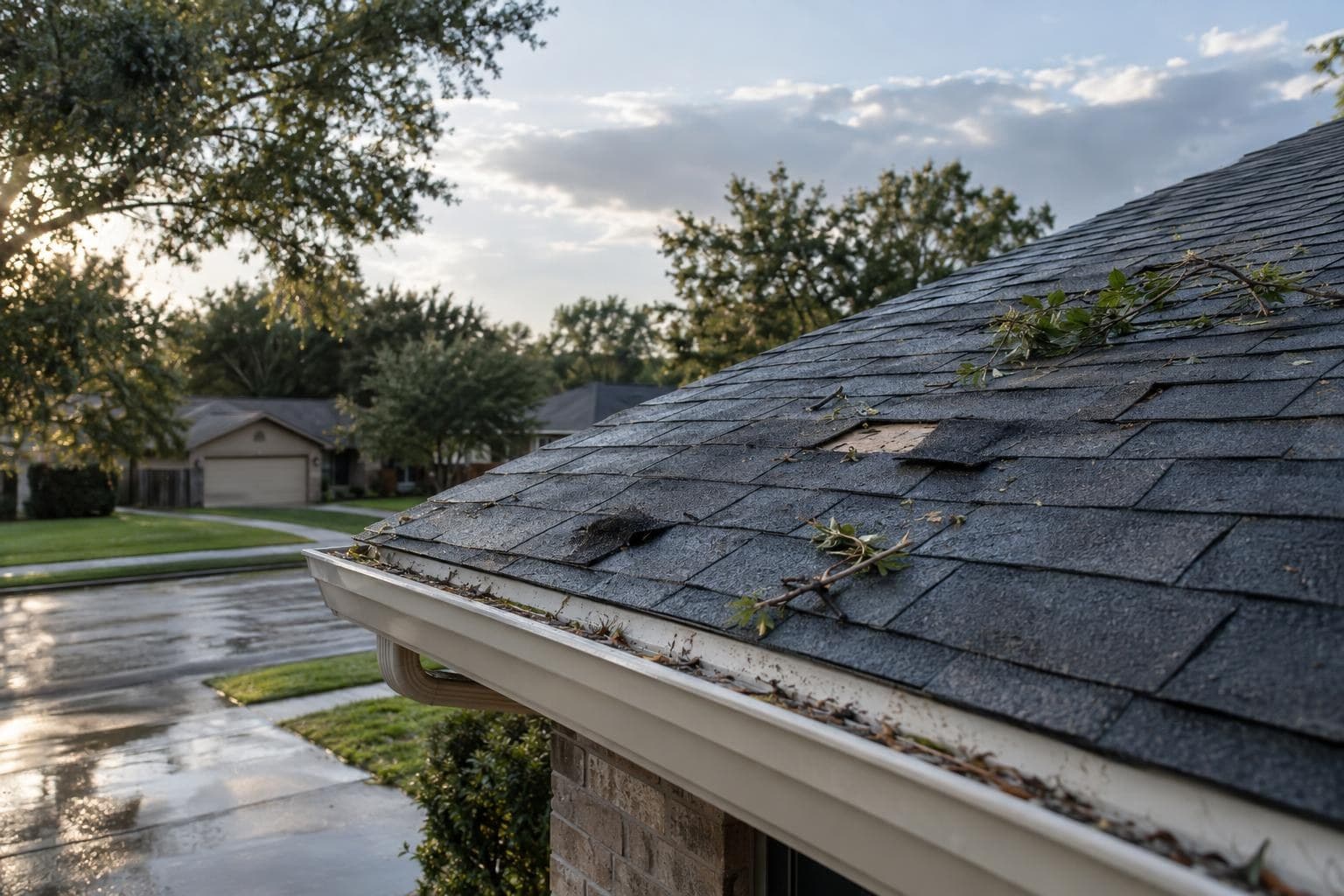
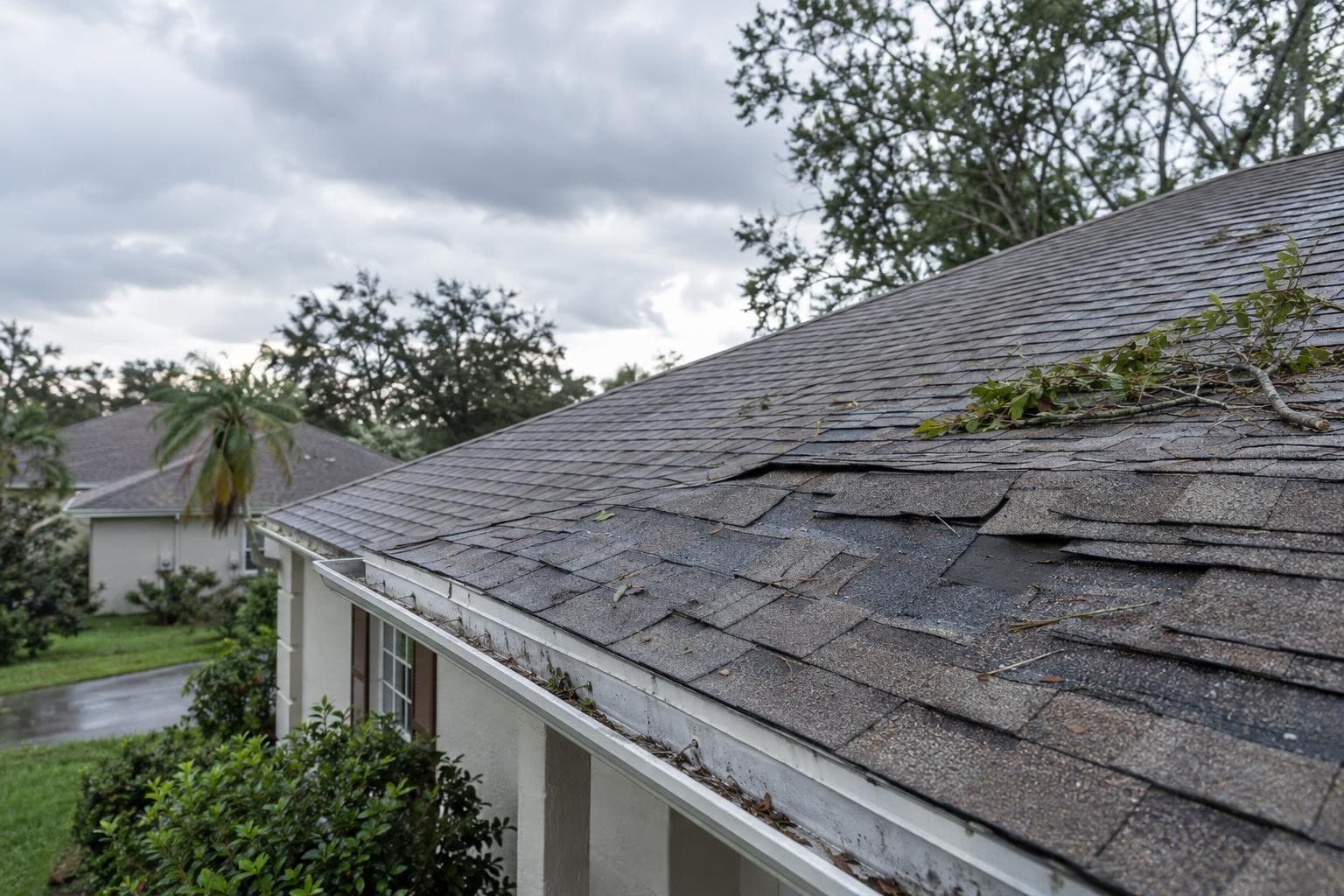
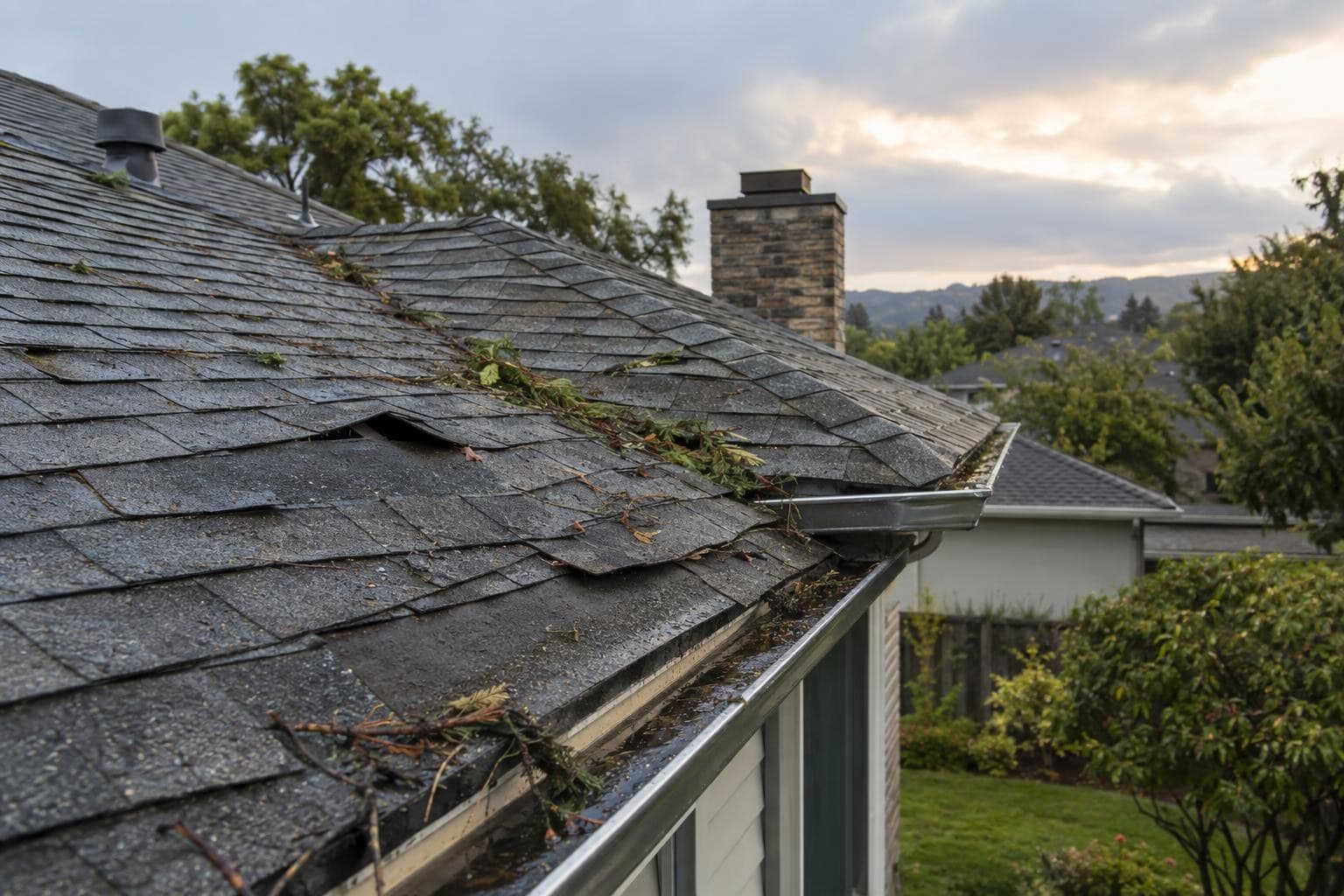
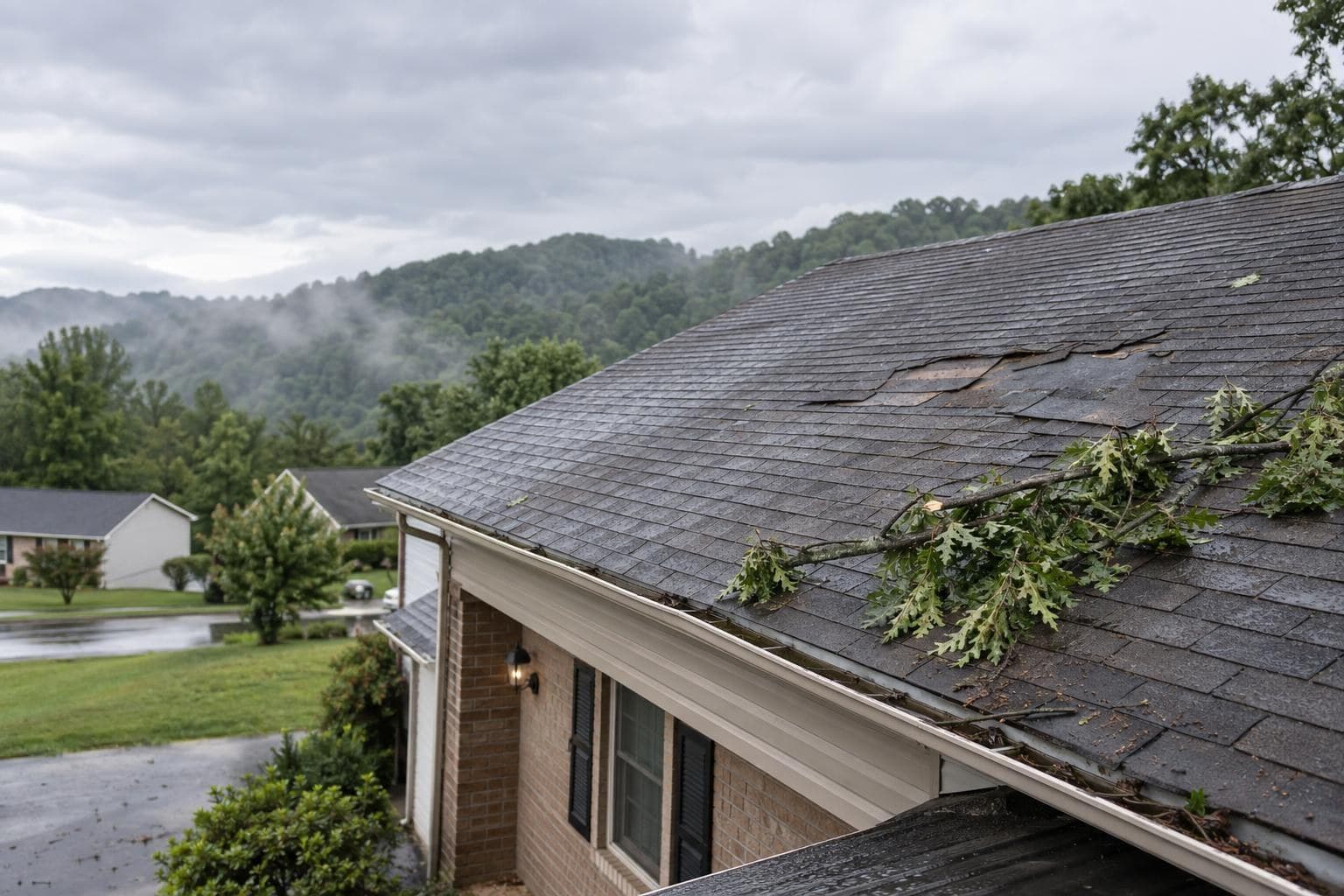
Focus on safety first, then stop active water entry, then create a clean record of the damage. If water is coming in, move belongings, use buckets, and relieve bulging ceilings carefully if needed. If it is safe from the ground, take wide photos of every roof slope, gutters, downspouts, siding, windows, vehicles, fence lines, and anything else the storm may have hit. Inside, photograph ceiling stains, wet insulation, peeling paint, damp drywall, and any puddling in the attic. Write down the date of the storm, when you first noticed the leak, and what rooms were affected. Then contact a qualified local roofing contractor to inspect the roof and discuss temporary protection such as tarping.
- Protect people and belongings before anything else
- Photograph the outside from the ground and the inside damage room by room
- Save a few loose pieces only if they are easy to collect safely
- Write a simple timeline of what happened and when
- Call your homeowners carrier to start the claim if damage appears storm-related
- Ask your roofer for a written scope for temporary protection and repairs
When should you tarp a storm-damaged roof?
Tarp the roof as soon as there is a real risk of more water getting in. A tarp is a temporary step, not the final fix, but it can prevent soaked insulation, stained ceilings, moldy materials, and larger repair bills. You should think about tarping if shingles are missing, flashing is peeled back, a tree limb struck the roof, or water is already entering the house. If the roof is steep, slick, or still unstable, do not climb it yourself. Your roofer can handle temporary dry-in work more safely and document the conditions at the same time.
What photos and records help most with a roof claim?
The best documentation is clear, dated, and tied to the storm timeline. Take overview photos first, then medium shots, then close-ups. Show each elevation of the house, each roof slope visible from the ground, and any obvious impact points. Inside, connect the leak to the room and the room to the ceiling area. Keep screenshots of weather alerts if you have them, but rely most on your own photos, notes, and inspection findings. Save receipts for emergency supplies and temporary protection. If your roofer finds storm-related damage, ask for labeled photos and a written summary that distinguishes urgent temporary work from permanent repairs.
- Wide shots of all sides of the home
- Close photos of missing shingles, bent flashing, dented metal, and debris impacts
- Interior photos of stains, active drips, wet attic decking, and insulation
- Receipts for tarping, cleanup, and emergency materials
- A written timeline with dates, times, and names of people you spoke with
- Copies of claim emails, adjuster notes, and your roofer's scope
Talk to a roofer today
Planning ranges, scope details, and a direct path to request a roofing quote.
How can you tell storm damage from an old roof wearing out?
Storm damage usually looks sudden, directional, or concentrated in places the weather hit hardest. Age-related wear usually looks more even and gradual. After a wind event, you may see creased or lifted shingles, missing tabs, broken seal strips, or flashing pulled loose. After hail or flying debris, damage may be localized, with fresh marks on shingles, soft metal, gutters, or vents. Normal aging often shows up as widespread granule loss, brittle shingles, shrinking sealant, surface cracking, and general wear that is not tied to one recent event. In West Virginia, freeze-thaw cycles, snow load in winter, and wind-driven rain can blur the line, because old weak areas often fail first during a storm. That is why documentation from the first 48 hours matters so much.
What roof areas in West Virginia tend to fail first after a storm?
The first trouble spots are usually the roof details, not the big open field of shingles. In this climate, flashing around chimneys, valleys, skylights, and vents often shows problems early. Eaves can take ice-related damage. Lower-slope or shaded sections can hold moisture longer, which makes drainage and ventilation more important. Wind-driven rain can also expose weak transitions where roof planes meet walls. If you are trying to spot storm effects from the ground, look for crooked shingle lines, exposed underlayment, displaced flashing, clogged valleys, and granules collecting in gutters after the event.
Should you repair the roof or replace it after storm damage?
If damage is isolated, repairs are often the right first move. For a storm-damage roof project in West Virginia, begin with documented damage, the policy deductible, and a property-specific repair or replacement scope. If the storm damage is widespread, if multiple slopes are compromised, or if matching and service life are bigger concerns, replacement may make more sense. For a storm-damage roof project in West Virginia, require the written schedule to account for roof geometry, access, weather protection, material handling, inspections, and possible deck work. Material choice changes the budget. For a storm-damage roof project in West Virginia, start with current West Virginia cost data, then test the planning range against a measured proposal that names the complete roof assembly.
Is a Class 4 roof worth considering after a West Virginia storm?
It can be worth considering if you want more impact resistance and your carrier offers a discount. For a storm-damage roof project in West Virginia, treat any impact-resistant roof credit as unconfirmed until the insurer identifies the eligible product, required documentation, premium portion, and amount in writing. The key is to ask your carrier whether it offers a discount for a Class 4 rated roof and what documentation it requires. Discounts and underwriting rules are set by the carrier, so you should confirm eligibility before you buy. If you move forward, your roofer can help you gather the product information your carrier asks for.
What if your insurance claim is delayed, denied, or handled poorly?
You can use the state complaint process if the problem is with claim handling. West Virginia's Property and Casualty Consumer Services Unit helps consumers with homeowners insurance questions and concerns. The office says it can help with insurance complaints involving sales and policyholder services, premium rates and refunds, cancellations and non-renewals, and claim delays and denials. You may file a complaint online or by paper form, and the office will investigate once you authorize it to proceed. State guidance says it can protect you by enforcing West Virginia laws and help with insurance complaints. It also says it cannot give legal advice, act as your lawyer, interfere with a pending lawsuit, recommend an insurance company or agent, or decide disputes based on who is negligent or at fault.
There is also timeline guidance. After you file, you will receive an acknowledgement letter with the file number and the name of your complaint specialist. State guidance says a copy of your complaint will be forwarded to the appropriate parties, and the Offices of the Insurance Commissioner will respond with the results. Check the current complaint instructions and processing information with the West Virginia Offices of the Insurance Commissioner before relying on a timeline. If your issue is with contractor conduct instead of your carrier, ask your roofer for the exact business name they use for licensing records, confirm the record in the public search, and keep copies of the contract, scope, and any claim correspondence. If you cannot secure property insurance in the voluntary market, state guidance says the West Virginia FAIR Plan began operating in 1986 to make basic property insurance available to persons with an insurable interest in real or tangible personal property located in West Virginia who have been unable to secure such insurance from the voluntary insurance market.
What should you avoid doing right after a roof storm?
Do not climb a wet or damaged roof. Do not throw away damaged materials before they are documented, unless they create an immediate hazard. Do not rely on memory alone when a claim may depend on timing and visible conditions. Do not assume every leak is new storm damage, and do not assume every old roof problem is just age. The smartest move is a clean paper trail, quick temporary protection, and a prompt inspection by a local contractor whose credentials you verified. If you want to understand replacement options after the inspection, check the West Virginia cost page and the calculator for current local pricing.
Sources
Reviewed technical references for West Virginia
Related West Virginia roofing guides
Related services
Updated July 27, 2026
3D Roofs Editorial Team
Editorial Standards