Updated July 27, 2026

3D Roofs Editorial Team
Editorial Standards
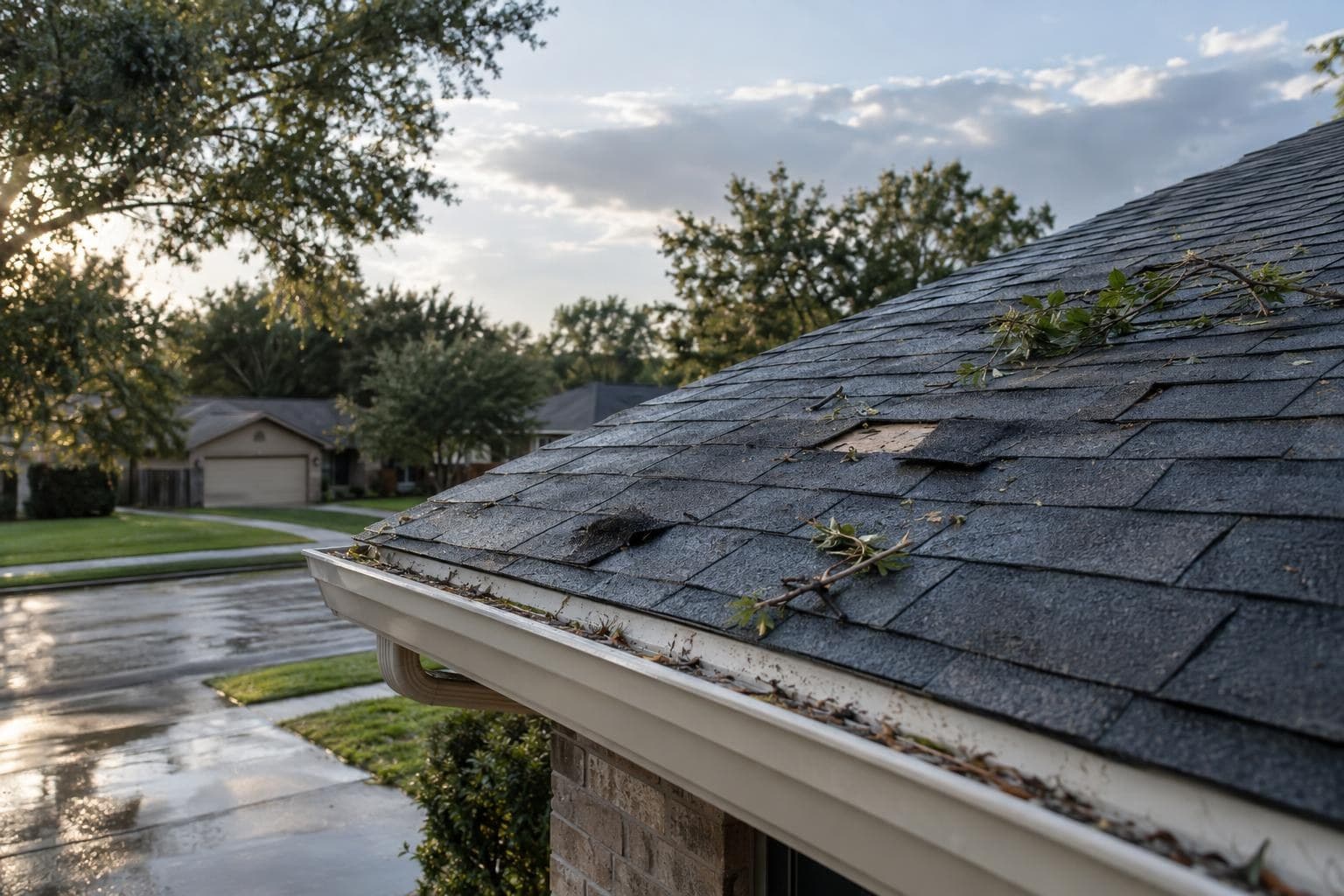
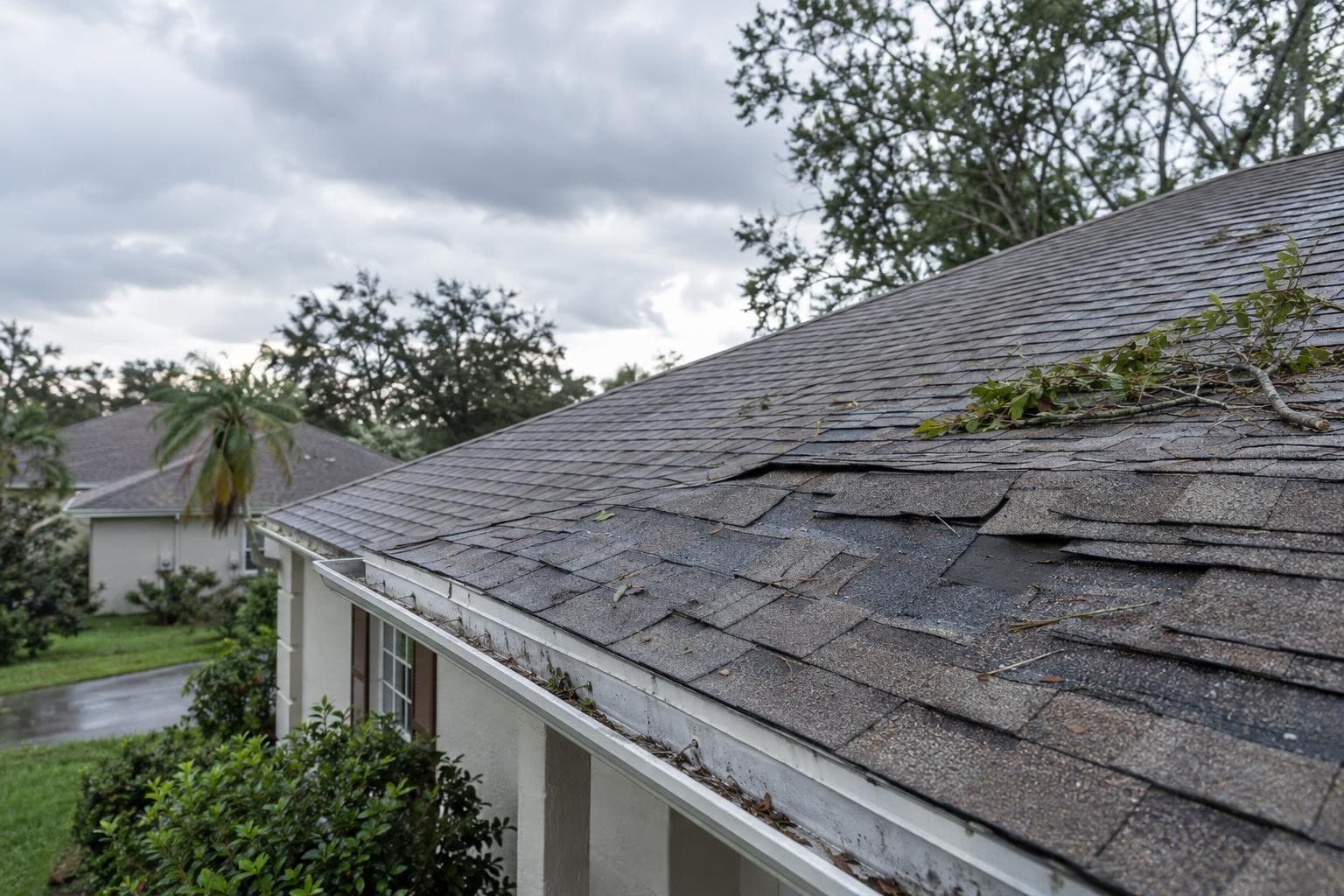
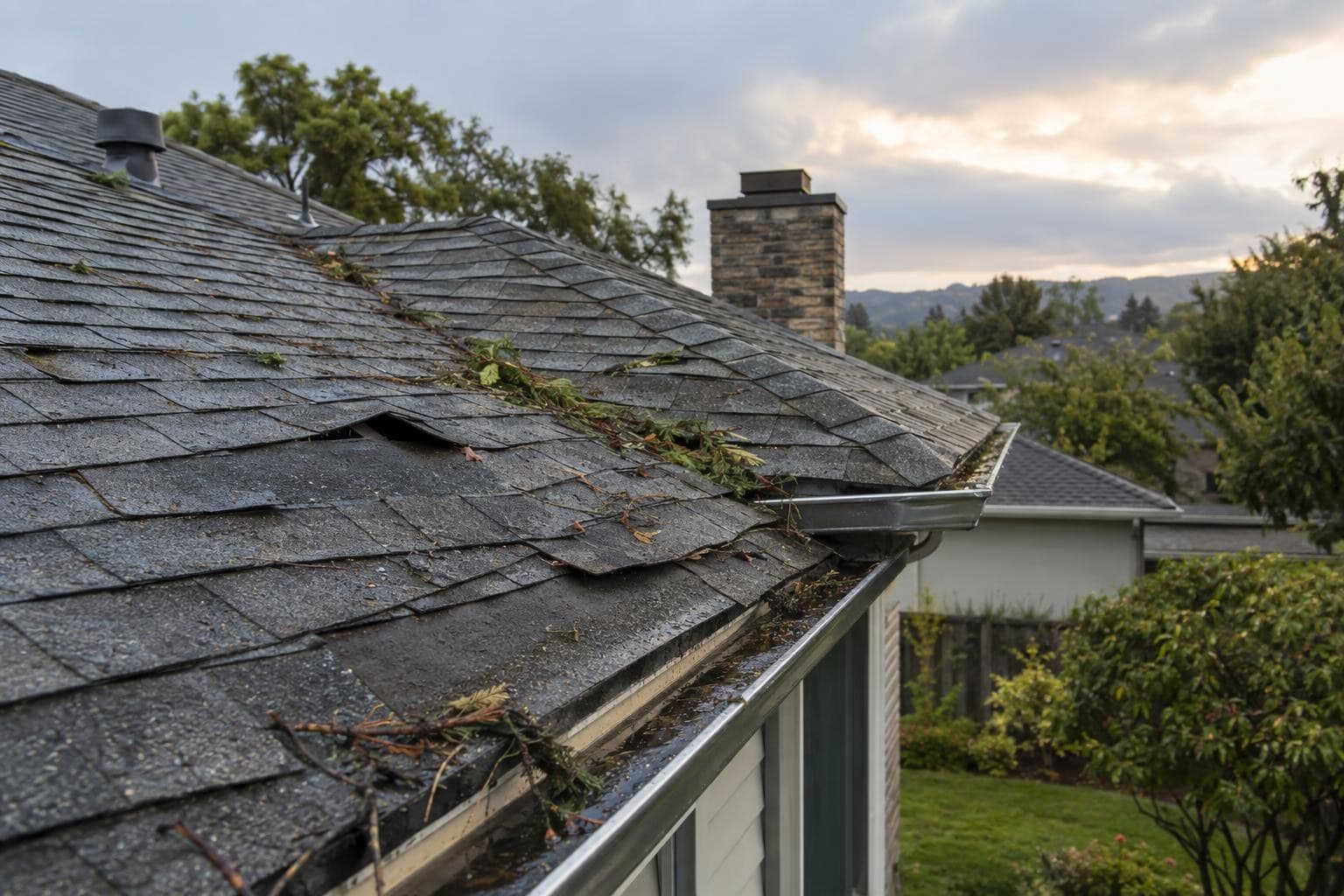
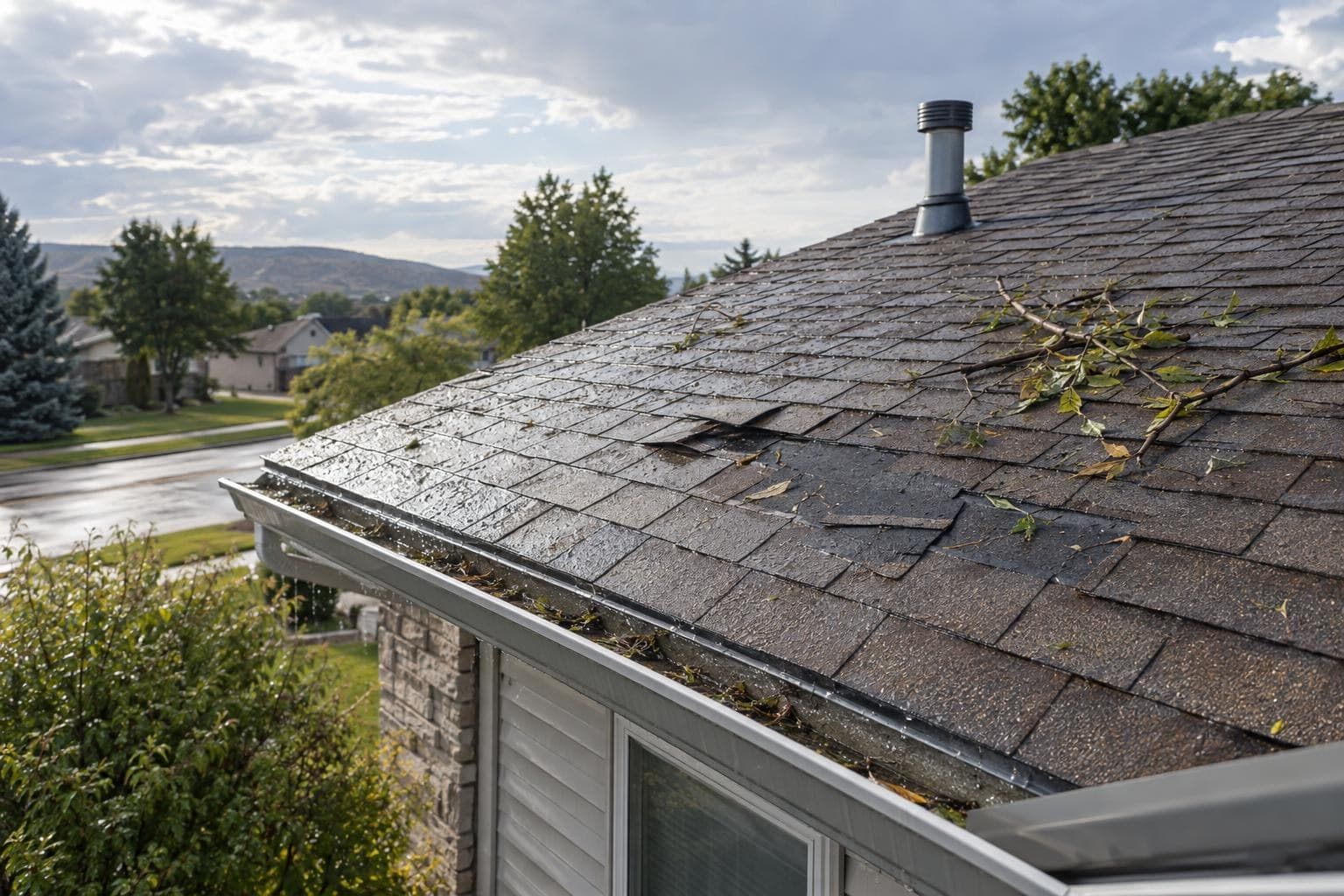
After a storm hits your Wyoming roof, the first 48 hours are about two things: stopping more damage and building a clean record of what happened. Wyoming roofs are exposed to wind, hail, snow, ice, and sharp temperature shifts. That mix can loosen shingles, bruise roofing materials, stress flashing, and create leak paths around roof penetrations and valleys. In colder stretches, snow and ice can keep moisture on the roof longer. In storm season, hail and wind can cause visible damage and harder-to-spot damage that shows up later as granule loss, lifted shingles, or interior leaks. That is why it helps to have your roof checked after major weather and to address small issues before they spread.
What should you do in the first 48 hours after storm damage?
Start with safety, then document what you can see, then get temporary protection in place. If you see active leaking, water stains spreading, or pieces of roofing on the ground, act quickly. Take wide photos of each roof slope from the ground if possible. Photograph gutters, downspouts, siding, windows, outdoor equipment, and anything else the storm may have hit. Inside, photograph wet drywall, ceiling stains, damp insulation, and any damaged belongings. Make a simple timeline with the storm date, the time you noticed damage, and when you took each step. Then contact a roofer whose credentials and written scope you checked to inspect the roof and, if needed, install a tarp or other temporary covering to limit further water intrusion.
How do you document roof storm damage for an insurance claim?
Use clear photos, notes, and paperwork that show condition, location, and timing. Take overview shots of the whole house, then closer images of specific areas like missing shingles, creased tabs, dented metal, damaged flashing, and granules collecting in gutters. Inside the home, document every room with signs of moisture, even if the stain seems small. Save weather alerts, repair invoices, tarp receipts, and any emails or texts about the damage. If your roofer finds storm-related issues, ask for a written scope that describes what was damaged and where. A clean paper trail makes it easier to separate pre-existing wear from damage tied to a specific storm event.
Should you tarp a storm-damaged roof right away?
Yes, if the roof is exposed or leaking, temporary protection should happen as soon as it is safe. Tarping can help reduce secondary water damage to decking, insulation, ceilings, and belongings. It is not a final repair, but it can buy time while you sort out inspection, materials, and claim steps. Do not climb onto a wet, icy, steep, or unstable roof yourself. A local roofer you have vetted can handle temporary protection more safely and can note what areas were covered. Keep your receipts and photos from before and after the tarp goes on, because that helps show you acted to prevent the damage from getting worse.
Talk to a roofer today
Planning ranges, scope details, and a direct path to request a roofing quote.
How can you tell storm damage from normal roof aging?
Storm damage usually has a pattern tied to a weather event, while normal aging tends to look more even and gradual. Wind damage often shows up as lifted, creased, or missing shingles, especially along edges, ridges, and areas where the roof catches gusts. Hail can leave bruising, punctures, chipped surfaces, and fresh granule loss in more concentrated areas. Normal aging is more likely to show broad wear, older brittle shingles, uniform granule loss, curling over time, and general weathering without a clear impact pattern. Wyoming weather makes this harder because wind, hail, snow, ice, and sharp temperature shifts can stack stress over time. That is one reason a post-storm inspection matters. A qualified local roofing contractor can help identify what likely came from the recent storm versus what looks like long-term wear.
What roof problems often show up after Wyoming storms?
- Missing, lifted, or creased shingles after high wind
- Bruised or impacted roofing surfaces after hail
- Damaged flashing around chimneys, vents, skylights, and valleys
- Granule loss that shows up in gutters or at downspout exits
- Leaks that appear around penetrations, valleys, or attic transitions
- Ice- and moisture-related issues that keep water on the roof longer during colder stretches
- Interior ceiling stains or attic moisture that do not show up until days later
Do you need a repair or a full roof replacement?
It depends on how widespread the damage is and whether the storm exposed weak areas that were already near the end of their service life. For a storm-damage roof project in Wyoming, begin with documented damage, the policy deductible, and a property-specific repair or replacement scope. If damage is spread across multiple slopes, if shingles are missing in several areas, or if the roof has mixed storm damage and age-related failure, replacement may make more sense. Before approving a storm-damage roof project in Wyoming, have the bidder connect timing to roof complexity, crew access, material handling, weather, inspections, and concealed conditions.
What does roof replacement cost in Wyoming after storm damage?
Check current Wyoming cost data for a storm-damage roof project in Wyoming, then replace the range with an assembly-specific proposal based on measured conditions. Those numbers help you compare options if a storm pushed your roof from a repair into a replacement decision. If hail is a concern where you live, ask about Class 4 products and whether the upgrade fits your budget and goals. For many homes, the right choice comes down to visible damage, how much underlying wear is already present, and whether you want added impact resistance going forward.
Can a Class 4 roof help after repeated hail and wind?
Yes, it can be worth a look if your area sees frequent hail and wind. If you are considering a Class 4 impact-resistant roof, ask your carrier whether it offers a discount and what documentation it wants. A Class 4 rating does not establish a policy credit in Wyoming; the carrier and policy determine eligibility, documentation, and savings. A local contractor whose credentials you verified can help you compare product options, but your insurer decides any premium credit. That makes it smart to ask before you choose materials.
What if your insurance claim or roofing paperwork becomes a problem?
You have state agency contact points if you run into claim handling issues or misleading sales conduct. If you have questions regarding your insurance policy or claim, the Consumer Affairs Section of the Wyoming Department of Insurance is available to assist you. The department also provides consumer resources for home insurance and a post-disaster claims guide. The Wyoming Department of Insurance provides complaint information and a complaint filing path for consumers. If you are running into claim handling issues, coverage disputes, or other insurance-related problems, you have a state agency contact point to start with. The Wyoming Attorney General says the Wyoming Consumer Protection Act prohibits businesses from taking advantage of consumers through various types of misrepresentations, and unfair or deceptive acts or practices. If a complaint involves misrepresentations or deceptive or unfair trade practices arising out of a purchase made for personal, family or household purposes, the Attorney General may forward your complaint to the business and request a written response. The office also states that it cannot act as your private attorney or provide legal advice.
How do you choose your next step after a storm?
Choose the step that protects the house now and gives you a clear written record for what comes next. If the roof is leaking, get temporary protection in place. If the damage is not obvious, schedule an inspection anyway, because some storm problems show up later. Get the full business name and written scope of work. Make sure product names, tear-off details, cleanup, and warranty terms are in writing. If the sales process includes pressure, unclear promises, or statements that do not match the paperwork, treat that as a warning sign. In short, the first 48 hours are about limiting damage, documenting facts, and avoiding rushed decisions. Once you know whether you are dealing with a repair or a replacement, you can compare options using the Wyoming cost page and the calculator, then move forward with a plan that fits your roof and your budget.
Sources
Reviewed technical references for Wyoming
Related Wyoming roofing guides
Related services
Updated July 27, 2026
3D Roofs Editorial Team
Editorial Standards