Updated July 27, 2026

3D Roofs Editorial Team
Editorial Standards
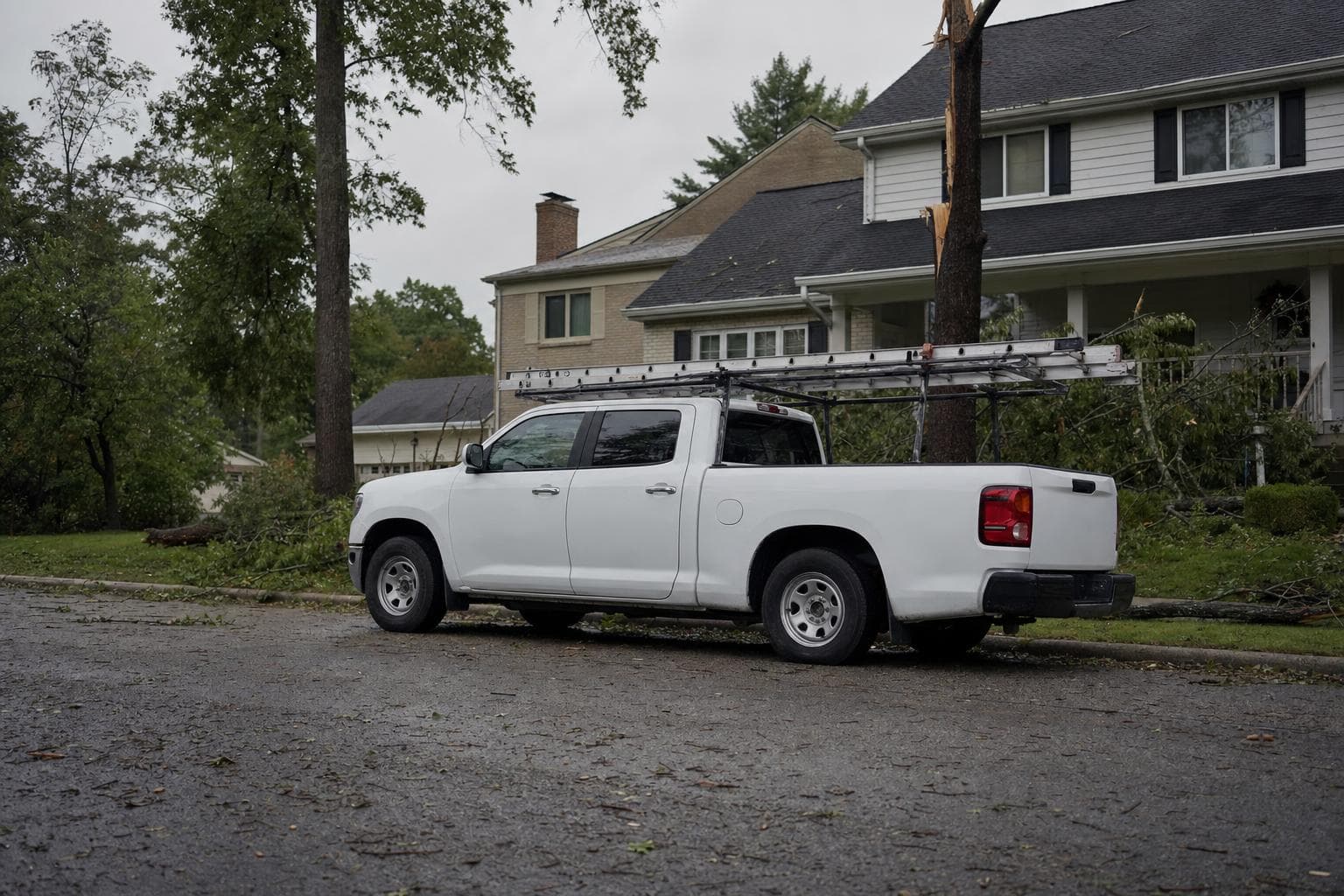
Within days of any serious hail or wind event, crews with out-of-state plates fan out across the damage path. Some are legitimate contractors surging capacity to where it's needed, that's how big storms get rebuilt. But the storm-chase business model at its worst is built on speed: sign fast, build fast, collect fast, and be three states away when the flashing starts leaking. The difference is detectable at the door if you know the script.
The door-knock red flags
- 'I'm doing your neighbor's roof and noticed damage from the street', damage diagnosis from a moving truck.
- 'We'll cover your deductible': state law, policy terms, and contract rules control this issue. Verify the current rule with the insurer and state regulator before accepting any rebate, credit, or allowance. Anyone who starts with fraud will end with it.
- 'Sign this so I can get on the roof': read whether the document is only an inspection authorization or also a construction contract, contingency agreement, financing authorization, or assignment of rights.
- 'This offer is only good today', manufactured urgency on a decision the insurance process gives you weeks to make.
- No local address, no local references, a phone number from three states away, and a magnetic truck sign.
The paperwork traps
Two documents do the damage. Contingency agreements lock you into using that contractor if the claim is approved, sometimes with a cancellation penalty pegged to a percentage of the claim. Assignments of benefits (AOB) hand your claim's proceeds and decision rights to the contractor entirely; in some states they're restricted for exactly this reason. Do not sign until you understand the scope, price, cancellation terms, financing, claim language, and assignment provisions. Seek legal or insurance advice when the document affects rights outside the construction scope.
The 10-minute vetting that defeats the model
- 1Verify a physical local address and how long they've operated under this exact business name, name changes are the storm-chase reset button.
- 2Ask for certificates of liability insurance and workers' comp, sent from the insurer, not photocopied.
- 3Check state licensing or registration where required, plus reviews older than this storm.
- 4Ask whether employees or subcontractors install the roof, who supervises them, whose insurance applies, and who handles the written workmanship warranty.
- 5Get the workmanship warranty in writing and ask what it's worth if the company isn't here next year. Watch the answer.
Talk to a roofer today
Planning ranges, scope details, and a direct path to request a roofing quote.
Why local matters after storms
A roof's quality reveals itself over years of weather, and warranty service requires the company to still exist within driving distance. Local outfits also carry reputational risk a traveling crew doesn't, they'll be bidding your neighbor's roof next spring. None of that guarantees perfection, but it aligns incentives: the people who have to live near their work tend to stand behind it.
Turn the interview into a comparable written scope
A good answer in the kitchen is useful only if it appears in the proposal. After each contractor visit, compare the written documents line by line: product names, quantities, tear-off, deck assumptions, flashing, ventilation, protection, cleanup, permits, payment timing, change orders, and warranties. If one proposal is silent, do not assume the missing work is included. Ask for the revision before choosing a price or signing an authorization. For the post-storm contractor screen, circle every unanswered exclusion and require a written revision before treating the total as comparable.
- Verify the business identity, license where required, insurance, local address, and who will supervise the crew.
- Require exact product lines and system components instead of broad terms such as 'architectural shingle.'
- Define decking unit prices, change-order approval, and the evidence you will receive before concealed work proceeds.
- Put start conditions, material delivery, property protection, cleanup, inspections, and final payment in the contract.
- Separate manufacturer coverage, contractor workmanship responsibility, and any third-party warranty administration.
- For the post-storm contractor screen, list unresolved exclusions separately so a blank line cannot become a surprise change order.
Compare exclusions before comparing totals
A post-storm proposal should make the contractor easy to identify and the work easy to compare. Verify the legal business name, local address, required license or registration, insurance, references, and who will supervise the crew. Then require product names, measurements, flashing and ventilation work, deck allowances, cleanup, payment milestones, cancellation terms, and change-order rules in writing. Pressure to sign before those details are available is a reason to pause. The FTC's storm guidance also supports checking credentials and avoiding large upfront payments or rushed decisions.
Sources
The storm decides which roofs get rebuilt. You decide who's still answering the phone when the warranty matters.
Related reading and source material
Locate the failed roof area and test the repair boundary: Storm chaser roofing red flags
Document cause, consequence, distribution, and uncertainty by slope and detail. Identify what must be removed, how water-control layers and flashings tie into sound material, and which finding would expand the opening or support replacement. Apply that record to the storm chaser roofing red flags decision and identify which property finding or written term would change the answer.
Additional reviewed references
Related roofing resources
Related services
Updated July 27, 2026
3D Roofs Editorial Team
Editorial Standards