Updated July 10, 2026

3D Roofs Editorial Team
Editorial Standards
If a storm hits your Alabama roof, act fast and keep it simple: protect people first, document what you can see, stop active water intrusion, and get a careful roof inspection. Alabama roofs take a steady beating from severe weather and year-round moisture. Thunderstorms, hail, wind-driven rain, and high humidity can shorten shingle life, expose weak flashing, and turn small leaks into decking or attic problems. Heat and strong sun can age roofing materials faster, while coastal homes can face added salt air and storm exposure. If your roof is older, storm damage and moisture intrusion can stack up quickly, so clear documentation and a careful inspection matter.
What should you do in the first 48 hours after a storm hits your roof?
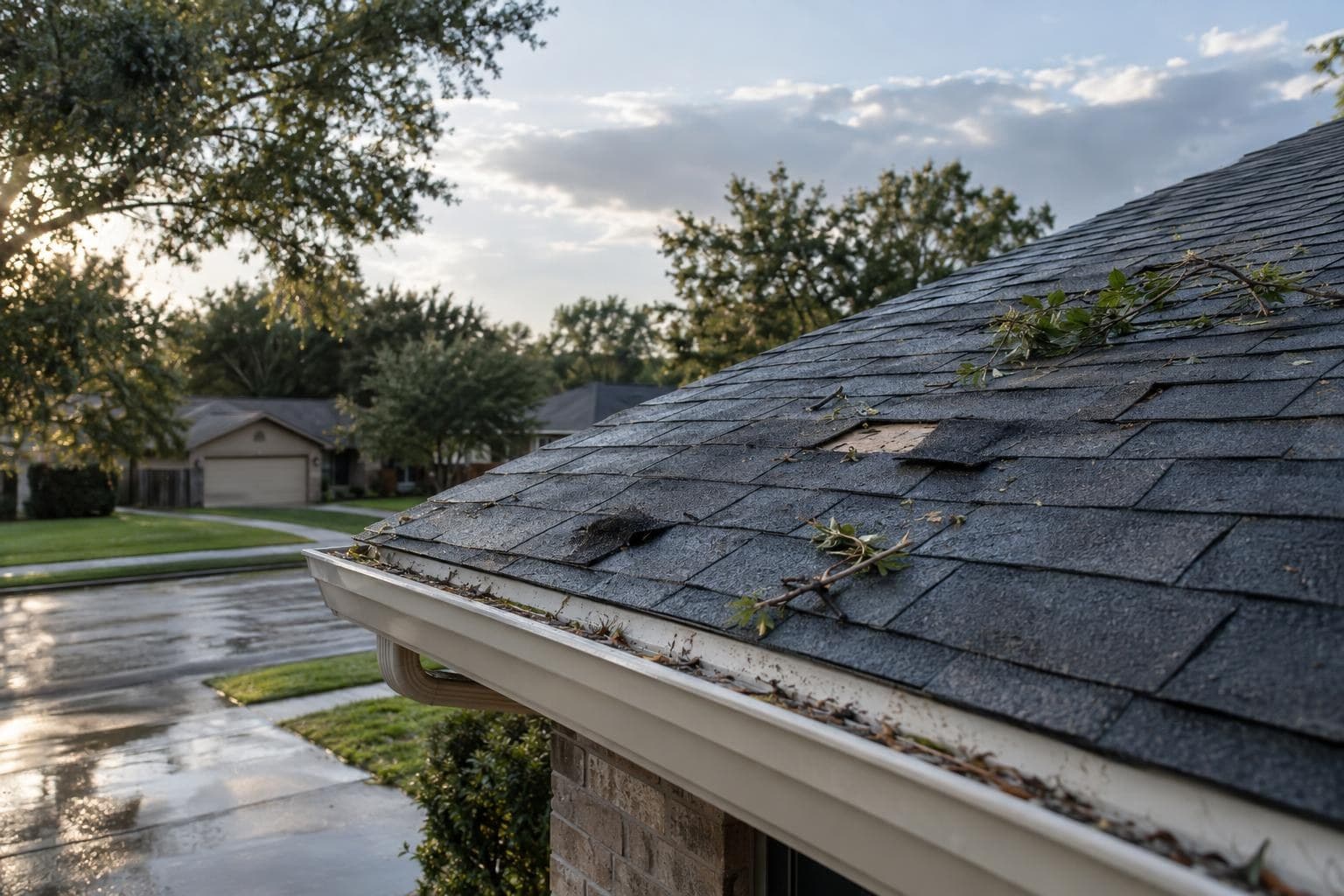
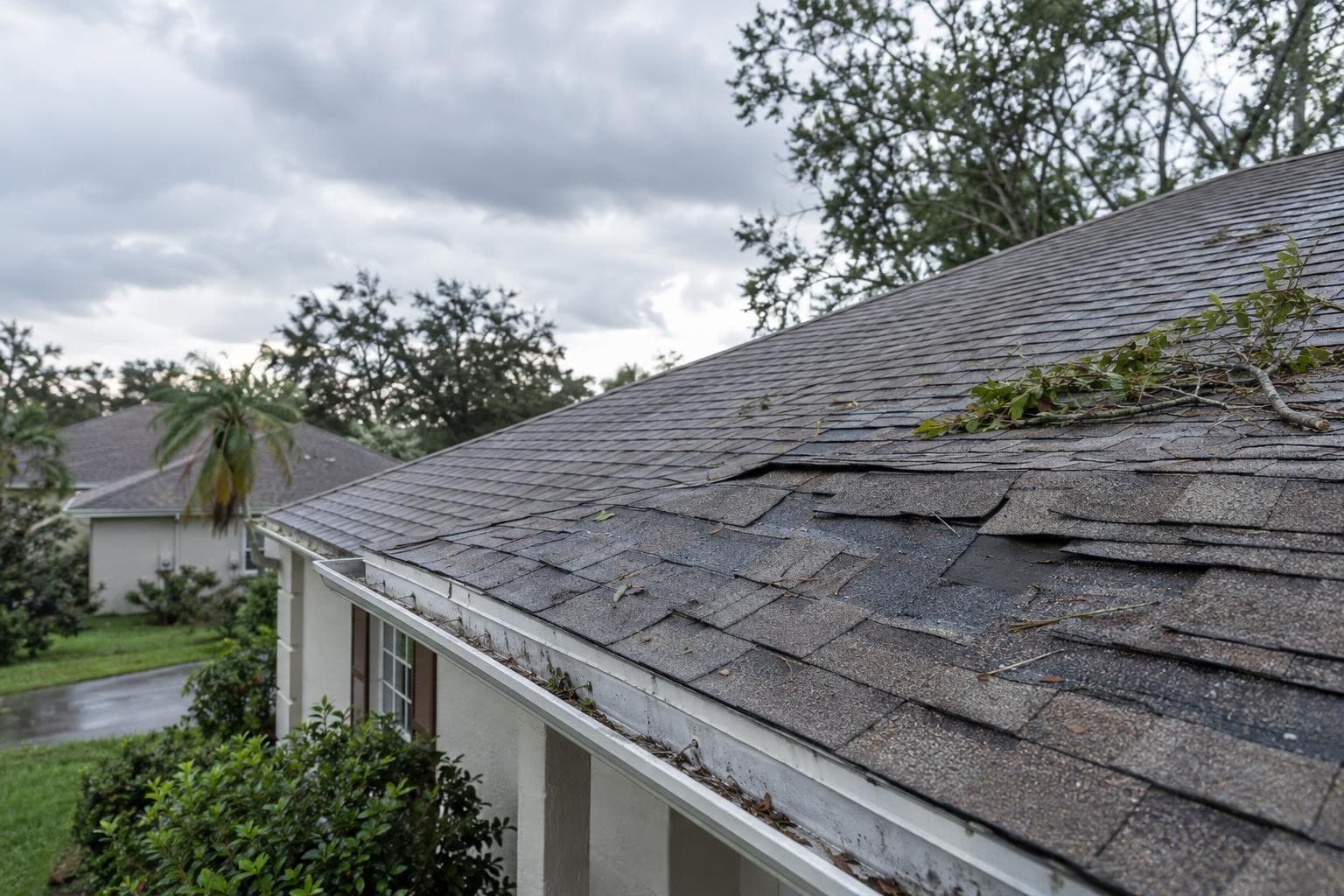
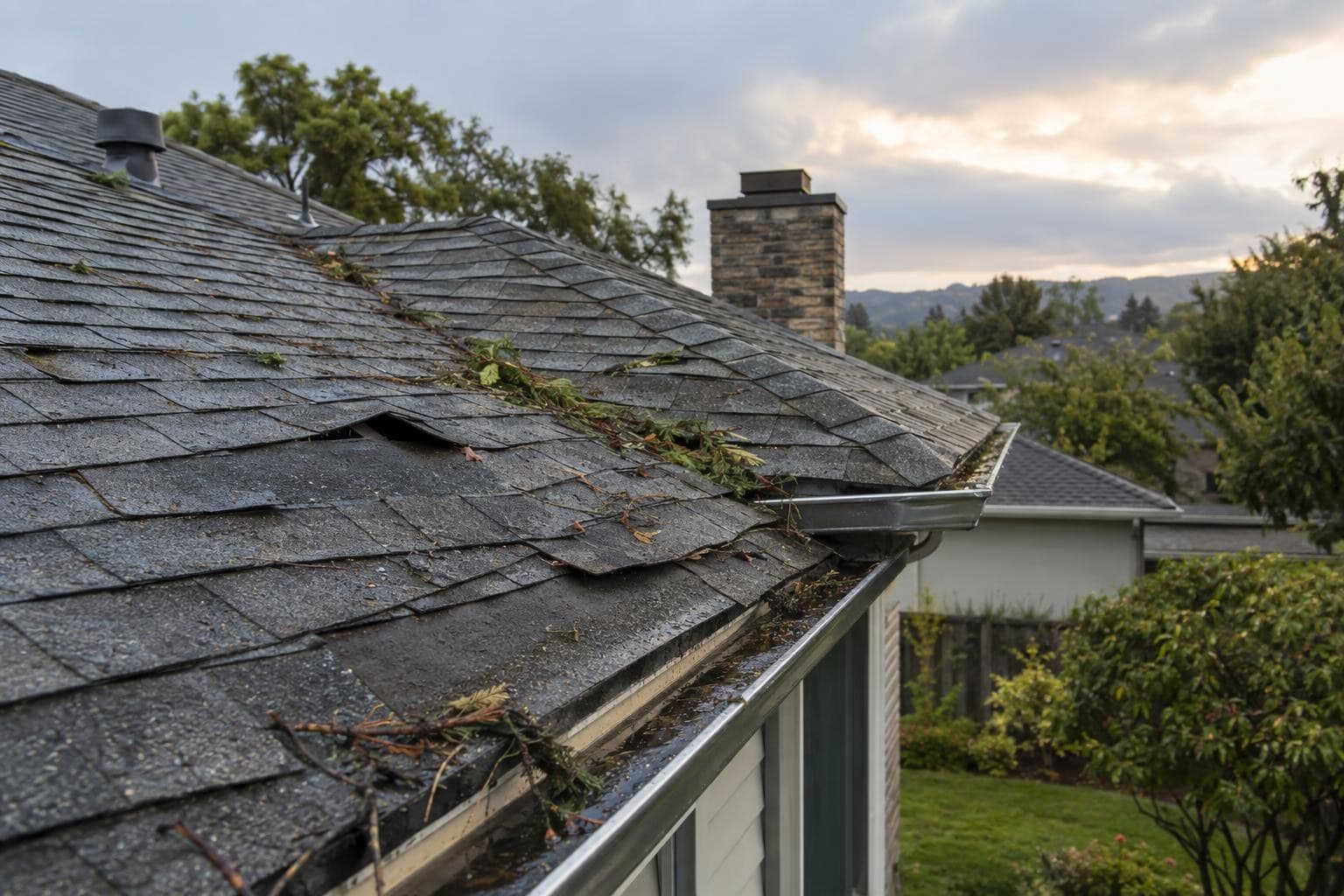
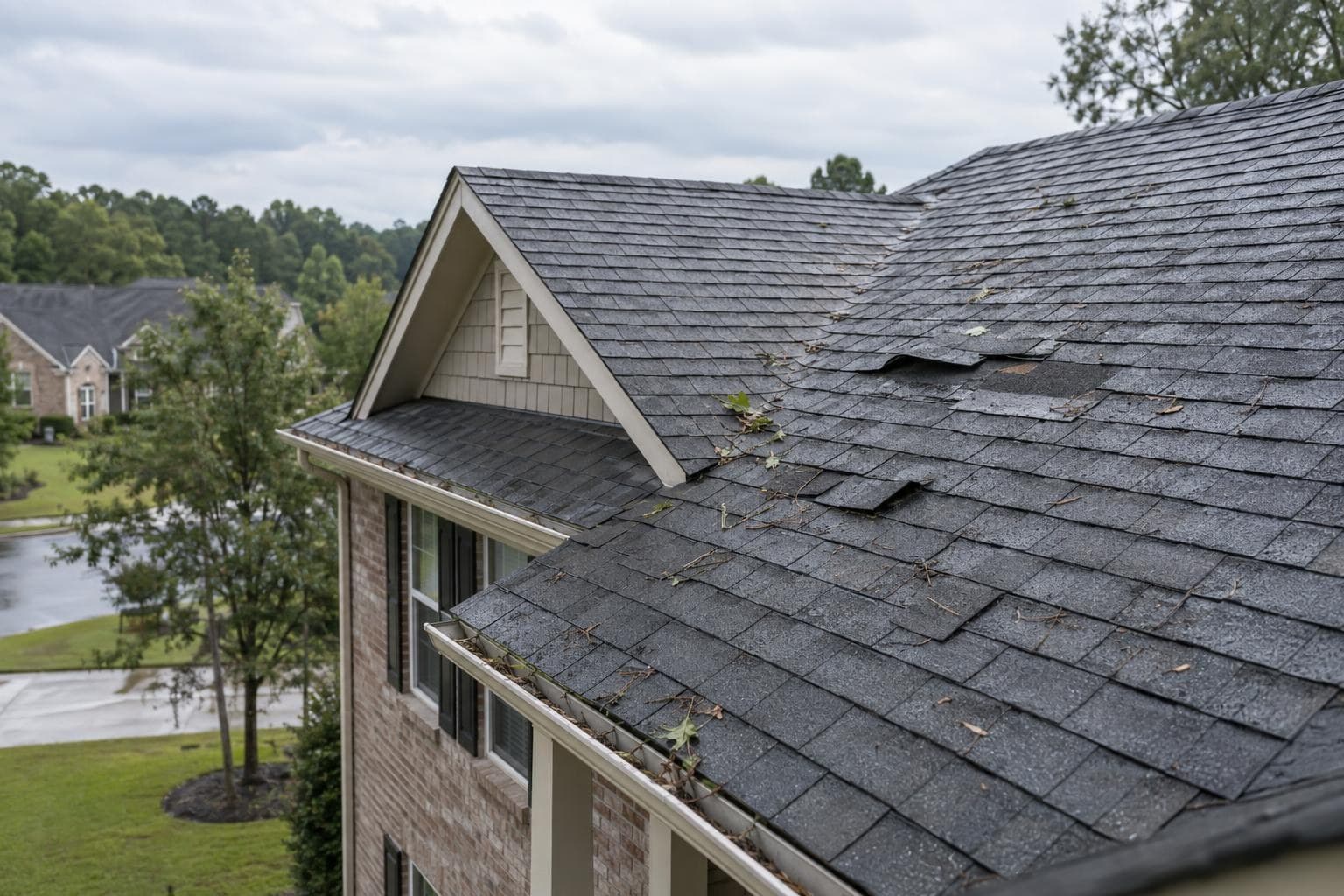
Start with safety, then gather proof, then limit further damage. Stay off the roof if conditions are slick, steep, or unstable. Walk your property from the ground and look for missing shingles, bent metal, damaged gutters, fallen limbs, granules near downspouts, and anything that looks newly torn, creased, or punctured. Inside, check ceilings, attic spaces, insulation, and walls for water stains, drips, or damp spots. If water is getting in, use buckets, move valuables, and dry what you can. Then call a local contractor whose credentials you verified for an inspection and temporary protection if needed.
- Take wide photos of every roof slope you can see from the ground.
- Photograph fallen branches, dents on metal surfaces, displaced flashing, and debris impact points.
- Take indoor photos of stains, wet insulation, bubbling paint, and any active drips.
- Write down the date of the storm and when you first noticed the damage.
- Save damaged pieces if they fall to the ground and can be collected safely.
How do you document roof storm damage the right way?
The best documentation is clear, dated, and organized before cleanup hides the evidence. Use your phone to capture overview shots first, then closer photos of each problem area. If hail is part of the event, include dents on gutters, downspouts, metal vents, fence caps, or other metal items around the home. If wind is part of the event, photograph lifted tabs, missing shingles, exposed underlayment, and debris patterns. Keep notes about what changed after the storm versus what was there before. Good records help you explain the timeline and show that the damage was sudden, not just long-term wear.
Should you put a tarp on a storm-damaged roof right away?
Yes, if the roof is actively leaking or exposed, temporary tarping can help limit further water damage. The goal is not to hide the damage. The goal is to keep the home from taking on more water while your roofer documents conditions and plans the repair. Do not climb up and try to tarp a dangerous roof yourself. Wet shingles, storm debris, and soft decking can turn a simple job into an injury. a roofer whose credentials and written scope you checked can inspect the roof, photograph the damage, and place temporary protection where it makes sense.
Tarping also helps with the next step, separating fresh storm damage from older problems. If a section is open to the weather, every hour of rain can make the interior damage worse and blur the line between what the storm caused and what happened afterward. Quick temporary protection gives you a cleaner record of cause and effect.
Talk to a roofer today
Planning ranges, scope details, and a direct path to request a roofing quote.
How can you tell storm damage from an old roof wearing out?
Storm damage usually looks sudden and directional. Age-related wear usually looks general and spread out. Wind damage often shows up as missing shingles, lifted edges, broken seals, creases, and damage clustered on slopes that took the brunt of the storm. Hail can leave more concentrated impact marks and bruising. By contrast, age tends to show as broad granule loss, curling, brittleness, sun-baked cracking, faded surfaces, and worn areas that are fairly consistent across the roof. In Alabama, heat, strong sun, moisture, and humidity can age materials faster, so both things can exist at once. That is why a careful inspection matters.
- Storm damage tends to have sharp edges, torn material, impact marks, or a clear before-and-after story.
- Age shows up as uniform wear, widespread granule loss, drying, shrinkage, and older seal failure.
- Storm damage may be limited to certain slopes, ridges, valleys, flashing points, or impact areas.
- Older roofs can have storm damage layered on top of existing wear, which makes photos and notes even more important.
When should you repair the roof, and when is replacement the smarter move?
If damage is limited and the roof still has useful life left, a repair is often the practical first move. For a storm-damage roof project in Alabama, begin with documented damage, the policy deductible, and a property-specific repair or replacement scope. If the storm exposed widespread weaknesses, damaged multiple slopes, or hit an older roof that was already near the end of its service life, replacement may make more sense. The schedule for a storm-damage roof project in Alabama should explain access, material staging, weather protection, inspections, and the process for discovered deck work. For full local pricing, you can check the Alabama cost page and the calculator.
For an early budget on a storm-damage roof project in Alabama, compare the Alabama cost page with a proposal that identifies measurements, products, accessories, and exclusions. If you are weighing a replacement after storm damage, those numbers give you a practical frame for your next decision.
Should you upgrade to impact-resistant shingles after storm damage?
Maybe, especially if hail or repeated storm exposure is part of your risk. If you are considering Class 4 impact-resistant roofing, ask your carrier whether it offers a premium discount for that upgrade. Discount availability and underwriting rules can vary by carrier, so you should confirm the exact eligibility requirements before you choose materials. A local roofer you have vetted can help document the product information you may need for that conversation. When comparing a storm-damage roof project in Alabama, use a written insurer response rather than a sales estimate for any impact-resistant roof credit.
What insurance details matter after roof storm damage in Alabama?
The key point is to read your policy terms and make your own coverage decisions. The Alabama Department of Insurance says home insurance is not required by law in most states, but if your home is mortgaged, your lender may require insurance on the home. For you, that means roof condition can matter both for claims and for keeping the coverage your lender expects. The Alabama Department of Insurance also says, "To get the best value for your money, you must take responsibility for your home insurance purchase and make your own decisions." When you replace a roof, ask how your deductible, exclusions, actual cash value versus replacement cost terms, and any roof-related endorsements affect a future claim. It also explains that homeowners coverage is typically packaged with property and liability coverages. That matters after roof damage because your claim may involve more than shingles alone, such as interior water damage or temporary living costs, depending on your policy terms.
How do you choose the right roofer after storm damage?
Start by confirming the Alabama credential tied to your project and making sure the name on your paperwork matches that credential. In Alabama, start by checking whether your roofer appears in the Home Builders Licensure Board system and whether the contractor is using the right license type for residential roofing. The Board has a dedicated roofers license application, and its FAQ says an Unlimited Home Builders License holder may engage in residential roofing without a separate roofers license, while a Limited Home Builders License holder must get a Roofers License to engage in residential roofing. The same FAQ also says the law regulating residential home builders does not address insurance. For you, that means do not assume anything from a sales pitch alone. Ask your roofer which Alabama credential they hold for your project, confirm it through the Board, and make sure the name on your paperwork matches the name tied to that credential.
After a storm, speed matters, but clean documentation matters just as much. In the first 48 hours, focus on safety, photos, temporary protection, and a careful inspection that separates fresh storm damage from older wear. That gives you a better shot at making the right repair or replacement decision, with clear records to support it. If you want to compare material options and current numbers, see the Alabama cost page and the calculator for full local pricing.
Sources
- National Association of Insurance Commissioners: What You Need to Know When Filing a Homeowners Claim
- Insurance Institute for Business & Home Safety: Natural Weathering and Hazard Exposure
- Alabama Department of Insurance, Consumer's Guide to Homeowners Insurance
- Alabama Insurance Underwriting Association
Reviewed technical references for Alabama
Related Alabama roofing guides
Related services
Updated July 10, 2026
3D Roofs Editorial Team
Editorial Standards