Updated July 27, 2026

3D Roofs Editorial Team
Editorial Standards
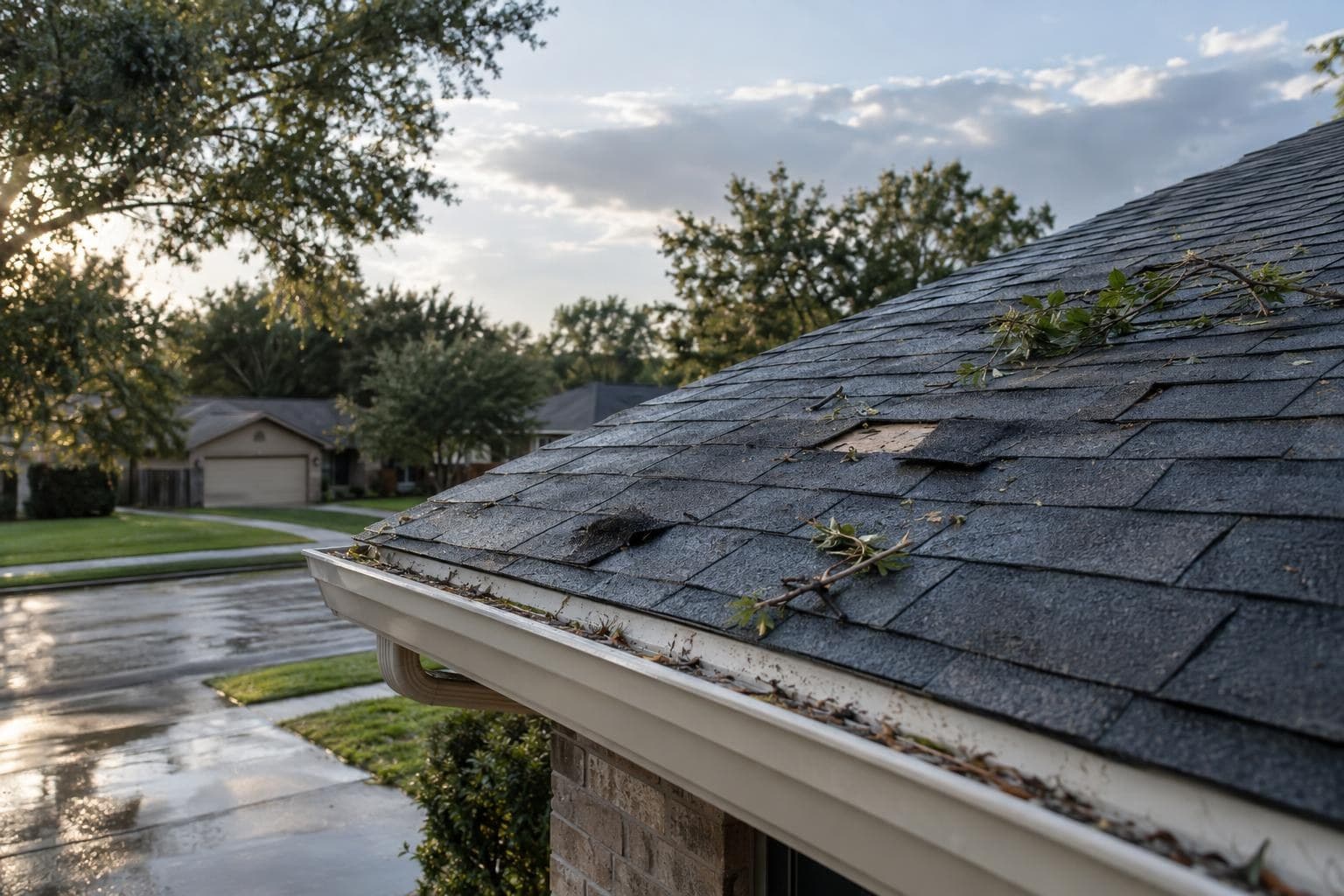
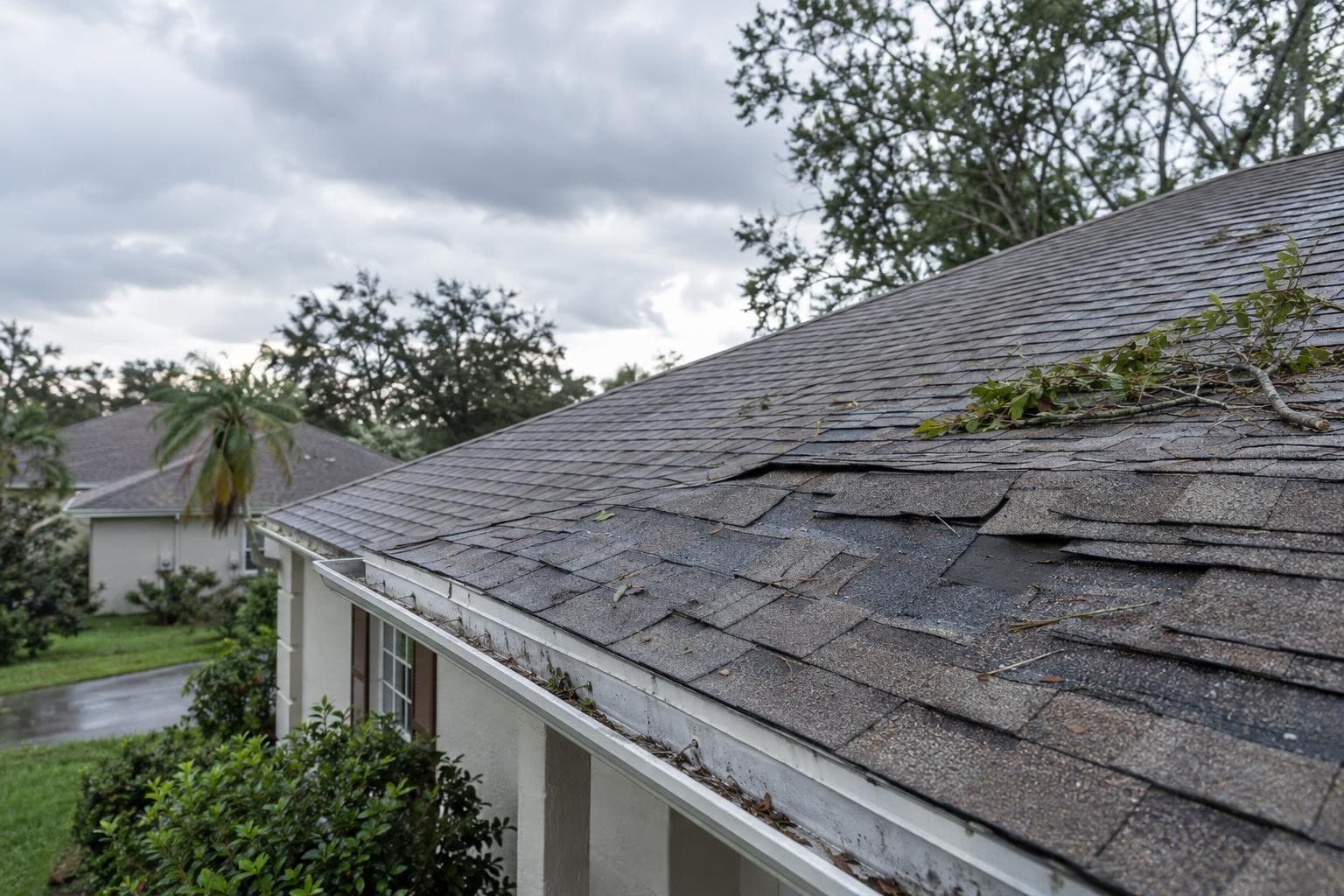
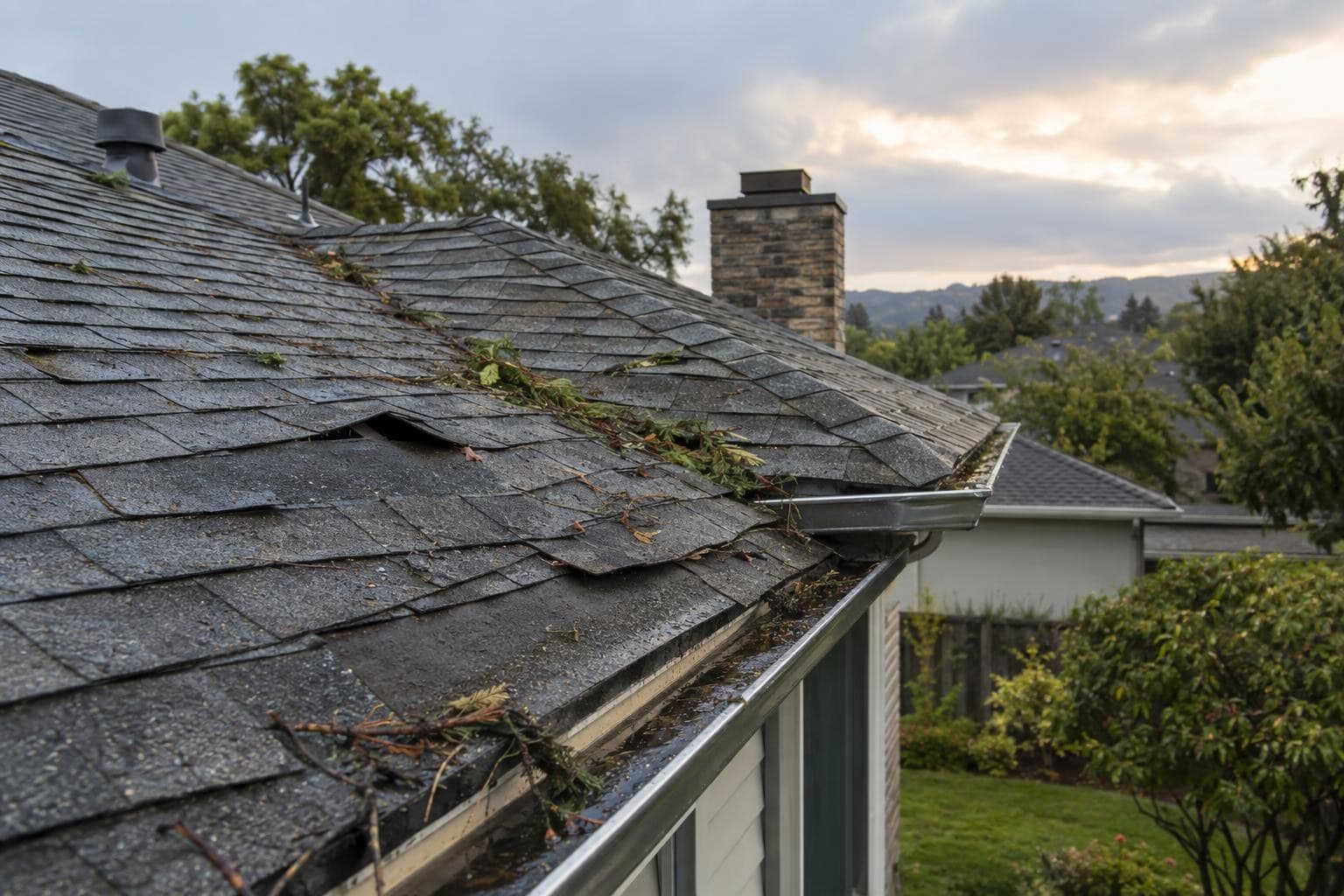
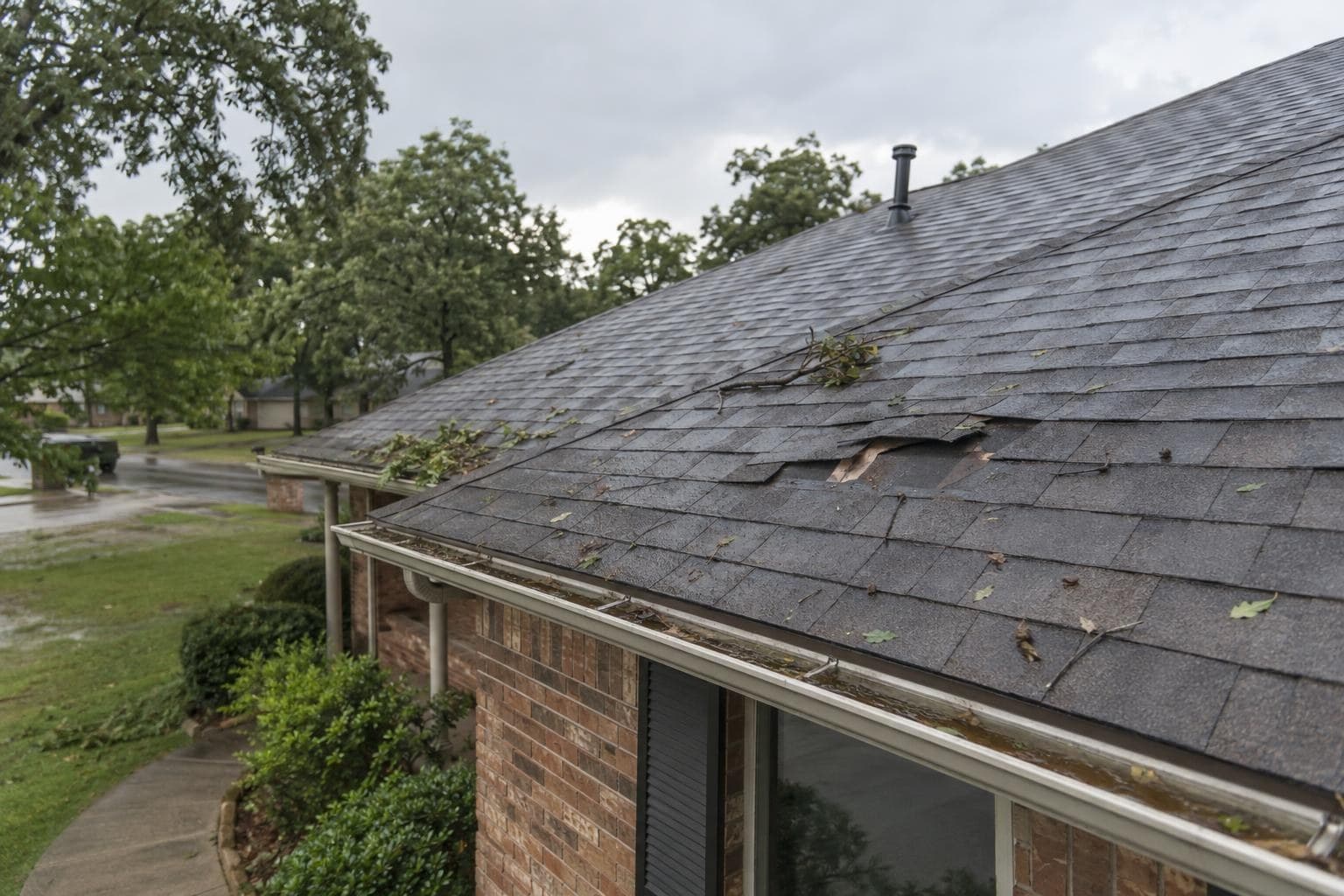
If a storm just hit your Arkansas roof, start with safety, stop active water entry, and document everything before you agree to major work. Arkansas roofs are exposed to fast-moving storm systems. Wind can lift shingles and loosen flashing. Hail can bruise or crack roofing materials. Heavy rain can turn small roof weaknesses into leaks, especially around penetrations, valleys, and roof edges. After a major storm, the biggest risk is rushing into repairs before you understand the damage, your deductible, and what your insurer needs for the claim.
What should you do in the first 48 hours after roof storm damage in Arkansas?
Focus on safety first, then temporary protection, then proof. If water is coming in, move valuables, catch drips, and keep people out of wet attic or ceiling areas that look soft or sagging. Take clear photos and video from the ground and inside the home. If it is safe, a qualified local roofing contractor can inspect the roof, identify urgent openings, and install a tarp or other temporary protection to help prevent more water damage. The state guidance says to take photos or video of the damage, avoid throwing damaged items away unless your insurance company tells you to, make necessary temporary repairs to prevent further damage, wait on permanent repairs until the property is inspected and you have reached agreement on repair cost, and save receipts, including receipts from temporary repairs that might be covered by your policy.
- Photograph every roof slope you can see from the ground
- Photograph interior stains, wet insulation, drips, ceiling bubbles, and damaged belongings
- Write down the storm date and the time you first noticed damage
- Save fallen shingles, flashing pieces, and other storm-related debris if you can do it safely
- Keep receipts for tarps, buckets, drying fans, and temporary repairs
- Do not schedule permanent replacement work before inspection and claim review if you plan to use insurance
Should you tarp your roof right away?
Yes, if the roof has an opening or active leak, temporary tarping is usually the right move. The goal is to prevent further damage, not to hide the damage. A tarp can buy you time while your claim and repair scope are being sorted out. It is especially useful after wind damage at edges, ridge areas, and flashing details, or after hail impact that opened weak spots and heavy rain exposed them. Do not climb onto a slick or damaged roof yourself. Have your roofer handle temporary protection if conditions are unsafe.
What photos and documents help most with a storm damage claim?
The best documentation is simple, organized, and tied to the storm event. Start with wide shots of each side of the house and each visible roof slope. Then add close-ups of missing shingles, creased tabs, exposed underlayment, dented vents or metal, damaged gutters, and interior leaks. Keep a short written timeline with the storm date, when the leak started, when temporary repairs were made, and who inspected the roof. If you pay for emergency work, save the invoice and receipt. If belongings got wet, photograph those too before cleanup.
- Wide exterior photos that show the whole roof and elevations
- Close-up photos of lifted, torn, bruised, or missing roofing materials
- Photos of vents, flashing, gutters, downspouts, and skylight areas
- Interior photos of ceilings, walls, attic decking, insulation, and flooring damage
- A note with storm date, leak start date, and emergency steps taken
- Inspection notes, invoices, and every receipt tied to temporary protection or cleanup
Talk to a roofer today
Planning ranges, scope details, and a direct path to request a roofing quote.
How do you tell storm damage from an old roof wearing out?
Storm damage usually looks sudden and localized, while age-related wear looks gradual and widespread. Wind damage often shows up as lifted, creased, or missing shingles in patterns tied to roof edges, ridges, and slopes that took the strongest gusts. Hail damage can leave bruises, cracks, granule loss in more concentrated strike areas, and fresh marks on soft metals. Age shows up more as even granule loss, brittle shingles, curling, long-term seal strip failure, and general weathering across the whole roof. The hard part is that storms can expose weak areas that were already near failure. That is why a careful inspection matters. You need to separate what the storm caused from what the roof was already doing before the storm.
Should you file an insurance claim or pay for repairs yourself?
File a claim when the damage is much larger than your deductible, and slow down before you sign repair paperwork. The Insurance Commissioner says your insurer will honor its policy, so there is no need for you to rush into an agreement with a contractor who solicits for repair without your request. The same consumer guidance says to have your roof inspected by a trusted roofing contractor, compare the damage to your deductible, and turn the claim in to your insurance carrier if the damages are much larger than your deductible. For a storm-damage roof project in Arkansas, begin with documented damage, the policy deductible, and a property-specific repair or replacement scope. If the damage is limited and below or near your deductible, paying directly may be the simpler path. If the roof needs broader storm-related work, your roofer can document the scope so you can make a cleaner claim decision.
How fast should permanent roof repairs or replacement happen?
Handle emergency protection right away, but do not rush the permanent contract before you understand scope and claim terms. When planning a storm-damage roof project in Arkansas, ask how roof shape, staging, weather, inspections, and concealed deck conditions affect both duration and labor. If your policy is a replacement cost policy, timing matters. State post-storm guidance says replacement cost policies require the work to be completed within six months of the date of loss in order to receive the replacement cost payments that were withheld. That does not mean you should panic. It means you should document the loss early, keep the process moving, and avoid preventable delays.
How do you choose a roofer after a storm in Arkansas?
Use a local contractor whose credentials you verified, verify credentials before work starts, and do not let anyone push you into a fast signature. In Arkansas, you should verify your roofer through the Arkansas Contractors Licensing Board's contractor lookup before work starts. The Arkansas Contractors Licensing Board says you can "Find A Licensed Contractor," and its post-storm consumer guidance says you can contact the Arkansas Contractors Licensing Board to make sure the contractor has a valid license to do business in the state and that they carry liability insurance. For roofing-specific work on a single-family residence, the licensing page says a "Residential Roofer Registration" is needed for "Roofing, Roof Decks, Roofing Sheet Metal" projects more than an amount that must be confirmed for the written scope, including but not limited to, labor and material, unless the contractor already holds a Residential Builders or Residential Remodelers License. You should also get more than one bid, check references and phone numbers, avoid anyone offering to waive your deductible or promise a rebate, avoid paying upfront, and never sign a contract with blank spaces.
What will a storm-damaged roof cost to repair or replace in Arkansas?
It depends on whether you need a localized repair or a full replacement, and on the roofing material you choose. Use the current Arkansas cost page and calculator to plan a storm-damage roof project in Arkansas, then require the measured scope to explain any meaningful difference. If you are comparing options after hail or wind, a Class 4 shingle may be worth asking about. Do not assume a statewide Class 4 credit in Arkansas; ask the carrier to verify eligibility and paperwork for the exact product and policy.
Is a Class 4 roof worth it after hail or wind damage?
It can be, if you want more impact resistance and your carrier offers a discount. If you are considering a Class 4 impact-resistant shingle, ask your insurance carrier whether it offers a premium discount for that upgrade. a roofer whose credentials and written scope you checked can help you compare roofing options, but your carrier decides eligibility and savings. For many homeowners, the choice comes down to budget now, expected storm exposure, and whether the premium discount helps offset the higher current local cost ranges over time.
What if your insurance company is slow or you run into claim problems?
You do have a state help option. The Consumer Services Division assists insurance consumers with complaints and inquiries regarding insurance companies, producers, and adjusters. It investigates complaints, works with the insurance company and the consumer, and can also help homeowners in storm-damaged areas with filing claims and procuring emergency living expenses. If your next step is not clear, keep your file organized, keep communication in writing when possible, and ask your roofer for a photo-backed scope of damage so your claim record stays clean and consistent.
Sources
- National Association of Insurance Commissioners: What You Need to Know When Filing a Homeowners Claim
- Insurance Institute for Business & Home Safety: Natural Weathering and Hazard Exposure
- Arkansas Insurance Department, Consumer Services
- Arkansas Insurance Department, Insurance Commissioner Provides Post-Storm Tips to Consumers
Reviewed technical references for Arkansas
Related Arkansas roofing guides
Related services
Updated July 27, 2026
3D Roofs Editorial Team
Editorial Standards