Updated July 10, 2026

3D Roofs Editorial Team
Editorial Standards
If a storm hits your Connecticut roof, act fast but stay careful. In the first 48 hours, your job is to protect the house, document what happened, and avoid mixing emergency steps with permanent repair decisions. Start by checking for active leaks, water stains, blown-off shingles, bent flashing, gutter damage, and debris impact. Then take clear photos, save any pieces that landed on the ground, and arrange emergency tarping if the roof is open. In Connecticut, your roof has to handle snow, ice, wind, rain, and coastal storm conditions, so the same weak spots tend to show up again and again after severe weather.
What should you do in the first 48 hours after a storm hits your roof?
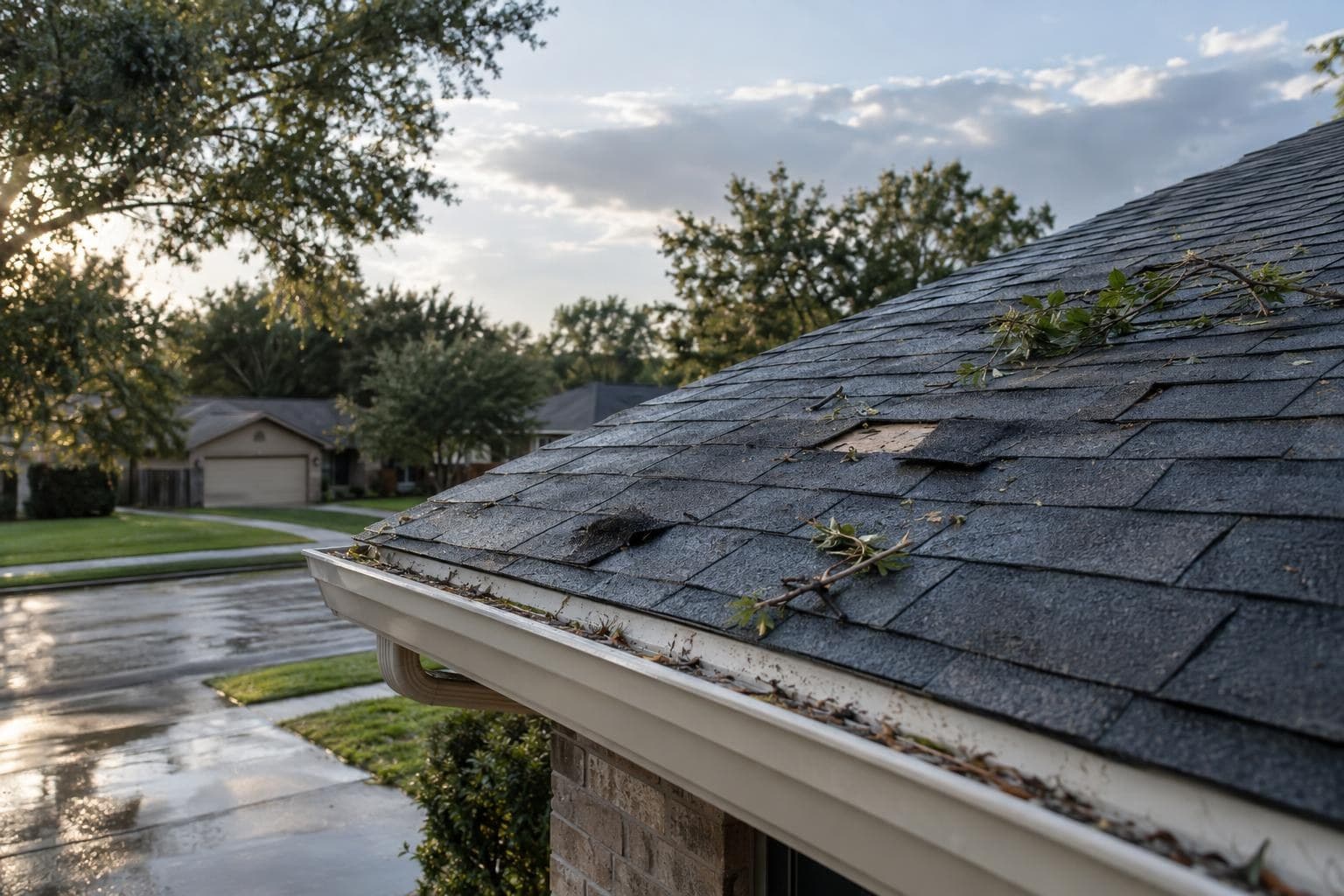
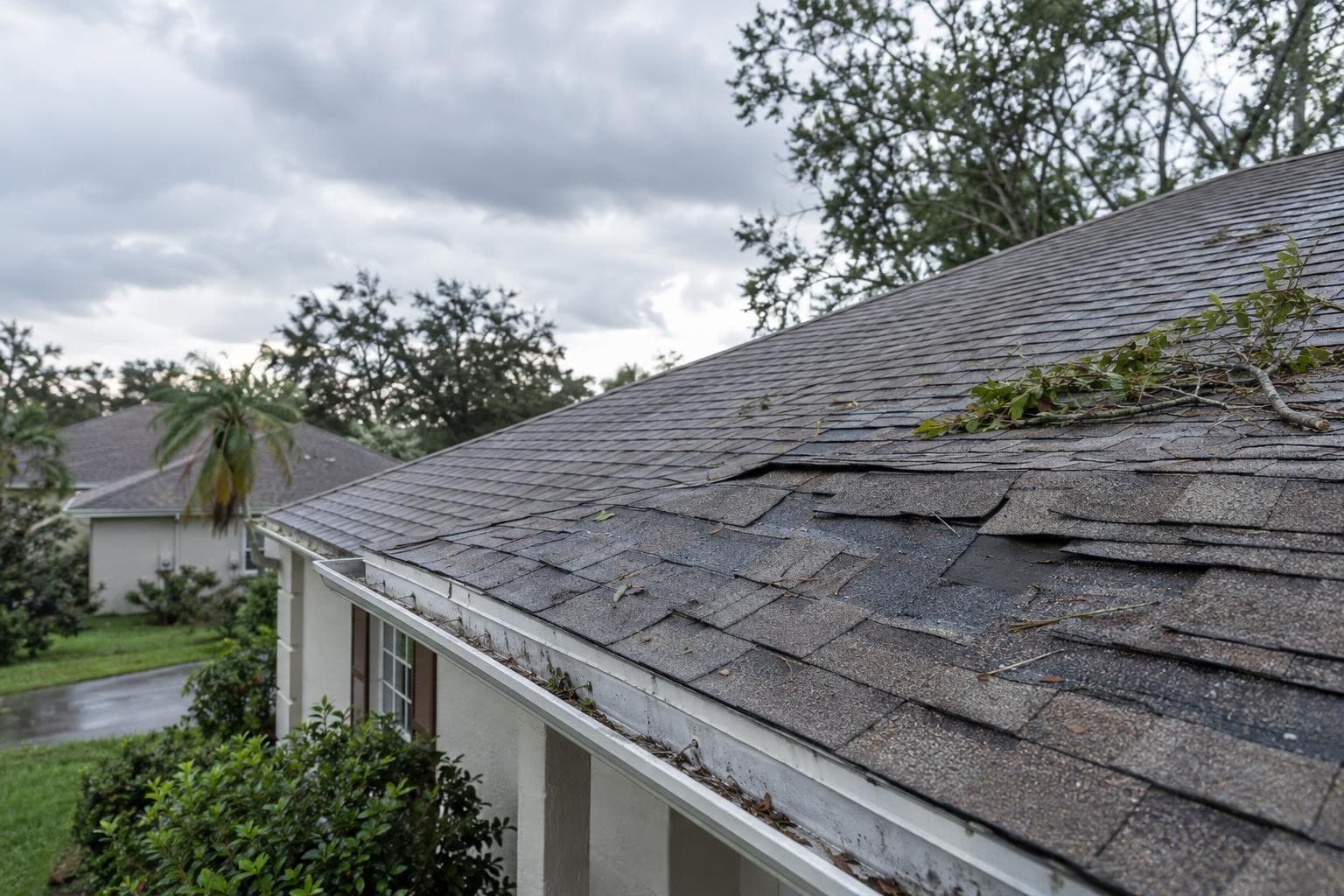
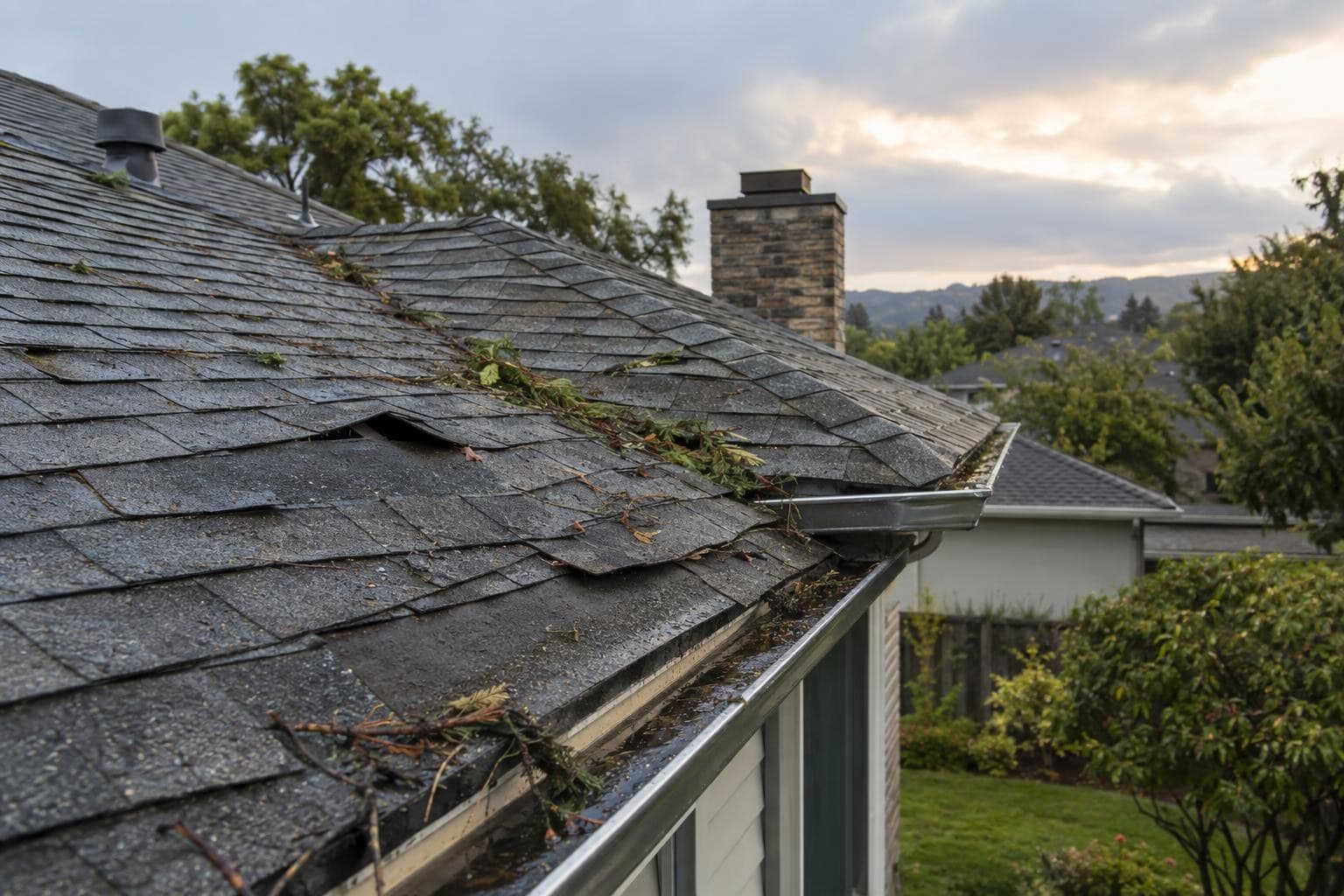
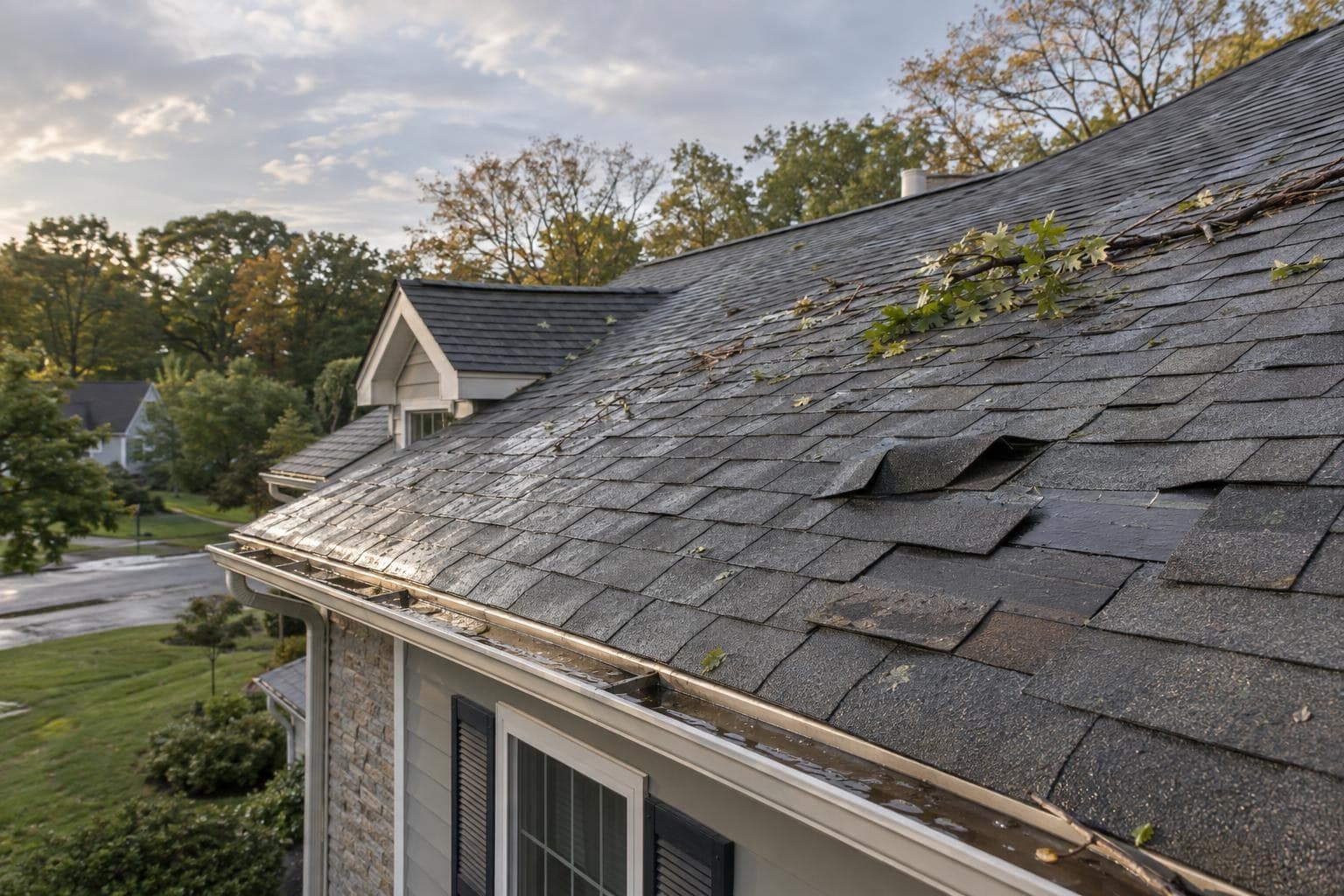
Start with safety and damage control. If water is coming in, move belongings, place buckets under drips, and reduce interior damage first. From the ground, look for missing shingles, exposed underlayment, fallen branches, damaged ridge caps, loose metal, and sagging gutters. If you can safely access the attic, look for wet decking, dark stains, damp insulation, or daylight showing through. Do not climb onto a wet or storm-damaged roof yourself. If the roof is open or leaking, have a local roofer you have vetted install a tarp to limit further damage while you sort out repair or replacement.
- Take wide photos of each roof slope from the ground.
- Take close photos of anything you can safely document, including shingles on the lawn, dented metal, damaged siding, and ceiling stains.
- Write down the date of the storm and when you first noticed damage.
- Save loose roofing pieces if they fell to the ground.
- Make temporary interior protections, like buckets and towels, and photograph those conditions too.
How do you document storm damage for an insurance claim?
Use simple, organized proof. Your goal is to show storm-created damage, when you found it, and what you did to prevent it from getting worse. Take photos before cleanup, during cleanup, and after temporary protection is installed. Keep receipts for emergency materials and tarping. Make a room-by-room list of interior effects, including paint bubbling, ceiling stains, wet insulation, or damaged personal items. If tree limbs or debris caused impact, photograph the debris before it is removed if that can be done safely.
Insurance details matter in Connecticut. The Connecticut Insurance Department says homeowners policies cover damage caused by windstorm even when the cause is described as an "Act of God." It also says homeowners coverage applies regardless of how the windstorm is classified, including hurricane or tornado. For you, that means the label used for the storm does not by itself take wind coverage away. The same Department says damage from flooding is excluded from homeowners insurance, and separate flood policies can be purchased. If roof leaks are tied to wind damage, that is one issue. If water enters because of flooding or overflow, that is treated differently under insurance.
When should you tarp a storm-damaged roof?
Tarp the roof as soon as there is an opening, active leak, or missing section that can let more water in. Tarping is not a repair, but it can stop a bad situation from getting worse while you line up the next step. This matters in Connecticut because winter weather can push water back under shingles when ice builds up along eaves, and wind-driven rain can test flashing, ridge details, and older seal strips. Even a small exposed area can turn into soaked decking and insulation if another storm passes through before repairs begin.
Ask for photos of the tarp in place and keep the invoice with your claim file. If the roof has only minor cosmetic issues and no opening, tarping may not be needed. But if shingles are gone, flashing is peeled back, a branch punched through, or you have interior leaks, emergency protection is the right move. For a storm-damage roof project in Connecticut, begin with documented damage, the policy deductible, and a property-specific repair or replacement scope. For a storm-damage roof project in Connecticut, require the written schedule to account for roof geometry, access, weather protection, material handling, inspections, and possible deck work.
Talk to a roofer today
Planning ranges, scope details, and a direct path to request a roofing quote.
How can you tell storm damage from an old roof wearing out?
Storm damage usually looks sudden and directional. Age-related wear looks more uniform. After a storm, wind damage often shows up as missing tabs, freshly creased shingles, lifted edges that broke the seal strip, displaced ridge caps, or damage concentrated on one slope or around roof edges. Hail or debris impact can leave sharp bruises, torn shingle surfaces, or obvious hits on soft metal, gutters, or vents. By contrast, an older roof usually shows broad granule loss, curling, brittle edges, repeated patching, and general wear spread across the whole roof rather than one storm-facing area.
- Storm damage clues: fresh creases, torn tabs, exposed mat, broken seal strips, impact marks, bent flashing, and damage clustered in one area.
- Age clues: widespread granule loss, even fading, curling on many shingles, brittle surfaces, and wear that matches the roof's overall age.
- Mixed situation: a storm can damage an already older roof, which is why clear photos and a prompt inspection matter.
What insurance deductible rules matter in Connecticut after roof storm damage?
Check your declarations page before you assume what you owe. The Connecticut Insurance Department says insurance companies may offer a windstorm or hail deductible, and consumers may choose it in place of an overall policy deductible. It also says windstorm or hail deductibles may not be mandated by insurers in Connecticut. If your policy uses one, check the declarations page so you know whether it is a flat dollar amount or a percentage deductible.
If you are near the shoreline, review hurricane language too. The Connecticut Insurance Department says a hurricane deductible may be imposed only under specific circumstances related to the storm, and that if your policy contains one, its application must comply with Connecticut law. The Department also says the percentage and dollar amount of the hurricane deductible will be listed on the declarations page if it applies to the policy. Near the shoreline, hurricane-related deductibles and coastal exposure can matter more, so material choice and installation details become even more important.
Should you repair the damaged area or replace the whole roof?
Repair the roof if the damage is limited and the rest of the system still has solid life left. Replace it if the storm exposed broader weaknesses, the roof was already near the end of its service life, or matching and sealing a patch would leave you with repeated leak risk. In Connecticut, storm seasons and humid weather can expose weak spots around penetrations, valleys, and roof-to-wall transitions, so a small leak sometimes points to a larger system problem rather than one missing shingle.
For a storm-damage roof project in Connecticut, start with current Connecticut cost data, then test the planning range against a measured proposal that names the complete roof assembly. If you want the full local breakdown, you can find it on the Connecticut cost page and the calculator. If you are considering a Class 4 impact-resistant shingle, ask your insurer whether it offers a premium discount and what documentation it requires. For a storm-damage roof project in Connecticut, treat any impact-resistant roof credit as unconfirmed until the insurer identifies the eligible product, required documentation, premium portion, and amount in writing.
How do you choose the right roofer after a Connecticut storm?
Start with state registration and clear paperwork. In Connecticut, your first screening step is registration. The Department of Consumer Protection says all Home Improvement Contractors, New Home Construction Contractors, and Home Improvement Salespeople must be registered with the Department of Consumer Protection, and it tells consumers to verify licenses and registrations before hiring. The same source also says contractors are required to be registered before advertising or beginning home improvement work. For you, that means you should check state registration, ask for references, ask about experience with the kind of roofing work you need, and keep copies of contracts, receipts, permits, and written communication.
A qualified local roofing contractor should also explain whether you are dealing with a repairable issue, a tarp-and-monitor situation, or a full replacement case. Ask what was damaged, what is still sound, what temporary measures are needed now, and what could fail next if you wait. Good storm work is not just about replacing shingles. It is about protecting flashing, valleys, penetrations, eaves, and the parts of the roof where Connecticut weather usually finds a way in.
Sources
- National Association of Insurance Commissioners: What You Need to Know When Filing a Homeowners Claim
- Insurance Institute for Business & Home Safety: Natural Weathering and Hazard Exposure
- Connecticut Insurance Department, Homeowners Storm Claims
- Connecticut FAIR Plan, General Information and Coverages
Make the Connecticut property safe and dry first
Stay away from downed lines, unstable trees, standing water near electrical equipment, and visibly unstable roof areas. Arrange necessary temporary protection, preserve receipts, and photograph conditions before covering them when it is safe. Emergency work should prevent additional damage without erasing the evidence needed for permanent scope. For a Connecticut property, inspect cold eaves, freeze-thaw transitions, snow and rain drainage, coastal salt where applicable, masonry details, and attic moisture paths.
Reviewed technical references for Connecticut
Related Connecticut roofing guides
Related services
Updated July 10, 2026
3D Roofs Editorial Team
Editorial Standards