Updated July 10, 2026

3D Roofs Editorial Team
Editorial Standards
If a storm hits your Delaware roof, your first job is to stop water from spreading, document what happened, and avoid signing into major repairs too early. Delaware roofs take a mix of weather stress. Hurricanes, coastal storms, heavy rain, and strong wind can lift shingles, drive water under roof coverings, and turn small flashing problems into leaks. Humidity can keep roof surfaces damp longer, which can shorten the life of aging materials and encourage staining or deterioration around vulnerable areas. Storm prep matters here, especially securing loose shingles, keeping temporary protection materials on hand, and dealing with damage quickly so water does not spread deeper into the home.
What should you do in the first 48 hours after roof storm damage in Delaware?
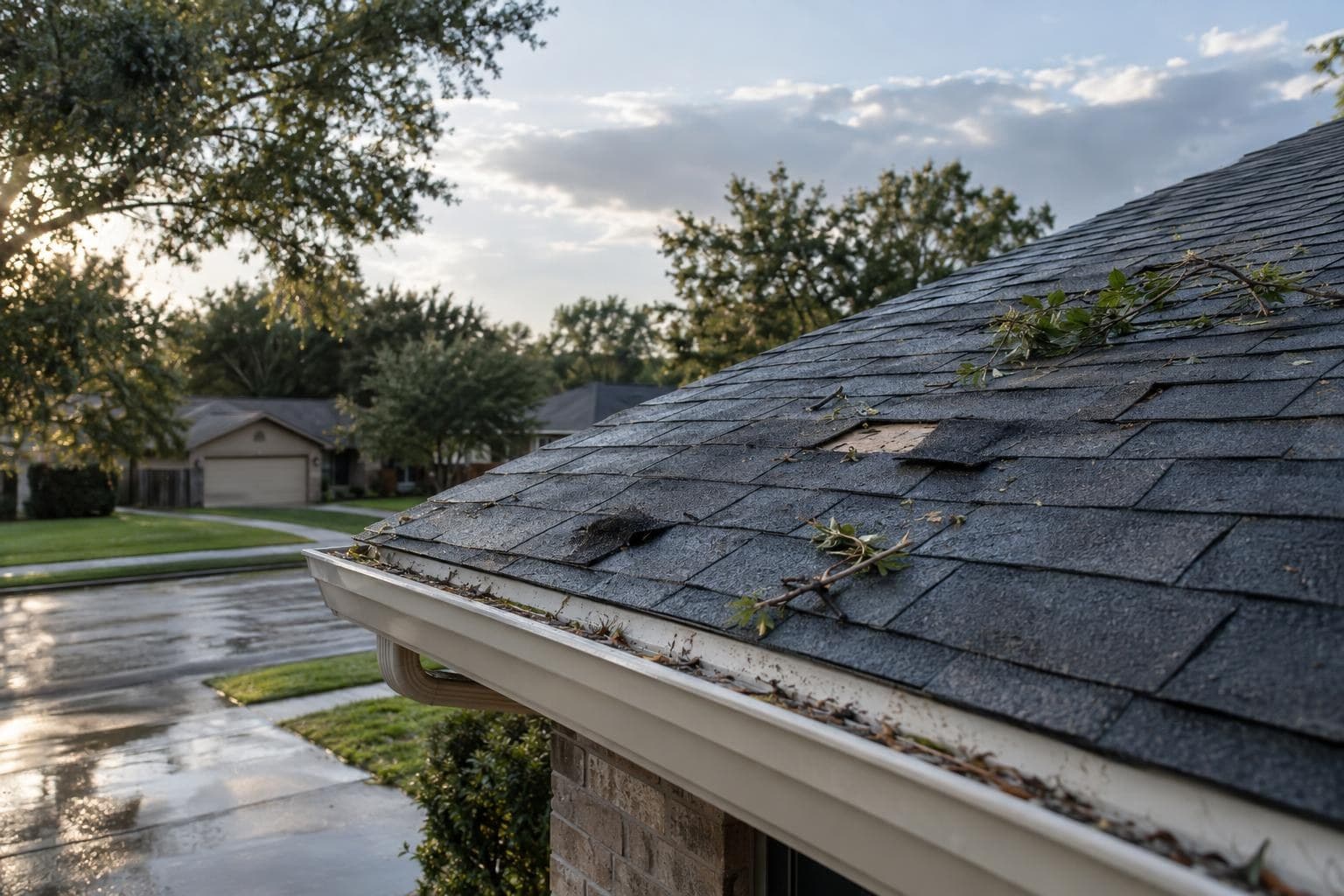
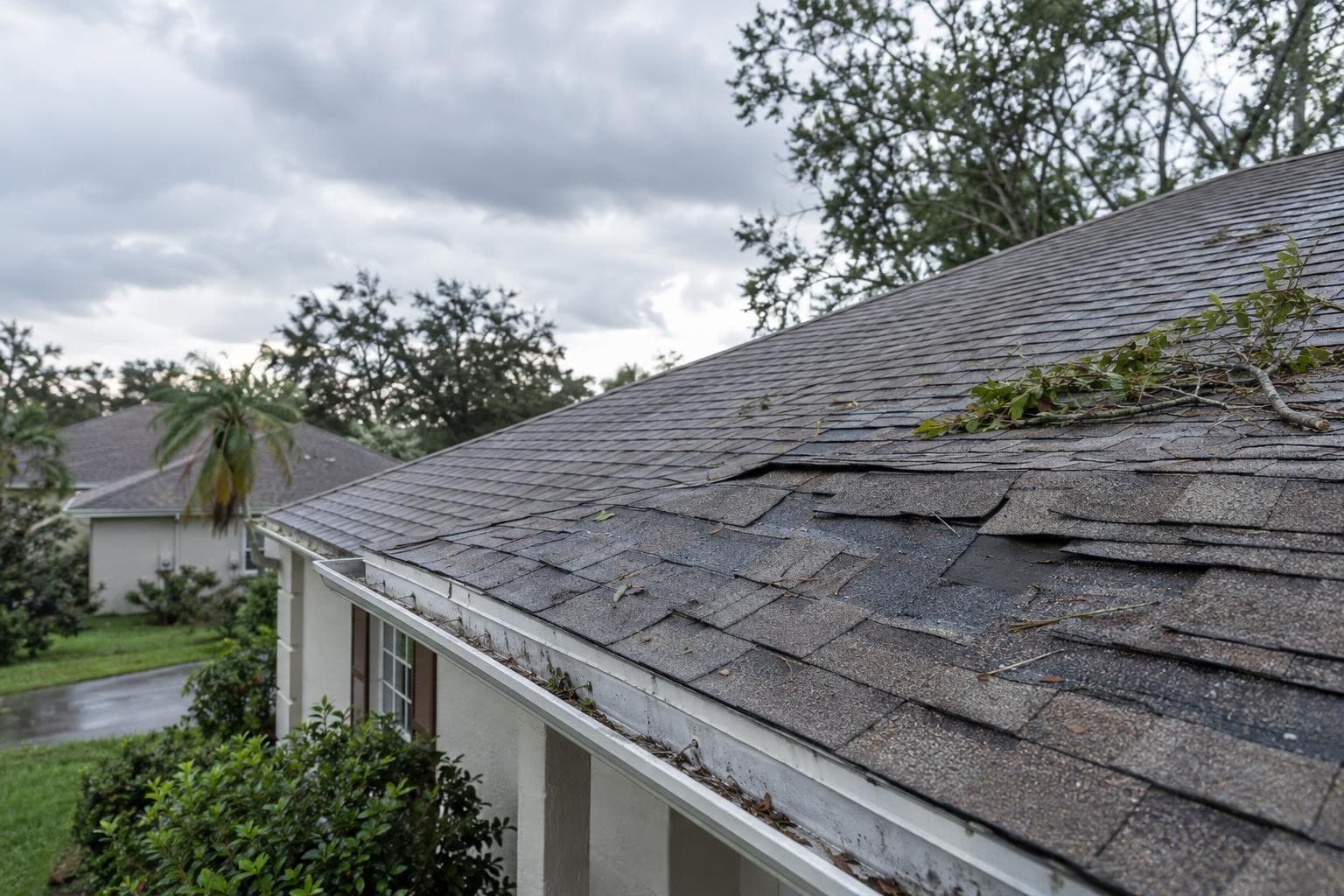
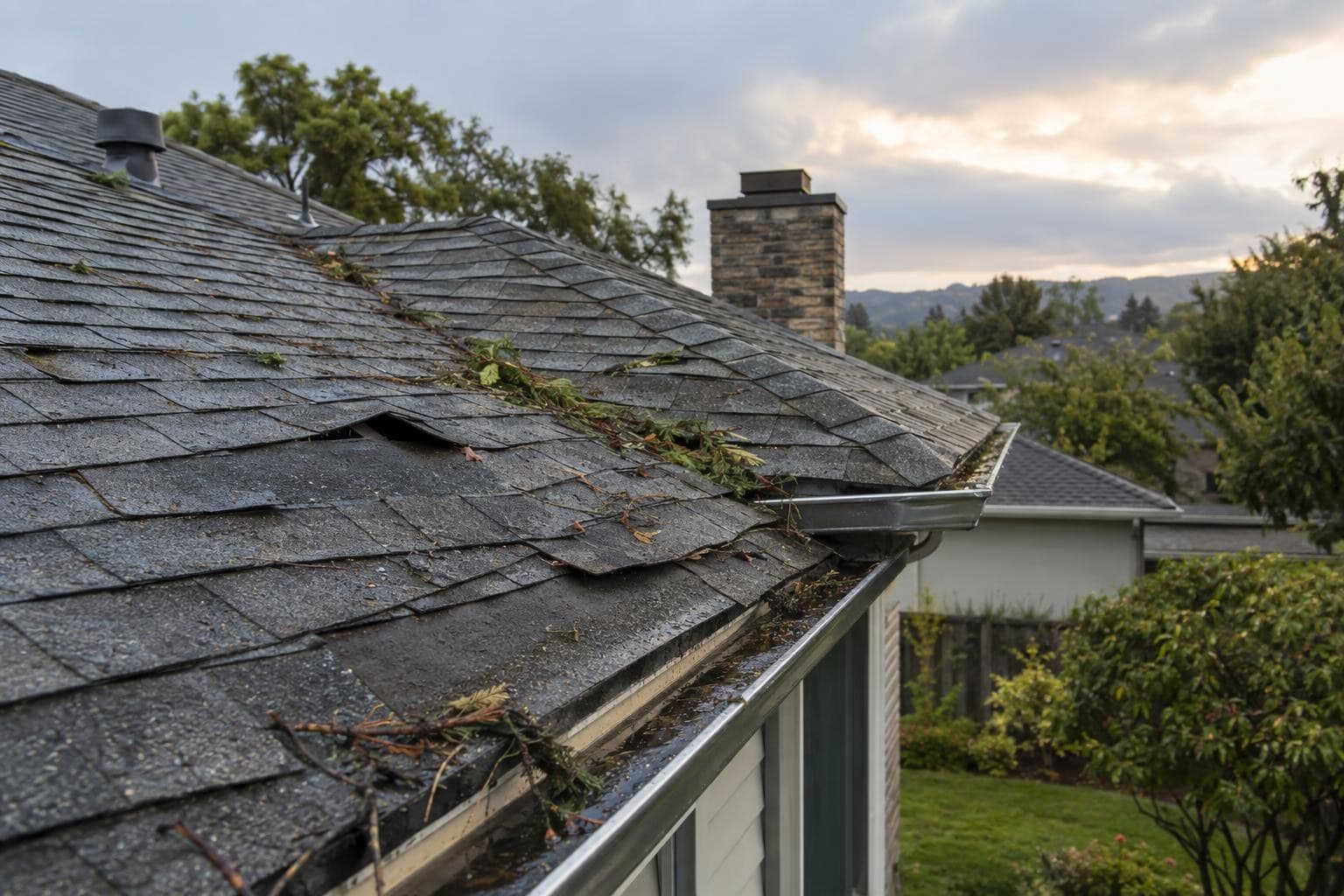
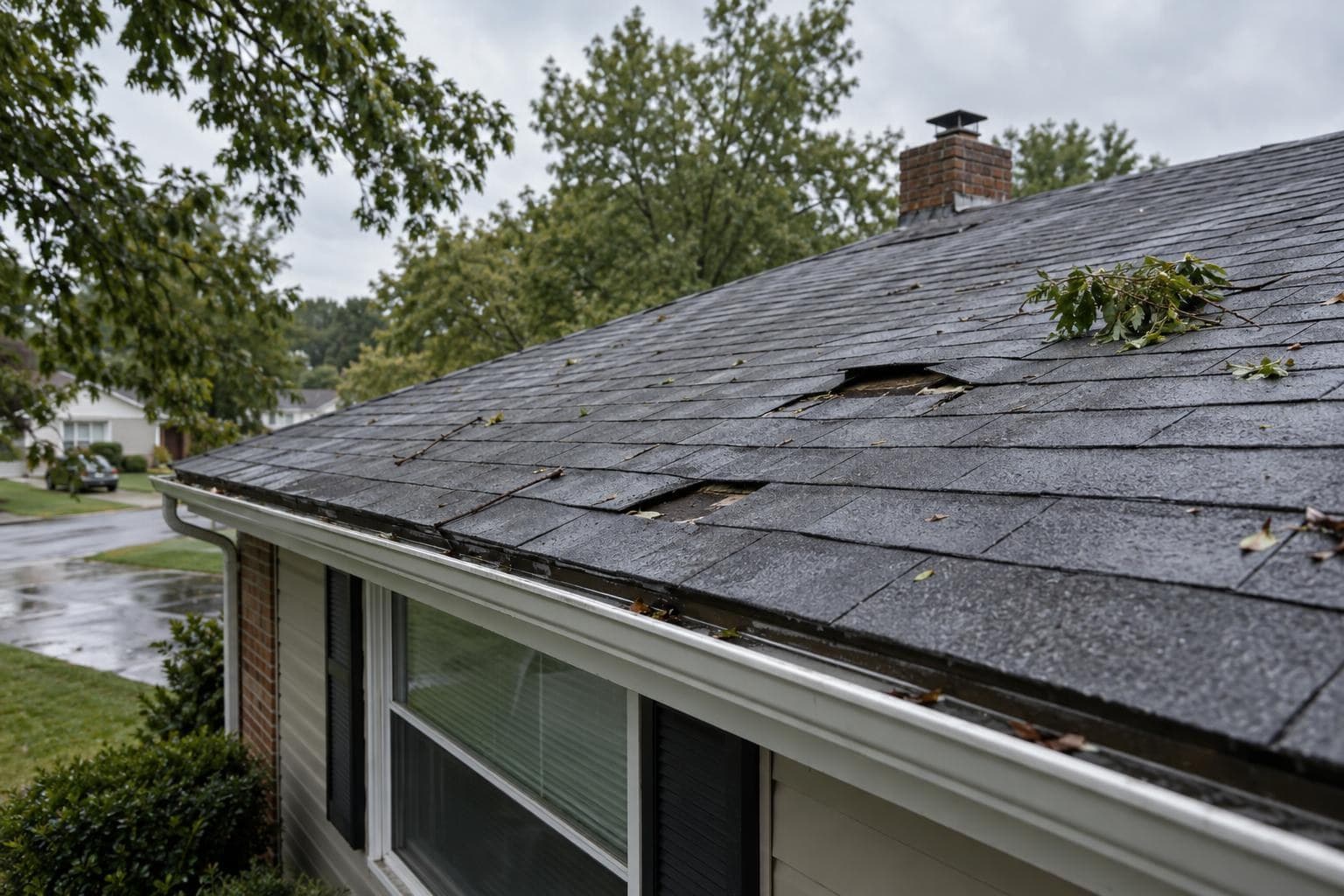
Start with safety, then temporary protection, then documentation. If water is actively entering the home, move belongings, place buckets or towels where needed, and stay off the roof if conditions are unsafe. From the ground, look for obvious trouble like missing shingles, exposed underlayment, bent flashing, fallen branches, or sagging areas. If there is an opening, arrange temporary protection such as tarping as soon as it can be done safely. Delaware's storm preparedness guidance says, "The policy requires the policyholder to protect the property from further damage." That means quick temporary action can matter for your claim as well as your home.
Should you tarp the roof right away?
Yes, if the roof has an opening or water is getting in, temporary tarping is usually the right move. The point is not to make a permanent repair. The point is to keep rain from pushing deeper into decking, insulation, ceilings, and walls. Delaware guidance says you may need to make immediate temporary repairs after a storm, keep all bills and receipts, and "Do not contract for repairs, other than temporary repairs, prior to agreement with the claim adjuster or agent." If someone wants you to sign a full replacement contract on the spot, slow down. Temporary protection now, full scope later.
- Use photos before and after tarping if you can do that safely.
- Keep receipts for tarps, emergency service, interior drying supplies, and related materials.
- Ask for a written description of the temporary work completed.
- Avoid climbing on the roof yourself if it is wet, steep, or unstable.
How do you document roof storm damage for an insurance claim?
Take wide photos, close photos, and interior photos, then keep every receipt and note. Delaware tells homeowners to photograph damage, keep receipts and old records, and make a list of damaged items and structural issues, including missing roof tiles and other visible building damage. The same guidance says the more information you have, the faster your claim generally can be settled. Start outside with each roof slope visible from the ground. Then photograph gutters, downspouts, siding, flashing, skylights, vents, and any debris impact areas. Inside, photograph ceiling stains, wet insulation, peeling paint, and any active drips.
- Write down the date of the storm and when you first noticed damage.
- Save weather alerts, if you received them, along with your notes.
- Take photos of serial numbers or labels on damaged accessories if relevant.
- Keep old roof records, prior repair invoices, and maintenance notes in one folder.
- Make a room by room list of affected interior areas.
Talk to a roofer today
Planning ranges, scope details, and a direct path to request a roofing quote.
Can you tell storm damage from an old roof problem?
Yes, often you can see patterns that point to storm damage versus age, but a roof inspection is what usually clarifies the line. Storm damage tends to look sudden and localized or directional. You may see missing tabs after high wind, creased shingles where wind bent them back, punctures from debris, displaced flashing, or a new leak that showed up right after the event. Age related wear usually looks broader and more gradual, such as widespread granule loss, curling, brittle shingle edges, long term staining, recurring leaks around old flashing details, or uniform wear across the whole roof. In Delaware, humidity can keep roof surfaces damp longer, which can shorten the life of aging materials and encourage staining or deterioration around vulnerable areas. That can blur the picture, which is why clear photos and a prompt inspection help.
What roof areas usually fail first after a Delaware storm?
The weak points are usually shingles along exposed edges, flashing around penetrations, ridge and hip areas, valleys, and any spot that already had wear. Strong wind can lift shingles and break the seal. Heavy rain can then drive water under the roof covering. Small flashing issues around chimneys, walls, vents, and skylights can become leaks fast. Coastal weather and repeated dampness can also make older problem areas easier for a storm to exploit. If you see water marks indoors but no obvious missing shingles from the ground, flashing and penetrations are still high on the suspect list.
When should you call your insurance carrier and what should you say?
Call after you have handled urgent temporary protection and gathered basic photos. Keep your report simple and specific: date of loss, what you observed, whether active leaking is happening, and whether the home is unsafe or hard to live in. Delaware's storm guidance says people whose homes are not livable or have severe structural damage will be given first priority in having claims handled, with less severe and minor damage following after that. If your roof damage has made the home unsafe or unlivable, tell your carrier clearly when you report the loss. Then keep a claim diary with names, dates, and what each person told you.
Should you sign a repair contract before the adjuster looks at the roof?
No, not for full repairs. Delaware guidance is direct here: "Do not contract for repairs, other than temporary repairs, prior to agreement with the claim adjuster or agent." It also says, "Do not be rushed into signing repair contracts." You can move quickly without locking yourself into the wrong scope. Get the roof protected, document the damage, report the claim, and review the written scope carefully before you commit to replacement work. If you are choosing a local contractor whose credentials you verified, ask for the exact business name they use for registration, confirm they appear in the state's contractor registry, and confirm they hold a Delaware business license. Also review the written scope, materials, cleanup terms, and payment terms before signing.
How much do storm roof repairs or replacement cost in Delaware?
For a storm-damage roof project in Delaware, begin with documented damage, the policy deductible, and a property-specific repair or replacement scope. For an early budget on a storm-damage roof project in Delaware, compare the Delaware cost page with a proposal that identifies measurements, products, accessories, and exclusions. The schedule for a storm-damage roof project in Delaware should explain access, material staging, weather protection, inspections, and the process for discovered deck work. For a deeper breakdown by roof type and home size, see the Delaware cost page and the calculator.
Is it worth upgrading to Class 4 after storm damage?
It can be, especially if you want better impact resistance and you plan to stay in the home. If you are considering an impact-resistant roof, ask your carrier whether they offer a discount for Class 4 rated shingles. When comparing a storm-damage roof project in Delaware, use a written insurer response rather than a sales estimate for any impact-resistant roof credit. Discounts are set by each insurance company, and the available savings, if any, can vary by policy and home. The practical move is to confirm the product rating, keep the product paperwork, and ask your carrier what documentation they want before you replace the roof.
What is the smartest next step after a Delaware roof storm?
Get the roof checked, get temporary protection in place if needed, and keep your paperwork organized. In the first 48 hours, that sequence usually gives you the best shot at limiting damage and keeping your claim on track. Storm damage is not always obvious from the ground, and older roofs can hide weak points that a storm suddenly exposes. a roofer whose credentials and written scope you checked can help you sort out what is storm related, what is long term wear, and what needs to happen now versus later. If replacement is on the table, use current planning prices as your baseline, compare the scope carefully, and do not let anyone rush you into a full contract before the claim review is settled.
Sources
Reviewed technical references for Delaware
Related Delaware roofing guides
Related services
Updated July 10, 2026
3D Roofs Editorial Team
Editorial Standards