Updated July 27, 2026

3D Roofs Editorial Team
Editorial Standards
If a storm just hit your Illinois roof, start with safety, stop active water, and document everything before cleanup changes the evidence. In Illinois, that matters because roofs get hit from both ends of the calendar. Warm-season thunderstorms drive hail and damaging straight-line winds that bruise shingles and strip granules, and the state ranks among the most tornado-prone in the country. Then winter takes over with heavy snow loads, ice dams along the eaves, and repeated freeze-thaw swings that pry at seams, flashing, and any shingle that is already worn. Humid summers add heat and moisture that age a roof faster, so ventilation and flashing detail matter as much as the shingle you pick.
What should you do in the first 48 hours after roof storm damage in Illinois?
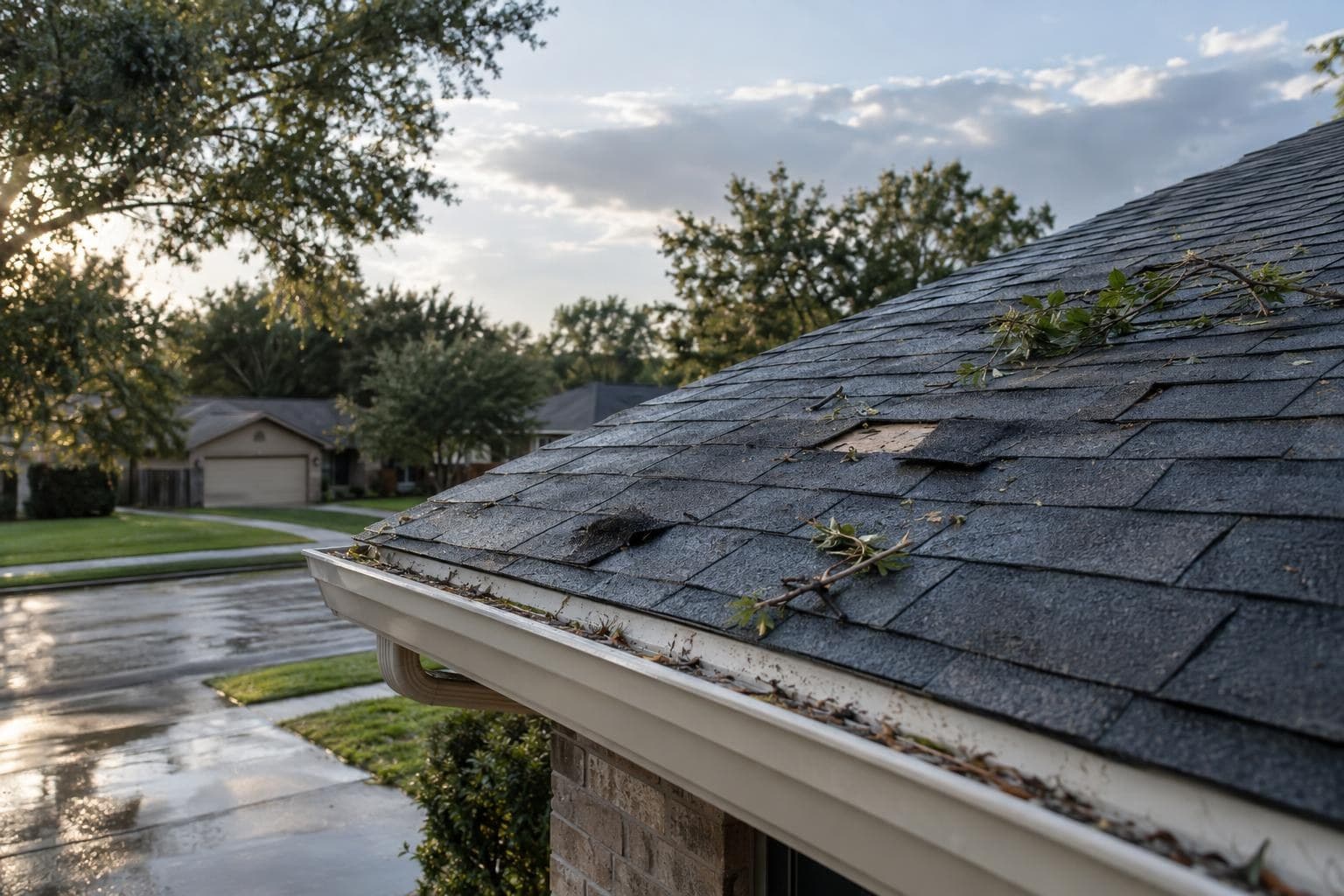
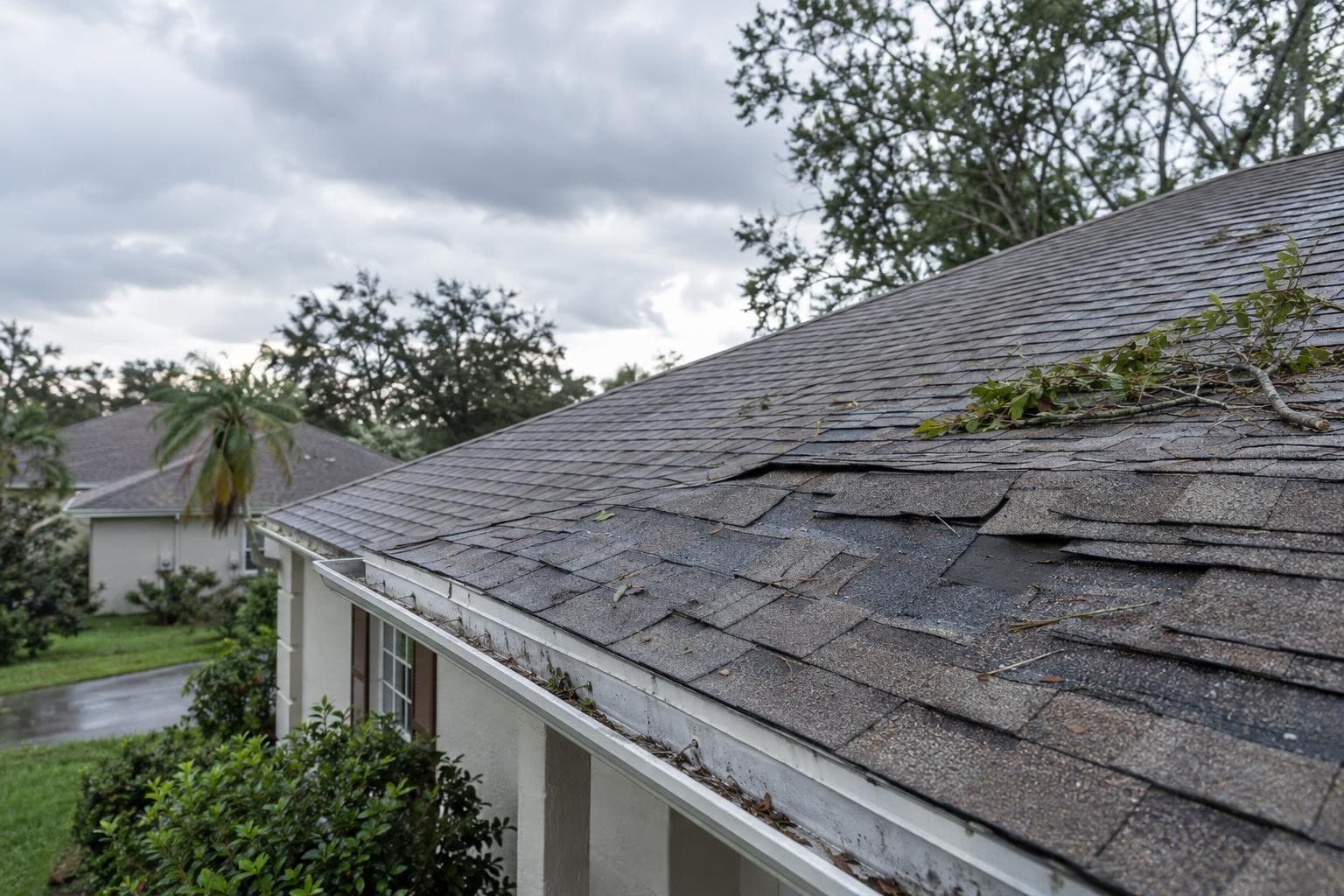
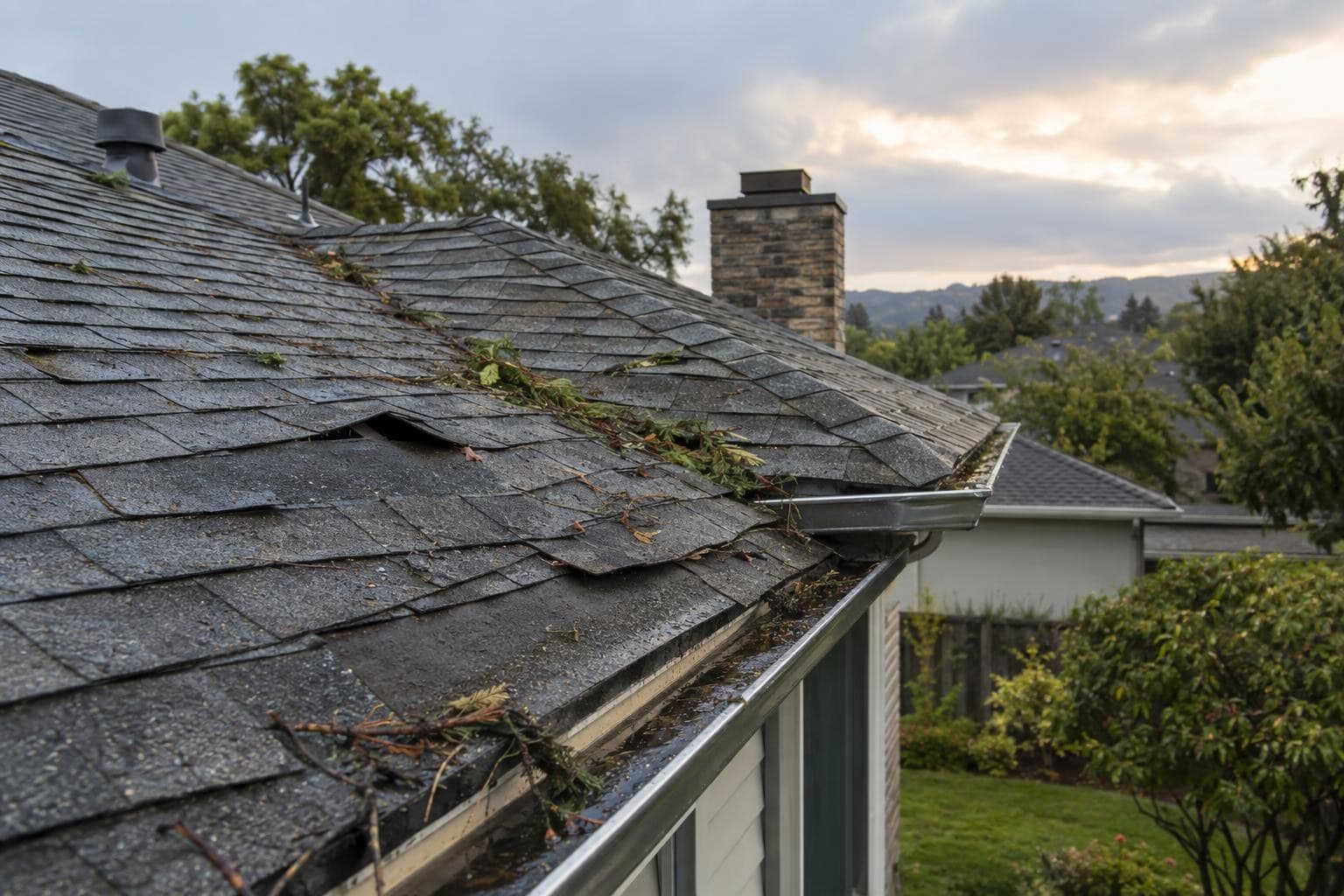
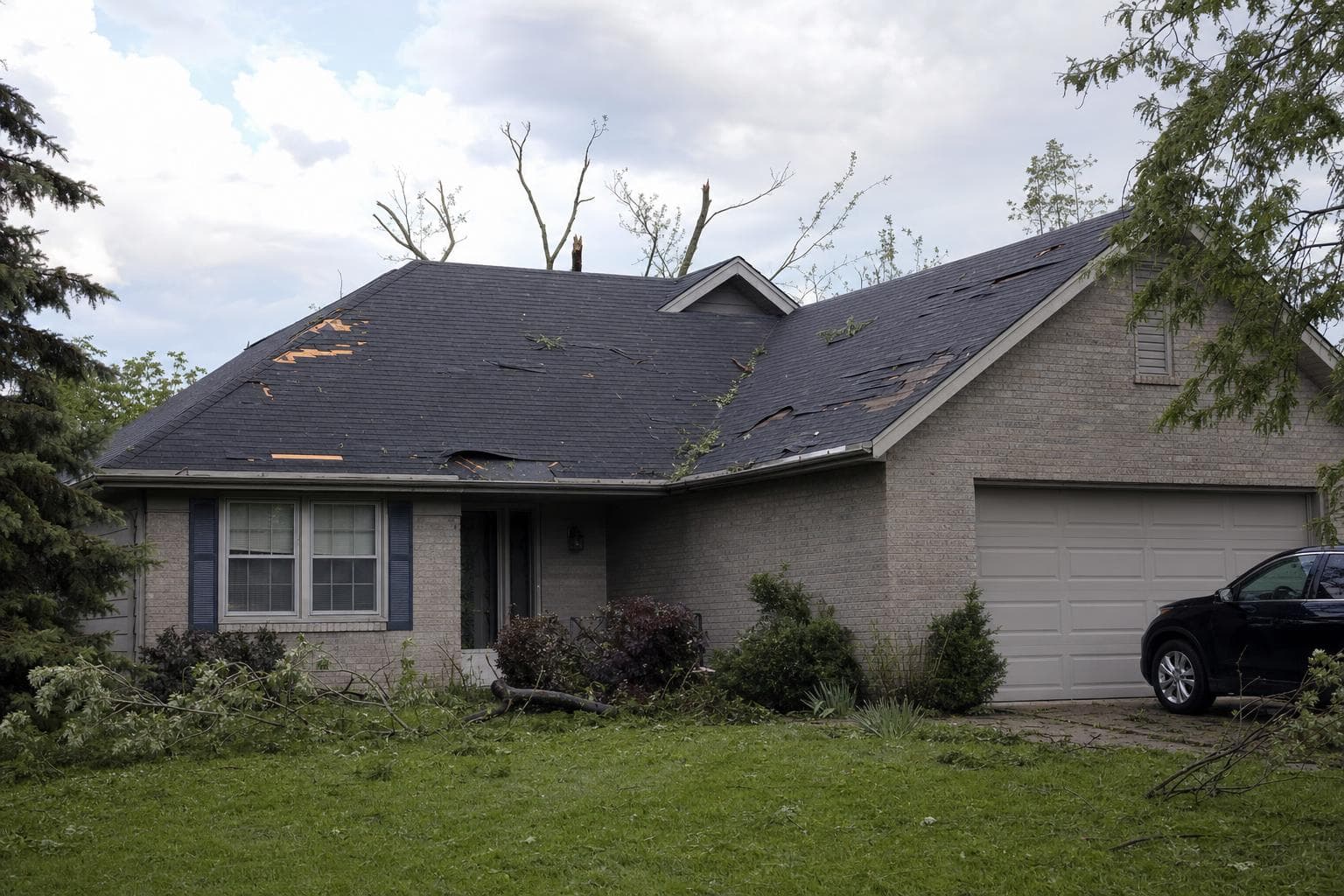
Focus on safety first, then prevent more interior damage, then create a clean record of what happened. Do not climb onto a wet, steep, or visibly damaged roof. From the ground, look for missing shingles, bent metal, lifted flashing, fallen limbs, dented gutters, or shingle pieces in the yard. Inside, put buckets under drips, move valuables, and take photos of stains, wet insulation, and damaged ceilings before you dry things out. If water is actively getting in, call a roofing contractor you are considering for emergency tarping or temporary dry-in work as soon as possible.
- Take wide photos of every roof slope you can see from the ground
- Photograph gutters, downspouts, window screens, siding, deck furniture, and vehicles if they show hail or wind impact
- Save any shingle pieces or metal fragments you find in the yard
- Write down the date of the storm and the time you first noticed damage or leaking
- Do not throw away damaged interior items until they are documented
Should you tarp the roof right away?
Yes, if the roof is actively leaking or there is exposed decking, a tarp can limit more damage. Temporary protection is about stopping water, not hiding damage. Ask your roofer to photograph the roof before and after tarping so the condition is documented. Keep copies of the invoice and note that the work was emergency mitigation. That paper trail helps show you acted to prevent additional loss while preserving evidence of the original storm damage.
How do you document storm damage for an insurance claim?
Use clear photos, simple notes, and a timeline. Start outside, then work inside. Take overview shots that show each roof section, then close-ups of missing tabs, creased shingles, exposed underlayment, punctures, bent flashing, or dented soft metals. Indoors, photograph every stain, drip path, bubbled paint area, and damaged personal property. Keep screenshots of weather alerts, but rely most on what you can show on your home. Your roofer can give you an estimate and meet with your adjuster, but in Illinois they cannot represent you on a roofing insurance claim.
- Create one folder for storm photos, videos, invoices, and notes
- Label photos by area, front slope, rear valley, garage ceiling, and similar plain names
- Record when the tarp went on and when leaking changed
- Keep receipts for emergency protection and interior drying materials
- Ask for a written scope if repairs or replacement are recommended
Talk to a roofer today
Planning ranges, scope details, and a direct path to request a roofing quote.
How can you tell storm damage from an old roof wearing out?
Storm damage is usually directional, sudden, and tied to a recent weather event. Age-related wear is more even, more gradual, and often shows up across the whole roof. Wind damage often leaves creased or lifted shingles, missing tabs, broken seal strips, and damage concentrated on the slopes that took the brunt of the gusts. Hail can leave bruising, granule loss in distinct impact areas, and dents on soft metals like vents, gutters, and downspouts. Older roofs, by contrast, often show widespread granule loss, curling, brittleness, exposed fiberglass, and general wear at the same stage across many slopes.
Illinois makes this distinction important because freeze-thaw swings, ice dams, humidity, and summer heat can open up weak spots that were already there. A storm can be the event that reveals the leak, but not every leak starts with the storm. That is why a good inspection looks at patterns, not just one missing shingle. The goal is to separate fresh, storm-related damage from long-term aging, worn flashing, poor ventilation, or earlier repair work that has reached the end of its life.
When should you file a claim, and what does Illinois law say?
File once you have reason to believe there is real storm damage, especially if there are active leaks, missing roofing, or visible impact marks. For storm damage roof in Illinois, ask the insurer and state insurance regulator for the current notice, proof-of-loss, inspection, acknowledgment, and decision deadlines that apply to the claim. For the roofing side, Illinois actually licenses roofers, and the license is required. Under the Illinois Roofing Industry Licensing Act, anyone doing roofing work in Illinois must hold a state roofing contractor license issued by the Illinois Department of Financial and Professional Regulation. Before you sign anything, get the contractor's IDFPR roofing contractor license number and verify it yourself.
Also know two practical rules. First, your roofer cannot pay your deductible, or promise to rebate it to win the job. Second, your roofer cannot run your claim for you. They can give you an estimate, meet with your adjuster, and walk you through options. If the job is over an amount that must be confirmed for the written scope, Illinois requires a written contract spelling out the cost, materials, and the contractor's contact details, plus a signed copy of the state's consumer-rights brochure.
What does storm damage roof repair or replacement cost in Illinois?
For current Illinois planning prices related to storm damage roof, use the cost guide and calculator, then compare the contractor's property-specific written scope. Steep pitches add about 10 percent. For storm damage roof in Illinois, ask the contractor to put the expected working days and weather plan in writing; timing depends on roof size, material, access, crew scheduling, and conditions found after tear-off. For fuller local pricing, check the Illinois cost page and the calculator.
Is upgrading to Class 4 shingles worth it after hail damage?
Yes, Class 4 is worth comparing if your home has meaningful hail exposure, but you should verify the exact product and ask your carrier about credits in writing. For storm damage roof in Illinois, any insurance credit depends on the carrier, policy, address, and exact product; get the amount and documentation requirements from the insurer in writing. The rating does not guarantee freedom from all damage or establish a policy credit. Ask how the starter, ridge products, underlayment, flashing, and ventilation will be specified, and confirm the exact product's current UL 2218 classification before you choose the upgrade.
How do you choose the right roofer after a storm?
Start with the license, then the paperwork, then the scope of work. Get the roofer's IDFPR roofing contractor license number and verify it yourself on the state lookup. Confirm the status is active and unexpired, the name matches, and there is no disciplinary history. Then check for a local track record, references, manufacturer certifications, and a written scope that covers tear-off, decking, underlayment, flashing, ventilation, and cleanup. If someone pushes a fast signature, offers to eat your deductible, or avoids putting details in writing, move on.
What is the smartest next step if your Illinois roof was hit by a storm?
The smartest next step is to get a documented inspection and temporary protection if needed, before small damage turns into a bigger interior problem. In Illinois, storms do not act alone. Hail, straight-line winds, tornado conditions, snow loads, ice dams, and freeze-thaw cycles all work on the same roof system. A roofing contractor you are considering can help you sort out what is fresh storm damage, what is old wear, and whether a repair will hold or replacement makes more sense. If you want a budget starting point before you decide, review the Illinois cost page and the calculator, then line that up with a written inspection and scope.
Sources reviewed
- Home Repair and Remodeling Act, Sec. 18 (815 ILCS 513/18)
- IDFPR – License Lookup (verify a roofer)
- National Weather Service: Severe Thunderstorm Safety
- Federal Trade Commission: Four Ways to Avoid Scams After a Weather-Related Disaster
- Georgia Attorney General Consumer Protection Division: Beware of Roofers Scamming Storm Victims
Plan with current pricing
Related services
Updated July 27, 2026
3D Roofs Editorial Team
Editorial Standards