Updated July 10, 2026

3D Roofs Editorial Team
Editorial Standards
If a storm hits your Indiana roof, act fast but do not rush into permanent repairs. Indiana roofs deal with year-round weather stress. Wind, hail, heavy rain, snow, ice, and freeze-thaw cycles can all shorten roof life or turn a small weak spot into a leak. Seasonal swings can also wear out shingles, flashing, sealants, and roof penetrations over time. That is why the first 48 hours are about two things: stopping more damage and building a clean record of what happened.
What should you do in the first 48 hours after roof storm damage in Indiana?
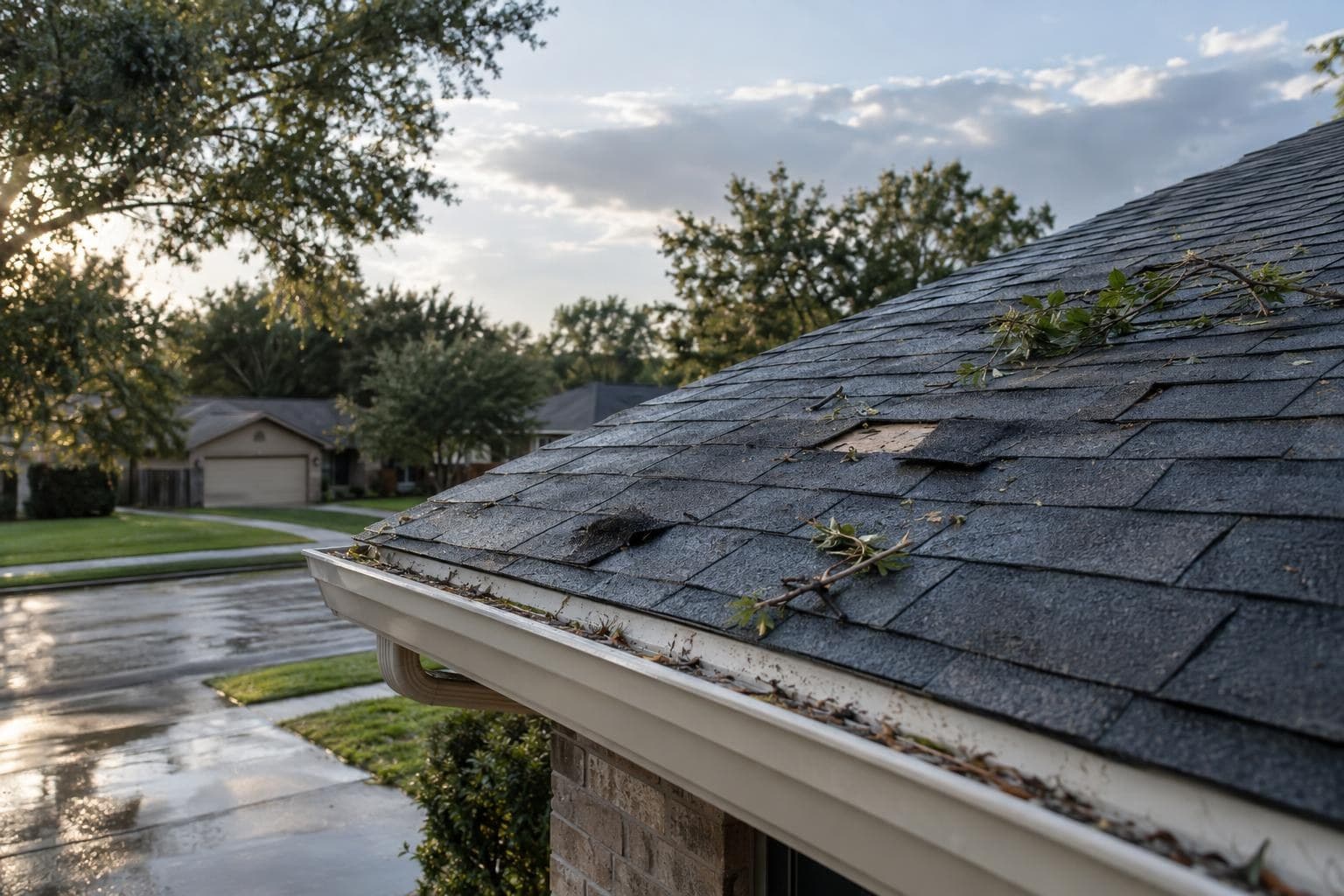
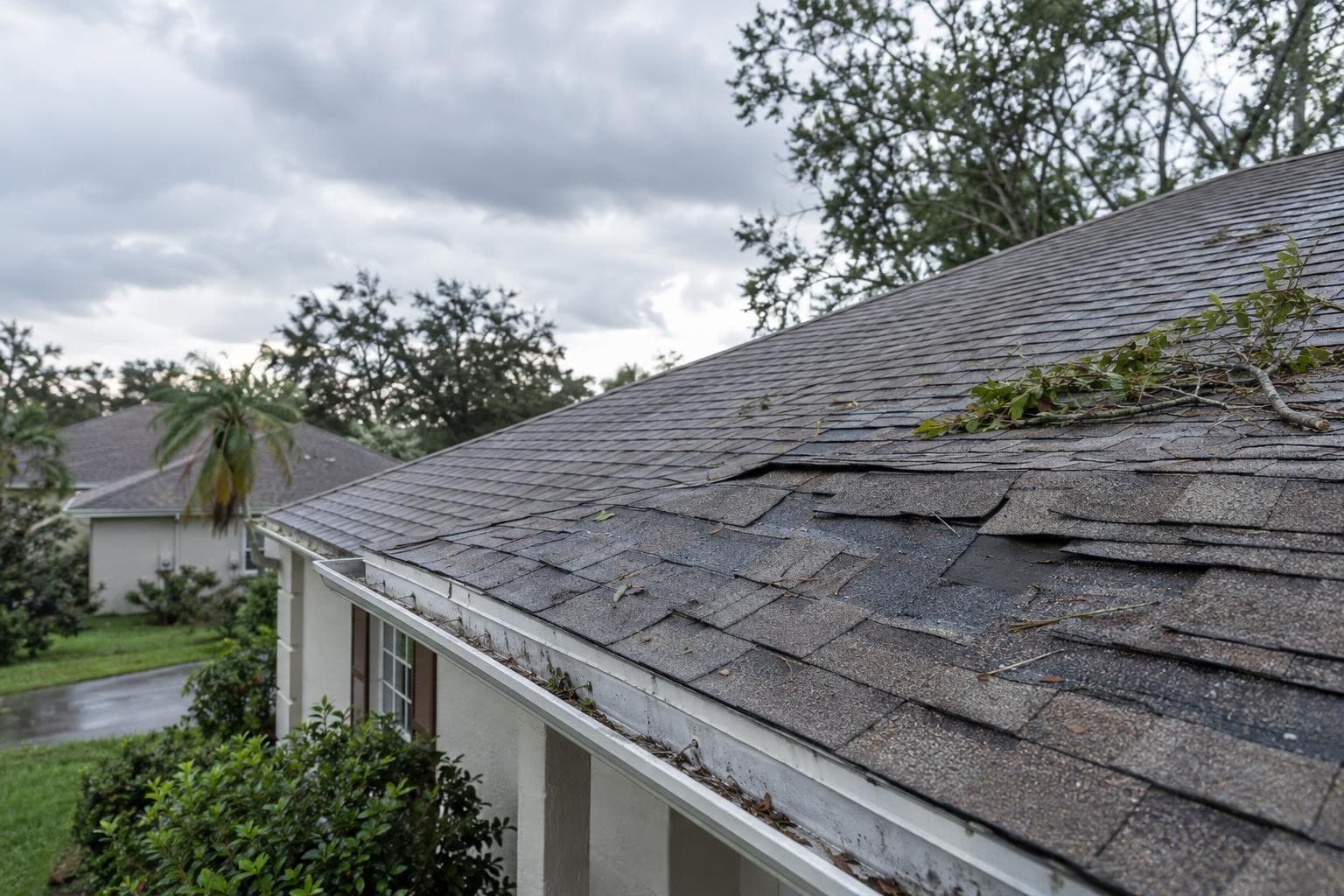
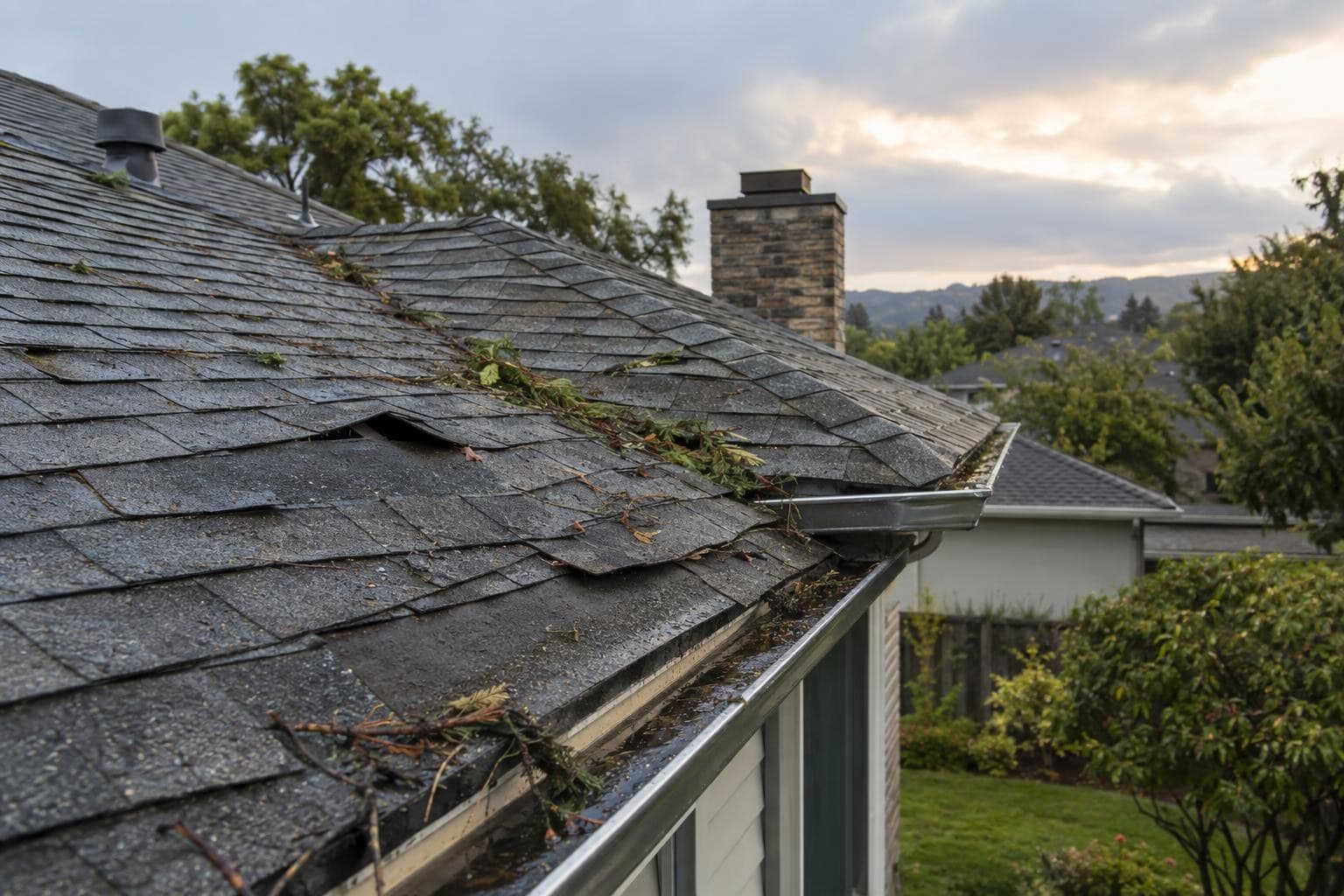
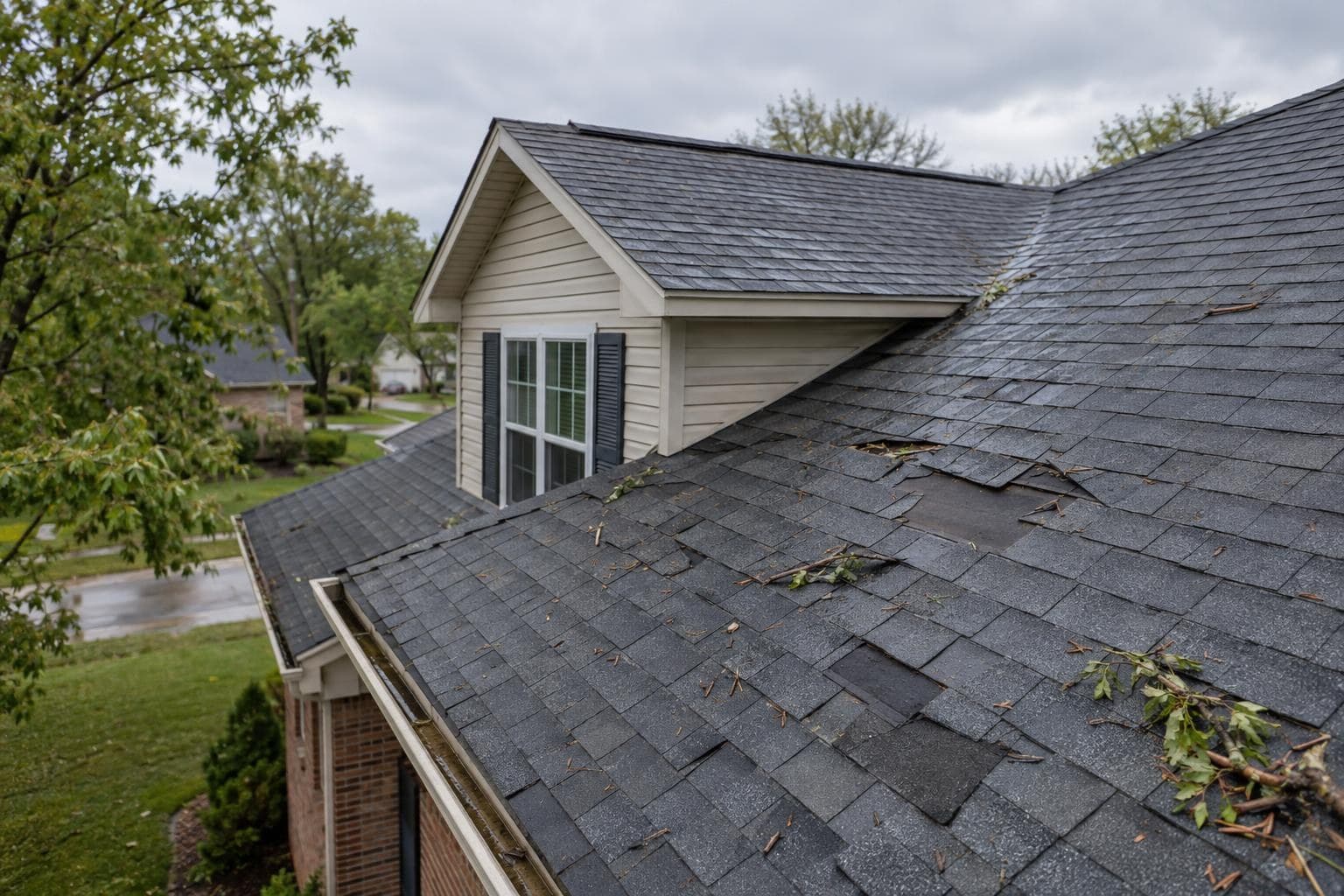
Start by protecting the inside of your home, then document everything, then arrange temporary protection for the roof. If water is getting in, move valuables, place buckets or towels under drips, and take photos before you clean up if you can do it safely. Outside, look for obvious signs from the ground, such as missing shingles, bent metal, fallen branches, granules near downspouts, or debris scattered across the yard. Avoid climbing onto the roof yourself after a storm.
- Take wide photos of the house from all sides
- Take closer photos of visible roof damage from the ground
- Photograph interior leaks, stains, wet insulation, and damaged belongings
- Write down the date of the storm and when you first noticed damage
- Save weather alerts, claim emails, invoices, and every receipt
- Call for temporary tarping or other short-term protection if the roof is exposed
The Indiana Department of Insurance says your policy is a contract between you and your insurance company, and you should understand what is covered, what is excluded, and what the deductibles are before and during a claim. It also tells homeowners to file claims as soon as possible, provide complete and correct information, and keep copies of all correspondence. A simple notebook or notes app works well if you log the date, name, title, and what was said during every call or visit.
Should you tarp a storm-damaged roof right away?
Yes, if the roof is open to water, temporary protection should happen quickly, but permanent repairs should wait until the insurance company has inspected the damage. The Indiana Department of Insurance says your policy might require temporary repairs to protect your property from further damage, and your policy should cover the cost of these temporary repairs if you keep receipts. It also says not to make permanent repairs before the insurance company's inspection, because an insurance company may deny a claim if permanent repairs are made before the damage is inspected.
That means tarping is usually the right move when shingles are missing, flashing has lifted, a tree limb has punctured the roof, or active leaking has started. Ask your roofer for photos of the roof before and after tarping, a written scope of the temporary work, and an itemized invoice. Those records help you show that the goal was to prevent more damage, not to hide the original storm impact.
How do you document roof storm damage for an insurance claim?
The best documentation is clear, dated, and organized. Take overview photos first, then close-ups, then interior photos. If you can safely see damage from an upper window or a detached garage, photograph that angle too. Keep damaged items if possible, and do not throw away pieces of shingles, metal, or broken vents until your adjuster or roofer says you can. Good documentation helps separate fresh storm damage from wear that was already there.
- Create one folder for photos and videos
- Name files by area, such as front slope or chimney flashing
- Keep receipts for tarping, buckets, fans, and emergency cleanup
- Save copies of emails, texts, estimates, and claim letters
- Write a short timeline of the storm, the leak, and each follow-up step
The Indiana Department of Insurance tells homeowners to file claims as soon as possible, provide complete and correct information, and keep copies of all correspondence. It also says you should write down details from phone and in-person conversations, including the date, name, title, and what was said. That level of detail can matter if there is later confusion about when damage appeared or what temporary work was approved.
Talk to a roofer today
Planning ranges, scope details, and a direct path to request a roofing quote.
How can you tell storm damage from an old roof problem?
The short answer is that storm damage usually looks sudden and directional, while age-related wear usually looks broad, even, and gradual. A wind event may crease or lift shingles on one slope, tear tabs, or scatter debris in a pattern. Hail may leave concentrated impacts on soft metals, vents, gutters, or shingle surfaces. By contrast, an older roof often shows general granule loss, dried or cracked sealant, brittle shingle edges, worn flashing, and weathering around penetrations that happened over time.
Indiana weather makes this harder because the roof may already have seasonal wear before the storm hits. a roofer whose credentials and written scope you checked can document what looks new, what looks old, and what areas deserve close review by the insurance company.
When should you file the claim, and what should you avoid saying?
File quickly once you have reason to believe the storm caused damage, and stick to facts. Tell the carrier when the storm happened, what you observed, where the leak or damage appeared, and what temporary steps you took to protect the home. Avoid guessing about the full cost, the exact cause of every issue, or whether the roof needs a repair or replacement before the inspection. Your job is to report what happened and preserve evidence.
Also keep the long view in mind. The Indiana Department of Insurance warns that while Indiana law outlines specific allowable reasons for cancellation of homeowners policies, there are no such protections in place that require insurance companies to offer renewal of the homeowners policy once the contract is over. It also says insurance companies are allowed to consider claims activity when deciding whether to renew your policy. That does not mean you should avoid valid claims, but it does mean you should be organized, accurate, and thoughtful before filing.
What if the storm damage means you need more than a small repair?
For a storm-damage roof project in Indiana, begin with documented damage, the policy deductible, and a property-specific repair or replacement scope. If the storm exposes broader weakness, replacement may make more sense than repeated patchwork. Before approving a storm-damage roof project in Indiana, have the bidder connect timing to roof complexity, crew access, material handling, weather, inspections, and concealed conditions. Check current Indiana cost data for a storm-damage roof project in Indiana, then replace the range with an assembly-specific proposal based on measured conditions. For a fuller breakdown, you can check the Indiana cost page and the calculator for local pricing guidance.
If you are weighing a stronger shingle after a hail or wind claim, a Class 4 upgrade may be worth asking about. A Class 4 rating does not establish a policy credit in Indiana; the carrier and policy determine eligibility, documentation, and savings. Discounts and underwriting decisions are carrier-specific, so you should confirm the details with your insurer before you buy. A local roofer you have vetted can help you compare options that fit your home and storm exposure.
How do you choose a roofer after a storm without getting pressured?
Keep it practical. Get a clear written scope, read the contract closely, ask how your roofer will document storm damage, and keep copies of every estimate, invoice, text, and email. If a sales pitch feels rushed or misleading, slow the deal down. Indiana's consumer protection agencies put the focus on smart buying and complaint options, not on a statewide roofing license standard in the cited state guidance. The Attorney General's Consumer Protection Division says it educates consumers about deceptive and predatory business practices, mediates and investigates consumer complaints against businesses and other organizations, and takes legal action on behalf of the state against parties that violate Indiana's Deceptive Consumer Sales Act.
The bottom line is simple: in the first 48 hours, protect the home, document the damage, keep every receipt, and wait on permanent repairs until the insurance inspection is done. That approach gives you the best shot at a cleaner claim, less interior damage, and a roofing decision based on evidence instead of stress.
Sources
Make the Indiana property safe and dry first
Stay away from downed lines, unstable trees, standing water near electrical equipment, and visibly unstable roof areas. Arrange necessary temporary protection, preserve receipts, and photograph conditions before covering them when it is safe. Emergency work should prevent additional damage without erasing the evidence needed for permanent scope. For a Indiana property, evaluate freeze-thaw transitions, snow and ice at eaves, warm-season wind and impact, tree debris, and attic moisture at the property.
Reviewed technical references for Indiana
Related Indiana roofing guides
Related services
Updated July 10, 2026
3D Roofs Editorial Team
Editorial Standards