Updated July 10, 2026

3D Roofs Editorial Team
Editorial Standards
If a storm just hit your roof, start with safety, stop active water entry, and document everything before cleanup changes the scene. Your roof in Maryland has to handle year-round weather swings. Storms can bring wind-driven rain, hail, and fallen tree damage. Hurricanes and coastal weather can add another layer of exposure, especially in areas closer to the Chesapeake Bay and Atlantic coast. Winter storms can also stress older roofs with ice, snow, and repeated freeze-thaw cycles. In plain terms, Maryland roofs often wear down from a combination of moisture, wind, and sudden storm hits, so leaks, lifted shingles, flashing problems, and gutter strain are common issues to watch after severe weather.
What should you do in the first 48 hours after storm damage?
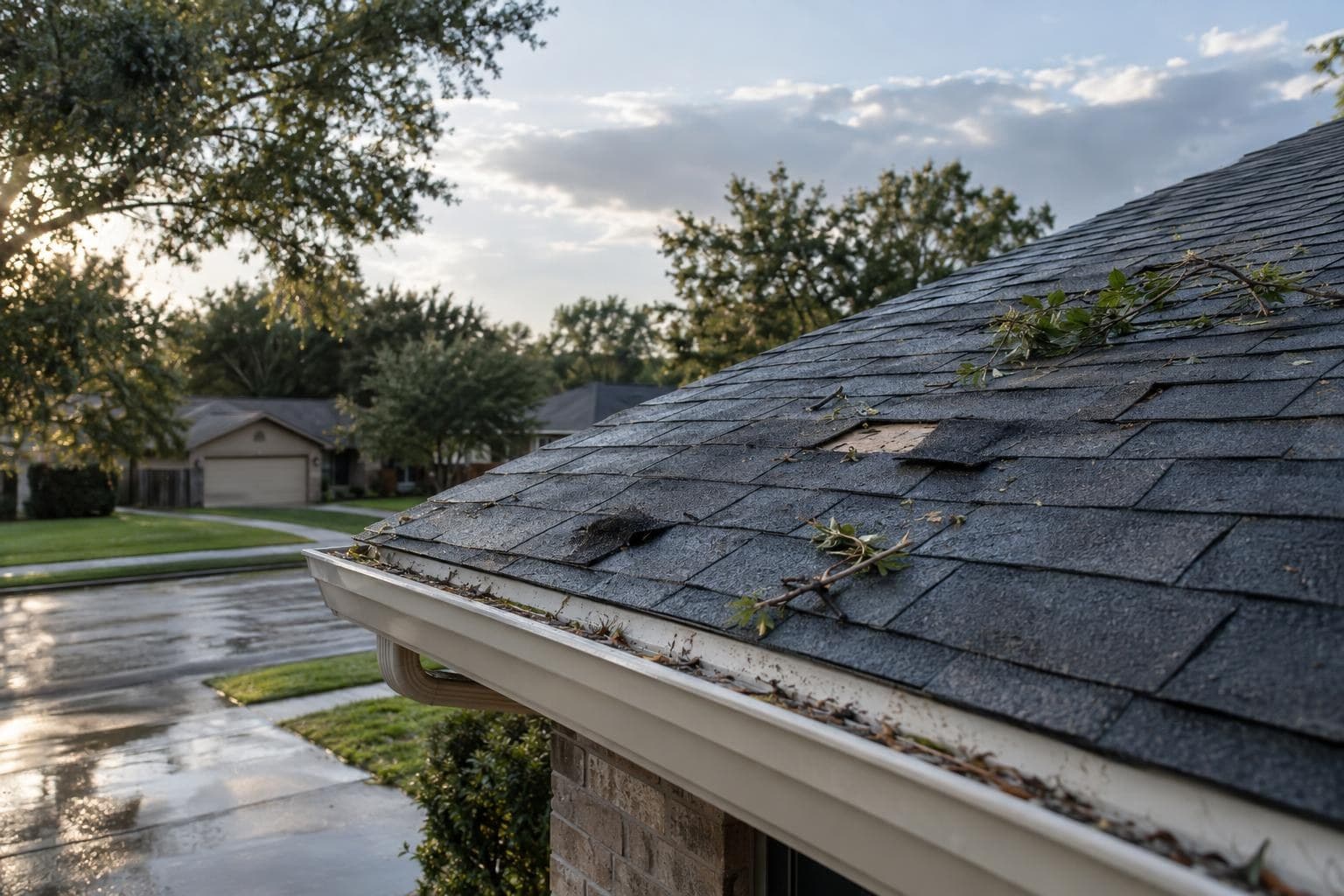
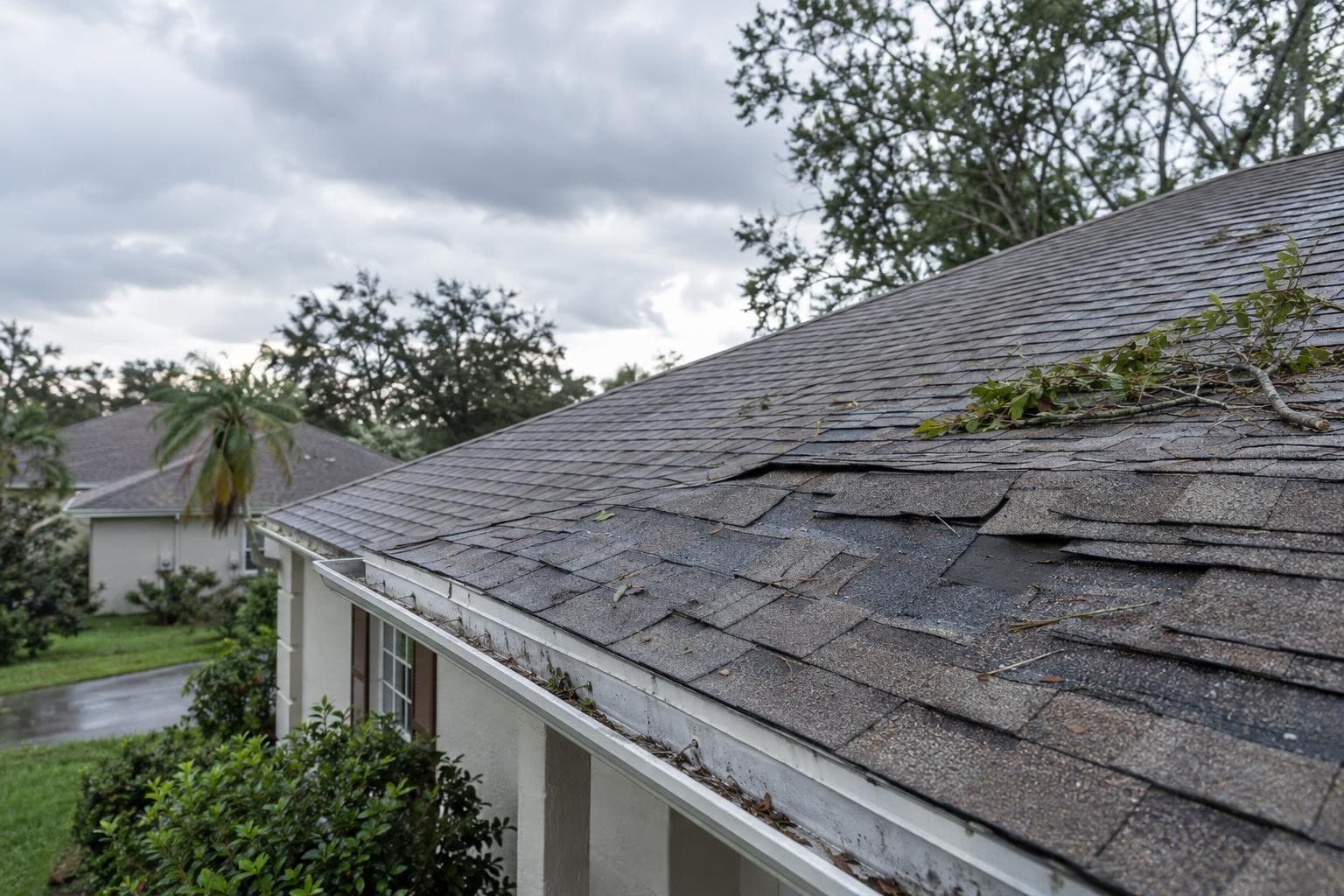
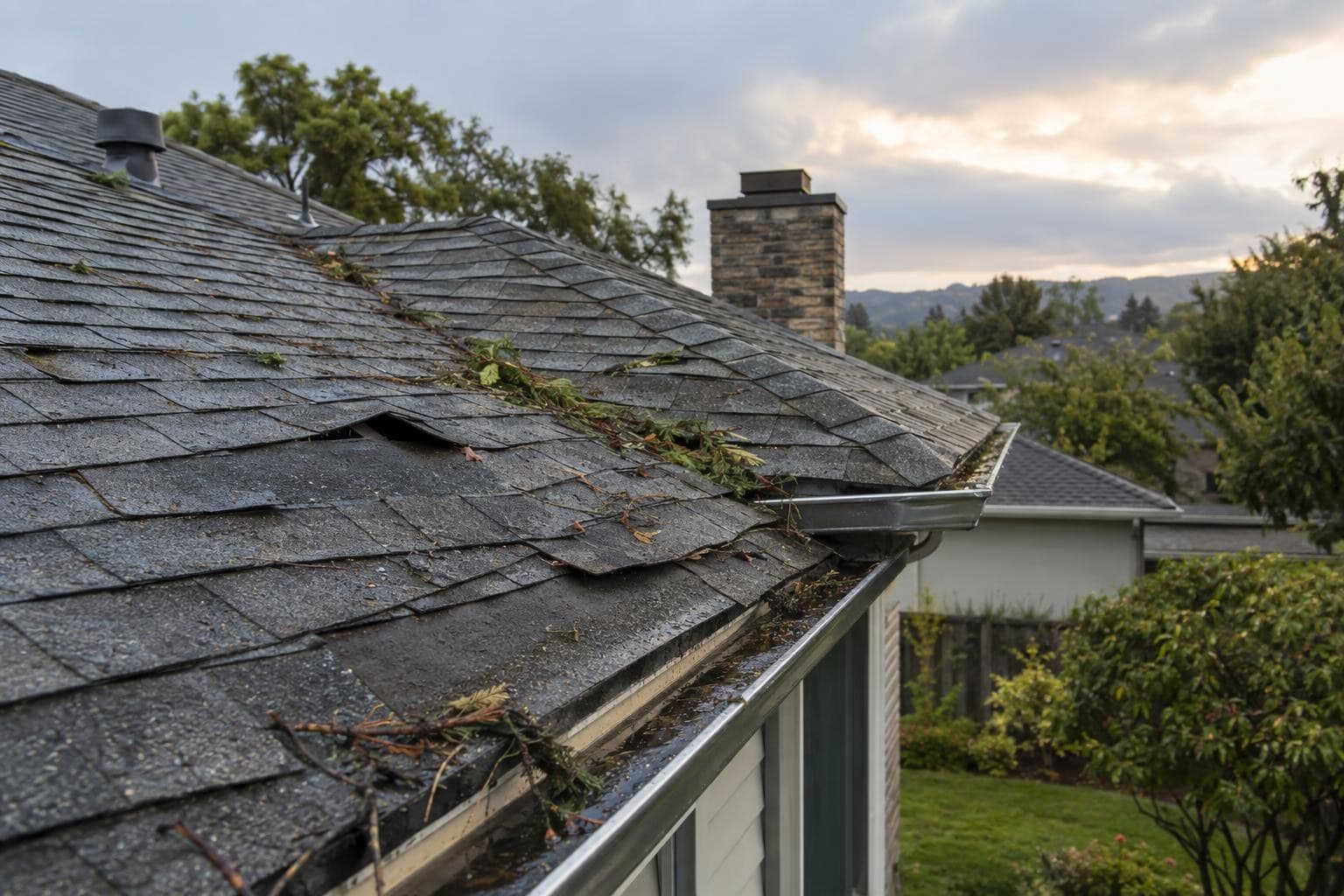
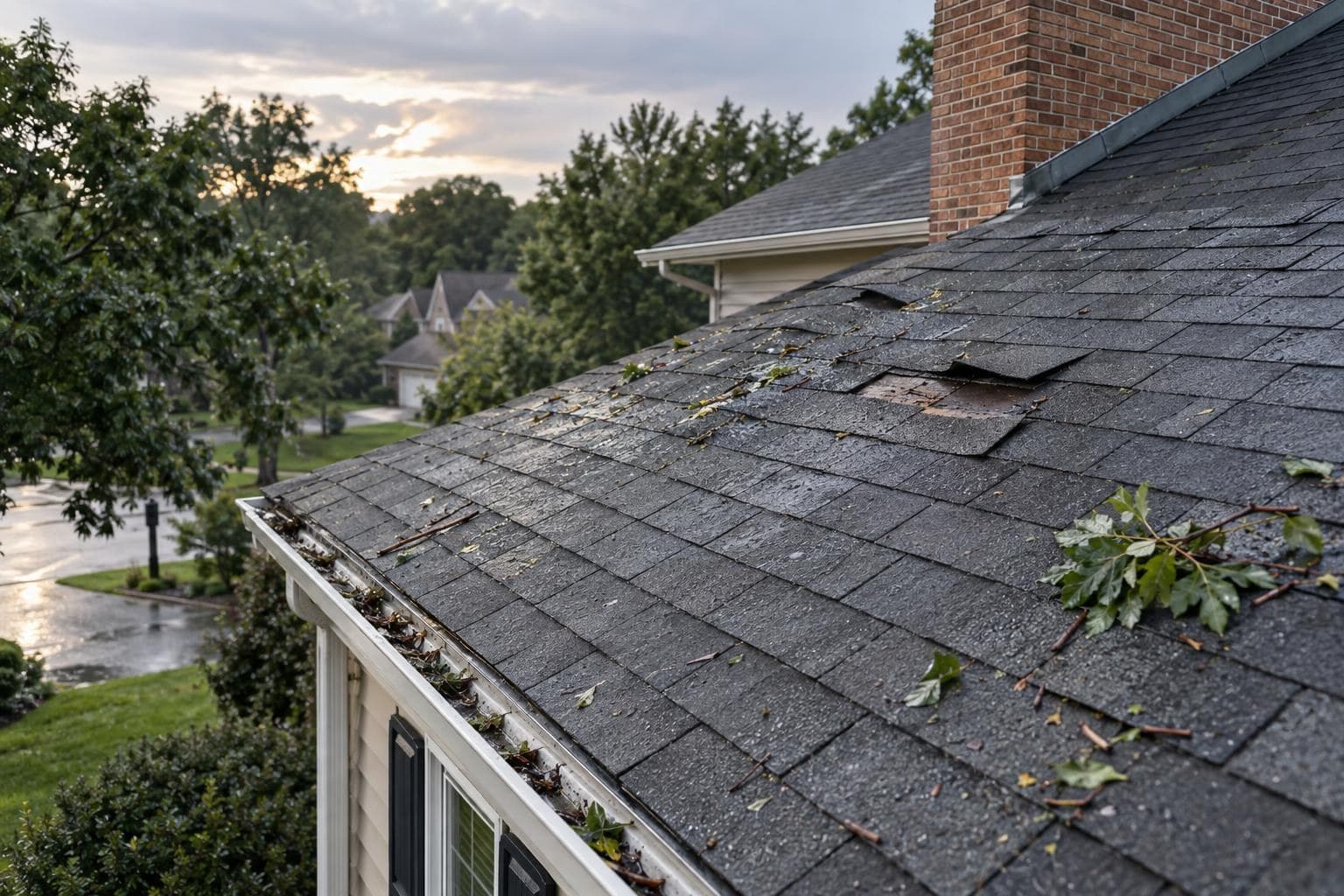
Focus on safety first, then water control, then proof. If you can do so safely from the ground, look for missing shingles, exposed underlayment, bent flashing, fallen branches, dented gutters, and debris around downspouts. Inside, check the attic and top-floor ceilings for wet insulation, fresh stains, dripping, or daylight where it should not be visible. If water is getting in, move belongings, place buckets, and reduce interior damage right away.
- Take wide photos of each roof slope from the ground, then closer photos of visible damage.
- Photograph interior signs of leaks, including ceilings, attic decking, insulation, walls, and flooring.
- Save a few blown-off shingle pieces or metal fragments if you can collect them safely.
- Write down the date of the storm, when you first noticed damage, and each room affected.
- Contact a qualified local roofing contractor quickly if you see active leaking, exposed areas, or impact from a tree or large branch.
How do you document roof storm damage for an insurance claim?
Use a simple, organized record that shows what changed and where. Take photos before temporary repairs if possible, then take more after tarping or water mitigation so there is a clean timeline. Keep notes by room and by roof area. If you have older roof photos from a home inspection, maintenance visit, or listing photos, keep those handy too. They can help show what was there before the storm and what appeared after it.
The Maryland Insurance Administration tells homeowners to get multiple bids from contractors and compare them with the adjuster’s report before settling the claim. It also advises you to be there when the adjuster visits and point out all damage. That matters because storm claims often get easier to understand when your photos, your roofer’s findings, and the adjuster report line up area by area.
When should you tarp a roof after a storm?
Tarp the roof as soon as there is a real risk of more water getting in. Tarping is a temporary step, not the repair itself, but it can limit interior damage while you wait for repair or replacement. If shingles blew off, flashing pulled loose, a branch punctured the roof, or rain is entering through a valley, ridge, chimney area, or vent penetration, temporary dry-in work usually makes sense.
Do not climb onto a wet, steep, or visibly damaged roof to do this yourself. A local contractor whose credentials you verified can handle emergency tarping more safely and document what the tarp is covering. Keep the receipt and photos of the temporary work. Those records help separate emergency mitigation from the permanent repair scope later.
Talk to a roofer today
Planning ranges, scope details, and a direct path to request a roofing quote.
How can you tell storm damage from normal roof aging?
Storm damage usually looks sudden, directional, or concentrated, while aging usually looks even, gradual, and widespread. Wind damage often shows up as lifted, creased, or missing shingles in specific patterns, especially along roof edges, ridges, and exposed slopes. Hail can leave fresh impact marks on shingles, soft metals, vents, gutters, and downspouts. Tree impact damage is more obvious, with punctures, crushed areas, or displaced roofing materials.
Age-related wear tends to show up as general granule loss, uniform brittleness, curling across many slopes, old sealant failure, or flashing that has simply worn down over time. In Maryland, that line can get blurry because roofs often wear down from moisture, wind, and repeated freeze-thaw cycles before a storm ever arrives. A storm may create the leak you notice, while an older weak spot made it easier for water to get in. That is why careful photos, attic evidence, and a written inspection matter.
Should you call your insurance company or a roofer first?
If the roof is actively leaking, call a roofer whose credentials and written scope you checked first to help prevent more damage, then report the loss to your insurer as soon as possible. The Maryland Insurance Administration says you should report property damage as soon as possible, ask your insurer about an advance payment if you need help quickly, and ask about living expenses. The Maryland Insurance Administration advises policyholders to ask the insurer which additional living expenses apply when covered damage makes the home uninhabitable.
Once the immediate threat is controlled, line up an inspection and compare the roofer’s scope with the adjuster report before you settle. Also know this: the Maryland Home Improvement Commission says a home improvement contractor may prepare an estimate for storm repair, but may not prepare the insurance claim for you, negotiate the claim with the insurance company, or advise you on policy coverage unless that person is licensed as a public adjuster by the Maryland Insurance Administration.
What should you know before signing a storm repair contract in Maryland?
Check who you are hiring before you sign anything, and do not agree to deductible games. In Maryland, roofing work on a home generally falls under home improvement. The Maryland Home Improvement Commission says it licenses and regulates home improvement contractors and salespersons, and that home improvement work includes repair or replacement of a building or part of a building used as a residence. It also says only MHIC licensed contractors may enter into contracts with homeowners to perform home improvement work. For you, that means a smart first step is to check the contractor or salesperson license status through the state resource before you sign anything.
The Maryland Insurance Administration says state law makes it illegal for contractors or roofers to offer to waive a deductible or to promise a rebate for your deductible. It also says your insurer may request proof, such as a receipt or canceled check, that you paid the deductible. Keep every invoice, receipt, and payment record from temporary tarping through final repair.
How much do storm roof repairs or replacement cost in Maryland?
For a storm-damage roof project in Maryland, begin with documented damage, the policy deductible, and a property-specific repair or replacement scope. Use the current Maryland cost page and calculator to plan a storm-damage roof project in Maryland, then require the measured scope to explain any meaningful difference. When planning a storm-damage roof project in Maryland, ask how roof shape, staging, weather, inspections, and concealed deck conditions affect both duration and labor.
Those numbers are useful when you compare a repair path against a full replacement after storm damage, especially if the roof already had age-related wear before the storm.
Is it worth upgrading to an impact-resistant roof after storm damage?
It can make sense if your roof has repeated hail or wind exposure and you plan to stay put. If you are considering a Class 4 impact-resistant roof, ask your insurer whether it offers a discount and what documentation it requires. Do not assume a statewide Class 4 credit in Maryland; ask the carrier to verify eligibility and paperwork for the exact product and policy. A local roofer you have vetted can help you understand product documentation, but your carrier decides eligibility and savings.
The key is to separate the upgrade decision from the storm claim itself. Your claim is about covered damage. Your upgrade choice is about what you want next, what your budget looks like, and whether stronger impact resistance fits your long-term plans for the home.
Sources
- National Association of Insurance Commissioners: What You Need to Know When Filing a Homeowners Claim
- Insurance Institute for Business & Home Safety: Natural Weathering and Hazard Exposure
- Maryland Insurance Administration, What to do After a Natural Disaster
- Maryland Insurance Administration, Consumer Advisory on obtaining homeowners insurance and the JIA
Reviewed technical references for Maryland
Related Maryland roofing guides
Related services
Updated July 10, 2026
3D Roofs Editorial Team
Editorial Standards