Updated July 10, 2026

3D Roofs Editorial Team
Editorial Standards
If a storm hits your roof in Massachusetts, start with safety, photos, and temporary protection. The first 48 hours are about stopping more damage, building a clean paper trail, and figuring out whether the problem came from the storm, normal aging, or both. Your roof in Massachusetts has to handle freeze and thaw cycles, snow and ice, wind-driven rain, and coastal salt air in some areas. Winter moisture can turn small roof weaknesses into leaks. Snow load and ice can stress shingles, flashing, and roof edges. Wind and storms can lift aging materials, especially near the coast. Over time, that mix tends to reward tight flashing details, solid attic ventilation, and fast repair of small damage before another season makes it worse.
What should you do in the first 48 hours after storm damage?
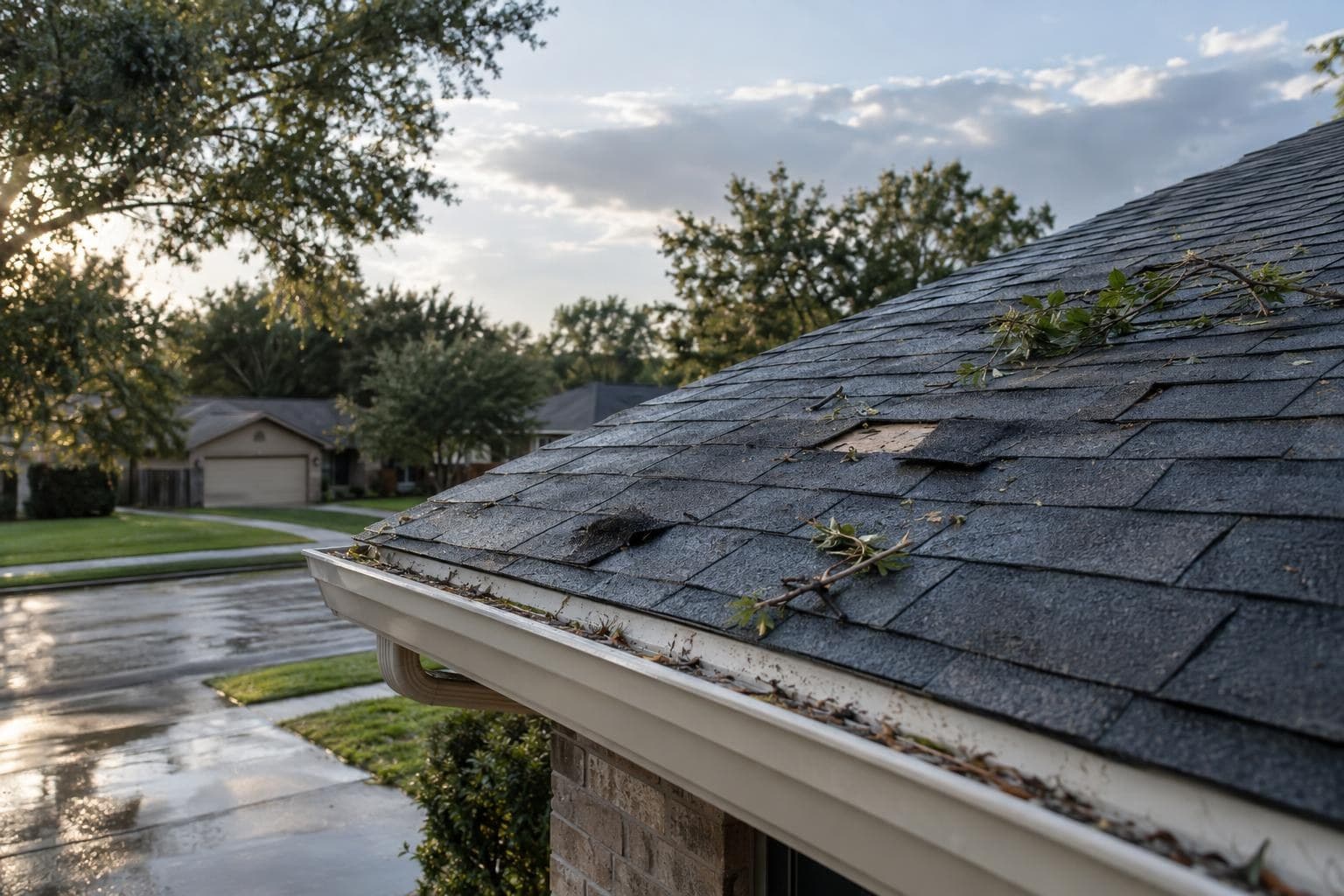
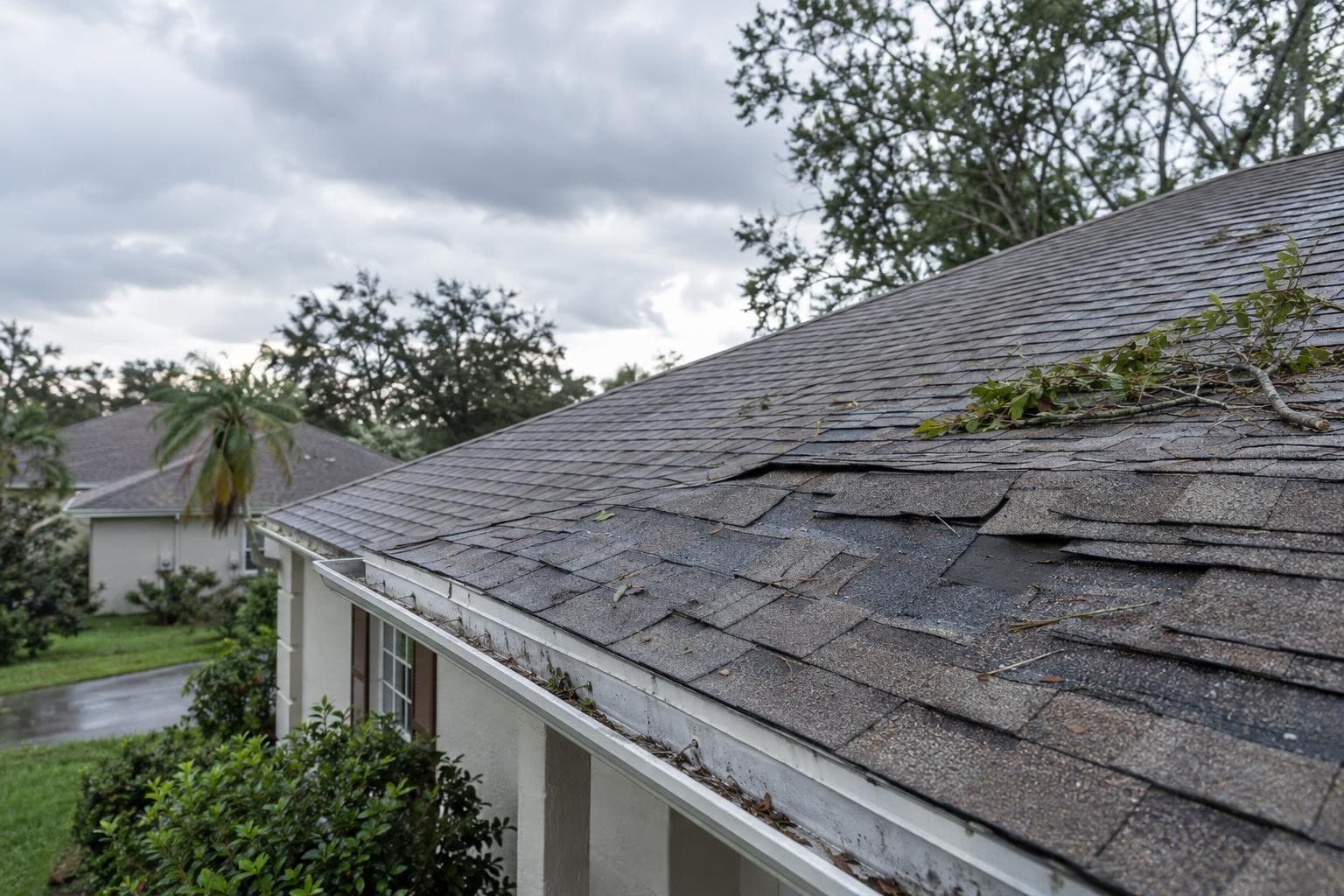
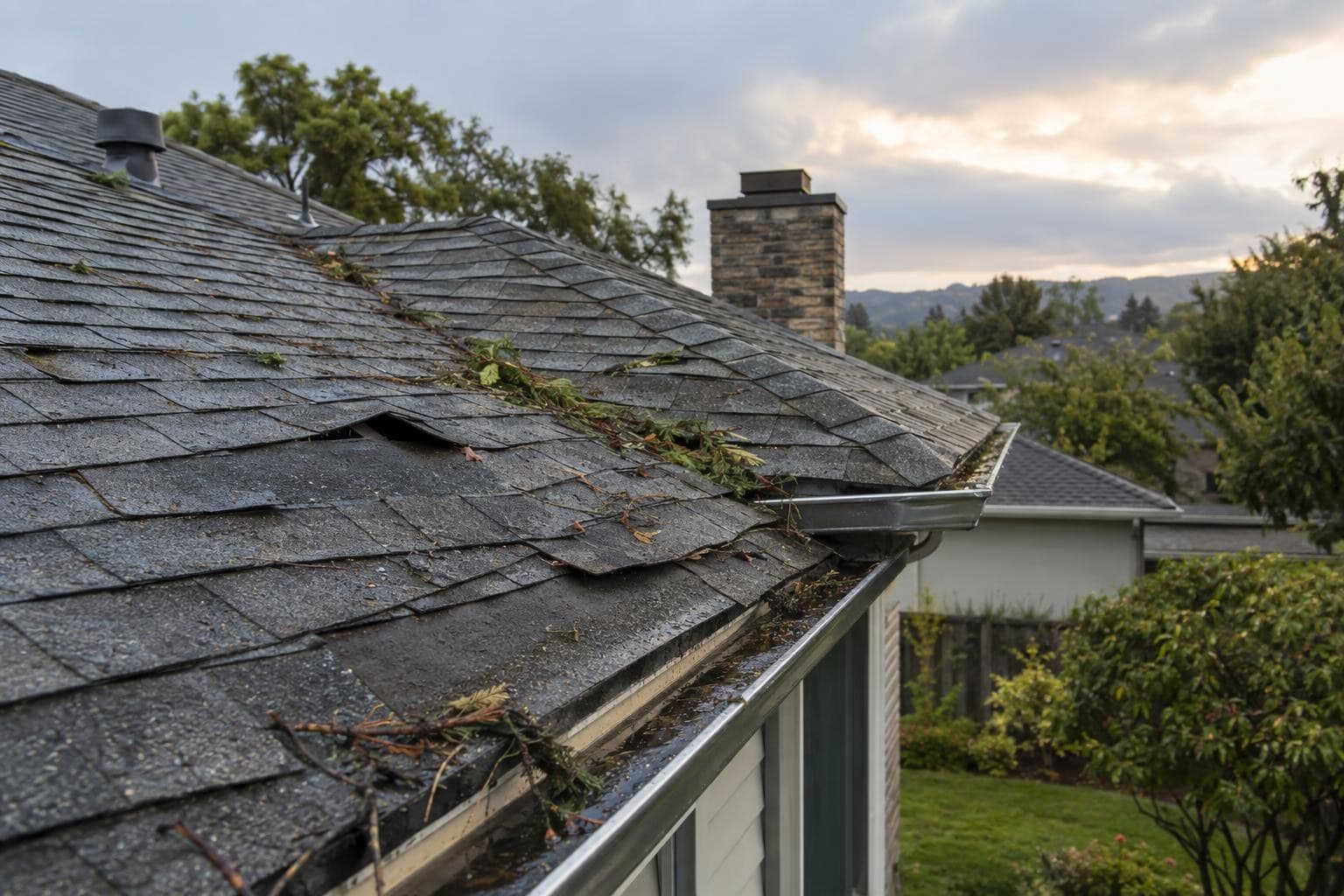
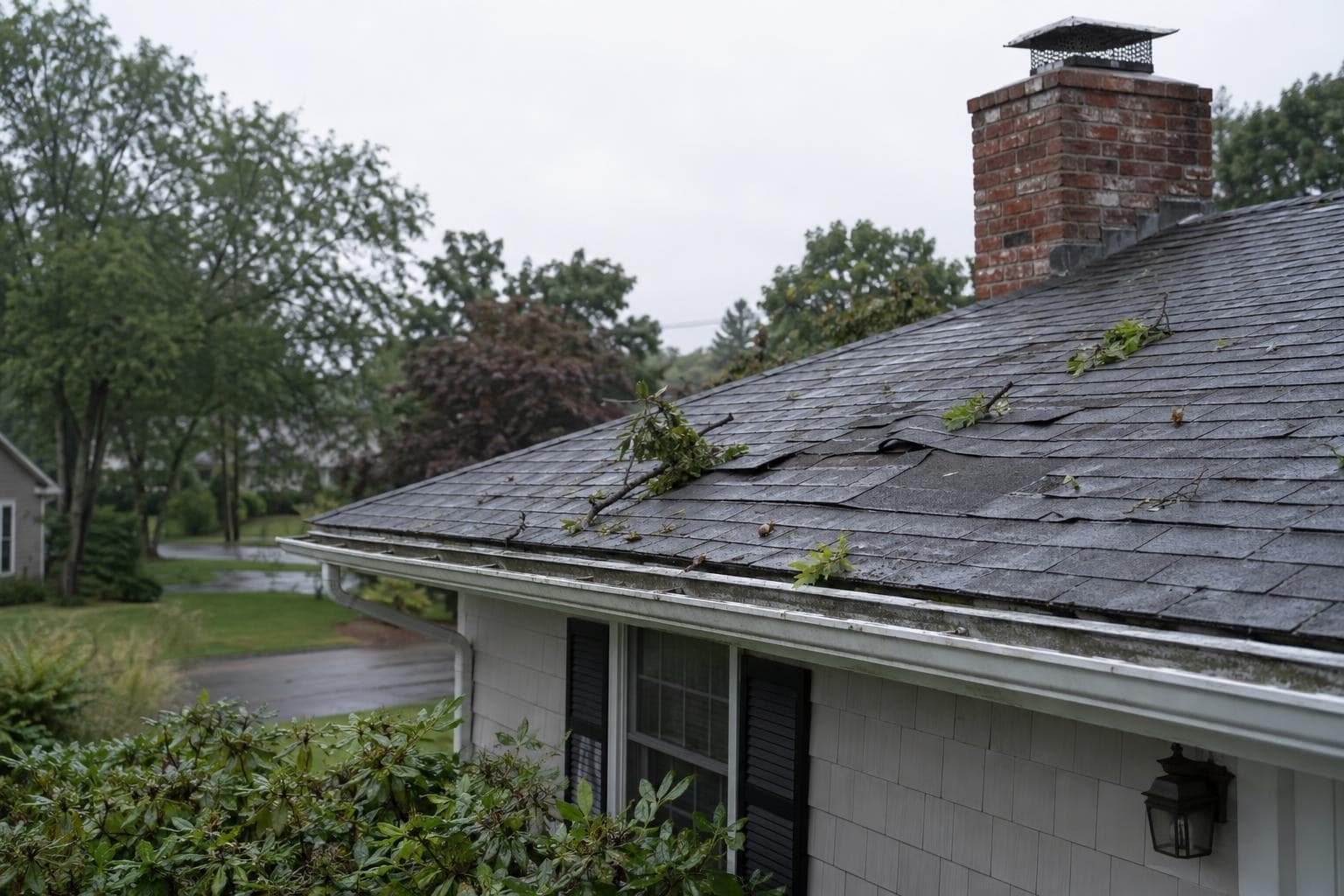
Act quickly, but do not put yourself at risk. Start inside the house. If you see active leaking, move belongings, put down buckets, and take photos of water stains, wet insulation, dripping ceilings, and any damaged personal property. Then walk the ground around your home and look for visible signs like shingles in the yard, bent gutters, damaged flashing, or tree limbs on the roof. If it is safe, take wide photos of each roof slope from the ground and closer photos of anything you can see clearly. Avoid climbing onto a wet, steep, or visibly damaged roof. a roofer whose credentials and written scope you checked can handle the close inspection and emergency protection.
Do you need to call your insurance company right away?
Yes, you should notify your carrier as soon as you suspect storm damage. The Division of Insurance says most homeowner insurance policies generally require you to give immediate notice of a possible claim, protect your property from further loss or damage, and keep records and receipts if you make temporary repairs. Massachusetts's division of Insurance also says not to dispose of damaged property until your producer, claims adjuster, or company says you can. That means you should save receipts for tarps, buckets, emergency dry-out, and other temporary steps. Keep damaged shingles, flashing pieces, or other materials if they came off during the storm, unless your carrier tells you otherwise.
How should you document roof damage for a claim?
The best documentation is simple, organized, and time-stamped. Take overview photos of the whole house, then medium shots of each damaged area, then close-ups. Photograph interior leaks and exterior roof symptoms on the same day if possible. Write down the date of the storm, when you first noticed the damage, what rooms were affected, and what temporary steps you took. Save every receipt and keep a running list of calls, emails, and claim numbers. If your insurer denies any part of the claim, Massachusetts's division of Insurance says you should ask for the denial in writing and keep all paperwork. If you think the amount offered is not fair, Massachusetts's division of Insurance says you can first try to resolve the dispute directly with the insurance company, demand appraisal as provided by your policy, file a complaint with the Division of Insurance, file a claim in small claims court, hire a lawyer, or request review by an arbitration panel.
Talk to a roofer today
Planning ranges, scope details, and a direct path to request a roofing quote.
Should you tarp the roof right away?
Yes, if the roof is open to water, temporary protection matters. Tarping is not the final repair, but it can keep a bad situation from getting worse while your claim and repair plan move forward. In Massachusetts, that is especially important because winter moisture can turn small roof weaknesses into leaks, and wind-driven rain can push water into areas that looked minor at first. The key is to prevent further loss without creating a new safety problem. If water is actively entering the home, call a local roofer you have vetted for emergency service. Keep the receipt and take photos before and after the tarp goes on, because Massachusetts's division of Insurance says you should document temporary repairs.
How can you tell storm damage from normal roof age?
The short answer is pattern and timing. Storm damage usually shows up as a specific change tied to a weather event, while age shows up as broader wear that has built up over time. Wind damage may leave creased, lifted, or missing shingles in one area or along exposed roof edges. Wind-driven rain may show up around flashing, valleys, chimneys, and wall intersections. Age-related wear usually looks more uniform, such as widespread granule loss, curling, brittle tabs, repeated patching, or old flashing that has simply reached the end of its service life. In Massachusetts, freeze and thaw cycles, snow and ice, and coastal exposure in some areas can make older materials more likely to fail during a storm. That does not mean the storm did nothing. It often means the storm exposed a weak point that was already there.
- Storm damage often looks sudden: fresh tears, lifted tabs, missing shingles, bent metal, new leaks after a known weather event.
- Age-related wear often looks gradual: widespread fading, brittleness, repeated small repairs, and old seal failure.
- Both can exist at the same time: a storm can damage a roof that was already worn, which is why good photos and a prompt inspection matter.
- Interior timing helps: a ceiling stain that appears right after a storm supports a storm-related timeline, even if the roof also shows older wear.
What if the insurance company says the roof is just old?
Ask for a clear explanation in writing and compare it to the physical evidence. Carriers may look at whether damage is isolated to a storm path or spread evenly across the roof, whether broken seals and brittleness appear long-standing, and whether repairable sections still have enough life left to justify spot work. If you disagree, keep your paperwork and use the options the state outlines. Massachusetts's division of Insurance says you can first try to resolve the dispute directly with the insurance company, demand appraisal as provided by your policy, file a complaint with the Division of Insurance, file a claim in small claims court, hire a lawyer, or request review by an arbitration panel. A qualified local roofing contractor can also document what is storm-related versus what appears to be older wear.
How much do storm repairs or replacement usually cost in Massachusetts?
For a storm-damage roof project in Massachusetts, begin with documented damage, the policy deductible, and a property-specific repair or replacement scope. Check current Massachusetts cost data for a storm-damage roof project in Massachusetts, then replace the range with an assembly-specific proposal based on measured conditions. Before approving a storm-damage roof project in Massachusetts, have the bidder connect timing to roof complexity, crew access, material handling, weather, inspections, and concealed conditions.
How long does roof replacement take after a storm?
The bigger delay after a storm is usually inspection, claim handling, material selection, and weather windows, not the tear-off itself. Your claim payment may also come in stages. The Division of Insurance says your full claim payment may come in multiple payments. It says the first payment will likely be an emergency advance, and that if you have replacement cost coverage, the insurance company will pay the difference between replacement cost and actual cash value once it has received proof that repairs are complete. Massachusetts's division of Insurance also says that if you have a mortgage, the insurer is obligated to include your lender on the check for major repairs.
Should you upgrade materials after storm damage?
Usually, yes, it is worth comparing your options while the roof is already under review. If your current roof struggled with wind, snow, ice, or recurring leak points, a replacement is your chance to improve the full system, not just swap shingles. In Massachusetts, that can mean better flashing details, stronger roof edge work, and attic ventilation that helps manage winter moisture. If you are considering impact-resistant shingles, ask your carrier whether a Class 4 roof qualifies for any premium discount or underwriting credit. A Class 4 rating does not establish a policy credit in Massachusetts; the carrier and policy determine eligibility, documentation, and savings. A local contractor whose credentials you verified can help you compare roofing options, but your insurer decides eligibility and savings.
How do you choose the right roofer after a Massachusetts storm?
Start with the questions Massachusetts says matter. For residential work on an existing owner-occupied home with one to four units, Massachusetts's division of Insurance says contractors that solicit, bid on, or perform that work must be registered as Home Improvement Contractors. Massachusetts's division of Insurance also says an HIC Registration is different from a Construction Supervisor License and they are not interchangeable. For most existing 1- to 4-family owner-occupied homes, a licensed construction supervisor or a registered design professional must oversee construction, and the contractor must also register with the home improvement program. So when you compare roofers, ask your roofer whether the company holds current HIC registration, who will provide the required construction oversight, and whether your city or town has added requirements. Massachusetts's division of Insurance also says Massachusetts does not recognize out of state contractor licenses, and to always check with the municipal building official in the city or town where the project is located for additional licensing requirements.
The bottom line is simple: in the first 48 hours, document everything, stop further water entry, and move fast on inspection and claim notice. Massachusetts weather is hard on roofs, and small storm damage can get worse quickly when the next rain, freeze, or snow arrives. If you want a clear repair or replacement path, start with photos, receipts, and a professional inspection, then use the Massachusetts cost page and the calculator to understand your the latest local cost data before you decide what comes next.
Sources
Reviewed technical references for Massachusetts
Related Massachusetts roofing guides
Related services
Updated July 10, 2026
3D Roofs Editorial Team
Editorial Standards