Updated July 27, 2026

3D Roofs Editorial Team
Editorial Standards
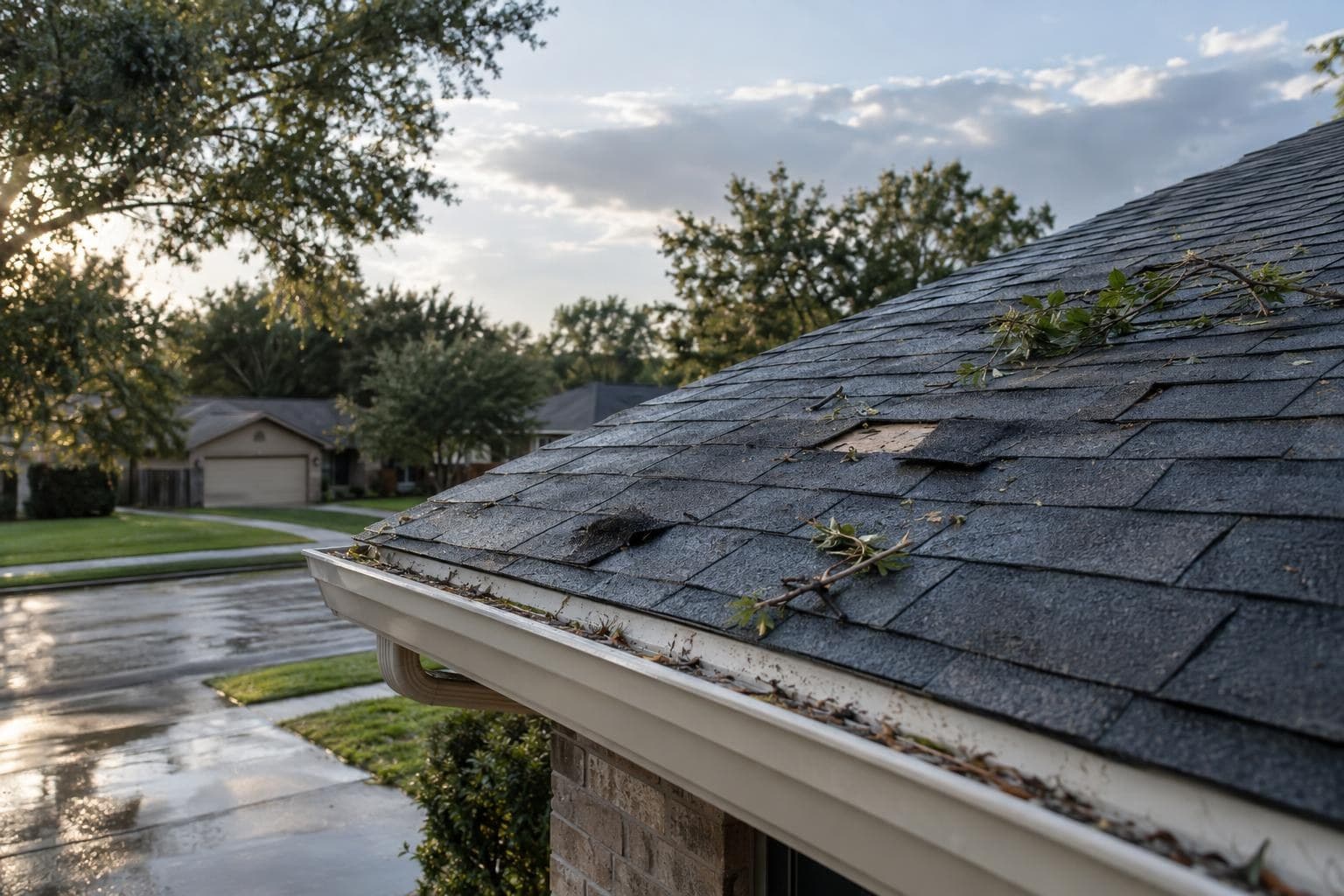
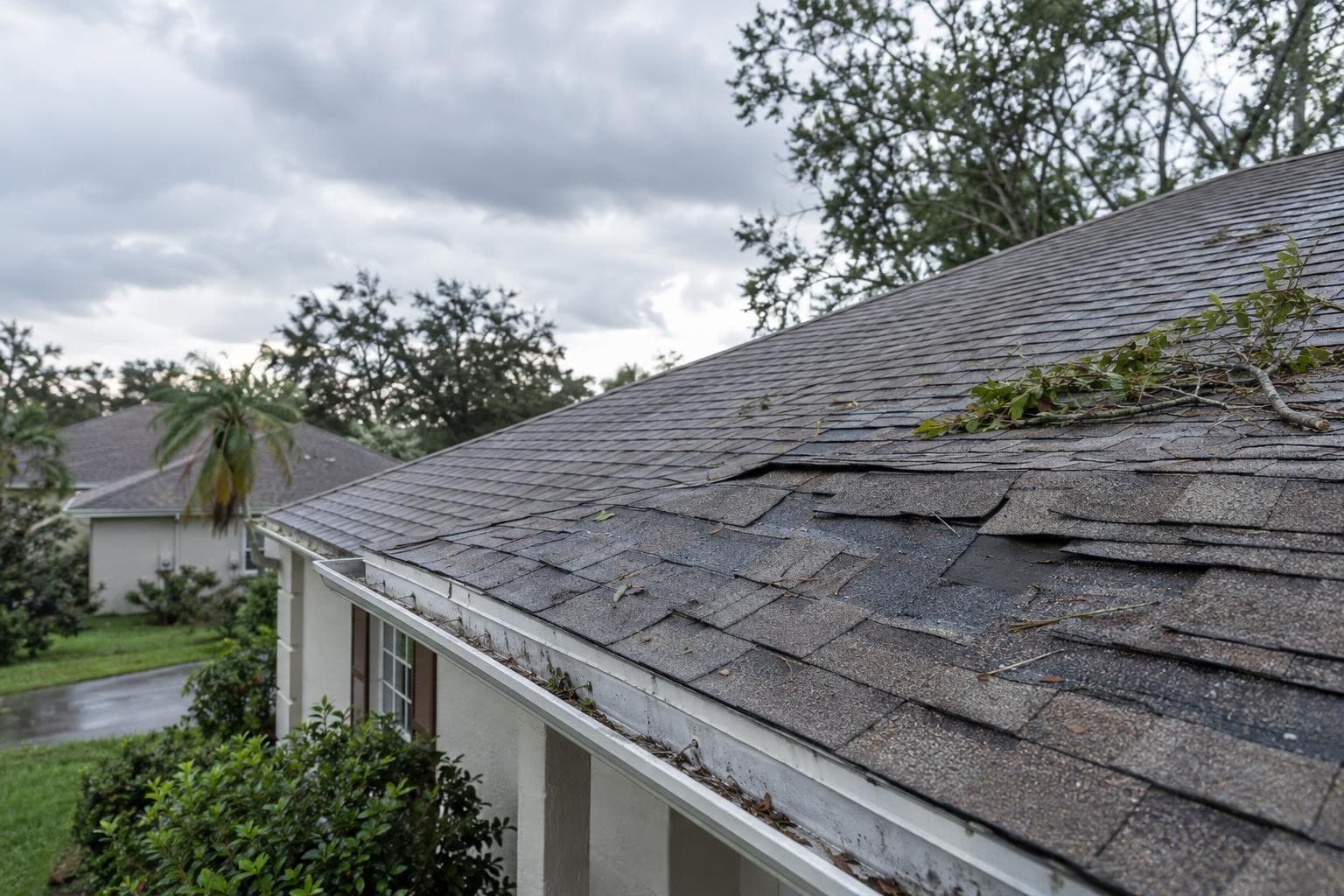
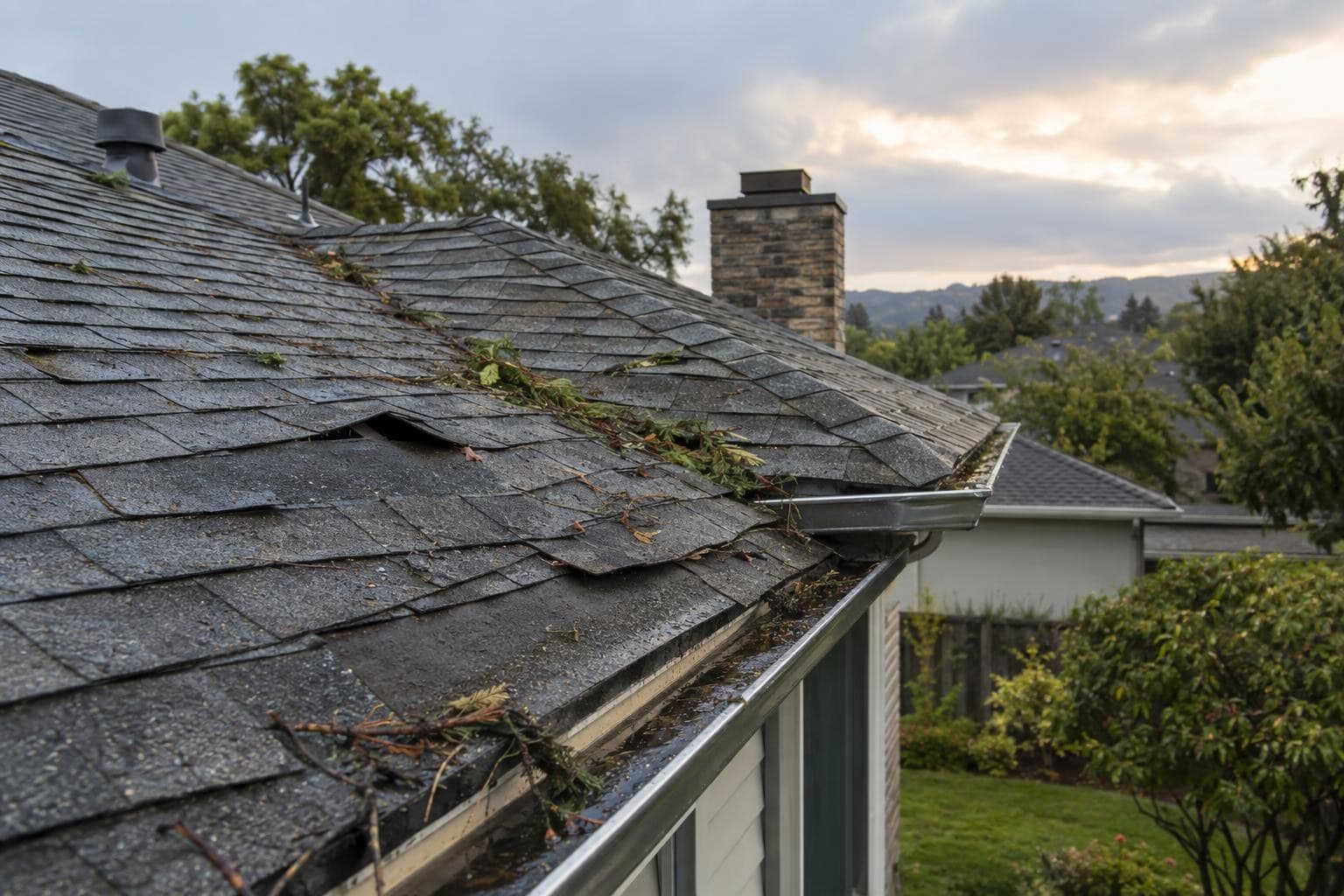
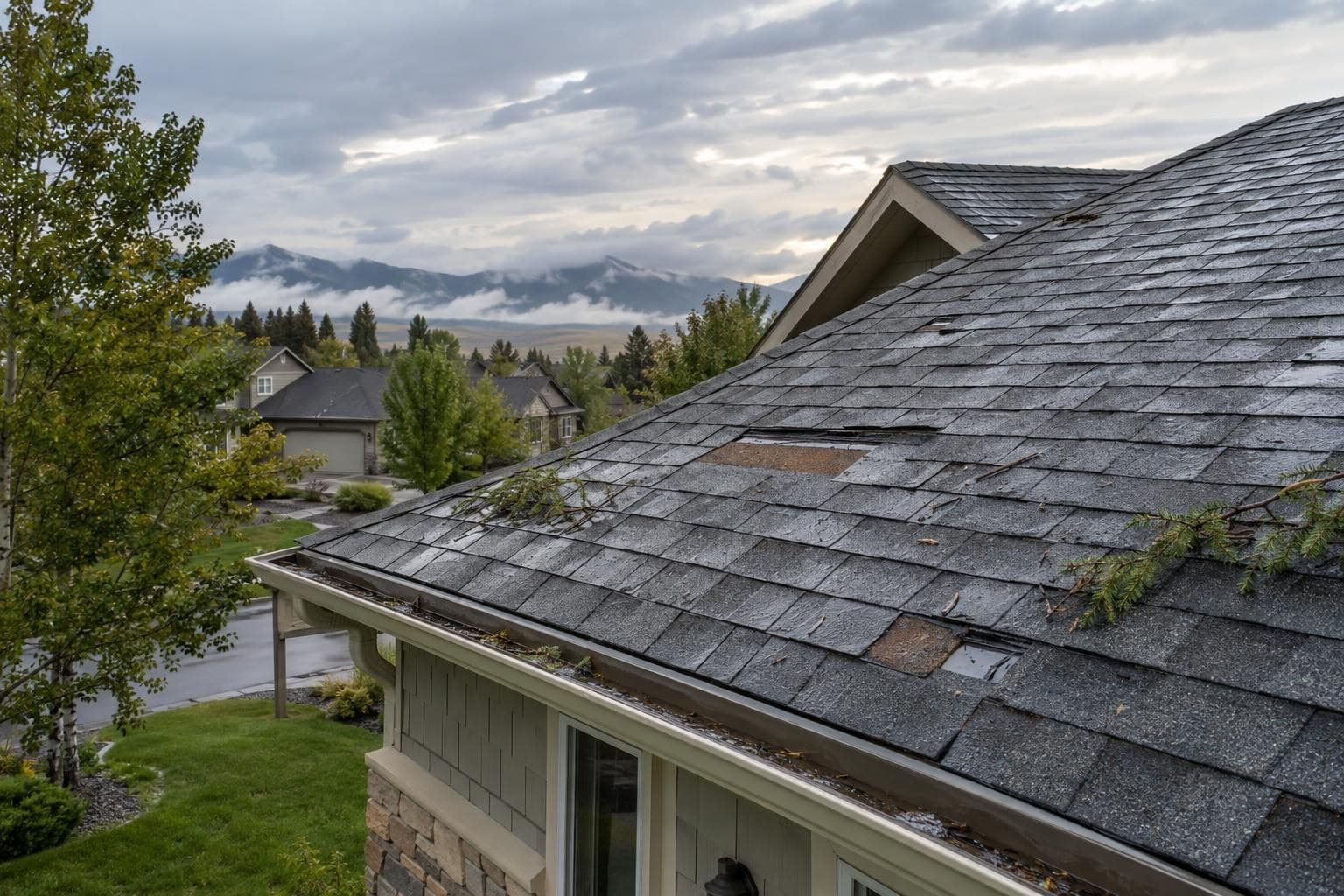
After a storm hits your Montana roof, act fast but do not rush blindly. Your best move in the first 48 hours is to document everything before cleanup, protect the home from more water intrusion, and start the claim process with your insurer. In Montana, your roof can be exposed to hail, wind-driven rain, and fast-moving storms. Hail is a standout risk in the state guidance, and even when damage looks minor from the ground, it can leave bruising, punctures, lifted roofing materials, and openings that let water in later.
What should you do in the first 48 hours after a roof storm in Montana?
Start with safety, documentation, and temporary protection. Montana's insurance regulator says you should take photos and document damage before you begin to clean up or repair. It also says you should take steps to prevent further destruction of the property, including covering broken windows and holes in roofs and placing coverings over areas that could get water or wind damage. That means your first steps are simple: look for active leaks inside, move valuables away from water, photograph visible damage, and arrange temporary covering if the roof has openings or lifted areas.
- Take wide and close photos of roof damage you can safely see from the ground.
- Photograph interior water stains, wet insulation, ceiling bubbles, and damaged belongings.
- Write down the date of the storm and what you noticed first, such as hail, high wind, or leaking.
- Do not throw away damaged materials if they can help show what happened.
- Use temporary protection, such as tarping roof openings, after you document the damage.
- Keep receipts for emergency supplies and temporary work.
Should you call your insurance company or a roofer first?
Call your insurance company first to get the claim started, then have a qualified local roofing contractor inspect the roof and help you understand the damage. State guidance says you should contact your insurance company and get the claims process started, then review your policy to understand your deductible, what is and is not covered, and your responsibilities. That helps you make repair decisions based on your policy instead of pressure from a contractor. A roofer can then give you a written assessment, help identify urgent temporary protection, and provide a written bid if repairs or replacement are needed.
How do you document storm damage the right way?
The right way is to create a clean record before cleanup or permanent repairs begin. Take timestamped photos from multiple angles, keep notes in one place, and match each photo to a short description. In Montana, this step matters because damage from hail and wind can be easy to miss at first and may show up later as leaks or material failure. Good documentation makes it easier to show what was caused by the storm and what condition the roof was in right after the event.
- Photograph each roof slope if visible, plus gutters, downspouts, vents, flashing, siding, windows, and outdoor equipment.
- Inside the house, photograph ceilings, attic moisture, wet framing, insulation, and floor protection you put down.
- Save weather alerts, claim emails, inspection notes, and receipts together.
- Ask your roofer for a written scope, not just verbal comments.
- If an adjuster visits, take notes on what was inspected and what was discussed.
Talk to a roofer today
Planning ranges, scope details, and a direct path to request a roofing quote.
When should you tarp a storm-damaged roof?
Tarp the roof as soon as there is an opening, active leaking, or a clear risk of water getting in, but only after you document the damage. Montana weather pushes you to act quickly on temporary protection after a storm, such as covering roof openings, while still documenting everything before cleanup so you do not make the claim process harder on yourself. If conditions are unsafe, do not get on the roof yourself. Have your roofer handle temporary protection. The goal is not a pretty fix. The goal is to stop more damage until the permanent repair plan is set.
How can you tell storm damage from normal roof aging?
The shortest answer is this: storm damage usually looks sudden, directional, and localized, while age-related wear looks gradual and spread out. Hail can leave bruising, punctures, or impact marks. Wind can crease shingles, lift tabs, pull flashing loose, or tear materials away at edges and ridges. Age shows up more as even granule loss, long-term drying, curling, brittle shingles, and general wear across the whole roof. The hard part is that an older roof can have both, and insurers often look closely at that difference. A storm may have created the leak, while the roof's age made the damage worse.
- Possible storm signs: impact marks, missing shingles, sharp tears, fresh lifted tabs, displaced flashing, dented metal components, sudden leaks after the storm.
- Possible age signs: widespread brittleness, uniform wear, long-term curling, surface aging across many slopes, repeated old patchwork.
- Mixed condition signs: an aging roof with a few fresh wind tears or hail strikes from the recent storm.
What should you watch out for after a Montana hail or wind storm?
Watch out for damage that does not look dramatic from the driveway. In Montana, hail is a standout risk, and even when damage looks minor from the ground, it can leave bruising, punctures, lifted roofing materials, and openings that let water in later. That is why a roof can seem fine right after the storm and then start leaking days or weeks later. It is also why you should be careful with quick opinions from anyone who knocks on your door right after bad weather.
Montana also warns homeowners about high-pressure storm repair tactics. The Montana Commissioner of Securities and Insurance tells homeowners to beware of high-pressure sales tactics, "storm chasers," and unsolicited offers from contractors. The guidance says not to feel rushed to sign a repair contract, to get multiple bids, to check references, and to choose a contractor who will work with you and your insurance adjuster to assess damage and repair costs.
How do you choose a roofer after storm damage?
Choose a local contractor whose credentials you verified, get written bids, and do not pay in full before the work is completed. State guidance says to always get written bids before authorizing work to begin, get a written contract, and never pay in full for work before it is completed. It also says to pay with a check or credit card, never cash, and not to pay for work that has not yet been completed. Montana's contractor registration rules matter, but they do not replace your own homework. Ask your roofer for proof of current Montana standing, verify it through the state, get references, and insist on a written contract that spells out scope, materials, timing, payment tied to completed work, and responsibility if the job is not finished.
How much does storm damage roof repair or replacement cost in Montana?
For a storm-damage roof project in Montana, begin with documented damage, the policy deductible, and a property-specific repair or replacement scope. If the storm damage is widespread or the roof was already near the end of its service life, replacement may make more sense. Use the current Montana cost page and calculator to plan a storm-damage roof project in Montana, then require the measured scope to explain any meaningful difference. When planning a storm-damage roof project in Montana, ask how roof shape, staging, weather, inspections, and concealed deck conditions affect both duration and labor.
If you are considering impact-resistant shingles, ask your carrier whether it offers a discount for a Class 4 roof covering. Do not assume a statewide Class 4 credit in Montana; ask the carrier to verify eligibility and paperwork for the exact product and policy. You should also confirm the product rating and the documentation your insurer wants before you replace the roof.
What is the smartest next step if you are not sure how bad the damage is?
The smartest next step is to get the claim started, protect the home from further damage, and have a roofer whose credentials and written scope you checked give you a clear written assessment. That gives you a real record of what happened, helps separate fresh storm damage from old wear, and puts you in a better position to decide whether a repair is enough or a replacement is the better investment. In Montana, where hail, wind-driven rain, and fast-moving storms can leave hidden roof damage, waiting too long can turn a manageable problem into interior damage, mold, or a bigger insurance dispute.
Sources
- National Association of Insurance Commissioners: What You Need to Know When Filing a Homeowners Claim
- Insurance Institute for Business & Home Safety: Natural Weathering and Hazard Exposure
- Montana Commissioner of Securities and Insurance, Hail consumer guidance
- Montana Department of Labor and Industry, Construction Contractor Registration
Reviewed technical references for Montana
Related Montana roofing guides
Related services
Updated July 27, 2026
3D Roofs Editorial Team
Editorial Standards