Updated July 10, 2026

3D Roofs Editorial Team
Editorial Standards
If a storm just hit your Nebraska roof, start with three steps: document what you can safely see, prevent further damage with temporary protection if needed, and line up a full roof inspection. Nebraska roofs take repeated exposure from hail, strong wind, heavy rain, snow, ice, and sharp temperature changes. That mix can shorten shingle life, loosen flashing, damage gutters, and turn small storm hits into leaks if repairs wait too long. Your goal in the first 48 hours is not to diagnose every problem yourself. It is to create a clear record, limit new damage, and make smart decisions before small issues spread.
What should you do in the first 48 hours after a storm hits your Nebraska roof?
Do the safe, high-value steps first: check for active leaks inside, photograph visible damage, report the issue quickly, and use temporary protection if water is getting in. The Nebraska Department of Insurance says to report damages as soon as possible and keep a log of all communications, including names, dates, and topics discussed. It also says to take photos and videos and make a detailed list of damaged or destroyed items.
- Inside your home, look for ceiling stains, wet insulation, peeling paint, dripping water, and damp attic areas.
- Outside, only inspect from the ground if conditions are unsafe. Take wide photos of each roof slope, gutters, downspouts, siding, windows, deck surfaces, and anything hit by debris or hail.
- Write down the storm date, approximate time, and what you observed, such as hail size, strong wind, blown-off shingles, or water entry.
- Call your insurer to start the claim if damage appears likely. Keep a paper trail of every call, email, and text.
- If water is actively entering, arrange temporary protection. Do not jump straight to permanent repair work.
Should you tarp the roof right away?
Yes, if the roof is actively leaking or open to weather, temporary tarping is the right move. The Nebraska Department of Insurance says you should make only temporary repairs to prevent additional losses, save receipts for reimbursement, and not make any permanent repairs until an adjuster inspects the damage. That means a tarp, temporary seal, or other short-term protection can make sense, but a full repair or replacement should wait until the damage has been documented and the claim process is underway.
This matters in Nebraska because the same weather pattern that caused the first damage can be followed by more rain, wind, or temperature swings. A small puncture, lifted shingle edge, or flashing gap can turn into interior damage fast. If tarping is needed, have your roofer handle it safely and keep every receipt, photo, and note tied to that emergency work.
What should you photograph and write down for a storm damage claim?
Photograph everything you can safely see, then back it up with notes and receipts. Good documentation makes it easier to show what changed after the storm and what emergency steps you took. The best record is simple, organized, and tied to dates.
- Take overview photos of all sides of the house, then closer photos of missing shingles, bent flashing, damaged vents, dented gutters, bruised downspouts, and debris impact areas.
- Photograph interior signs of leaks, including ceilings, walls, attic framing, insulation, and personal property if affected.
- Save photos of temporary tarping or other emergency protection before and after it is installed.
- Keep receipts for tarps, buckets, drying equipment, cleanup, and emergency service calls.
- Maintain a claim log with names, dates, topics discussed, inspection times, and what each person told you.
Talk to a roofer today
Planning ranges, scope details, and a direct path to request a roofing quote.
How can you tell storm damage from normal roof aging?
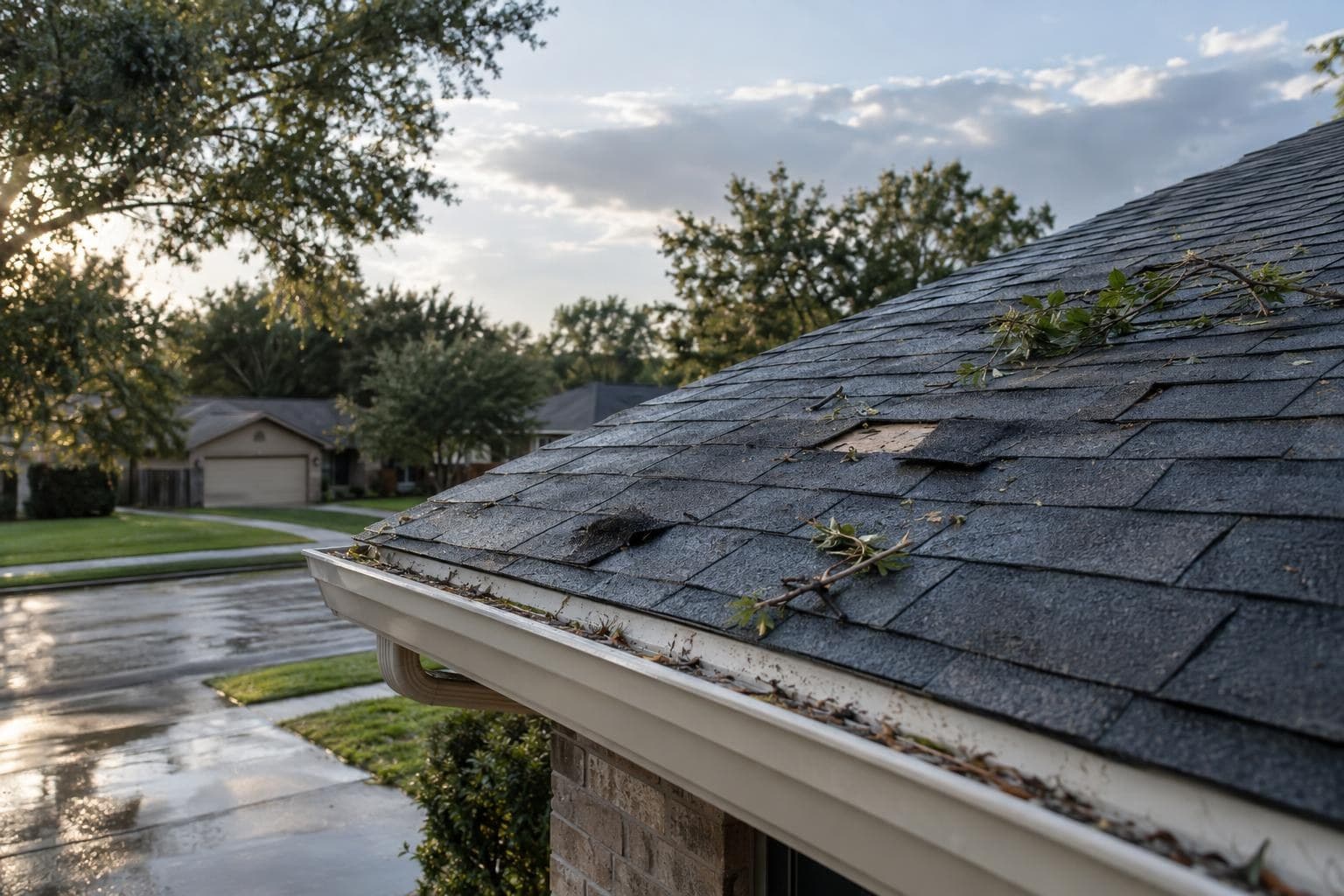
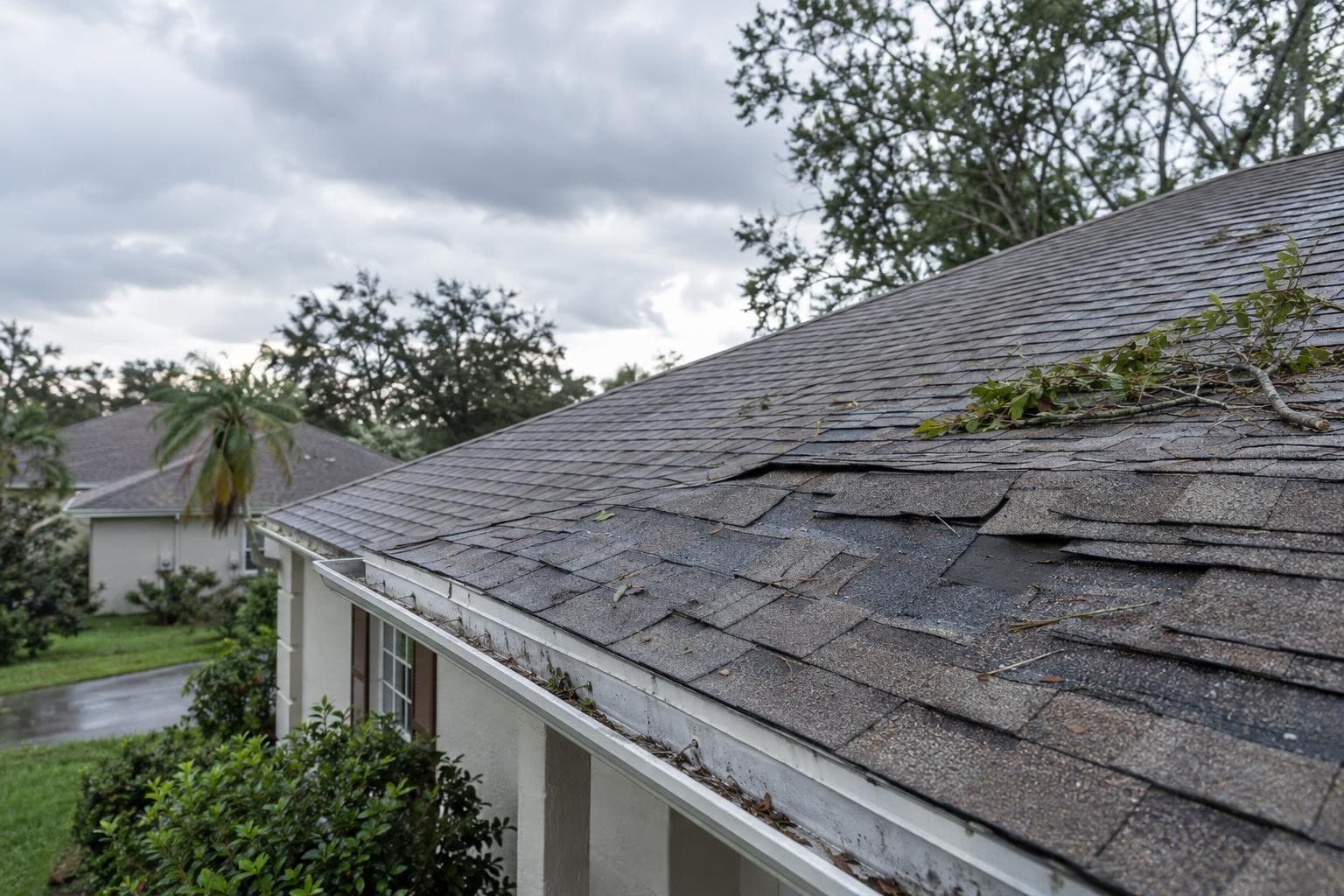
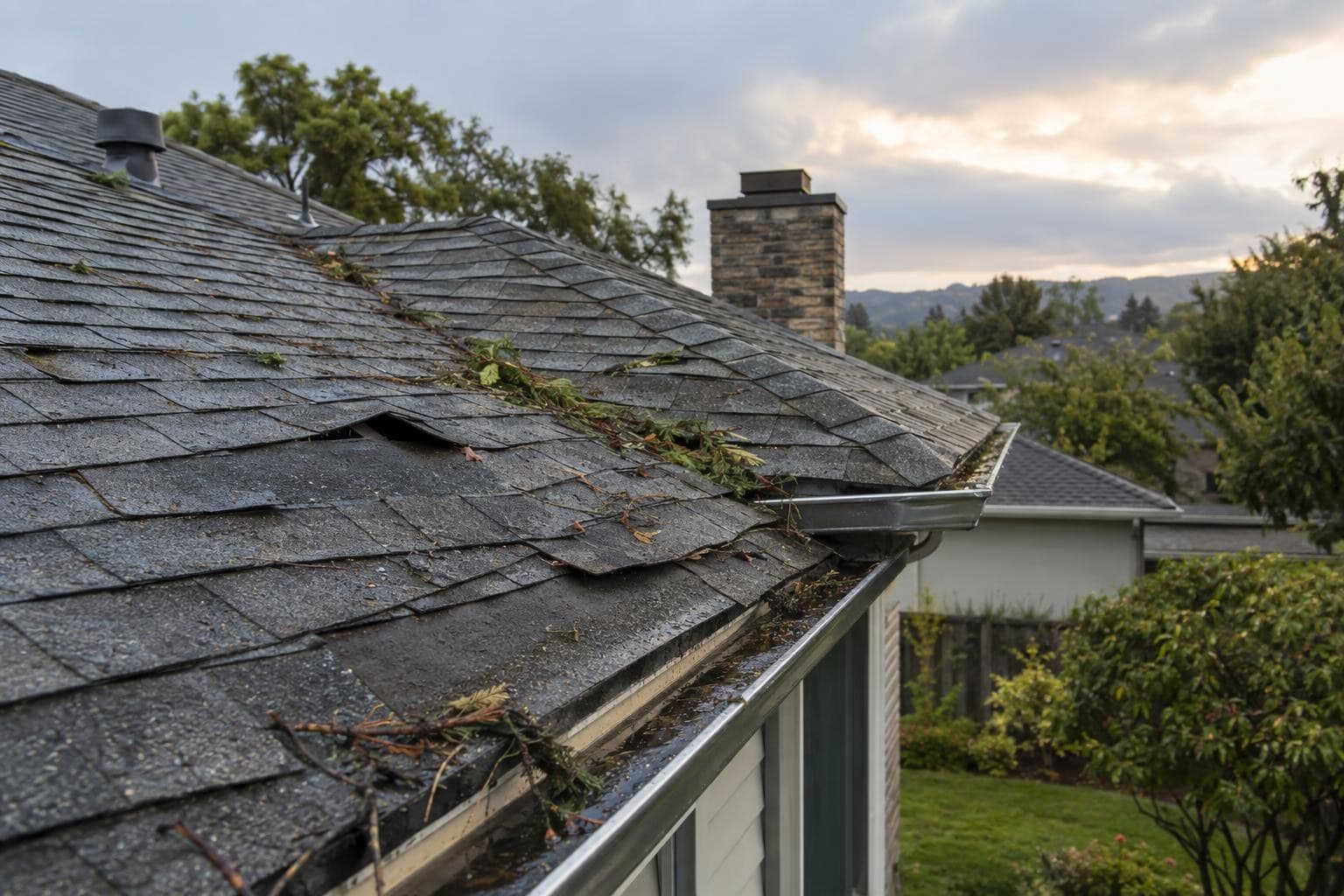
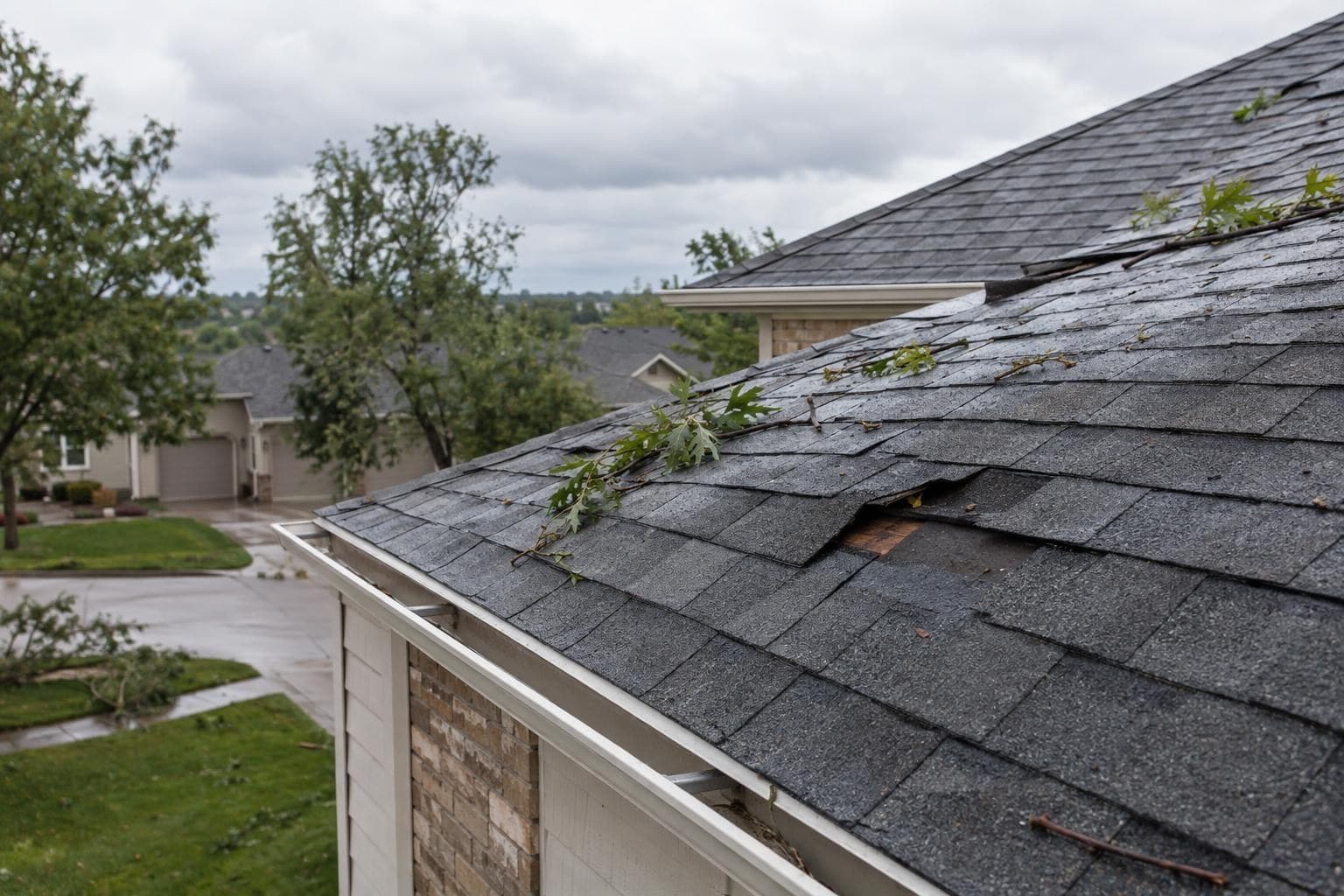
Storm damage usually shows up as a sudden change tied to one weather event, while age tends to look more even and gradual. On an aging roof, you may see widespread granule loss, curling, general brittleness, and wear that appears fairly consistent across many areas. Storm damage is more often directional or concentrated: missing tabs after high wind, creased shingles, fresh tears, punctures, impact marks, damaged ridge pieces, bent metal, or a leak that starts right after the storm.
The hard part is that Nebraska weather can blur the line. Repeated hail, strong wind, heavy rain, snow, ice, and sharp temperature changes can weaken a roof over time, then one storm exposes the weak spots. That is why you want your roofer to inspect the full roofing system, not just the spot where water showed up. The visible leak may be one symptom, while the real problem could involve shingles, flashing, underlayment, vents, valleys, and gutters working together.
Should you make permanent repairs before the adjuster comes?
No, stick to temporary protection until the damage is inspected. That guidance protects you. If permanent work is done too early, it can make it harder to show what the storm actually caused.
You should also be present for inspections when possible and keep communication clear. The Nebraska Department of Insurance says to be present during inspections, use trusted contractors, avoid paying in full upfront, and, in its words, "DO NOT SIGN ANYTHING UNTIL YOU TALK WITH YOUR INSURANCE COMPANY." That is especially important when you are stressed and trying to stop a leak fast.
How much do storm repairs or a full replacement usually cost in Nebraska?
For a storm-damage roof project in Nebraska, begin with documented damage, the policy deductible, and a property-specific repair or replacement scope. For an early budget on a storm-damage roof project in Nebraska, compare the Nebraska cost page with a proposal that identifies measurements, products, accessories, and exclusions. The schedule for a storm-damage roof project in Nebraska should explain access, material staging, weather protection, inspections, and the process for discovered deck work.
If your storm claim leads to replacement, those numbers give you a practical starting point for current planning prices.
Should you consider Class 4 shingles after storm damage?
Yes, it is worth asking about impact resistant shingles when you replace a storm-damaged roof in Nebraska. The Nebraska Department of Insurance says that when rebuilding, you should consider using materials that will resist damage such as impact resistant shingles or siding, and that insurance companies may offer discounts on insurance for these resistant materials. If you are considering a Class 4 roof, ask your carrier what discount, if any, applies to your specific policy, because carriers set their own discounts.
When comparing a storm-damage roof project in Nebraska, use a written insurer response rather than a sales estimate for any impact-resistant roof credit. That does not mean every policy works the same way, but it is a smart question to ask before you choose materials.
How do you choose a roofer after a Nebraska storm?
Start with a local contractor whose credentials you verified, confirm registration, and ask direct questions before work begins. In Nebraska, contractor registration matters, but it is not a quality guarantee. The Nebraska Department of Labor says all contractors doing business in Nebraska must register with the Nebraska Department of Labor, and it also says registration does not ensure quality of work or protect against fraud. For you, that means you should confirm your roofer is registered, then still ask clear questions about scope, materials, cleanup, who will be on site, and how change orders will be handled.
Also follow the Nebraska Department of Insurance guidance to use trusted contractors, be present during inspections, avoid paying in full upfront, and avoid signing anything before you talk with your insurance company. Claim payments may come in stages. The Nebraska Department of Insurance says claims may be paid in parts, including an initial emergency advance followed by payments for property and repairs. It also says structure-related payments may include your mortgage company and be released in stages. If you know that upfront, the process feels less confusing and you can plan the job with fewer surprises.
Sources
- National Association of Insurance Commissioners: What You Need to Know When Filing a Homeowners Claim
- Insurance Institute for Business & Home Safety: Natural Weathering and Hazard Exposure
- Nebraska Department of Insurance, After the Storm: Disaster Claims Process
- Nebraska Department of Labor, Contractor Registration Overview
Reviewed technical references for Nebraska
Related Nebraska roofing guides
Related services
Updated July 10, 2026
3D Roofs Editorial Team
Editorial Standards