Updated July 10, 2026

3D Roofs Editorial Team
Editorial Standards
If a storm hits your Nevada roof, act fast, but do not rush into a repair contract. The first 48 hours are about four things: staying safe, documenting what happened, stopping more water from getting in, and separating fresh storm damage from wear that was already there. In Nevada, roofs deal with intense sun, dry heat, and wind year after year. That matters because UV exposure can age shingles, dry out roofing components, and wear down sealants before a storm ever shows up. After a storm, your job is to preserve evidence, protect the home, and make clear notes so your insurer and your roofer can see what is new and what is not.
What should you do in the first 48 hours after roof storm damage?
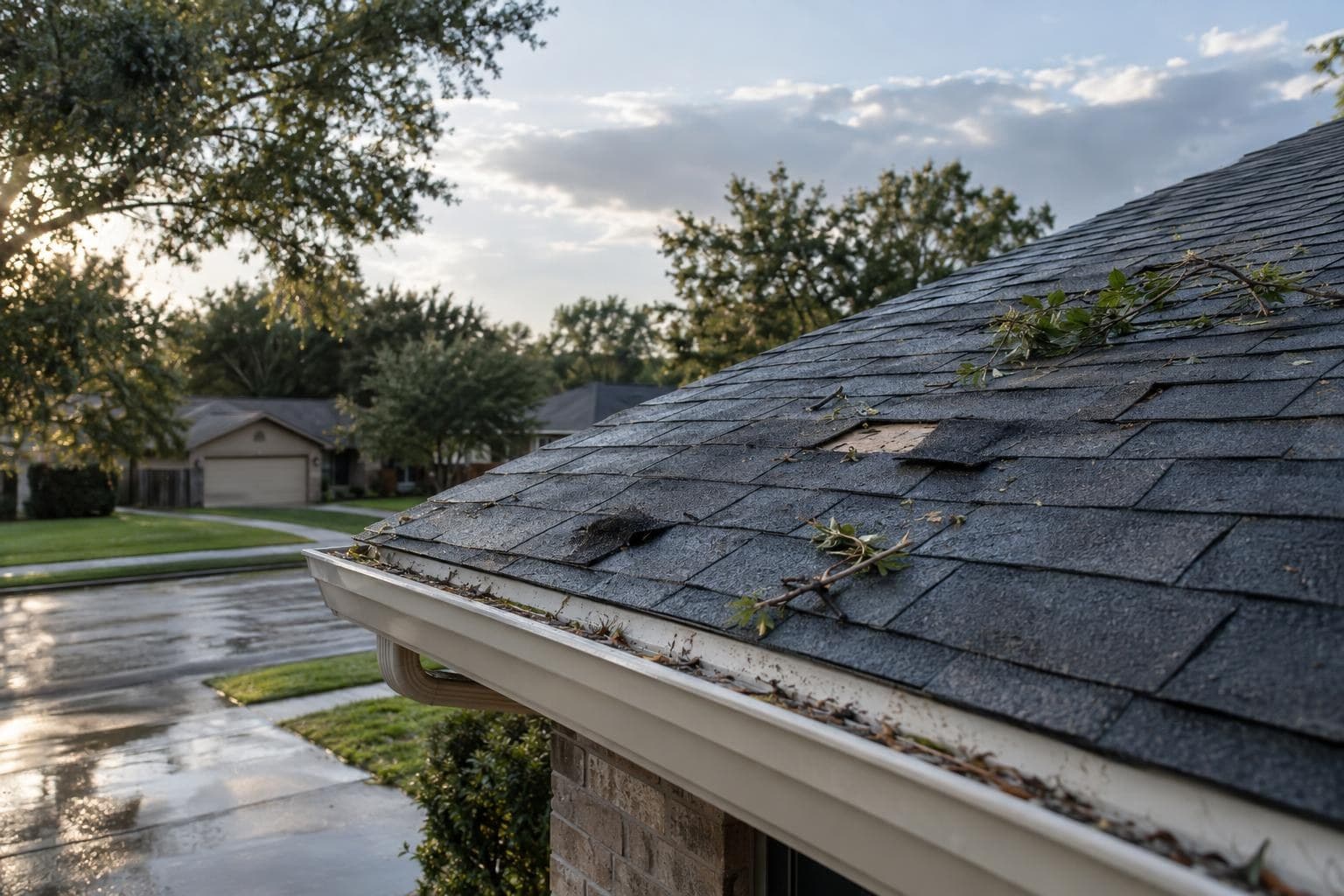
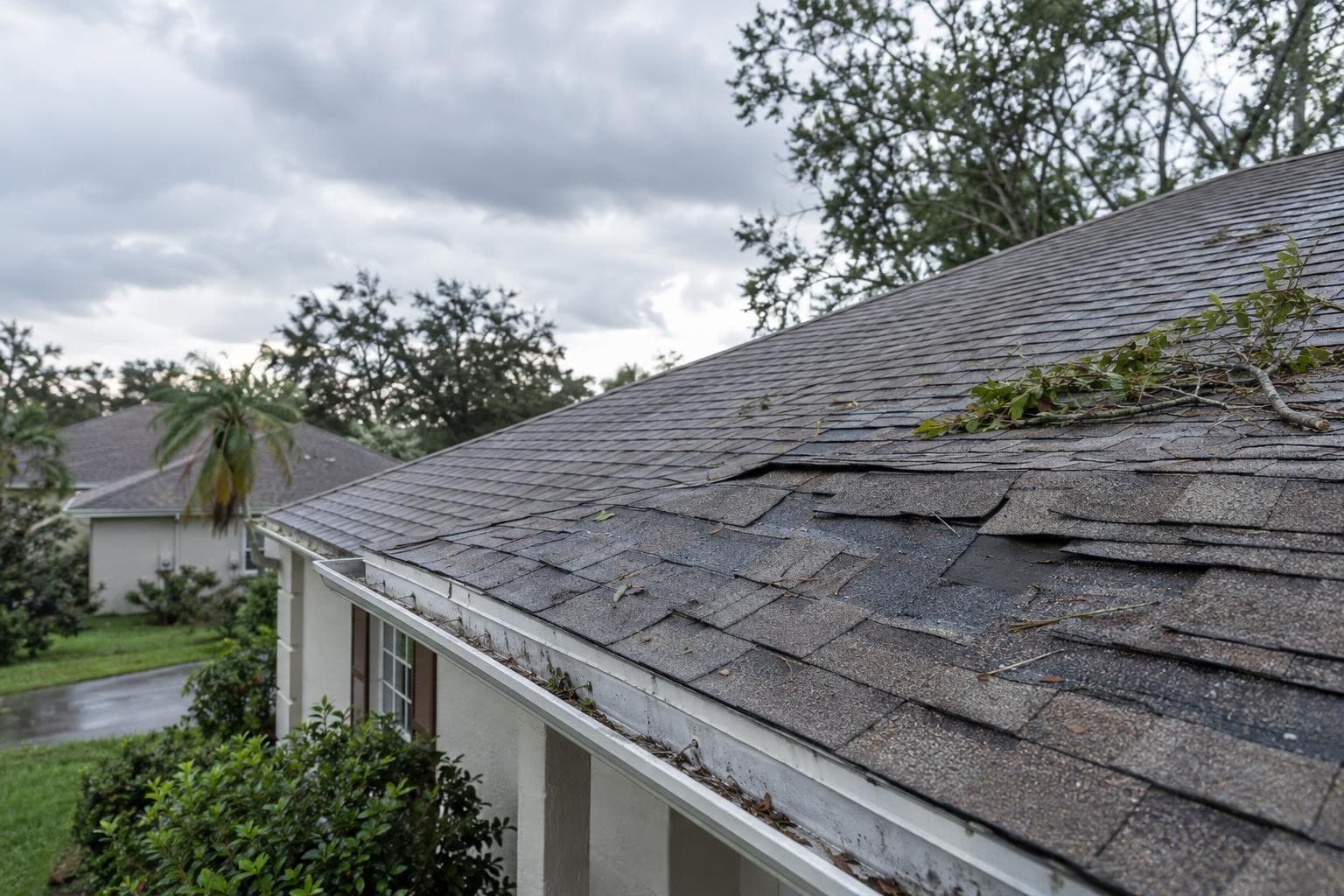
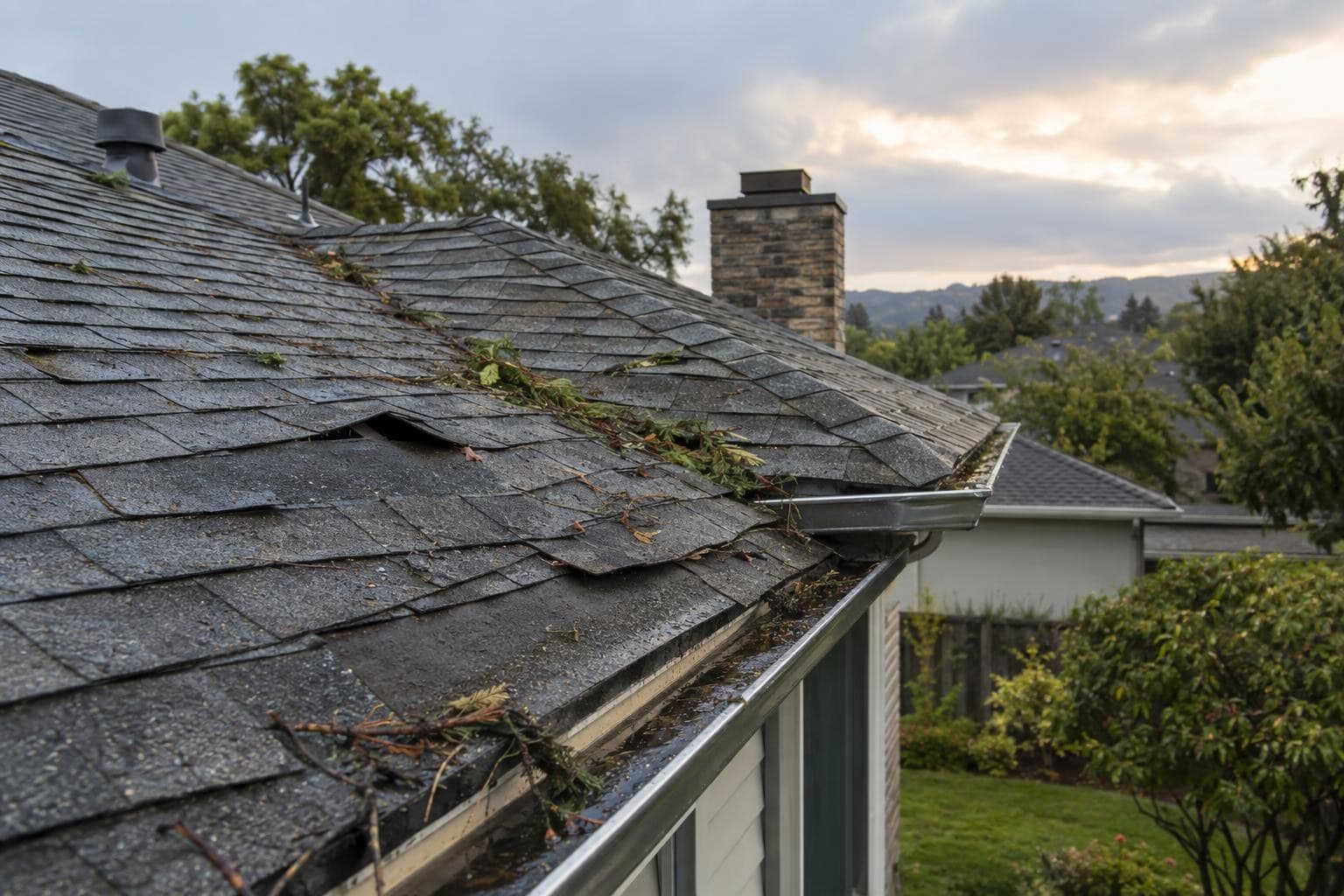
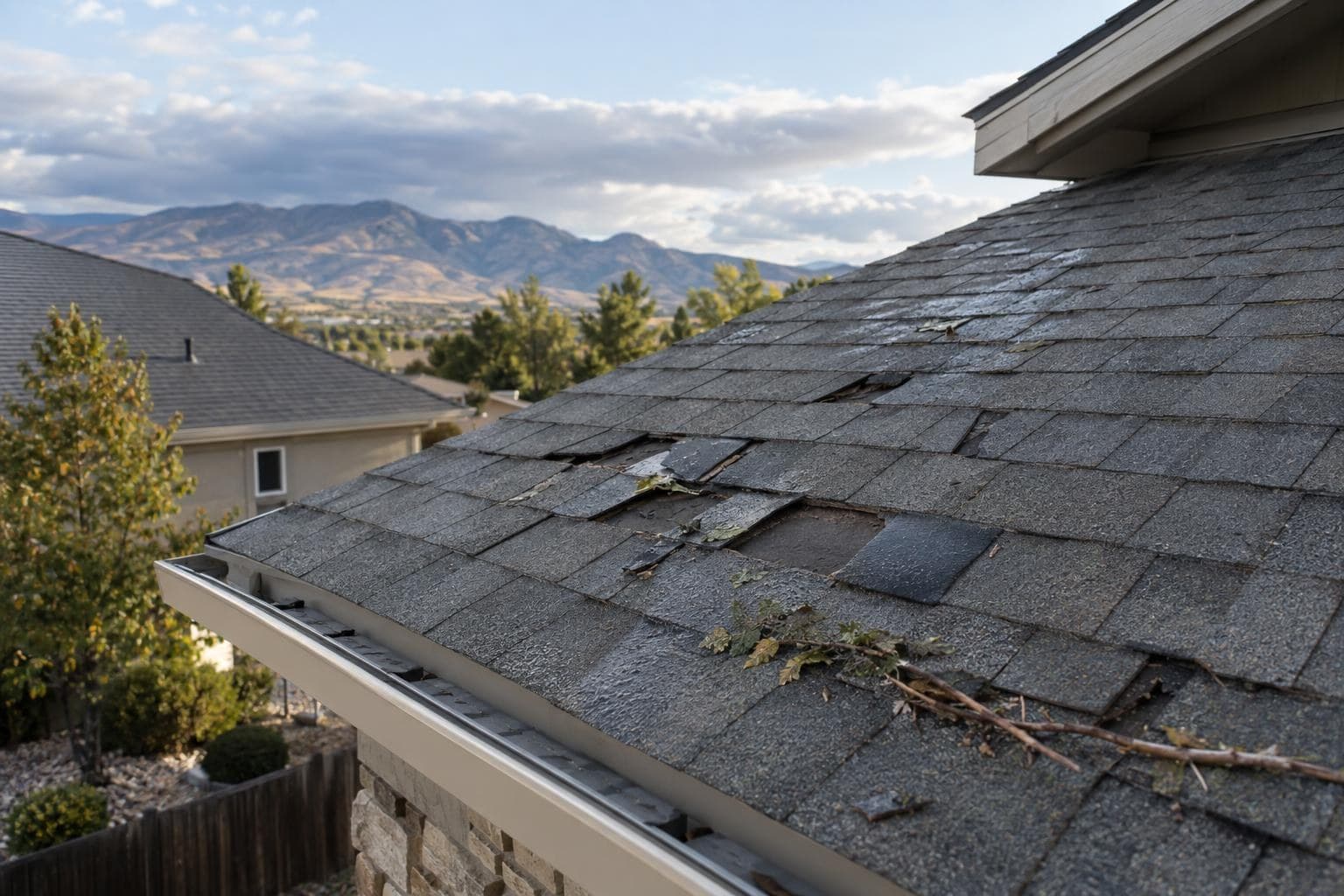
Start with safety, then document, then prevent more damage. Do not climb onto a wet, steep, or unstable roof. Walk your property from the ground and look for obvious signs like missing shingles, shifted tiles, dented metal, exposed underlayment, fallen branches, or water coming in through ceilings and walls. Nevada consumer guidance says you should review your policy and immediately contact your agent to file and discuss the details of your claim. It also says that after damage, you should immediately report your claim to your insurance company or your local agent.
- Take wide photos of every roof slope you can see from the ground.
- Photograph gutters, downspouts, siding, screens, fencing, HVAC covers, and anything else the storm may have hit.
- Take indoor photos of ceiling stains, wet insulation, peeling paint, and floor or furniture damage from leaks.
- Write down the date of the storm, when you first noticed damage, and any active leaking.
- If water is entering the home, arrange temporary protection as soon as it is safe to do so.
- Keep every receipt, photo, note, and email in one folder.
Should you tarp a storm-damaged roof right away?
Yes, if the roof is open to weather or water is getting inside, temporary protection should happen quickly. Nevada says a policy provision requires that you prevent further damage or theft. It also says you should make temporary repairs or arrange for a licensed professional to do so, save all receipts for your repairs, take photos of the damage, and keep records of expenses and receipts if you need other lodging. Just as important, state guidance says not to dispose of property until an insurance adjuster has reviewed it for your claim. That means tarping is about protection, not cleanup that erases evidence.
A tarp can buy time while your claim is being reviewed, but it needs to be documented before and after it goes on. Take photos of the exposed area, then photos of the temporary covering in place. Save the invoice and note when the tarp was installed. If shingles, tiles, or metal pieces blew off into the yard, gather them and set them aside if you can do it safely. Do not throw them away yet. Those pieces may help show whether damage came from wind impact, uplift, or older wear.
How do you document roof storm damage for an insurance claim?
The best documentation is simple, organized, and time-stamped. You do not need fancy language. You need clear photos, a short timeline, and records of what changed after the storm. Nevada says the insurance company will send an insurance adjuster to survey the damage at no cost to you, and state guidance also says you should not feel rushed or pushed to agree on a settlement. Good records make that process easier because they show the condition of the home before temporary repairs hide anything.
- Take overview photos first, then close-ups.
- Photograph each damaged area from multiple angles.
- Use the same spots twice if possible, once before tarping and once after.
- Note any rooms where leaks appeared and what time you saw them.
- Save weather alerts, if you have them, with your claim file.
- Keep receipts for tarping, interior drying, and any emergency service.
- Ask for a written estimate before repairs begin. Nevada consumer guidance says to always insist on a written estimate before repairs begin.
Talk to a roofer today
Planning ranges, scope details, and a direct path to request a roofing quote.
How can you tell storm damage from normal roof aging in Nevada?
Look for damage patterns that match the storm, not just a roof that looks old. In Nevada, intense sun, dry heat, and wind slowly wear roofs down. UV exposure can make shingles brittle, dry out components, and wear down sealants. Wind over time can loosen edges and move tiles even before a major storm. A storm usually leaves a more sudden, directional pattern, while age tends to look widespread and gradual.
For example, fresh wind damage often shows up as creased or lifted shingles along exposed edges, missing tabs in a pattern, displaced tiles, or new punctures from debris. Age-related wear usually looks more uniform, such as overall granule loss, shrinking sealants, brittle shingle surfaces, or cracking that appears across many areas without a clear storm path. Both can exist at the same time. That is why photos from right after the storm matter so much. They help separate a new loss from older roof wear that Nevada’s climate may have been building for years.
Should you sign a repair contract before the adjuster comes?
No, wait for the adjuster to examine the damage before signing a repair contract. Nevada consumer guidance says not to sign any contracts before the adjuster has examined the damage. It also says not to pay a contractor the full amount up front or sign over your insurance settlement payment. If hidden damage is found after the original assessment, contact your insurance company to resolve the difference. Temporary protection is one thing. Locking yourself into full repair work before the claim review is another.
You can still ask a local contractor whose credentials you verified for a written estimate and a damage assessment. That often helps you understand whether you are likely looking at a repair or a replacement. For a storm-damage roof project in Nevada, begin with documented damage, the policy deductible, and a property-specific repair or replacement scope. The schedule for a storm-damage roof project in Nevada should explain access, material staging, weather protection, inspections, and the process for discovered deck work.
How much might a Nevada roof replacement cost after storm damage?
If storm damage is severe enough for replacement, your material choice changes the budget. For an early budget on a storm-damage roof project in Nevada, compare the Nevada cost page with a proposal that identifies measurements, products, accessories, and exclusions. Those numbers help you frame the size of the decision while your claim is under review. They are also useful if your roof had older wear before the storm and you are weighing whether to put money into repairs or move to a full replacement.
If you are considering a Class 4 impact-resistant roof, ask your carrier whether it offers a homeowners insurance discount for that upgrade. Discounts are set by each carrier, and the state guidance does not give a Nevada-specific discount amount. When comparing a storm-damage roof project in Nevada, use a written insurer response rather than a sales estimate for any impact-resistant roof credit. a roofer whose credentials and written scope you checked can help you compare roof options, but your insurer decides eligibility and savings.
How do you choose a roofer after a Nevada storm?
Choose slowly, verify what you can, and get everything in writing. Nevada warns that contractor licensing is a real consumer-protection issue. State guidance says all businesses or individuals who construct or alter any building or other structure in Nevada must be licensed by the Nevada State Contractors Board, and contractors, including subcontractors and specialty contractors, must be licensed before submitting bids. State guidance also says roofing and siding fall under Classification C-15. For you, that means you should check your roofer’s license status, confirm the work matches the license classification, and review disciplinary history using the state’s license and disciplinary search tools.
- Ask for a written estimate before work begins.
- Check the roofer’s Nevada license status and C-15 classification.
- Do not pay the full amount up front.
- Do not sign over your insurance settlement payment.
- Do not let anyone pressure you into a same-day decision.
- If the adjuster and roofer disagree about hidden damage, contact your insurance company to resolve the difference.
What is the smartest next step if your Nevada roof was hit by a storm?
The smartest next step is to document now, protect the home, and slow the process down enough to make a clear decision. Nevada roofs already absorb heavy wear from sun, heat, and wind, so a storm claim can get messy when older aging and new damage overlap. Good photos, a prompt claim report, temporary tarping when needed, and a written estimate from a local roofer you have vetted give you a clean starting point. From there, you can compare repair against replacement, review the latest local cost data on the Nevada cost page and the calculator, and move forward with a plan that fits both the damage and your budget.
Sources
Reviewed technical references for Nevada
Related Nevada roofing guides
Related services
Updated July 10, 2026
3D Roofs Editorial Team
Editorial Standards