Updated July 10, 2026

3D Roofs Editorial Team
Editorial Standards
If a storm just hit your roof, start with safety, photos, and quick leak control. In South Carolina, roofs deal with severe storms, wind-driven rain, and long periods of heat and humidity. That mix can cause lifted shingles, flashing problems, leaks that spread fast if they are not covered, and moisture-related wear that builds over time. The first 48 hours are about preventing more damage, preserving evidence, and getting a local contractor whose credentials you verified involved before a small opening turns into a bigger interior repair.
What should you do in the first 48 hours after storm damage?
You should secure the inside, document the outside from the ground if it is safe, and take steps to prevent more damage right away. The South Carolina Department of Insurance says that after a storm, if the area is safe, you should take photos of the damage and then take steps to mitigate any further damage. The example it gives is covering a hole in your roof with a tarp to help prevent more interior damage. It also says to immediately file a claim with your insurance company and keep all photos and receipts because they will be useful in processing your claim.
- Inside your home, move furniture, rugs, and electronics away from active drips.
- Place buckets or containers under leaks and dry wet areas as much as you can.
- Take clear photos and short videos of ceiling stains, wet insulation, puddles, damaged belongings, and any debris that came in.
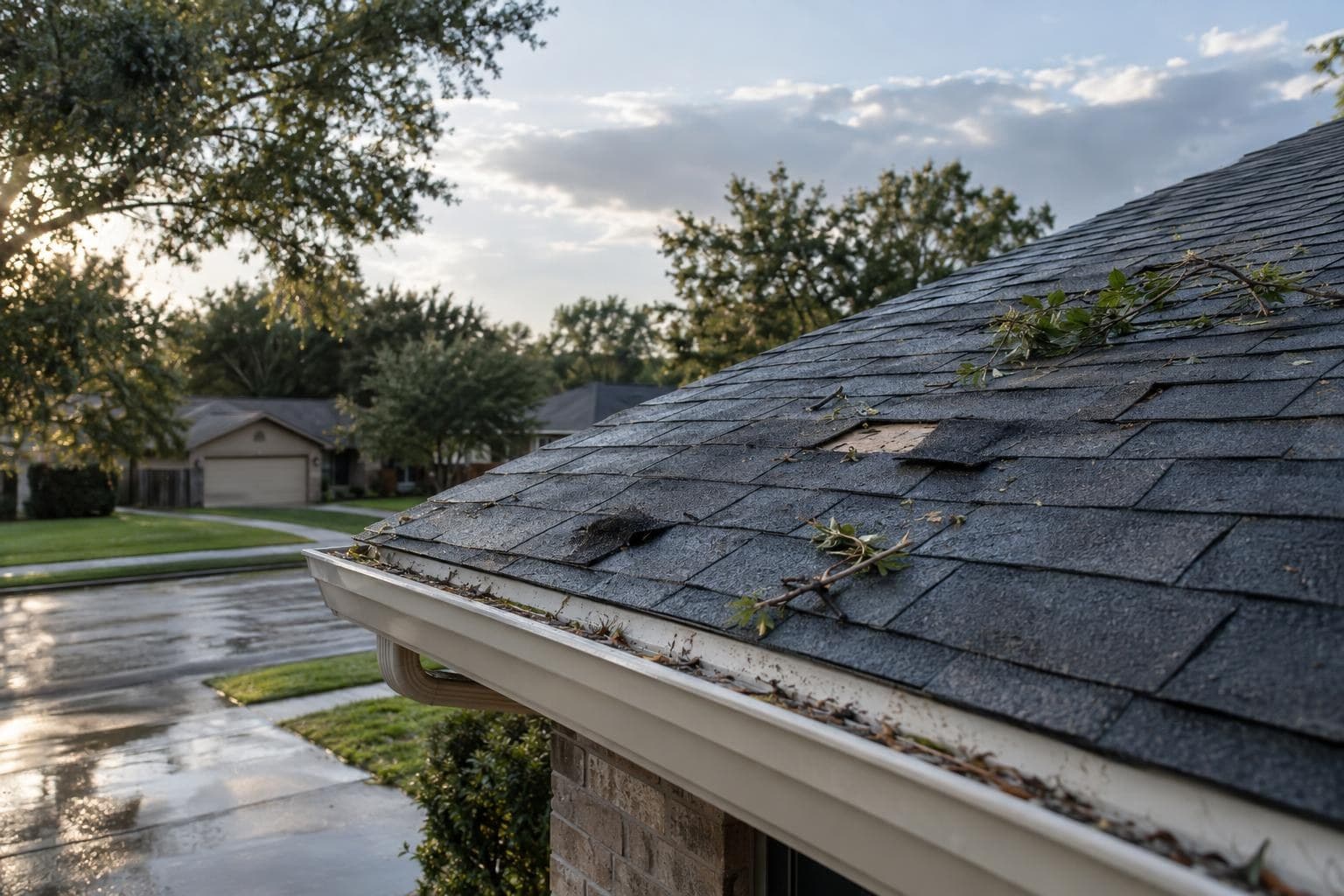
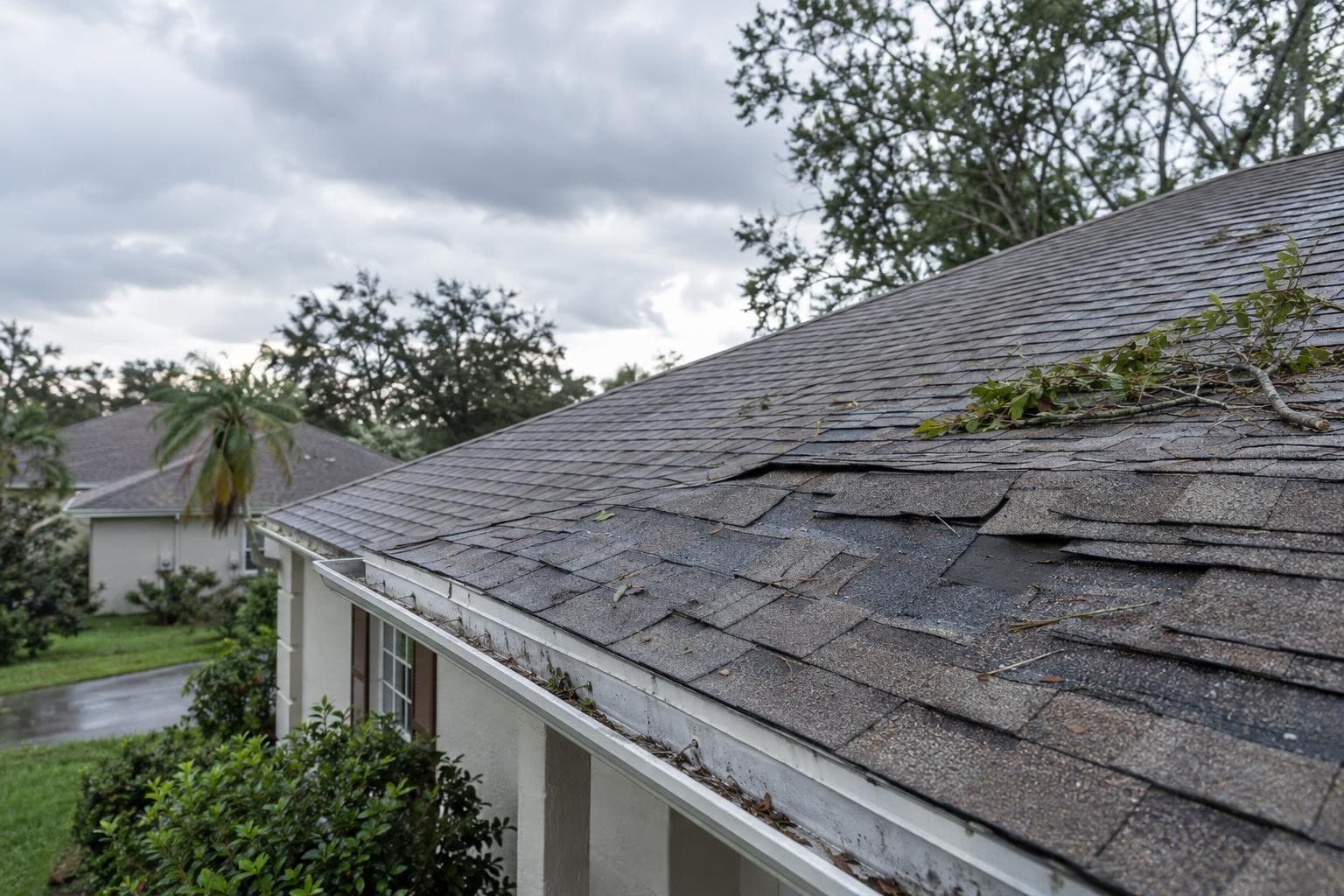
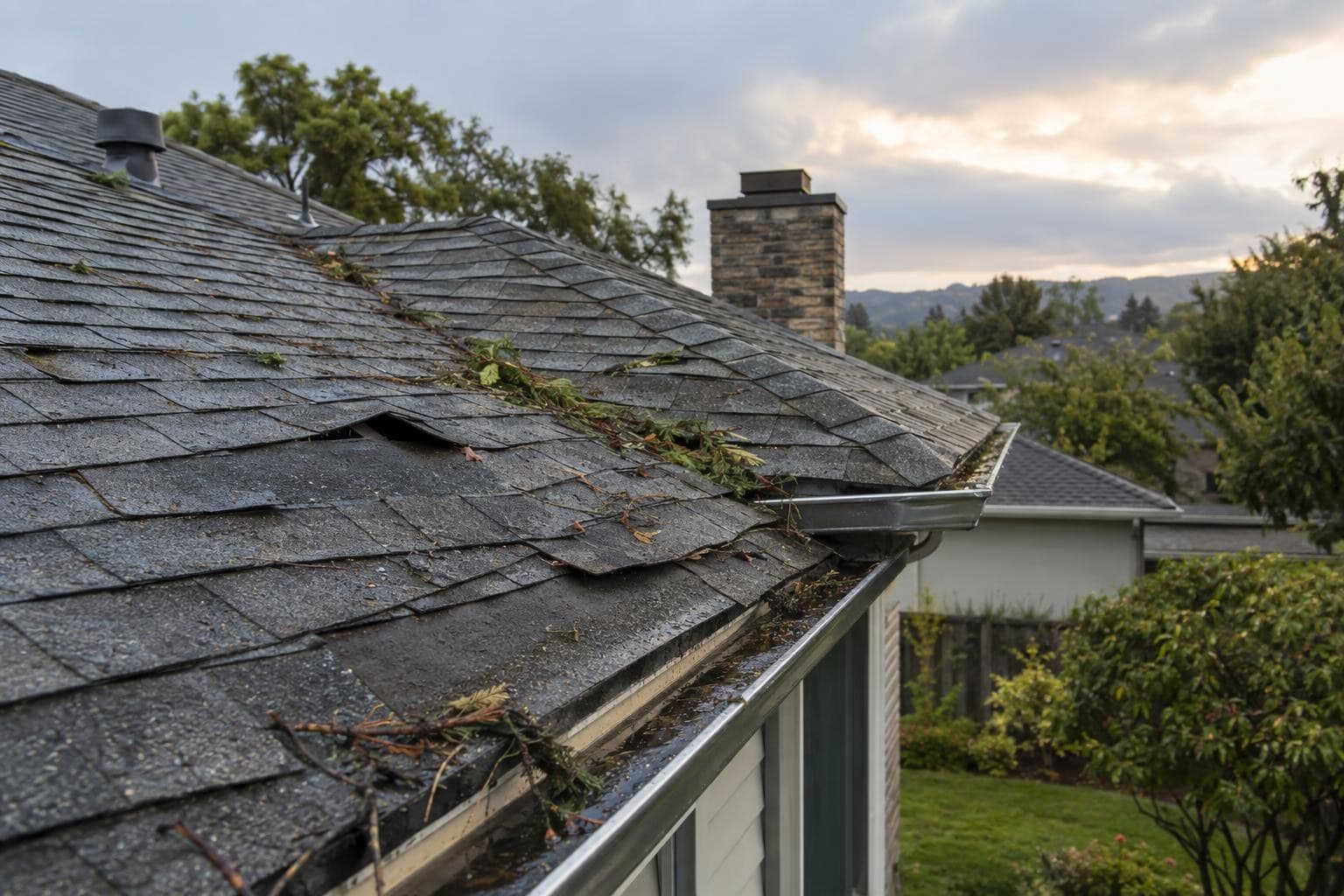
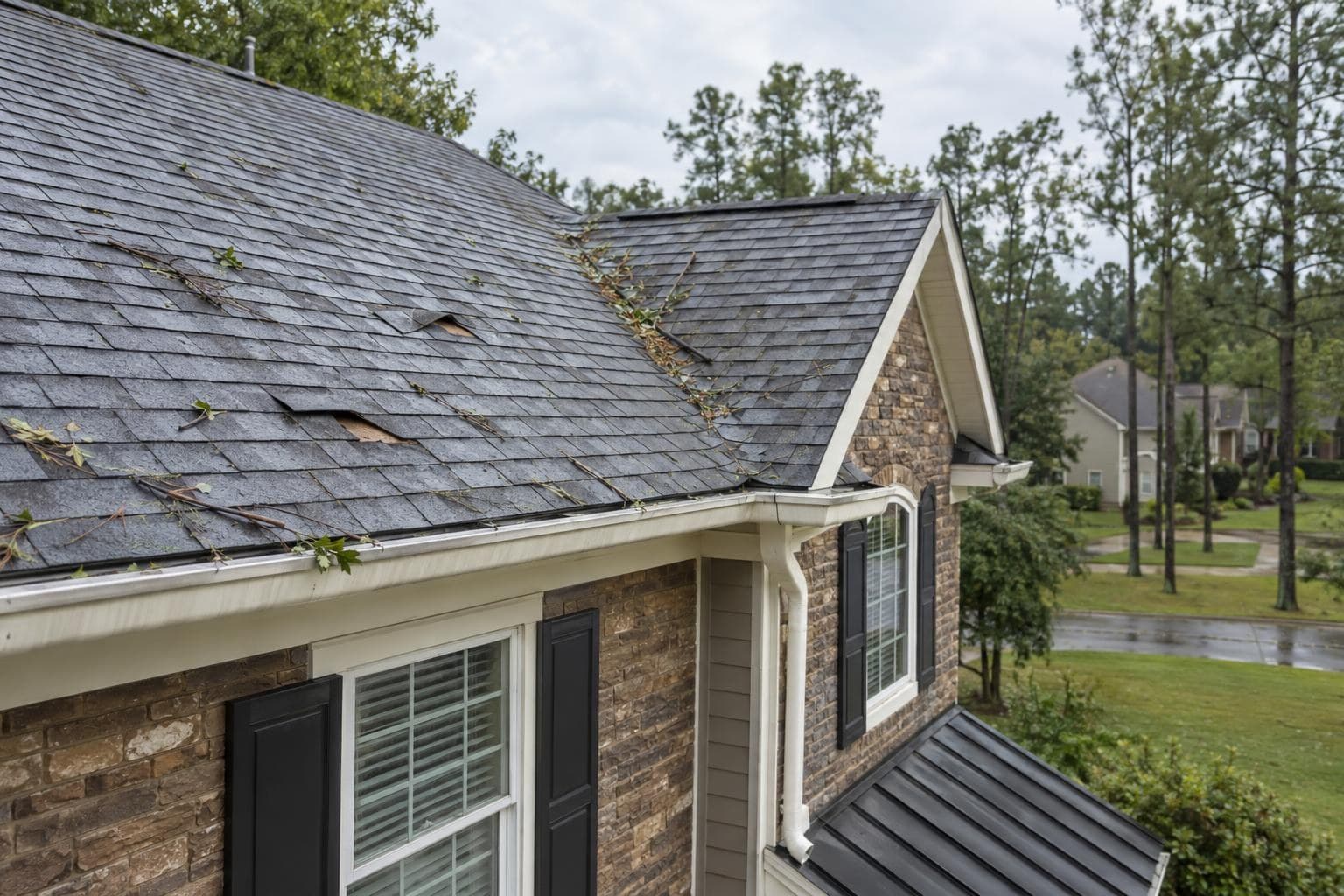
- Walk the exterior from the ground and photograph missing shingles, bent metal, fallen branches, dented gutters, and debris fields.
- If there is an exposed opening, arrange emergency tarping to limit more water intrusion.
- Save receipts for tarping, emergency materials, and cleanup related to preventing further damage.
- File your insurance claim right away and keep your records together in one folder or note on your phone.
Should you get on the roof to inspect storm damage?
No, not unless it is safe and you know exactly what you are doing. A storm-damaged roof can be slick, soft, or structurally weakened in ways you cannot see from the ladder. In South Carolina, wind-driven rain can get under shingles and around flashing, so a roof can look mostly fine from one angle and still have loose areas that shift under foot. A ground-level inspection with photos is the safer first move, then your roofer can handle the close-up inspection.
What photos and records matter most for an insurance claim?
The best documentation shows both the big picture and the close details. You want to show where the damage is, what materials were affected, and whether water made it inside. The South Carolina Department of Insurance says to take photos, immediately file a claim, and keep all photos and receipts because they will be useful in processing your claim. Good records also help separate storm-created openings from older wear that may already have been there.
- Wide shots of each roof slope from the ground.
- Close shots of visible missing shingles, creased tabs, displaced ridge pieces, bent flashing, dented metal, and fallen limbs.
- Photos of gutters, downspouts, screens, siding, and fences if they were hit in the same storm.
- Interior photos of ceiling spots, wall staining, peeling paint, wet attic decking, and damaged contents.
- A simple timeline: when the storm hit, when you noticed damage, when tarping happened, and when you called your carrier and your roofer.
- Receipts for emergency mitigation, cleanup supplies, and temporary protection.
Talk to a roofer today
Planning ranges, scope details, and a direct path to request a roofing quote.
When should you tarp a roof after a storm?
You should tarp the roof as soon as there is an opening or active leaking, as long as the area is safe. Waiting can turn one damaged section into soaked insulation, stained ceilings, mold concerns, and warped decking. South Carolina’s climate makes this more urgent because heat, humidity, and repeated rain can push moisture deeper into the assembly fast. Tarping is not the final repair, but it can buy time while your roofer documents the damage and you work through next steps with your carrier.
How can you tell storm damage from normal roof aging?
Storm damage usually looks sudden, directional, or concentrated, while aging looks more even and widespread. Wind damage often shows up as lifted, creased, torn, or missing shingles in patterns that follow roof edges, ridges, or one wind-facing slope. Hail or impact damage may leave fresh marks or bruising on roofing surfaces and metal. Age-related wear tends to show up as uniform granule loss, drying, brittleness, old repairs, and general fading across broad areas. In South Carolina, long exposure to heat and humidity can also lead to moisture-related wear over time, so it is common for a storm to reveal an older weak spot rather than create every problem by itself.
- More likely storm-related: shingles missing after the event, sharp creases, displaced flashing, new interior leaks, fresh debris impact, and damage concentrated on one slope or around roof penetrations.
- More likely age-related: widespread surface wear, older patchwork, uniform granule loss, curling over many areas, and staining that appears long-standing rather than sudden.
- Sometimes it is both: a roof with existing wear can still suffer new storm damage that needs repair or replacement.
Can a roof leak from storm damage even if it looks minor from the ground?
Yes, a roof can leak from damage that looks small. A lifted shingle, loosened ridge cap, bent flashing edge, or puncture near a vent can let wind-driven rain in, even if you do not see a big missing section. That is one reason post-storm checks matter in South Carolina. Small openings can send water into underlayment, decking, insulation, and wall cavities before the ceiling stain shows up indoors. If you notice musty smells, new attic dampness, or a ceiling spot that grows after each rain, treat it like active storm damage until your roofer confirms otherwise.
Should you repair the roof or replace it after a South Carolina storm?
It depends on how much of the roof was affected, how repairable the damaged area is, and how much older wear is already present. For a storm-damage roof project in South Carolina, begin with documented damage, the policy deductible, and a property-specific repair or replacement scope. If the storm exposed bigger issues, or if matching and sealing a repair into an older roof will not hold up well, replacement may be the better long-term move. The schedule for a storm-damage roof project in South Carolina should explain access, material staging, weather protection, inspections, and the process for discovered deck work. For an early budget on a storm-damage roof project in South Carolina, compare the South Carolina cost page with a proposal that identifies measurements, products, accessories, and exclusions.
Is a Class 4 roof worth considering after storm damage?
Yes, it is worth asking about if you are already facing major repair or replacement. In storm-prone areas, a tougher shingle may help you reduce repeat damage risk. When comparing a storm-damage roof project in South Carolina, use a written insurer response rather than a sales estimate for any impact-resistant roof credit. In South Carolina, if you are considering an impact-resistant roof, ask your carrier whether it offers a discount for a Class 4 rated product. Discounts and underwriting rules can vary by carrier, so you should confirm the product requirements and any savings directly with your insurer before you choose materials.
How do you choose a roofer after a storm in South Carolina?
Choose a roofer whose credentials and written scope you checked who can document storm damage clearly, provide emergency protection if needed, and explain whether you are looking at isolated storm damage, age-related wear, or both. South Carolina has a residential specialty contractor registration category for roofers. The South Carolina Department of Insurance says a residential specialty contractor includes roofers doing the installation, alteration, and repair of materials that form a watertight, weather resistant surface for roofs and decks, including accessories, flashing, valleys, gravel stops, and roof insulation panels above the roof deck. The South Carolina Department of Insurance also says this registration applies when undertakings exceed five hundred dollars (an amount that must be confirmed for the written scope). A smart way to vet your roofer is to confirm they fit the roofing scope you need, check the state's licensee lookup or license verification resources, and make sure the work you are hiring for matches the scope the state describes.
What if you have claim or coverage questions after the storm?
Start with your claim file, then use the state consumer help channel if something is unclear. The South Carolina Department of Insurance says its Office of Consumer Services can help answer your questions about property insurance or other types of insurance. If you run into claim or coverage questions after roof damage, you have a state consumer help channel. The key is to keep your timeline, photos, receipts, and notes organized so you can explain what happened and what you did to prevent more damage.
The bottom line is simple: document early, stop active leaking fast, and do not assume a small issue will stay small. South Carolina storms can turn one lifted shingle or flashing gap into a much larger water problem, especially with heat, humidity, and repeat rain in the mix. If you want a clear next step, have a local roofer you have vetted inspect the roof, compare storm-related damage with normal aging, and help you decide whether a focused repair or a full replacement makes more sense for your home.
Sources
- National Association of Insurance Commissioners: What You Need to Know When Filing a Homeowners Claim
- Insurance Institute for Business & Home Safety: Natural Weathering and Hazard Exposure
- South Carolina Department of Insurance, Severe Weather Recovery
- South Carolina Residential Builders Commission, Residential Specialty Contractor Registration
Reviewed technical references for South Carolina
Related South Carolina roofing guides
Related services
Updated July 10, 2026
3D Roofs Editorial Team
Editorial Standards