Updated July 10, 2026

3D Roofs Editorial Team
Editorial Standards
If a storm just hit your roof in South Dakota, the first 48 hours matter most. Start by checking for immediate safety issues, documenting what you can see, and getting temporary protection in place if water can enter the home. Your roof in South Dakota has to handle hail, severe storms, high winds, temperature swings, snow, ice, and strong sun over time. That mix can shorten shingle life, loosen flashing, damage gutters, and turn small leaks into bigger interior problems if repairs wait. After a major storm, demand can spike quickly, which is why it helps to document damage early and move carefully when you pick your roofer.
What should you do in the first 48 hours after a storm hits your roof?
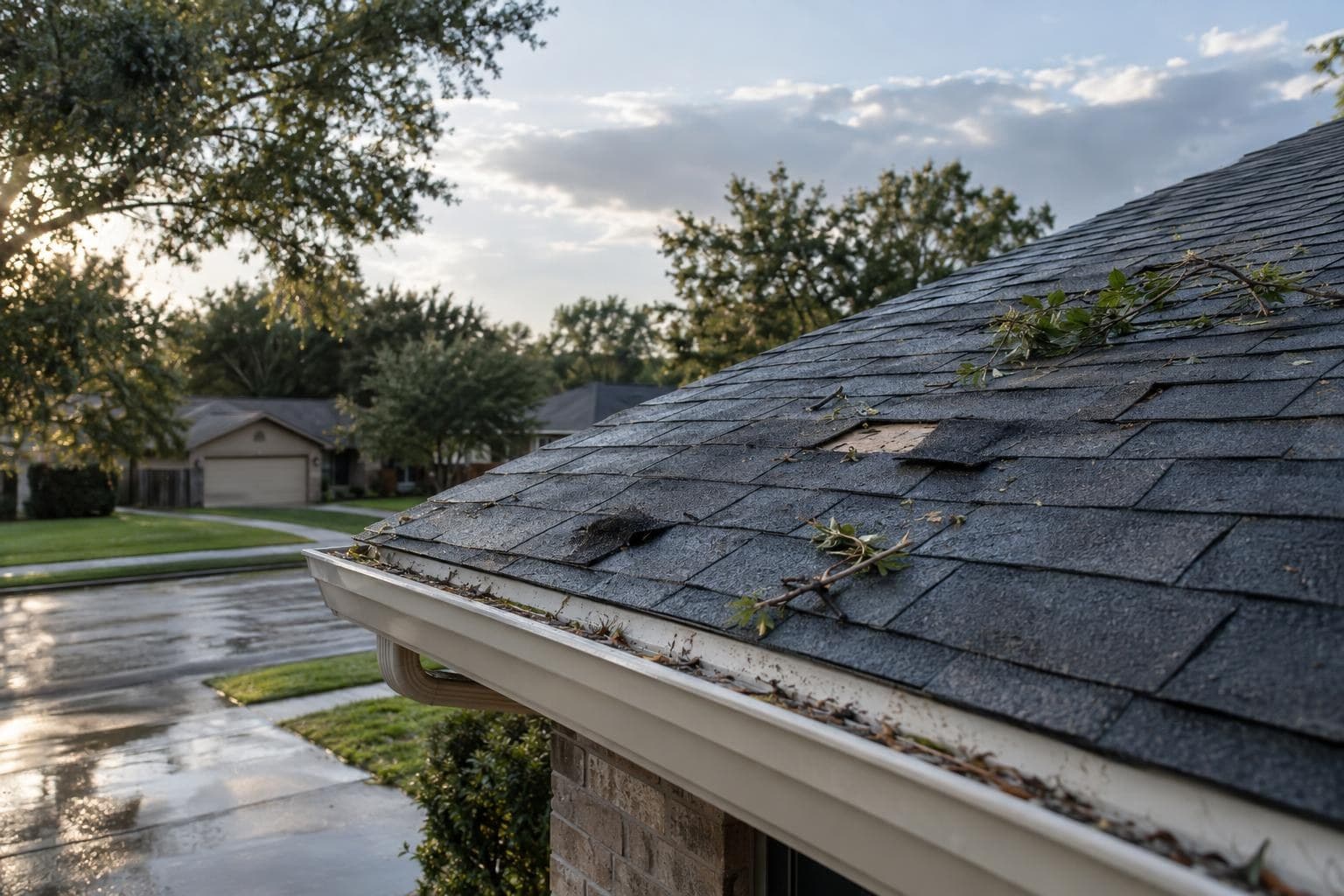
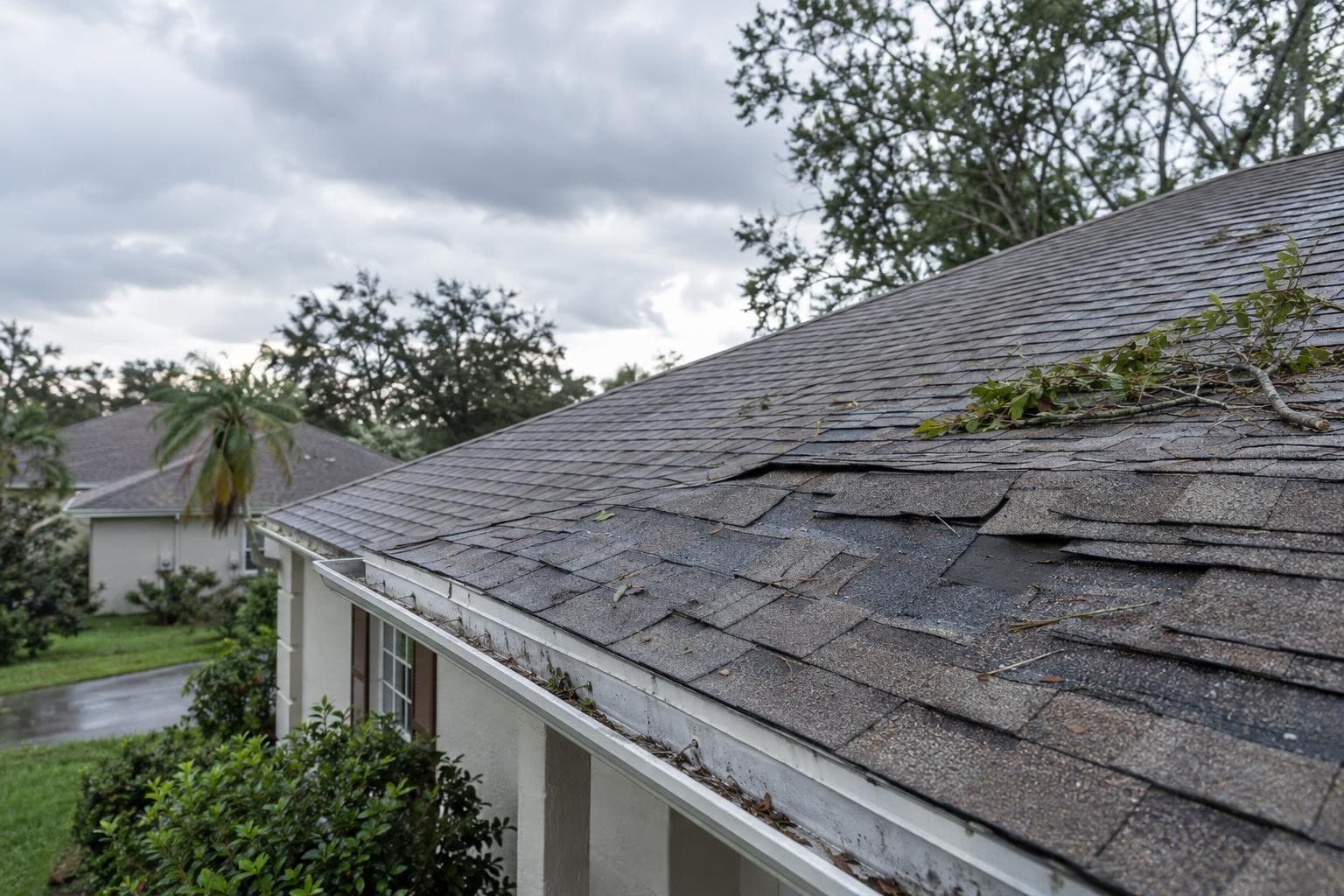
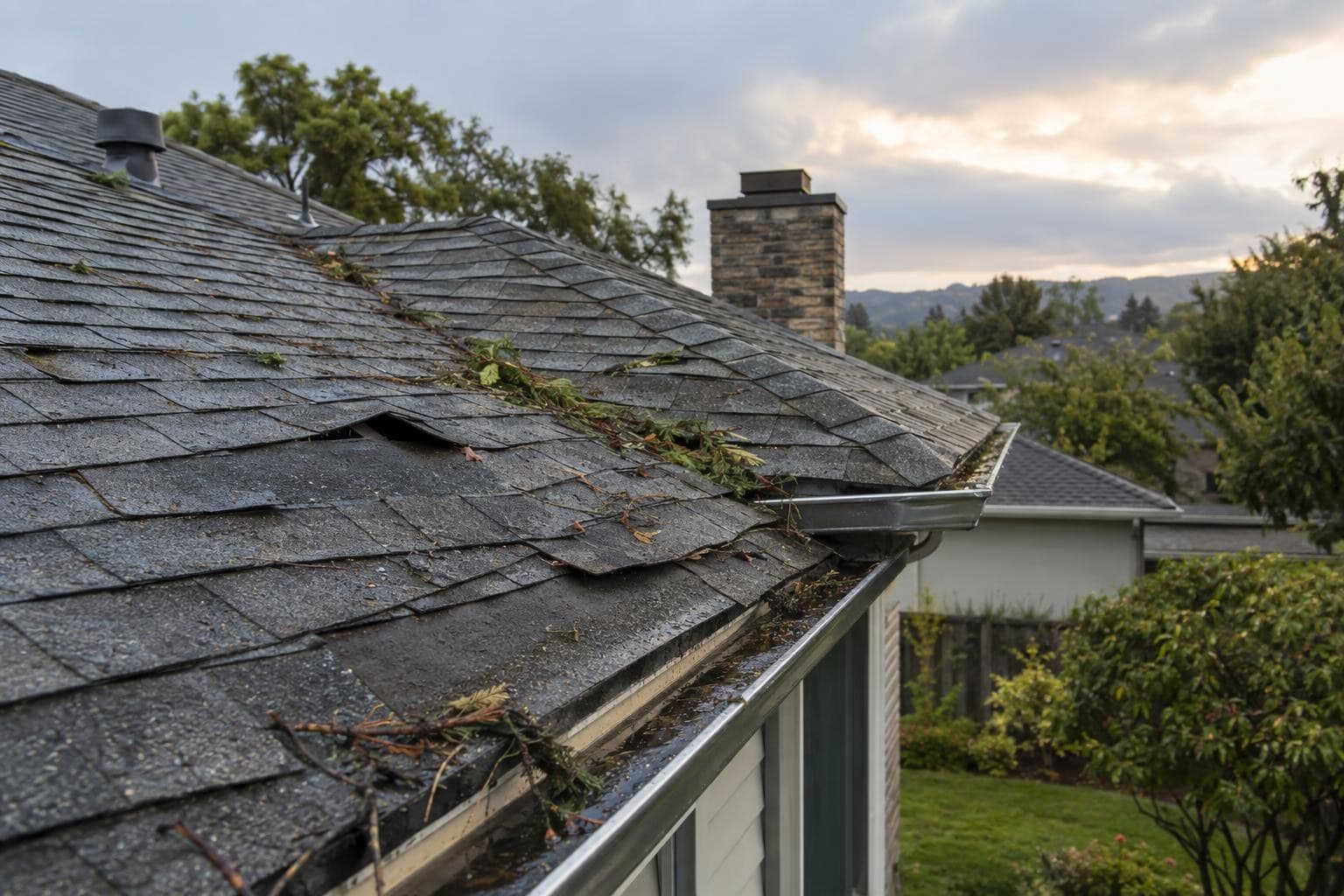
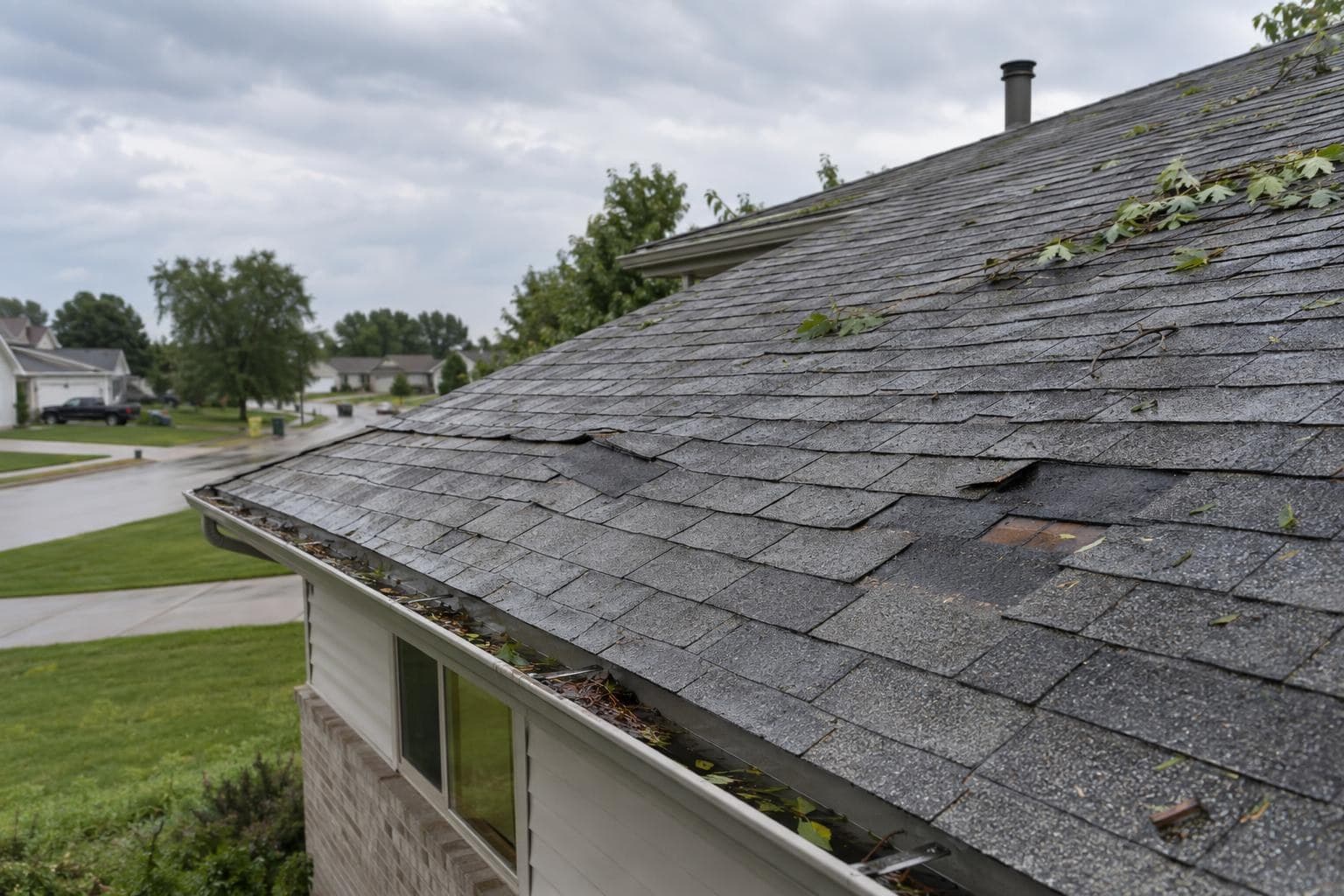
Focus on safety first, then evidence, then temporary protection. If you see active leaking, water stains spreading, or fallen tree limbs, keep people out of the affected area and avoid climbing onto the roof yourself. Walk your property from the ground and use your phone to take clear photos of anything you can safely see, including missing shingles, dented gutters, bent flashing, exposed underlayment, fallen branches, and debris fields. Inside, photograph ceiling stains, wet insulation, peeling paint, and any water on floors or around light fixtures. If water is getting in, contact a qualified local roofing contractor for emergency tarping or temporary dry-in work as soon as possible.
- Take wide photos of each roof slope from the ground, then closer photos of visible damage
- Photograph gutters, downspouts, siding, windows, screens, deck furniture, and HVAC fins if hail or wind hit the whole property
- Save the date of the storm and make a simple note of what you observed first
- Move valuables away from leaks and place buckets or towels where needed
- Keep damaged materials if they come off naturally and can be stored safely
How do you document roof storm damage for a claim or repair?
Use clear, organized photos and keep every piece of paperwork. Documentation is not just about proving that damage exists. It also helps show where it is, how widespread it is, and whether it appears fresh from the storm. Create one folder on your phone or computer for the event. Add photos, short videos, receipts for emergency protection, and notes about when leaks started. If a tarp is installed, photograph the roof before and after the tarp goes on. If ceiling stains grow over the next day or two, take updated photos in the same lighting when possible. Ask your roofer for a written estimate and a written contract before work starts. State consumer guidance says you should ask for a written estimate and a written contract, keep a copy of the final signed contract, read the contract carefully before signing, and make sure project changes are handled with a Change Order signed by both parties. It also says any guarantees made by the contractor should be written into the contract.
When should you tarp a storm-damaged roof?
Tarp the roof when water can enter or when damage is likely to worsen before repairs happen. Common examples include missing shingles in a concentrated area, exposed decking or underlayment, lifted flashing, punctures from debris, and visible openings near vents, chimneys, or valleys. Tarping is a temporary step, not the final fix, but it can stop a small opening from becoming a much larger interior problem. Because South Dakota weather can bring more wind, rain, or hail shortly after the first storm, temporary protection can buy you time to make a careful repair decision.
- A tarp makes sense when the roof has an opening or active leak
- A tarp also helps when flashing or ridge areas are peeled back and the next storm could push water in
- Do not wait for ceiling stains to spread before acting if the roof surface is already compromised
- Ask for photos of the damaged area before temporary covering is installed
Talk to a roofer today
Planning ranges, scope details, and a direct path to request a roofing quote.
How can you tell storm damage from normal aging on a South Dakota roof?
Fresh storm damage usually looks sudden, directional, or concentrated in a pattern that matches wind or hail. Age-related wear tends to look more uniform and gradual across the roof. After hail, you may see sharp granule loss in scattered impact points, soft bruising in asphalt shingles, dented metal vents, or fresh marks on gutters and downspouts. After high wind, you may see creased, lifted, or missing shingles on one slope or along roof edges and ridges. By contrast, an older roof often shows even granule loss, widespread brittleness, curling, shrinkage, or old repairs that have simply reached the end of their service life. A local contractor whose credentials you verified can inspect the full system, not just the field shingles, because flashing, pipe boots, ridge caps, and gutters can show the clearest signs of recent storm impact.
In South Dakota, that distinction matters because your roof deals with more than one kind of stress over time. Hail, severe storms, high winds, temperature swings, snow, ice, and strong sun can all affect the same roof. A storm may create fresh damage on top of older wear. That is one reason good photo documentation and a timely inspection help so much in the first few days.
How fast should you schedule repairs or replacement after storm damage?
Schedule an inspection as soon as you can, then move based on the severity of damage. Minor repairs are often enough when damage is limited to a small section, flashing detail, or a few missing shingles. For a storm-damage roof project in South Dakota, begin with documented damage, the policy deductible, and a property-specific repair or replacement scope. If the damage is widespread or the roof was already near the end of its life, replacement may make more sense than repeated patching. When planning a storm-damage roof project in South Dakota, ask how roof shape, staging, weather, inspections, and concealed deck conditions affect both duration and labor. After a major storm, demand can spike quickly, so getting on the calendar early helps you avoid longer waits and gives you more time to review paperwork carefully.
What should you ask a roofer before any storm work starts?
Ask for written details, proof of experience, and tax license information before you agree to anything. South Dakota Consumer Protection says residents should be vigilant of transient contractor scams following severe weather. The state urges you to take your time, do your due diligence, and contact the Division of Consumer Protection when in doubt. A practical approach is to ask for references and a proven track record, get a written estimate and a written contract, read the contract carefully, make sure guarantees are in writing, and make sure any project changes require a signed Change Order. Ask for sales tax license, and because the Department of Revenue says contractors doing this kind of work must have a South Dakota contractor’s tax license, ask about that too. If a permit is required, make sure it is obtained.
- Who will perform the inspection and what storm-related damage did they find
- What temporary protection is recommended right now, if any
- What repair option solves the leak, and when replacement is the better long-term choice
- What materials are being proposed and how they compare on impact resistance
- What paperwork will you receive before work starts and how change orders are handled
When should you make payments for storm roof work?
Make final payment only after the work is finished to your satisfaction. South Dakota Consumer Protection says you should make final payments only after the work is completed. It also says not to sign completion papers or make the final payment until the work is completed to your satisfaction, and to avoid on-the-spot cash payments by paying by check to the contracting company and not an individual. That advice matters even more after a storm, when fast promises can sound tempting. Keep copies of your estimate, contract, change orders, invoices, and payment records in the same folder as your damage photos.
What does storm-related roof replacement cost in South Dakota?
If storm damage leads to a full replacement, your material choice drives most of the price. Use the current South Dakota cost page and calculator to plan a storm-damage roof project in South Dakota, then require the measured scope to explain any meaningful difference. If you are considering impact-resistant shingles, ask your insurance carrier whether it offers a discount for a Class 4 roof and what documentation it requires. Discounts and eligibility are set by the carrier, so you should confirm the details before you choose materials. Do not assume a statewide Class 4 credit in South Dakota; ask the carrier to verify eligibility and paperwork for the exact product and policy.
What is the best next step after a South Dakota roof storm?
The best next step is a calm, documented inspection plan. Start with photos, protect the home from active water entry, and get written information before any work begins. Then compare repair versus replacement based on the actual storm damage, the age and condition of the roof, and the materials you want next. If you move quickly on documentation but carefully on decisions, you put yourself in a much better position to protect your home and avoid costly mistakes after the storm.
Sources
- National Association of Insurance Commissioners: What You Need to Know When Filing a Homeowners Claim
- Insurance Institute for Business & Home Safety: Natural Weathering and Hazard Exposure
- South Dakota Consumer Protection, contractor scam alert
- South Dakota Department of Revenue, Contractor's Excise Tax
Reviewed technical references for South Dakota
Related South Dakota roofing guides
Related services
Updated July 10, 2026
3D Roofs Editorial Team
Editorial Standards