Updated July 27, 2026

3D Roofs Editorial Team
Editorial Standards
If a storm just hit your Vermont roof, focus on four things first: safety, stopping active water entry, clear documentation, and a fast roof inspection. In Vermont, roofs take repeated winter stress. Snow can sit on a roof for long stretches, and freeze-thaw cycles can work water into weak spots around shingles, flashings, valleys, skylights, chimneys, and penetrations. Ice buildup near eaves can back water up under roofing materials. Wind-driven rain and seasonal temperature swings can also shorten the life of older roofs and expose installation problems faster. That climate matters after a storm, because fresh damage often shows up in the same places where an older roof was already vulnerable.
What should you do in the first 48 hours after storm damage?
Start by protecting people and the inside of your home, then document the roof before temporary work changes the evidence. If water is coming in, move belongings, place buckets or plastic bins under drips, and take photos of ceilings, walls, insulation, and anything damaged inside. If you can do it safely from the ground, photograph the roof slopes, gutters, downspouts, siding lines, and any fallen branches. Do not climb a wet, icy, or visibly damaged roof. Your next call should be to a qualified local roofing contractor for an inspection and temporary dry-in, especially if shingles blew off, flashing lifted, or a tree limb hit the house.
- Take photos and short videos before cleanup, if it is safe to do so
- Record the date of the storm and what you noticed first
- Protect interior items from water and save damaged belongings if possible
- Keep loose roofing pieces, metal fragments, or broken vents if they fell to the ground
- Arrange tarping or other temporary protection to limit further damage
- Contact your insurer after you have basic documentation and emergency protection in place
How do you document roof storm damage for an insurance claim?
Document it in layers: wide shots, closeups, interior signs, and a written timeline. Start outside with photos of each roof plane from multiple angles, then capture closeups of missing shingles, creased tabs, lifted flashing, dented metal, damaged ridge caps, and debris impact points. Inside, photograph stains, wet drywall, peeling paint, soaked insulation, and any active drips. Write down when the storm happened, when the leak started, and which rooms were affected. Save receipts for emergency materials and temporary protection. Vermont's Department of Financial Regulation says a home inventory, along with photos and proof of ownership, makes it easier to file an accurate, detailed insurance claim if your home is damaged or destroyed, and it can help determine how much coverage you need. Keeping that record before a storm hits puts you in a stronger position after roof damage.
Should you tarp a damaged roof right away?
Yes, if the roof is open to water, temporary protection should happen quickly. Tarping helps limit further interior damage while you wait for repairs or a replacement plan. The key is doing it safely and documenting the damage before the tarp covers important evidence. A local contractor whose credentials you verified can usually tell whether tarping is enough, or whether the damage points to a larger repair or full replacement. For a storm-damage roof project in Vermont, begin with documented damage, the policy deductible, and a property-specific repair or replacement scope. If water has gotten into underlayment, decking edges, or flashing transitions, the scope can grow fast, especially on an older roof that already had weak spots.
Talk to a roofer today
Planning ranges, scope details, and a direct path to request a roofing quote.
How can you tell storm damage from normal roof aging?
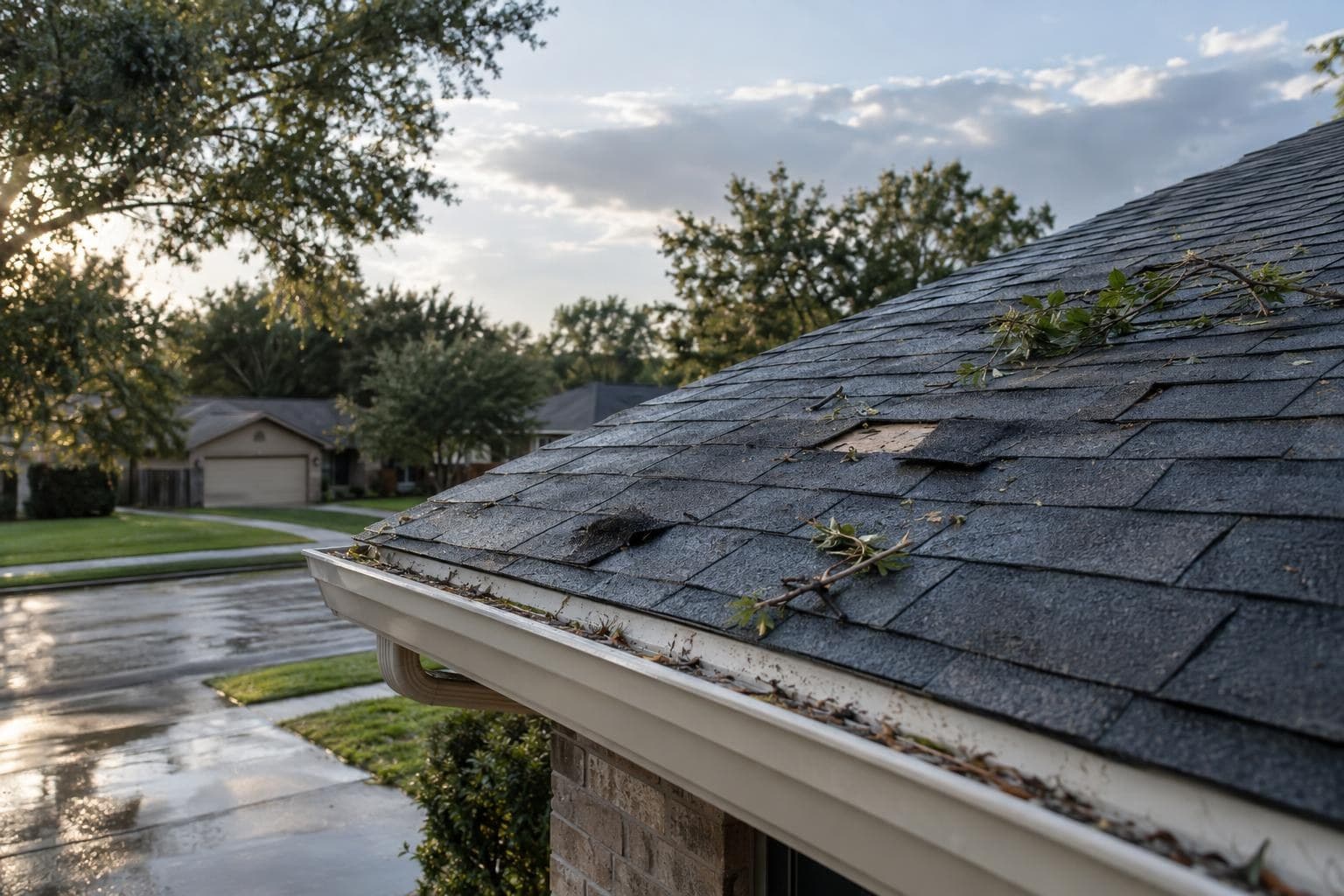
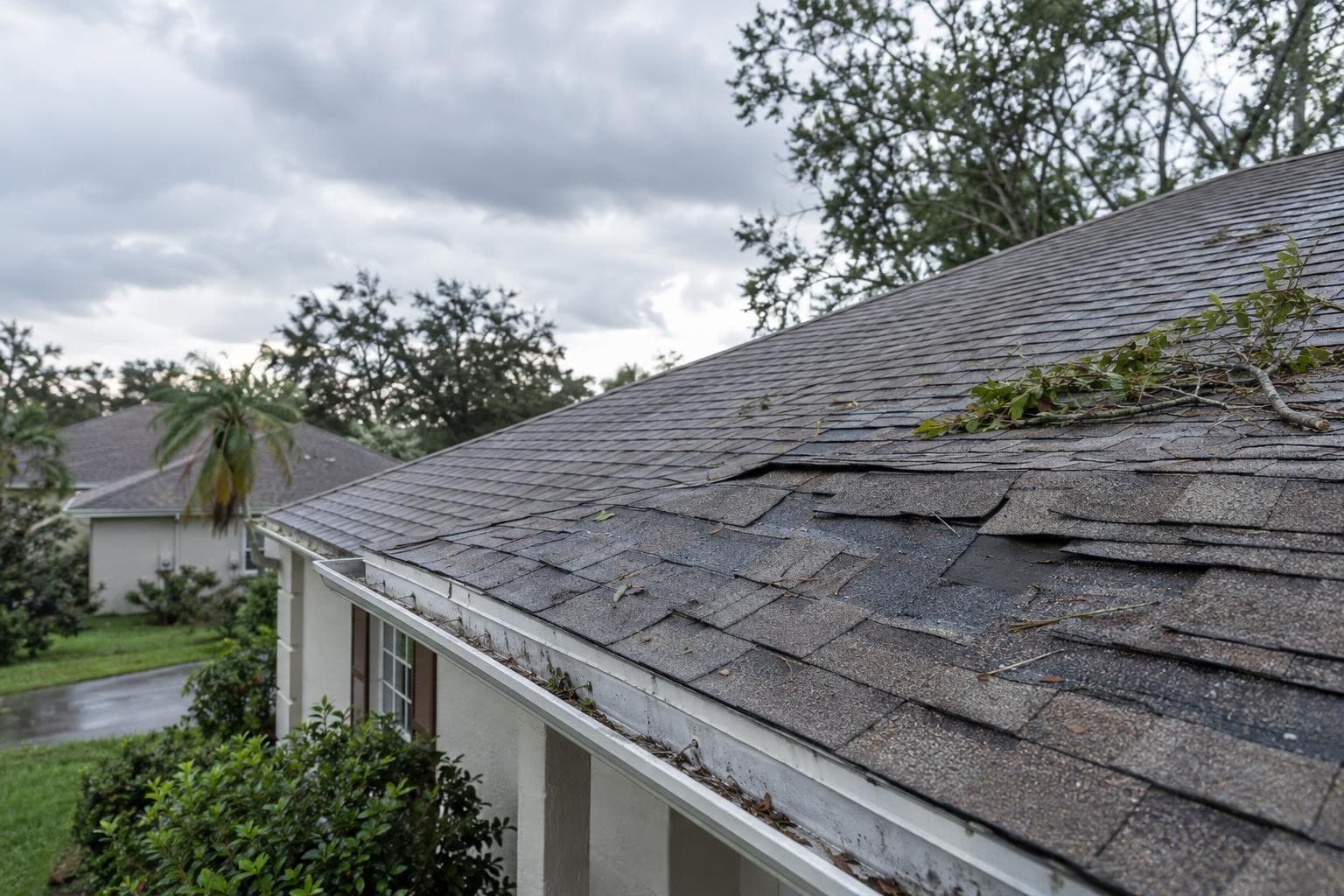
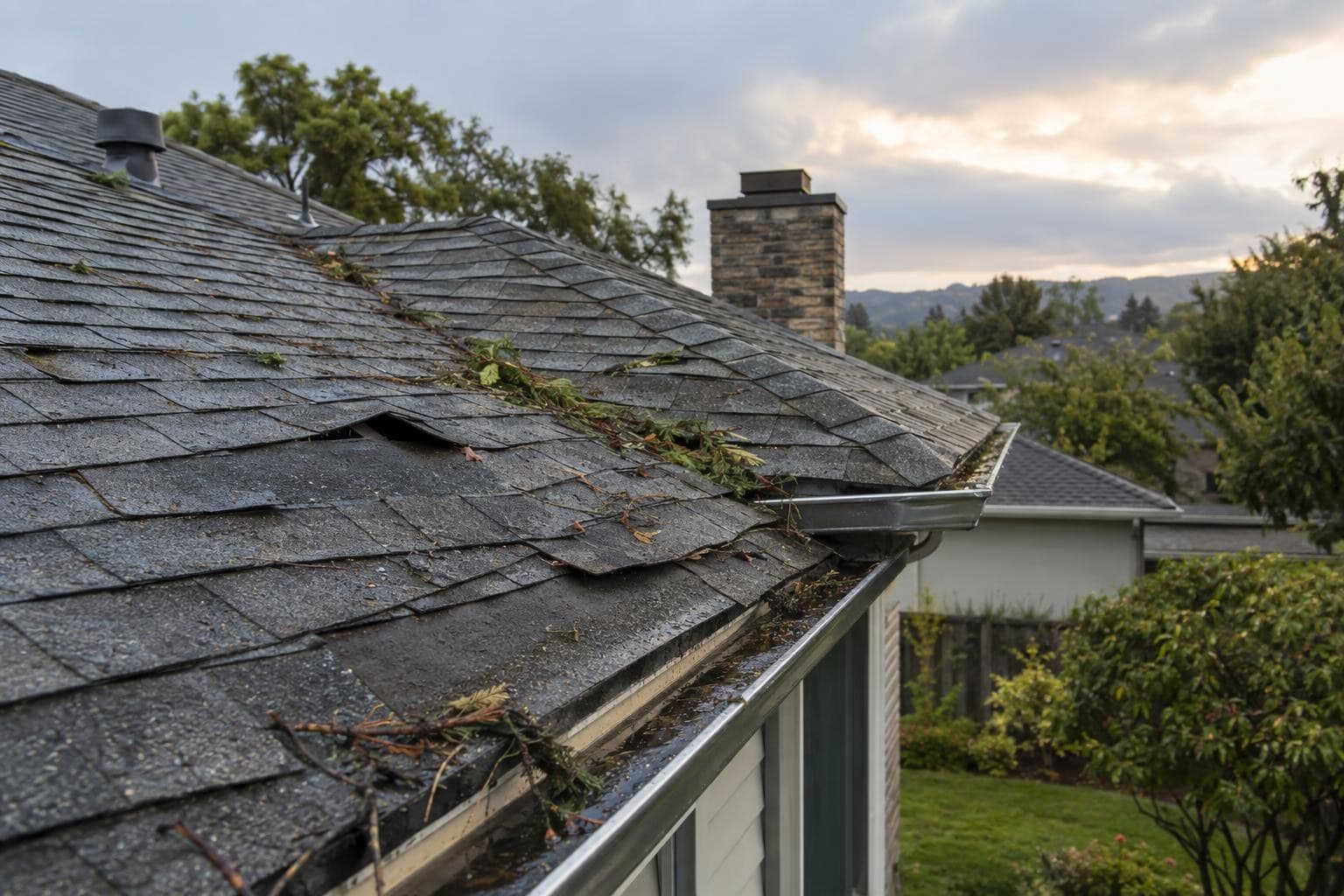
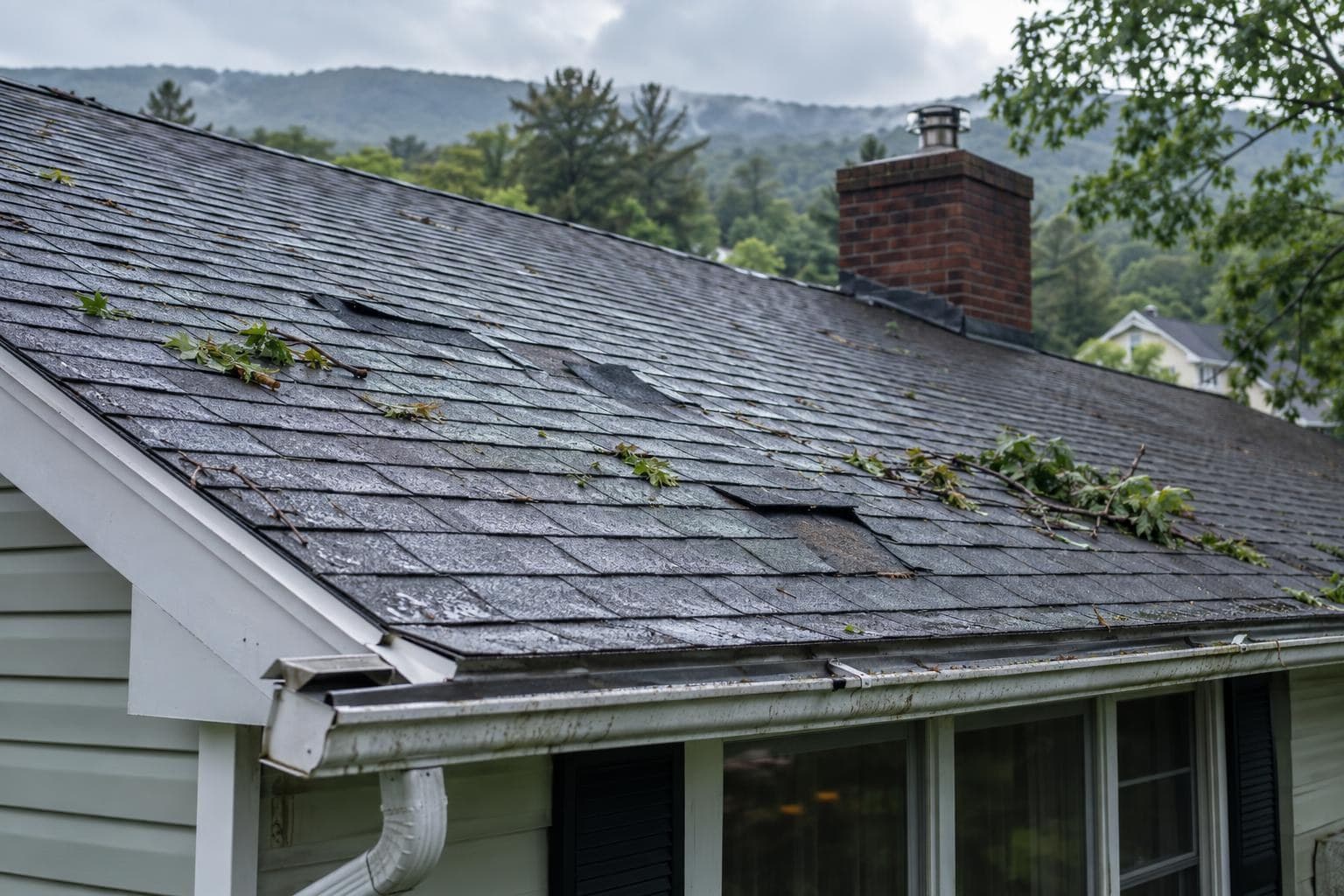
The short answer is pattern and timing. Storm damage usually looks sudden, directional, or concentrated in exposed areas. Age-related wear usually looks gradual and spread out. On a Vermont roof, that distinction matters because freeze-thaw cycles, wind-driven rain, and long snow loads can wear a roof down over time, then a single storm reveals the problem. Fresh storm damage may show as missing shingles, sharp creases, torn tabs, displaced ridge material, lifted flashing, impact marks, or debris strikes. Older wear often shows as widespread granule loss, brittle shingles, curling edges, repeated patching, exposed fasteners, chronic staining near penetrations, and deterioration around eaves where ice buildup has backed water up before.
- Storm damage often appears right after a specific weather event
- Storm damage is often concentrated on one slope or at roof edges and ridges
- Age-related wear usually appears across many areas, not just one impact zone
- Fresh damage tends to have cleaner tears, broken seal lines, or newly exposed asphalt
- Older problems often show repeated repairs, uneven weathering, and long-term staining
What roof areas fail first on Vermont homes after a storm?
The first failure points are usually the roof details, not the big field of shingles. In Vermont, freeze-thaw cycles can work water into weak spots around shingles, flashings, valleys, skylights, chimneys, and penetrations. After a storm, your roofer should pay close attention to valley metal, step flashing, pipe boots, chimney flashing, ridge caps, skylight perimeters, and lower roof edges where ice and drainage issues tend to combine. When you plan a repair or replacement, it helps to ask your roofer how the system will handle ventilation, drainage, flashing transitions, and winter weather.
Will homeowners insurance cover storm damage to your roof in Vermont?
Coverage depends on the cause of loss and your policy terms, so read the policy and ask questions early. For storm damage roof in Vermont, coverage depends on the policy language, cause of loss, exclusions, and the insurer's decision; verify those terms in your own documents. If you want protection from those risks, you need to talk to your insurance agent about separate coverage available in your area. If you are confused about what your homeowners policy covers after roof damage, Vermont's Department of Financial Regulation says you can contact the Vermont Insurance Department directly for help, or file a complaint through the department if you run into a problem with your insurer.
How do you choose a roofer after a Vermont storm?
Start with registration, then move to scope, materials, and paperwork. Vermont requires residential contractors to register with the state. Registration for Residential Contractors has been required since April 1, 2023, under Act 182, and the Vermont Office of Professional Regulation oversees unlawful and unprofessional conduct by individuals and businesses required to register. The state is also clear about the limits of that oversight, so you should still do your own homework. Look up your roofer in the state's Find a Professional tool to confirm they are registered, and ask for a detailed written contract, the full material list, and a clear cleanup and payment schedule before you sign. If a dispute comes up over money or coverage, Vermont points consumers to the Attorney General's Consumer Assistance Program for help beyond OPR's jurisdiction.
What does storm repair or replacement cost in Vermont?
For a storm-damage roof project in Vermont, start with current Vermont cost data, then test the planning range against a measured proposal that names the complete roof assembly. For a storm-damage roof project in Vermont, require the written schedule to account for roof geometry, access, weather protection, material handling, inspections, and possible deck work.
Should you upgrade to Class 4 after hail or storm damage?
It is worth asking about if you are already replacing the roof. For a storm-damage roof project in Vermont, treat any impact-resistant roof credit as unconfirmed until the insurer identifies the eligible product, required documentation, premium portion, and amount in writing. If you are considering a Class 4 impact-resistant shingle, ask your insurer whether it offers any premium discount or underwriting preference for that material. Carriers set their own discounts and eligibility rules, so the savings, if any, can vary by policy and property.
After a Vermont storm, the best next step is simple: document what changed, stop active leaks, and get a roofer whose credentials and written scope you checked to inspect the roof before small failures turn into bigger winter problems. A good inspection can separate sudden storm damage from old wear, show whether tarping is enough, and help you decide between repair and replacement with clear current local pricing in hand.
Sources
- National Association of Insurance Commissioners: What You Need to Know When Filing a Homeowners Claim
- Insurance Institute for Business & Home Safety: Natural Weathering and Hazard Exposure
- Vermont Department of Financial Regulation, Home and Renters Insurance
- Vermont Office of Professional Regulation, Residential Contractors
Reviewed technical references for Vermont
Related Vermont roofing guides
Related services
Updated July 27, 2026
3D Roofs Editorial Team
Editorial Standards