Updated July 27, 2026

3D Roofs Editorial Team
Editorial Standards
If a storm just hit your roof, start by protecting the house, documenting what you see, and avoiding any major repair contract until the claim damage is set. In Virginia, that first window matters because rain, wind, humidity, and storm activity can turn a small weak spot into a leak fast. Your goal is simple: stop further damage, create a clear paper trail, and get a local roofer you have vetted to inspect the roof before a small problem grows.
What should you do in the first 48 hours after storm damage to your Virginia roof?
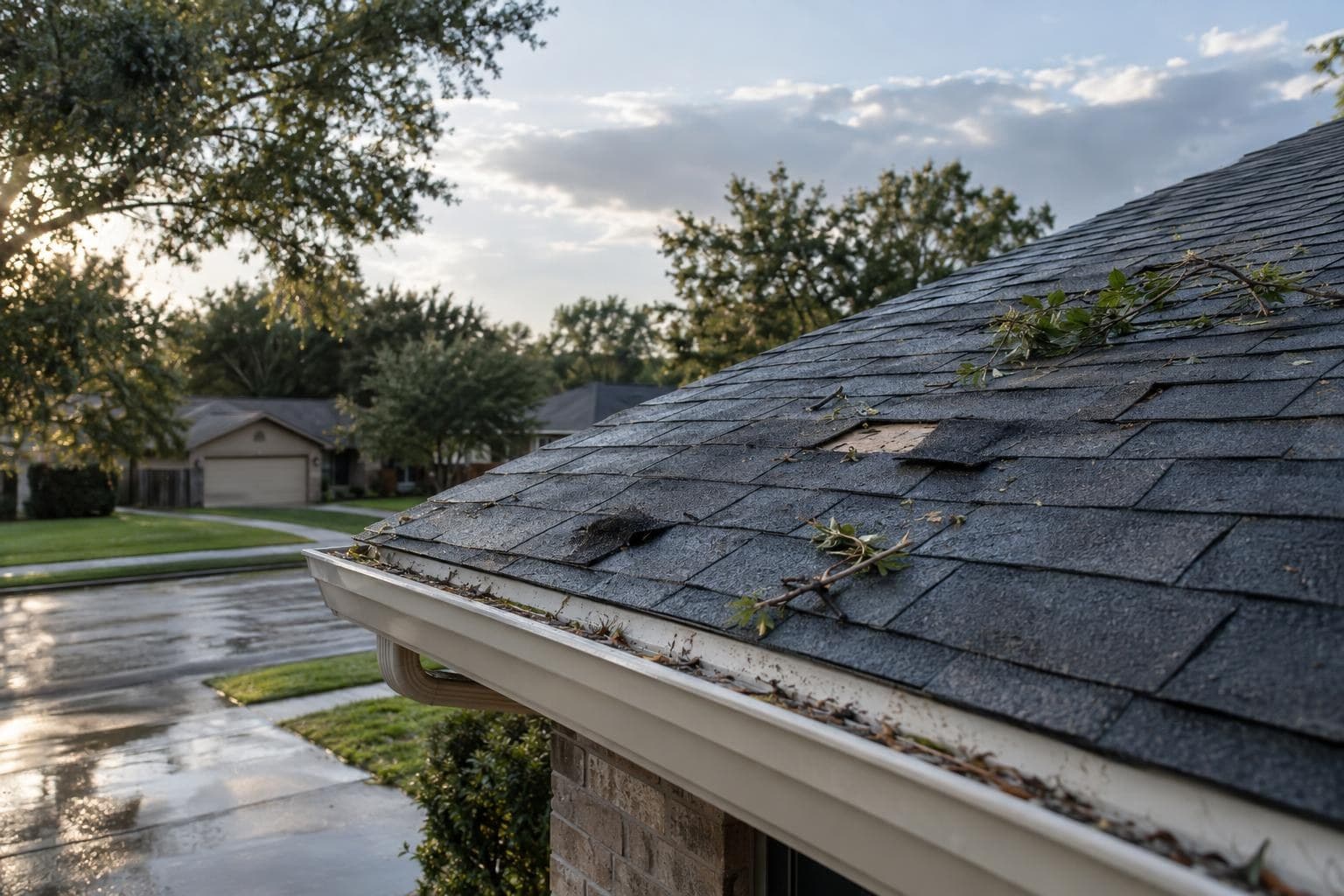
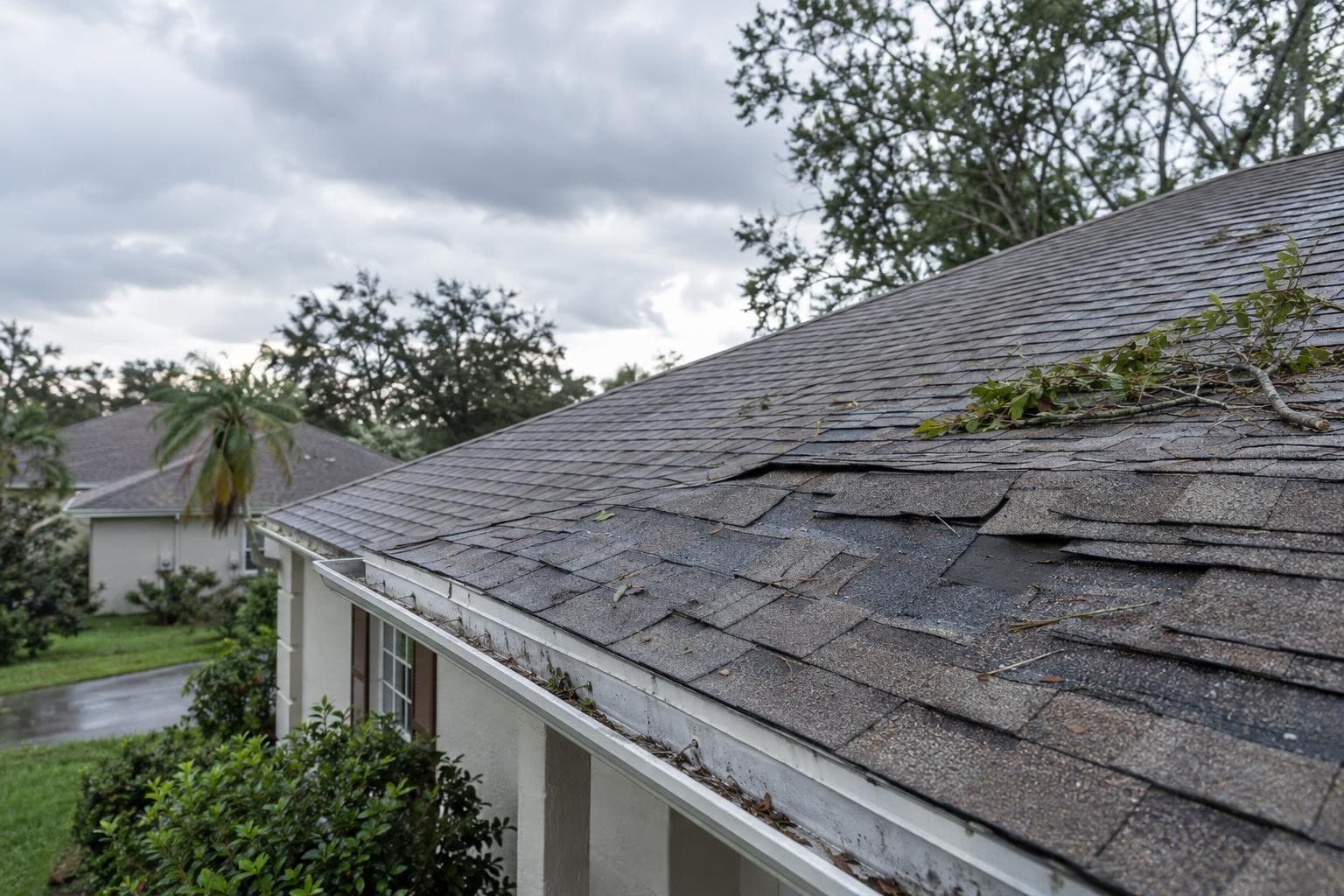
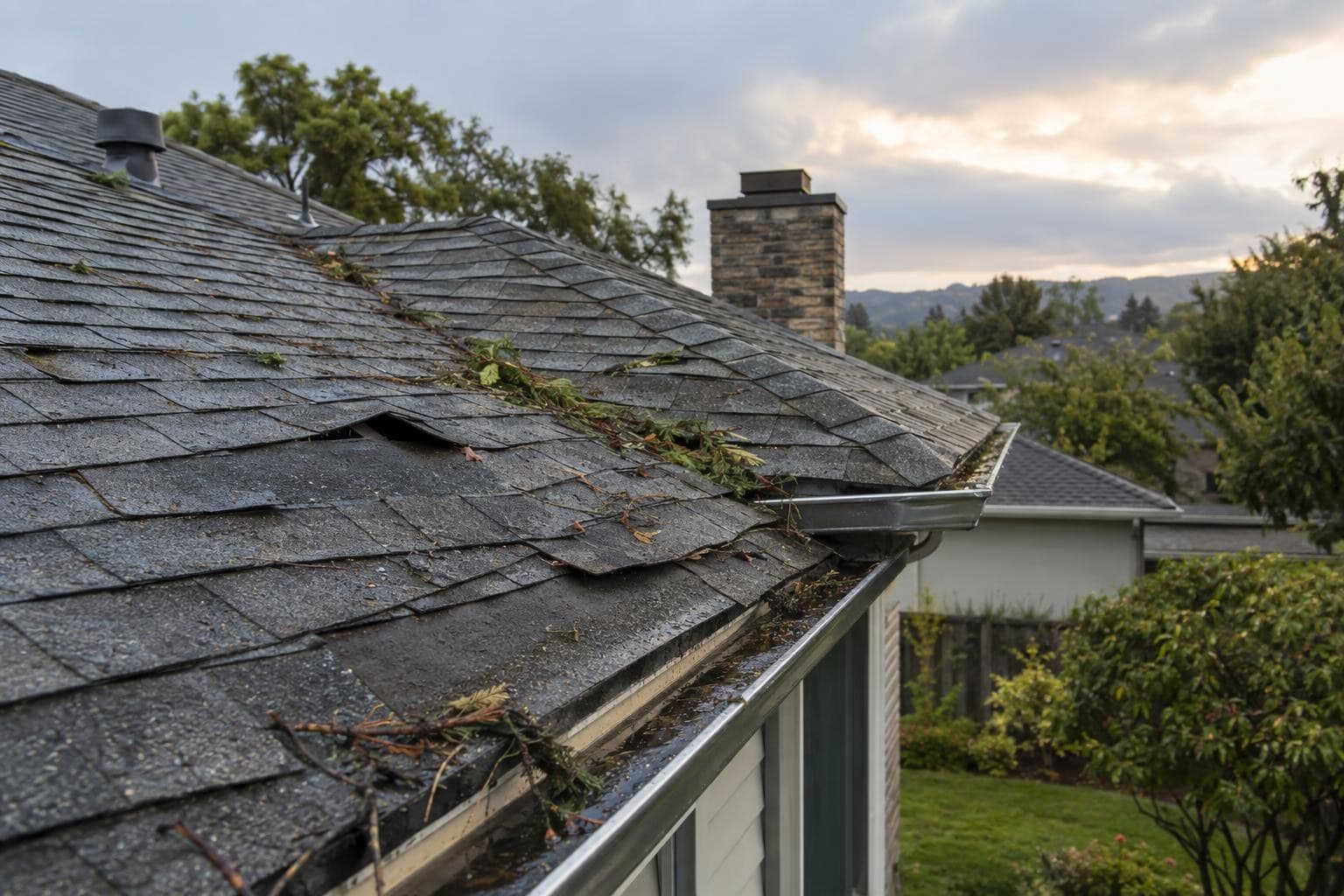
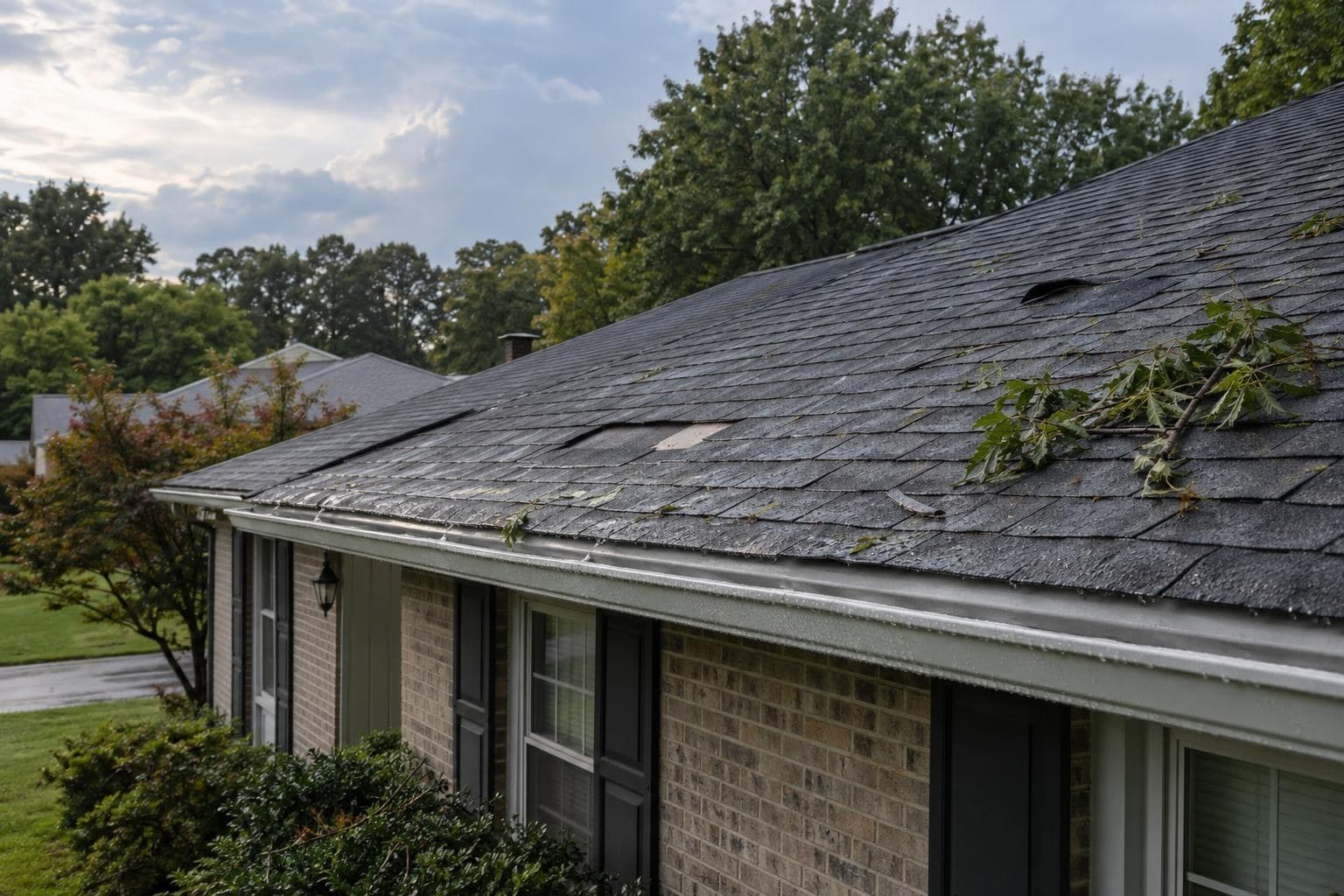
Start with safety, then damage control, then documentation. If water is getting in, use buckets, move valuables, and keep people out of any area with sagging ceilings or wet electrical fixtures. From the ground, look for obvious signs like missing shingles, bent flashing, fallen branches, exposed underlayment, or debris impact. Virginia’s consumer guidance says you should make necessary temporary repairs as soon as possible to protect your property from further damage, including boarding up openings and patching holes in walls or roofs. It also says most homeowners policies cover the reasonable costs of emergency clean-up and temporary repairs. Take photographs before cleanup and keep receipts for your expenses.
- Take clear photos and video before moving debris or drying out the area.
- Photograph the roof from the ground, the yard, gutters, siding, and any interior leaks or stains.
- Write down the date of the storm and what you noticed first.
- Save receipts for tarps, buckets, emergency clean-up, and temporary repair work.
- Call your insurer to start the claim and ask what documentation they want first.
- Schedule a roof inspection with a qualified local roofing contractor.
How do you document roof storm damage for an insurance claim?
Document everything in a way that shows cause, location, and timing. That means wide shots of the house, closer photos of each damaged area, and interior photos that connect roof damage to active leaks or water stains. If shingles blew off, photograph the missing sections and any shingles you find on the ground. If hail or debris hit metal parts, capture dents on vents, flashing, gutters, and downspouts. Good documentation helps show that the damage came from a storm event, not from wear that built up over time. For storm damage roof in Virginia, ask the insurer and state insurance regulator for the current notice, proof-of-loss, inspection, acknowledgment, and decision deadlines that apply to the claim.
Should you tarp the roof right away?
Yes, if the roof is open to water, tarp it as soon as you can do it safely. The point of tarping is not to finish the repair. It is to stop more water from getting in while you wait for the inspection, adjuster visit, or repair plan. Virginia’s consumer guidance is clear that you should make temporary repairs to stop further damage. Just make sure you photograph the damage first, or at least before the damaged area is fully covered. If climbing the roof is unsafe, do not do it. Have your roofer handle the emergency protection.
Talk to a roofer today
Planning ranges, scope details, and a direct path to request a roofing quote.
How can you tell storm damage from an old roof wearing out?
Storm damage usually looks sudden and localized. Age-related wear usually looks gradual and widespread. After wind, you may see missing shingles, lifted tabs, creased shingles, torn seal strips, displaced ridge pieces, or flashing pulled loose in one exposure or slope. After hail or impact, you may see fresh bruising, granule loss in concentrated spots, or sharp dents on softer metal accessories. By contrast, an aging roof often shows even granule loss, brittle shingle edges, widespread curling, uniform discoloration, repeated patching, and general fatigue across many areas. In Virginia, humid conditions can make it important to catch roof damage early, before trapped moisture leads to bigger repair needs. That is one reason a prompt inspection matters. A local contractor whose credentials you verified can help separate fresh storm damage from older wear patterns.
Can a small storm leak turn into a bigger problem in Virginia?
Yes, and that is one of the biggest reasons to act fast. Virginia roofs deal with changing conditions across the year. Rain, wind, humidity, and storm activity can all shorten the life of roofing materials or turn a small weak spot into a leak. In hurricane-prone or coastal weather patterns, wind can damage shingles and flashing, while heavy rain can push water into vulnerable roof areas. Humid conditions can also make it important to catch roof damage early, before trapped moisture leads to bigger repair needs. What looks like one wet ceiling spot today can become soaked decking, insulation damage, stained drywall, and mold concerns if the opening stays exposed.
Should you sign a repair contract before the insurance adjuster looks at the roof?
No, not for major repairs. Virginia’s guidance says to obtain written estimates before repairs begin, and not to sign any contracts for major repair until the company representative has determined how much damage there is and how much the company will pay. It also warns against signing your insurance check over to a contractor in advance, and says a contract should specify that payments will be made as the work is completed. You can still move forward with temporary protection and an inspection, but hold off on locking into a full replacement contract until the scope of damage is clearer.
What will a Virginia roof repair or replacement likely cost after storm damage?
For a storm-damage roof project in Virginia, begin with documented damage, the policy deductible, and a property-specific repair or replacement scope. For a storm-damage roof project in Virginia, start with current Virginia cost data, then test the planning range against a measured proposal that names the complete roof assembly. For a storm-damage roof project in Virginia, require the written schedule to account for roof geometry, access, weather protection, material handling, inspections, and possible deck work.
Can impact-resistant shingles help after repeated storms?
They can be worth a look if your roof is already near replacement territory. If you are considering impact-resistant roofing materials, ask your insurer about any available Class 4 discount before you choose the product. Discounts are set by individual carriers and policy terms, so they can vary. The key step for you is to confirm with your carrier what proof they require and whether the specific roof system you are considering qualifies. For a storm-damage roof project in Virginia, treat any impact-resistant roof credit as unconfirmed until the insurer identifies the eligible product, required documentation, premium portion, and amount in writing.
What should you ask your roofer and insurer before work starts?
Ask for a written estimate, a clear scope of work, and a signed contract that explains how payments will be made as the work is completed. Confirm that your roofer’s business is properly licensed through the state lookup, especially if the job came from door-to-door solicitation. On the insurance side, ask whether your policy has a wind or hurricane deductible that is separate from your standard deductible. Virginia’s consumer guidance says some homeowners policies contain a special deductible for wind or hurricane losses, separate from other deductibles on the policy. It also explains that wind deductibles and hurricane deductibles are not always the same, and whether they apply depends on how the policy describes them. Review your policy language closely after a storm so you know which deductible may apply to your roof claim.
The bottom line is this: in the first 48 hours, protect the house, photograph everything, save receipts, and get a roofer whose credentials and written scope you checked involved before hidden moisture spreads. Do not confuse emergency tarping with a final repair, and do not let anyone rush you into a major contract before the claim damage is set. If you need to decide between repair and replacement, use the damage pattern, the age-related wear on the roof, and current local pricing to make the call with clear eyes.
Sources
Reviewed technical references for Virginia
Related Virginia roofing guides
Related services
Updated July 27, 2026
3D Roofs Editorial Team
Editorial Standards