Updated July 27, 2026

3D Roofs Editorial Team
Editorial Standards
If a storm just hit your Wisconsin roof, act fast, document everything, and focus on preventing more water from getting in. Wisconsin roofs are exposed to freeze-thaw cycles, heavy winter weather, summer storms, and wind. Snow and ice can stress shingles, flashing, and roof edges. Wind and hail can loosen or remove roofing materials. Rain can then work into those weak spots and turn a small issue into interior damage. In the first 48 hours, the goal is simple: protect the house, build a clean record of the damage, and get a local roofer you have vetted involved before a small problem spreads.
What should you do in the first 48 hours after a storm hits your roof?
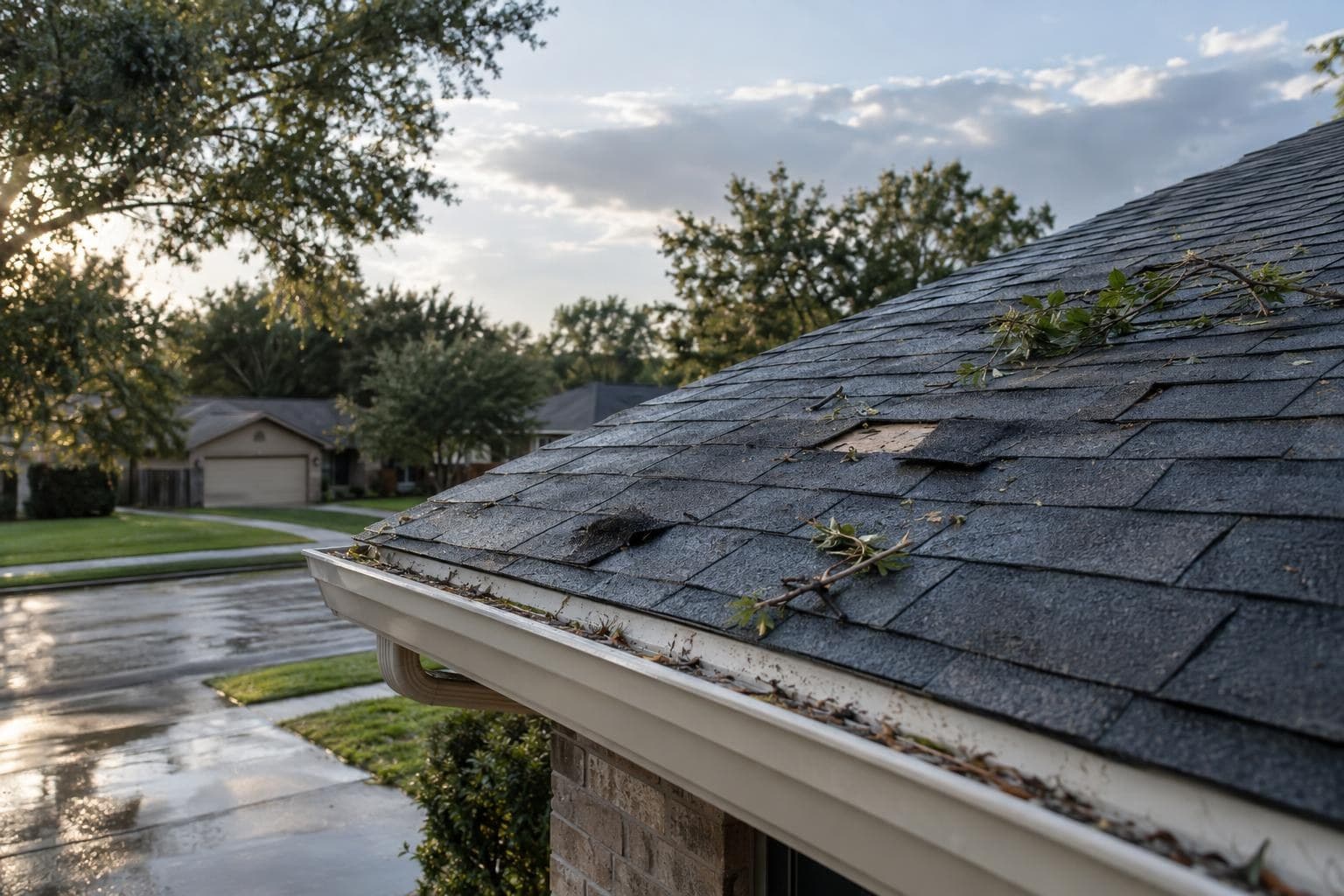
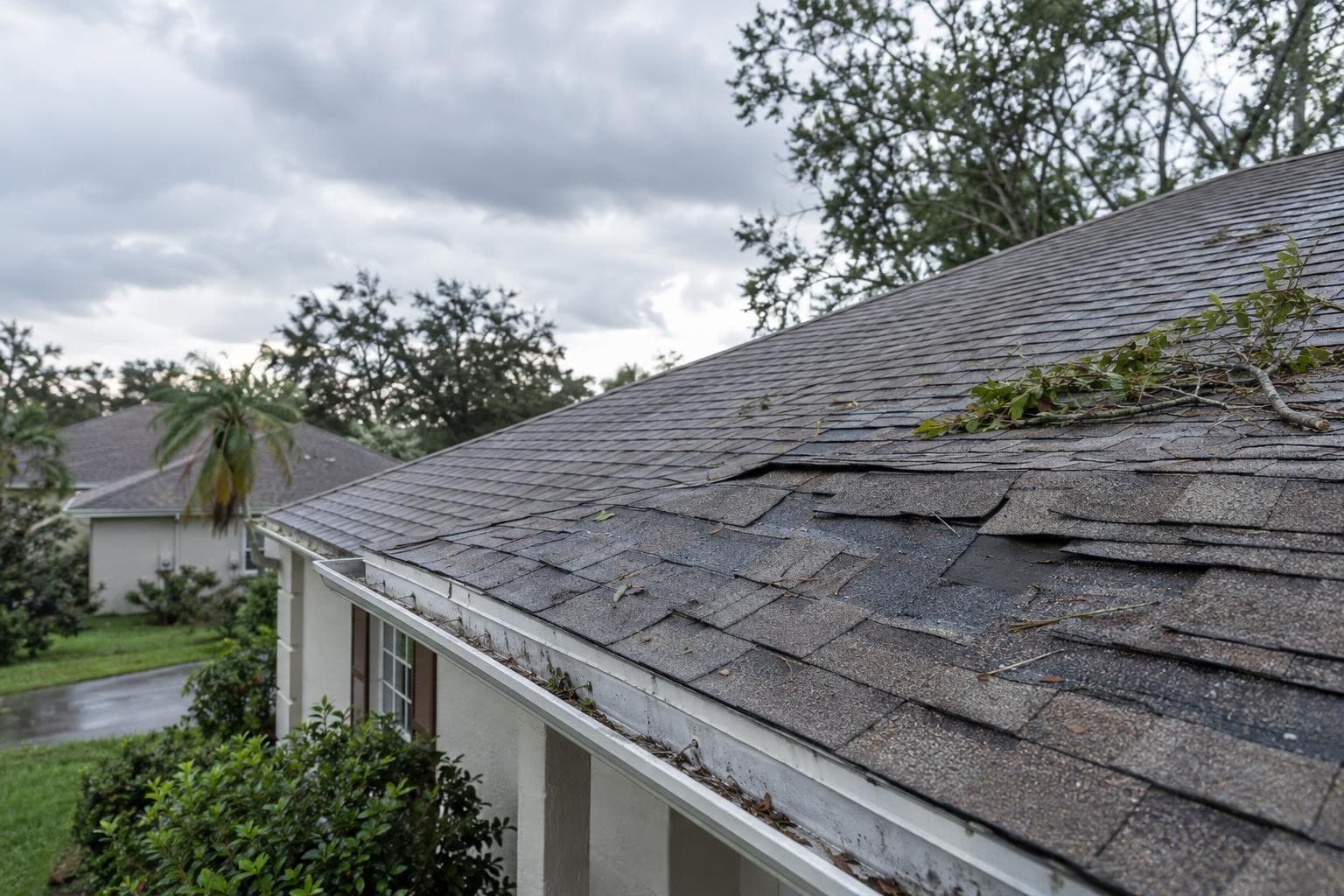
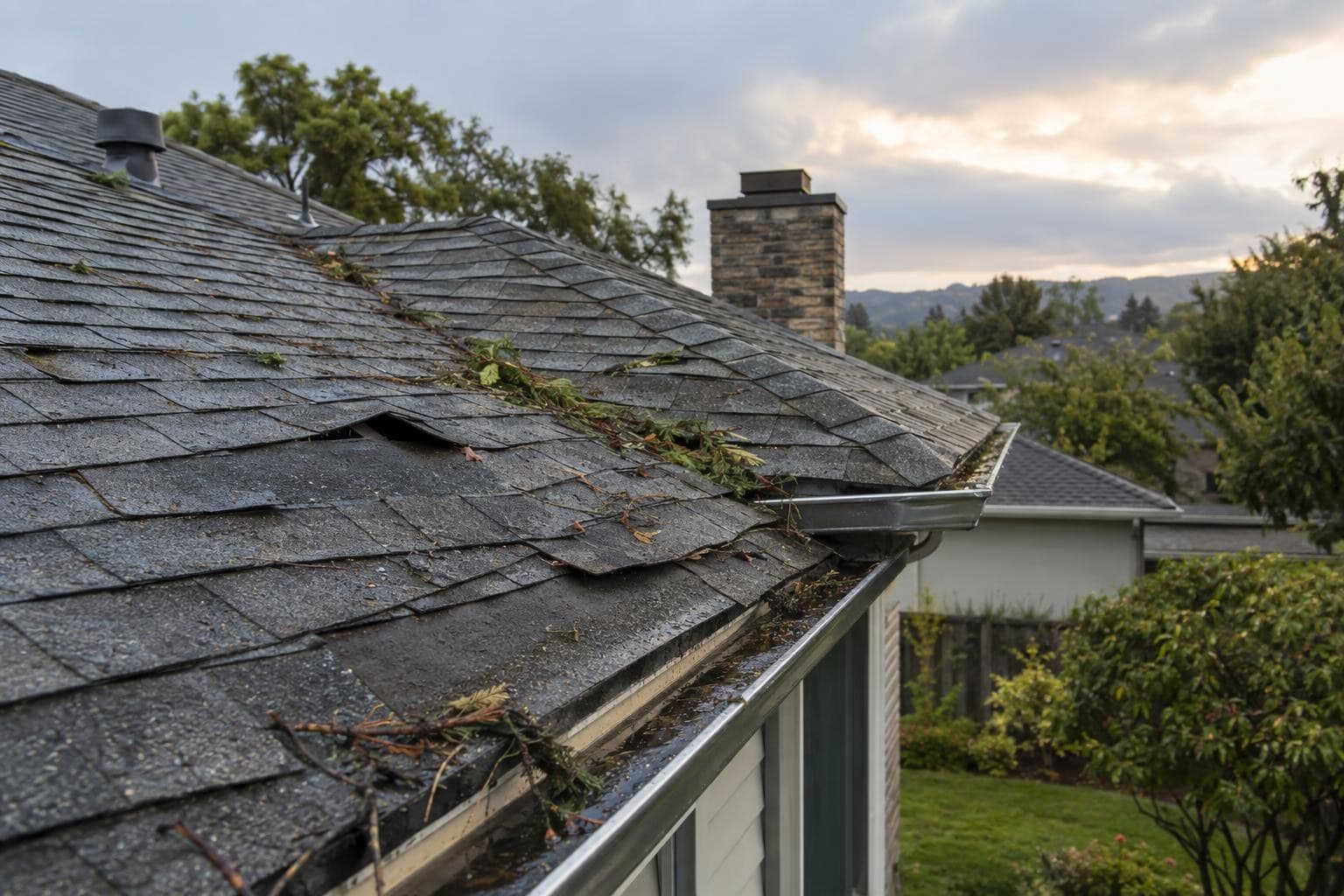
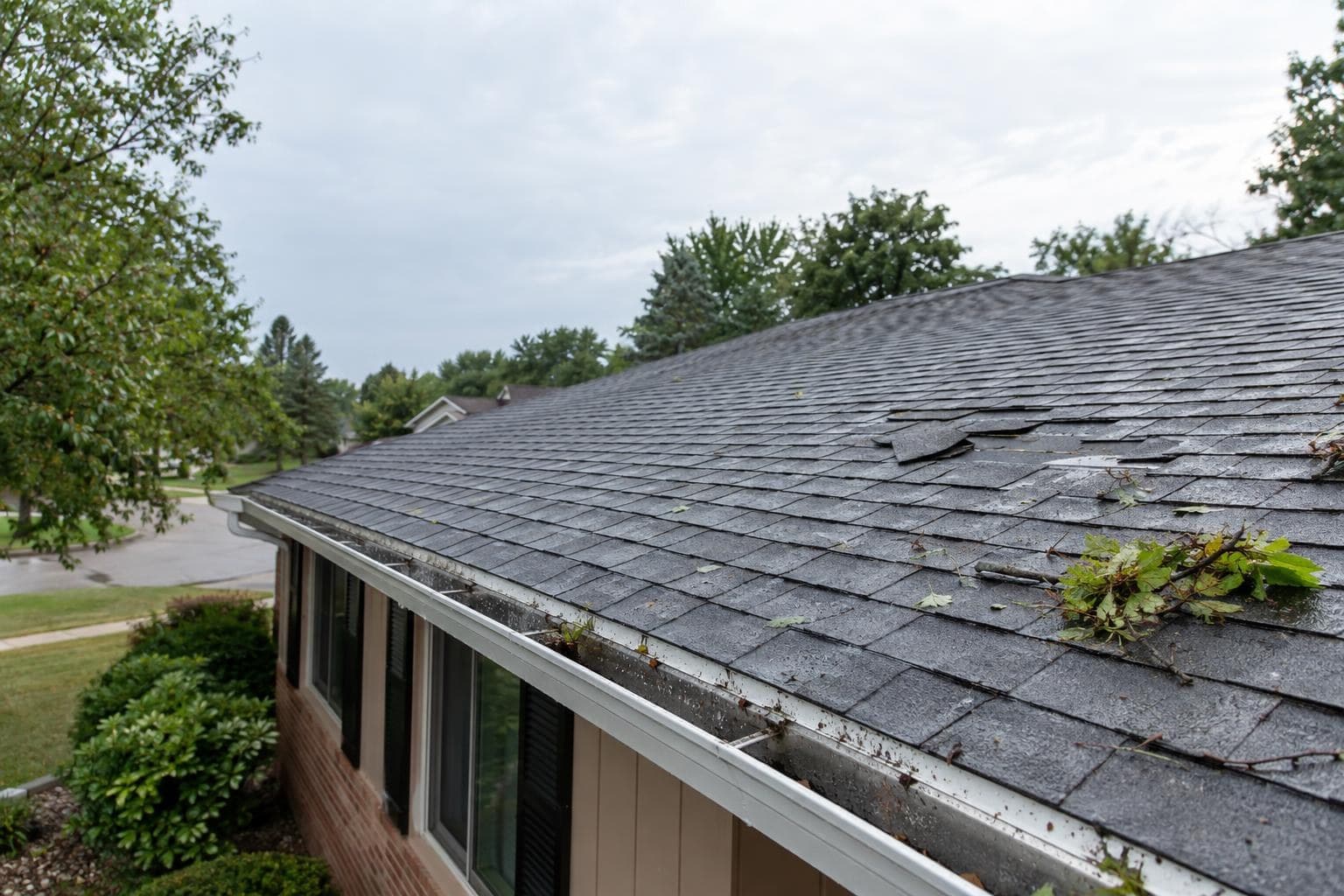
Start your claim right away, take photos, stop active leaks if you can do it safely, and save every piece of evidence. After a storm, notify your insurance agent or insurance company right away to begin the claim process. Make a list of damaged items for your adjuster, take photographs of the damage, keep swatches of damaged material when possible, and keep all receipts that document repair or replacement costs. That first-day record matters because storm damage can change fast once more rain, wind, or melting snow hits the roof.
- Walk the property from the ground and look for missing shingles, bent metal, fallen branches, and debris impact areas
- Take clear photos of every roof slope you can see, plus gutters, downspouts, siding, windows, ceilings, attic stains, and damaged personal items
- Write down the date of the storm and the first signs you noticed, such as leaks, shingle pieces in the yard, or water spots indoors
- Use buckets, towels, and simple interior protection to limit water damage
- Call a qualified local roofing contractor for an inspection and temporary dry-in work if the roof is open or leaking
- Keep receipts for tarps, emergency service, cleanup, and interior protection supplies
Should you tarp a storm-damaged roof right away?
Yes, if the roof is exposed or leaking, temporary tarping can help prevent more damage. The key is to do only what is safe and necessary. A tarp is not the repair. It is a short-term step to keep rain out until your roofer can make repairs or replace the roof. In Wisconsin, that matters because freeze-thaw cycles and heavy weather can turn a small opening into a much bigger issue. If the roof is steep, high, icy, or structurally questionable, stay off it and let your roofer handle the temporary protection.
If emergency work is needed, document the condition before and after the tarp goes on. Take photos of the opening, the area around it, and any interior damage. Keep the invoice and note what was done. For a storm-damage roof project in Wisconsin, begin with documented damage, the policy deductible, and a property-specific repair or replacement scope. For a storm-damage roof project in Wisconsin, require the written schedule to account for roof geometry, access, weather protection, material handling, inspections, and possible deck work.
What photos and documents help with a roof claim in Wisconsin?
The best claim file is simple, organized, and built right away. Take wide shots that show the whole roof area and close-ups that show the actual damage. Save damaged shingle tabs, metal pieces, or other material swatches when possible. Keep a running list of what was damaged and what you spent to protect the home. You should not throw out damaged property without the claim adjuster’s agreement. If local officials require disposal for safety reasons, photos and swatches can help support your claim.
- Exterior photos from all sides of the house
- Close-ups of missing, creased, bruised, or lifted roofing materials
- Photos of flashing, roof edges, vents, skylights, gutters, and downspouts
- Interior ceiling stains, wet insulation, attic leaks, and wall damage
- A written list of damaged items for your adjuster
- Receipts for temporary repairs, cleanup, and materials
- Swatches or saved pieces of damaged roofing material when possible
Talk to a roofer today
Planning ranges, scope details, and a direct path to request a roofing quote.
How can you tell storm damage from an old roof wearing out?
Storm damage usually looks sudden and directional, while age-related wear looks more uniform and widespread. Wind damage often shows up as missing shingles, lifted tabs, broken seals, or damage concentrated on slopes that faced the storm. Hail can leave bruising, granule loss in specific strike areas, or marks on metal components. Age shows up more evenly, with broad granule loss, brittleness, curling, shrinking, and general wear across the whole roof. In Wisconsin, freeze-thaw cycles can also widen old weak spots, which is why a storm can expose a roof that was already near the end of its service life.
This is where documentation and a prompt inspection matter. A storm may cause real damage even if the roof is older. At the same time, not every leak after a storm was caused only by that storm. Your roofer should document what looks storm-driven, what looks age-related, and whether temporary repair makes sense or replacement is the smarter path.
What if the leak is coming inside, but the roof damage looks small?
Small exterior damage can still cause serious interior problems. A lifted shingle, bent flashing edge, or puncture near a roof penetration can let water travel before it shows up on a ceiling. That is why you should not judge the problem by the size of the stain alone. Check the attic if you can do it safely, look for wet insulation or decking, and document every interior sign of water entry.
It also helps to know what insurance may not cover. Most homeowners policies do not cover flooding or seepage through the foundation. A separate flood insurance policy is necessary for that coverage. Damage from sewer backup or sump pump overflow is not covered by standard homeowners insurance or flood insurance, and requires a special endorsement on your homeowners policy. If you have roof-related water entry and separate basement water problems after the same storm, keep those records separate so the claim stays clear.
How do you choose a roofer after a Wisconsin storm without rushing?
Slow down enough to ask the right questions, even if the roof needs fast temporary protection. State guidance says no person may obtain a building permit for a one- and two-family dwelling unless that person holds a Dwelling Contractor certification or Dwelling Contractor Restricted certification, and holds or engages a person who holds a Dwelling Contractor Qualifier certification. After a storm, the state also tells you to take your time, step back if you feel pressured to sign quickly, and check for complaints before you hire. When you talk with a local contractor whose credentials you verified, ask who will pull the permit if one is needed, ask for the business name you should look up with the state, and ask how they handle documentation for your adjuster.
What does storm roof repair or replacement cost in Wisconsin?
The answer depends on whether the damage is isolated or widespread, what material you choose, and how steep the roof is. For a storm-damage roof project in Wisconsin, start with current Wisconsin cost data, then test the planning range against a measured proposal that names the complete roof assembly. For deeper local pricing details, you can check the Wisconsin cost page and the calculator.
If you are weighing impact resistance after hail or wind, ask your carrier whether it offers a discount for a Class 4 roof. For a storm-damage roof project in Wisconsin, treat any impact-resistant roof credit as unconfirmed until the insurer identifies the eligible product, required documentation, premium portion, and amount in writing. Discounts are set by the insurance carrier, so you should confirm eligibility, documentation requirements, and how the roof product must be identified on your policy.
What if your insurance claim gets stuck or you disagree with the outcome?
Start by pushing for a clear explanation in writing and keeping your file organized. If you have a specific complaint about your insurance, state guidance says to refer it first to the insurance company or agent involved. If you do not receive satisfactory answers, you can contact OCI. Keep your storm date, inspection notes, photos, receipts, and any saved material together so you can support your position if questions come up about cause, timing, or scope.
The bottom line is simple: in the first 48 hours after a Wisconsin roof storm, protect the house, document everything, and do not guess about what caused the damage. Storm damage and roof age can overlap, especially in a climate with freeze-thaw cycles, heavy winter weather, summer storms, and wind. a roofer whose credentials and written scope you checked can help you sort out what needs immediate tarping, what can be repaired, and when replacement makes more sense.
Sources
- National Association of Insurance Commissioners: What You Need to Know When Filing a Homeowners Claim
- Insurance Institute for Business & Home Safety: Natural Weathering and Hazard Exposure
- Wisconsin Office of the Commissioner of Insurance, After a Storm Hits
- Wisconsin Department of Safety and Professional Services, Dwelling Contractor
Reviewed technical references for Wisconsin
Related Wisconsin roofing guides
Related services
Updated July 27, 2026
3D Roofs Editorial Team
Editorial Standards