Updated July 27, 2026

3D Roofs Editorial Team
Editorial Standards
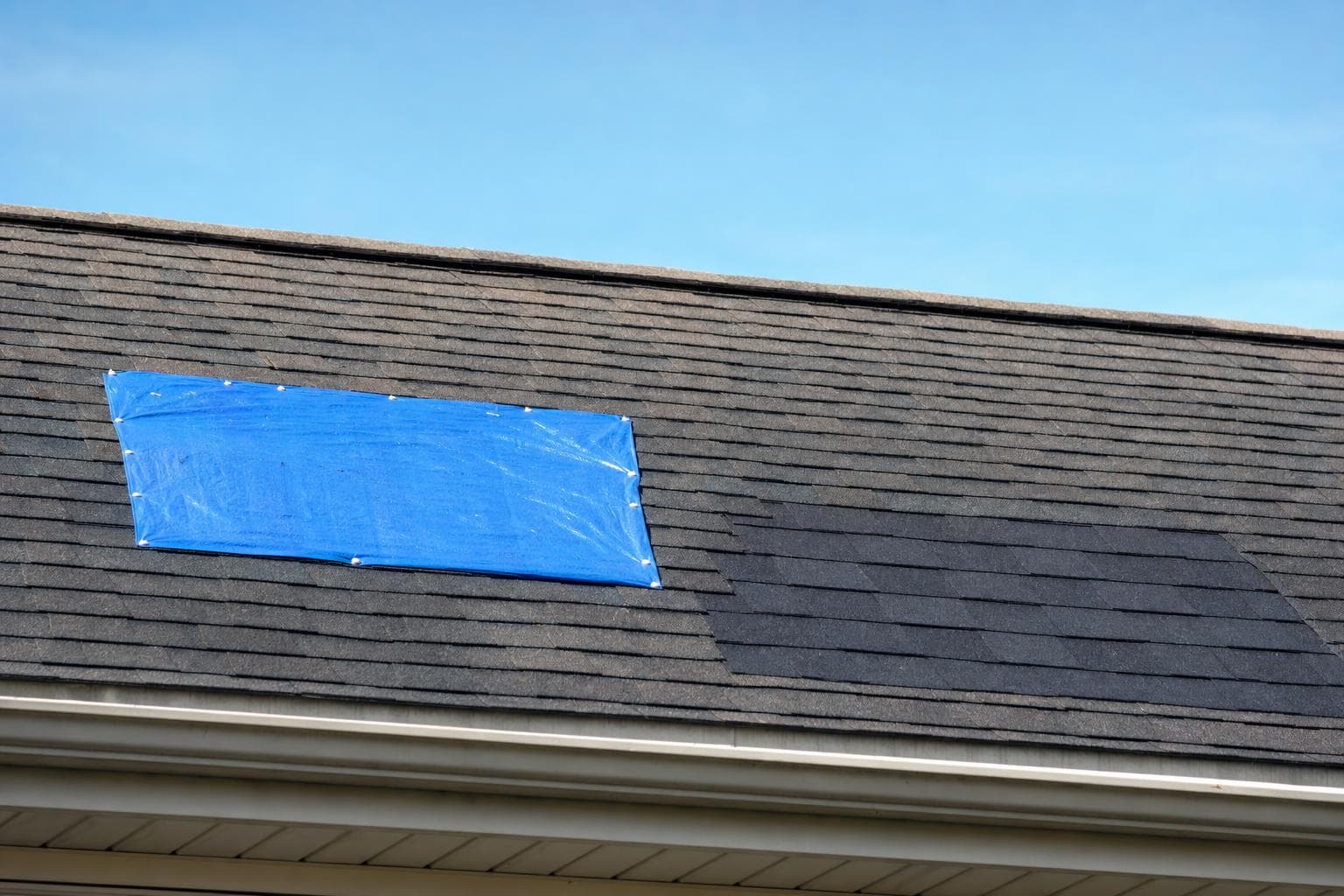
Not every roof problem can be fixed properly today. Storms hit at night, materials need ordering, insurance needs to see damage, and winter sometimes vetoes the work entirely. That's what temporary repairs are for, and used honestly, they're good roofing. Problems arise when temporary work is not labeled, its limitations are unclear, or the permanent inspection and repair are never scheduled.
Legitimate temporary repairs
- Emergency tarping over storm openings, protection while insurance and scheduling catch up.
- Temporary sealing of a puncture or flashing gap when rain is hours away.
- A weather-dependent temporary measure when the specified permanent material cannot be installed within manufacturer requirements; document the follow-up condition and date.
- Pre-adjuster mitigation, your policy requires preventing further damage, and documented temporary work does exactly that.
When 'temporary' is a red flag
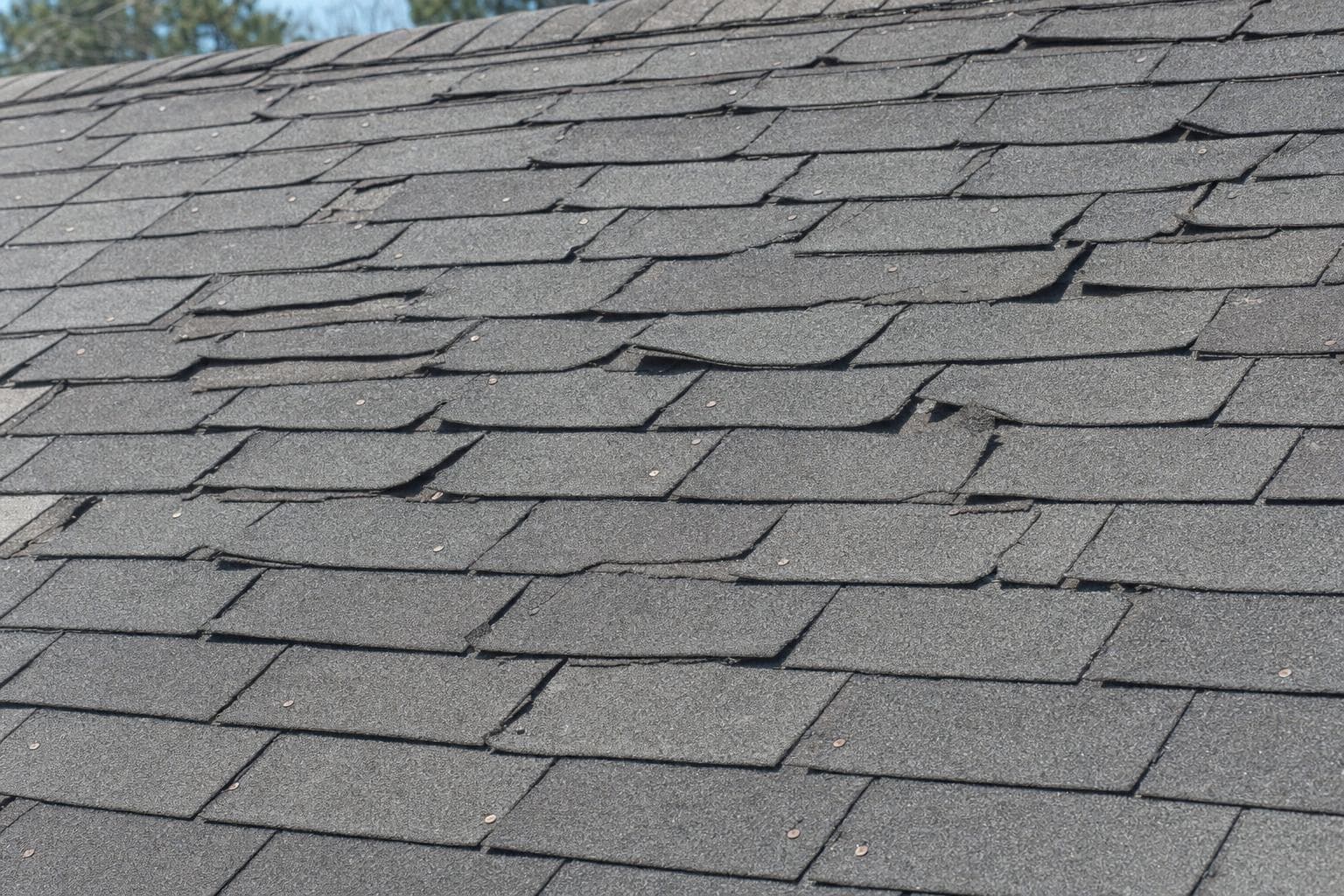
Sealant smeared over a flashing joint, a shingle glued over a hole, mastic troweled across a valley, these cost real money and fix nothing. The tell is what's missing: no named entry point, no scope for the permanent repair, no date for step two. A pro saying 'this tarp buys us three weeks; here's the quote for the real fix' is doing it right. A surface sealant without a diagnosed water-entry path, defined repair detail, and follow-up check is not a durable repair plan.
Make the stopgap count
- 1Get both numbers at once, the temporary work and the permanent scope, in writing.
- 2Ask whether the emergency charge is credited toward the permanent repair. Reputable outfits often do exactly that.
- 3Set the date for the permanent fix before the crew leaves the driveway.
- 4Photograph the damage before it's covered, for insurance and for the next crew.
- 5Keep receipts and ask your insurer whether the policy and claim cover any part of the emergency work.
Talk to a roofer today
Planning ranges, scope details, and a direct path to request a roofing quote.
The math that decides repair scope
On a roof already being evaluated for replacement, limited temporary work may be reasonable when it safely controls the immediate problem and its cost, limits, and replacement schedule are written. The difference is intent: a stopgap chosen as part of a plan versus a stopgap chosen instead of one.
Test whether the installed material can accept a repair
Roof age is context, not a diagnosis. A repair makes sense when the entry point or damaged area is identifiable, the surrounding material can accept a durable repair, and the rest of the roof still performs. Replacement becomes more reasonable when failures are distributed, the deck or attachment is broadly compromised, compatible materials are unavailable, or previous repairs keep moving the symptom without correcting the cause. Ask the inspector to show which of those conditions is present on your roof. For the temporary-versus-permanent repair decision, require the recommendation to identify the failure boundary and the evidence that the surrounding roof can or cannot support a durable repair.
- Mark every active leak, prior repair, damaged slope, soft deck area, and failed transition on one roof diagram.
- Ask whether adjacent material can be lifted, tied in, and warranted without creating a new weak point.
- Compare the repair area with the roof's total condition instead of using a single percentage cutoff.
- Request separate prices for a durable repair and replacement when both are technically reasonable.
- For an insurance claim, keep construction recommendations separate from the insurer's coverage decision.
- For the temporary-versus-permanent repair decision, state the physical finding that would cause the recommended scope to change.
Handle Texas coastal requirements before opening the roof
The useful comparison starts with the roof's actual exposure, geometry, deck, attic assembly, drainage paths, and repair history rather than a national average alone. Before signing, ask the contractor to state the assumptions behind the recommendation and the concealed findings that could change it after opening the roof. The proposal should explain how decking, flashing, ventilation, code-required details, disposal, and matching materials are handled. That turns 'repair or replace' from a sales opinion into a decision you can revisit if the evidence changes.
Sources
A tarp with a follow-up date is roofing. A tarp without one is a subscription to water damage.
Related reading and source material
Locate the failed roof area and test the repair boundary: Temporary roof repair vs. permanent repair
Document cause, consequence, distribution, and uncertainty by slope and detail. Identify what must be removed, how water-control layers and flashings tie into sound material, and which finding would expand the opening or support replacement. Apply that record to the temporary roof repair vs. permanent repair decision and identify which property finding or written term would change the answer.
Preserve a usable investigation and completion record: Temporary roof repair vs. permanent repair
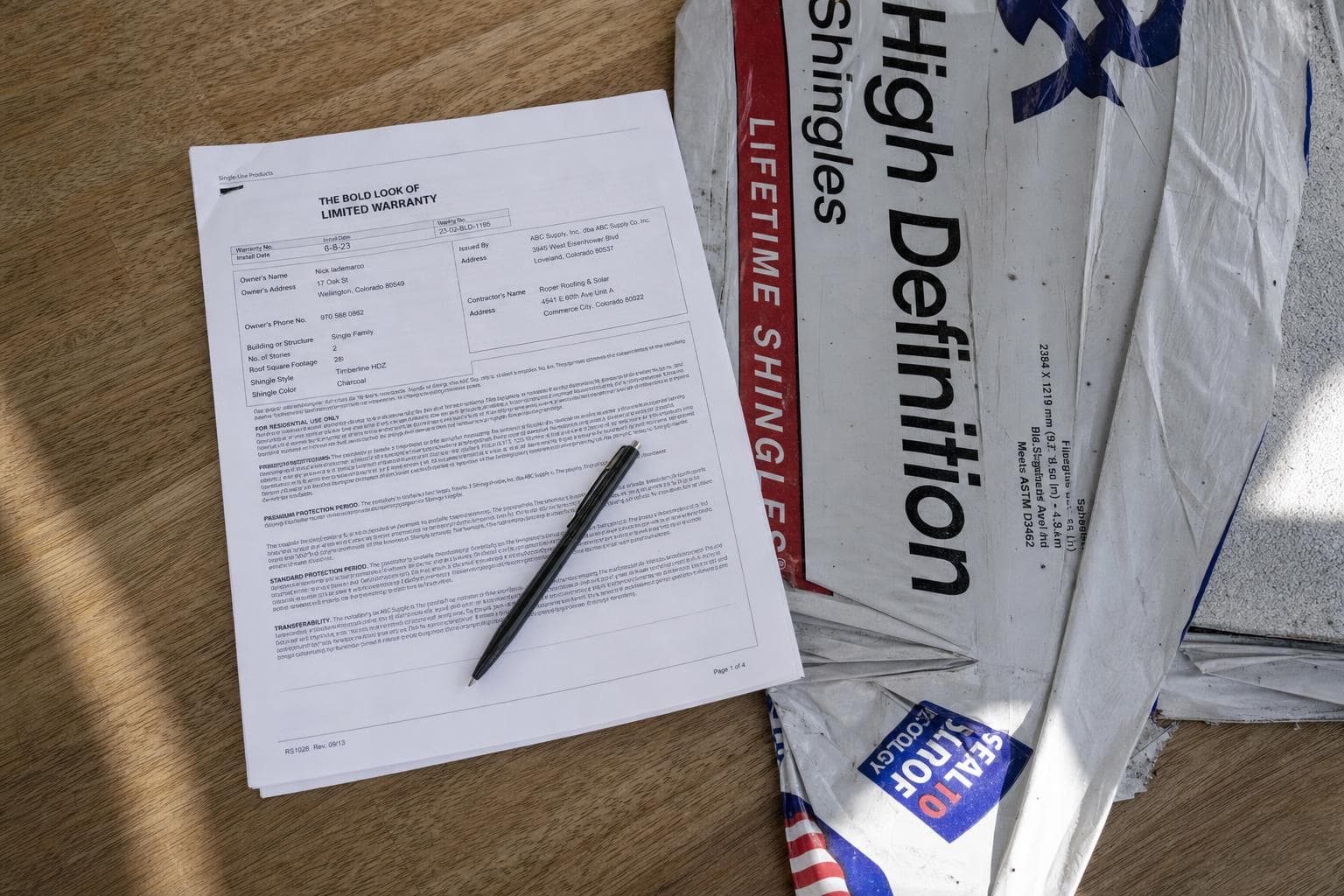
Use overview and close-up photographs, measurements, temporary-work receipts, contracts, changes, invoices, product details, and final photographs. Keep observed conditions separate from insurer, code, and contractor decisions.
Additional reviewed references
Related roofing resources
Related services
Updated July 27, 2026
3D Roofs Editorial Team
Editorial Standards