Updated July 27, 2026

3D Roofs Editorial Team
Editorial Standards
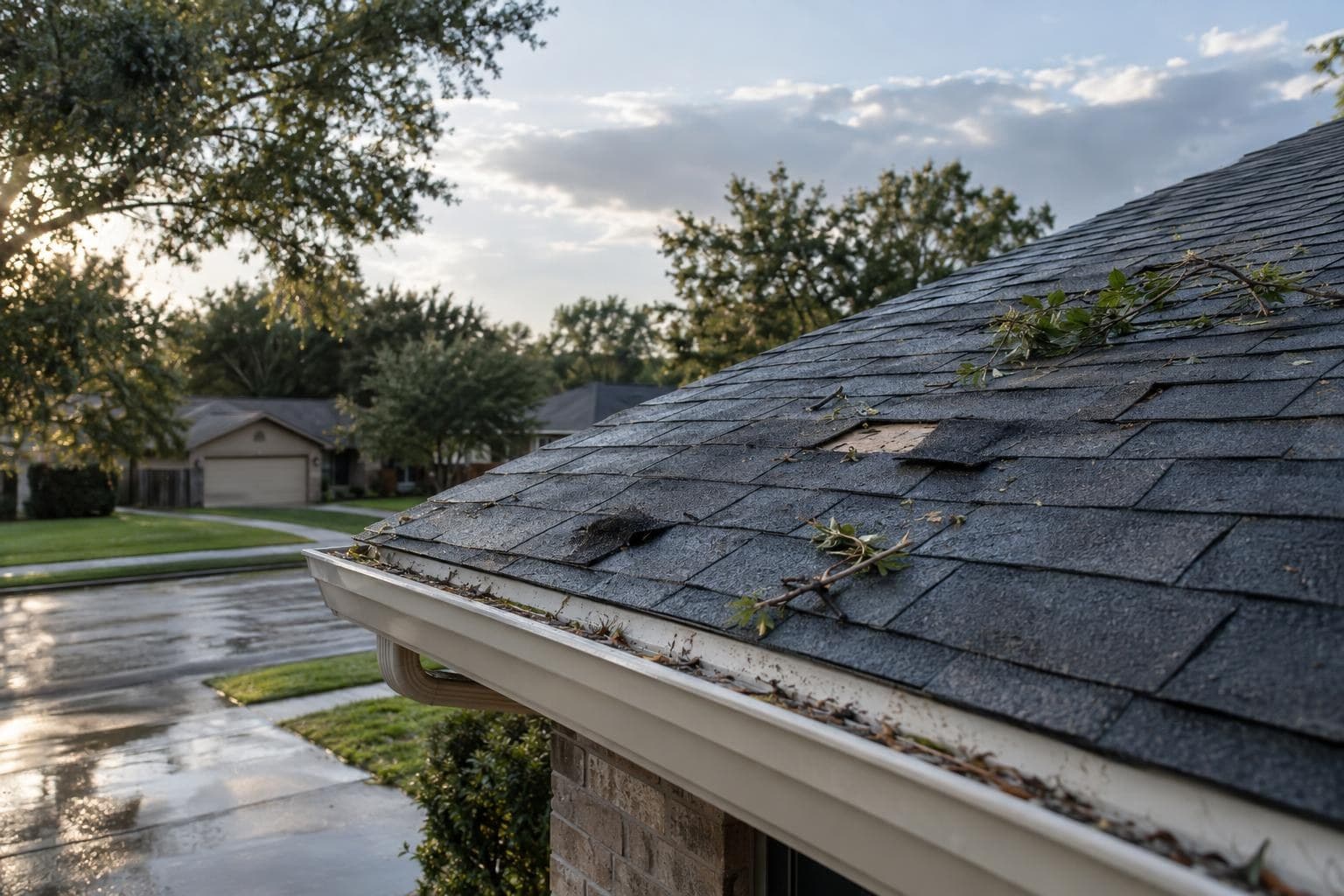
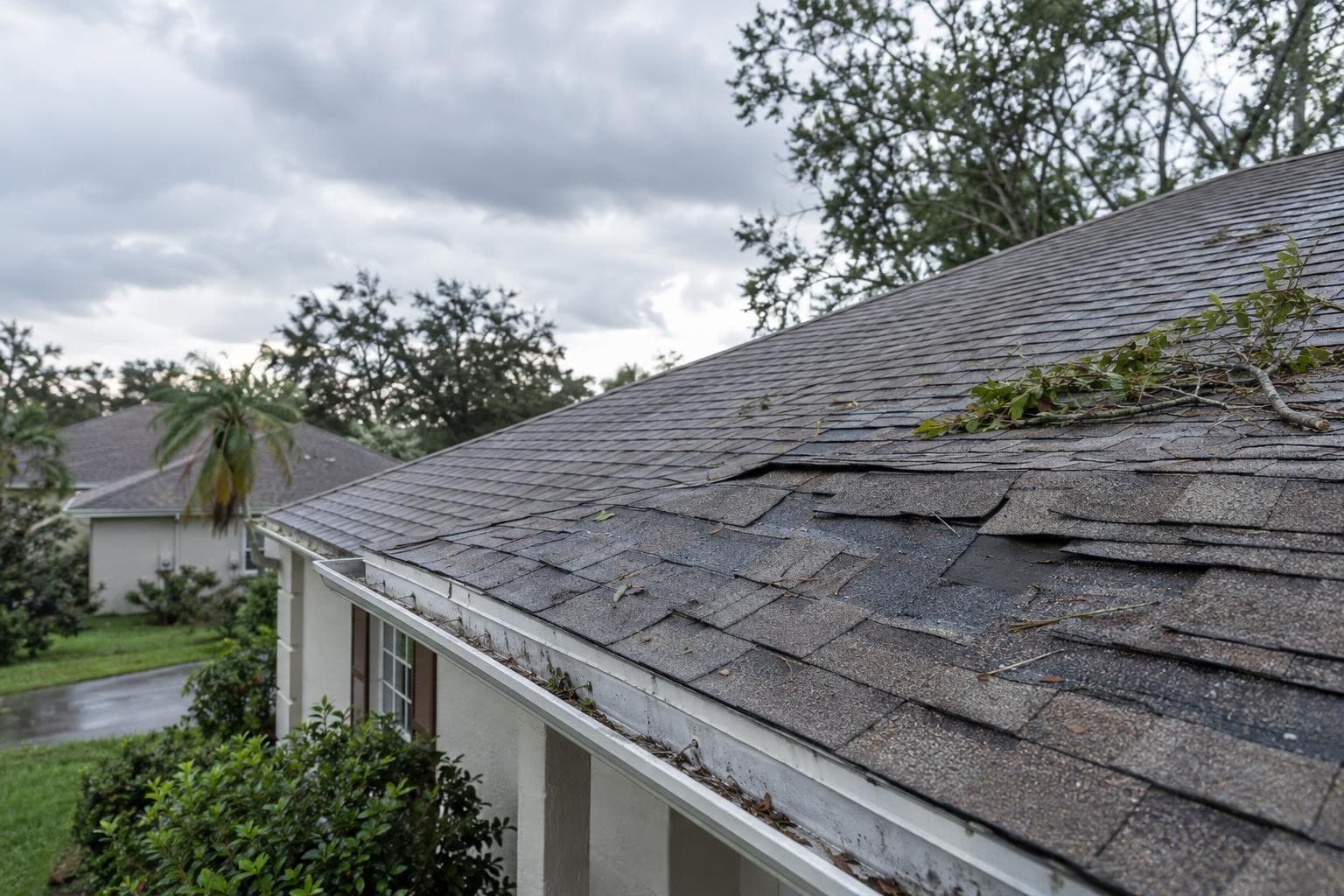
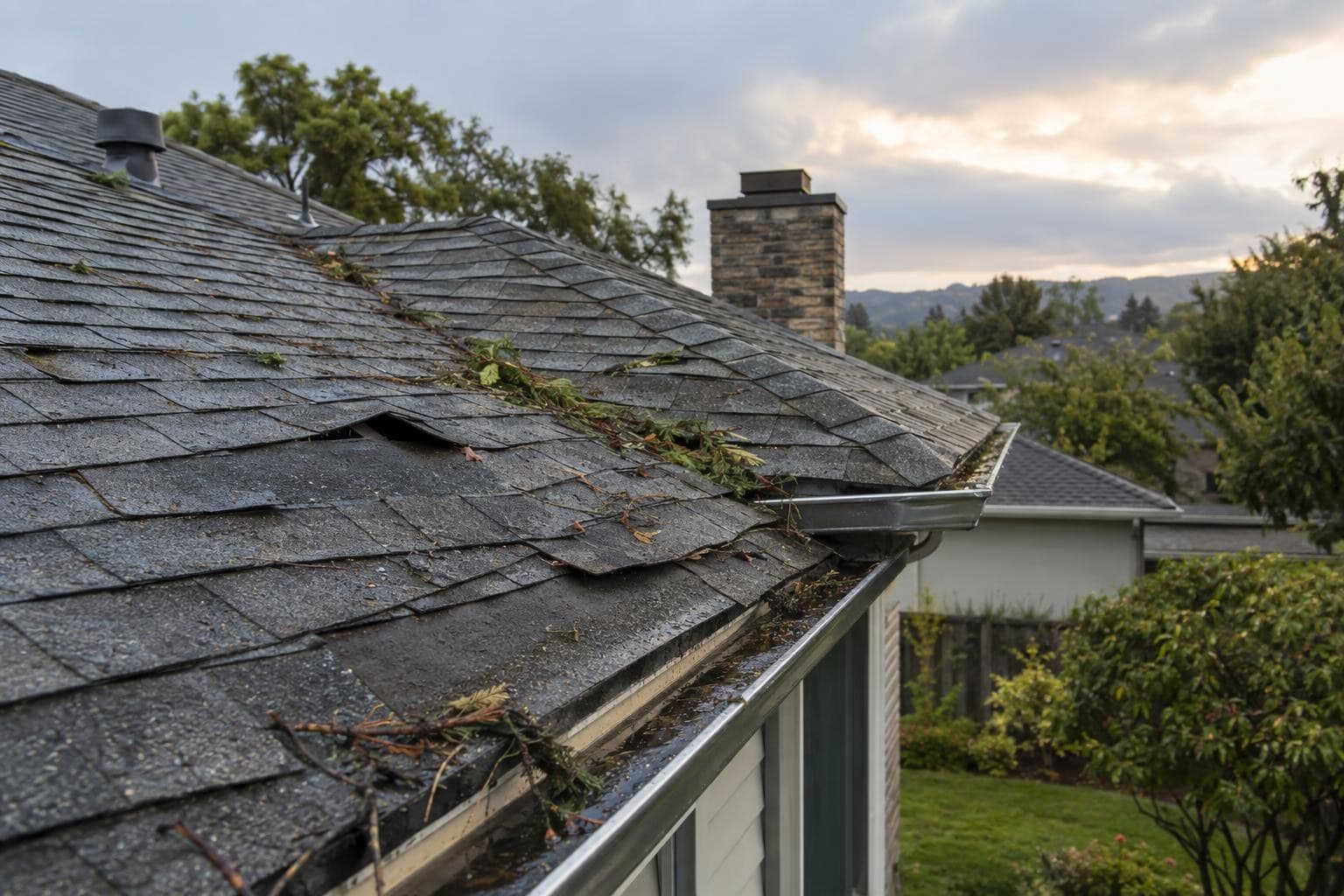
When a storm opens the roof, permanent work may not be available immediately because safe access, material, weather, inspection, and repair scope still have to be established. Crews are booked, materials need ordering, and your insurance adjuster hasn't seen anything yet. Roof tarping is the bridge: it stops the water damage from compounding, preserves the evidence your claim depends on, and buys you time to make the permanent decision without a drip in the living room rushing you.
When tarping is the right call
- Rain is coming and the roof has missing or damaged material.
- A limb or debris punctured the roof or opened a section.
- Decking is exposed after shingles blew off.
- A leak is active and the permanent repair can't happen immediately.
- Your policy may require reasonable steps to limit further damage, but confirm the expected temporary work and documentation with the insurer.
Document first, cover second
Before a tarp covers the area, photograph the opening, damaged materials, debris, interior stains, and the date when it is safe to do so from the ground or inside. Ask the emergency contractor to document conditions without delaying work needed to limit further water entry. Keep the written scope and receipt, then ask your insurer whether the policy and claim cover any part of the temporary work.
What the temporary-protection scope should identify
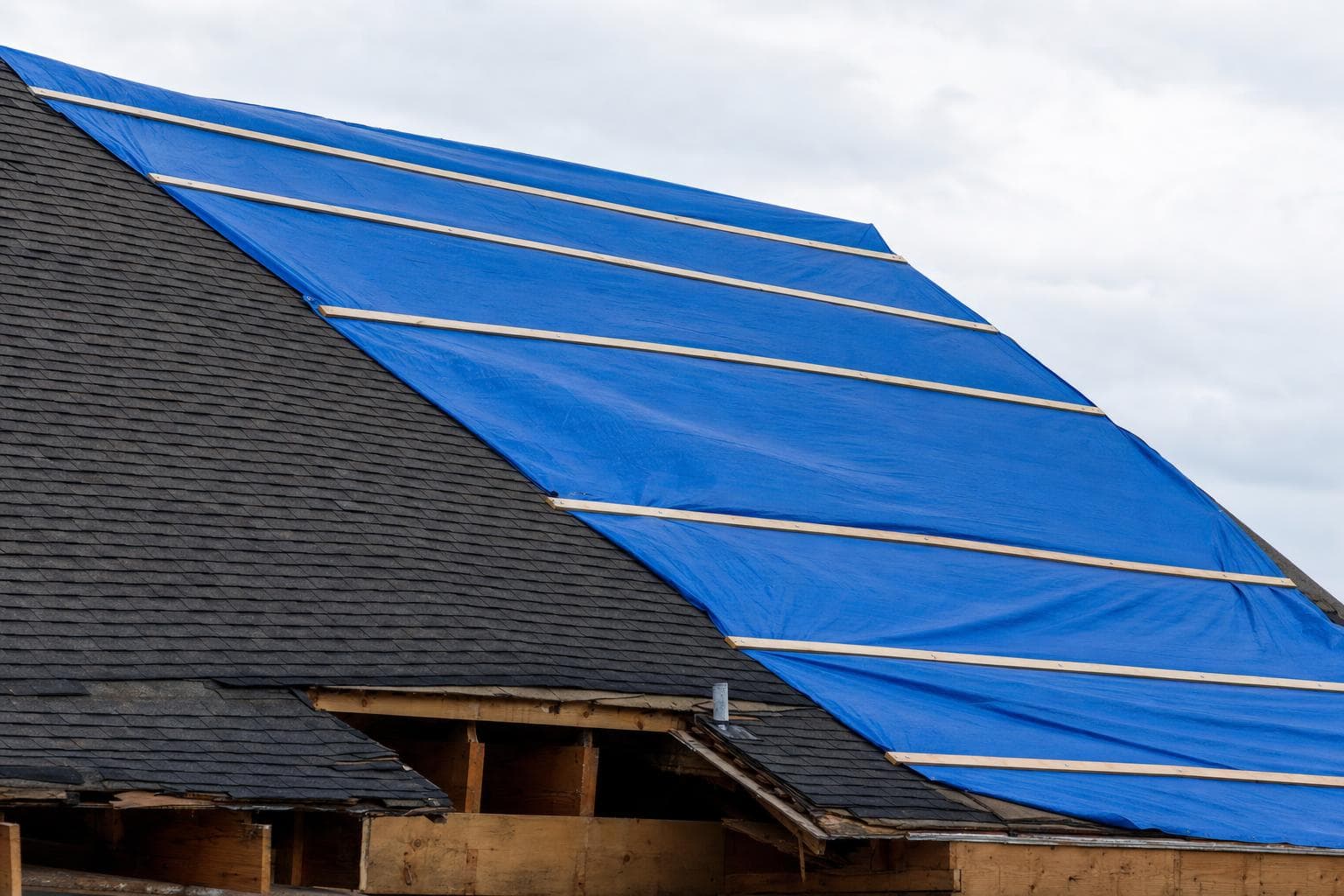
- Extends well past the damaged area on all sides, over the ridge when possible, so water can't get under the top edge.
- Anchored with furring strips screwed through the tarp into sound roof, or wrapped and secured, not loose bricks and hope.
- Sheds water downslope, the tarp lies flat and tight so rain runs off instead of ponding in pockets.
- Run vertically down the slope, not sideways, so seams and overlaps shed instead of catch.
- The temporary material and anchoring method should be appropriate for expected exposure. Movement or loose edges can damage the tarp and surrounding roofing, so the installer should state inspection and follow-up instructions.
Talk to a roofer today
Planning ranges, scope details, and a direct path to request a roofing quote.
What tarping is not
A tarp is protection, not a repair. Plan the permanent fix immediately, a tarp's working life is weeks, not seasons. Be wary of anyone who tarps the roof and then pressures you to sign a full replacement contract on the spot 'while the crew is here.' Protection now, decisions later: that's the whole point of the tarp. It removed the emergency; use the time it bought to compare quotes properly.
Create a damage record before the roof changes
The first useful record is a timeline, not a guess about coverage. Note when the storm passed, when leaks or exterior changes appeared, and what temporary steps were taken. Photograph the ground, elevations, attic, ceilings, gutters, vents, and visible roof edges from a safe location. Keep the original files, repair receipts, weather alerts, inspection notes, and every version of the estimate. That record helps separate observed conditions from later assumptions after materials have been moved or removed. For the temporary-protection plan, keep the event record, temporary work, physical diagnosis, permanent scope, and coverage decision as separate entries.
- Address electrical, structural, and active-water hazards first; do not climb onto a wet or damaged roof.
- Photograph conditions before temporary protection, then photograph the completed temporary work.
- Ask the inspector to identify the location, material, and function affected by each reported condition.
- Keep storm damage, age-related wear, installation defects, and interior moisture findings in separate notes.
- Ask your insurer what it needs before permanent work or disposal of potentially relevant materials begins.
- For the temporary-protection plan, preserve a dated before-and-after record for every temporary or permanent change.
Separate emergency protection from the permanent scope
The useful comparison starts with the roof's actual exposure, geometry, deck, attic assembly, drainage paths, and repair history rather than a national average alone. A tarp, seal, or limited patch can reduce immediate water entry without proving what the durable repair should be. The permanent decision comes after the roof can be inspected safely and the affected slopes, transitions, deck, and interior moisture are understood. Ask for a written temporary-work description, its limitations, and the next inspection point. Insurance coverage remains a policy decision; the roofer's job is to document physical conditions and price the construction scope accurately.
Sources
Install temporary protection for the conditions the contractor can reasonably anticipate, document before and after, and keep the permanent inspection on a separate schedule.
Related reading and source material
- What to do in the first 48 hours after a storm
- How to file a roof insurance claim
- Hail damage roof inspection checklist
- National Association of Insurance Commissioners: What You Need to Know When Filing a Homeowners Claim
- Insurance Institute for Business & Home Safety: Natural Weathering and Hazard Exposure
Locate the failed roof area and test the repair boundary: Emergency roof tarping after storm
Document cause, consequence, distribution, and uncertainty by slope and detail. Identify what must be removed, how water-control layers and flashings tie into sound material, and which finding would expand the opening or support replacement. Apply that record to the emergency roof tarping after storm decision and identify which property finding or written term would change the answer.
Additional reviewed references
Related roofing resources
Updated July 27, 2026
3D Roofs Editorial Team
Editorial Standards