Updated July 10, 2026

3D Roofs Editorial Team
Editorial Standards
Michigan is hard on roofs in a way southern states never see. Heavy snow, much of it lake-effect bands rolling off Lakes Michigan, Superior, and Huron, piles real weight on your deck, and the freeze-thaw swings of a Great Lakes winter work shingles, flashing, and seams loose over time. The damage that matters most usually starts where you can't see it, at the cold eaves and inside the attic, and shows up as a stained ceiling weeks later. Here's what winter actually does to a Michigan roof, and how to handle the aftermath so a covered loss gets treated like one.
Ice dams: the signature Michigan roof failure
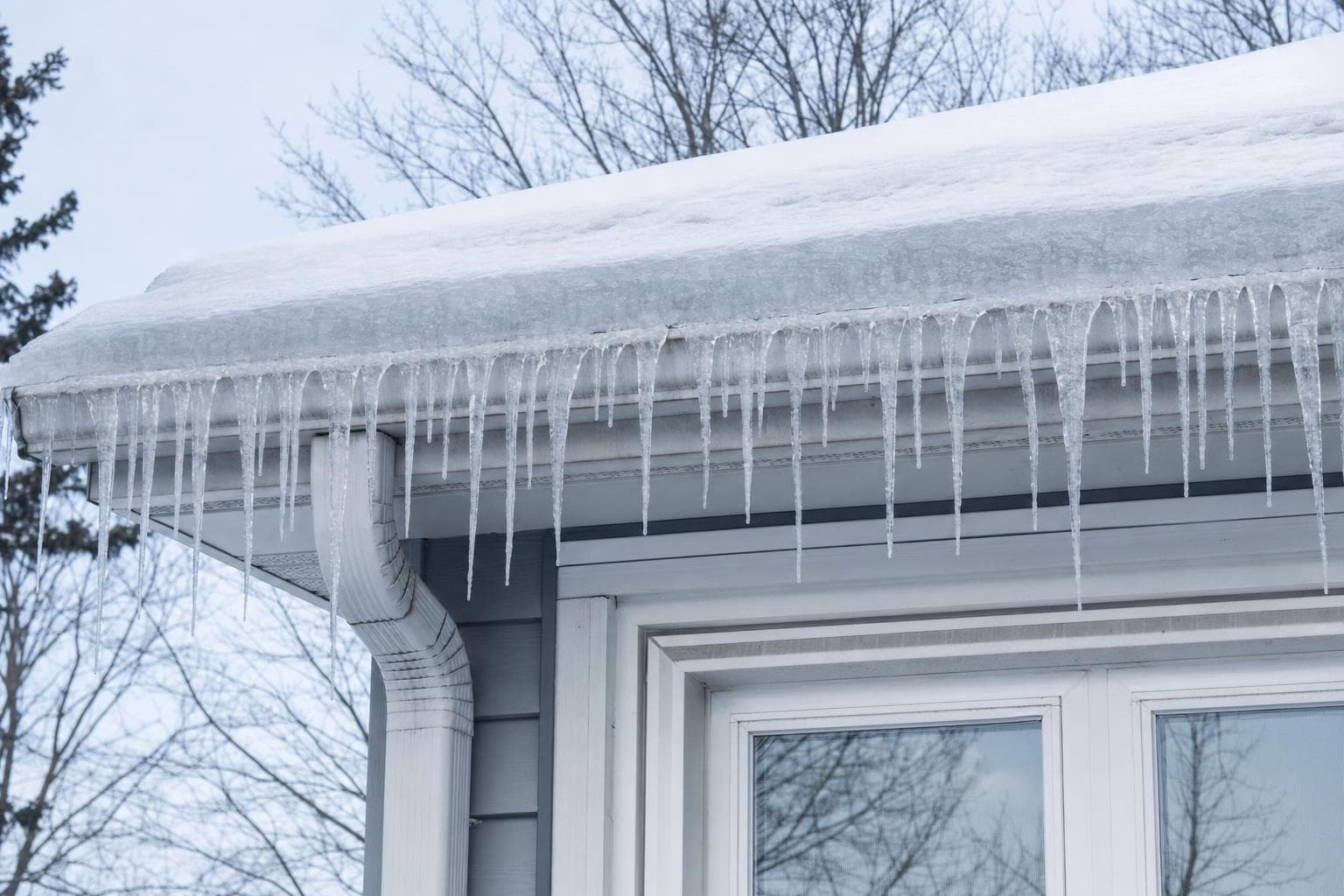
The biggest cold-weather threat to a Michigan roof is the ice dam. Heat escaping into the attic melts the snow on the warm upper part of the roof; that meltwater runs down and refreezes when it reaches the cold eaves and overhangs, building a ridge of ice. Water then backs up behind that dam and, with nowhere to drain, forces its way under the shingles and into the roof deck, the insulation, and eventually your ceiling. The leak isn't a hole in the roof; it's water defeating a roof that was never designed to hold standing water. That's why ice-and-water shield along the eaves and valleys, plus attic insulation and intake-to-ridge ventilation that keep the deck cold, are the real defenses, they stop the dam from forming in the first place.
Snow load and freeze-thaw
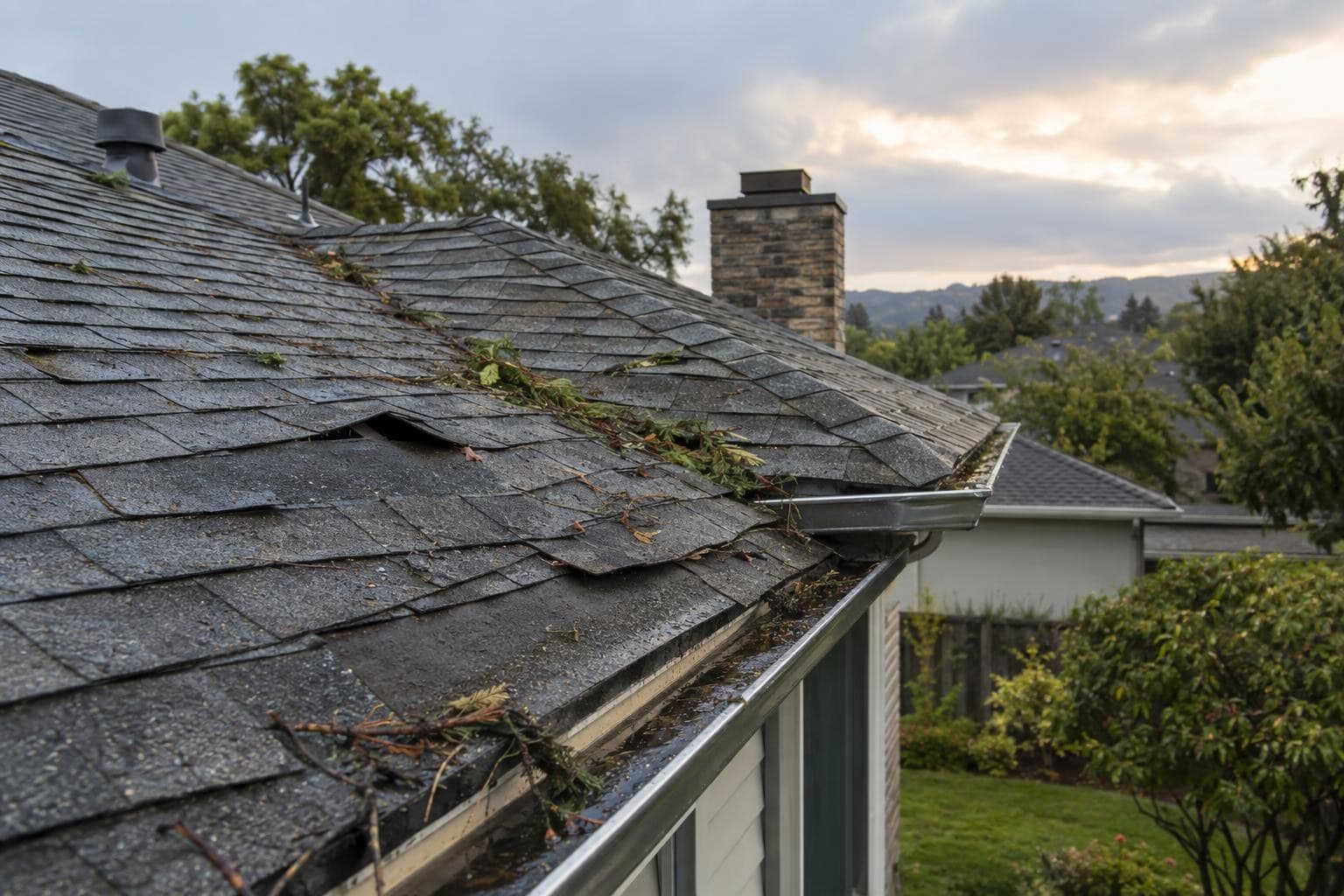
Lake-effect snow piles weight onto the structure, and wet, dense snow weighs far more than the fluffy stuff. On top of the load, the constant freeze-thaw cycling expands and contracts everything on the roof, prying at flashing, backing out fasteners, and opening seams that were tight in October. None of this is dramatic on any single day. It's cumulative, which is exactly why a roof that looked fine in fall can be leaking by February, and why a spring inspection after the snow clears is worth scheduling before you assume you came through clean.
Summer isn't a break either
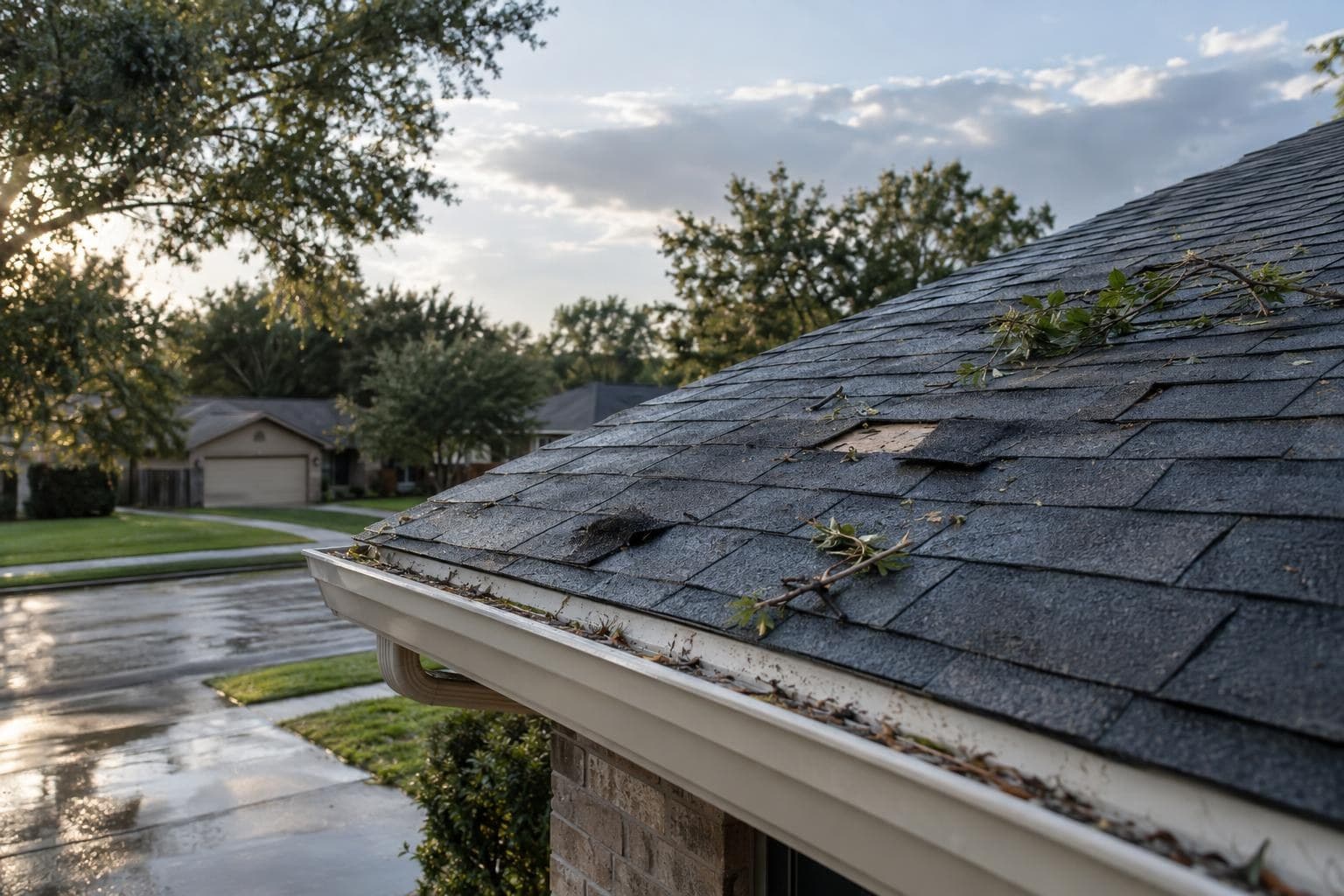
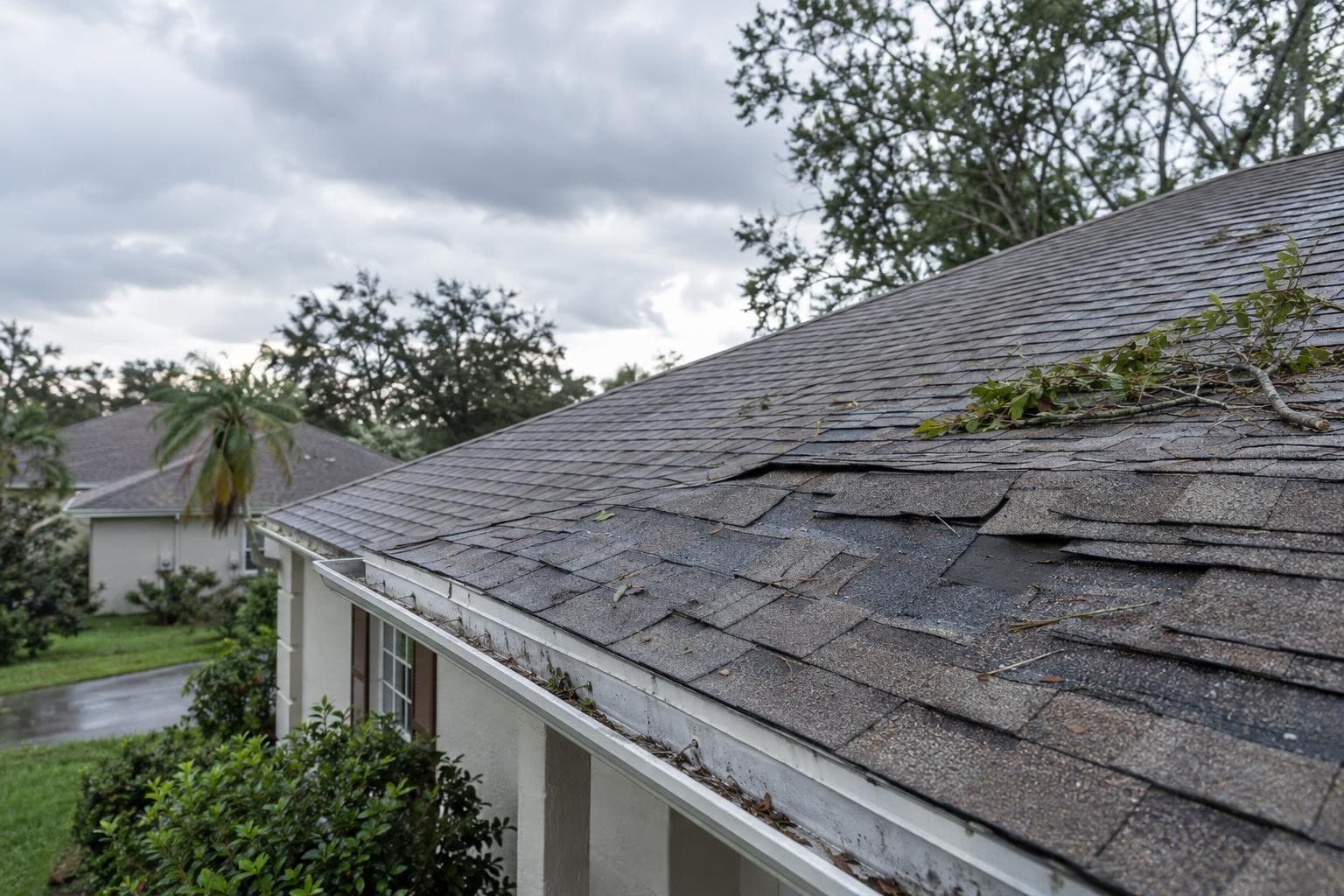
Michigan roofs don't only fail in winter. Thunderstorms across the Lower Peninsula bring straight-line winds and hail, especially in the southern and southeastern counties, that bruise shingles, break their factory seals, and strip granules. A roof can take cumulative winter wear and then lose a slope to a summer gust in the same year. The insurance treatment is different for each, sudden wind and hail are covered perils, gradual winter wear is maintenance, so it pays to know which event you're documenting.
Talk to a roofer today
Planning ranges, scope details, and a direct path to request a roofing quote.
Documenting winter damage for a claim
- Photograph the interior first: ceiling stains, damp or matted attic insulation, water trails on the underside of the deck, and any icicles or ice ridges at the eaves while they're still there.
- Note the date and the weather event that caused it, an ice dam after a specific thaw, a wind event with a date, so the loss ties to a cause rather than to age.
- Don't tear out wet drywall or insulation before your adjuster sees it; that's your evidence.
- Get a professional inspection that separates storm-created damage from ordinary wear, slope by slope, because that distinction decides coverage.
Filing the claim
Whether winter damage is covered depends on your policy and the cause. Sudden damage from a covered peril typically falls within an HO-3 form, but how much you recover turns on your wind/hail deductible (which may be a percentage of your dwelling value, not a flat amount) and on whether your roof is insured at replacement cost or actual cash value. Ice-dam interior damage is often handled differently than wind damage to the shingles, so read your policy and ask your agent how each is treated. If a legitimate storm claim is wrongly denied or delayed, you can file a complaint with the Michigan Department of Insurance and Financial Services (DIFS) at michigan.gov/difs or 877-999-6442.
An ice dam doesn't punch a hole in your roof. It just stacks water where the roof was never meant to hold it, and waits for the ceiling to give it away.
Sources
Related reading and source material
Connect this guide to the Michigan property
Map valleys, chimneys, cold edges, low-slope additions, gutters, and storm-exposed slopes before choosing repair or replacement details. Identify the roof area, assembly, observed condition, and decision the homeowner must make. State what evidence supports the recommendation and what remains uncertain before turning general guidance into construction scope. For a Michigan property, map valleys, chimneys, cold edges, low-slope additions, gutters, and storm-exposed slopes before choosing repair or replacement details.
Require a complete and comparable written scope in Michigan
Name measurements, removal, deck terms, water-control layers, flashings, covering, attachment, ventilation or enclosure coordination, low-slope transitions, permits, cleanup, payment, exclusions, and warranties. A useful proposal should remain understandable without a sales explanation. For a Michigan property, use local exposure, roof geometry, attic design, and material availability rather than a single regional lifespan assumption.
Verify state and local responsibilities in Michigan
Use the reviewed Michigan sources linked on the page to confirm credentials, insurance boundaries, contract terms, and consumer rights that apply. Then confirm permits and inspections with the local building department rather than importing assumptions from another jurisdiction.
Keep a completion record the next owner can use in Michigan
Retain product and color details, permits, inspections, photographs, invoices, payment records, warranties, maintenance instructions, and repair history. A durable decision includes the documents needed to inspect, service, transfer, or make a later claim on the roof.
What to confirm before finalizing a winter roof-damage inspection in Michigan
For a winter roof-damage inspection in Michigan, use the reviewed state resources linked on this page, including Michigan LARA - Maintenance & Alteration Contractor license information and Michigan DIFS - Your Guide to Homeowners Insurance, to verify current credentials, insurance boundaries, contract terms, or consumer requirements that apply. Confirm permits and inspections locally, and keep the property evidence separate from any policy or sales promise.
- Make the Michigan property safe, prevent additional water entry, and photograph conditions before temporary work when practical.
- Map the cause, consequence, distribution, and uncertainty by roof area instead of relying on one close-up or interior stain.
- Test whether the repair can tie into sound layers and identify the concealed finding that would expand the opening.
- Confirm the Michigan permit and inspection path with the local building department before work begins.
- Keep the Michigan photographs, contract, approved changes, invoices, payments, product records, and warranties together.
- Compare what remains in service, the risk the owner accepts, the payment terms, and the completion evidence for each option.
Reviewed technical references for Michigan
Related Michigan roofing guides
Related services
Updated July 10, 2026
3D Roofs Editorial Team
Editorial Standards