Updated July 10, 2026

3D Roofs Editorial Team
Editorial Standards
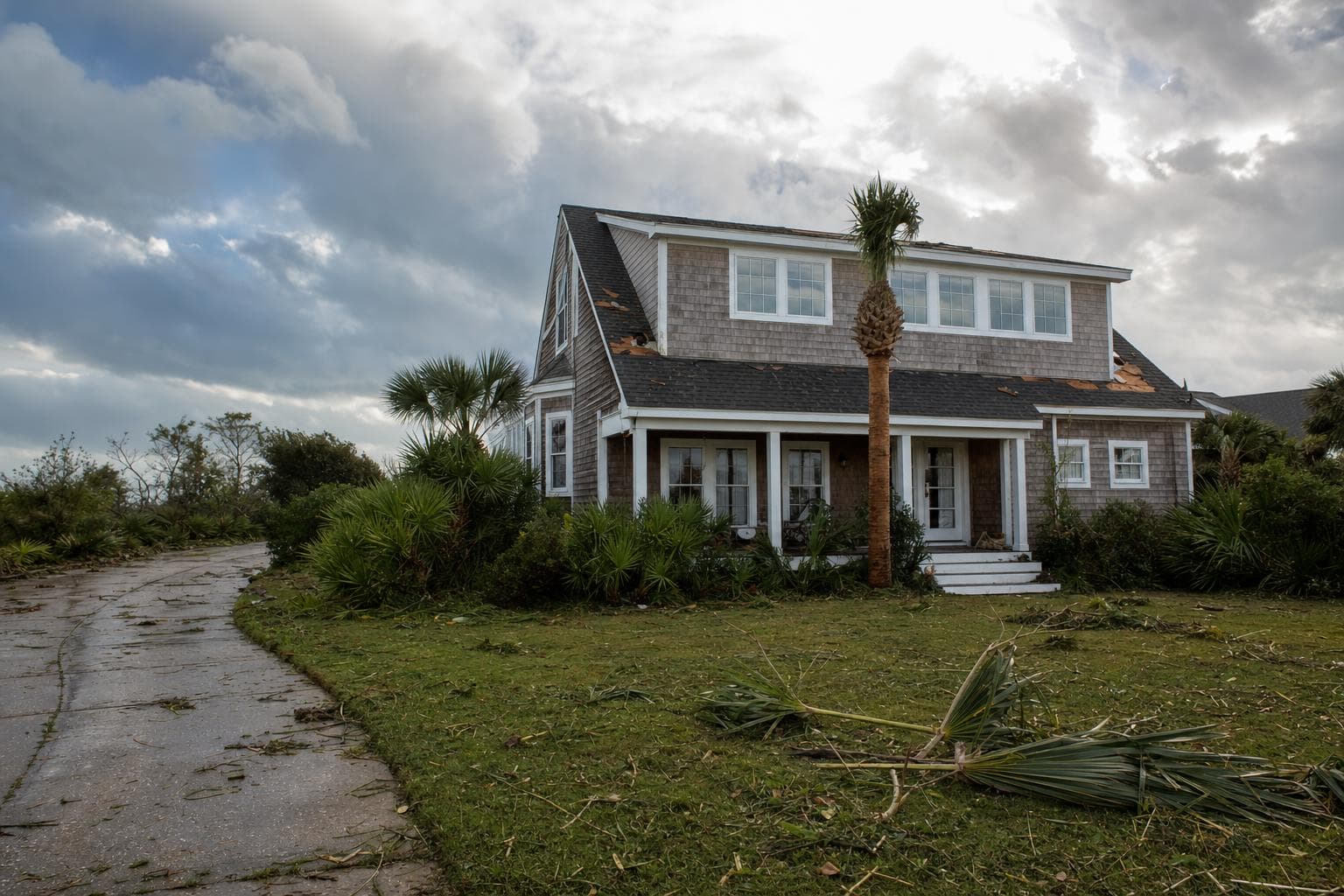
On the North Carolina coast and the Outer Banks, hurricanes and tropical systems are the storms that define a roof's life. They rarely tear a roof off all at once. They work the edges, the ridges, the flashing, and the factory seals, lifting and loosening until wind-driven rain finds a way in. Inland, the same systems weaken to tropical-storm winds but still drive damaging gusts across the Piedmont. Here is what that damage looks like, how to handle the claim, and how to tell a repair from a replacement.
How hurricane wind actually damages a roof
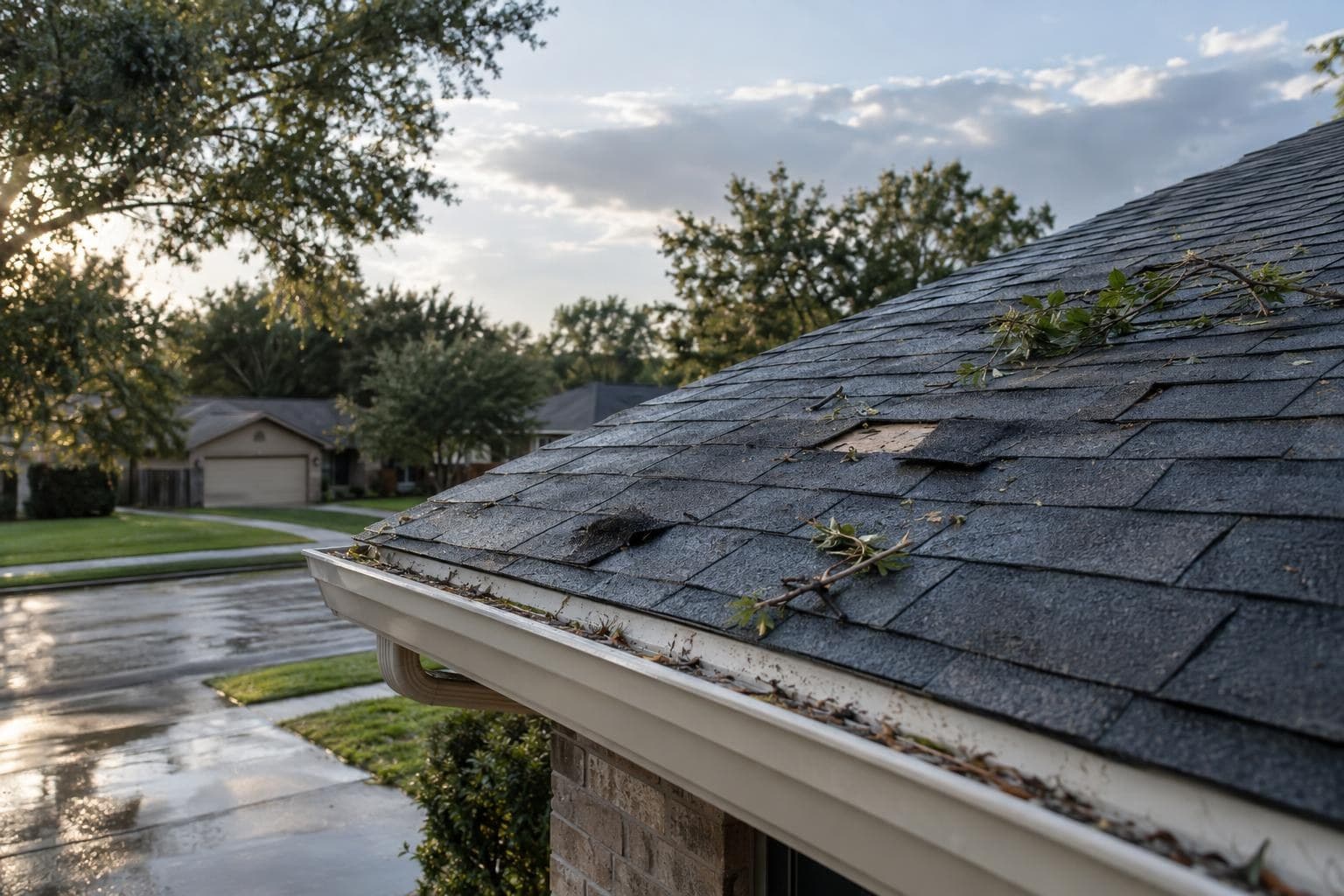
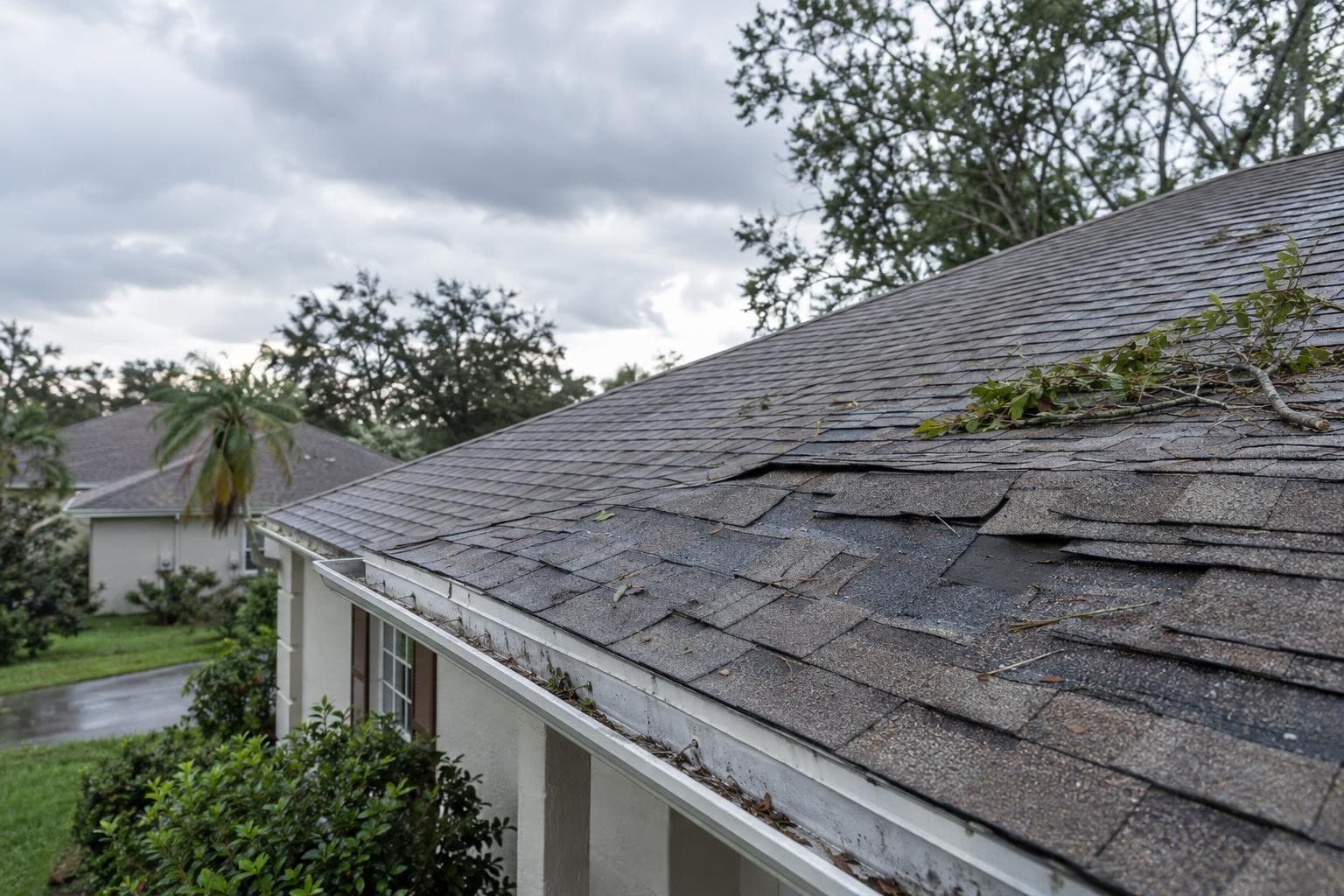
- Uplift at the edges and ridges, where wind pressure is highest and shingles peel back first.
- Broken factory seals along the wind path, so shingles that look intact are no longer bonded down.
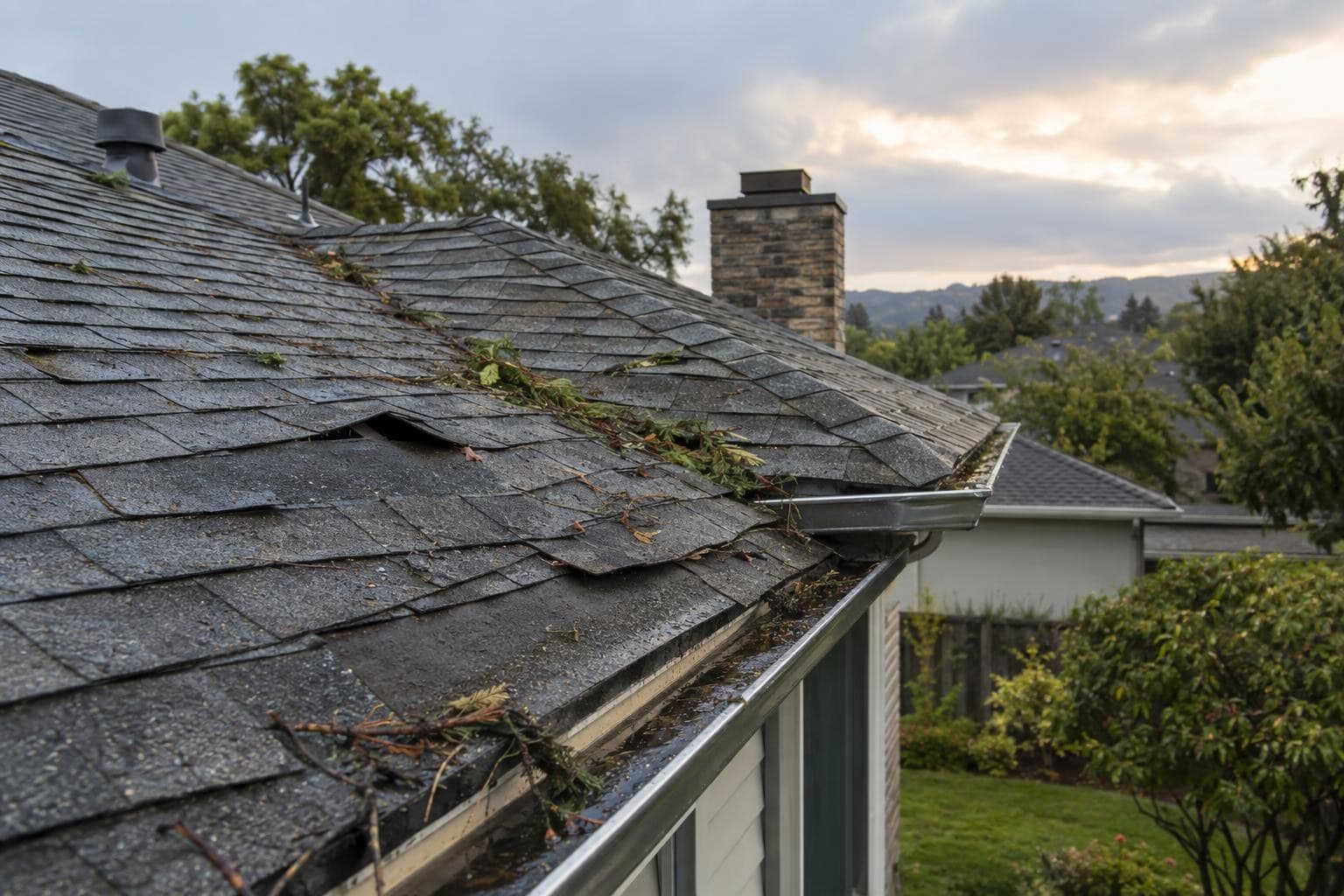
- Creased and torn shingles, the horizontal fold line that signals a real wind event.
- Lifted or displaced flashing at chimneys, walls, and valleys, the seams where water enters once they let go.
- Wind-driven rain forced under shingles and around penetrations even where nothing is visibly missing.
What to do in the first days after the storm
- 1Stay safe first: do not climb a wet or damaged roof, and watch for downed power lines.
- 2Document from the ground: photograph missing shingles, debris, and any interior staining, with dates.
- 3Tarp open areas to stop further water intrusion, which your policy generally expects you to do.
- 4Call your insurer to start the claim, and note whether a coastal windstorm policy or your homeowners policy applies.
- 5Get a professional slope-by-slope inspection before anyone makes permanent repairs that erase the evidence.
The claim: which policy pays on the coast
Inland, hurricane-driven wind damage is typically handled under your standard homeowners policy. On the coast, it often is not. Windstorm and hail near the shore are frequently written separately, commonly through the NC Insurance Underwriting Association, the Coastal Property Insurance Pool known as the Beach Plan, and those policies carry their own percentage deductible plus a higher named-storm deductible once a hurricane or tropical storm is named. Flooding and storm surge are never covered by either one; that takes separate flood insurance. Knowing which policy covers your roof, and what the deductible is, before the storm makes the claim far smoother after it.
Talk to a roofer today
Planning ranges, scope details, and a direct path to request a roofing quote.
Repair or replace after wind damage
Not every wind-damaged roof needs replacing. A handful of lifted or missing shingles on an otherwise sound roof is often a targeted repair, re-sealing the wind path and replacing the damaged courses. Replacement is the right call when the damage is widespread, when seals are broken across multiple slopes, when an older roof took a serious hit, or when matching shingles to a discontinued product would leave a patchwork that fails again in the next storm. A slope-by-slope inspection, not a sales pitch, is what should make that decision.
Rebuilding for the next storm
If you are replacing a roof in coastal North Carolina, the install details matter as much as the shingle. Wind-rated assemblies, stronger fastening, sealed underlayment, and proper edge metal are what stand between your home and the next named storm. On barrier-island and oceanfront homes especially, ask how the new roof is built for the wind exposure your address actually faces, and make sure the roofer understands the coastal requirements rather than installing a Piedmont roof by the sea.
Sources
A hurricane finds the weakest seam on your roof and pries. Document fast, tarp what is open, and let an inspection decide repair or replace.
Related reading and source material
- Does insurance cover roof replacement in North Carolina?
- Coastal windstorm insurance in North Carolina
- Roof repair vs. replacement in North Carolina
- National Association of Insurance Commissioners: What You Need to Know When Filing a Homeowners Claim
- Insurance Institute for Business & Home Safety: Natural Weathering and Hazard Exposure
Make the North Carolina property safe and dry first
Stay away from downed lines, unstable trees, standing water near electrical equipment, and visibly unstable roof areas. Arrange necessary temporary protection, preserve receipts, and photograph conditions before covering them when it is safe. Emergency work should prevent additional damage without erasing the evidence needed for permanent scope. For a North Carolina property, compare wind-driven rain, humid drying conditions, tree debris, and any coastal or open-terrain exposure actually present at the property. For a hurricane roof-damage inspection in North Carolina, use the linked NC Licensing Board for General Contractors (classifications & licensing) reference as the state-reference checkpoint and test the recommendation against the address's wind-driven rain, humid drying, tree debris, shaded slopes, and coastal exposure where it applies.
Build a located evidence record in North Carolina
Use overview photographs to locate close-ups by slope, orientation, material, and detail. Record covering, edges, ridges, valleys, walls, penetrations, drainage, deck or attic evidence, and interior effects. Separate what is observed from what still requires testing or removal. For a North Carolina property, inspect valleys, wall transitions, shaded slopes, attic moisture paths, and the perimeter details that sudden rain and wind can expose. For a hurricane roof-damage inspection in North Carolina, check the linked NC General Statute 87-1 (an amount that must be confirmed for the written scope general contractor threshold) reference for the state-level question while the property inspection addresses wind-driven rain, humid drying, tree debris, shaded slopes, and coastal exposure where it applies.
Separate functional damage from appearance and weathering in North Carolina
Explain the mechanism, whether attachment or water shedding is affected, and how widely the condition is distributed. Impact marks, dents, granule change, lifted material, failed sealant, age, and installation defects do not all support the same conclusion. The repair boundary should follow evidence. For a North Carolina property, treat coastal salt, inland trees, low-slope additions, and roof geometry as address-level questions rather than statewide assumptions. For a hurricane roof-damage inspection in North Carolina, keep the linked NC Licensing Board for General Contractors (classifications & licensing) reference in the project file and document how the roof's wind-driven rain, humid drying, tree debris, shaded slopes, and coastal exposure where it applies affect this decision.
Keep claim and construction decisions in separate lanes in North Carolina
The roofer documents conditions and prices temporary or permanent work. The insurer applies the policy, deductible, valuation, and claim rules. The building official interprets code for the project. Preserve correspondence, estimates, contracts, changes, invoices, and completion records without assuming coverage or a replacement outcome.
What to confirm before finalizing a hurricane roof-damage inspection in North Carolina
Compare wind-driven rain, humid drying conditions, tree debris, and any coastal or open-terrain exposure actually present at the property. For a hurricane roof-damage inspection in North Carolina, use the reviewed state resources linked on this page, including NC Licensing Board for General Contractors and NC General Statute 87-1, to verify current credentials, insurance boundaries, contract terms, or consumer requirements that apply. Confirm permits and inspections locally, and keep the property evidence separate from any policy or sales promise.
- Make the North Carolina property safe, prevent additional water entry, and photograph conditions before temporary work when practical.
- Map the cause, consequence, distribution, and uncertainty by roof area instead of relying on one close-up or interior stain.
- Test whether the repair can tie into sound layers and identify the concealed finding that would expand the opening.
- Confirm the North Carolina permit and inspection path with the local building department before work begins.
- Keep the North Carolina photographs, contract, approved changes, invoices, payments, product records, and warranties together.
- Compare what remains in service, the risk the owner accepts, the payment terms, and the completion evidence for each option.
Reviewed technical references for North Carolina
Related North Carolina roofing guides
Related services
Updated July 10, 2026
3D Roofs Editorial Team
Editorial Standards