Updated July 10, 2026

3D Roofs Editorial Team
Editorial Standards
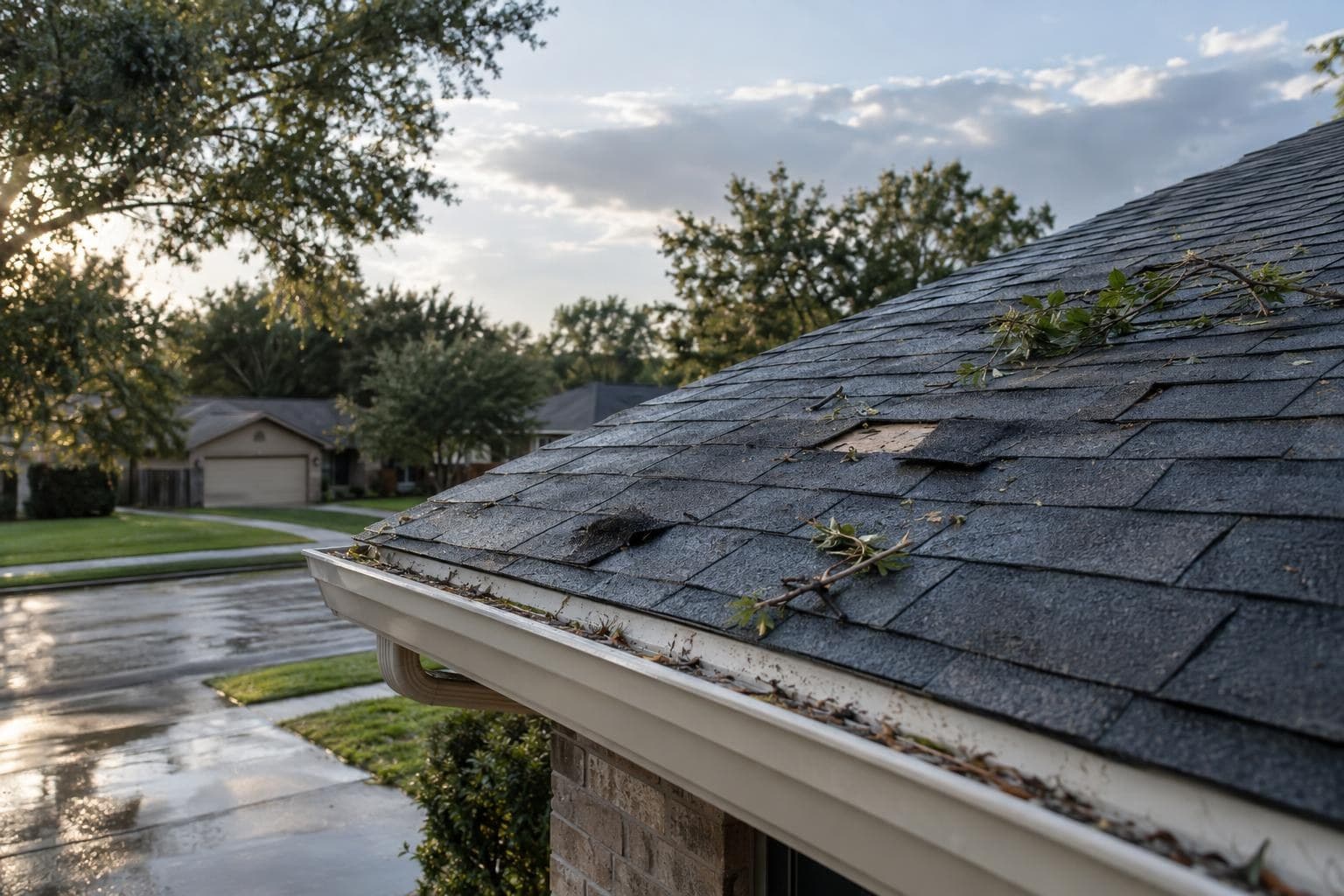
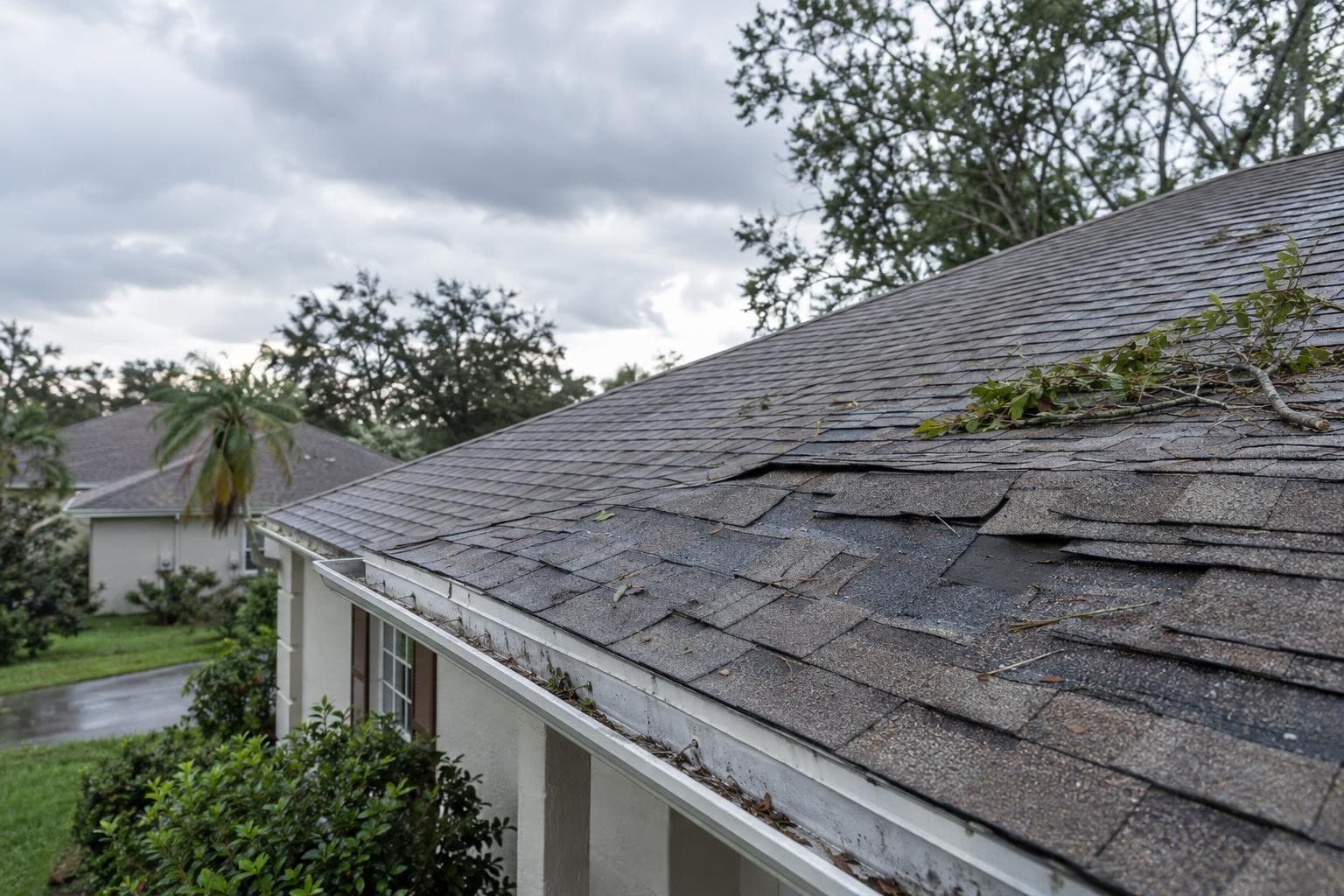
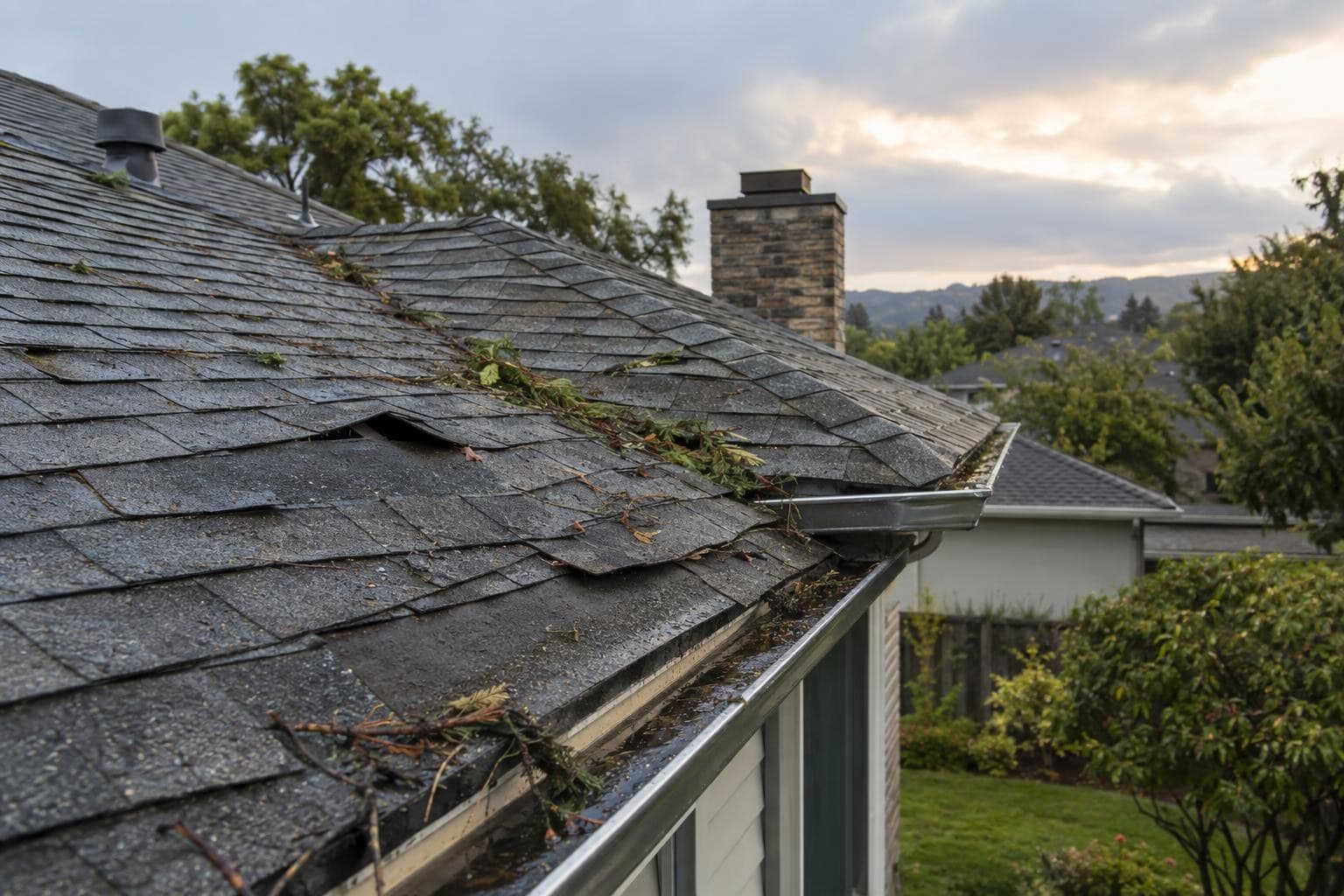
Texas sees more major hail events than almost anywhere in the country, and the most dangerous thing about hail damage is that you usually cannot see it from the yard. The roof can look completely fine and still be finished. Here is what to do after a Texas hailstorm, in the order that protects both your home and any claim you might file.
Your first steps after the storm
- 1Check inside for active leaks and deal with any immediate water or safety issues.
- 2Write down the date of the storm and photograph anything you can see safely from the ground.
- 3Save receipts for any temporary repairs, like tarping, in case you file a claim.
- 4Schedule a slope-by-slope roof inspection with a qualified roofer.
- 5Contact your insurer if you plan to file, and let the inspection guide the conversation.
Functional vs. cosmetic hail damage
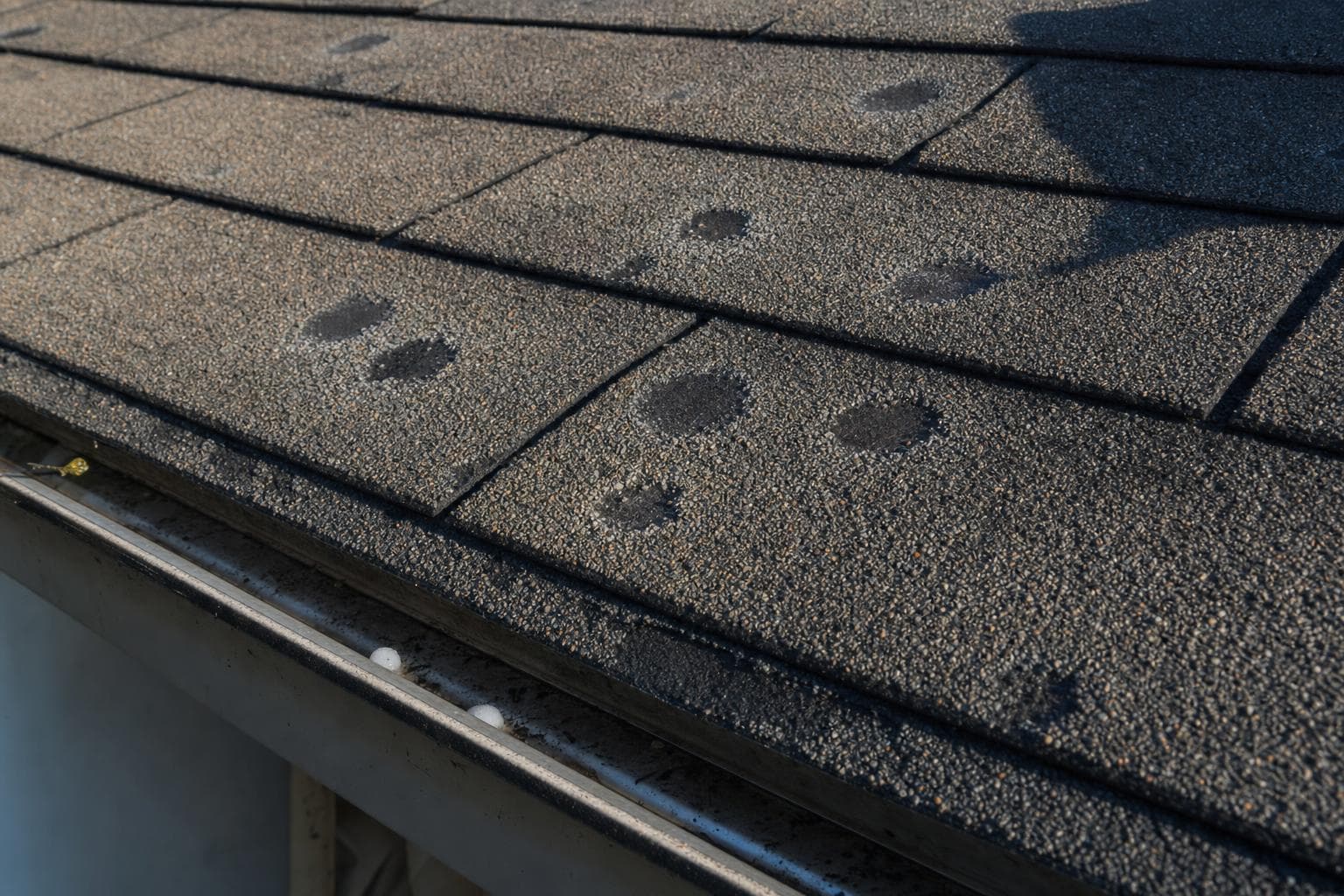
Not every hail mark is a claim. Functional damage, bruised or cracked shingle mats, knocked-off granules that expose the asphalt, dented vents, gutters, and soft metals, shortens the life of the roof and is what adjusters look for. Purely cosmetic dings may not justify a replacement. A proper inspection separates the two and documents them by slope, which is exactly what your insurer needs to make a decision.
Stay off the roof
It is tempting to climb up and look, but hail-stressed shingles and wet surfaces are how homeowners get hurt. Let a roofer do the inspection. If water is actively coming in, get the roof tarped first, then sort out the full scope and any claim.
Talk to a roofer today
Planning ranges, scope details, and a direct path to request a roofing quote.
Create a damage record before the roof changes
The first useful record is a timeline, not a guess about coverage. Note when the storm passed, when leaks or exterior changes appeared, and what temporary steps were taken. Photograph the ground, elevations, attic, ceilings, gutters, vents, and visible roof edges from a safe location. Keep the original files, repair receipts, weather alerts, inspection notes, and every version of the estimate. That record helps separate observed conditions from later assumptions after materials have been moved or removed. For the Texas hail-response plan, keep the event record, temporary work, physical diagnosis, permanent scope, and coverage decision as separate entries.
- Address electrical, structural, and active-water hazards first; do not climb onto a wet or damaged roof.
- Photograph conditions before temporary protection, then photograph the completed temporary work.
- Ask the inspector to identify the location, material, and function affected by each reported condition.
- Keep storm damage, age-related wear, installation defects, and interior moisture findings in separate notes.
- Ask your insurer what it needs before permanent work or disposal of potentially relevant materials begins.
- For the Texas hail-response plan, preserve a dated before-and-after record for every temporary or permanent change.
Separate emergency protection from the permanent scope
Texas is not one roofing climate: North and Central Texas add hail exposure, the Gulf Coast adds wind-driven rain and salt air, and much of the state adds sustained heat and ultraviolet stress. A tarp, seal, or limited patch can reduce immediate water entry without proving what the durable repair should be. The permanent decision comes after the roof can be inspected safely and the affected slopes, transitions, deck, and interior moisture are understood. Ask for a written temporary-work description, its limitations, and the next inspection point. Insurance coverage remains a policy decision; the roofer's job is to document physical conditions and price the construction scope accurately.
Sources
Hail damage hides from the ground. The roof can look fine and still be done, only a slope-by-slope look tells the truth.
Related reading and source material
- Hail damage roof inspection checklist
- What functional hail damage looks like (vs cosmetic)
- Does insurance cover roof replacement in Texas?
- UL Solutions: UL Solutions and IBHS Drive Trust in Residential Roofing Shingles
- Insurance Institute for Business & Home Safety: Natural Weathering and Hazard Exposure
Make the Texas property safe and dry first
Stay away from downed lines, unstable trees, standing water near electrical equipment, and visibly unstable roof areas. Arrange necessary temporary protection, preserve receipts, and photograph conditions before covering them when it is safe. Emergency work should prevent additional damage without erasing the evidence needed for permanent scope. For a Texas property, map drainage, roof edges, attic moisture, low-slope sections, and storm-repair access before selecting a construction boundary.
Build a located evidence record in Texas
Use overview photographs to locate close-ups by slope, orientation, material, and detail. Record covering, edges, ridges, valleys, walls, penetrations, drainage, deck or attic evidence, and interior effects. Separate what is observed from what still requires testing or removal. For a Texas property, use the property's terrain, roof shape, tree cover, and actual storm evidence instead of treating the state as one roofing climate.
Separate functional damage from appearance and weathering in Texas
Explain the mechanism, whether attachment or water shedding is affected, and how widely the condition is distributed. Impact marks, dents, granule change, lifted material, failed sealant, age, and installation defects do not all support the same conclusion. The repair boundary should follow evidence. For a Texas property, evaluate heavy rain paths, warm-season wind and impact, tree exposure, heat, and any coastal conditions that apply to the address.
Keep claim and construction decisions in separate lanes in Texas
The roofer documents conditions and prices temporary or permanent work. The insurer applies the policy, deductible, valuation, and claim rules. The building official interprets code for the project. Preserve correspondence, estimates, contracts, changes, invoices, and completion records without assuming coverage or a replacement outcome.
What to confirm before finalizing a hail-damage roof inspection in Texas
Map drainage, roof edges, attic moisture, low-slope sections, and storm-repair access before selecting a construction boundary. For a hail-damage roof inspection in Texas, use the reviewed state resources linked on this page, including Texas Department of Insurance and Texas Dept. of Insurance, to verify current credentials, insurance boundaries, contract terms, or consumer requirements that apply. Confirm permits and inspections locally, and keep the property evidence separate from any policy or sales promise.
- Make the Texas property safe, prevent additional water entry, and photograph conditions before temporary work when practical.
- Map the cause, consequence, distribution, and uncertainty by roof area instead of relying on one close-up or interior stain.
- Test whether the repair can tie into sound layers and identify the concealed finding that would expand the opening.
- Confirm the Texas permit and inspection path with the local building department before work begins.
- Keep the Texas photographs, contract, approved changes, invoices, payments, product records, and warranties together.
- Compare what remains in service, the risk the owner accepts, the payment terms, and the completion evidence for each option.
Reviewed technical references for Texas
Related Texas roofing guides
Related services
Updated July 10, 2026
3D Roofs Editorial Team
Editorial Standards