Updated July 27, 2026

3D Roofs Editorial Team
Editorial Standards
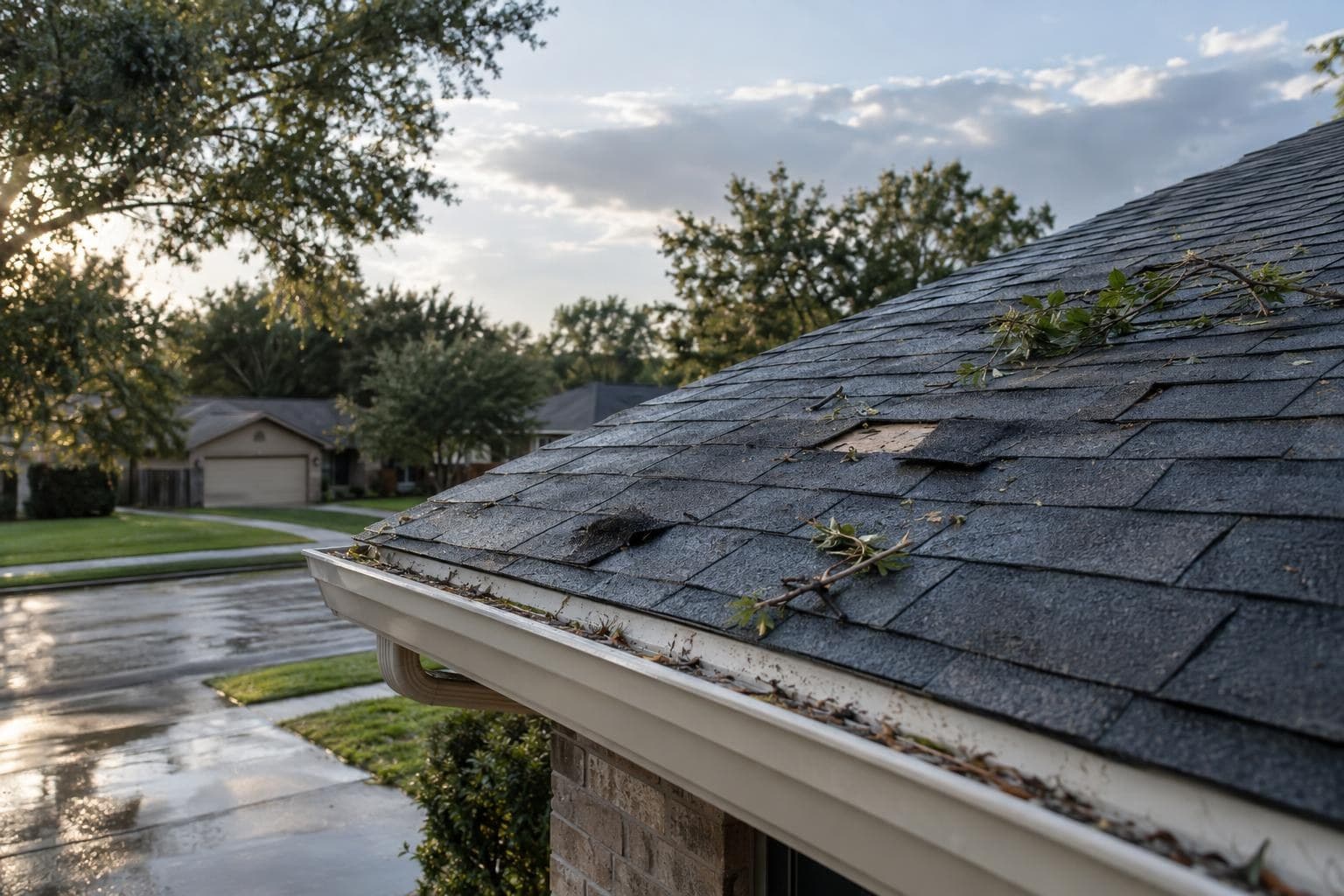
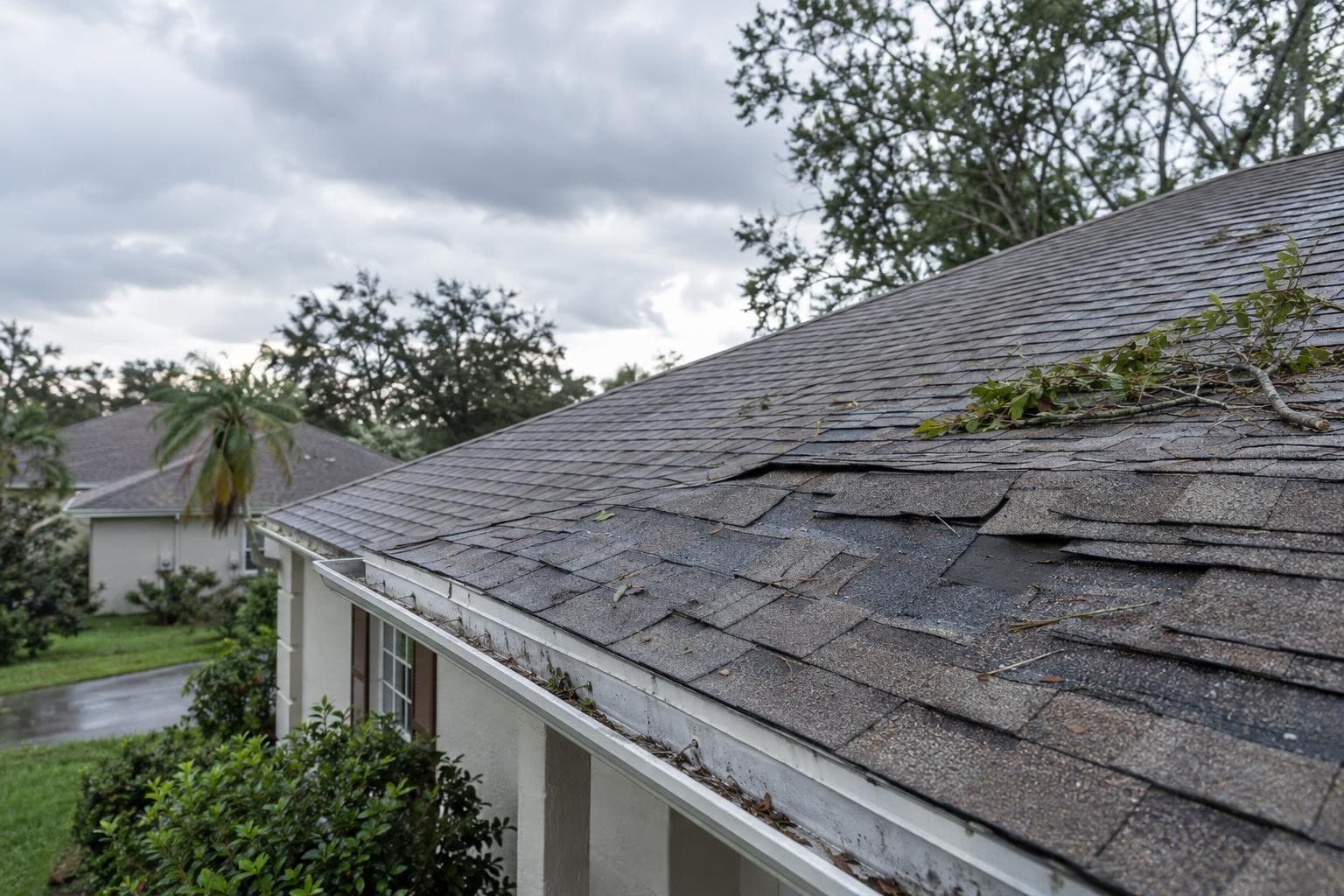
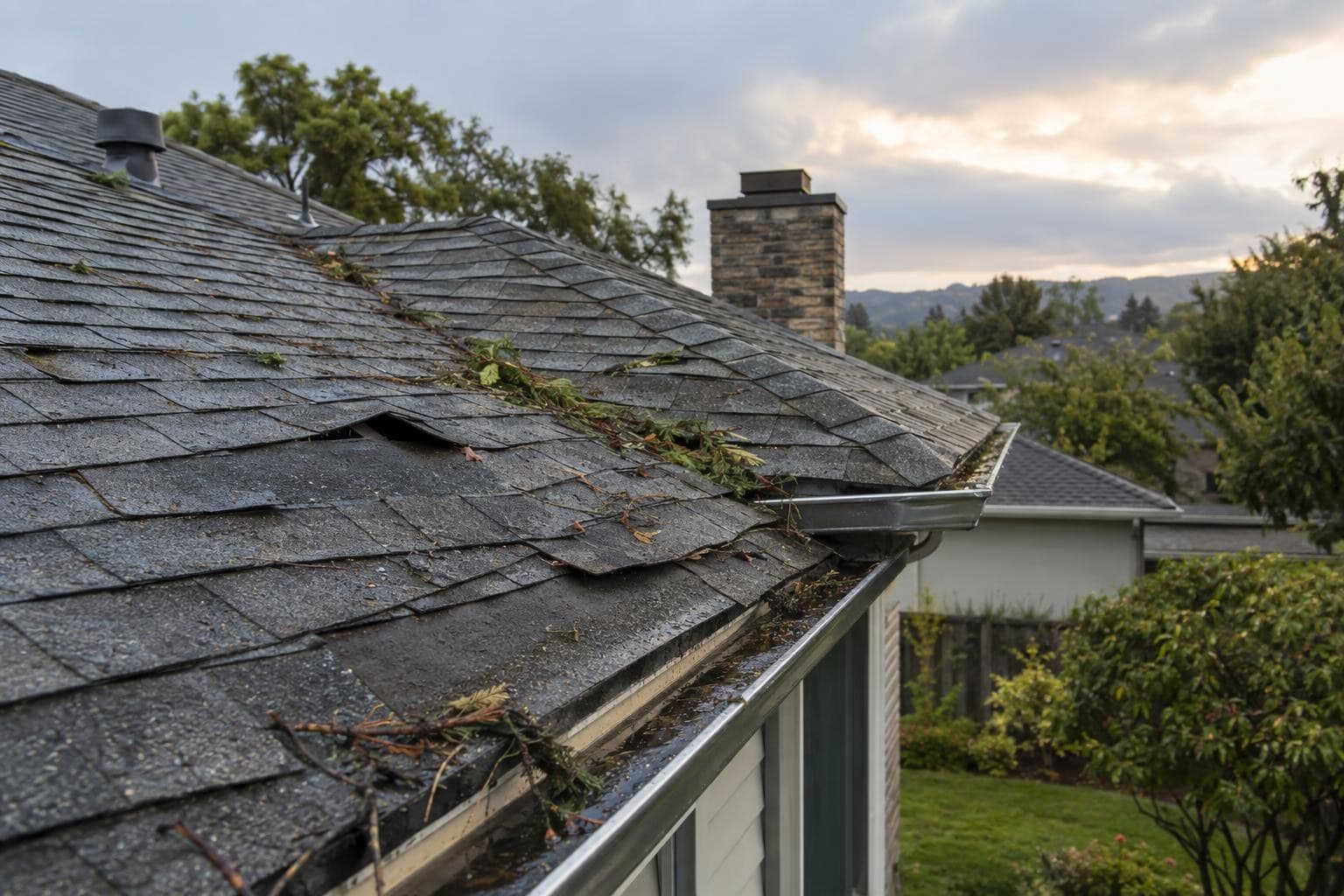
Hail inspections often distinguish observations that affect water shedding or serviceability from marks described as cosmetic, but policy definitions, material, and facts vary. Functional damage compromises the roof's ability to shed water or shortens its service life, insurance covers it. Cosmetic damage changes how the roof looks without changing how it works, increasingly, policies exclude it. Knowing the difference before the adjuster arrives is the highest-leverage hour a homeowner can spend after a hailstorm.
Functional damage on asphalt shingles
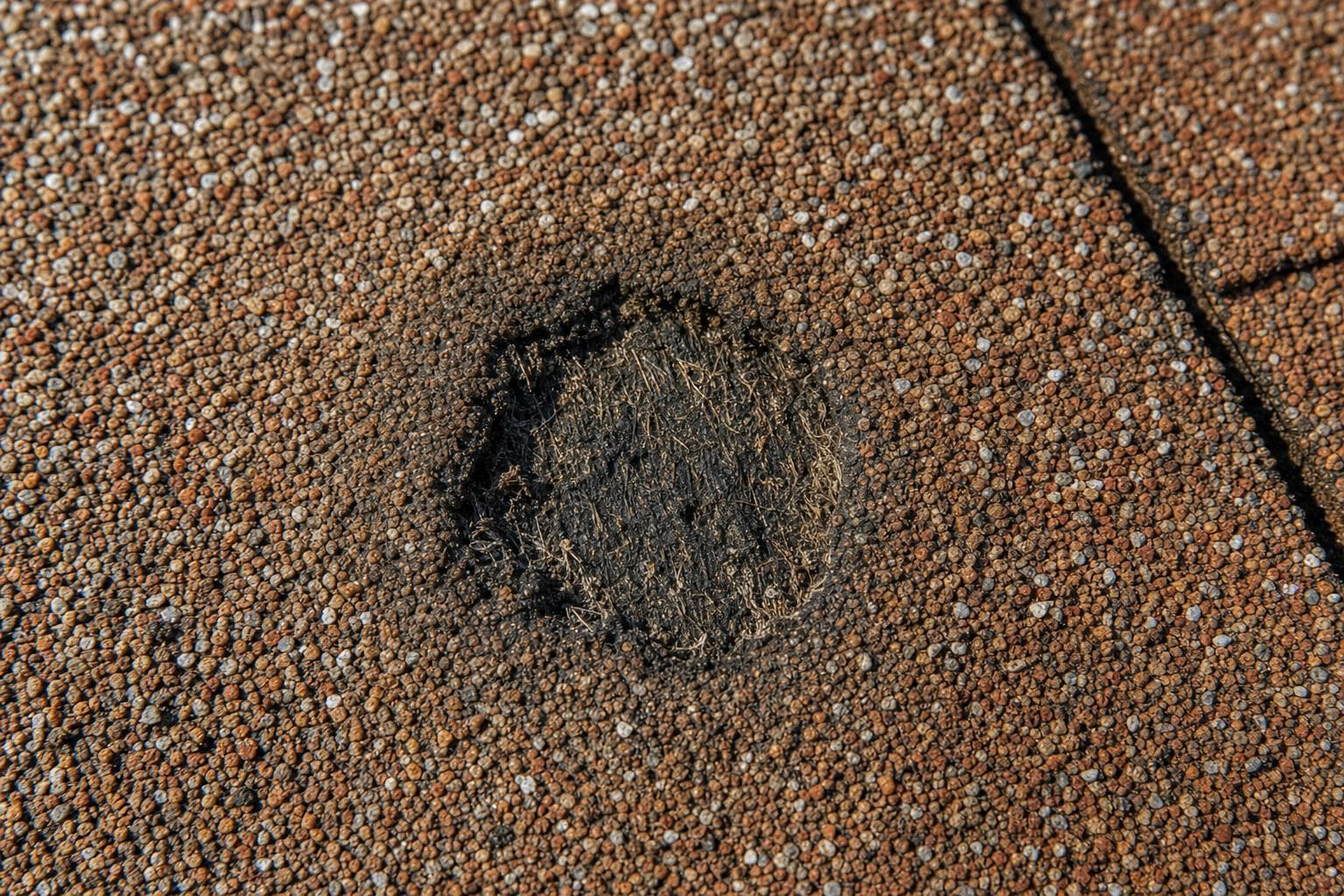
- Mat fracture, the impact cracked the fiberglass mat under the granules. Feels like a soft bruise under thumb pressure; often visible as a circular crack from the back of a lifted shingle.
- Granule displacement exposing asphalt, fresh dark or shiny spots where the protective layer was knocked away, opening the asphalt to UV decay.
- Broken seal strips, hail and the wind that delivers it can break the bond between courses, leaving shingles loose to future wind.
- Punctures and tears, large hail on aging shingles tears clean through. Unambiguous.
- Crushed ridge caps, caps take direct, unbuffered hits and split along the bend.
What's usually called cosmetic
Scuffed granules without exposed asphalt, faint surface marks that don't soften the mat, and dents in metal that still sheds water, a dimpled vent cap that functions, dented gutters that still drain. Metal-roof policies may contain cosmetic-damage limitations or endorsements. Read the exact policy and ask the insurer how it treats dents, coating effects, seams, attachment, and water-shedding performance. If you own metal in hail country, read that endorsement before you need it.
What a useful field record includes
- 1Area context: photographs of gutters, downspouts, equipment, screens, and other surfaces can show where marks were observed, but those marks do not prove roof-covering damage or exact hail size.
- 2Roof map: label each accessible slope and record the location, dimensions, material, and pattern of every relevant observation without treating a generic hit count as an automatic repair or coverage threshold.
- 3Material condition: document fractures, exposed reinforcement, granule displacement, displaced units, opened seams, dents, coating damage, and water-shedding details using methods appropriate for the specific covering.
- 4Alternative causes: compare possible impact effects with manufacturing conditions, age, blistering, foot traffic, tools, debris, corrosion, installation defects, and prior repairs.
- 5Event record: retain dated wide and close photographs, weather information, interior evidence, inspection limits, and the written opinions of the contractor and insurer as separate records.
Talk to a roofer today
Planning ranges, scope details, and a direct path to request a roofing quote.
Why honest assessment protects you
Calling every mark functional damage can weaken the inspection record, while overlooking fractures or displaced materials can leave important conditions undocumented. Ask for slope-by-slope photos and a written explanation that separates observed damage from age, wear, manufacturing conditions, and cosmetic marks. The insurer applies the policy to decide coverage; the contractor's job is to document roof conditions and explain the proposed scope without promising the claim result.
Create a damage record before the roof changes
The first useful record is a timeline, not a guess about coverage. Note when the storm passed, when leaks or exterior changes appeared, and what temporary steps were taken. Photograph the ground, elevations, attic, ceilings, gutters, vents, and visible roof edges from a safe location. Keep the original files, repair receipts, weather alerts, inspection notes, and every version of the estimate. That record helps separate observed conditions from later assumptions after materials have been moved or removed. For the functional-damage diagnosis, keep the event record, temporary work, physical diagnosis, permanent scope, and coverage decision as separate entries.
- Address electrical, structural, and active-water hazards first; do not climb onto a wet or damaged roof.
- Photograph conditions before temporary protection, then photograph the completed temporary work.
- Ask the inspector to identify the location, material, and function affected by each reported condition.
- Keep storm damage, age-related wear, installation defects, and interior moisture findings in separate notes.
- Ask your insurer what it needs before permanent work or disposal of potentially relevant materials begins.
- For the functional-damage diagnosis, preserve a dated before-and-after record for every temporary or permanent change.
Separate emergency protection from the permanent scope
Temporary protection can limit water entry, but it does not determine whether hail caused functional roof damage. A useful inspection records the event date, maps findings by slope, compares field shingles with ridges, edges, flashing, vents, and other surfaces, and explains how each condition affects water shedding or expected service. The construction report should separate physical observations from the insurer's coverage decision. Ask for clear photographs, product identification where possible, and a repair or replacement scope tied to the documented condition rather than a generic hail label.
Sources
Functional damage shortens the roof's life. Cosmetic damage shortens your patience. Only one of them is a claim.
Related reading and source material
Compare the complete assembly rather than the product label: What functional hail damage looks like
Review slope, deck, underlayment, attachment, flashings, edges, penetrations, ventilation or unvented design, drainage, maintenance, local stock, repair access, and warranties. A surface product cannot correct an incomplete water-control path. Apply that record to the what functional hail damage looks like decision and identify which property finding or written term would change the answer.
Additional reviewed references
Related roofing resources
Updated July 27, 2026
3D Roofs Editorial Team
Editorial Standards