Updated July 10, 2026

3D Roofs Editorial Team
Editorial Standards
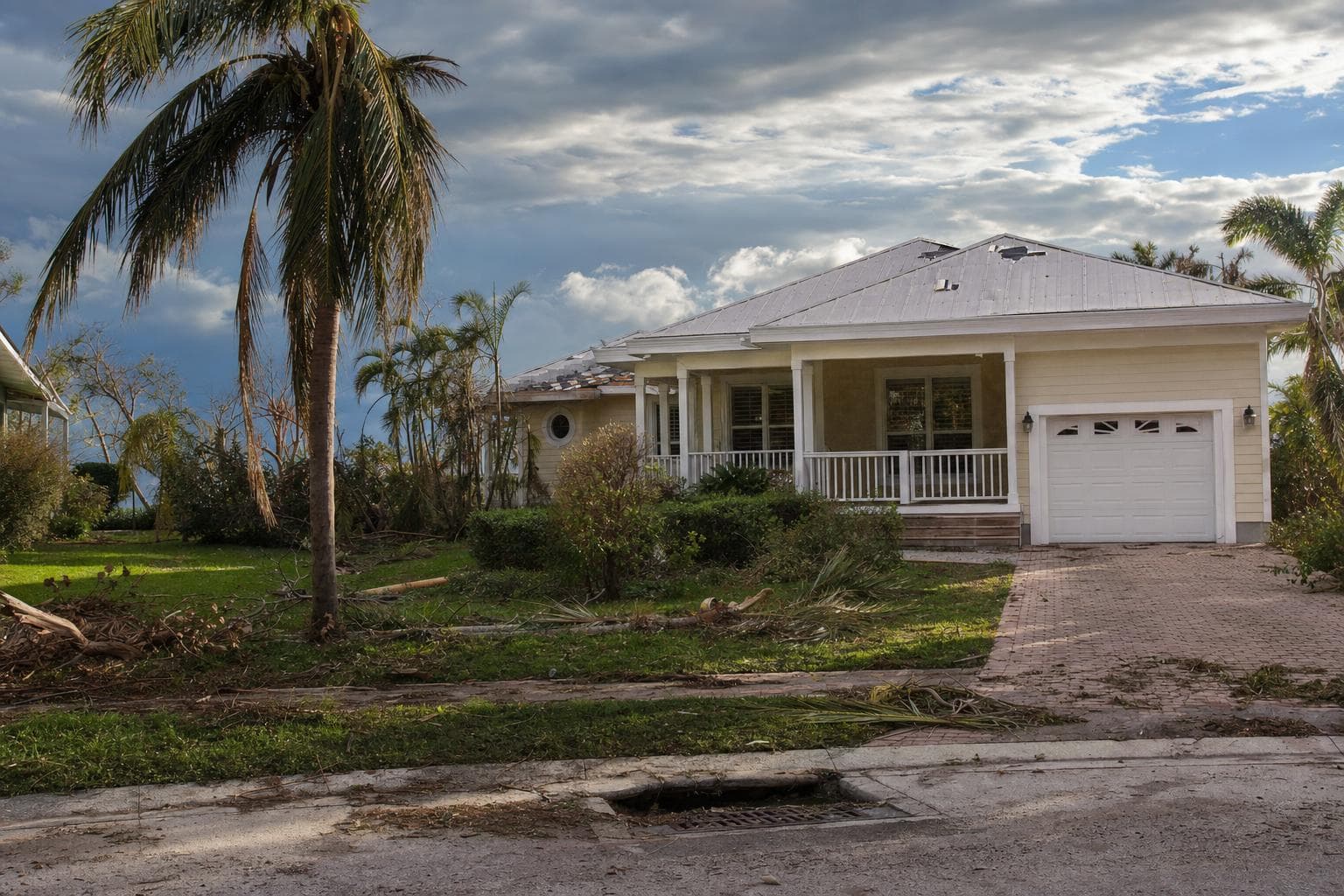
Florida roofs live and die by wind and water. Hurricanes and tropical systems drive wind uplift and wind-driven rain that find any weak fastener, seam, or edge, and the damage is not always obvious from the ground. After a storm passes, what you do in the first few days protects both your home and any claim you file. Here is the plan, in the order that matters.
Your first steps after the storm
- 1Make sure the home is safe to be in before anything else, watch for downed power lines and standing water.
- 2Check inside for active leaks, water stains, and ceiling sag, and deal with immediate water issues.
- 3Write down the storm date and photograph everything you can see safely from the ground.
- 4Get the roof tarped if water is coming in, and save the receipt for the temporary repair.
- 5Schedule a slope-by-slope inspection with a licensed Florida roofer.
- 6Contact your insurer if you plan to file, and let the inspection guide the conversation.
Document the damage like it matters, because it does
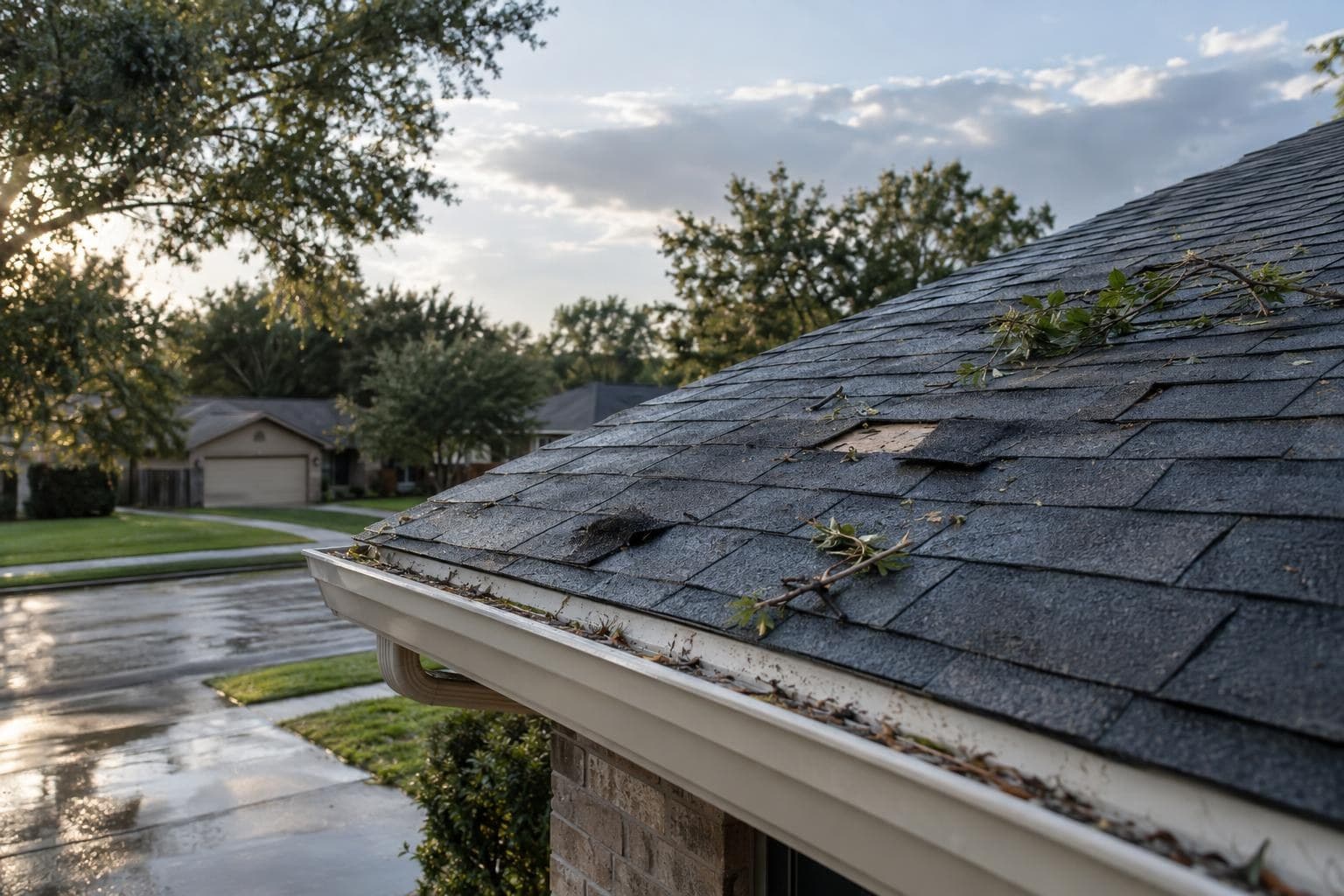
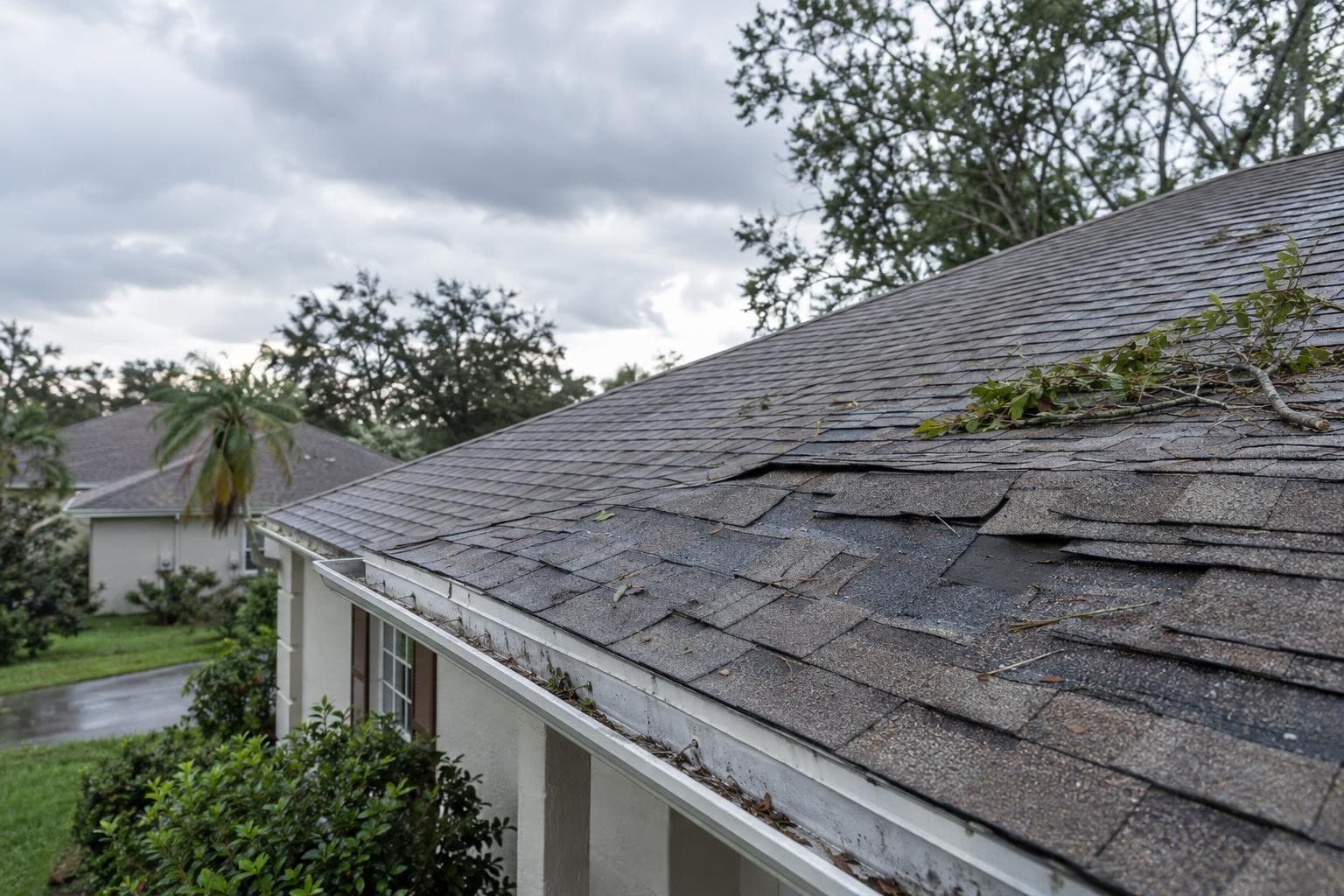
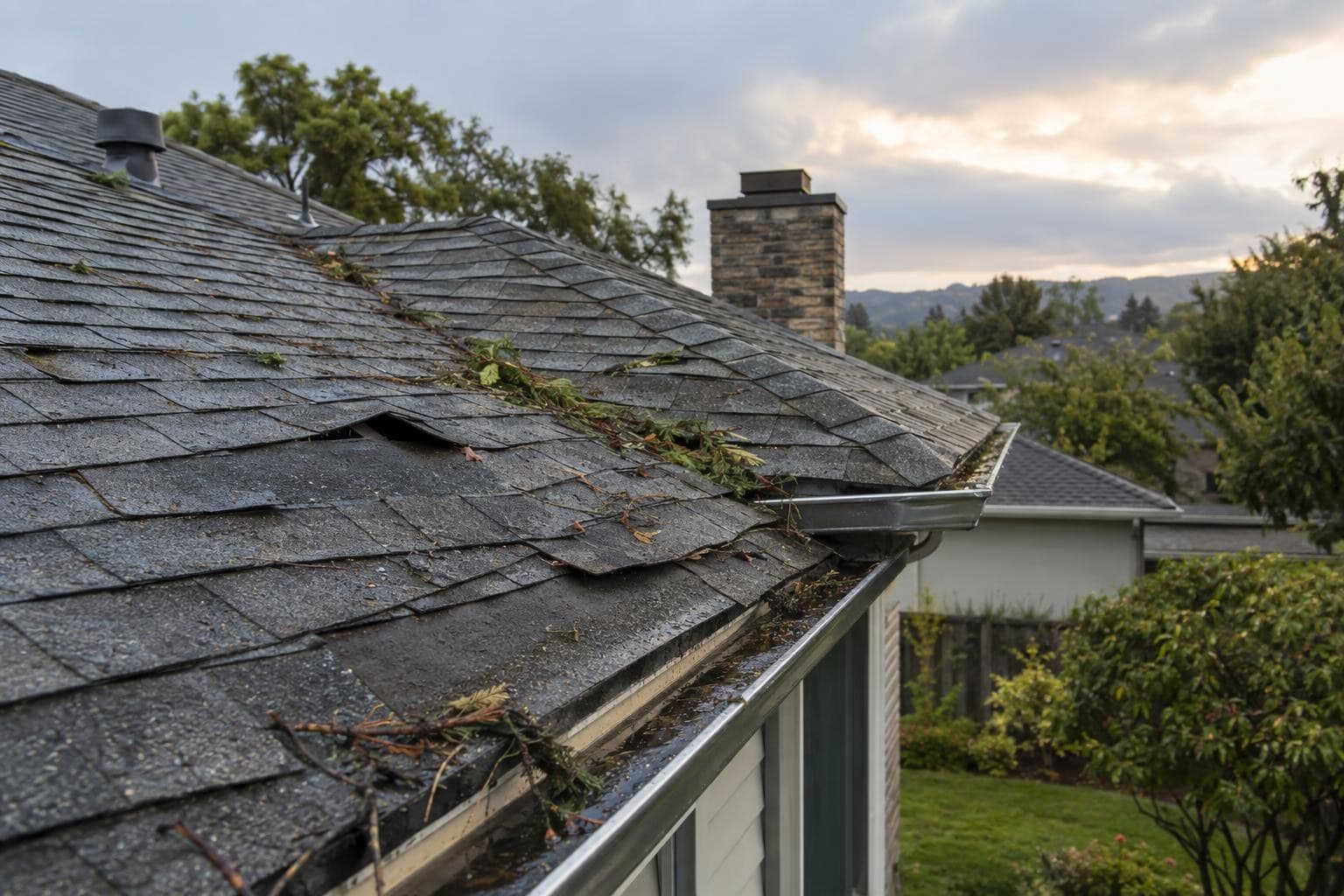
Florida adjusters are trained to tell a fresh hurricane hit from an old, tired roof, so your documentation has to make the case. Photograph lifted, creased, or missing shingles, displaced ridge caps, damaged flashing, and any debris impact, ideally slope by slope and dated. Keep your tarping and temporary-repair receipts. The stronger your record, the harder it is to write your claim off as age and wear.
Repair or replace after a hurricane
Not every storm means a tear-off. If a few shingles blew off one slope and the decking underneath is sound, a repair may be the right call. If wind damage spans multiple slopes, the roof is older, or leaks keep reopening, replacement usually wins. For an early budget on a roofing decision in Florida, compare the Florida cost page with a proposal that identifies measurements, products, accessories, and exclusions. The inspection, not a guess from the driveway, tells you which side of the line you are on.
Talk to a roofer today
Planning ranges, scope details, and a direct path to request a roofing quote.
The Florida code wrinkle on big repairs
Florida's old 25 percent rule once forced a full replacement when more than a quarter of a roof was repaired in a year. SB 4-D changed that: if your roof was built to the 2007 Florida Building Code or later (roughly, permitted on or after March 1, 2009), only the repaired section has to be brought up to current code, not the whole roof. After a hurricane, that can be the difference between a targeted repair and a tear-off, so it is worth knowing where your roof stands.
Create a damage record before the roof changes
The first useful record is a timeline, not a guess about coverage. Note when the storm passed, when leaks or exterior changes appeared, and what temporary steps were taken. Photograph the ground, elevations, attic, ceilings, gutters, vents, and visible roof edges from a safe location. Keep the original files, repair receipts, weather alerts, inspection notes, and every version of the estimate. That record helps separate observed conditions from later assumptions after materials have been moved or removed. For the Florida hurricane-response plan, keep the event record, temporary work, physical diagnosis, permanent scope, and coverage decision as separate entries.
- Address electrical, structural, and active-water hazards first; do not climb onto a wet or damaged roof.
- Photograph conditions before temporary protection, then photograph the completed temporary work.
- Ask the inspector to identify the location, material, and function affected by each reported condition.
- Keep storm damage, age-related wear, installation defects, and interior moisture findings in separate notes.
- Ask your insurer what it needs before permanent work or disposal of potentially relevant materials begins.
- For the Florida hurricane-response plan, preserve a dated before-and-after record for every temporary or permanent change.
Separate emergency protection from the permanent scope
Florida roofs have to manage wind-driven rain, high humidity, strong sun, and coastal salt exposure, with attachment and water-shedding details carrying as much weight as the surface material. A tarp, seal, or limited patch can reduce immediate water entry without proving what the durable repair should be. The permanent decision comes after the roof can be inspected safely and the affected slopes, transitions, deck, and interior moisture are understood. Ask for a written temporary-work description, its limitations, and the next inspection point. Insurance coverage remains a policy decision; the roofer's job is to document physical conditions and price the construction scope accurately.
Sources
After a hurricane, the roof can look fine from the yard and still be finished. Only a slope-by-slope look tells the truth.
Related reading and source material
- Does insurance cover roof replacement in Florida?
- Roof repair vs. replacement in Florida
- Can a roofer waive my deductible in Florida?
- National Association of Insurance Commissioners: What You Need to Know When Filing a Homeowners Claim
- Insurance Institute for Business & Home Safety: Natural Weathering and Hazard Exposure
Make the Florida property safe and dry first
Stay away from downed lines, unstable trees, standing water near electrical equipment, and visibly unstable roof areas. Arrange necessary temporary protection, preserve receipts, and photograph conditions before covering them when it is safe. Emergency work should prevent additional damage without erasing the evidence needed for permanent scope. For a Florida property, inspect valleys, wall transitions, shaded slopes, attic moisture paths, and the perimeter details that sudden rain and wind can expose.
Build a located evidence record in Florida
Use overview photographs to locate close-ups by slope, orientation, material, and detail. Record covering, edges, ridges, valleys, walls, penetrations, drainage, deck or attic evidence, and interior effects. Separate what is observed from what still requires testing or removal. For a Florida property, treat coastal salt, inland trees, low-slope additions, and roof geometry as address-level questions rather than statewide assumptions.
Separate functional damage from appearance and weathering in Florida
Explain the mechanism, whether attachment or water shedding is affected, and how widely the condition is distributed. Impact marks, dents, granule change, lifted material, failed sealant, age, and installation defects do not all support the same conclusion. The repair boundary should follow evidence. For a Florida property, compare wind-driven rain, humid drying conditions, tree debris, and any coastal or open-terrain exposure actually present at the property.
Keep claim and construction decisions in separate lanes in Florida
The roofer documents conditions and prices temporary or permanent work. The insurer applies the policy, deductible, valuation, and claim rules. The building official interprets code for the project. Preserve correspondence, estimates, contracts, changes, invoices, and completion records without assuming coverage or a replacement outcome.
Reviewed technical references for Florida
Related Florida roofing guides
Related services
Updated July 10, 2026
3D Roofs Editorial Team
Editorial Standards