Updated July 27, 2026

3D Roofs Editorial Team
Editorial Standards
After a wind event, displaced shingles may reflect event forces, prior age or installation conditions, or a combination. The record should explain which observations support each possibility. Insurance treats them completely differently, sudden storm damage is covered, gradual wear is maintenance, and adjusters are trained to tell them apart fast. You should be able to as well, because it determines whether you're filing a claim or pricing a replacement.
What genuine wind damage looks like
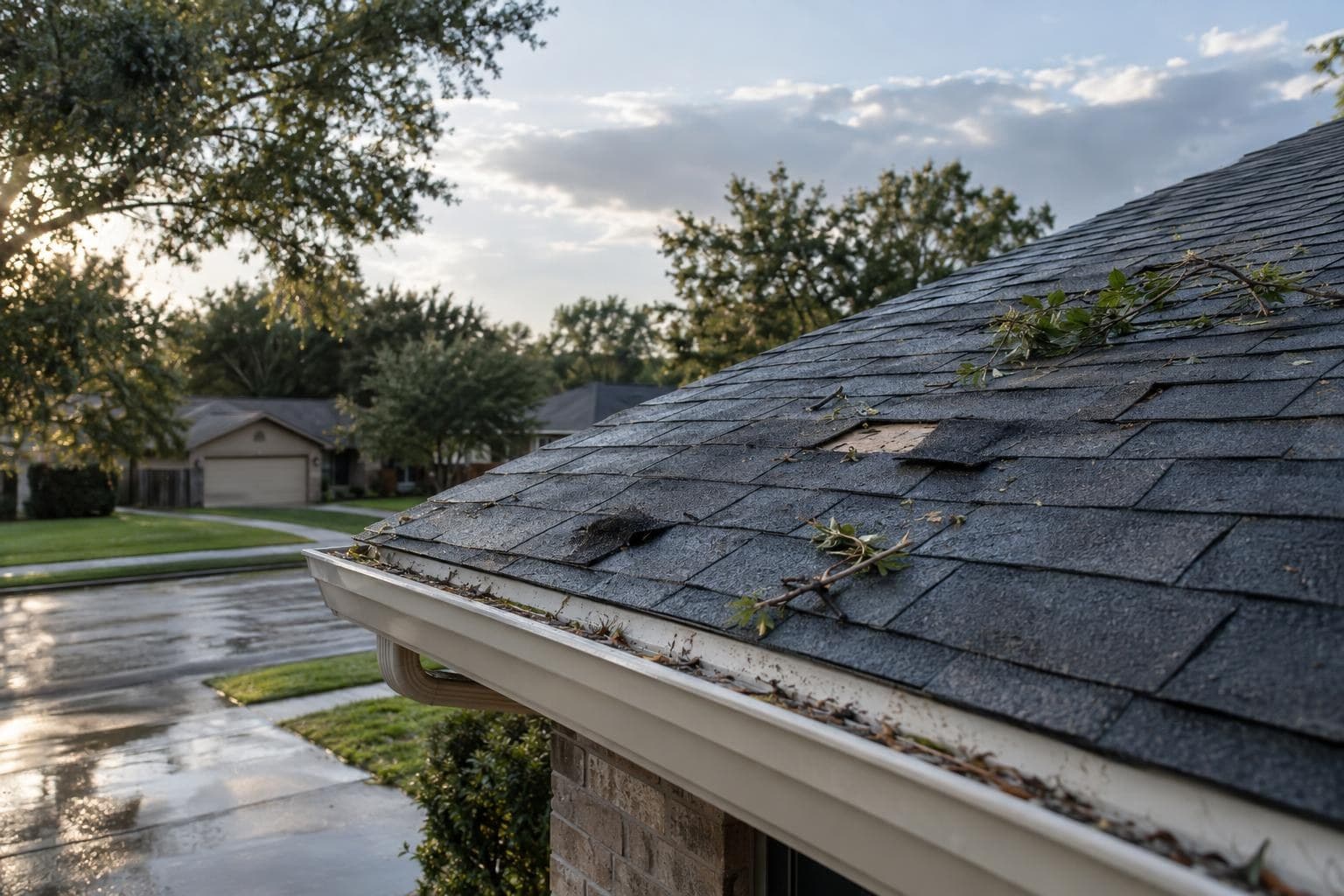
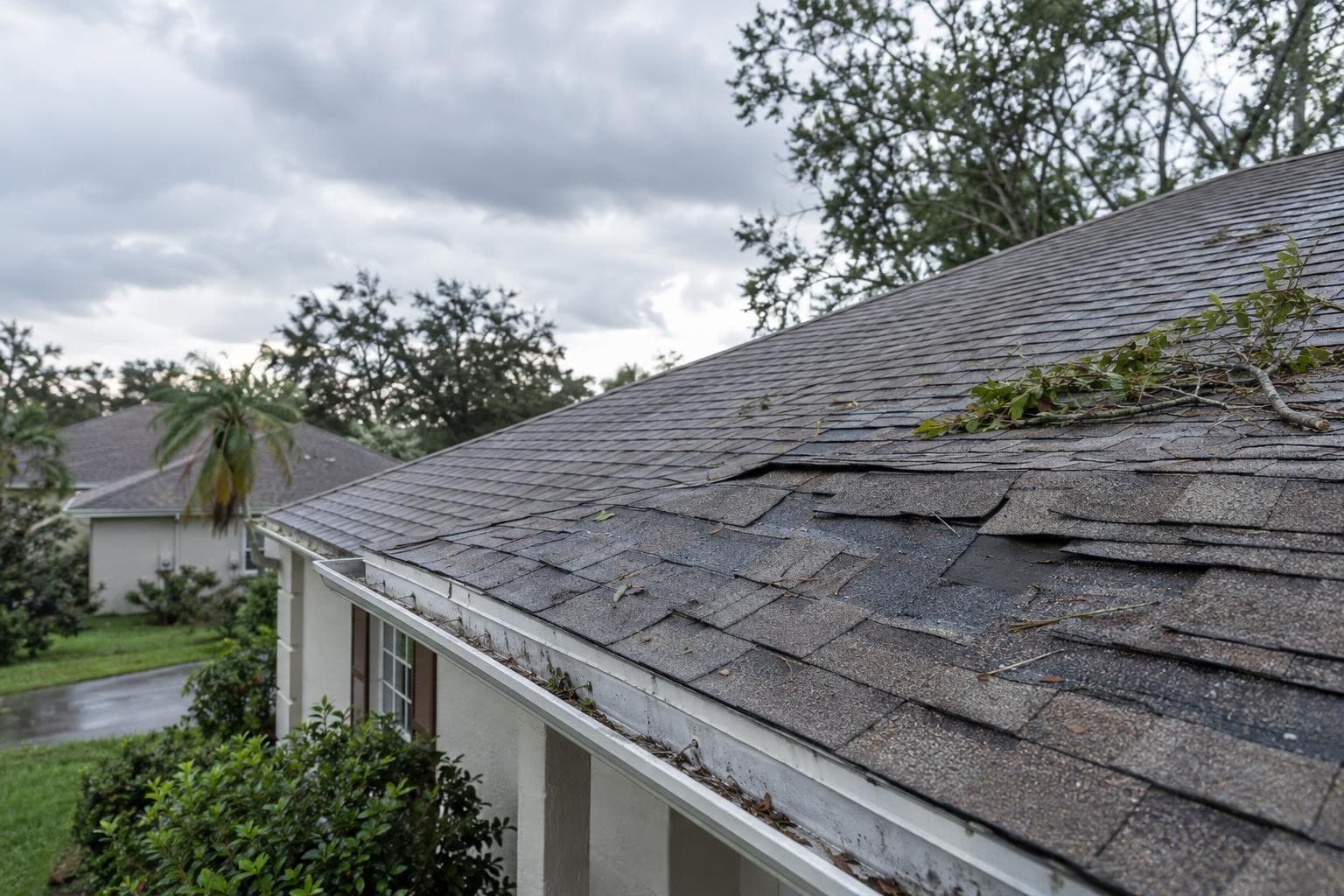
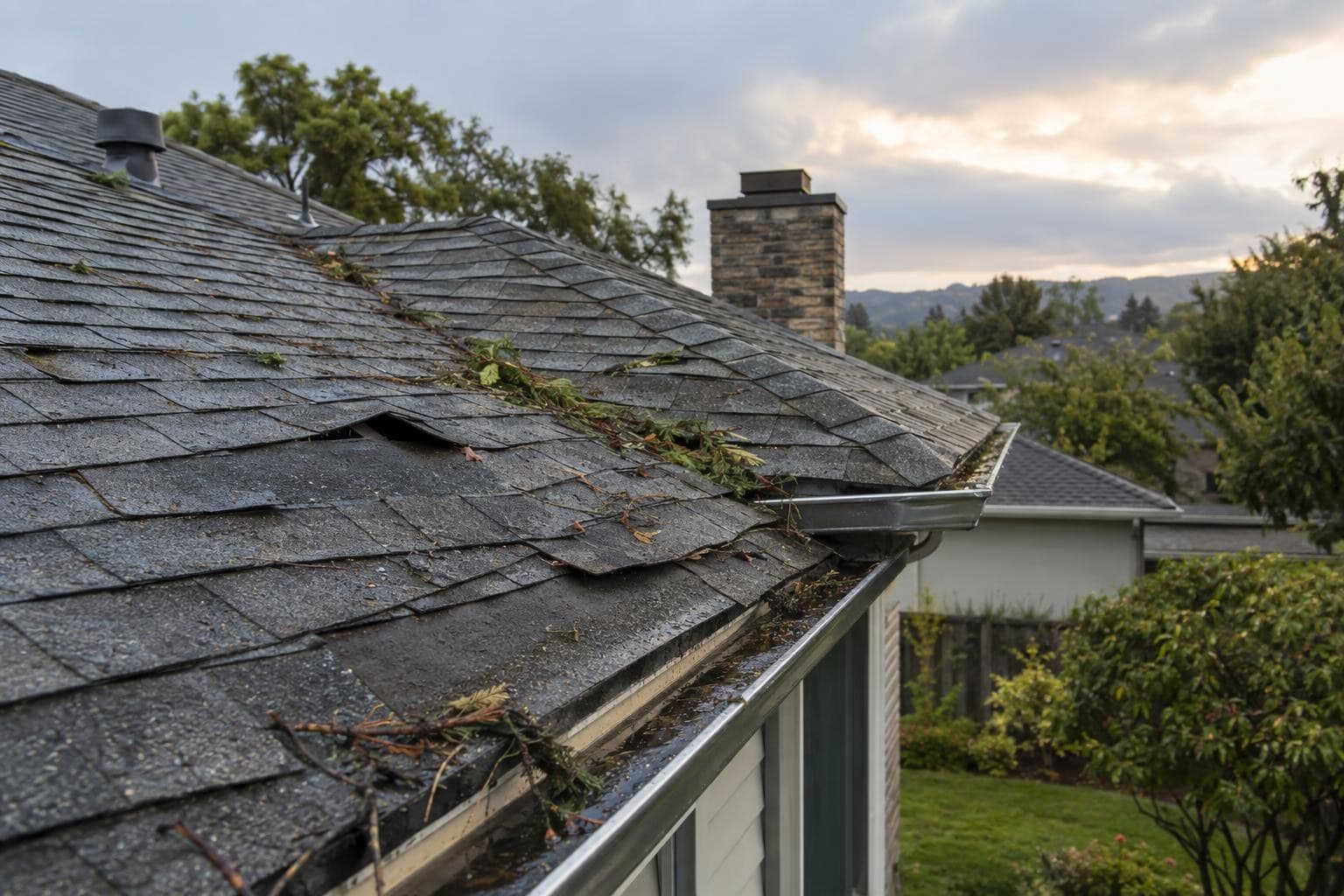
- Creases, a horizontal crease line across a shingle where wind folded it back. The signature of a real wind event.
- Missing tabs with clean, recent tear lines, bright, un-weathered asphalt at the break.
- Broken seal strips on shingles that are otherwise supple, lift gently; storm-broken seals release in runs along the wind path.
- Directional pattern, damage concentrated on the slopes and edges facing the storm.
- Collateral evidence, fence sections down, limbs dropped, neighbors tarped the same week.
What age looks like instead
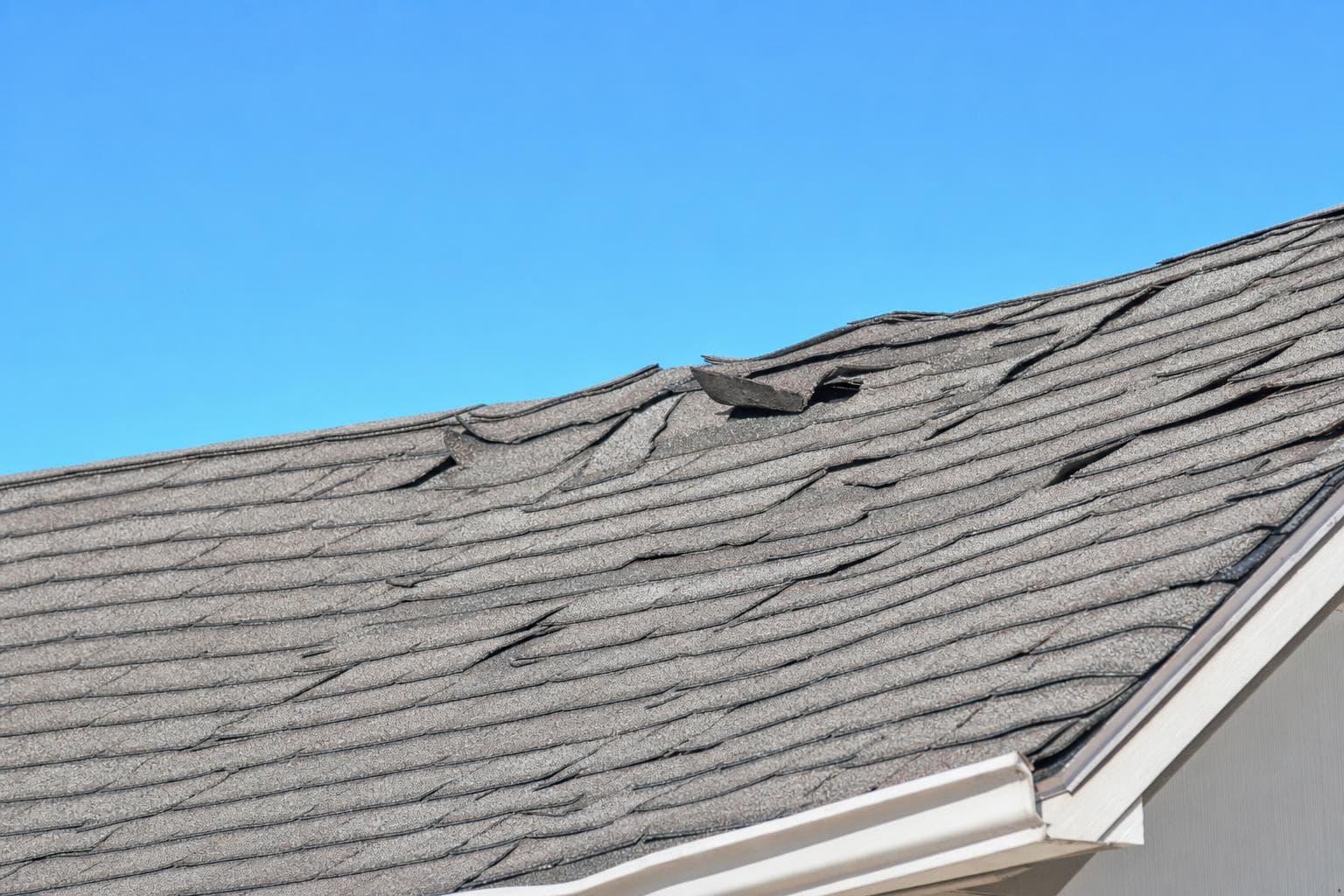
- Curling and cupping at shingle corners across whole slopes, the mat shrinking with age.
- Heavy, uniform granule loss with exposed asphalt everywhere, not in fresh spots.
- Brittleness, corners that crack rather than flex when lifted.
- Missing shingles with weathered, gray tear lines that let go long before this storm.
- Failure on all slopes equally, regardless of wind direction.
When wind and prior wear overlap
Age, installation, prior condition, local wind exposure, and the exact failure pattern can overlap. Avoid using a generic roof age or reported gust as a substitute for material-specific evidence and the policy language. Carriers may cover the storm-created opening while declining the roof's overall condition, or apply depreciation that surprises you at settlement. Two things protect you: documentation from before the storm (any inspection or photo record showing prior condition), and a same-week inspection after it, separating creased-and-torn from curled-and-tired, slope by slope.
Talk to a roofer today
Planning ranges, scope details, and a direct path to request a roofing quote.
What to do either way
If it's wind: photograph fast, tarp openings, file with slope-specific evidence, and don't let anyone repair away the proof before the adjuster sees it. If it's age: skip the claim, a denied wear-and-tear claim still sits on your record, and put the energy into replacement quotes instead, where storm-rated installation details will make the next wind event a non-story.
Create a damage record before the roof changes
The first useful record is a timeline, not a guess about coverage. Note when the storm passed, when leaks or exterior changes appeared, and what temporary steps were taken. Photograph the ground, elevations, attic, ceilings, gutters, vents, and visible roof edges from a safe location. Keep the original files, repair receipts, weather alerts, inspection notes, and every version of the estimate. That record helps separate observed conditions from later assumptions after materials have been moved or removed. For the wind-versus-wear diagnosis, keep the event record, temporary work, physical diagnosis, permanent scope, and coverage decision as separate entries.
- Address electrical, structural, and active-water hazards first; do not climb onto a wet or damaged roof.
- Photograph conditions before temporary protection, then photograph the completed temporary work.
- Ask the inspector to identify the location, material, and function affected by each reported condition.
- Keep storm damage, age-related wear, installation defects, and interior moisture findings in separate notes.
- Ask your insurer what it needs before permanent work or disposal of potentially relevant materials begins.
- For the wind-versus-wear diagnosis, preserve a dated before-and-after record for every temporary or permanent change.
Separate emergency protection from the permanent scope
A wind-versus-wear review should compare event evidence with the roof's broader condition. Fresh creases, displaced tabs, broken seals, edge uplift, and debris impact may point to a specific event; widespread brittleness, uniform granule loss, old sealant, and repeated prior repairs may point to aging. Ask the inspector to map both types of findings and explain the water-entry consequence of each. Keep weather records, photographs, temporary work, construction recommendations, and the insurer's coverage decision in separate parts of the file.
Sources
Creases are the storm's signature. Curling is the calendar's. Adjusters read both fluently, now you do too.
Related reading and source material
Compare the complete assembly rather than the product label: Wind damage vs. old shingles
Review slope, deck, underlayment, attachment, flashings, edges, penetrations, ventilation or unvented design, drainage, maintenance, local stock, repair access, and warranties. A surface product cannot correct an incomplete water-control path. Apply that record to the wind damage vs. old shingles decision and identify which property finding or written term would change the answer.
Verify testing and warranty limits: Wind damage vs. old shingles
Use the exact manufacturer and product, understand what a laboratory classification does and does not evaluate, and separate material, finish, wind, impact, algae, weathertightness, and workmanship provisions. Record registration, maintenance, labor, and transfer conditions.
Additional reviewed references
Related roofing resources
Updated July 27, 2026
3D Roofs Editorial Team
Editorial Standards