

Roofing guides
Roof insurance claim guides.
How roof claims are documented and evaluated, including storm reporting, ACV versus RCV, state deductible rules, estimates, and payment records.
Latest insurance guides
133 articles

ACV vs RCV Roof Coverage in Wyoming: What You Actually Get Paid, and Why It Matters
If your Wyoming roof is damaged, ACV and RCV can lead to very different claim payouts. Here is the plain-English difference, a worked example using the latest local cost data, and what to check before you file a claim.
Read the guide
Can a Roofer Waive Your Deductible in Wyoming? What Homeowners Should Know
If a roofer says they can waive your deductible in Wyoming, slow down. The state state guidance does not create a deductible-waiving rule. The safer national reality is simple: your deductible is your part of the claim, and you should expect to pay it yourself. Here is how to spot trouble, protect your paperwork, and move your roof claim forward.
Read the guide
Does Insurance Cover Roof Replacement in Wyoming
If your Wyoming roof was damaged by wind or hail, insurance may cover replacement when the damage affects function, not when the roof is simply old or worn out. Here is how to think about storm damage, deductibles, and the claim flow.
Read the guide
ACV vs RCV Roof Coverage in West Virginia: What You Actually Get Paid
ACV and RCV roof coverage can change your claim payout by thousands. Here is the plain-English difference for West Virginia homeowners, plus a worked example using current local cost ranges.
Read the guide
Can a Roofer Waive Your Deductible in West Virginia? What Homeowners Should Know
If you are asking whether a roofer can waive your deductible in West Virginia, the short answer is simple: your deductible is usually your responsibility as the homeowner. For an insurance-funded roofing proposal in West Virginia, ask the insurer or state regulator to review any proposed rebate, credit, or discount before you sign. Here is how to protect yourself during a roof claim.
Read the guide
Does Insurance Cover Roof Replacement in West Virginia
If your West Virginia roof was damaged by a storm, insurance may cover replacement when the damage is sudden and functional, not just old age or wear. Here is how to tell the difference, what your deductible means, and how the claim flow usually works.
Read the guide
ACV vs RCV Roof Coverage in Wisconsin: What You Actually Get Paid
If your Wisconsin roof is damaged, ACV and RCV can lead to very different claim payouts. Here is the plain-English difference, how depreciation changes your check, and a worked example using current Wisconsin cost data.
Read the guide
Can a Roofer Waive Your Deductible in Wisconsin? What Homeowners Need to Know
If you are asking whether a roofer can waive your deductible in Wisconsin, start with the simple answer: your deductible is usually your responsibility as the homeowner. The Wisconsin insurance published state guidance does not create a special deductible rule. What it does say is how to start your claim, document damage, keep damaged materials, and escalate complaints if needed. Here is how to protect yourself and move your roof claim forward without confusion.
Read the guide
Does Insurance Cover Roof Replacement in Wisconsin
If your Wisconsin roof was damaged by wind, hail, or another sudden storm event, homeowners insurance may help pay for repairs or replacement. Coverage usually depends on functional storm damage, not normal aging or wear. Here is how to tell the difference, what your deductible means, and how to move through the claim process with clear documentation.
Read the guide
ACV vs RCV Roof Coverage in Vermont: What You Actually Get Paid
If your Vermont roof is damaged, ACV and RCV can lead to very different claim payouts. Here is the plain-English difference, a worked example, and what to check before you file.
Read the guide
Can a Roofer Waive Your Deductible in Vermont
If you are asking whether a roofer can waive your deductible in Vermont, the practical answer is simple: your deductible is usually your responsibility as the homeowner. For an insurance-funded roofing proposal in Vermont, ask the insurer or state regulator to review any proposed rebate, credit, or discount before you sign.
Read the guide
Does Insurance Cover Roof Replacement in Florida
If your Florida roof failed because of storm damage, insurance may help. If it failed from age or wear, it usually will not. Here is how to tell the difference, what deductibles can do to your payout, and how the claim flow usually works.
Read the guide
Florida Wind Mitigation Inspections: Read the Report
A Florida wind mitigation report records specific construction features; it is not a general roof-condition inspection or a promise of an insurance credit.
Read the guide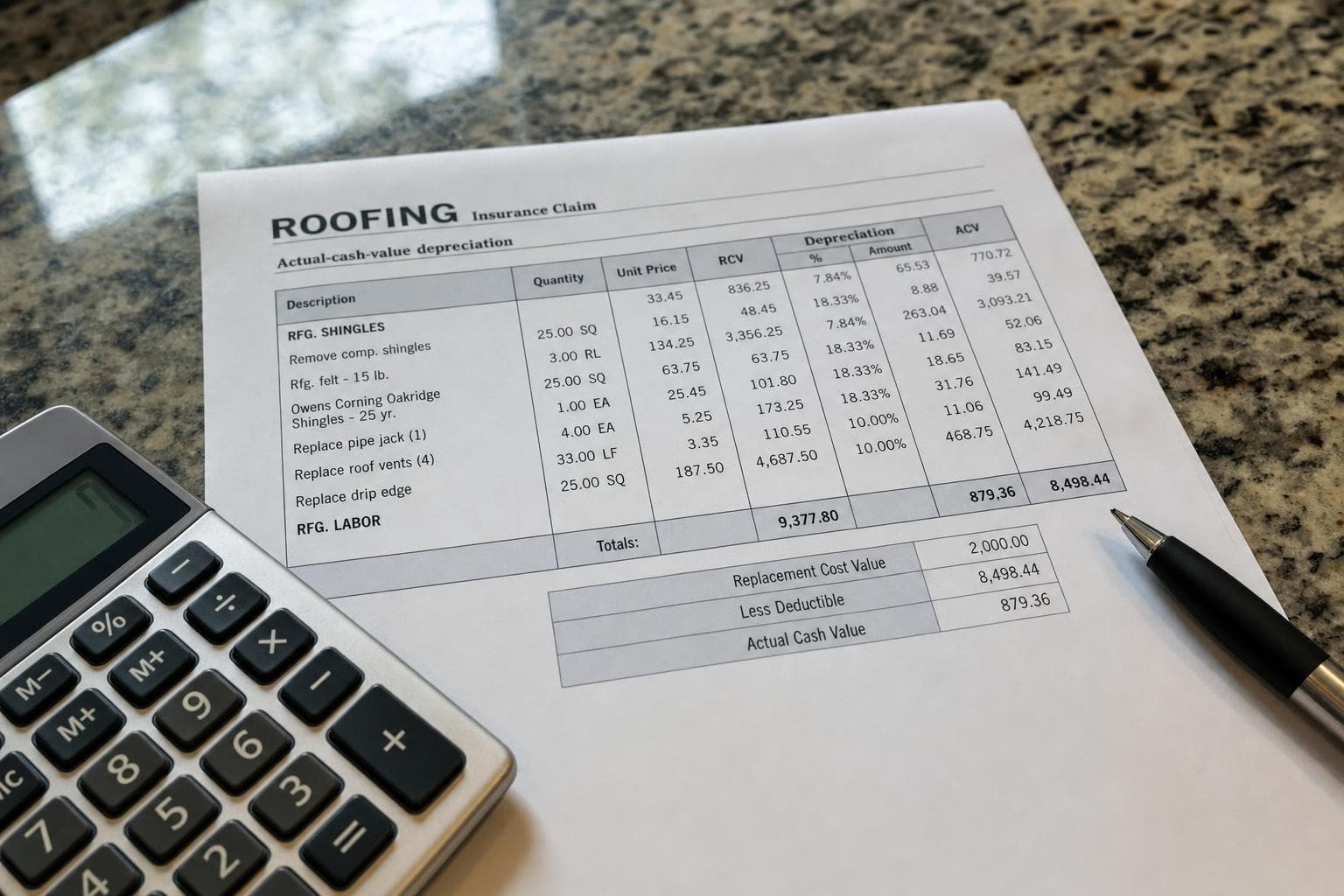
ACV vs RCV Roof Coverage in Florida: What You Actually Get Paid
If your Florida roof gets damaged, ACV and RCV can lead to very different claim payouts. Here is the plain-English difference, plus a worked example using 2026 Florida market pricing.
Read the guide
Can a Roofer Waive Your Deductible in Florida? What You Need to Know First
If you are asking whether a roofer can waive your deductible in Florida, start with the practical answer: your deductible is usually your responsibility as the homeowner. Florida-specific rules in this guide focus on code, repairs, and wind-mitigation credits, not deductible waiving. Here is how to protect yourself and compare roof options the smart way.
Read the guide
Does Insurance Cover Roof Replacement in California?
If your California roof was damaged by a storm, insurance may cover replacement. If it failed from age or neglect, it usually will not. Here is how to tell the difference, what your deductible does, and how the claim flow usually works.
Read the guide
ACV vs RCV Roof Coverage in California: What You Actually Get Paid
ACV and RCV roof coverage can lead to very different claim payouts. Here is how each works for California homeowners, what state code can change on a replacement, and a simple example using 2026 market pricing.
Read the guide
Can a Roofer Waive Your Deductible in California?
If you are asking whether a roofer can waive your deductible in California, the short answer is this: your deductible is usually your responsibility as the homeowner. California requirements and your policy terms control the issue, so do not assume a contractor can remove your deductible. A roofer may adjust scope, materials, or pricing within a real contract, but your deductible is still your share of the claim.
Read the guide
Does Insurance Cover Roof Replacement in Georgia
If your Georgia roof has real storm damage, insurance may help pay for repair or replacement. If the issue is age or wear, it usually will not. Here is how to tell the difference, what your deductible means, and how the claim process usually moves.
Read the guide
Georgia Roof Deductible Law: Keep the Transaction Accurate
Keep the Georgia roof price, deductible, discounts, upgrades, invoice, and actual payments consistent so the insurance and construction records tell the same story.
Read the guide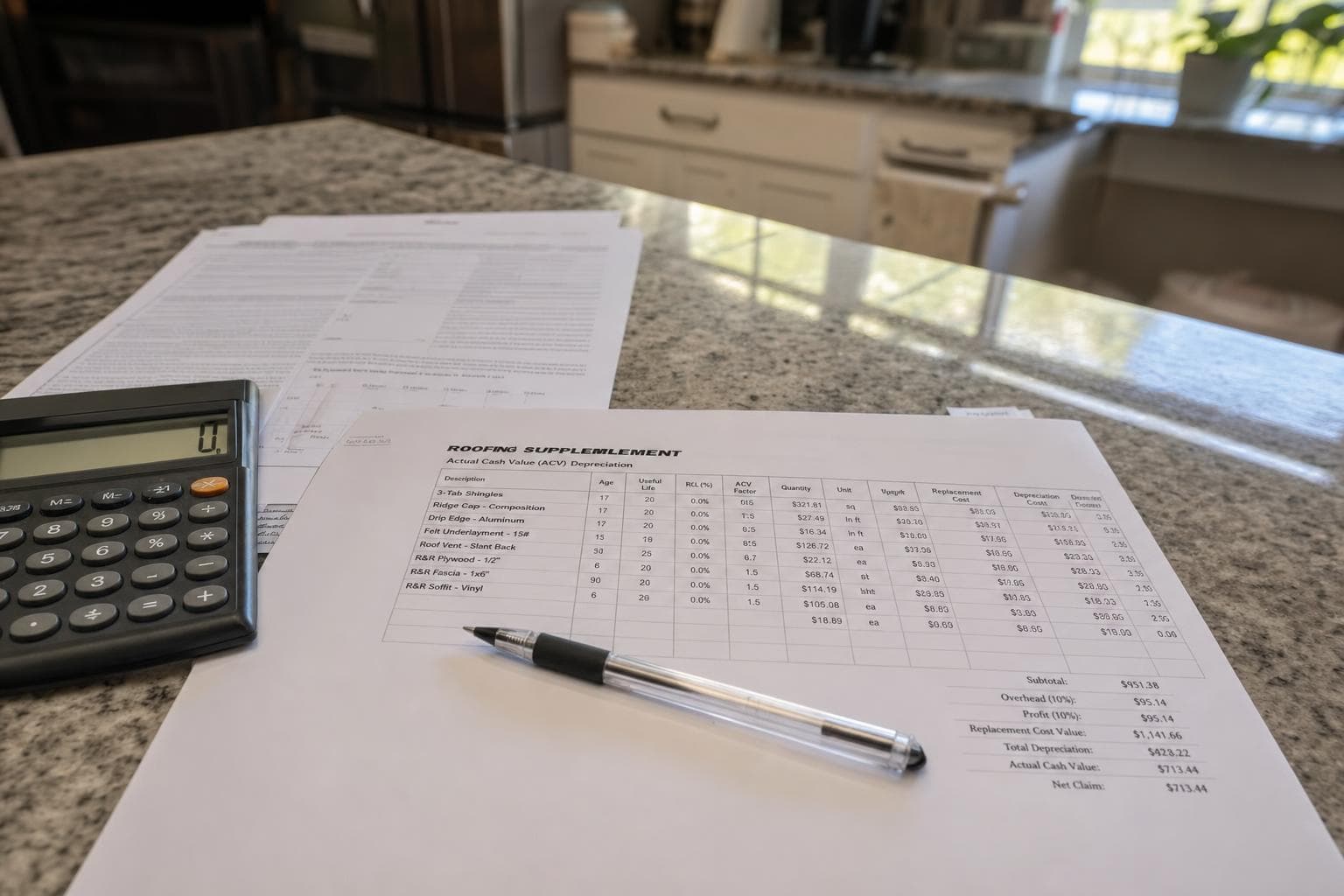
ACV vs RCV Roof Coverage in Georgia: What Changes Your Payout
If your Georgia roof is damaged by hail or wind, ACV and RCV can lead to very different insurance payouts. Here is what each means, how depreciation works, and what to watch for before you file a claim.
Read the guide
Can a Roofer Waive Your Deductible in Georgia?
If a roofer in Georgia offers to cover your deductible, that is not a shortcut. It is a legal problem. Here is what Georgia law says, how insurance claims usually work, and how to protect yourself after hail or wind damage.
Read the guide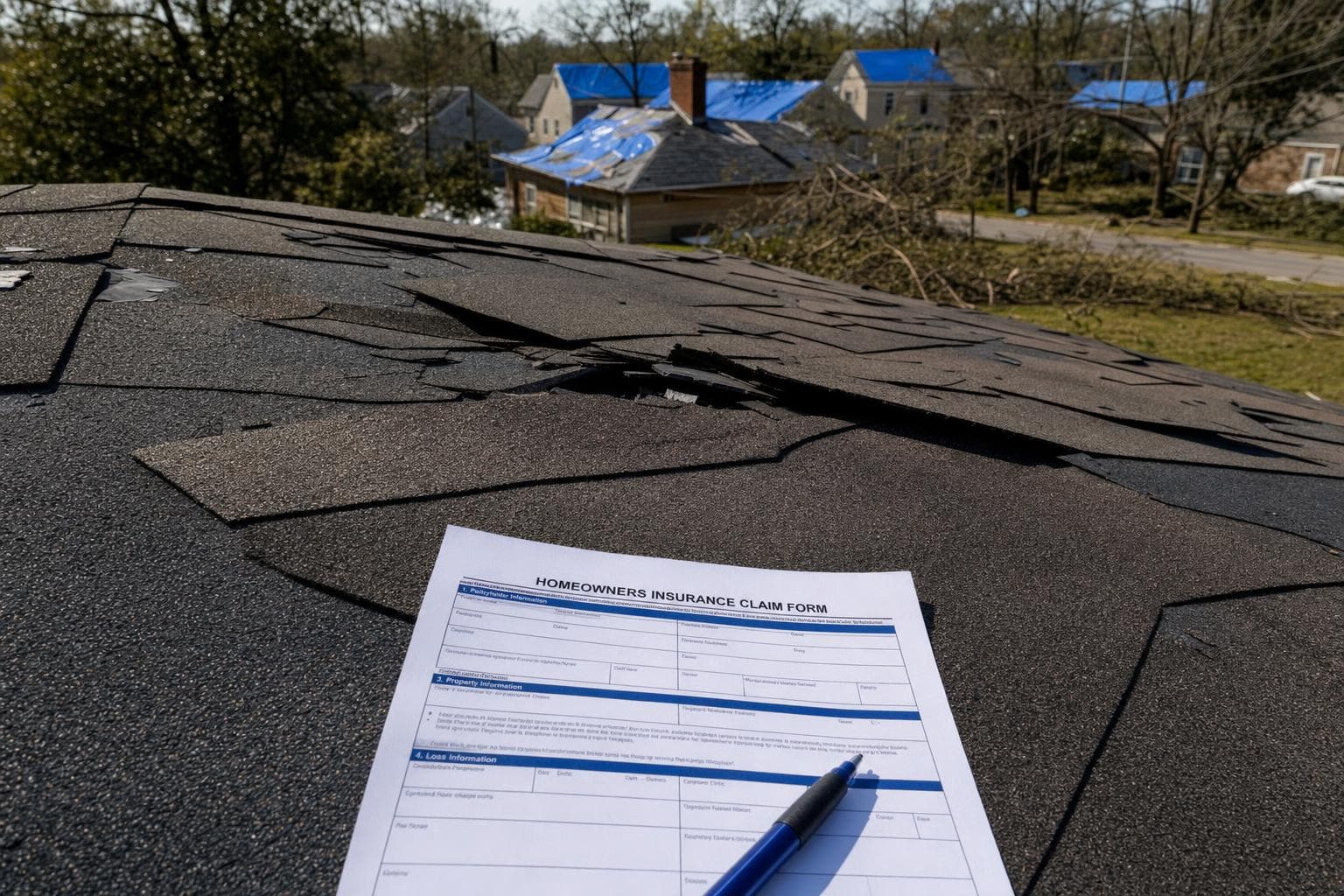
Does Insurance Cover Roof Replacement in North Carolina?
If your North Carolina roof was damaged by wind or hail, insurance may cover replacement. Coverage usually depends on sudden functional damage, not age or wear.
Read the guide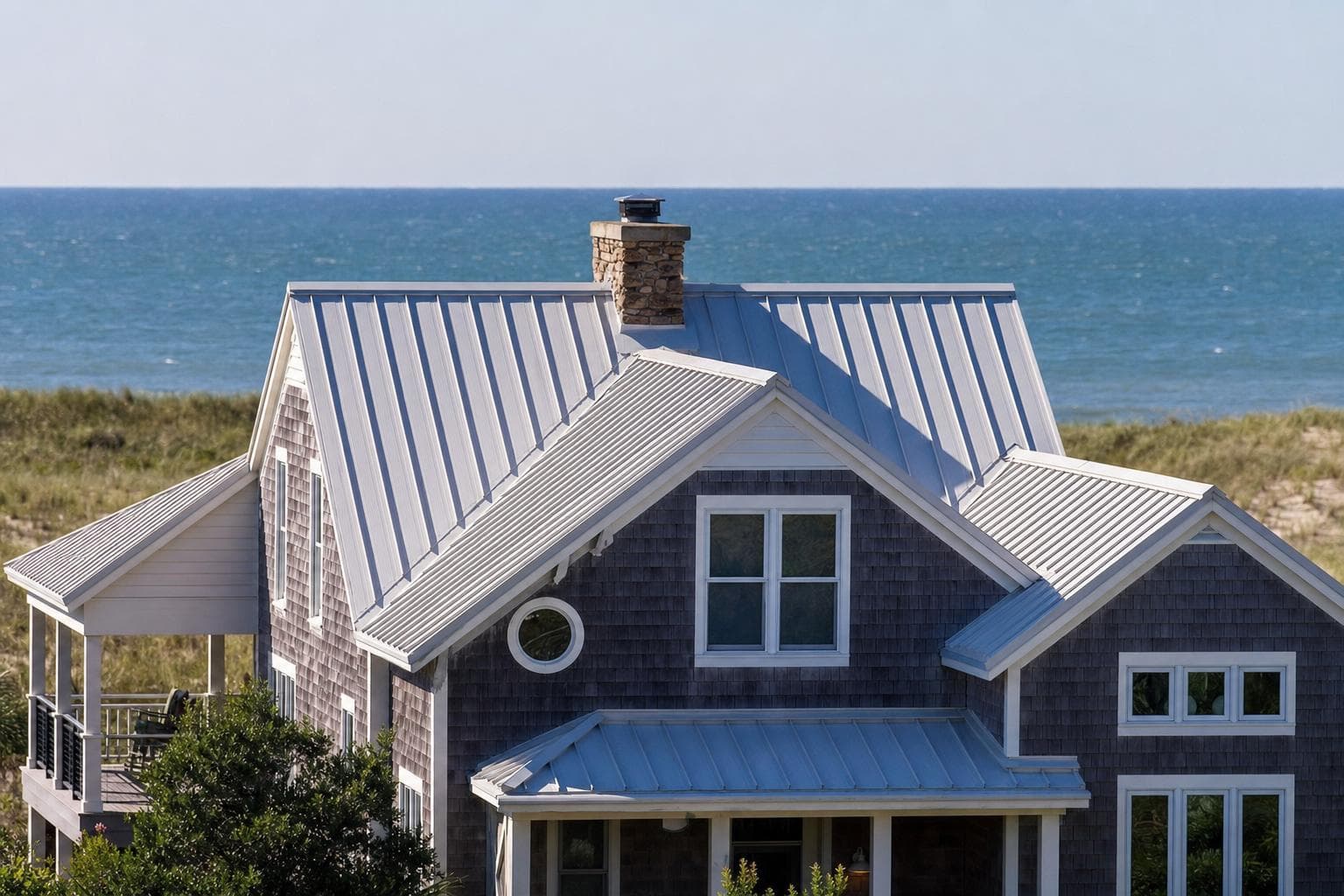
North Carolina Coastal Windstorm Insurance: Read the Territory and Policy
Coastal wind coverage depends on the North Carolina property and policy arrangement. Verify the territory, deductible, valuation, exclusions, and reporting path.
Read the guide
ACV vs RCV Roof Coverage in North Carolina: What Changes Your Payout
If your North Carolina roof is damaged, ACV and RCV coverage can change your claim payout in a big way. Here is the plain-English difference, plus a simple example using 2026 market pricing.
Read the guide
Can a Roofer Waive Your Deductible in North Carolina?
If a roofer says they can cover your deductible in North Carolina, treat that as a warning sign. Your deductible is your responsibility, and offers to absorb it can point to insurance fraud. Here is how it works, what coastal homeowners should watch for, and how to compare roofing options without getting burned.
Read the guide
Does Insurance Cover Roof Replacement in Arizona
If your Arizona roof was damaged by monsoon wind or hail, your policy may cover replacement. If the roof is simply worn out from heat and age, it usually will not. Here is how to tell the difference, what deductibles can change your payout, and how the claim flow usually works.
Read the guide
ACV vs RCV Roof Coverage in Arizona: What You Actually Get Paid
If you live in Arizona, ACV vs RCV can change what comes out of your pocket after roof damage. Here is the simple difference, a worked example using 2026 Arizona market pricing, and what to check in your policy before the next monsoon claim.
Read the guide
Can a Roofer Waive Your Deductible in Arizona? What Homeowners Should Know
If you are filing a roof claim in Arizona, your deductible is usually your responsibility. Here is the plain answer, what Arizona facts matter, and how to protect yourself before you sign.
Read the guide
Does Insurance Cover Roof Replacement in Colorado
If your Colorado roof was damaged by hail or wind, insurance may cover replacement when the damage is functional, not just old age or wear. Here is how coverage, deductibles, and the claim flow usually work.
Read the guide
Colorado Roofing Contracts, Cancellation, and Deductibles
Colorado roofing and insurance rules can change. Use the current statute and agency guidance, keep claim and construction roles separate, and put every payment and cancellation term in writing.
Read the guide
ACV vs RCV Roof Coverage in Colorado: What Changes Your Payout
If your Colorado roof claim is approved, ACV and RCV can lead to very different claim checks. Here is what each one means, how depreciation changes your payout, and what Colorado homeowners should watch before signing a roofing contract.
Read the guide
Can a Roofer Waive Your Deductible in Colorado? What the Law Says
If a roofer offers to waive your deductible in Colorado, that is a red flag. State law says they cannot pay, waive, rebate, or promise to cover any part of it on an insurance-funded roofing job.
Read the guide
Does Insurance Cover Roof Replacement in Tennessee
If your Tennessee roof was damaged by hail, wind, or another sudden storm event, insurance may help pay for replacement. If the roof is simply worn out, aged, or leaking from long-term neglect, coverage is much less likely. Here is how to tell the difference, what deductibles can change your payout, and how the claim flow usually works.
Read the guide
ACV vs RCV Roof Coverage in Tennessee: What You Actually Get Paid
If your Tennessee roof is hit by hail or wind, ACV and RCV can lead to very different claim payments. Here is how each works, what your deductible does, and a simple example using 2026 Tennessee market pricing.
Read the guide
Can a Roofer Waive Your Deductible in Tennessee? What Homeowners Need to Know
If a roofer says they can waive your deductible in Tennessee, treat it as a warning sign. Your deductible is your responsibility, and your policy language controls how storm claims are paid.
Read the guide
Does Insurance Cover Roof Replacement in Illinois
If your Illinois roof was damaged by hail or wind, insurance may cover replacement when the damage is sudden and functional, not just old age or wear. Here is how to tell the difference, what deductibles can change, and how the claim flow usually works.
Read the guide
ACV vs RCV Roof Coverage in Illinois: What Changes Your Payout
If your Illinois roof gets hit by hail, wind, or winter damage, ACV and RCV can lead to very different claim payouts. Here is what each one means, how depreciation works, and what Illinois homeowners should watch before a loss happens.
Read the guide
Can a Roofer Waive Your Deductible in Illinois? What the Law Says
If a roofer in Illinois offers to cover your deductible, that is not a good deal. It is a legal problem. Here is what Illinois law allows, what it does not, and how to handle a storm claim without getting burned.
Read the guide
Does Insurance Cover Roof Replacement in Michigan?
If your Michigan roof was damaged by wind, hail, falling debris, or ice-dam-related water intrusion, insurance may help. The key is whether the damage is sudden and functional, not long-term wear.
Read the guide
ACV vs RCV Roof Coverage in Michigan: What Changes Your Claim Payout
If your Michigan roof is damaged by wind or hail, ACV and RCV can lead to very different claim payouts. Here is what each means, how deductibles fit in, and a simple example using 2026 Michigan market pricing.
Read the guide
Can a Roofer Waive Your Deductible in Michigan? What Homeowners Need to Know
If a roofer offers to cover your deductible in Michigan, that is not a savings trick. It is illegal. Here is what that means for your claim, your contract, and your next step.
Read the guide
Does Insurance Cover Roof Replacement in Ohio
If your Ohio roof was damaged by a storm, insurance may cover repair or replacement. The key question is whether the damage is sudden and functional, not just age or wear.
Read the guide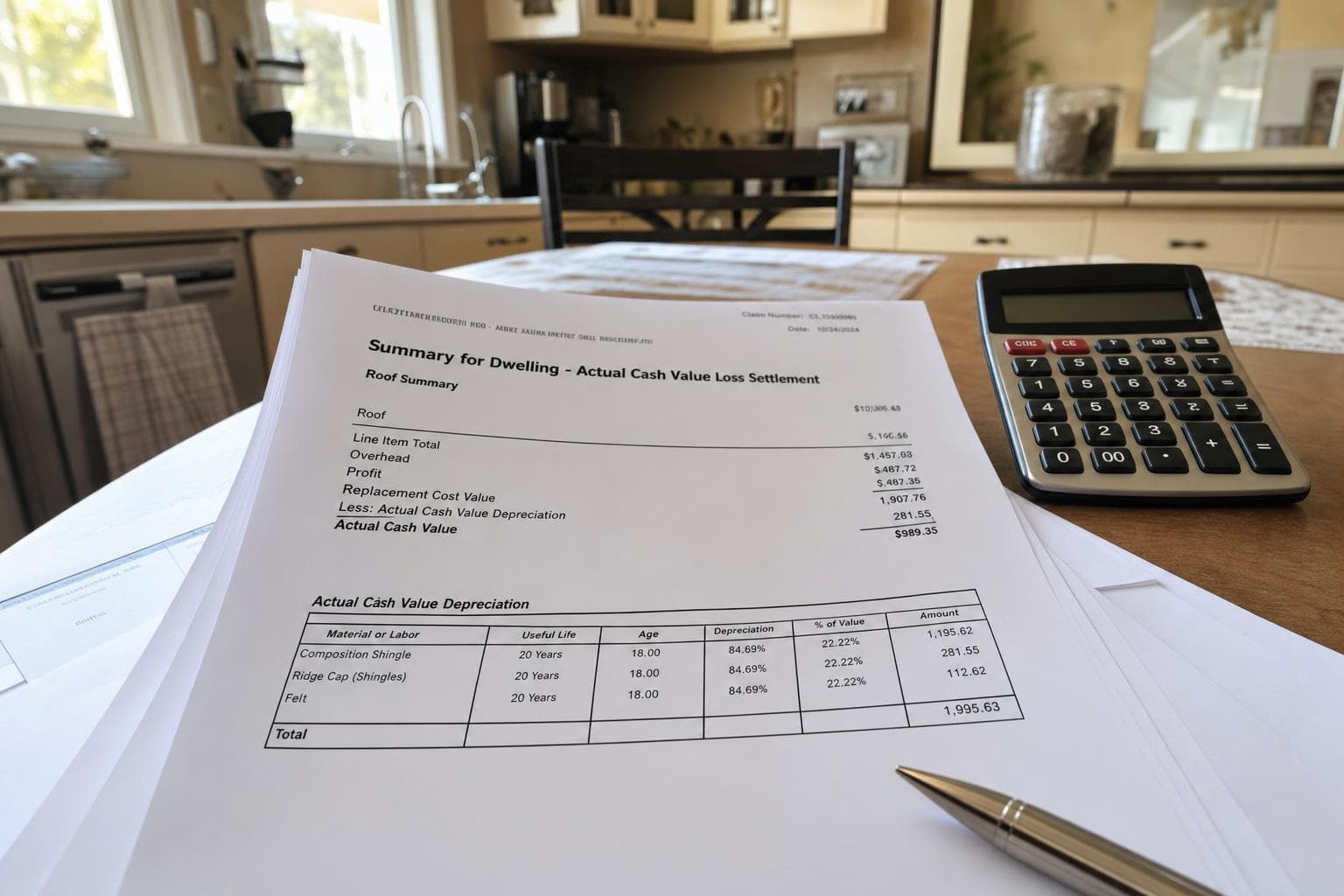
ACV vs RCV Roof Coverage in Ohio: What You Actually Get Paid
If your Ohio roof gets hit by hail or wind, ACV and RCV can lead to very different claim payouts. Here is what each one means, how depreciation changes your check, and what Ohio homeowners should watch for after a storm.
Read the guide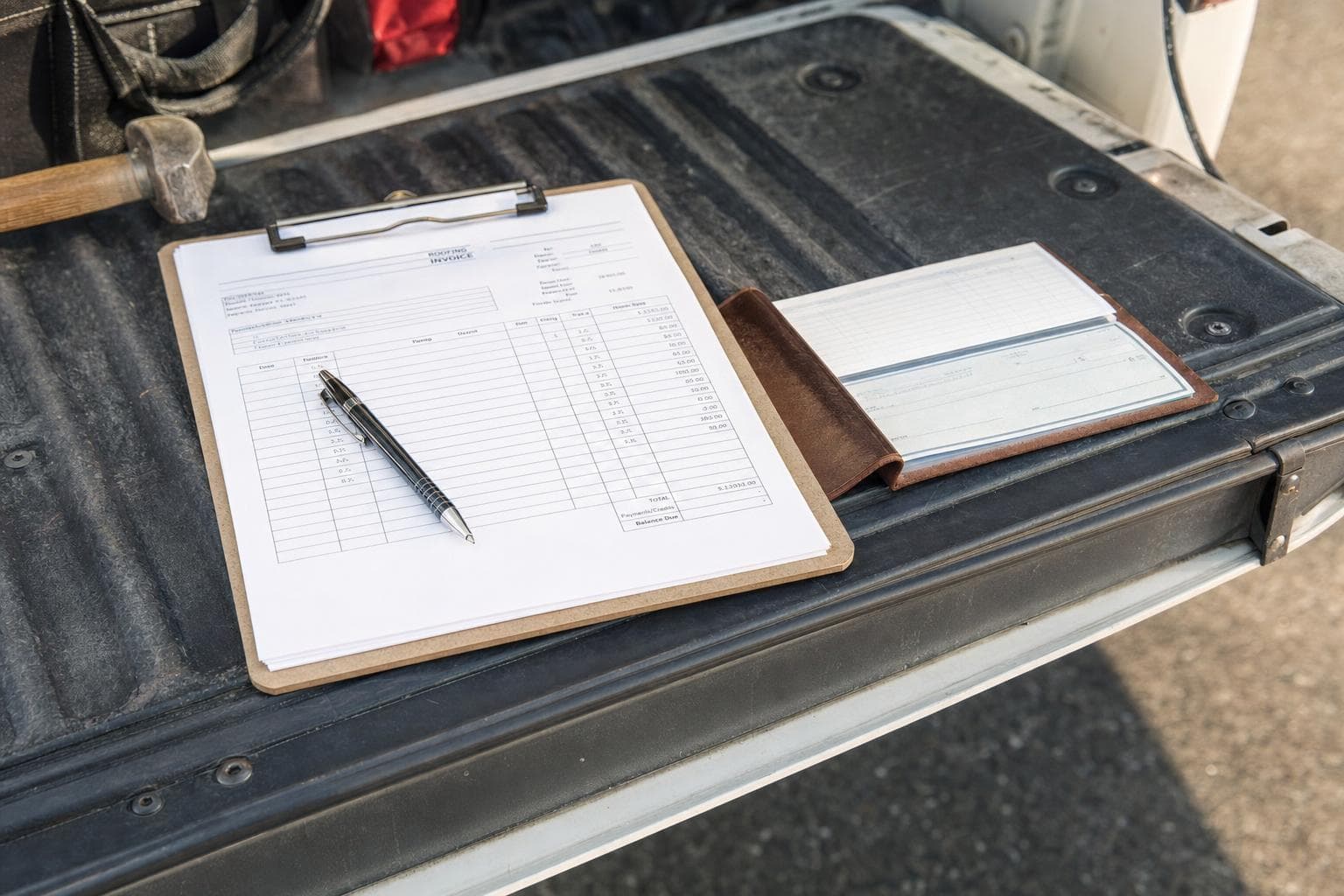
Can a Roofer Waive Your Deductible in Ohio?
If a roofer in Ohio offers to waive, absorb, or rebate your insurance deductible, that is a red flag. Here is what Ohio law says, how deductibles work on roof claims, and what to do instead.
Read the guide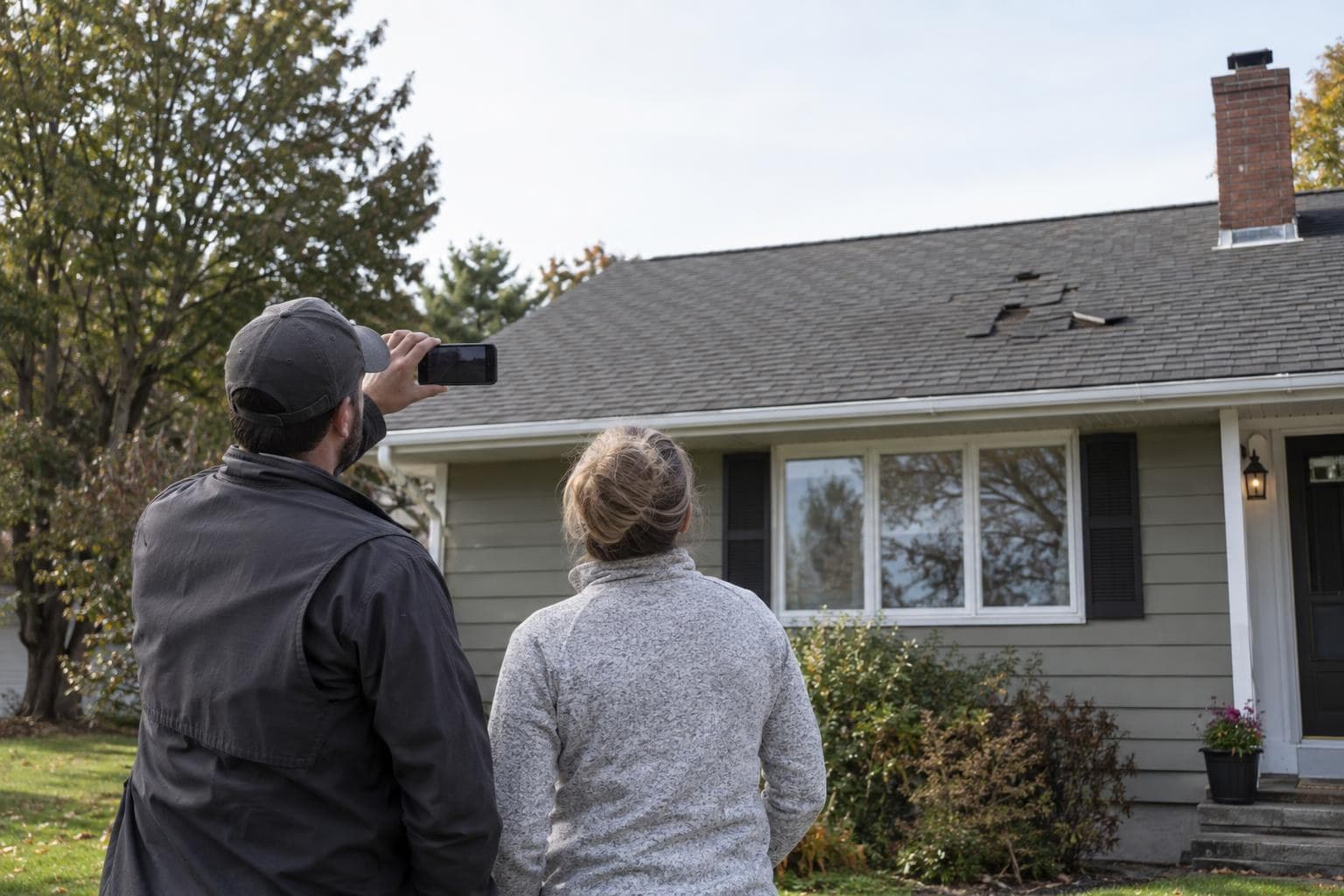
Does Insurance Cover Roof Replacement in Vermont?
If your Vermont roof was damaged by a storm, insurance may help pay for repair or replacement. The key question is whether the damage is sudden and functional, or just old age and wear. Here is how to think through coverage, deductibles, and the claim flow.
Read the guide
ACV vs RCV Roof Coverage in Virginia: What You Actually Get Paid
If your Virginia roof is damaged, ACV and RCV can lead to very different claim payouts. Here is the plain-English difference, what to watch for in your policy, and a simple example using current Virginia cost data.
Read the guide
Can a Roofer Waive Your Deductible in Virginia? What You Should Know Before You Sign
If a roofer says they can waive your deductible in Virginia, slow down. Virginia’s consumer guidance talks about how to handle a claim, temporary repairs, written estimates, and separate wind or hurricane deductibles. It does not say your deductible disappears. In plain terms, the deductible is usually your part of the claim, and you should be careful with any promise that sounds like free roof money.
Read the guide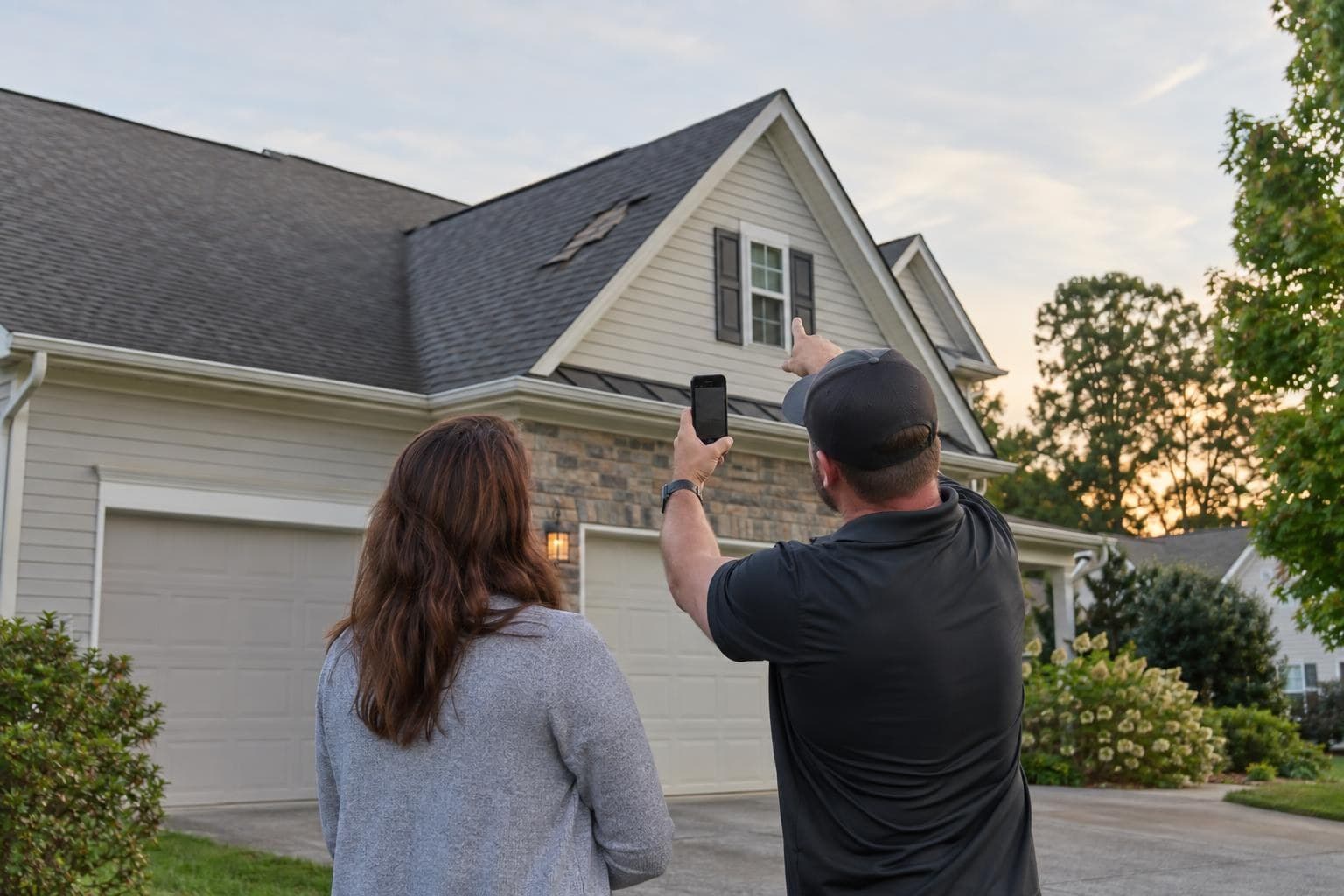
Does Insurance Cover Roof Replacement in Virginia?
If your Virginia roof was damaged by wind or hail, insurance may help. If the problem is wear and age, it usually will not. Here is how to tell the difference, what deductibles can do to your payout, and how to handle the claim without rushing into the wrong contract.
Read the guide
ACV vs RCV Roof Coverage in Utah: What Changes Your Claim Payout
If your Utah roof is damaged, ACV and RCV can lead to very different claim payouts. Here is what each one means, how depreciation changes the math, and what to do before you approve repairs.
Read the guide
Can a Roofer Waive Your Deductible in Utah? What Homeowners Should Know
If a roofer says they can waive your deductible in Utah, slow down. Your deductible is usually your responsibility as the homeowner. Here is the practical national reality, plus the Utah claim facts you can use after storm damage.
Read the guide
Does Insurance Cover Roof Replacement in Utah?
In Utah, homeowners insurance usually covers sudden, functional roof damage from events like wind, hail, or snow load, but not wear and aging. Here is how to tell the difference, what your deductible means, and how to move through the claim process without making expensive mistakes.
Read the guide
ACV vs RCV Roof Coverage in South Dakota: What You Actually Get Paid
ACV and RCV can lead to very different claim payments on a South Dakota roof. Here is the plain-English difference, a worked example using current planning prices, and what to check before you file a claim.
Read the guide
Can a Roofer Waive Your Deductible in South Dakota? What You Should Know Before You Sign
If a roofer says they can waive your deductible in South Dakota, slow down. The safest approach is simple: your deductible is usually your responsibility, and state guidance says to get everything in writing, avoid rushed decisions, and hold final payment until the job is finished to your satisfaction.
Read the guide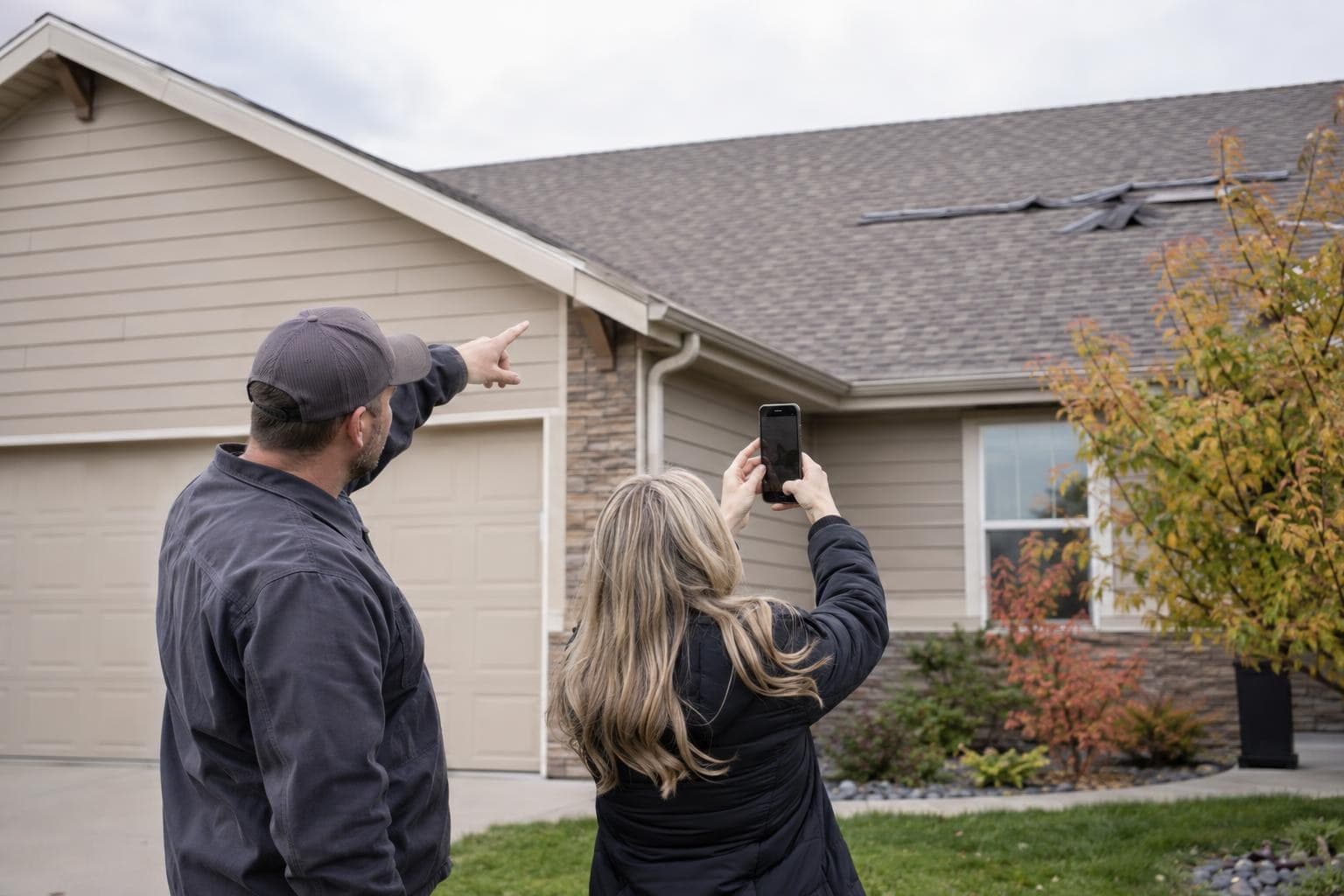
Does Insurance Cover Roof Replacement in South Dakota?
In South Dakota, homeowners insurance usually covers sudden, functional storm damage, not old age or wear. Here is how to tell the difference, what your deductible does, and how to move through a roof claim without making costly mistakes.
Read the guide
ACV vs RCV Roof Coverage in South Carolina: What You Actually Get Paid
If your South Carolina roof is damaged, ACV and RCV can lead to very different claim payouts. Here is the plain-English difference, what it means for your out-of-pocket cost, and how to handle a claim after a storm.
Read the guide
Can a Roofer Waive Your Deductible in South Carolina?
If a roofer says they can waive your deductible in South Carolina, the safer assumption is simple: your deductible is your responsibility unless your insurer says otherwise in writing. South Carolina guidance in the state guidance focuses on documenting damage, preventing further damage, filing your claim right away, and keeping records. It does not say a roofer can erase your deductible.
Read the guide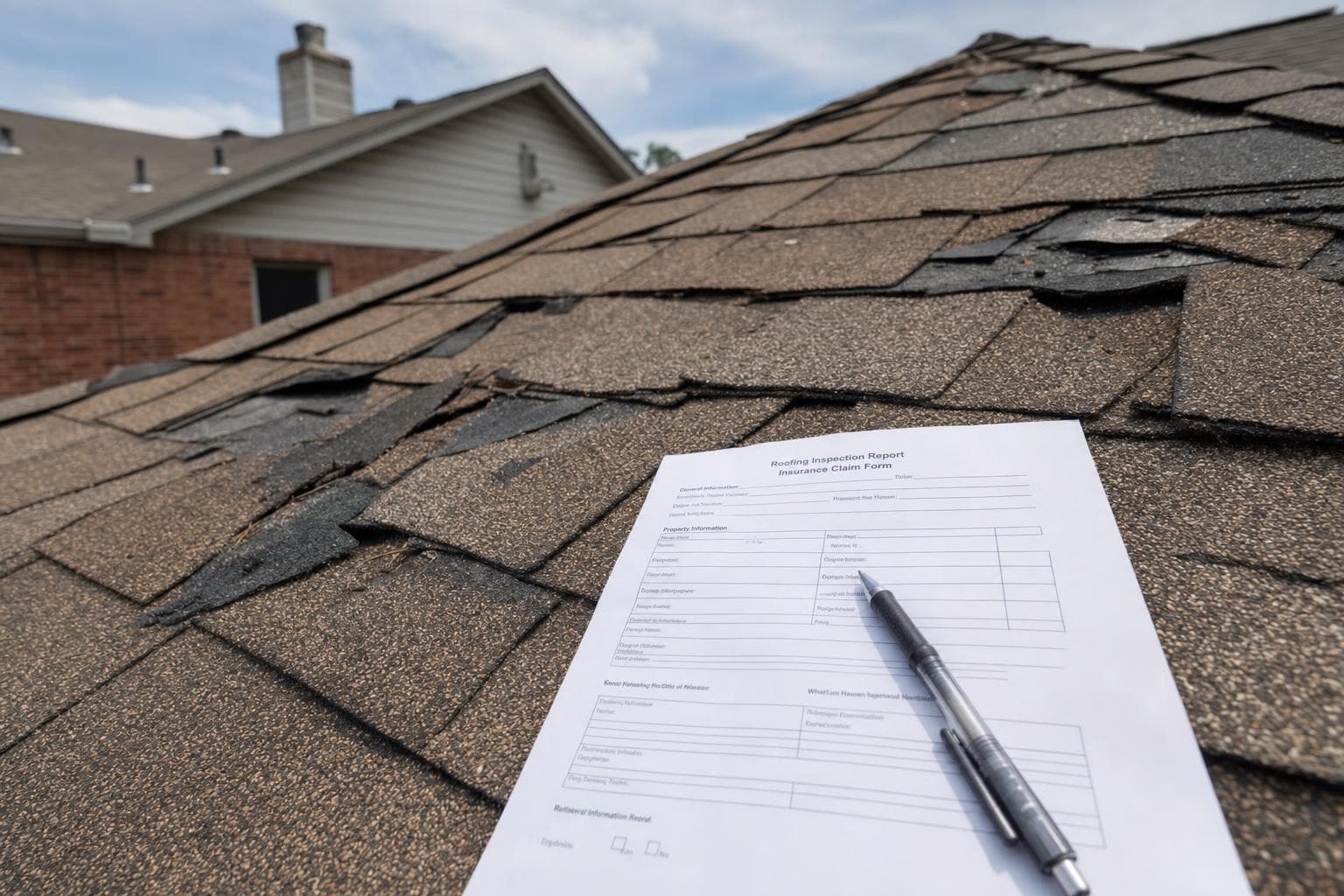
Does Insurance Cover Roof Replacement in Texas
Texas homeowners insurance can cover roof replacement when a covered storm causes functional damage. Wear, deterioration, maintenance, and excluded causes must be evaluated under the specific policy. Here is how to tell the difference, what your deductible means, and how the claim flow works in Texas.
Read the guide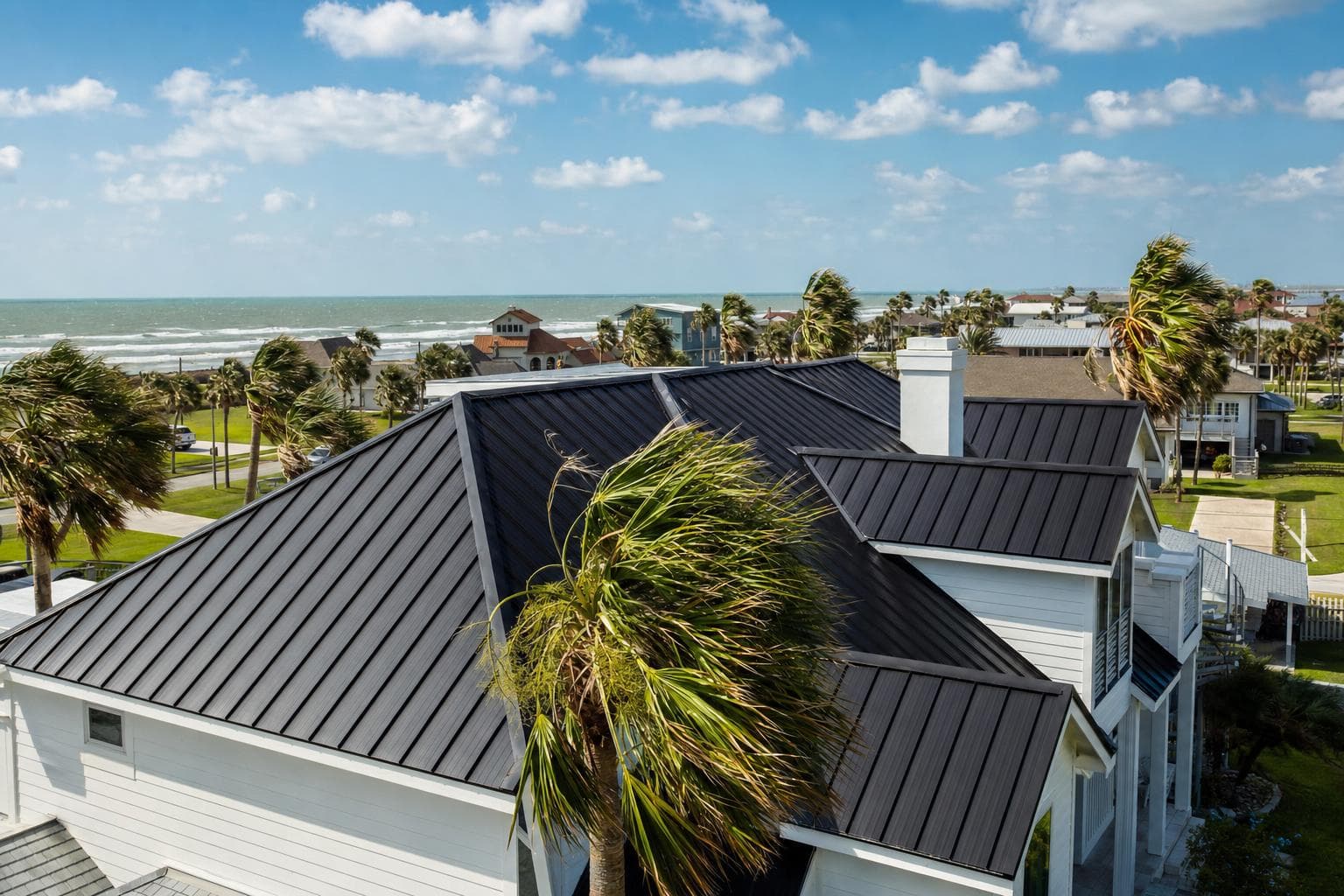
WPI-8 Certificate in Texas: Verify Windstorm Compliance
A WPI-8 certificate documents eligible windstorm construction. Confirm the inspection path, contractor scope, and certificate record before covering the work.
Read the guide
ACV vs RCV Roof Coverage in Texas: What You Pay, With a Simple Example
If your Texas roof is hit by hail or wind, ACV and RCV can change what comes out of your pocket. Here is the plain-English difference, plus a simple example using 2026 Texas market pricing.
Read the guide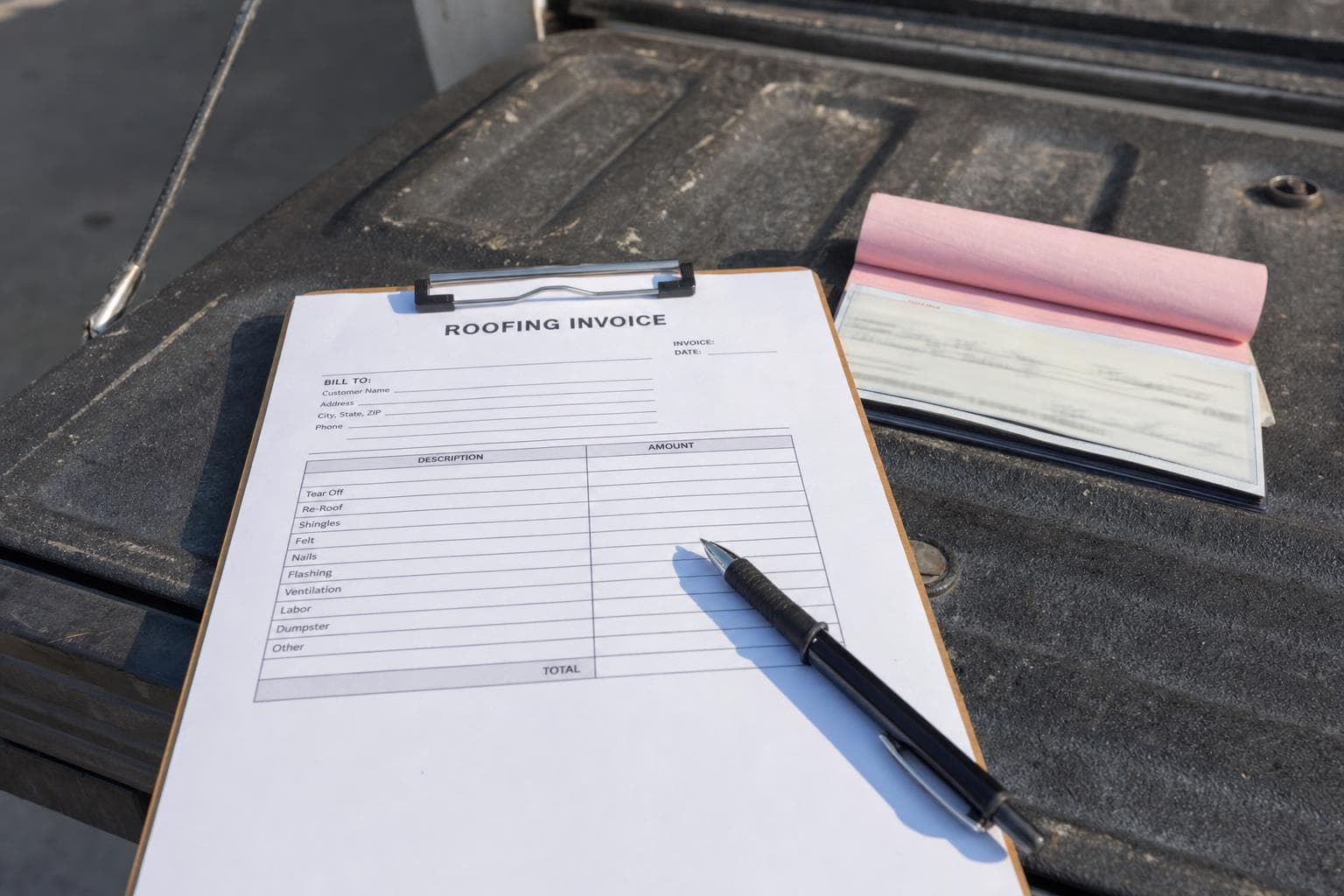
Can a Roofer Waive Your Deductible in Texas?
If a roofer in Texas offers to waive, absorb, or rebate your deductible, that is a red flag. Texas law says your deductible is your responsibility on an insurance claim. Here is how to spot the pitch, protect your claim, and compare roofing options the right way.
Read the guide
Does Insurance Cover Roof Replacement in South Carolina?
If a storm caused functional roof damage, your homeowners insurance may help pay for repairs or replacement. If the roof is simply worn out, coverage is usually the sticking point. Here is how South Carolina homeowners can think through damage, deductibles, and the claim flow.
Read the guide
ACV vs RCV Roof Coverage in Oregon: What You Actually Get Paid
If your Oregon roof is damaged, ACV and RCV can change your claim payout in a big way. Here is the plain-English difference, plus a worked example using the latest local cost data.
Read the guide
Can a Roofer Waive Your Deductible in Oregon? What Homeowners Should Know
If you are dealing with storm damage in Oregon, your deductible is usually your responsibility. Here is the practical answer on deductible waiving, what Oregon insurance guidance says, and how to compare repair versus replacement without getting pushed into the wrong claim.
Read the guide
How to File a Roof Insurance Claim: Build a Clear Record
A roof claim is a documented process, not a contractor promise. Preserve evidence, follow the policy, keep construction and coverage roles separate, and ask for decisions in writing.
Read the guide
Does Insurance Cover Roof Replacement in Oregon
In Oregon, homeowners insurance may cover roof work when a covered event causes functional damage. It usually does not pay for an old roof wearing out. Here is how storm damage, deductibles, partial repairs, and the claim flow typically work.
Read the guide
ACV vs RCV Roof Coverage in Nevada: What You Actually Get Paid
If your Nevada roof is damaged, ACV and RCV can lead to very different claim payments. Here is the plain-English difference, what the state says you should do after damage, and a simple worked example using current Nevada cost data.
Read the guide
Can a Roofer Waive Your Deductible in Nevada
If a roofer says they can waive your deductible in Nevada, slow down. Nevada guidance in the state guidance does not create a deductible-waiving rule, so the safe takeaway is the national one: your deductible is usually your responsibility. Here is how to handle the claim, protect your home, and avoid signing the wrong paperwork too early.
Read the guide
Does Insurance Cover Roof Replacement in Nevada
If your Nevada roof was damaged by wind or a sudden storm event, homeowners insurance may help pay for repairs or replacement. Coverage usually depends on whether the damage is sudden and functional, or just long-term wear from sun, heat, and age.
Read the guide
ACV vs RCV Roof Coverage in New Mexico: What You Actually Get Paid
If you are comparing roof insurance options in New Mexico, the biggest difference is simple: ACV usually pays less because depreciation comes out first, while RCV is built around the cost to replace the roof after covered damage. Here is how that plays out, what to ask your carrier, and how to use current planning prices to think through a claim.
Read the guide
Can a Roofer Waive Your Deductible in New Mexico? What Homeowners Should Know
If you are asking whether a roofer can waive your deductible in New Mexico, the short answer is this: your deductible is typically your responsibility as the homeowner. The state published state guidance does not create a deductible-waiver rule, so the safest path is to treat any deductible as money you owe under your policy and keep claim decisions with your insurer.
Read the guide
Does Insurance Cover Roof Replacement in New Mexico
Homeowners insurance may cover a New Mexico roof replacement when a storm causes functional damage, not when the roof is simply old or worn out. Here is how to tell the difference, what deductibles mean for your out-of-pocket cost, and how the claim process usually moves from inspection to payment.
Read the guide
ACV vs RCV Roof Coverage in New Jersey: What You Actually Get Paid
ACV and RCV can lead to very different claim payouts on the same New Jersey roof. Here is how each works, what deductibles can change, and how to read your coverage before storm season.
Read the guide
Can a Roofer Waive Your Deductible in New Jersey? What You Need to Know
If you are asking whether a roofer can waive your deductible in New Jersey, the short answer is that your deductible is usually your responsibility as the homeowner. New Jersey guidance says standard homeowners policies often cover windstorm or hail damage, but some policies have separate wind/hail deductibles or hurricane deductibles. Here is how to think about roof claims, deductibles, and what to document after storm damage.
Read the guide
Does Insurance Cover Roof Replacement in New Jersey
Homeowners insurance in New Jersey may cover a roof replacement when storm damage causes a functional loss, but it usually does not pay for age-related wear. Here is how to think about coverage, deductibles, flood exclusions, and the claim flow.
Read the guide
ACV vs RCV Roof Coverage in New Hampshire: What You Would Actually Get Paid
If your New Hampshire roof is damaged, ACV and RCV can lead to very different claim payouts. Here is the plain-English difference, what state guidance says, and a worked example using the latest local cost data.
Read the guide
Can a Roofer Waive Your Deductible in New Hampshire? What Homeowners Should Know
If you are asking whether a roofer can waive your deductible in New Hampshire, the practical answer is simple: your deductible is usually your responsibility as the homeowner. For an insurance-funded roofing proposal in New Hampshire, ask the insurer or state regulator to review any proposed rebate, credit, or discount before you sign. Your insurer pays what the policy allows, and you pay the deductible and any non-covered costs.
Read the guide
ACV vs RCV Roof Coverage in Montana: What You Actually Get Paid
If your Montana roof is damaged, ACV and RCV can lead to very different claim payouts. Here is what each one means, how depreciation changes your check, and what to do after a storm.
Read the guide
Can a Roofer Waive Your Deductible in Montana? What You Need to Know First
If a roofer says they can waive your deductible in Montana, slow down. Your deductible is part of your policy, not a sales promotion. Here is the practical answer, plus the Montana guidance that matters after storm damage.
Read the guide
ACV vs RCV Roof Coverage in Rhode Island: What You Actually Get Paid
If your Rhode Island roof is damaged, ACV and RCV can lead to very different claim payouts. Here is what each one means, how depreciation changes the check you receive, and what state insurance rules matter before you file a claim.
Read the guide
Can a Roofer Waive Your Deductible in Rhode Island
If you are asking whether a roofer can waive your deductible in Rhode Island, the short answer is that your deductible is typically your responsibility as the homeowner. For an insurance-funded roofing proposal in Rhode Island, ask the insurer or state regulator to review any proposed rebate, credit, or discount before you sign. Here is the plain-language version of what that means for your roof claim and your budget.
Read the guide
Does Insurance Cover Roof Replacement in New Hampshire?
If your New Hampshire roof was damaged by wind or another covered event, homeowners insurance may pay for repairs or part of a replacement. Coverage usually depends on whether the damage is sudden and functional, or just wear and tear from age and weather.
Read the guide
Does Insurance Cover Roof Replacement in Montana
If your Montana roof was damaged by hail or wind, insurance may cover replacement when the damage is sudden and functional, not just old age or wear. Here is how to tell the difference, what your deductible means, and how to move through the claim process without making common mistakes.
Read the guide
Does Insurance Cover Roof Replacement in Rhode Island?
If your Rhode Island roof was damaged by a covered storm event, insurance may help pay for replacement. If the roof is simply old or worn out, it usually will not. Here is how to tell the difference, what deductibles do to your payout, and how the claim process usually moves from inspection to approval and installation.
Read the guide
ACV vs RCV Roof Coverage in Nebraska: What Changes Your Claim Payout
If your Nebraska roof is damaged by hail or wind, ACV and RCV can lead to very different claim payouts. Here is what each one means, how depreciation affects your check, and what to do after a storm.
Read the guide
Can a Roofer Waive Your Deductible in Nebraska? What Homeowners Should Know
If a roofer says they can waive your deductible, slow down. In Nebraska, the insurance published state guidance does not create a deductible-waiving rule. The practical reality is simpler: your deductible is usually your responsibility, and you should handle storm claims with clear records, temporary protection only, and direct communication with your insurer.
Read the guide
Does Insurance Cover Roof Replacement in Nebraska?
If your Nebraska roof was damaged by hail or wind, insurance may help pay for repairs or replacement. The key question is whether the damage is functional storm damage or normal wear and aging. Here is how to think through coverage, deductibles, and the claim flow.
Read the guide
ACV vs RCV Roof Coverage in Maryland: What You Actually Get Paid
ACV and RCV can lead to very different roof claim payouts in Maryland. Here is what each means, how depreciation changes your claim, and what to check before you settle.
Read the guide
Can a Roofer Waive Your Deductible in Maryland?
If you are filing a roof claim in Maryland, your deductible is still your responsibility. State guidance says contractors and roofers cannot offer to waive it or promise a rebate for it. Here is what that means for your claim, your contract, and your next steps after storm damage.
Read the guide
Does Insurance Cover Roof Replacement in Maryland
If your Maryland roof was damaged by a storm, insurance may help pay for repairs or replacement. Coverage usually depends on sudden, functional damage, not old age or wear. Here is how to tell the difference, what your deductible means, and how to move through the claim process without surprises.
Read the guide
ACV vs RCV Roof Coverage in Massachusetts: What Changes Your Claim Payout
If your Massachusetts roof is damaged, ACV and RCV can lead to very different claim payouts. Here is the plain-English difference, what the state says about payment timing, and a worked example using the latest local cost data.
Read the guide
Can a Roofer Waive Your Deductible in Massachusetts?
If your Massachusetts roof claim is approved, the deductible is still your responsibility as the homeowner. For an insurance-funded roofing proposal in Massachusetts, ask the insurer or state regulator to review any proposed rebate, credit, or discount before you sign. Here is how to handle the claim, compare roof options, and avoid mistakes that can slow payment.
Read the guide
Does Insurance Cover Roof Replacement in Massachusetts
Insurance may cover a Massachusetts roof replacement when a storm causes functional damage, but it usually does not pay for old age or wear. Here is how to tell the difference, what your deductible does, and how the claim process typically works.
Read the guide
ACV vs RCV Roof Coverage in Louisiana: What You Actually Get Paid
If your Louisiana roof is damaged, ACV and RCV can change your claim payout by thousands. Here is the plain-English difference, plus a worked example using current local cost ranges.
Read the guide
Can a Roofer Waive Your Deductible in Louisiana? What Homeowners Need to Know
If you are wondering whether a roofer can waive your deductible in Louisiana, start with the simple answer: your deductible is usually your responsibility as the homeowner. For an insurance-funded roofing proposal in Louisiana, ask the insurer or state regulator to review any proposed rebate, credit, or discount before you sign. That means the safest approach is to assume you owe your deductible, read your policy carefully, and compare roof bids based on real scope and materials, not promises to erase your out-of-pocket cost.
Read the guide
Does Insurance Cover Roof Replacement in Louisiana
If your Louisiana roof was damaged by a covered storm event, insurance may help pay for repair or replacement. If the roof is simply worn out, that is usually a maintenance issue, not a claim. Here is how to tell the difference, what your deductible does, and how the claim process usually works.
Read the guide
ACV vs RCV Roof Coverage in Indiana: What You Actually Get Paid
If your Indiana roof is damaged, ACV and RCV can change what you pay out of pocket. Here is the plain-English difference, plus a worked example using the latest local cost data.
Read the guide
Can a Roofer Waive Your Deductible in Indiana? What Homeowners Should Know
If you are filing a roof claim in Indiana, your deductible is usually your responsibility. Here is how to handle the claim, compare roofers, and avoid costly mistakes.
Read the guide
Does Insurance Cover Roof Replacement in Indiana
If your Indiana roof was damaged by wind or hail, insurance may cover repair or replacement. Here is how to tell storm damage from wear, what your deductible means, and how to handle the claim flow without hurting your case.
Read the guide
ACV vs RCV Roof Coverage in Idaho: What Changes Your Claim Payment
If you are comparing ACV vs RCV roof coverage in Idaho, the biggest difference is not whether your roof gets repaired, it is how depreciation changes the claim payment and when that money is paid. Here is a plain-English breakdown, plus a worked example using current Idaho cost data.
Read the guide
Can a Roofer Waive Your Deductible in Idaho? What Homeowners Should Know
If you are asking whether a roofer can waive your deductible in Idaho, start with the practical answer: your deductible is generally your responsibility as the homeowner. The Idaho insurance published state guidance does not create a deductible-waiver rule, so the safest approach is to treat the deductible as money you owe under your policy and compare written scopes carefully before you sign anything.
Read the guide
Does Insurance Cover Roof Replacement in Idaho
If your Idaho roof was damaged by wind, hail, or another covered event, insurance may help pay for repairs or replacement. The key questions are whether the damage is sudden and functional, what your deductible is, and how your policy pays claims.
Read the guide
Can a Roofer Waive Your Deductible in Iowa
If you are wondering whether a roofer can waive your deductible in Iowa, the short answer is no, you should treat the deductible as your responsibility. Do not assume a contractor can erase the deductible required by your policy. It does say policies may have hail-specific deductibles, exclusions, and claim deadlines, and it limits who can negotiate a claim on your behalf. Here is how to handle the job and the insurance side without getting pushed into the wrong promise.
Read the guide
ACV vs RCV Roof Coverage in Delaware: What You Actually Get Paid
If your Delaware roof is damaged, ACV and RCV can lead to very different claim payments. Here is the plain-English difference, what Delaware homeowners should do after a storm, and a worked example using the latest local cost data.
Read the guide
Can a Roofer Waive Your Deductible in Delaware? What Homeowners Need to Know
If a roofer says they can waive your deductible in Delaware, slow down. For an insurance-funded roofing proposal in Delaware, ask the insurer or state regulator to review any proposed rebate, credit, or discount before you sign. The practical reality is simple: your deductible is usually your responsibility under your policy, and you should be careful with any offer that tries to make it disappear. Here is how to handle the claim, document damage, and avoid getting pushed into the wrong contract.
Read the guide
Does Insurance Cover Roof Replacement in Delaware
In Delaware, homeowners insurance may cover roof replacement when a storm causes functional damage, while wear, deterioration, maintenance, and excluded causes still depend on the specific policy. Here is how to tell the difference, what your deductible means, and how to handle the claim without getting pushed into the wrong contract.
Read the guide
ACV vs RCV Roof Coverage in Connecticut: What You Actually Get Paid
If your Connecticut roof is damaged, ACV and RCV can change your claim payout by a lot. Here is the plain-English difference, a worked example using current replacement pricing, and the state rules that matter before you file.
Read the guide
Can a Roofer Waive Your Deductible in Connecticut?
If you are asking whether a roofer can waive your deductible in Connecticut, the safe answer is no, you should expect to pay your deductible yourself. Connecticut-specific insurance rules in the state guidance explain when wind, hail, and hurricane deductibles may apply, but they do not create a rule that lets a roofer erase what you owe under your policy.
Read the guide
Does Insurance Cover Roof Replacement in Connecticut
If your Connecticut roof was damaged by wind or hail, homeowners insurance may cover replacement. The key question is whether the damage is sudden and functional, not just old age or wear.
Read the guide
ACV vs RCV Roof Coverage in Arkansas: What You Actually Get Paid
If your Arkansas roof is damaged by wind or hail, ACV and RCV can change how much money reaches you and when. Here is the plain-English difference, plus a worked example using current Arkansas cost data.
Read the guide
Can a Roofer Waive Your Deductible in Arkansas? What You Need to Know Before You Sign
If a roofer says they can waive your deductible in Arkansas, slow down. The safest answer is simple: your deductible is your part of the claim. Arkansas storm guidance focuses on not rushing into repair agreements, understanding your deductible before you sign, documenting damage, and waiting for inspection and agreement on repair cost before permanent repairs move forward.
Read the guide
Does Insurance Cover Roof Replacement in Arkansas?
If your Arkansas roof was damaged by wind or hail, insurance may help pay for repairs or replacement. Coverage usually depends on whether the damage is sudden and functional, not old age or wear. Here is how to think through storm damage, deductibles, documentation, and the claim process.
Read the guide
ACV vs RCV Roof Coverage in Alabama: What You Actually Get Paid
If your Alabama roof is damaged, ACV and RCV can lead to very different claim payouts. Here is how each works, what to ask your carrier, and how to think through a real replacement example using the latest local cost data.
Read the guide
Can a Roofer Waive Your Deductible in Alabama? What You Need to Know
If a roofer says they can waive your deductible in Alabama, slow down and ask better questions. For an insurance-funded roofing proposal in Alabama, ask the insurer or state regulator to review any proposed rebate, credit, or discount before you sign. That means the safest practical answer is the national one: your deductible is your responsibility under your policy. Here is how to handle the conversation, protect your claim, and compare roof options with clear eyes.
Read the guide
Does Insurance Cover Roof Replacement in Alabama
If your Alabama roof was damaged by a storm, insurance may help pay for repairs or replacement. The key is proving functional storm damage, understanding your deductible, and following the claim process carefully.
Read the guide
ACV vs RCV Roof Coverage in Washington: What You Actually Get Paid
ACV and RCV can lead to very different claim payouts on the same Washington roof. Here is how each works, what it means for your out-of-pocket cost, and what to check before you file a claim.
Read the guide
Can a Roofer Waive Your Deductible in Washington? What Homeowners Should Know
If a roofer says they can waive your deductible in Washington, slow down. The safest rule is simple: your deductible is your responsibility. Here is what Washington homeowners should know about claims, contractors, and paperwork before signing anything.
Read the guide
Does Insurance Cover Roof Replacement in Washington
If your Washington roof was damaged by wind, debris, or another sudden event, insurance may help. If the problem is age, wear, or ongoing moisture, it usually does not. Here is how to tell the difference, what your deductible means, and how the claim process usually works.
Read the guide
ACV vs RCV Roof Coverage in Pennsylvania: What You Actually Get Paid
If you own a home in Pennsylvania, ACV and RCV can change how much money you get after roof damage. Here is the plain-English difference, a worked example using 2026 market pricing, and what to check in your policy before storm season.
Read the guide
Can a Roofer Waive Your Deductible in Pennsylvania?
If a roofer says they can waive your deductible in Pennsylvania, slow down. Do not assume a contractor can remove the deductible required by your policy. Ask your insurer and the state insurance department to confirm the current rule before you sign. Here is how to handle a storm claim, protect your payout, and choose a roofing contractor you are considering without getting pressured.
Read the guide
Does Insurance Cover Roof Replacement in Pennsylvania?
If your Pennsylvania roof has storm damage, insurance may help pay for repairs or replacement. Coverage usually comes down to sudden, functional damage versus wear and tear, plus your deductible and policy terms.
Read the guide
ACV vs RCV Roof Coverage in North Dakota: What It Means for Your Claim
If your North Dakota roof is damaged by hail or wind, ACV and RCV can change what your claim actually pays. Here is the plain-English difference, a simple worked example using 2026 market pricing, and the policy details worth checking before you file.
Read the guide
Can a Roofer Waive Your Deductible in North Dakota?
If you are filing a roof claim in North Dakota, your deductible is usually your responsibility. Here is how to handle the claim, compare roofing options, and avoid contract problems.
Read the guide
Does Insurance Cover Roof Replacement in North Dakota?
If your North Dakota roof was damaged by wind or hail, homeowners insurance may cover repair or replacement. The key question is whether the damage is a covered storm loss or just age and wear.
Read the guide
ACV vs RCV Roof Coverage in Mississippi: What You Actually Get Paid
If your Mississippi roof is damaged by wind or hail, ACV and RCV can lead to very different claim payouts. Here is what each means, how depreciation changes the math, and what to check before you file a claim.
Read the guide
Can a Roofer Waive Your Deductible in Mississippi? What Homeowners Need to Know
If you are asking whether a roofer can waive your deductible in Mississippi, the short answer is usually no in practice. Your deductible is the part of the covered loss you are expected to pay under your policy. If you do not see a Mississippi rule here that changes that, do not assume a contractor can legally make it disappear. The safer move is to understand your claim, confirm your coverage, and compare a clear scope of work with 2026 market pricing before you sign anything.
Read the guide
Does Insurance Cover Roof Replacement in Mississippi
If your Mississippi roof was damaged by wind or hail, homeowners insurance may help pay for repairs or replacement. The key question is whether the damage is sudden and functional, not just old age or wear.
Read the guide
ACV vs RCV Roof Coverage in Maine: What You Actually Get Paid, and Why It Matters
If you are filing a roof claim in Maine, the difference between ACV and RCV can change how much money you get up front and how much you may recover later. Here is what those terms mean, how Maine says claim payments usually work, and a simple replacement example using 2026 market pricing.
Read the guide
Can a Roofer Waive Your Deductible in Maine? What Homeowners Need to Know
If you are dealing with roof storm damage in Maine, the short answer is simple: your deductible is your responsibility as the homeowner. Maine guidance in the facts here does not create a deductible-waiver rule, so the safest answer is the national one. A roofer can discuss scope, materials, and legitimate pricing, but your claim still has to line up with your policy, your paperwork, and the work actually done.
Read the guide
Does Insurance Cover Roof Replacement in Maine
Homeowners insurance in Maine may cover roof replacement when a storm causes functional damage, not when age and wear are the real cause. Here is how coverage, deductibles, and the claim flow usually work.
Read the guide
ACV vs RCV Roof Coverage in Kentucky: What Changes Your Claim Payout
If your Kentucky roof is damaged, ACV and RCV can lead to very different claim checks. Here is the plain-English difference, a worked example using 2026 market pricing, and what to watch before you sign anything after a storm.
Read the guide
Can a Roofer Waive Your Deductible in Kentucky? What Homeowners Should Know
If a roofer says they can waive your deductible in Kentucky, slow down. The safest assumption is simple: your deductible is your responsibility unless your policy and claim say otherwise. Here is how to handle storm roofing claims, contracts, and payments without giving up control of your money.
Read the guide
Does Insurance Cover Roof Replacement in Kentucky?
In Kentucky, homeowners insurance usually covers sudden storm damage that affects how your roof works, not old age or gradual wear. The key is separating functional damage from normal aging, understanding your deductible, and avoiding mistakes after a storm that can cost you money.
Read the guideReady to talk to a roofer?
Call now, or tell us about your roofing project to start a quote request.
