

Roofing guides
Storm damage guides.
Hail, wind, and hurricane roof damage: what to check first, how to preserve evidence, and how temporary protection, claims, and permanent work differ.
Latest storms guides
59 articles
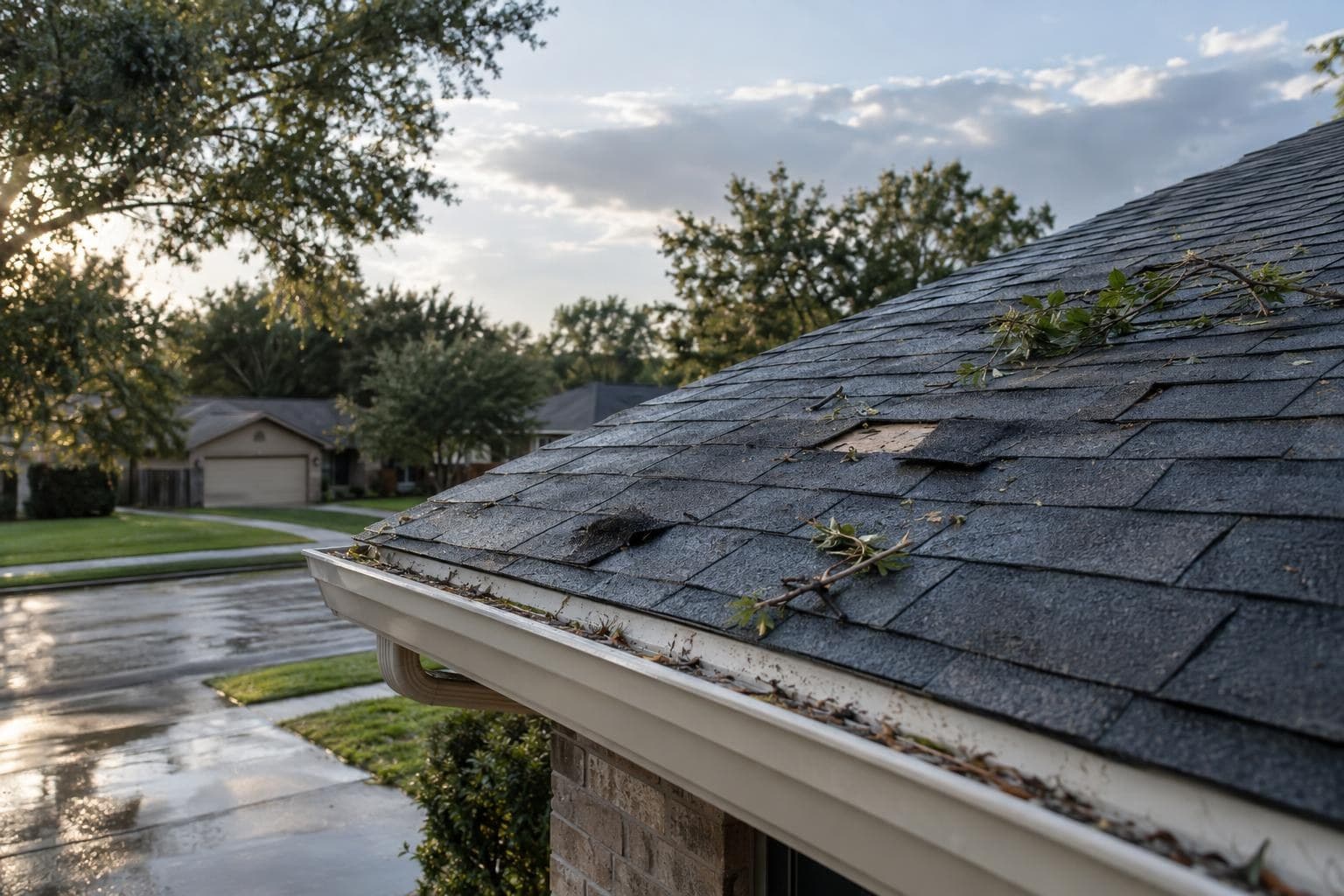
Storm Damage Roof Texas: What To Do in the First 48 Hours
If a storm just hit your Texas roof, your first 48 hours matter. Start with safety, document everything, stop active leaks, and learn how to tell fresh storm damage from normal aging before you approve repairs or replacement.
Read the guide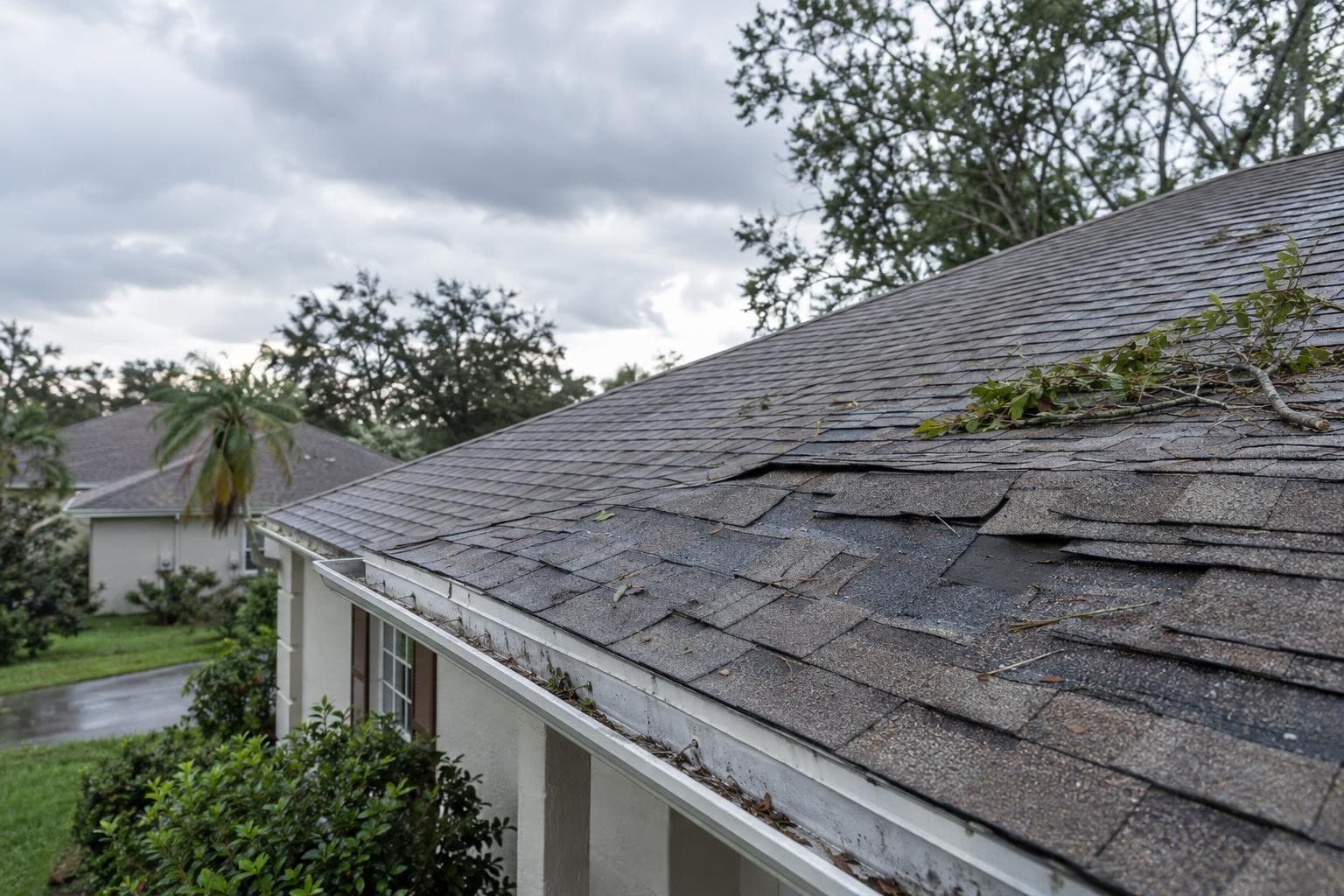
Storm Damage on a Florida Roof: What to Do in the First 48 Hours
After a storm hits your Florida roof, the first 48 hours matter. Here is how to protect your home, document damage, and spot the difference between storm damage and normal aging.
Read the guide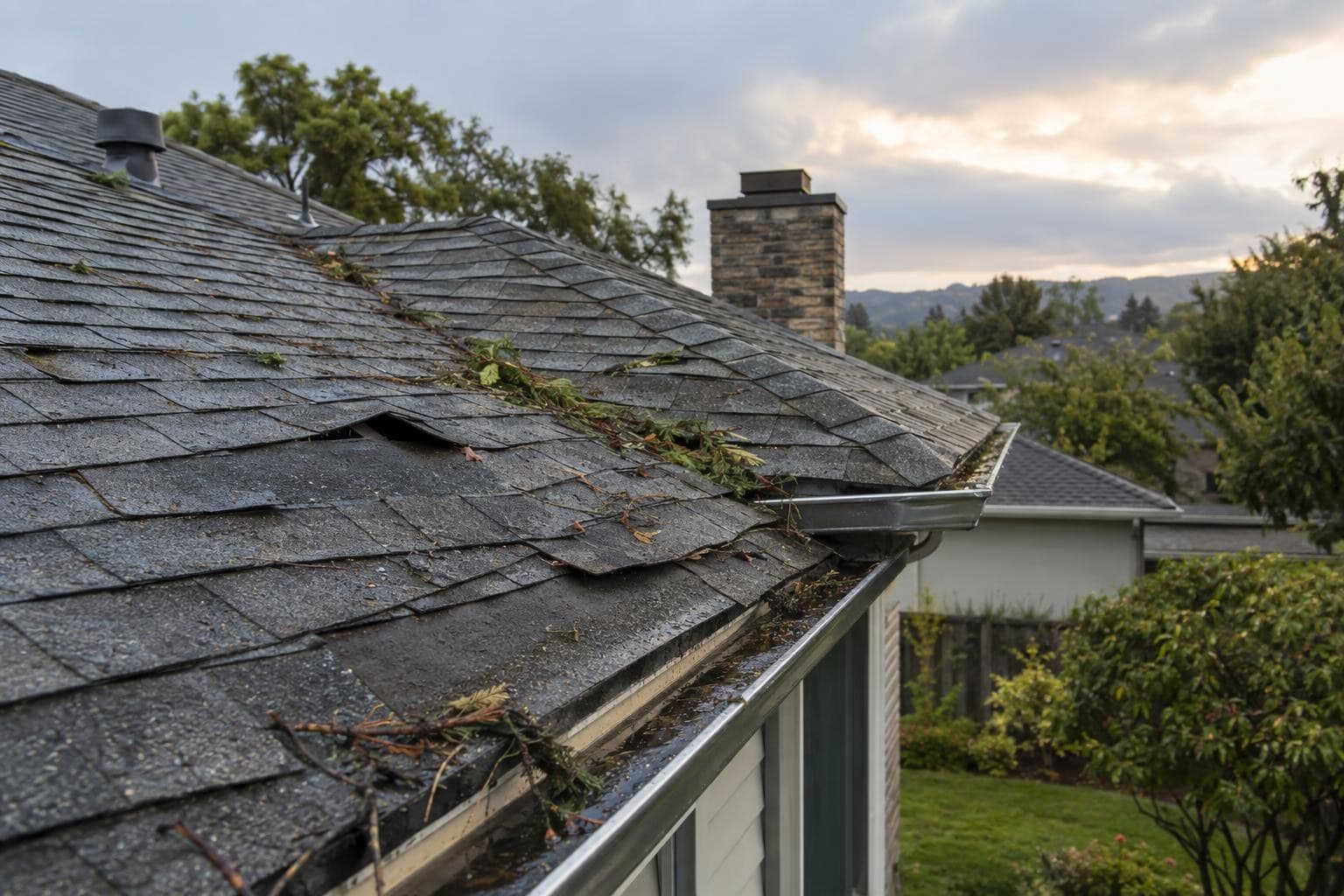
Storm Damage Roof California: What to Do in the First 48 Hours
If a storm just hit your California roof, your next steps matter. Here is what to do in the first 48 hours, how to document damage, when to tarp, and how to tell storm damage from normal aging in California’s sun, rain, wind, and coastal air.
Read the guide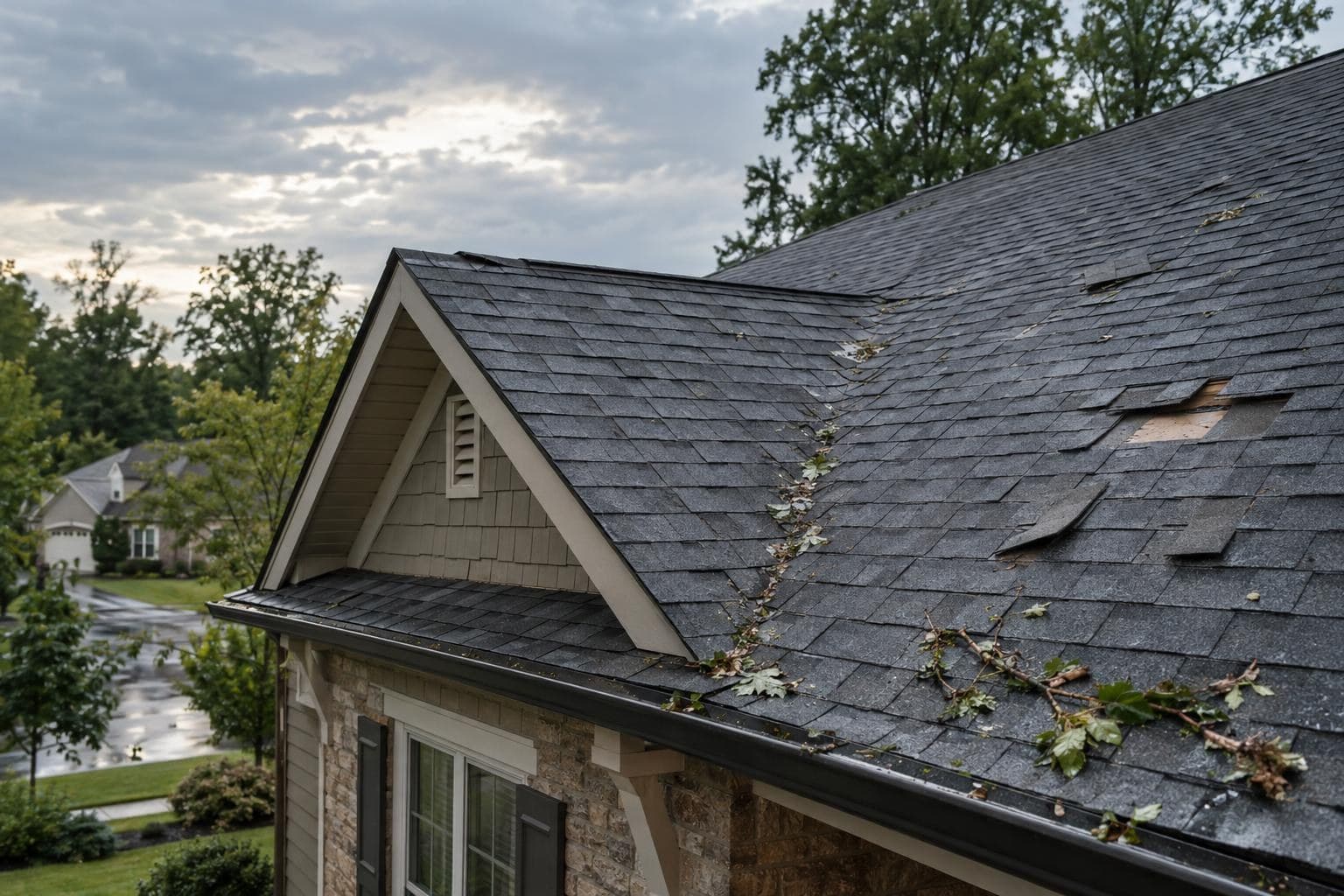
Storm Damage Roof in Georgia: What to Do in the First 48 Hours
If a storm hits your Georgia roof, your first 48 hours matter. Here is how to protect your home, document damage, tarp safely, and sort storm damage from normal aging.
Read the guide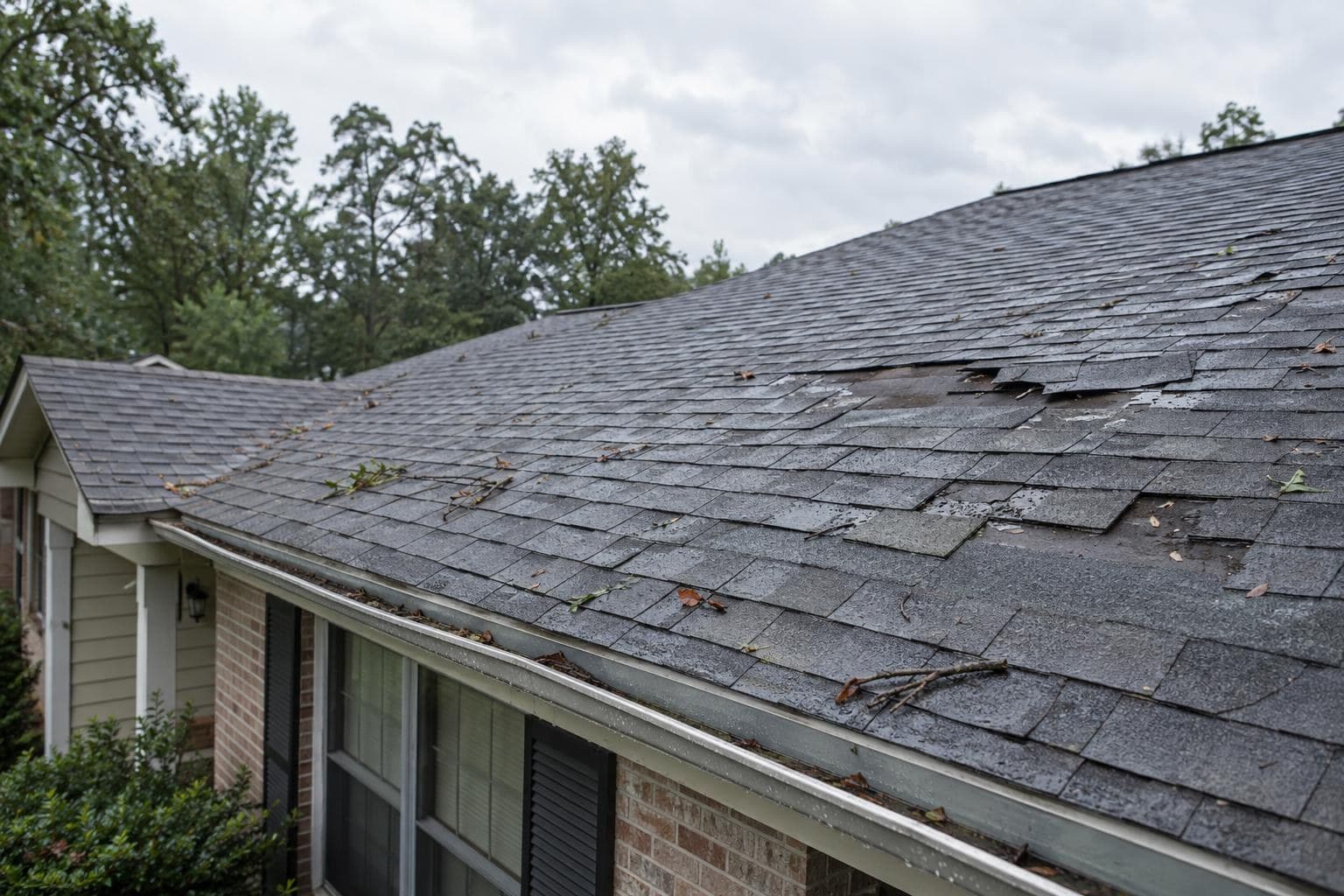
Storm Damage Roof in North Carolina: What to Do in the First 48 Hours
If a storm just hit your North Carolina roof, the first 48 hours matter most. Here is what to do first, what to photograph, when to tarp, and how to tell storm damage from normal roof aging.
Read the guide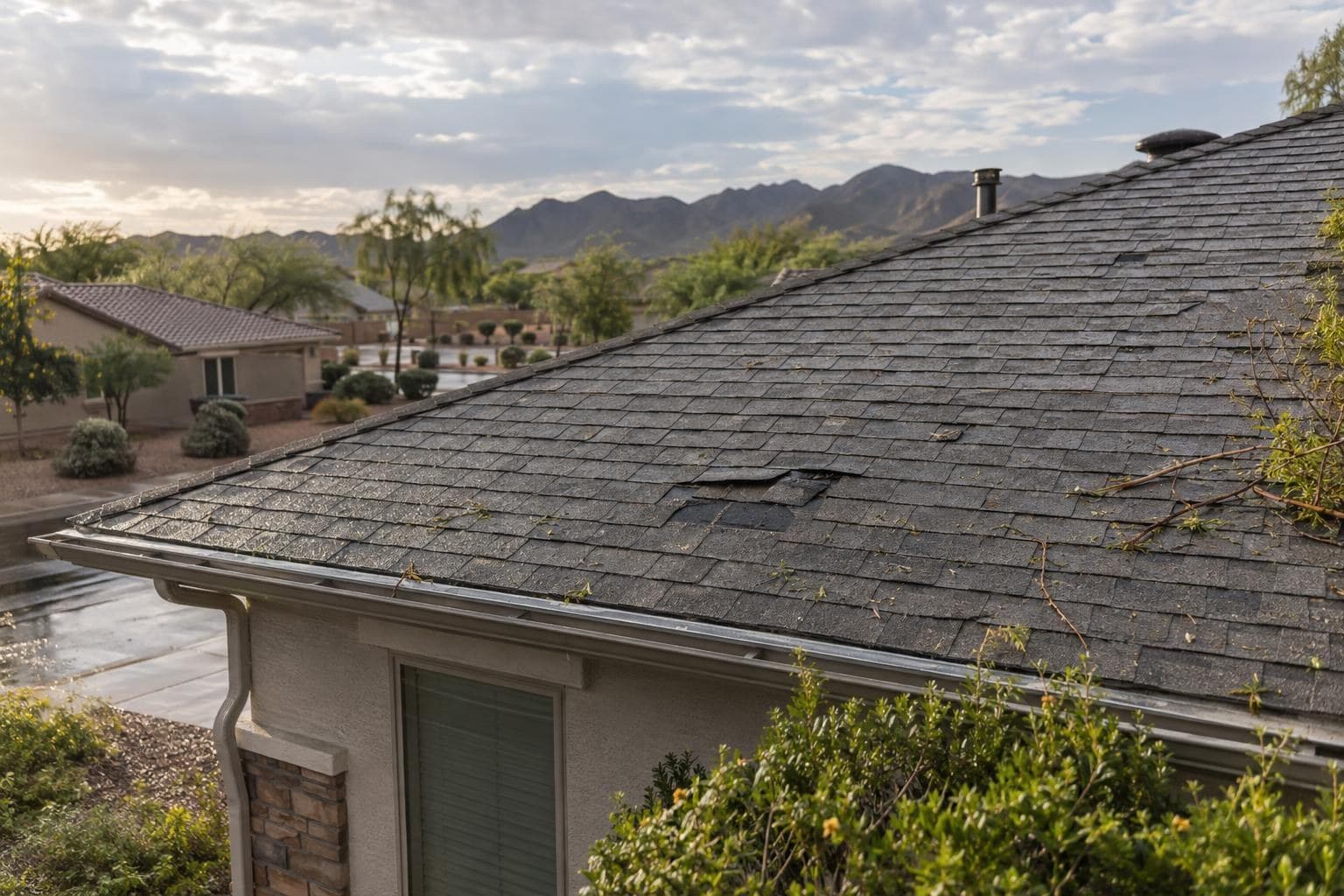
Storm Damage Roof Arizona: What to Do in the First 48 Hours
If a storm just hit your Arizona roof, your first moves matter. Here is how to protect the house, document damage, handle tarping, and tell storm damage from normal aging.
Read the guide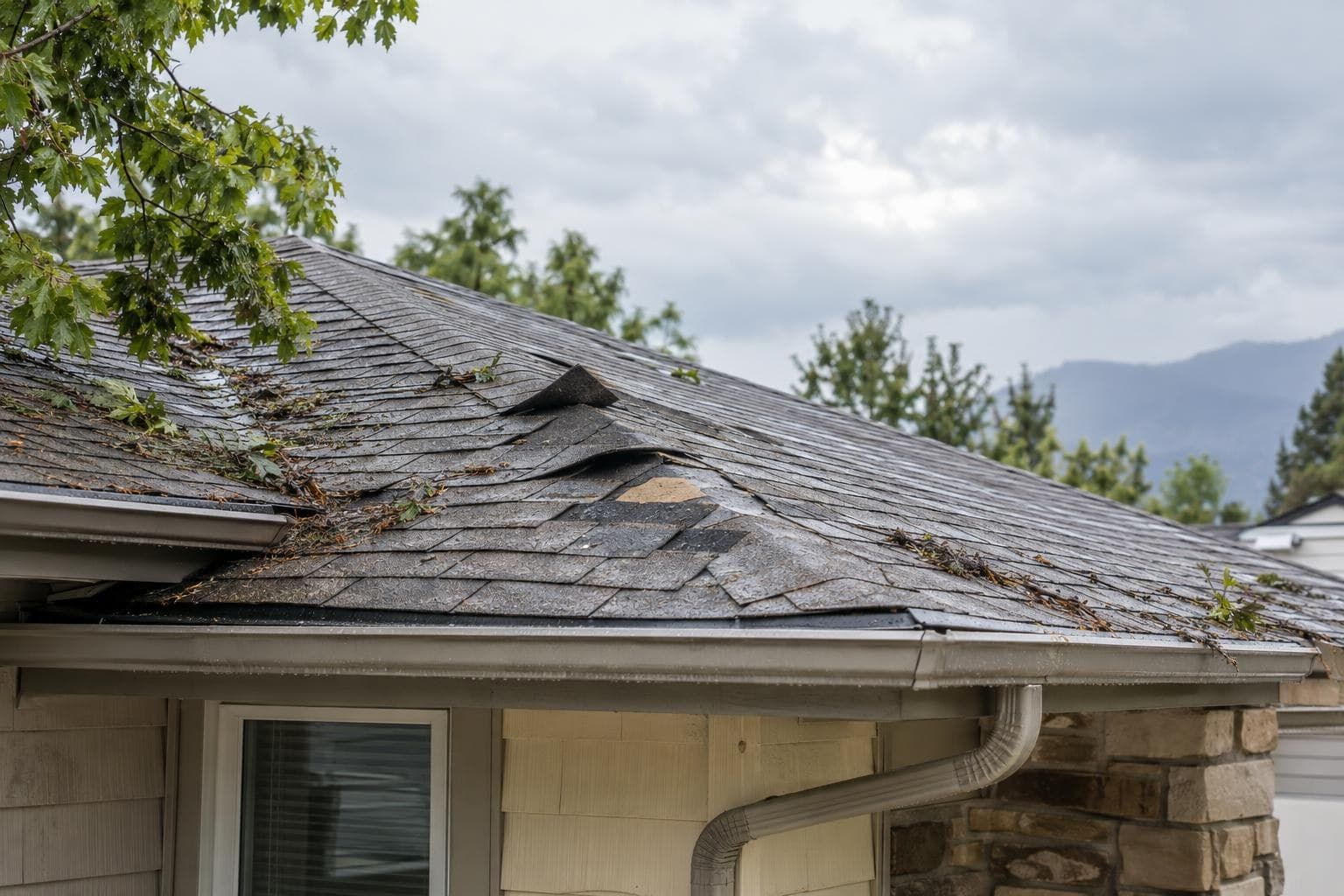
Storm Damage Roof Colorado: What to Do in the First 48 Hours
If a storm just hit your Colorado roof, your next two days matter most. Here is how to protect your home, document damage, and separate storm hits from normal aging.
Read the guide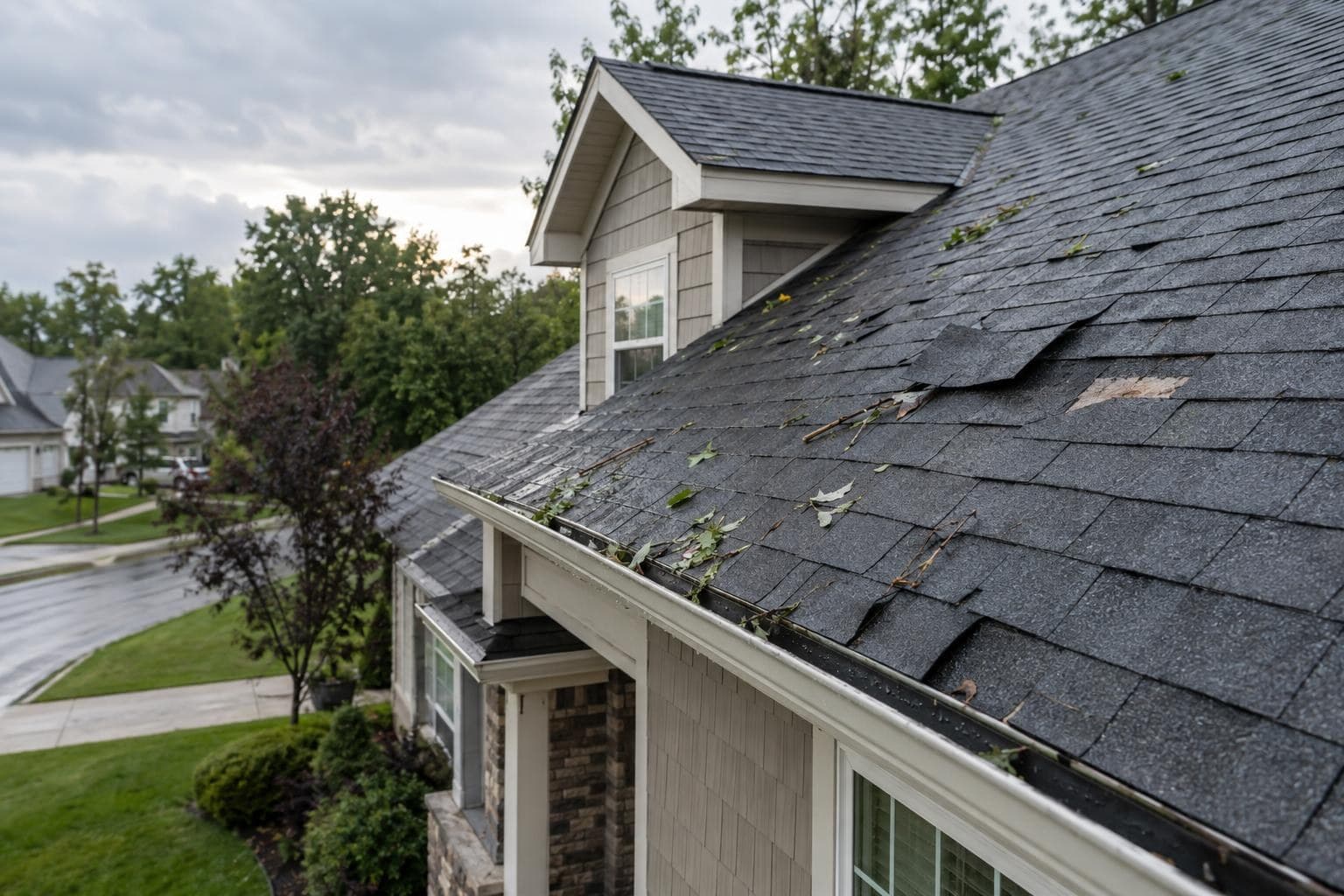
Storm Damage Roof in Michigan: What to Do in the First 48 Hours
If a storm hits your Michigan roof, the first 48 hours matter. Here is how to document damage, stop leaks, and tell storm damage from normal aging before you file a claim or schedule work.
Read the guide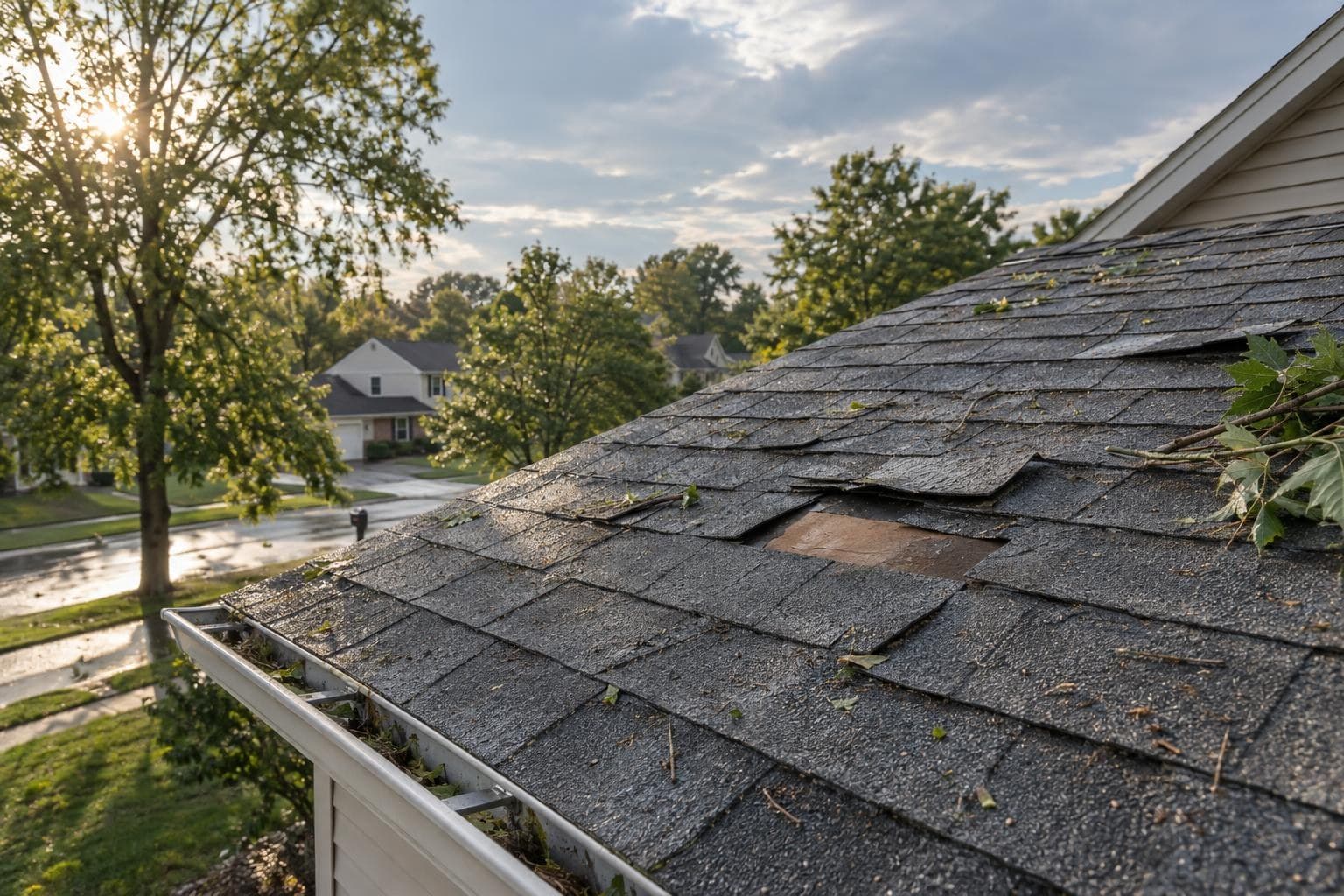
Storm Damage Roof Ohio: What to Do in the First 48 Hours
If a storm just hit your Ohio roof, the first 48 hours matter most. Start with safety, document everything, stop active leaks with emergency tarping, and avoid signing anything at the door. Here is how to separate real storm damage from normal roof age and what repairs or replacement may cost in 2026 Ohio market pricing.
Read the guide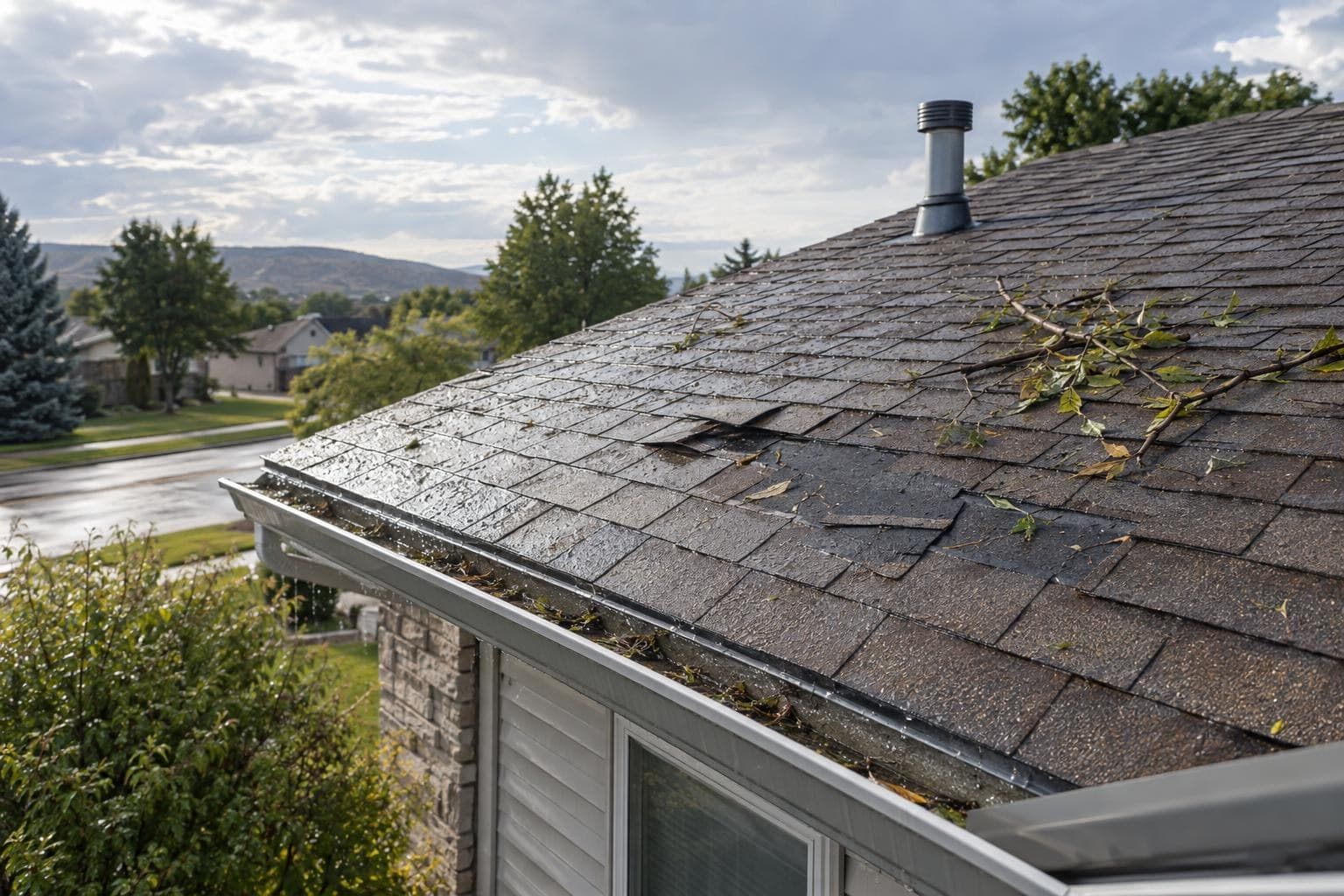
Storm Damage Roof in Wyoming: What to Do in the First 48 Hours
After a storm hits your Wyoming roof, the first two days matter. Here is how to protect your home, document damage, and tell storm damage from normal roof wear.
Read the guide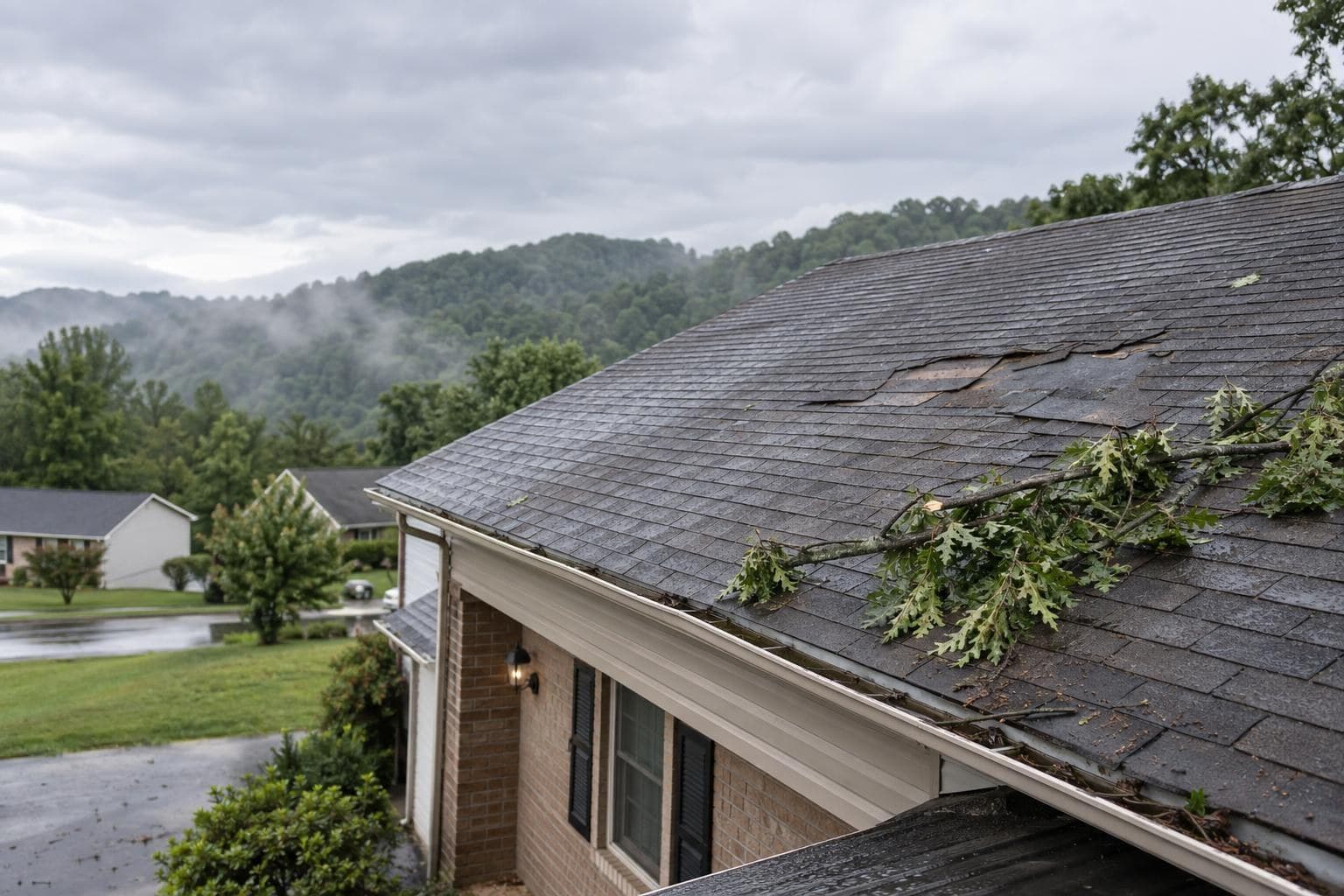
Storm Damage Roof in West Virginia: What to Do in the First 48 Hours
If a storm just hit your West Virginia roof, your first job is to protect the house, document what changed, and avoid turning a small problem into a bigger one. Here is how to handle the first 48 hours, when to tarp, what photos to take, and how to separate real storm damage from normal aging.
Read the guide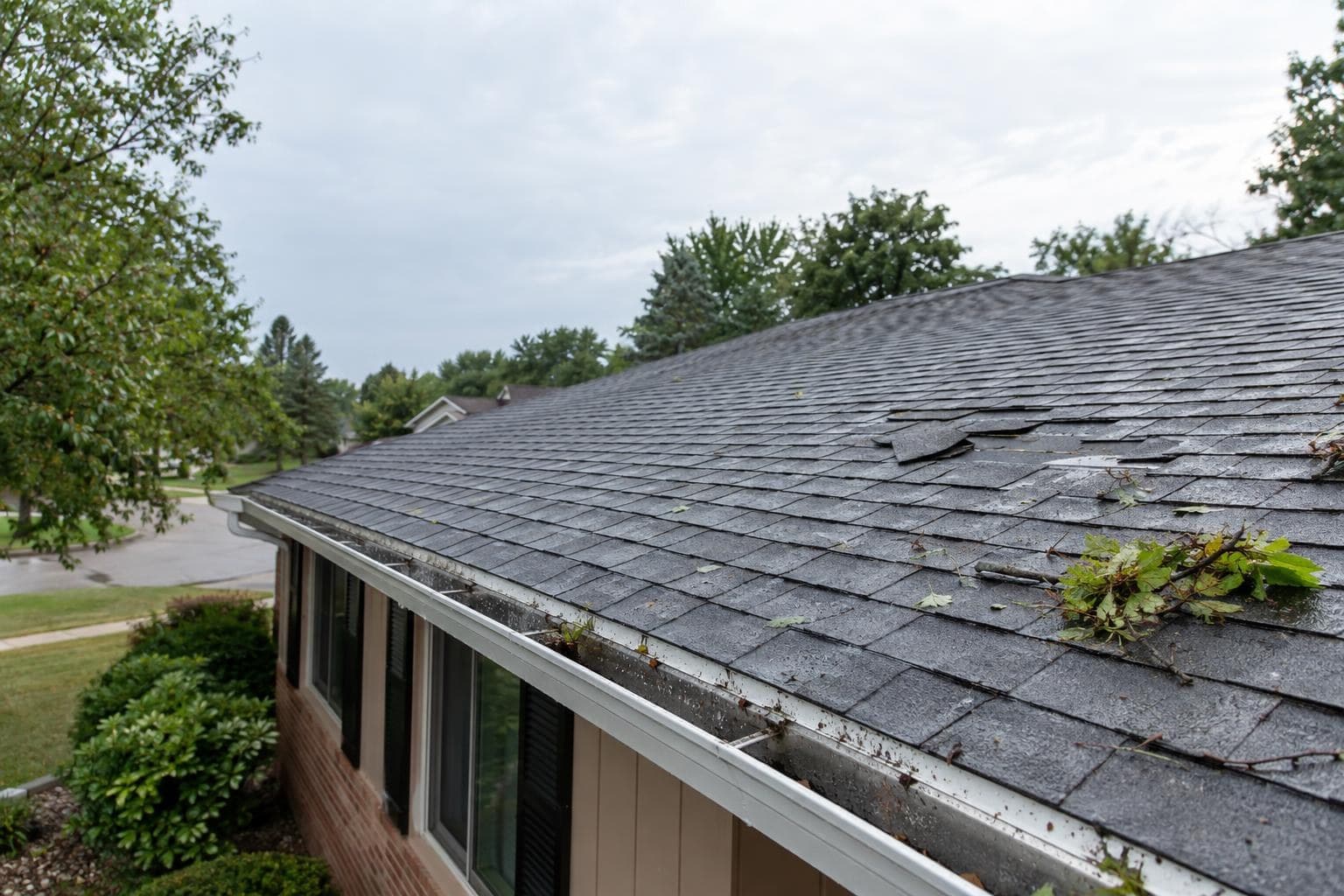
Storm Damage Roof Wisconsin: What to Do in the First 48 Hours
If a storm just hit your Wisconsin roof, your first job is to stop more damage, document everything, and avoid mistakes that can weaken your claim. Here is what to do in the first 48 hours, when to tarp, what to save, and how to separate storm damage from normal roof aging.
Read the guide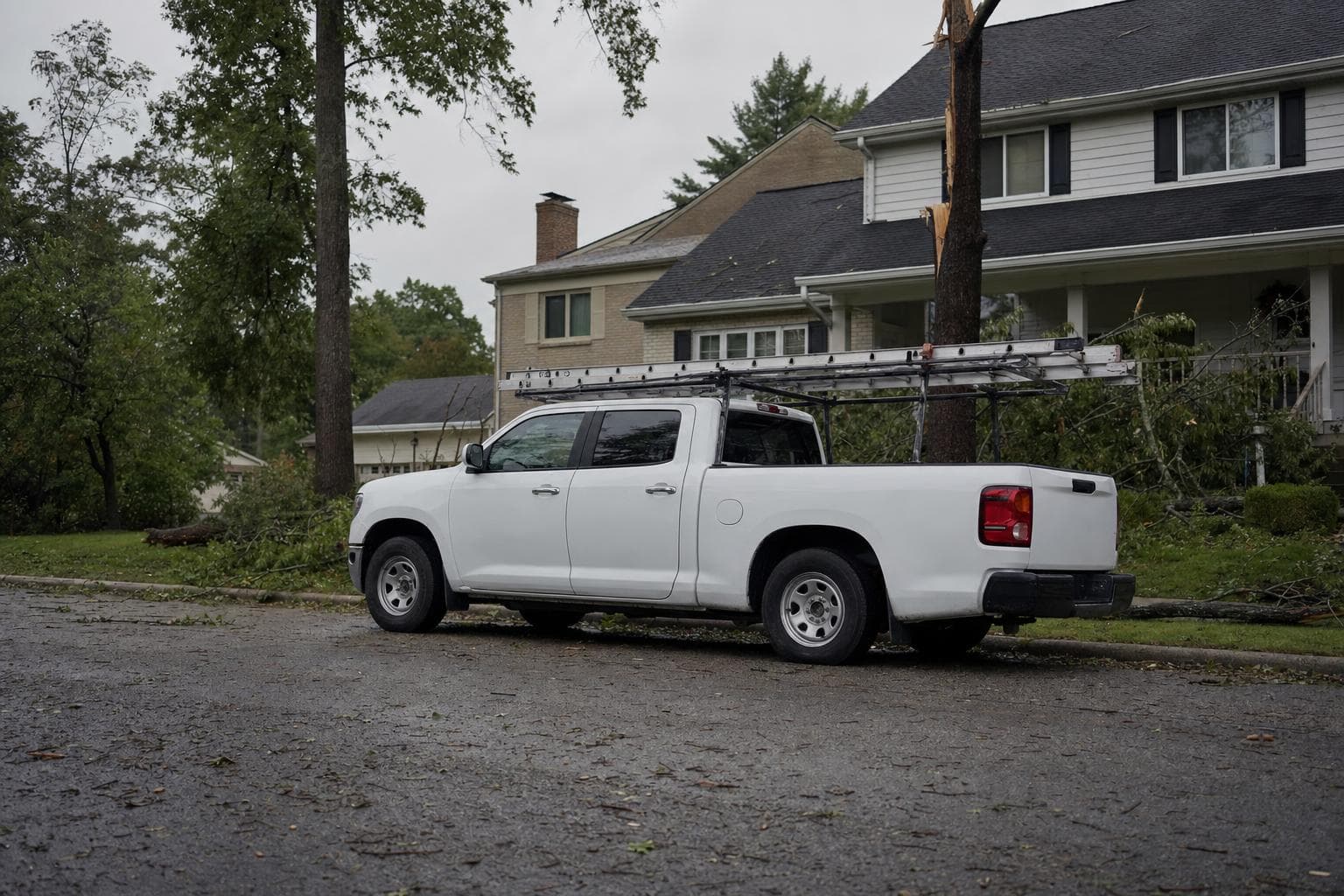
How to Screen a Roofing Contractor After a Storm
Urgency does not remove the hiring checks. Authorize only the work you understand, verify the business yourself, and separate temporary protection from the permanent roofing contract.
Read the guide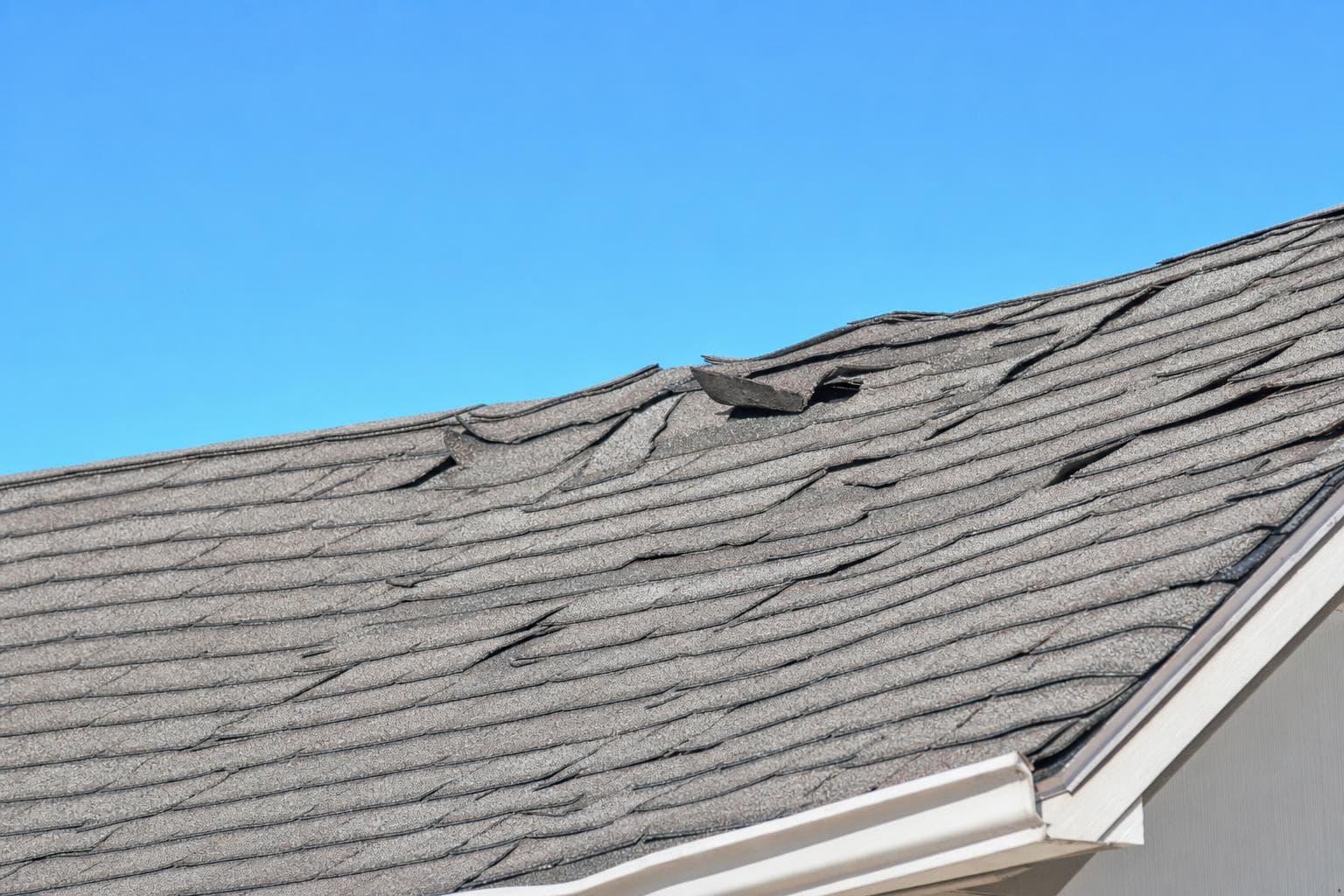
Wind Damage vs Worn Shingles: What the Inspection Should Separate
Missing or lifted shingles after wind do not establish the cause by themselves. Document each roof area, material condition, event timing, repairability, and reasonable alternative explanations.
Read the guide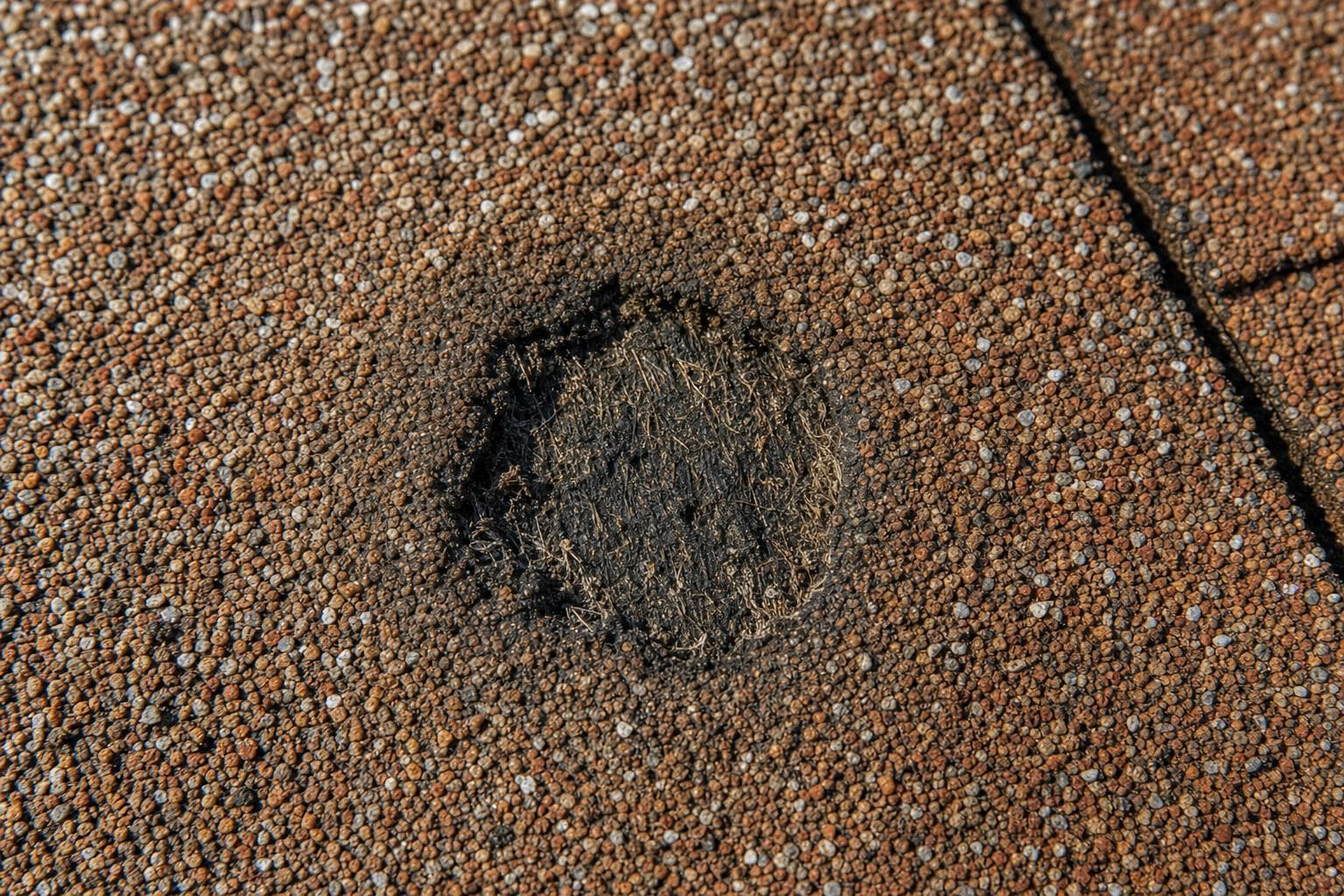
Functional vs Cosmetic Hail Damage: What to Document
Visible marks do not settle cause, repair scope, or coverage. A useful report maps the conditions, records inspection limits, considers alternatives, and leaves the policy decision to the insurer.
Read the guide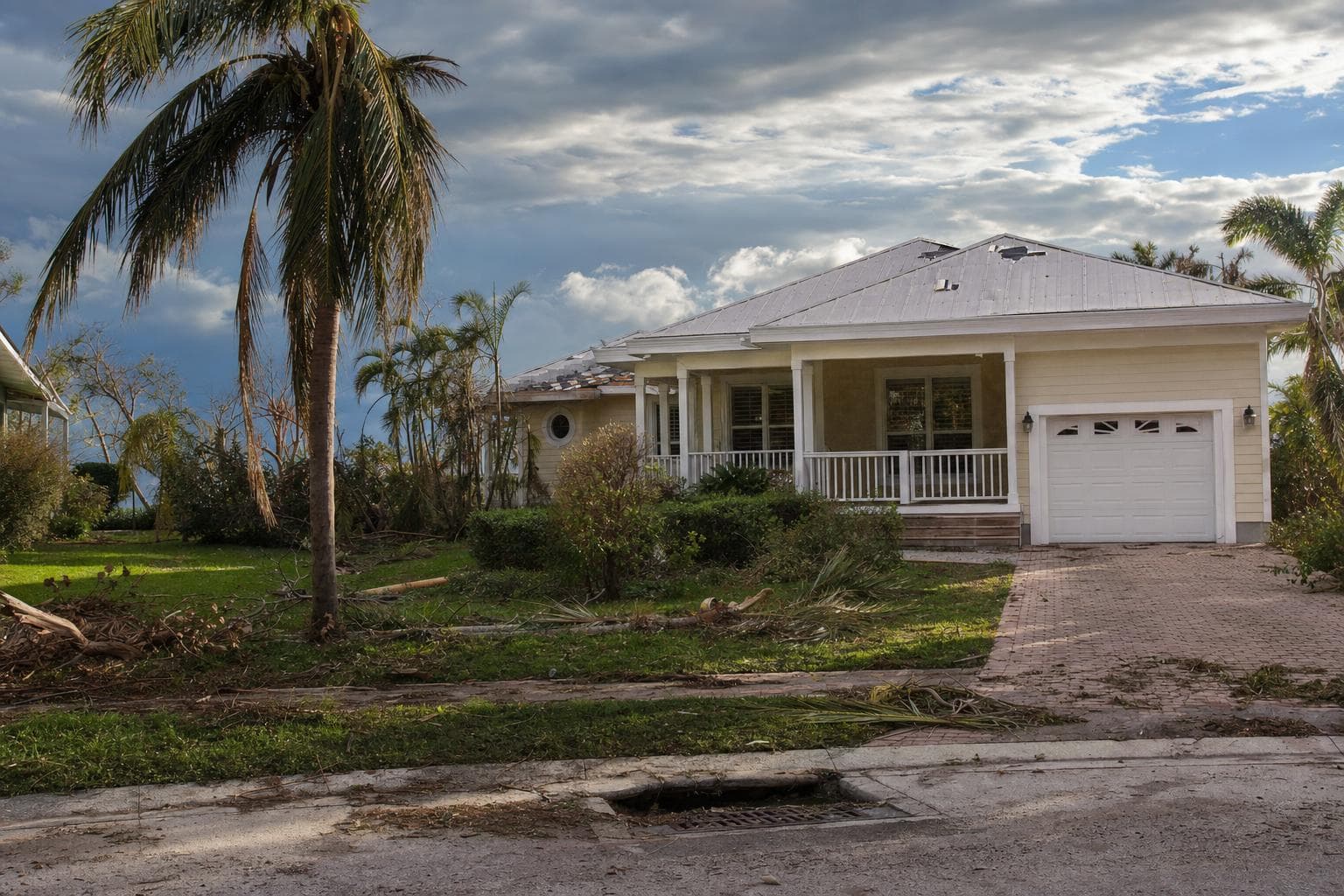
Florida Storm-Damage Roof Guide: Document the Roof Area
After a Florida storm, protect the building, map the roof area, separate functional damage from appearance, and preserve a clear record.
Read the guide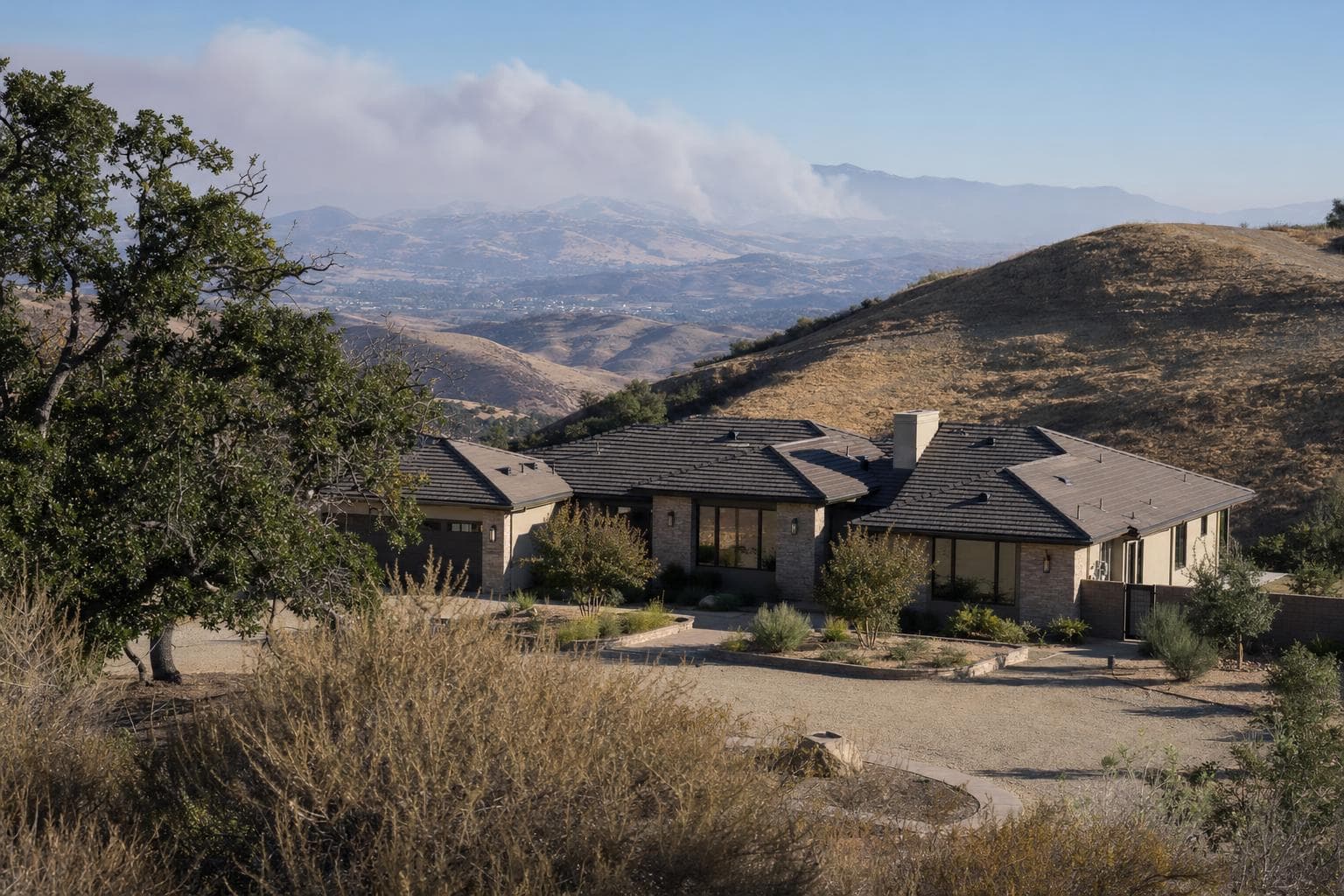
California Wildfire Roof Protection: Reduce Ember Entry
Wildfire roof protection is more than the field covering. Inspect ember entry paths, debris traps, openings, edges, and the defensible maintenance boundary.
Read the guide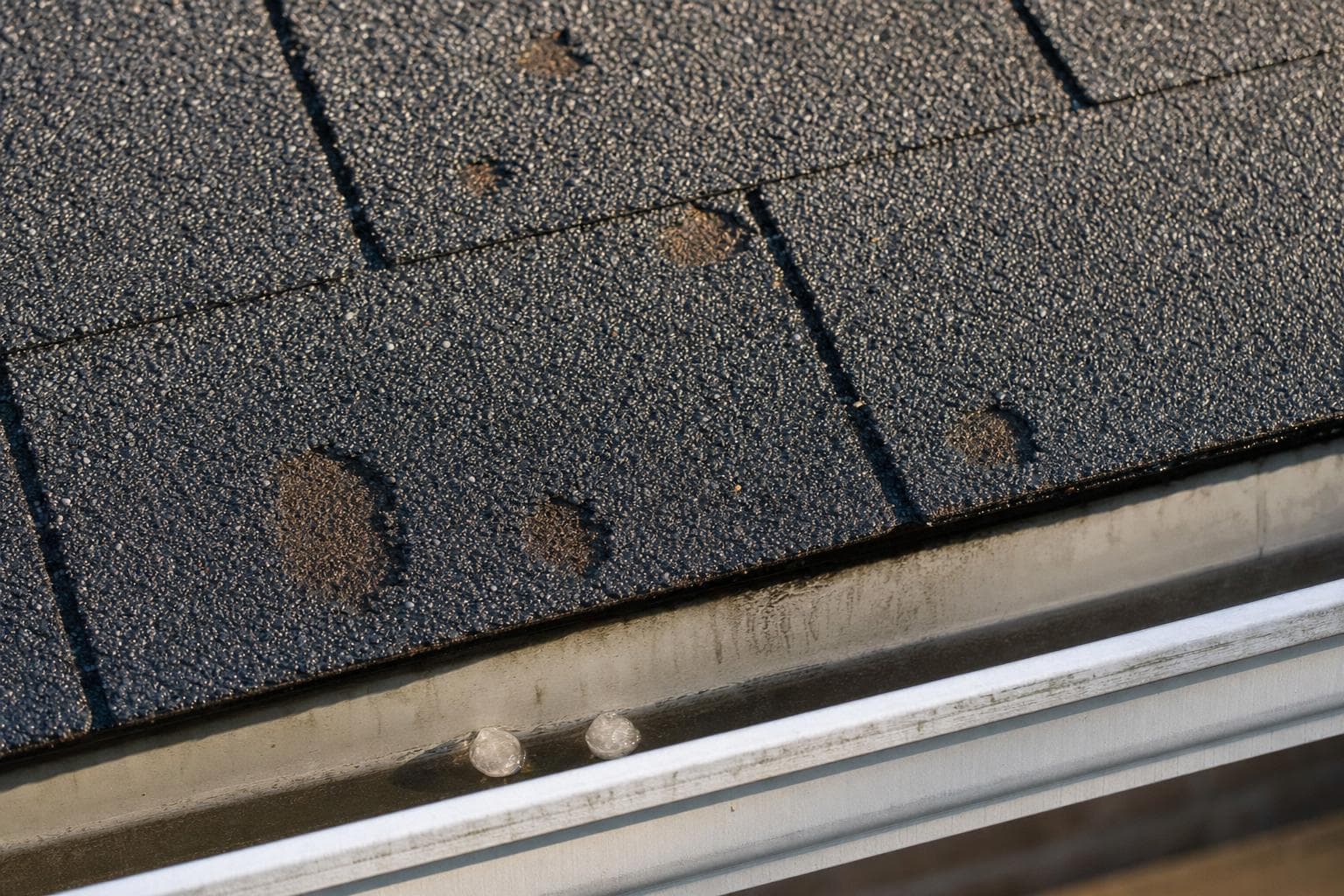
Georgia Storm-Damage Roof Guide: Document the Roof Area
After a Georgia storm, protect the building, map the roof area, separate functional damage from appearance, and preserve a clear record.
Read the guide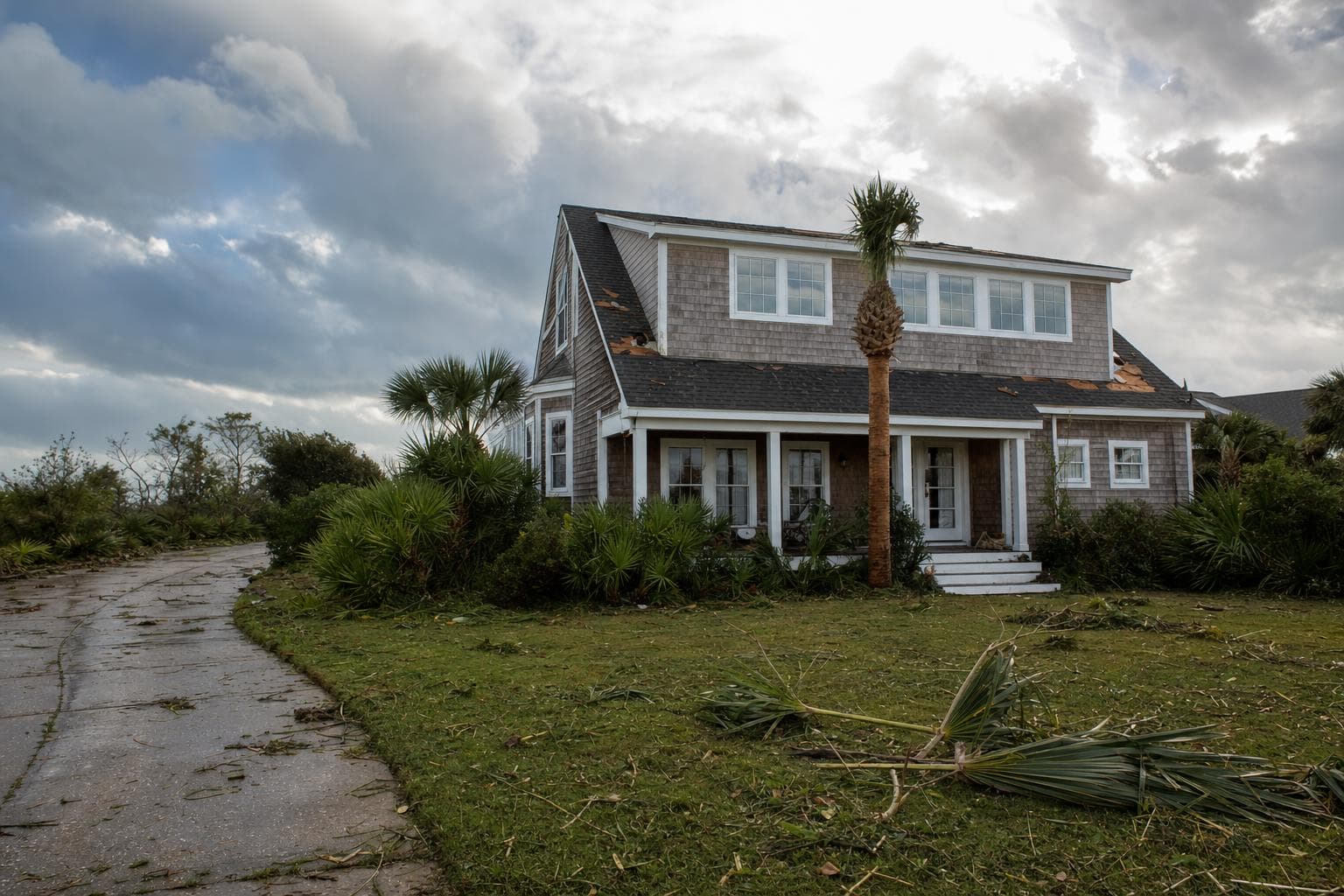
North Carolina Hurricane Roof Damage: Document Before Repair
After a North Carolina hurricane, protect the building and preserve located evidence before permanent work changes the roof condition.
Read the guide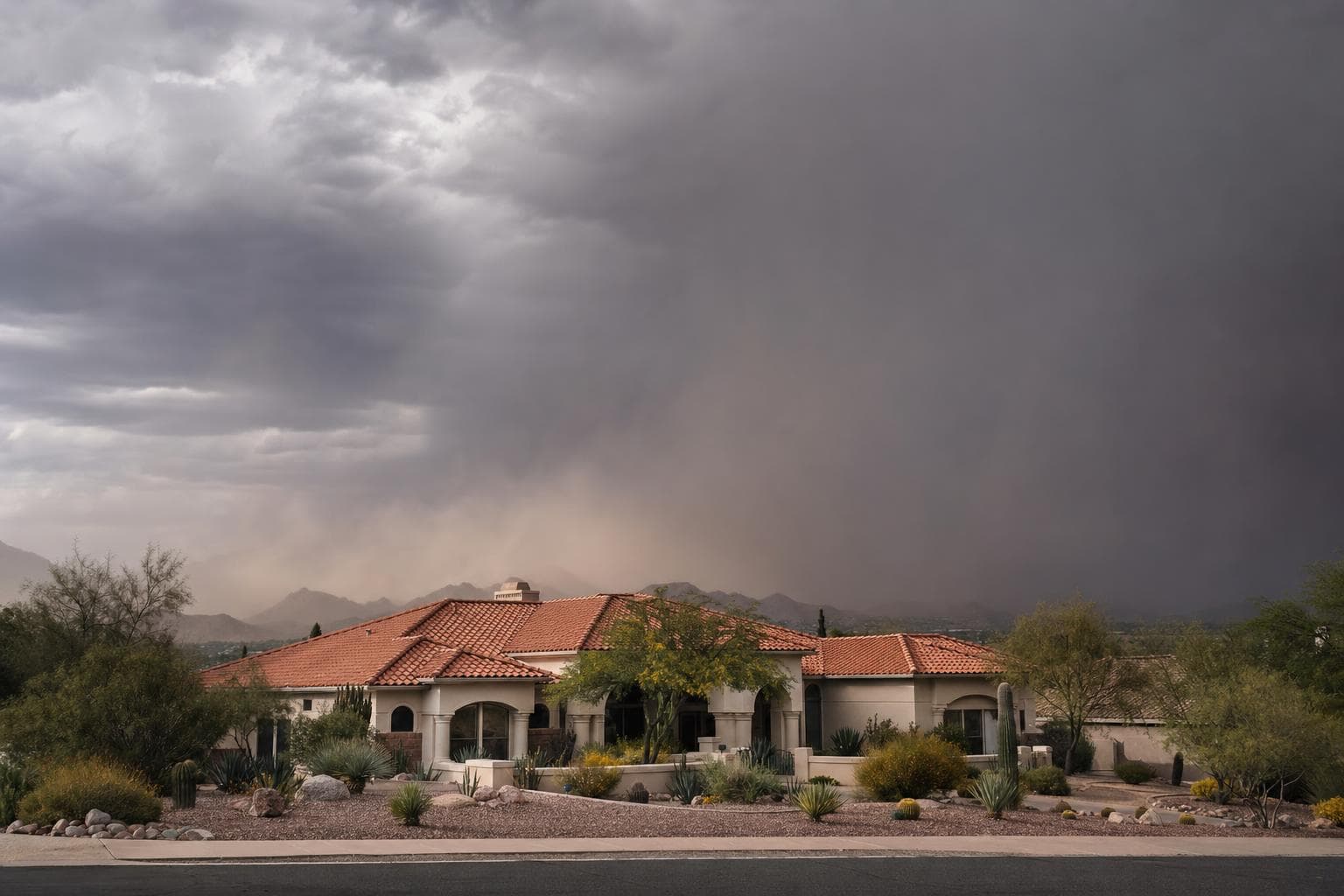
Arizona Storm-Damage Roof Guide: Document the Roof Area
After a Arizona storm, protect the building, map the roof area, separate functional damage from appearance, and preserve a clear record.
Read the guide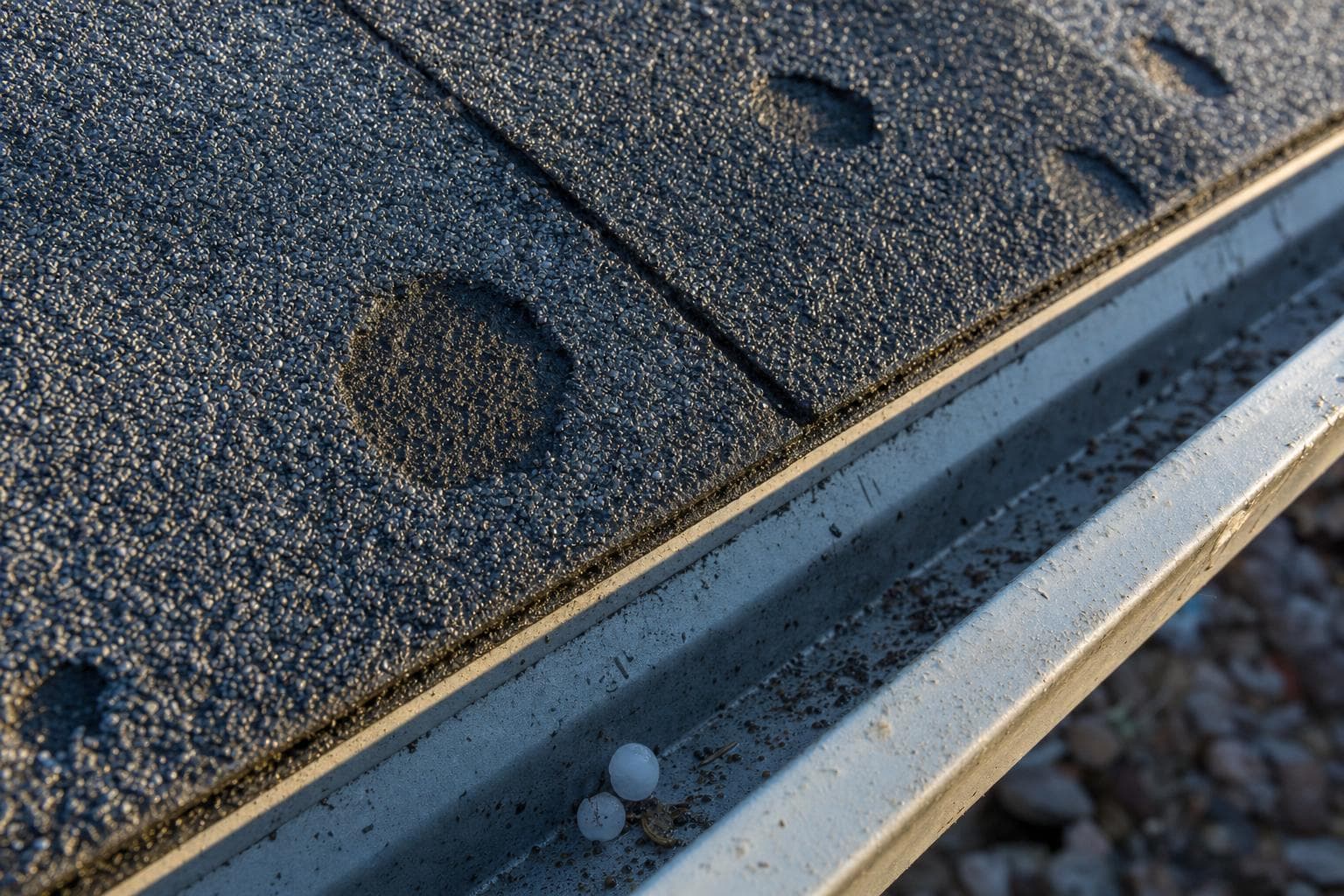
Colorado Storm-Damage Roof Guide: Document the Roof Area
After a Colorado storm, protect the building, map the roof area, separate functional damage from appearance, and preserve a clear record.
Read the guide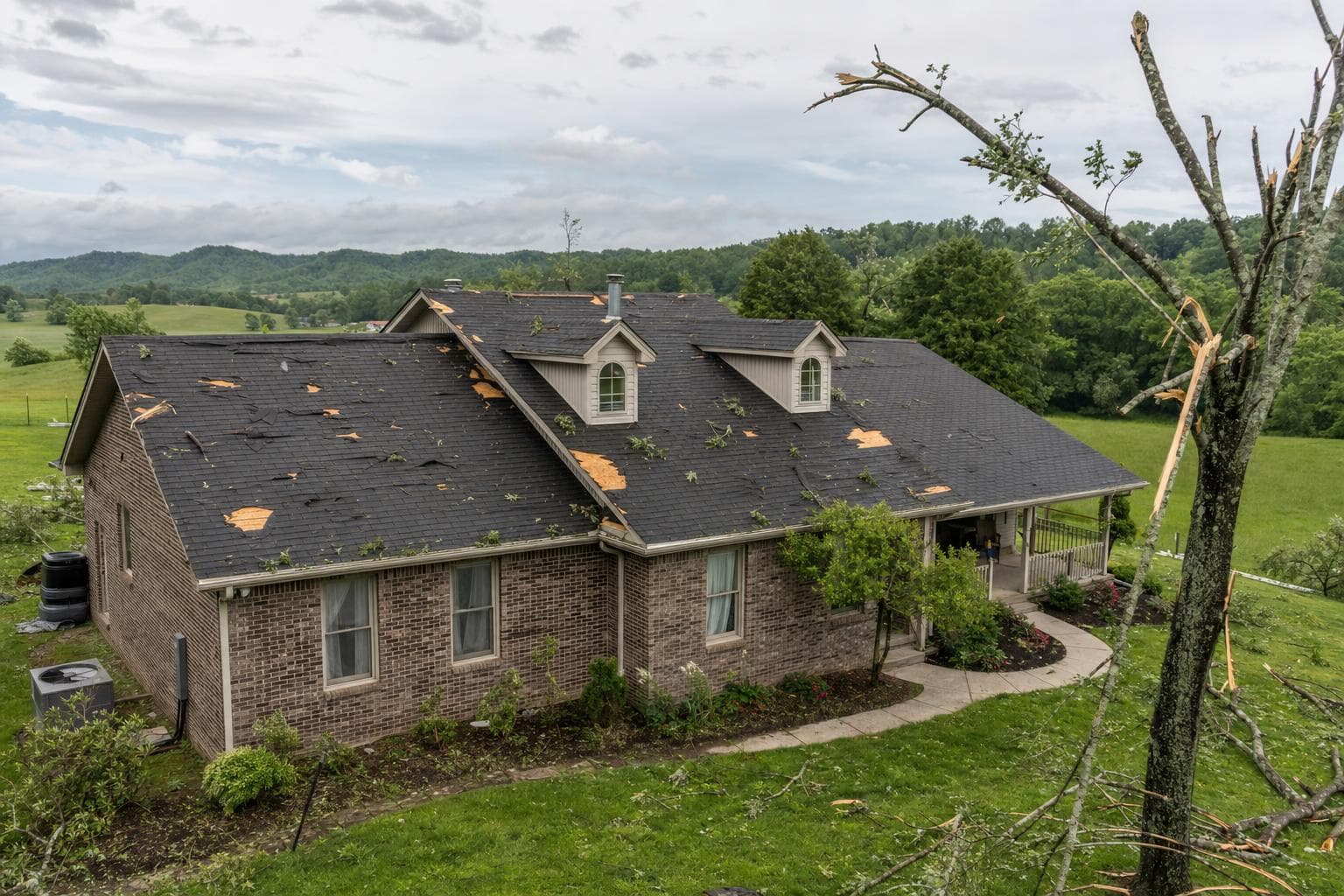
Storm Damage to Your Roof in Tennessee: What to Do in the First 48 Hours
If a storm just hit your Tennessee home, the first 48 hours matter. Here is how to stay safe, document damage, stop leaks, and tell storm damage from normal roof aging.
Read the guide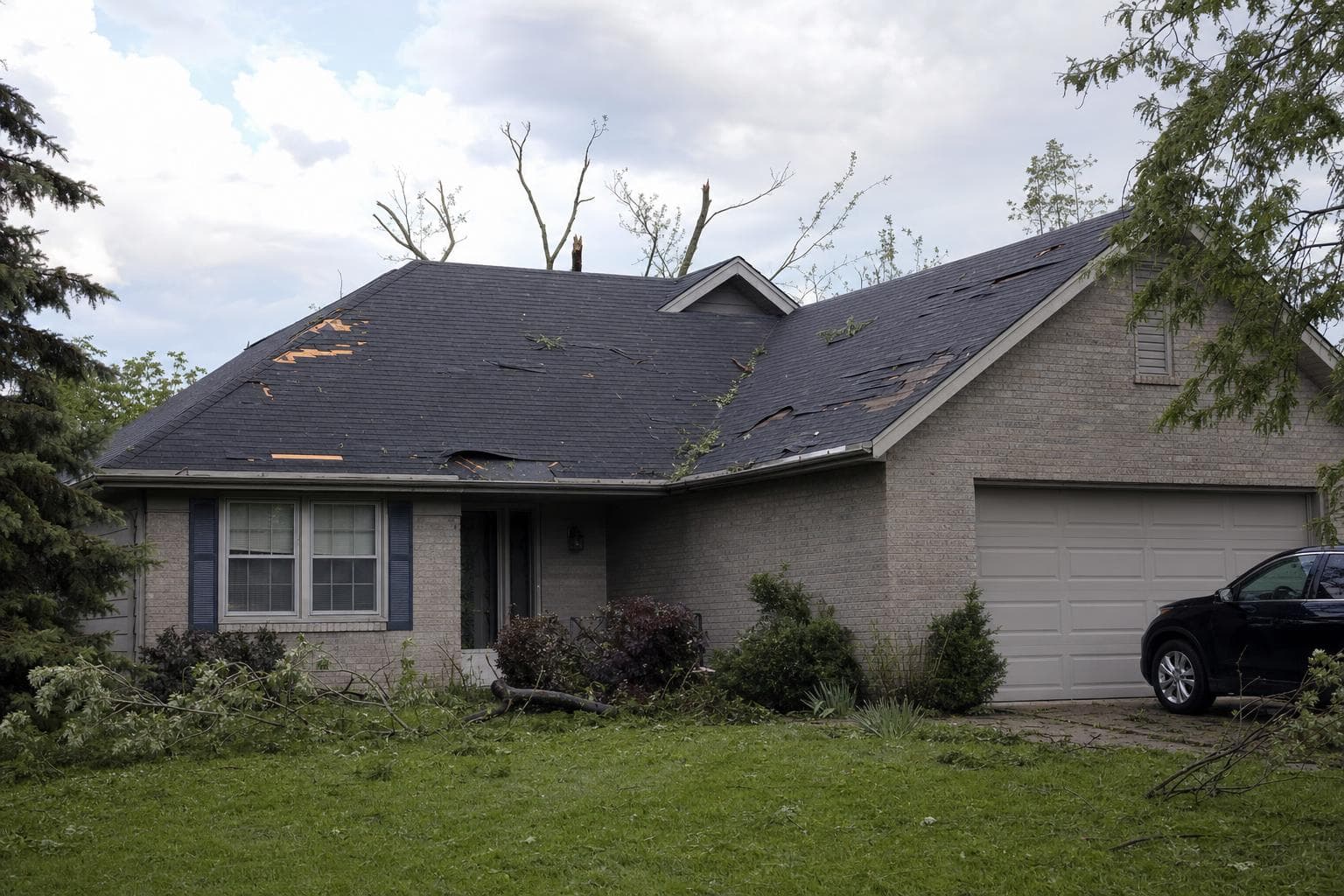
Storm Damage on an Illinois Roof: What to Do in the First 48 Hours
If a storm just hit your Illinois roof, your first moves matter. Here is how to document damage, stop active leaks, protect your claim, and tell storm damage from normal wear.
Read the guide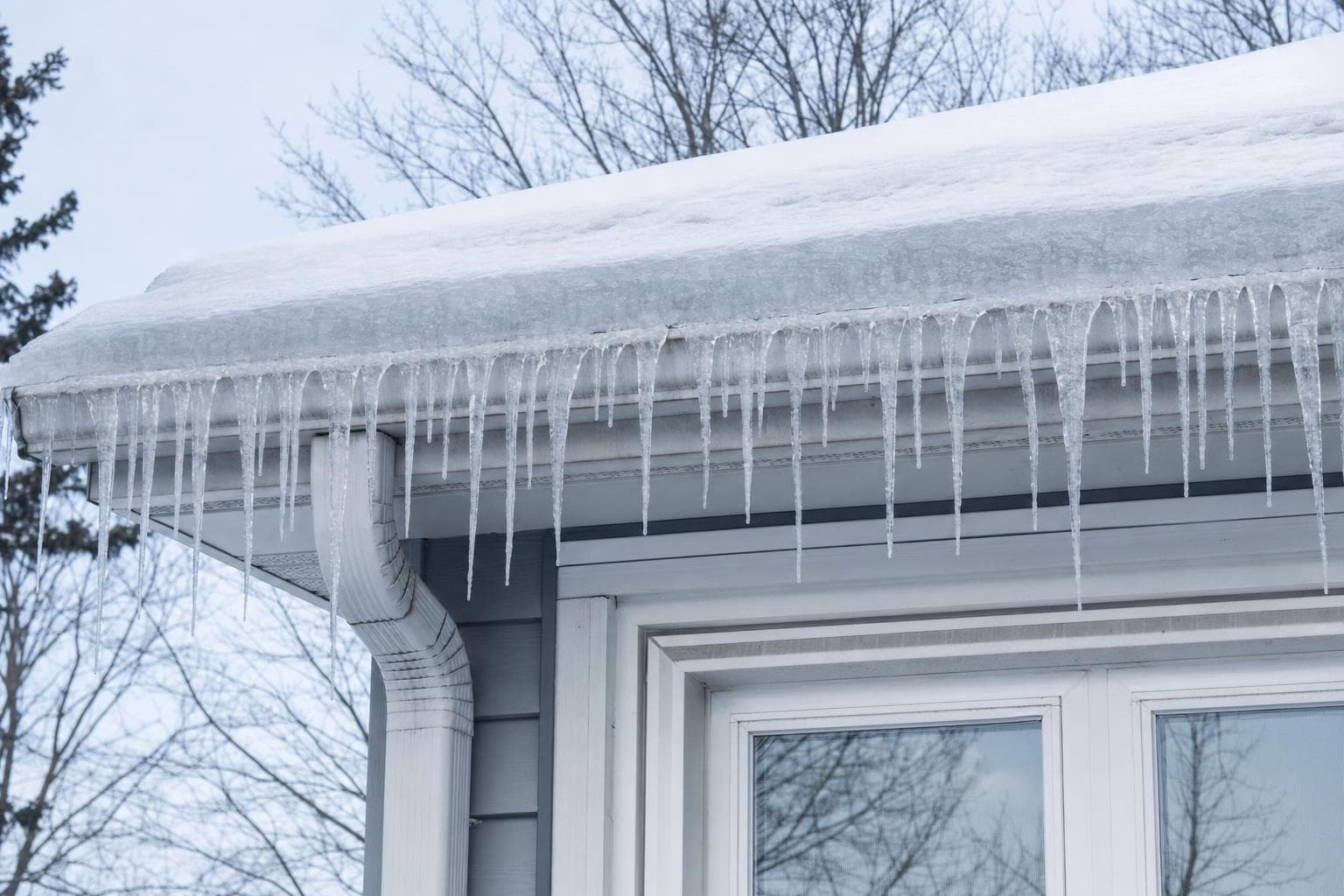
Michigan Roofing Guide: Verify the Scope and Records
Connect this Michigan roofing decision to the actual roof area, assembly, documentation, and next step.
Read the guide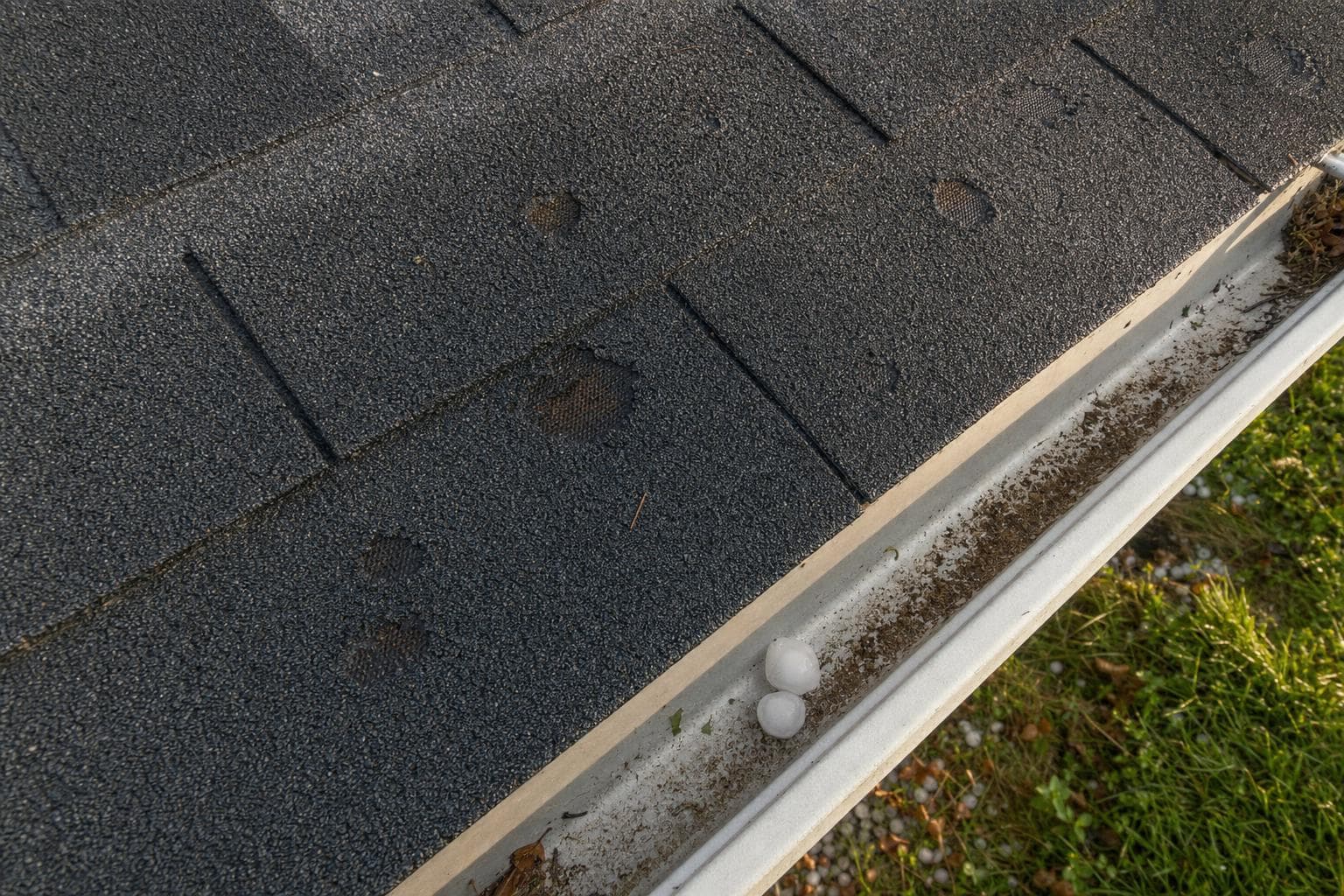
Ohio Storm-Damage Roof Guide: Document the Roof Area
After a Ohio storm, protect the building, map the roof area, separate functional damage from appearance, and preserve a clear record.
Read the guide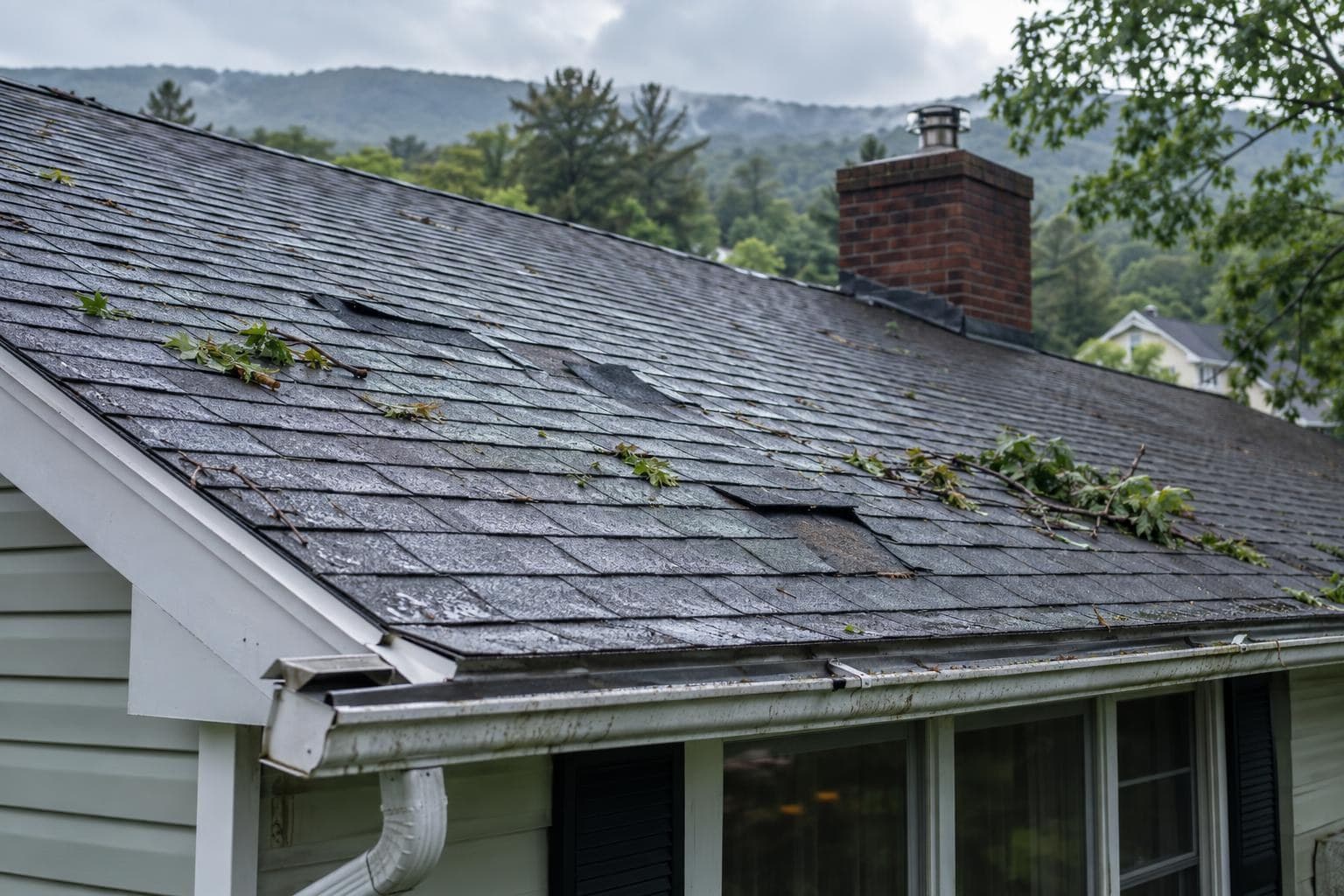
Storm Damage Roof Vermont: What to Do in the First 48 Hours
If a storm just hit your Vermont roof, your first moves matter. Start with safety, stop active leaks, document everything, and get a local roofer you have vetted to separate fresh storm damage from wear that was already there.
Read the guide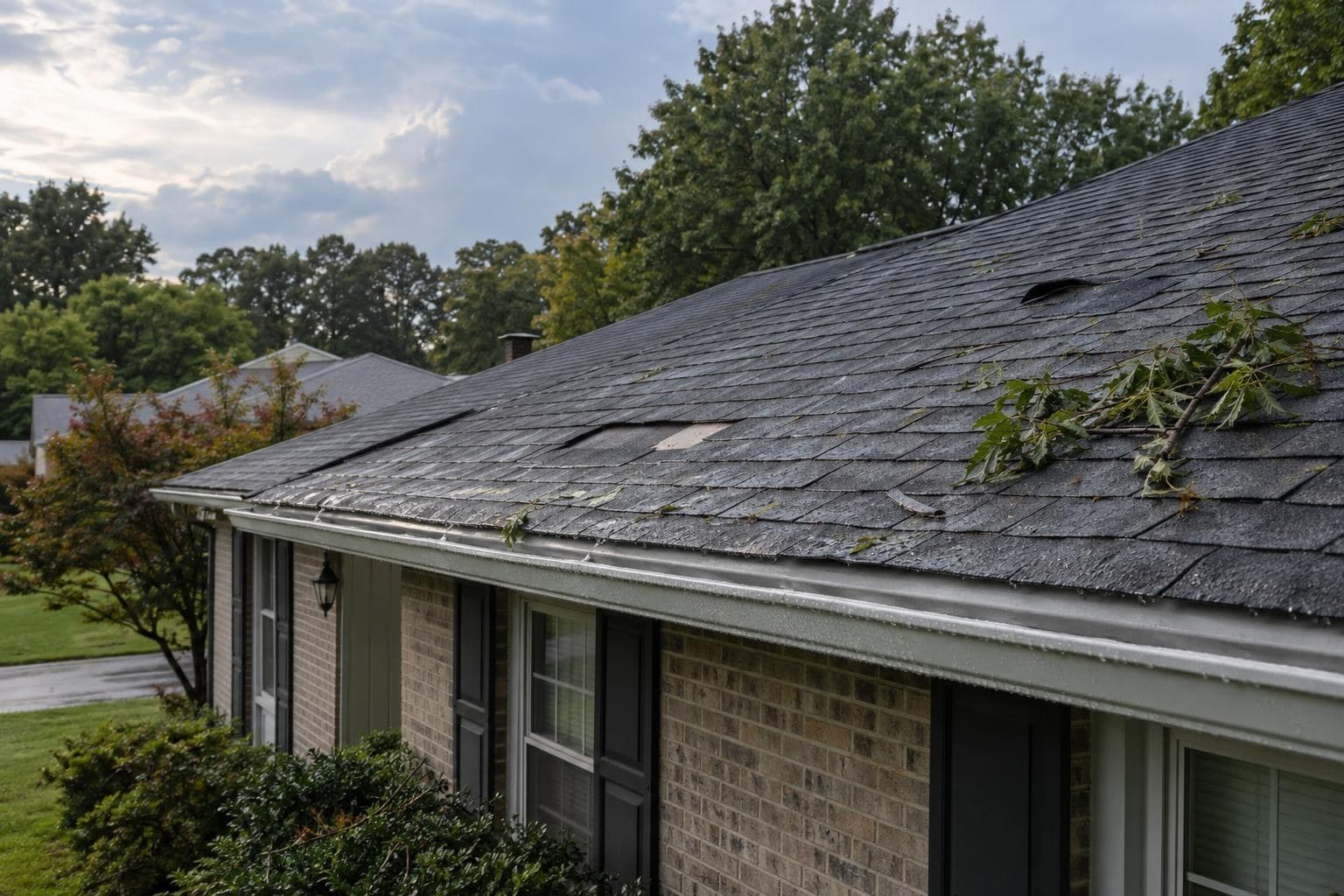
Storm Damage Roof in Virginia: What to Do in the First 48 Hours
If a storm just hit your Virginia roof, the first 48 hours matter. Here is how to document damage, stop leaks, and separate storm damage from normal roof aging before bigger problems start.
Read the guide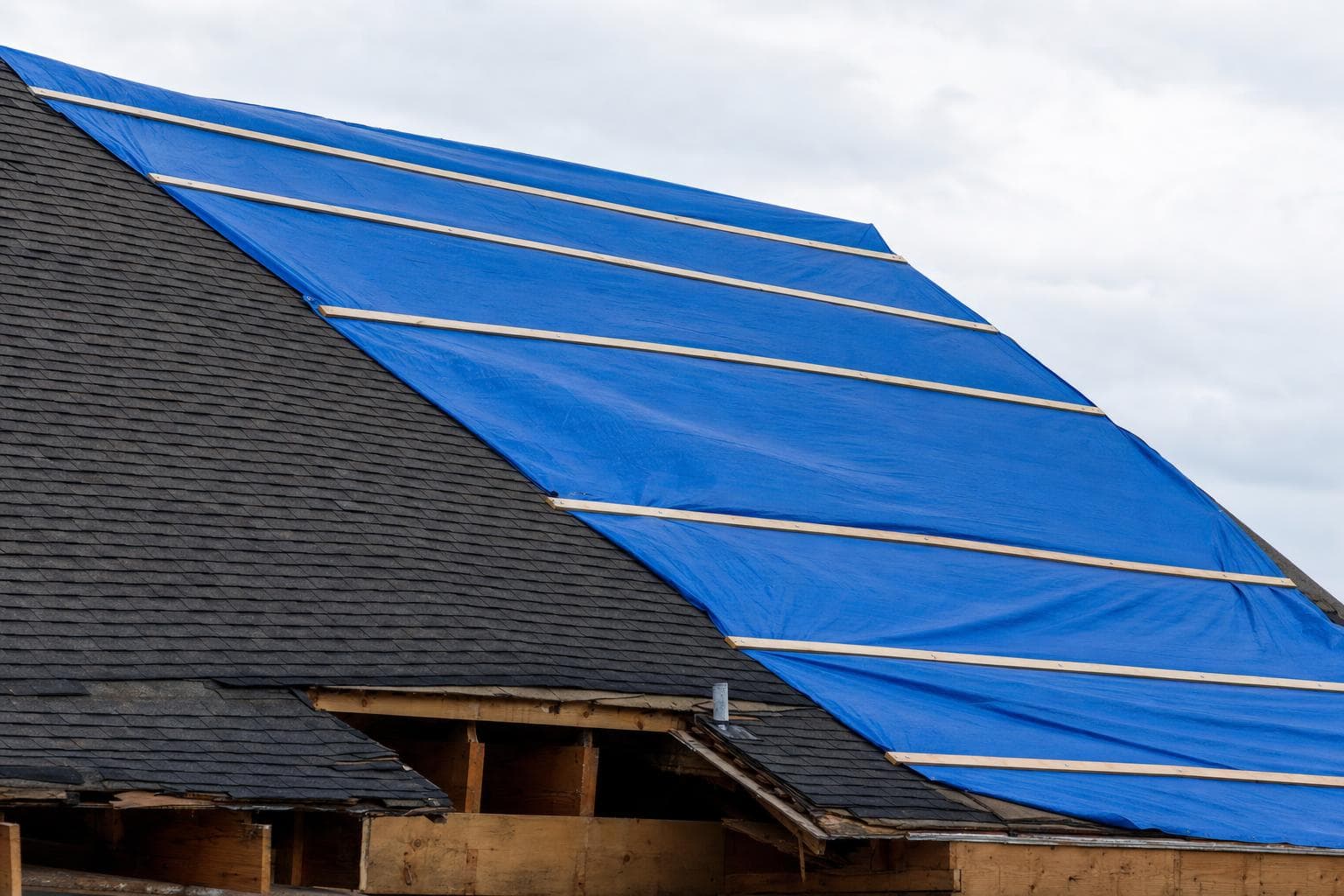
Emergency Roof Tarping After a Storm
A tarp is temporary protection, not a universal repair or duration promise. Safe access, opening size, drainage, anchoring, weather, material, and the permanent follow-up plan determine the scope.
Read the guide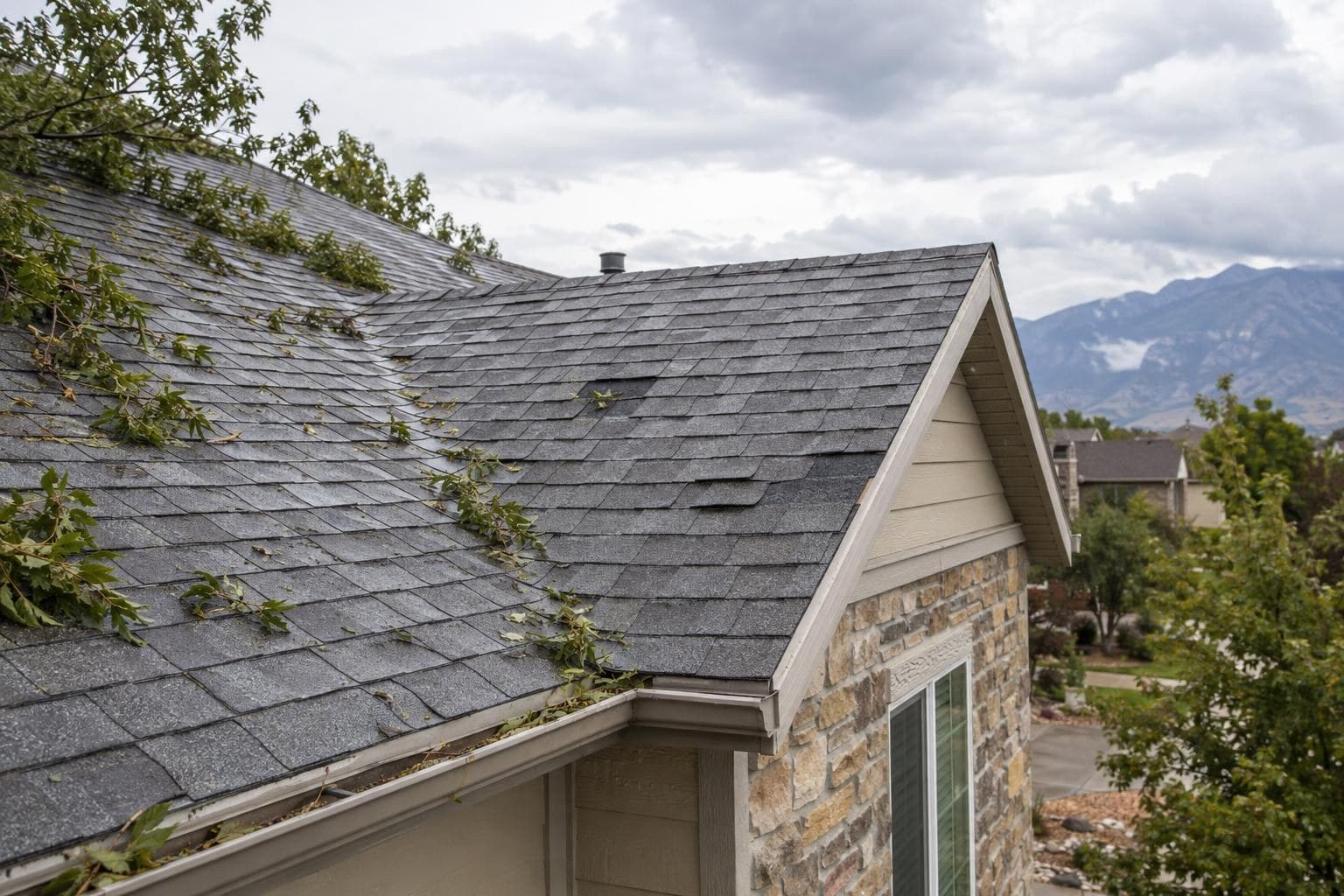
Storm Damage Roof in Utah: What to Do in the First 48 Hours
If a storm hits your Utah roof, the first 48 hours matter most. Here is how to document damage, stop leaks, protect your claim, and tell storm damage from normal roof aging.
Read the guide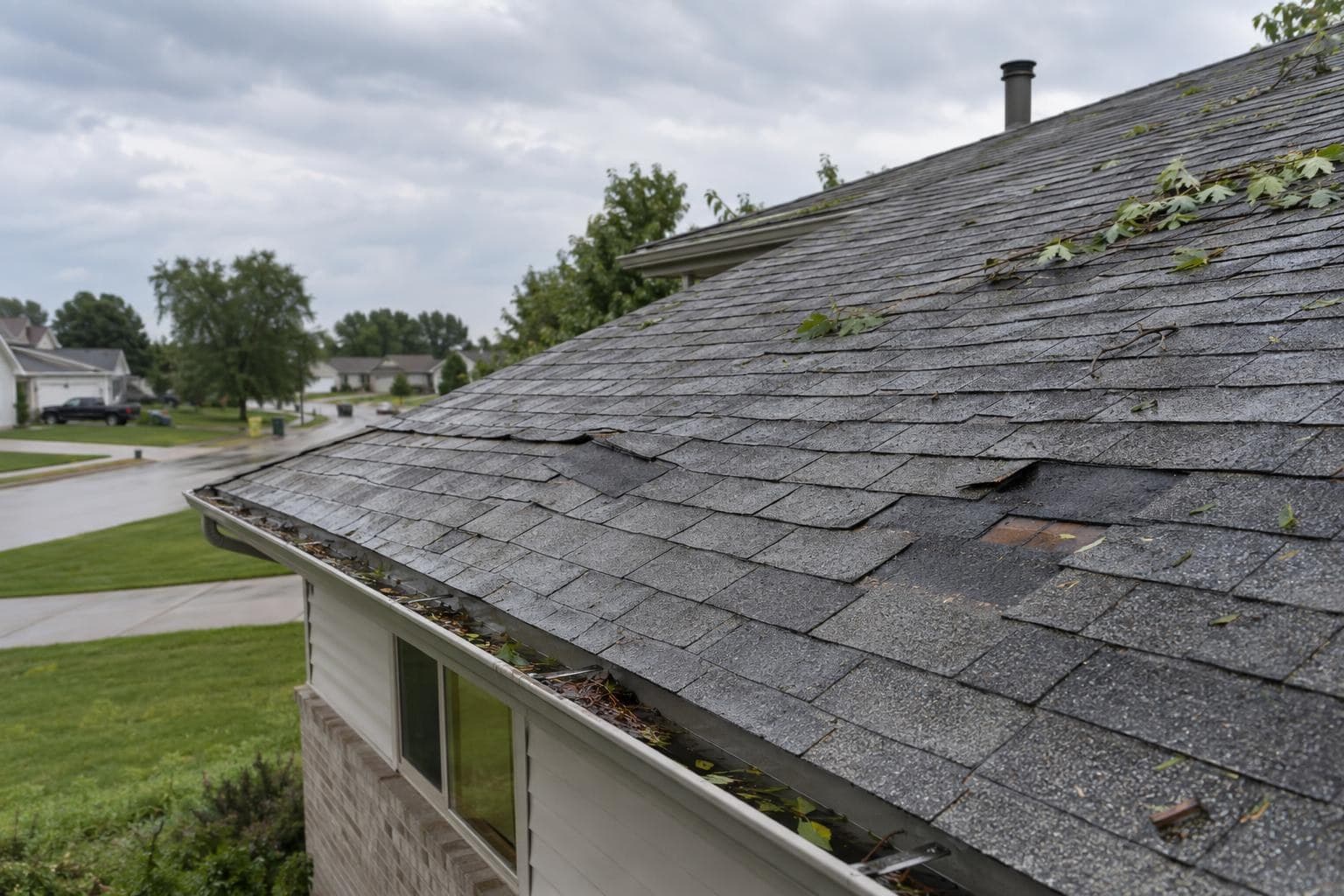
Storm Damage Roof in South Dakota: What to Do in the First 48 Hours
If a storm just hit your South Dakota home, start with safety, photos, and temporary protection. Here is how to document damage, decide on tarping, and sort out storm damage versus normal roof wear.
Read the guide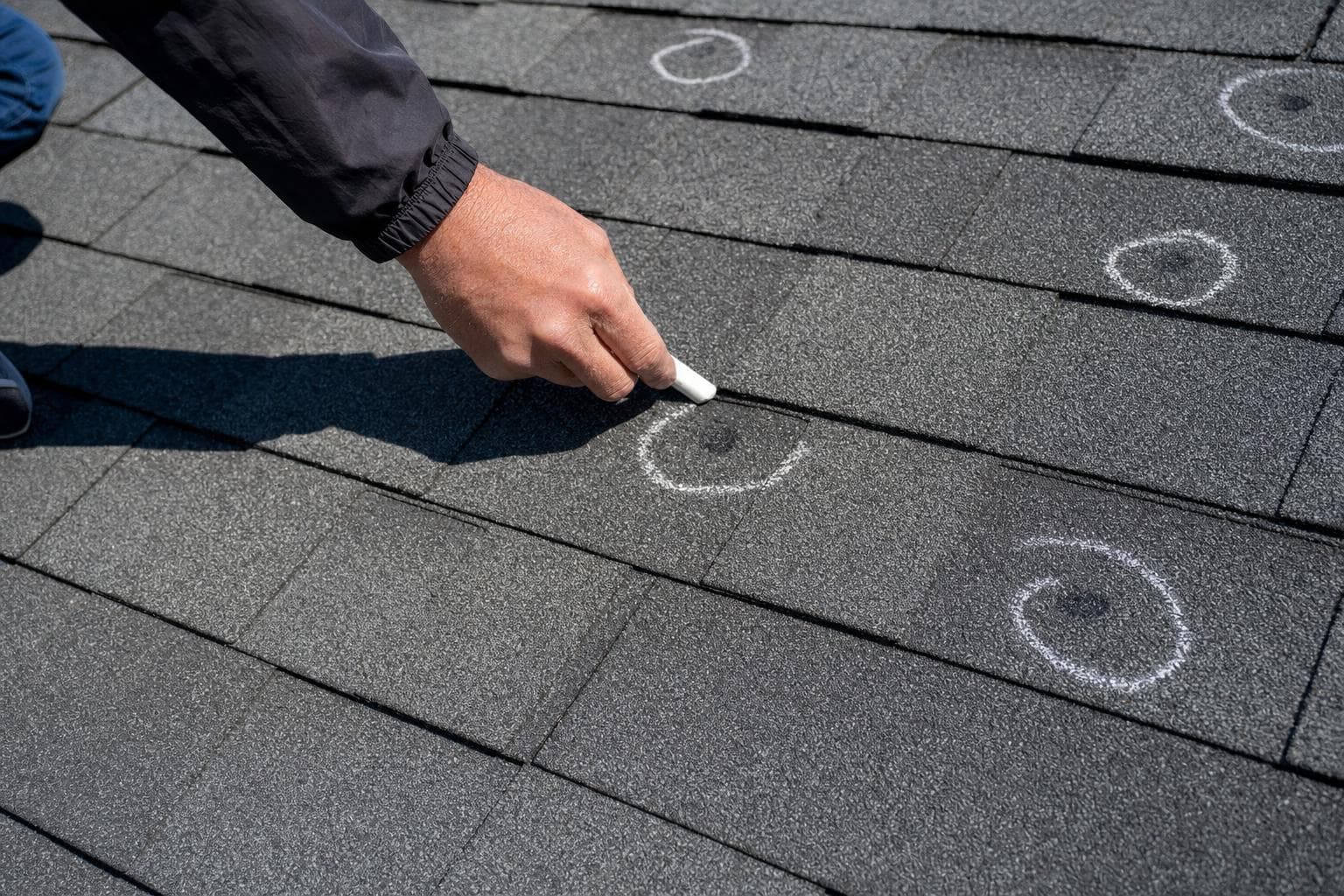
Hail Damage Roof Inspection Checklist: Evidence by Roof Area
Dents near the house can provide event context without diagnosing the roof. A useful inspection maps material-specific observations and keeps condition, cause, repair scope, and coverage conclusions separate.
Read the guide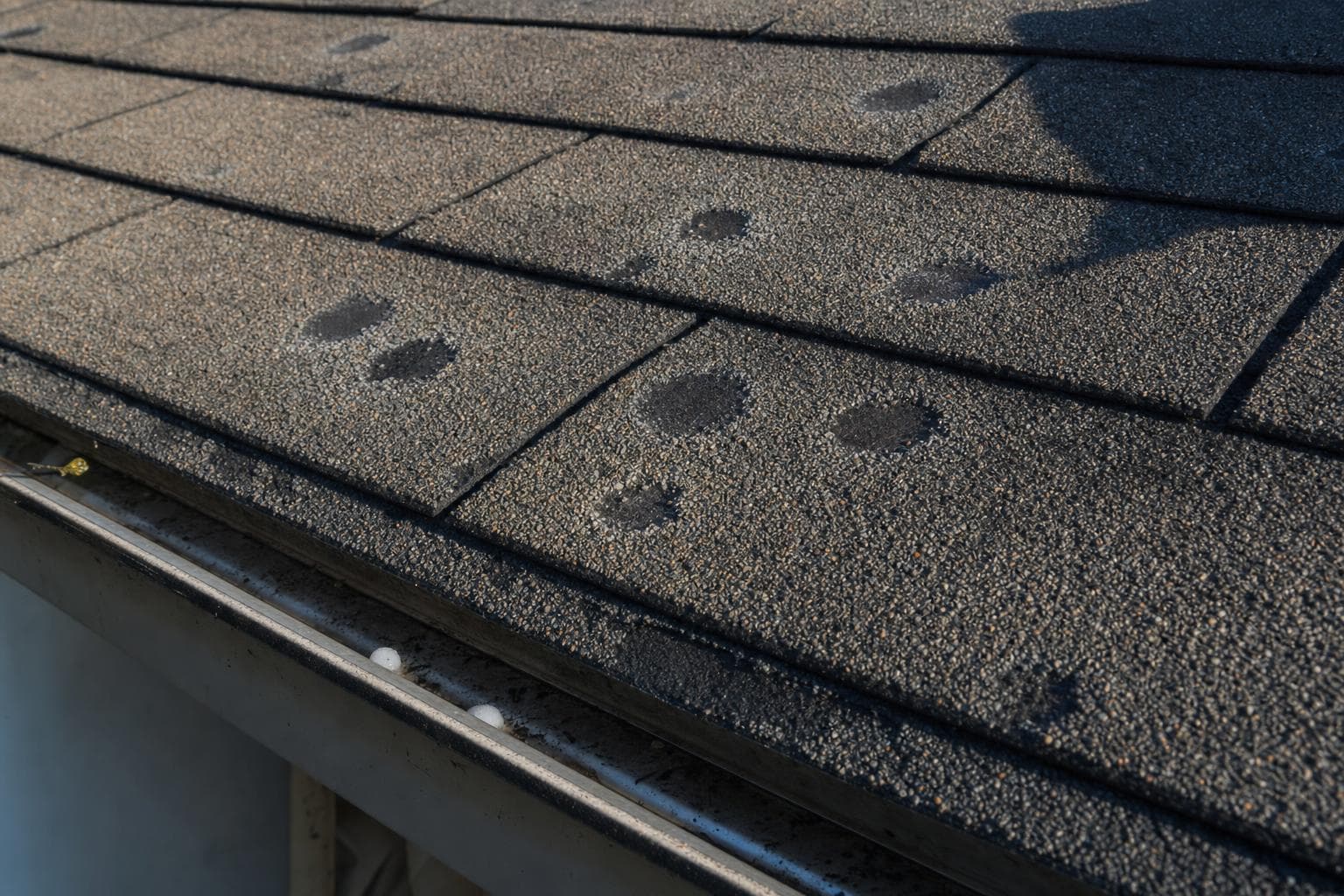
Texas Storm-Damage Roof Guide: Document the Roof Area
After a Texas storm, protect the building, map the roof area, separate functional damage from appearance, and preserve a clear record.
Read the guide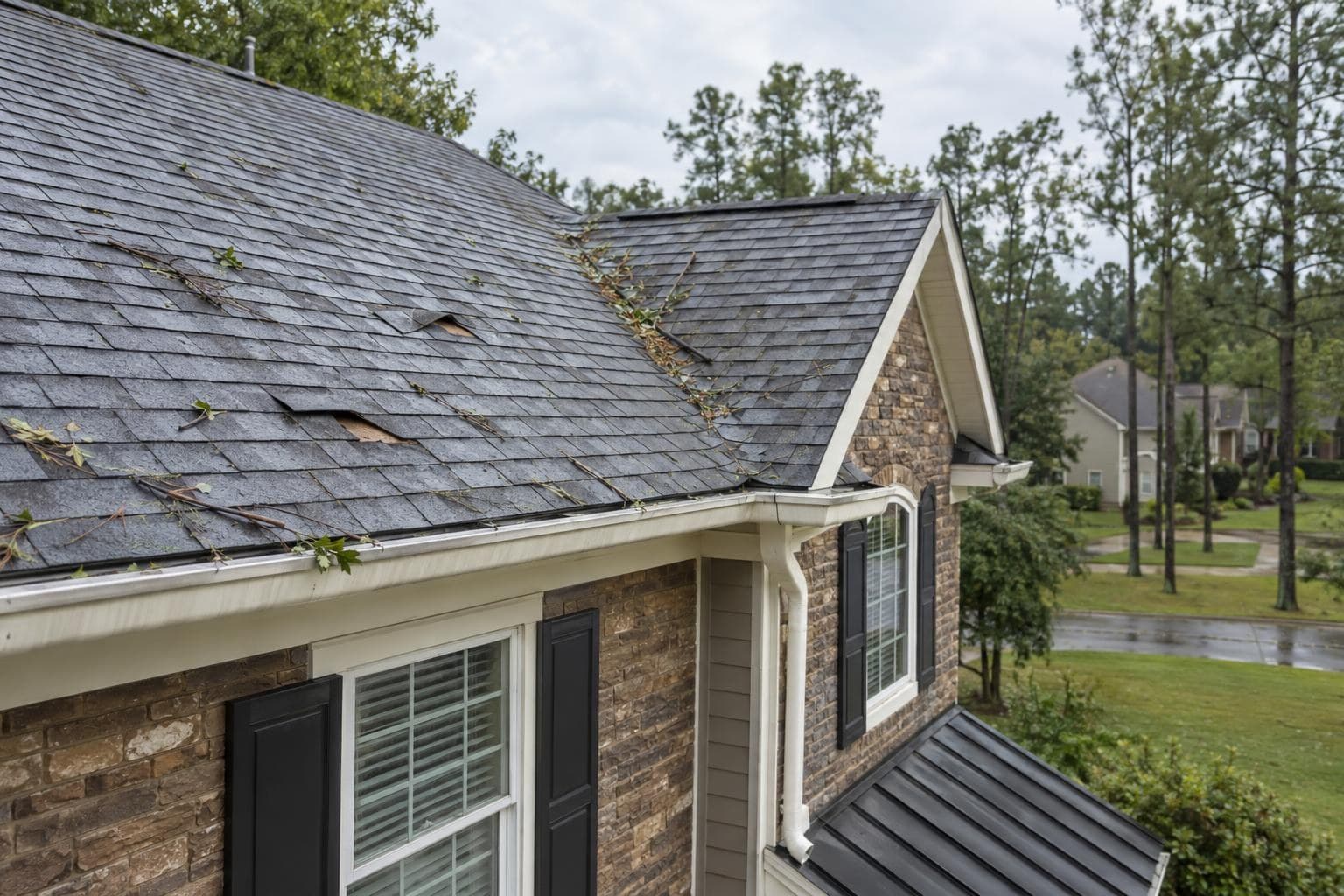
Storm Damage Roof in South Carolina: What to Do in the First 48 Hours
If a storm just hit your South Carolina roof, the first 48 hours matter most. Start with safety, document what you see, stop active leaks, and separate storm damage from older wear before you talk through repair or replacement.
Read the guide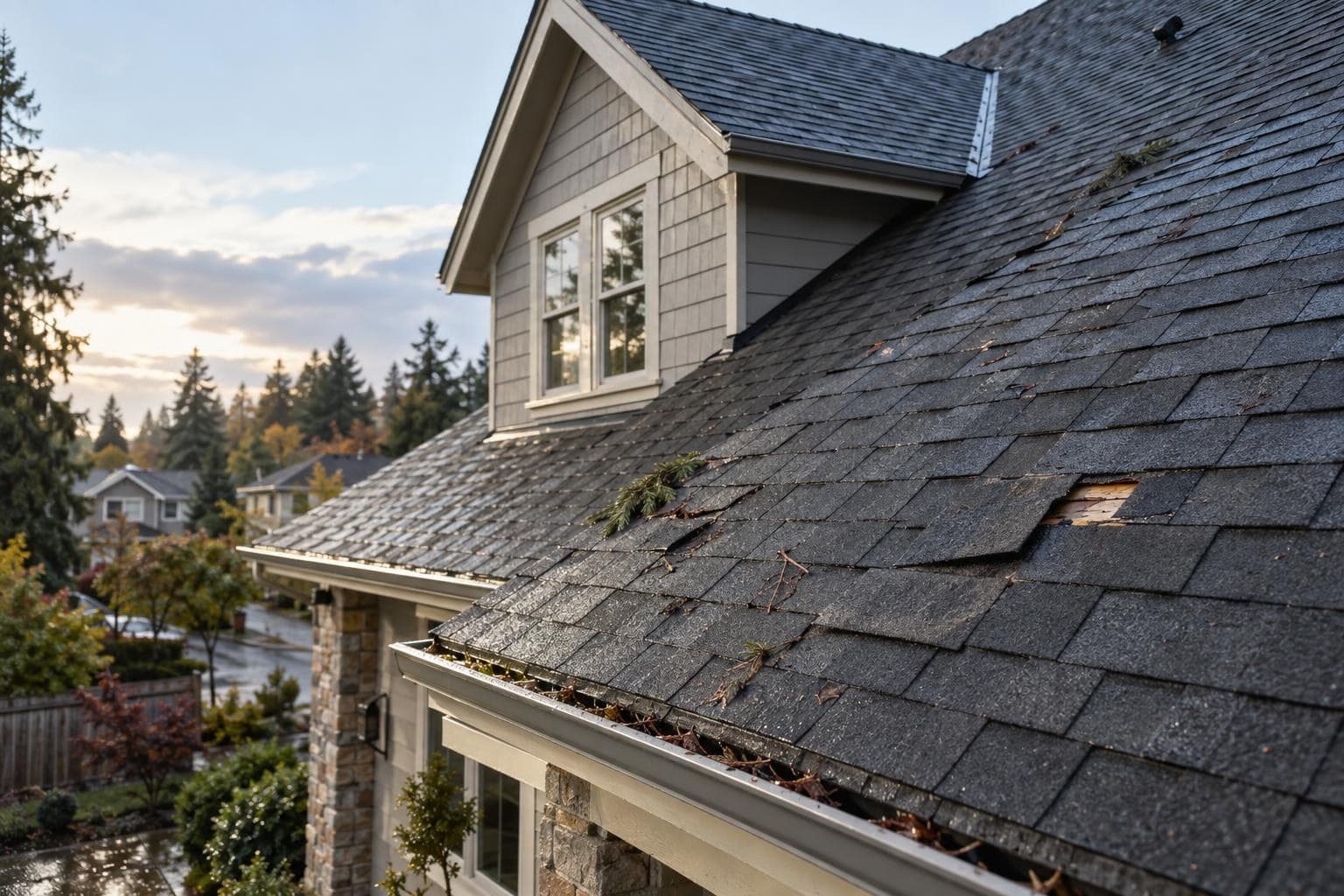
Storm Damage to Your Oregon Roof: What to Do in the First 48 Hours
After a storm hits your Oregon roof, the first two days matter most. Here is how to document damage, stop water entry, and sort storm damage from normal roof wear.
Read the guide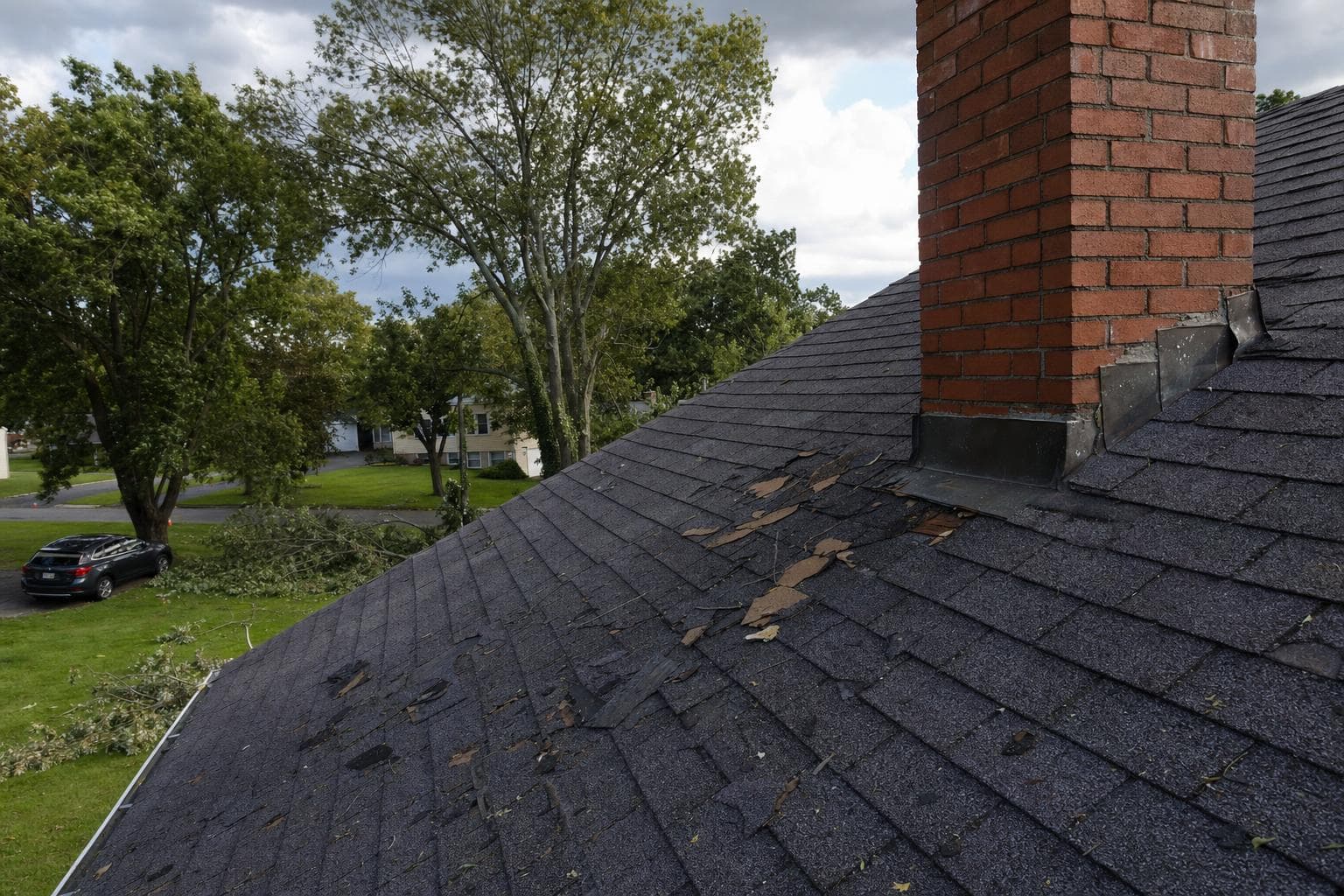
After a Roof-Damaging Storm: The First 48 Hours
The first two days are for safety, reasonable temporary protection, a clean condition record, and clear roles. You do not need to choose a permanent roofing scope under storm pressure.
Read the guide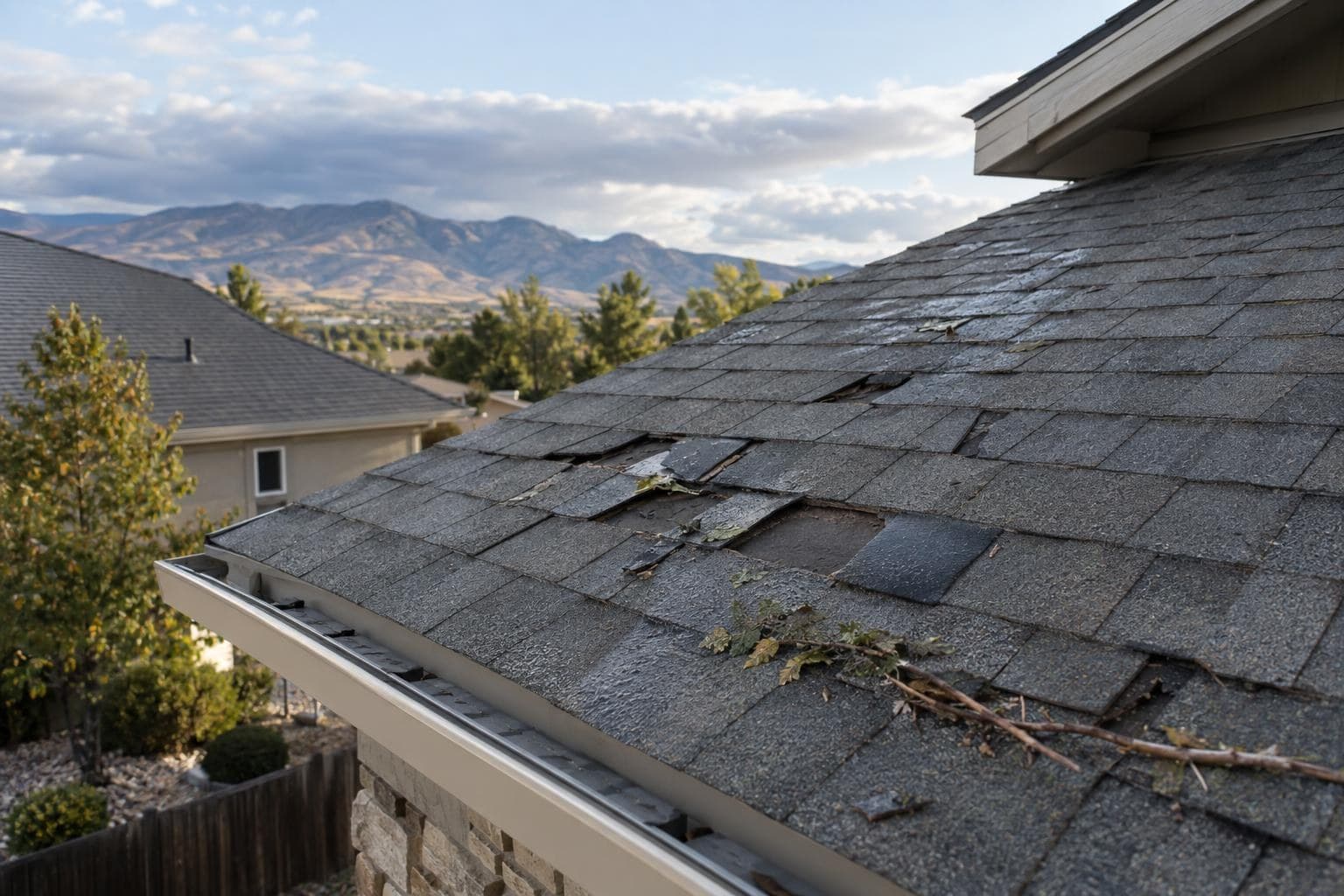
Storm Damage on a Nevada Roof: What to Do in the First 48 Hours
If a storm hits your Nevada roof, the first 48 hours matter most. Here is how to document damage, protect your home, and avoid mixing storm damage with normal roof aging.
Read the guide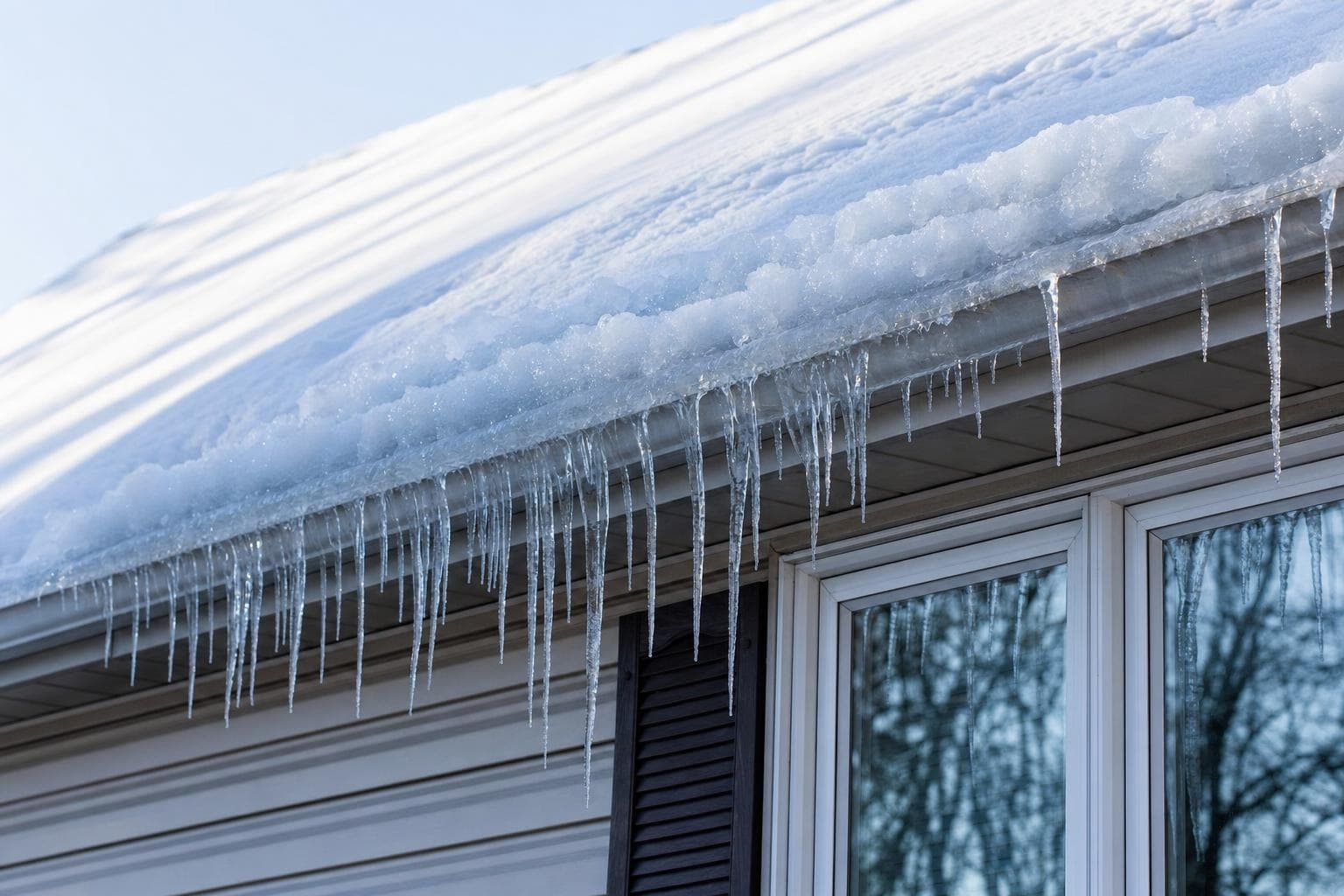
Ice Dams and Winter Roof Leaks: Find the Heat Path
An ice dam is a drainage symptom with a heat and roof-assembly story behind it. Diagnose where snow melts, where water refreezes, and how the eave is protected before choosing the fix.
Read the guide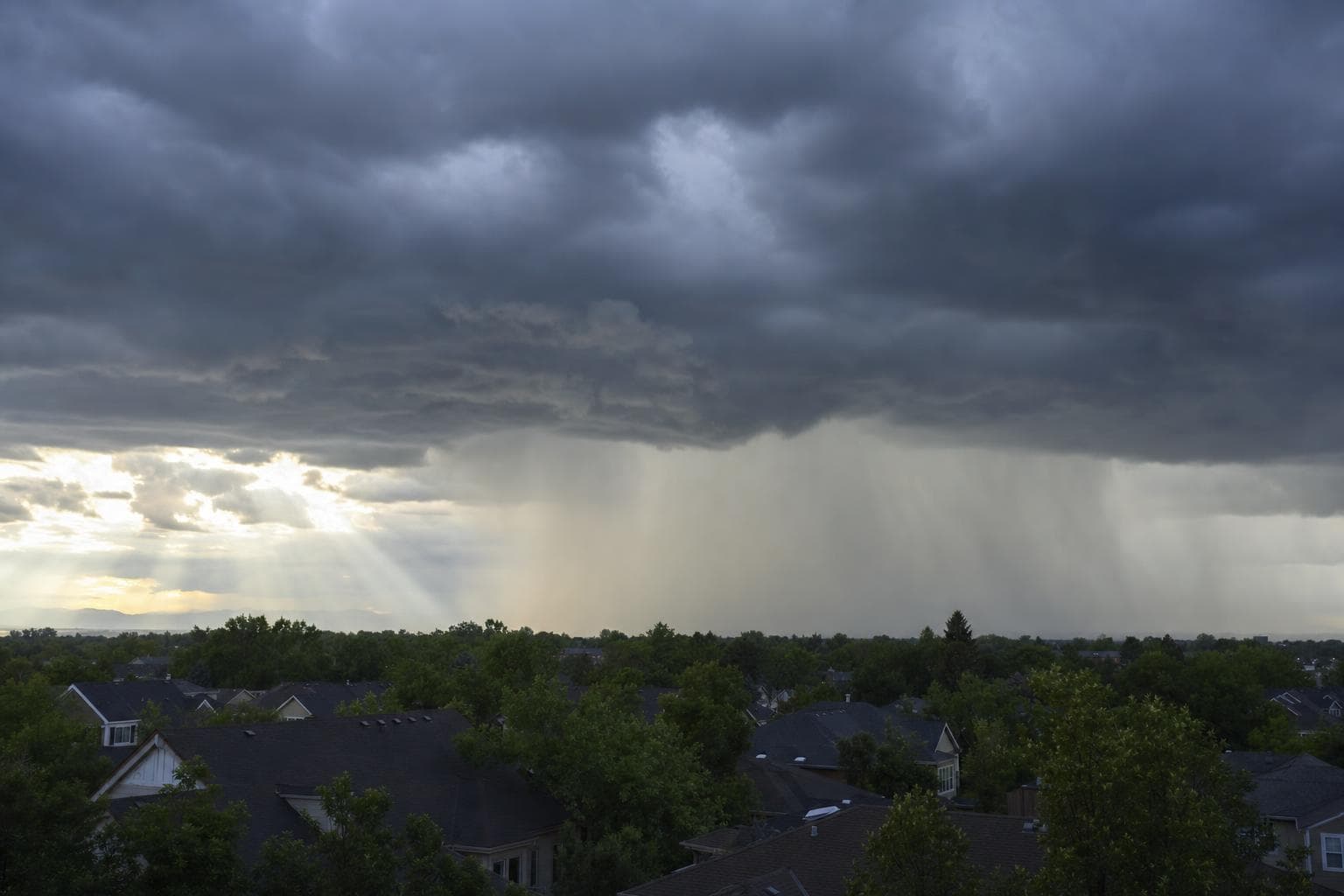
Roof Storm Damage by Hazard: What Changes in the Inspection
Storm labels describe weather, not the roof's final condition. Inspect by hazard, roof area, material response, and water path, then separate event evidence from the construction decision.
Read the guide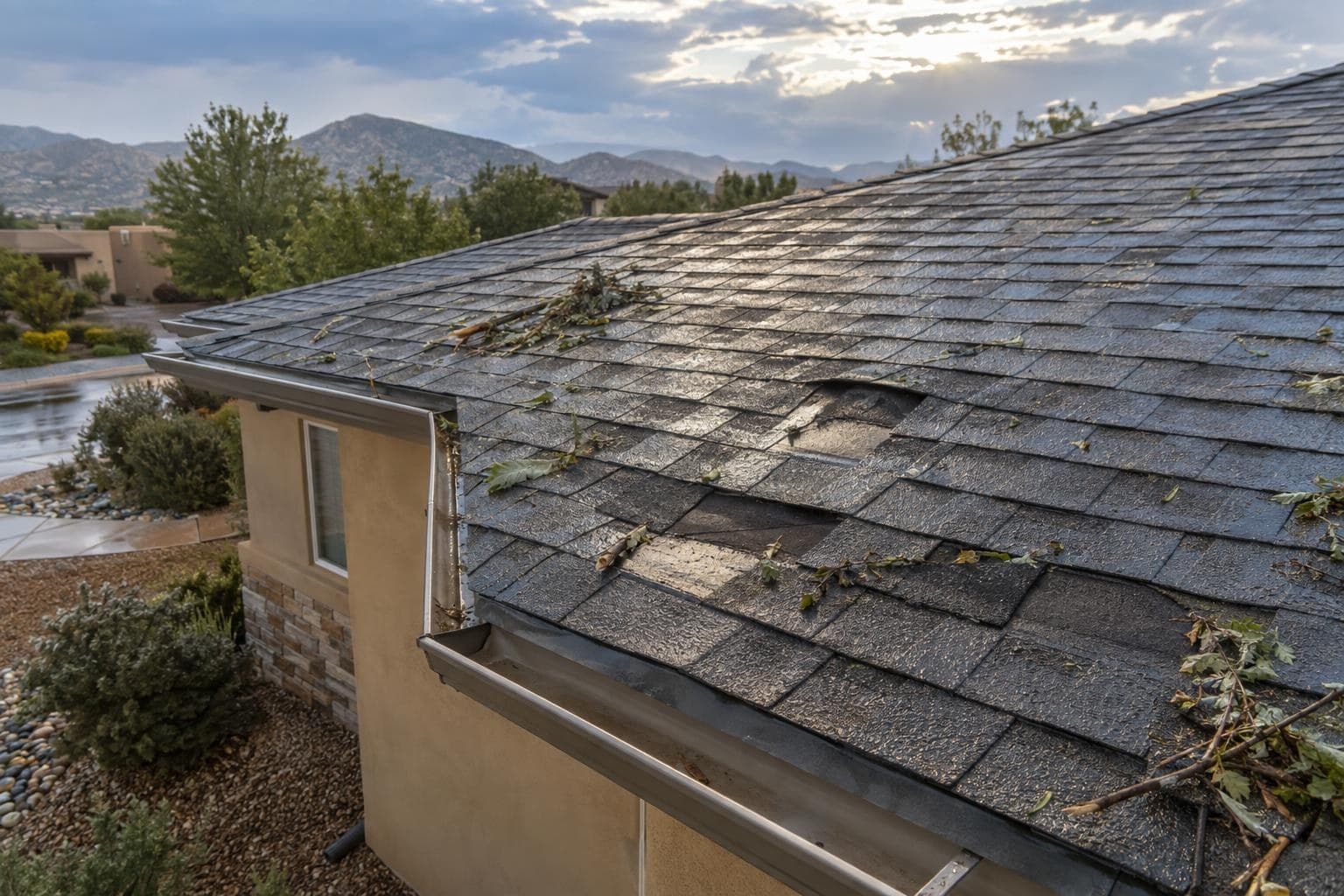
Storm Damage on a New Mexico Roof: What to Do in the First 48 Hours
After a storm hits your New Mexico roof, the first 48 hours matter most. Start with safety, stop active leaks, document everything, and separate new storm damage from old wear before you make repair or claim decisions.
Read the guide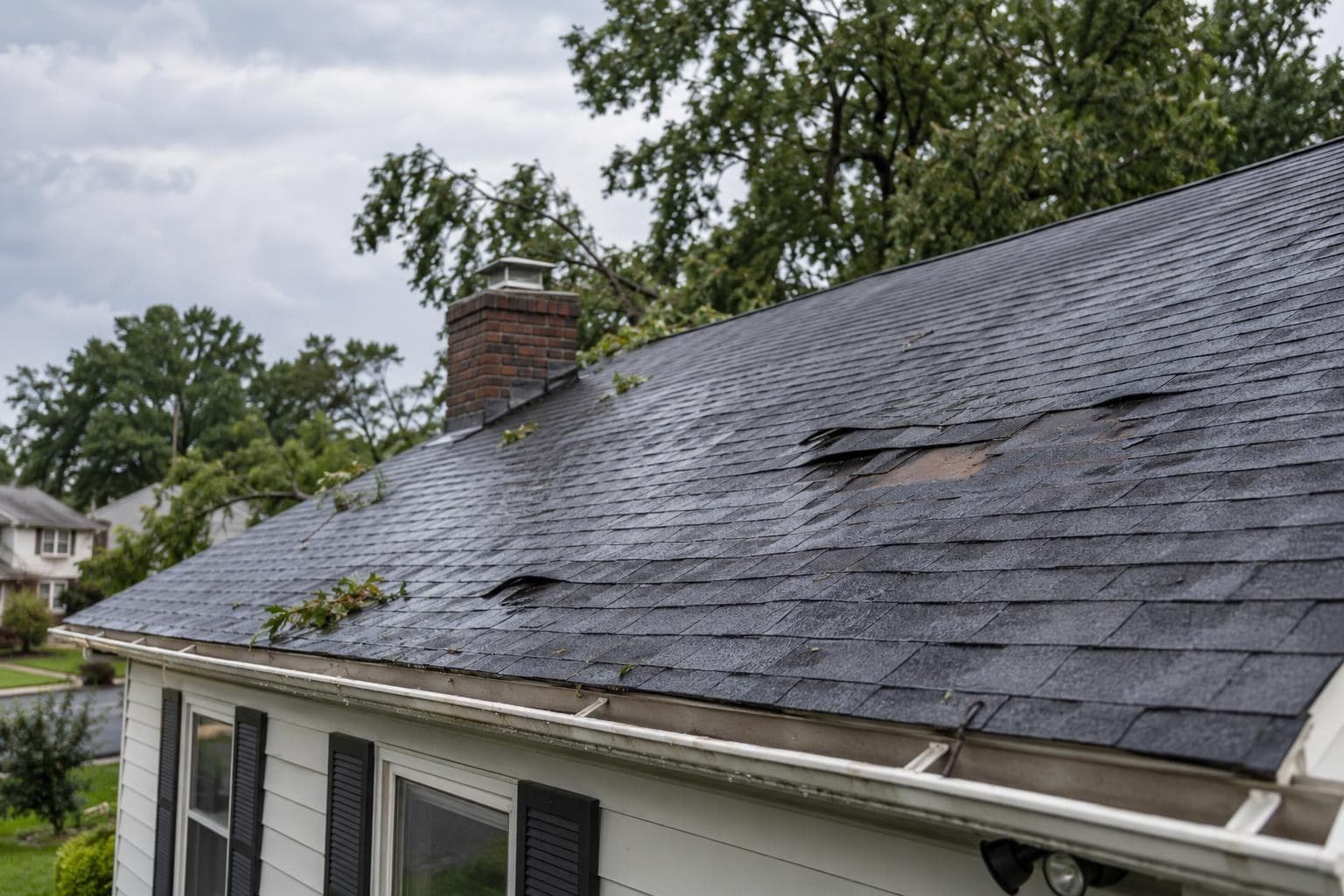
Storm Damage Roof in New Jersey: What to Do in the First 48 Hours
If a storm just hit your New Jersey roof, your first job is simple: protect the house, document everything, and avoid guessing about what caused the damage. Here is how to handle the first 48 hours, when tarping makes sense, and how to separate fresh storm damage from normal roof aging.
Read the guide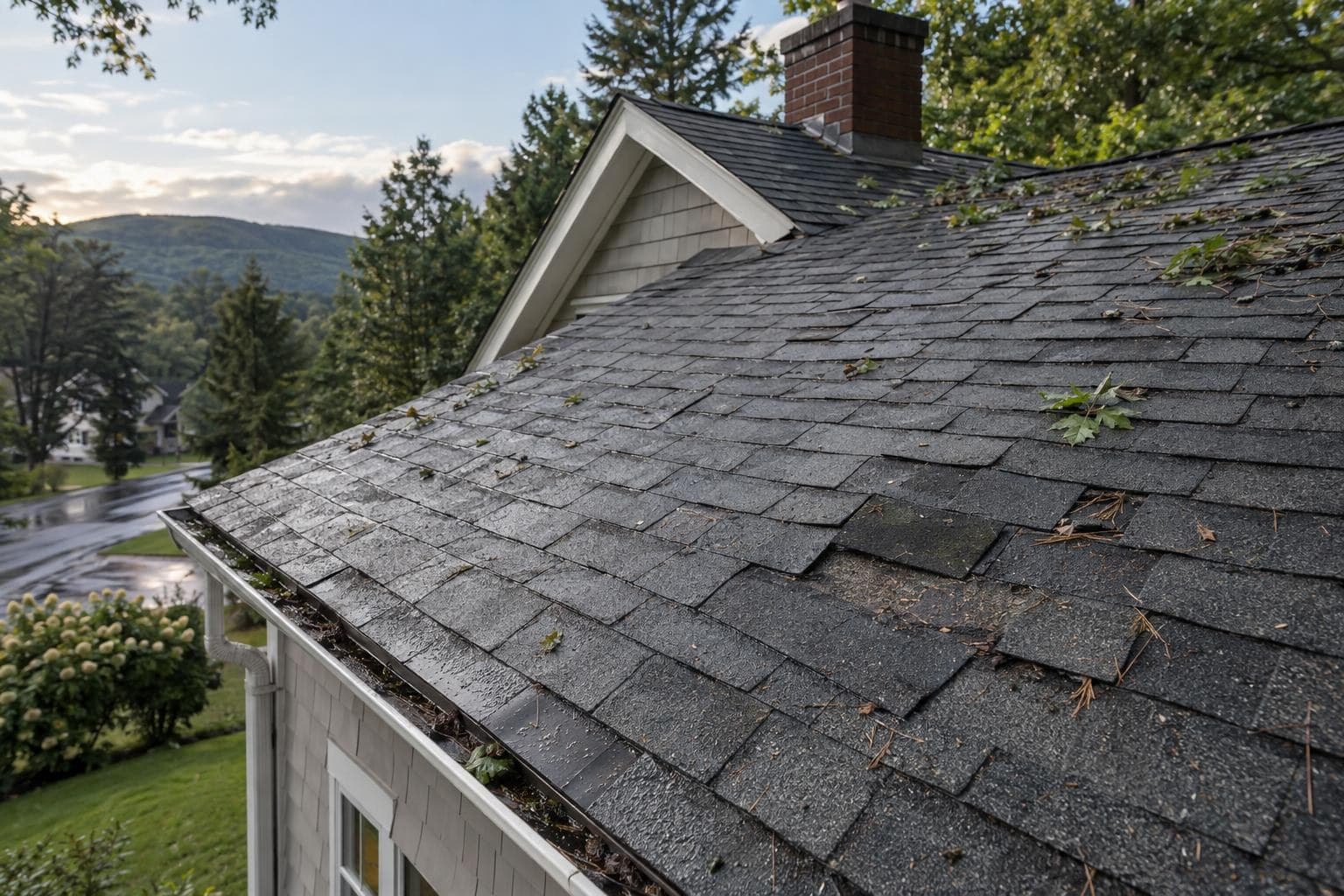
Storm Damage Roof in New Hampshire: What to Do in the First 48 Hours
If a storm just hit your New Hampshire roof, the first 48 hours matter. Here is how to document damage, stop water intrusion, and tell storm damage from age-related wear before you make repair or replacement decisions.
Read the guide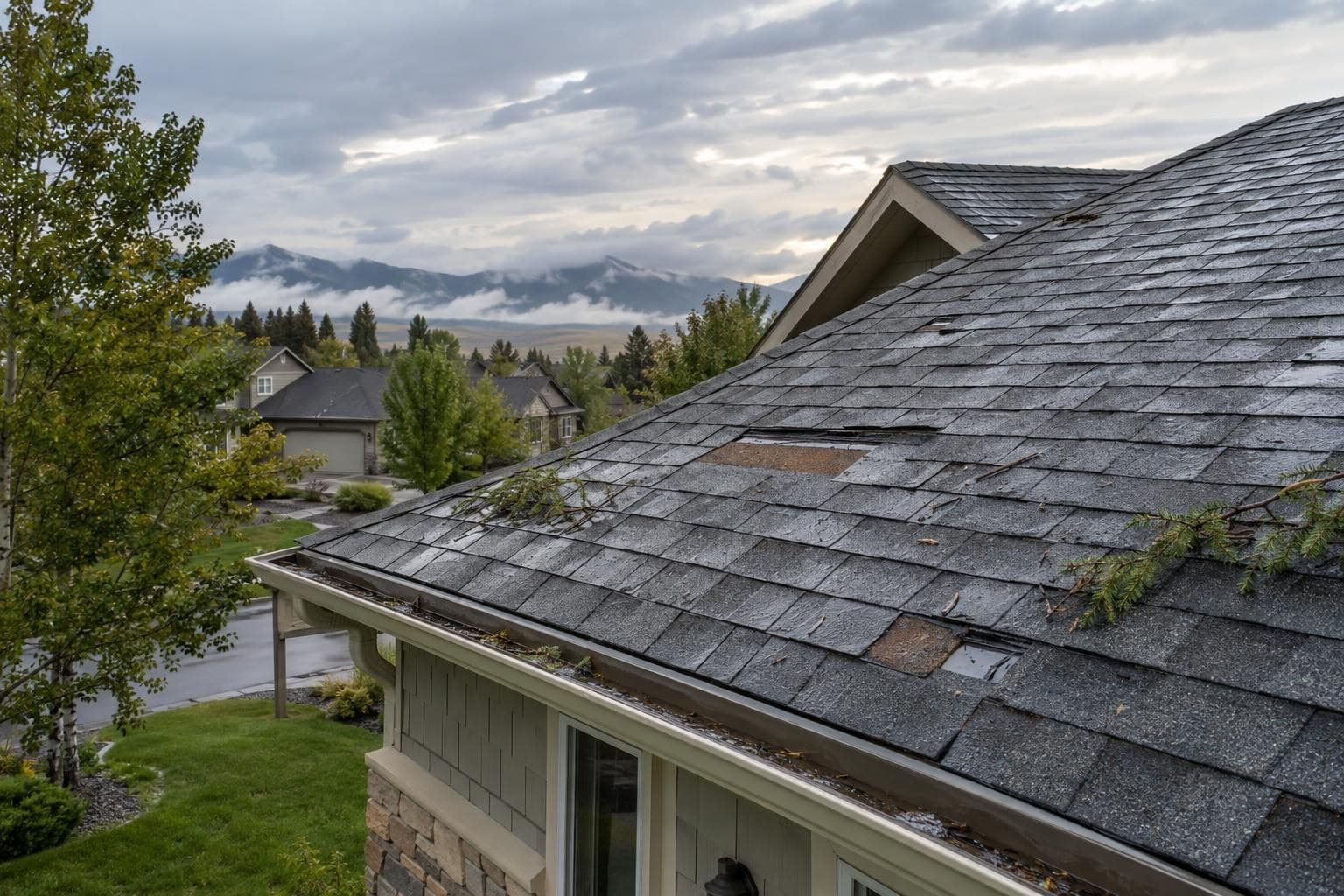
Storm Damage Roof Montana: What to Do in the First 48 Hours
After a storm hits your Montana roof, the first 48 hours matter most. Here is how to document damage, protect your home with temporary covering, and tell storm damage from normal roof aging.
Read the guide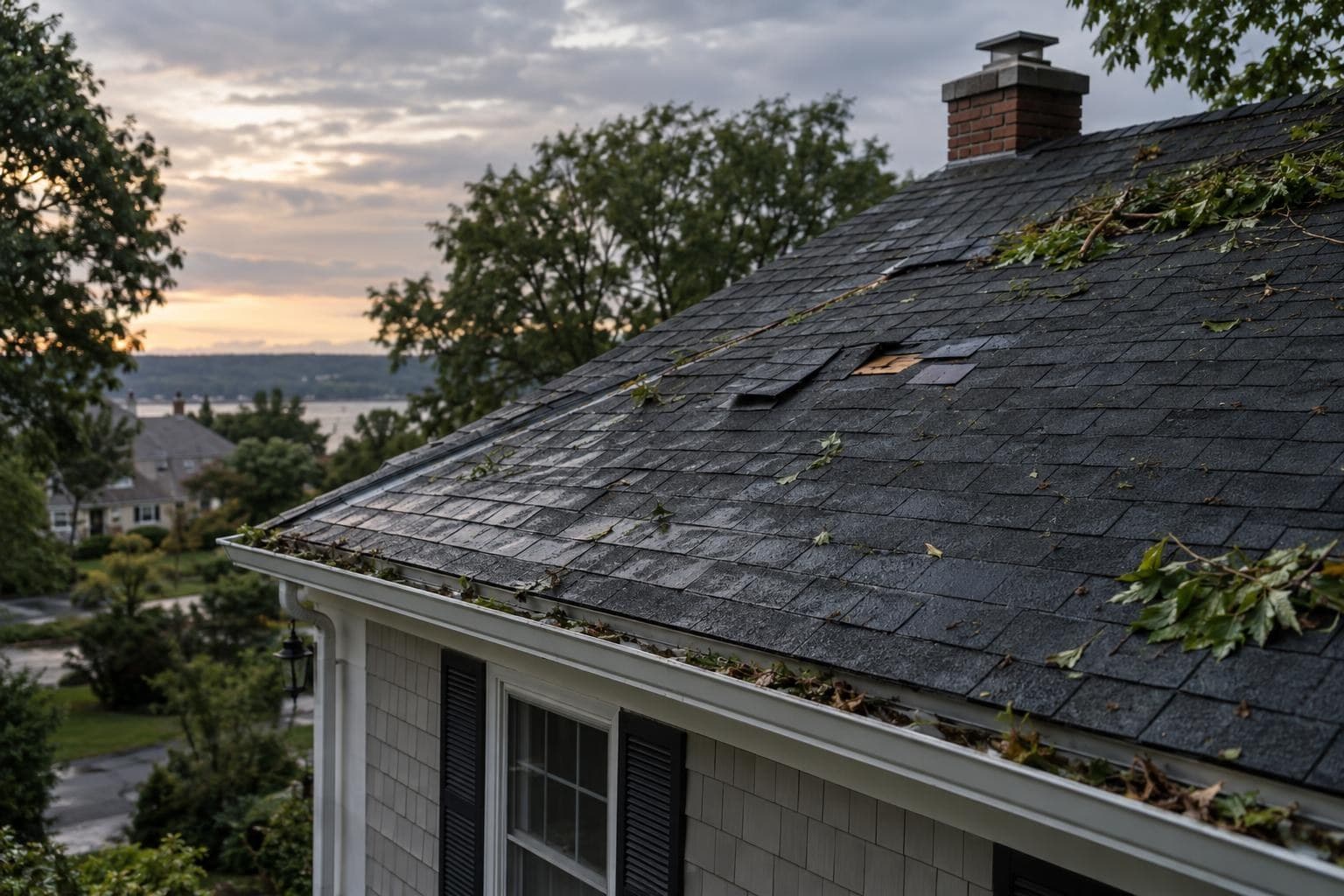
Storm Damage Roof in Rhode Island: What to Do in the First 48 Hours
If a storm just hit your Rhode Island roof, the first 48 hours matter most. Start with safety, document everything, stop active leaks with temporary protection, and separate fresh storm damage from older wear before you decide on a repair or replacement.
Read the guide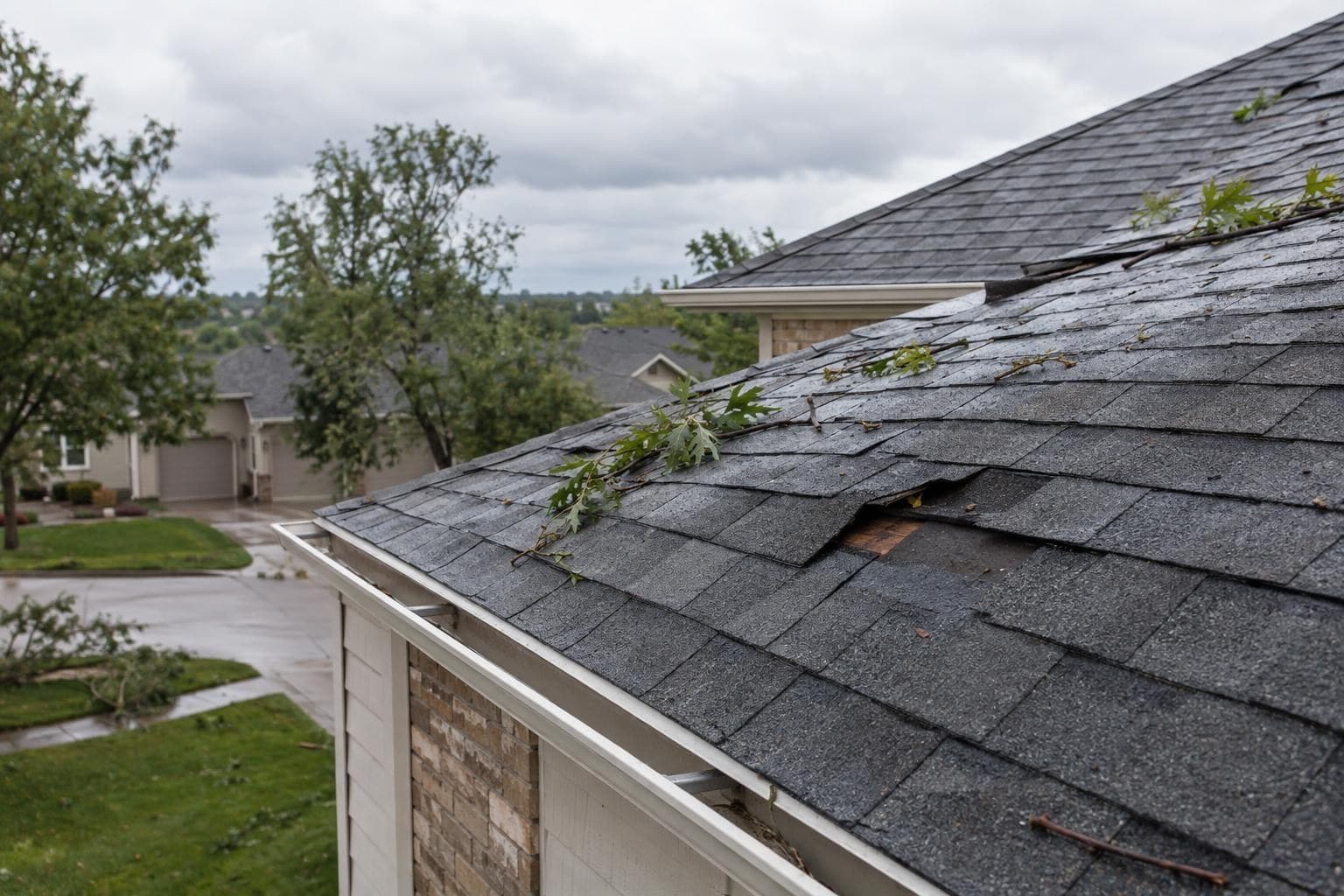
Storm Damage on a Nebraska Roof: What to Do in the First 48 Hours
If a storm just hit your Nebraska roof, your first job is simple: document the damage, stop active leaking with temporary protection, and avoid permanent repairs until your insurer and roofer have seen it. Here is how to handle the first 48 hours, what to photograph, when to tarp, and how to separate storm damage from normal roof aging.
Read the guide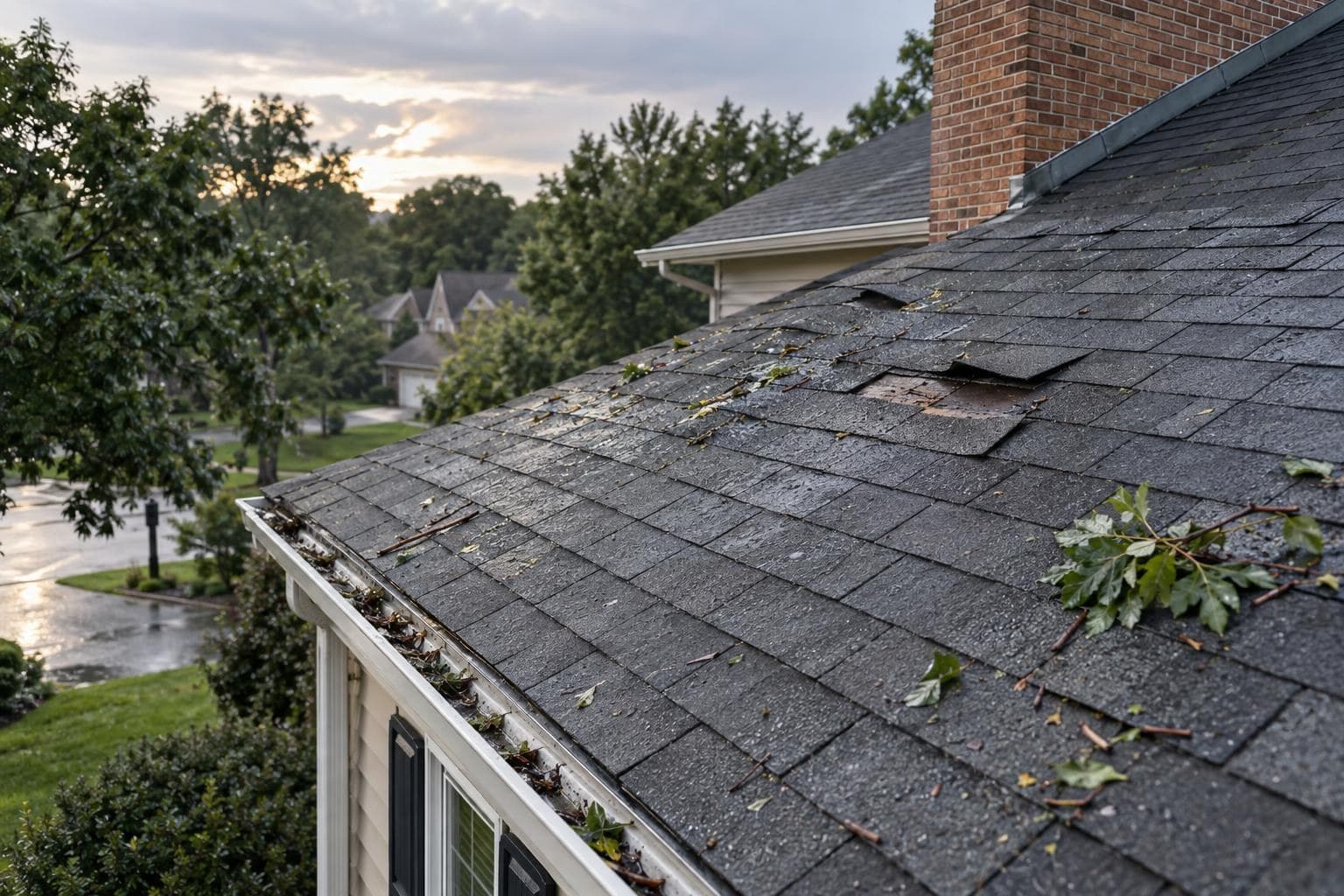
Storm Damage Roof Maryland: What to Do in the First 48 Hours
If a storm just hit your Maryland roof, your first job is to stop more damage, document what changed, and avoid mixing storm damage with old wear. Here is what to do in the first 48 hours, when tarping makes sense, and how to compare your roofer’s findings with the adjuster report.
Read the guide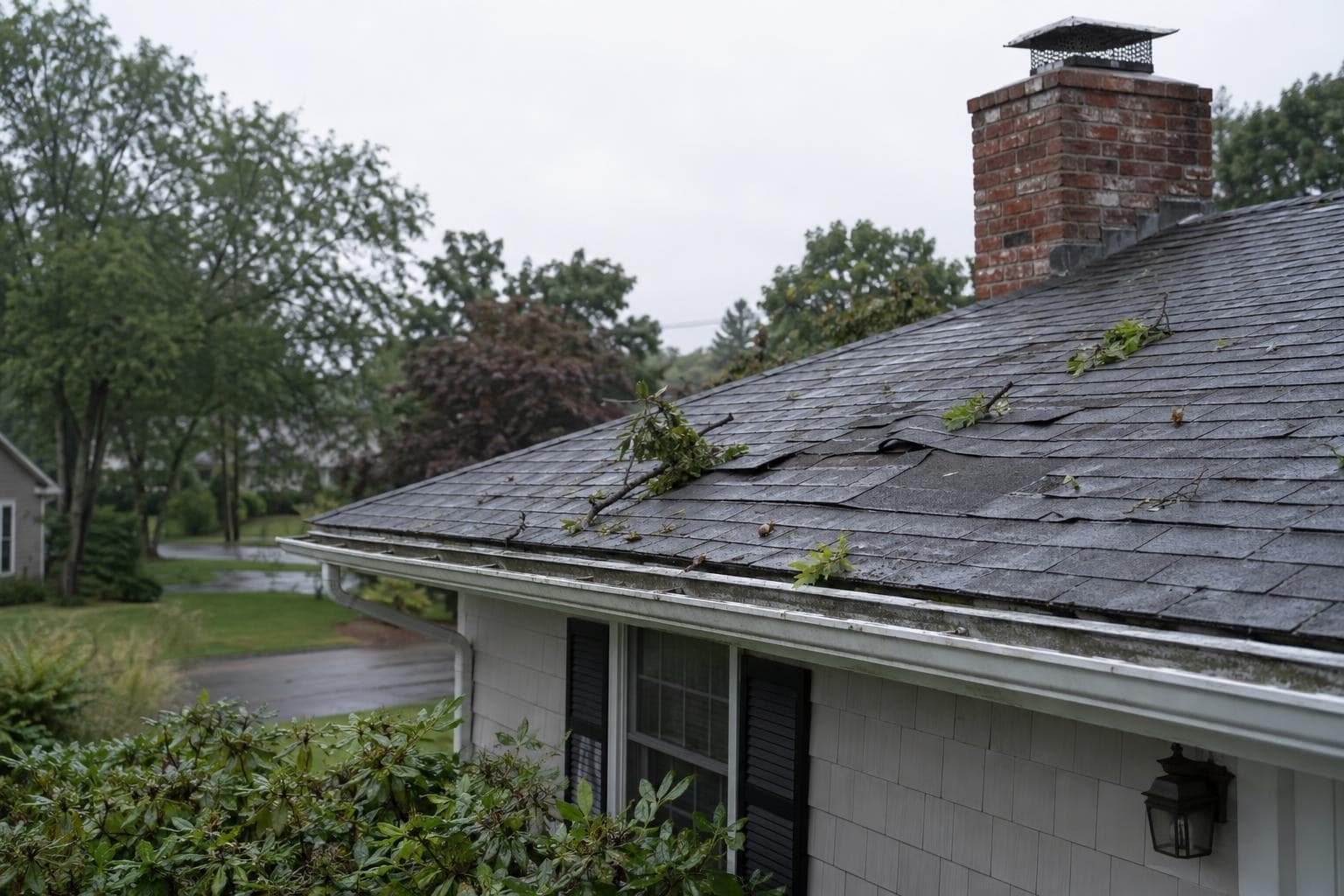
Storm Damage Roof in Massachusetts: What to Do in the First 48 Hours
If a storm hits your Massachusetts roof, the first 48 hours matter. Here is how to document damage, stop more water from getting in, and tell storm damage from normal roof wear.
Read the guide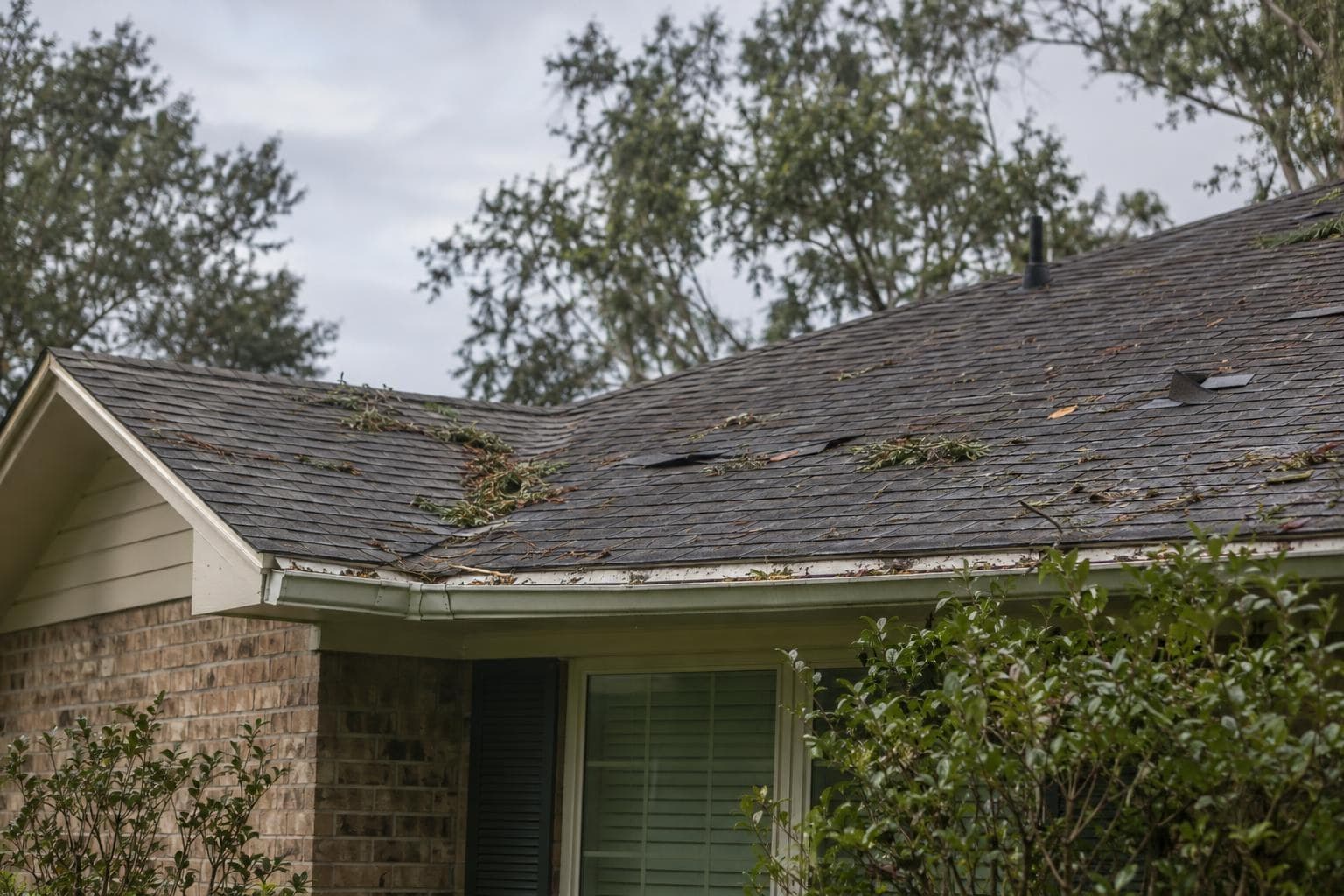
Storm Damage to a Louisiana Roof: What to Do in the First 48 Hours
When a storm hits your Louisiana roof, the first 48 hours matter. Here is how to document damage, stop active leaks, and separate storm damage from normal wear before small problems spread.
Read the guide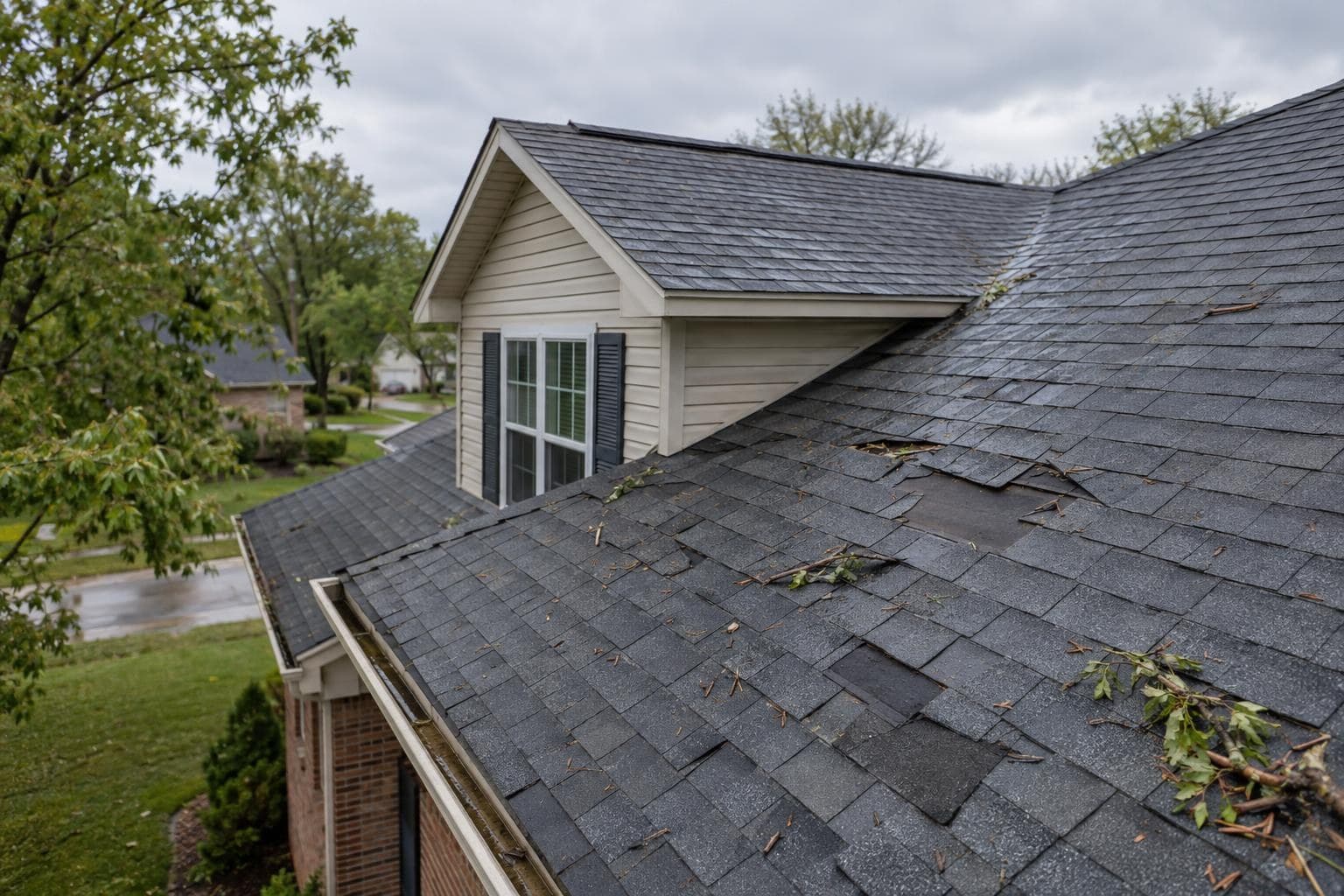
Indiana Storm-Damage Roof Guide: Document the Roof Area
After a Indiana storm, protect the building, map the roof area, separate functional damage from appearance, and preserve a clear record.
Read the guide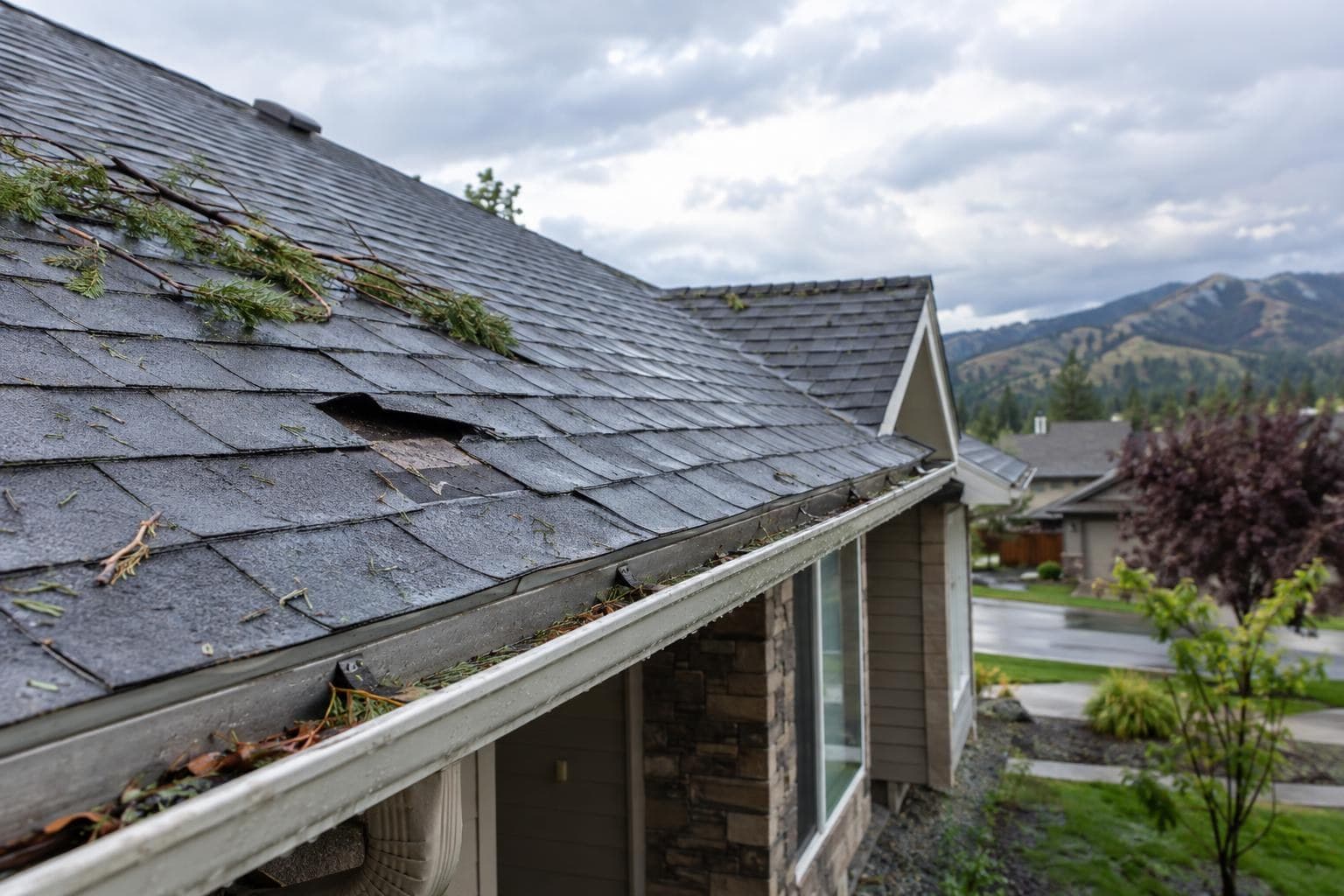
Storm Damage Roof in Idaho: What to Do in the First 48 Hours
If a storm just hit your Idaho roof, move fast. The first 48 hours matter for safety, documentation, temporary protection, and figuring out whether the damage is from the storm or normal roof wear.
Read the guide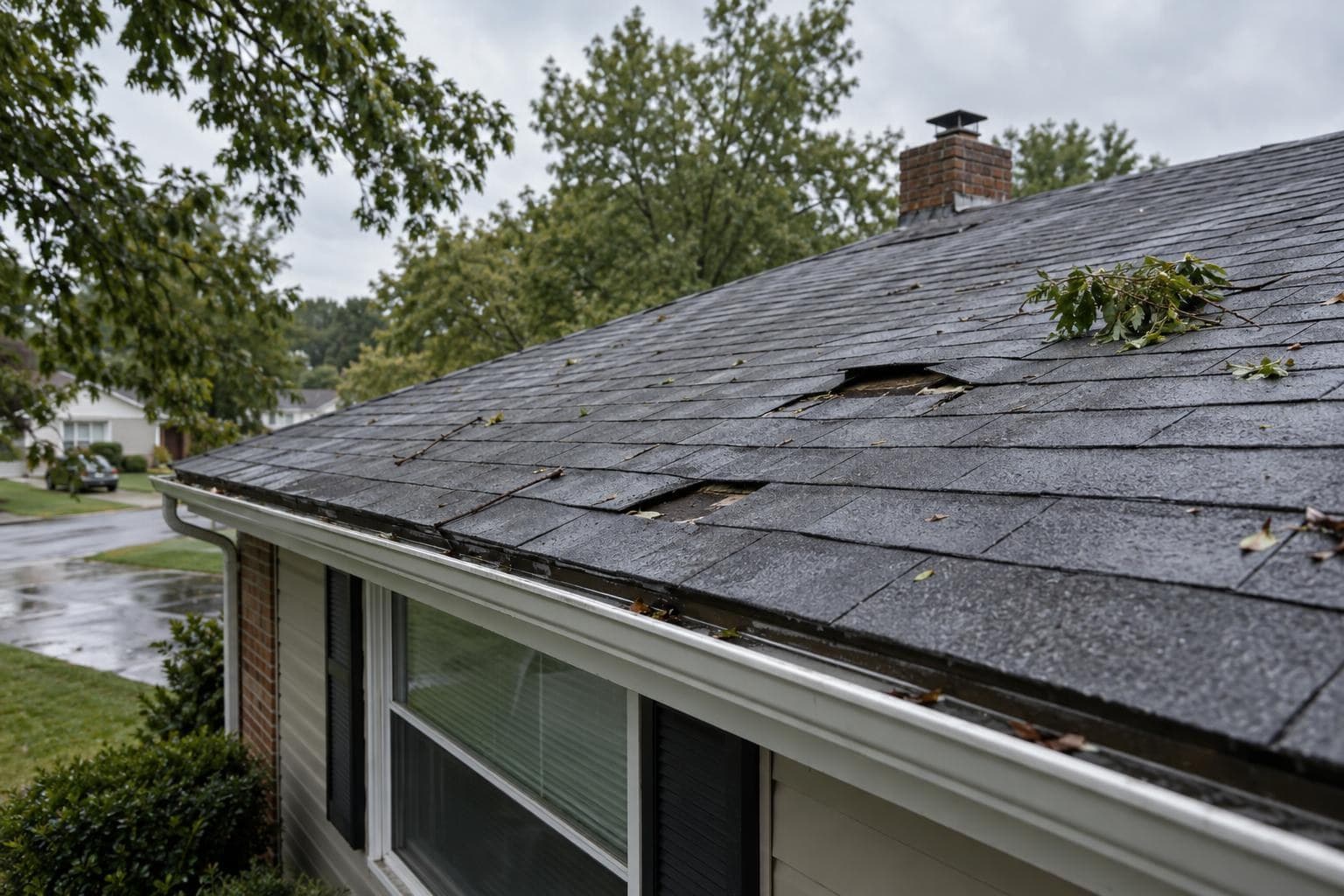
Storm Damage Roof in Delaware: What to Do in the First 48 Hours
If a storm hits your Delaware roof, fast action matters. Here is what to do in the first 48 hours, how to document damage, when to tarp, and how to separate storm damage from normal roof aging.
Read the guide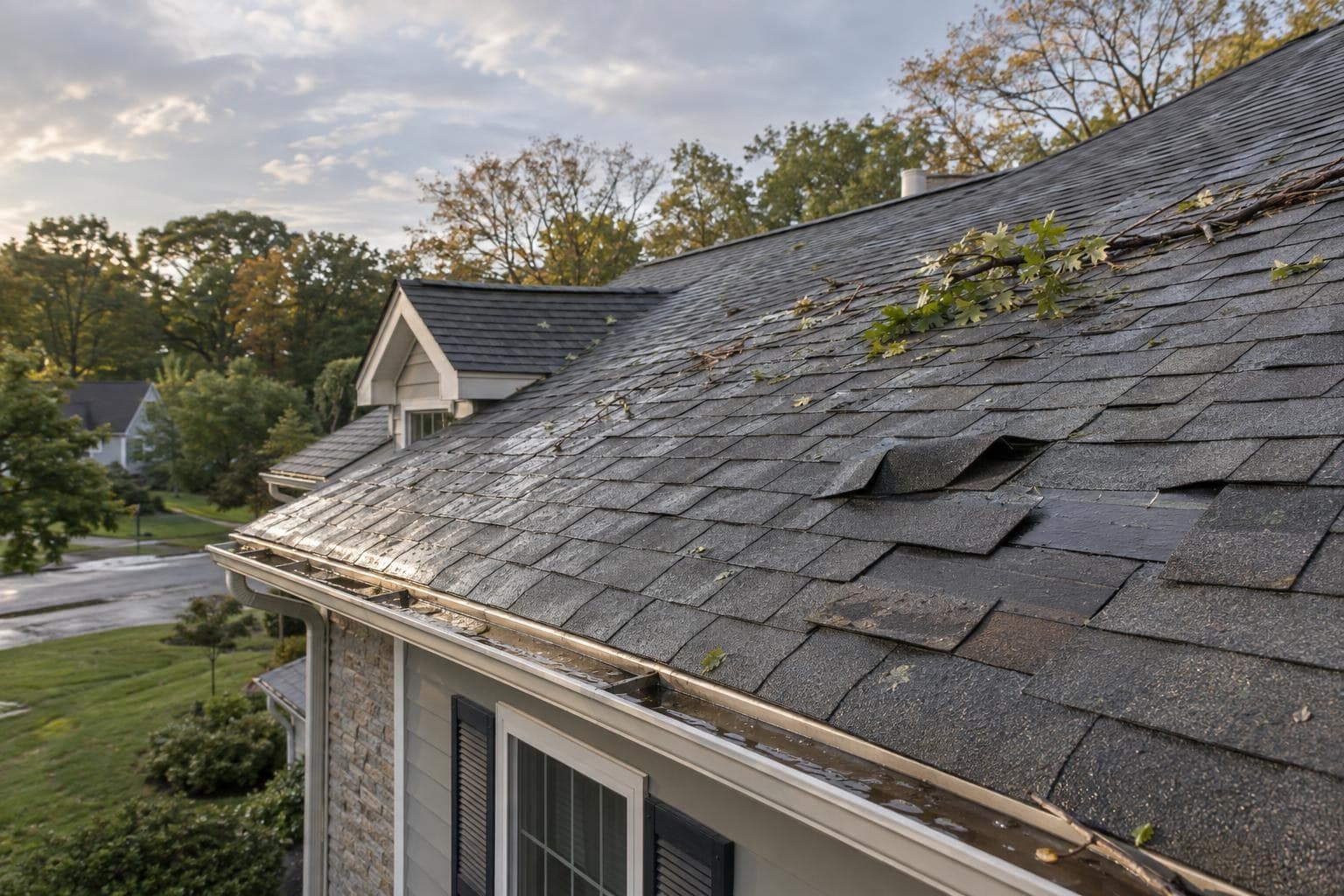
Connecticut Storm-Damage Roof Guide: Document the Roof Area
After a Connecticut storm, protect the building, map the roof area, separate functional damage from appearance, and preserve a clear record.
Read the guide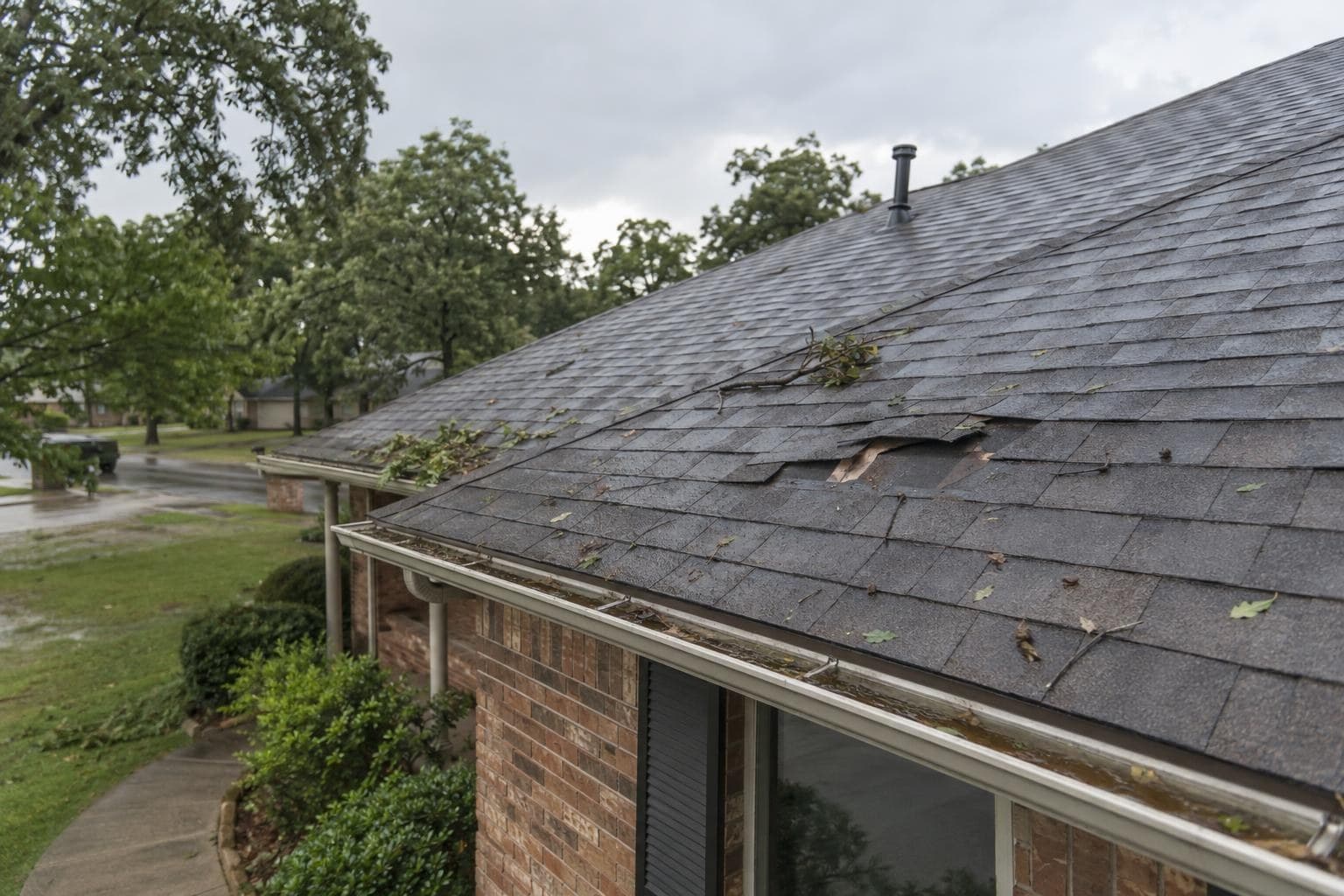
Storm Damage Roof Arkansas: What to Do in the First 48 Hours
If a storm just hit your Arkansas roof, your first job is to stop more damage, document everything, and avoid signing anything too fast. Here is how to handle the first 48 hours, what to photograph, when to tarp, and how to separate real storm damage from wear that was already there.
Read the guide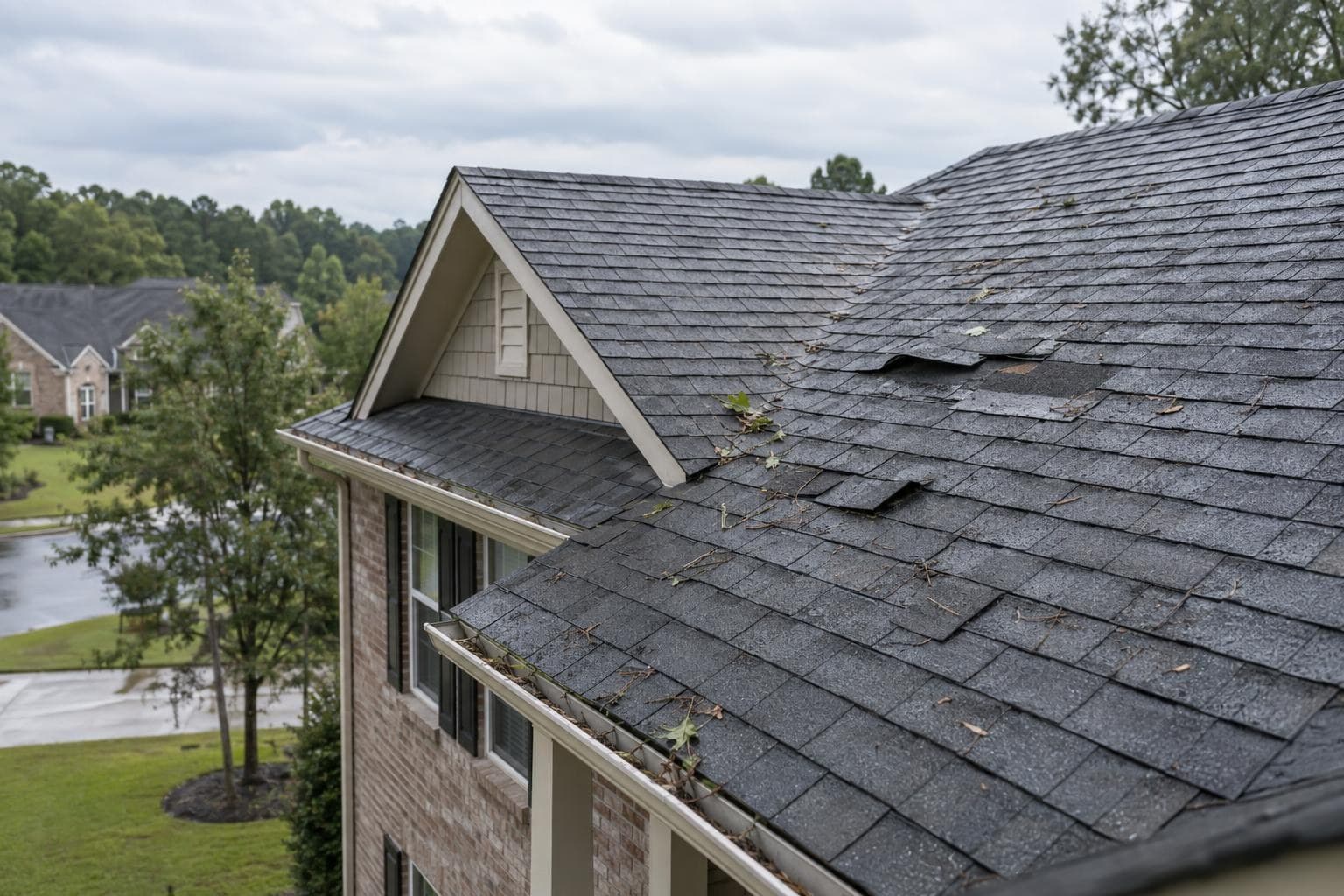
Storm Damage on an Alabama Roof: What to Do in the First 48 Hours
If a storm hits your Alabama roof, the first 48 hours matter. Here is how to stay safe, document damage, stop water intrusion, and sort storm damage from normal wear.
Read the guide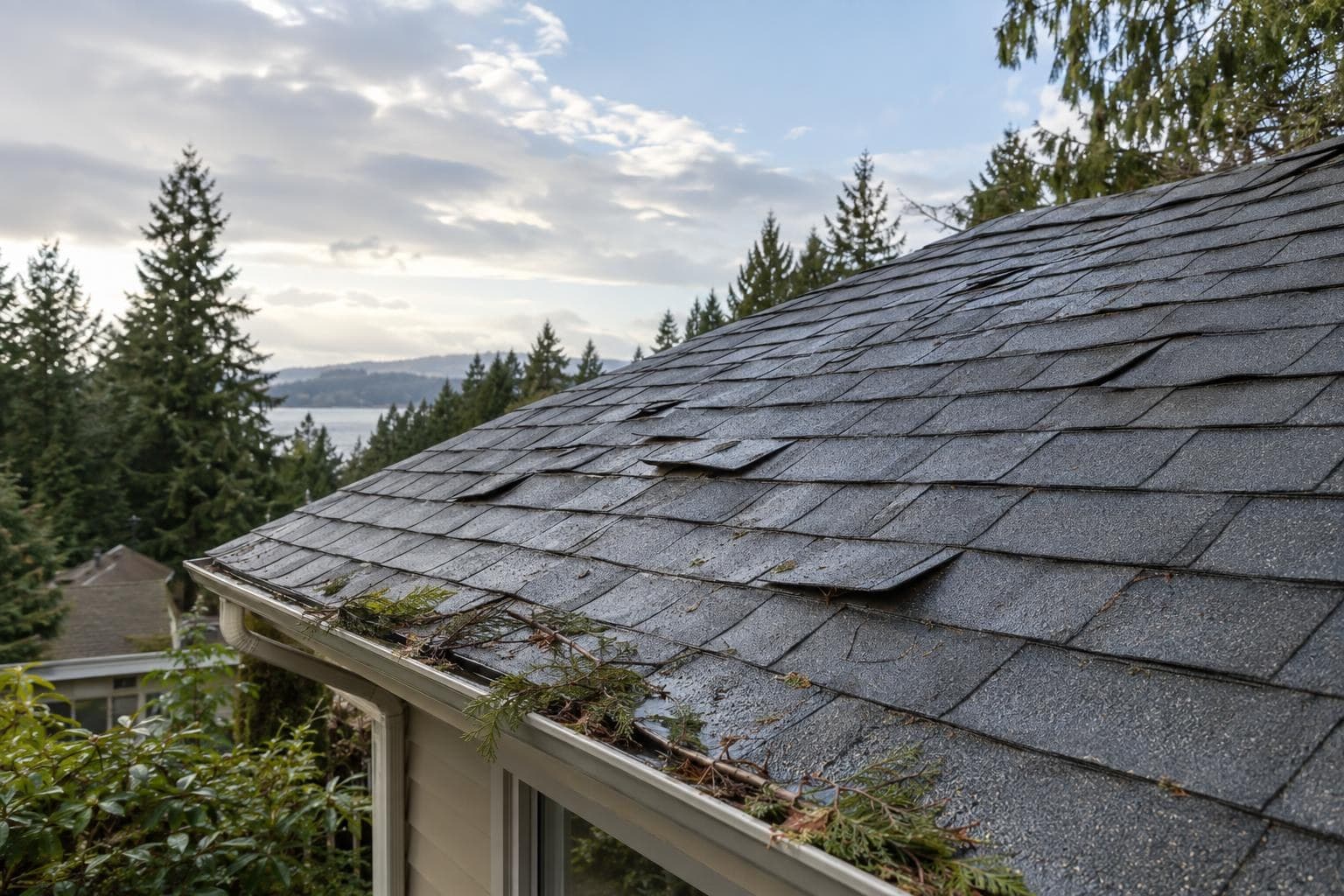
Storm Damage Roof in Washington: What to Do in the First 48 Hours
If a storm hits your Washington roof, the first 48 hours matter. Here is how to document damage, stop leaks, protect your claim, and tell storm damage from age.
Read the guide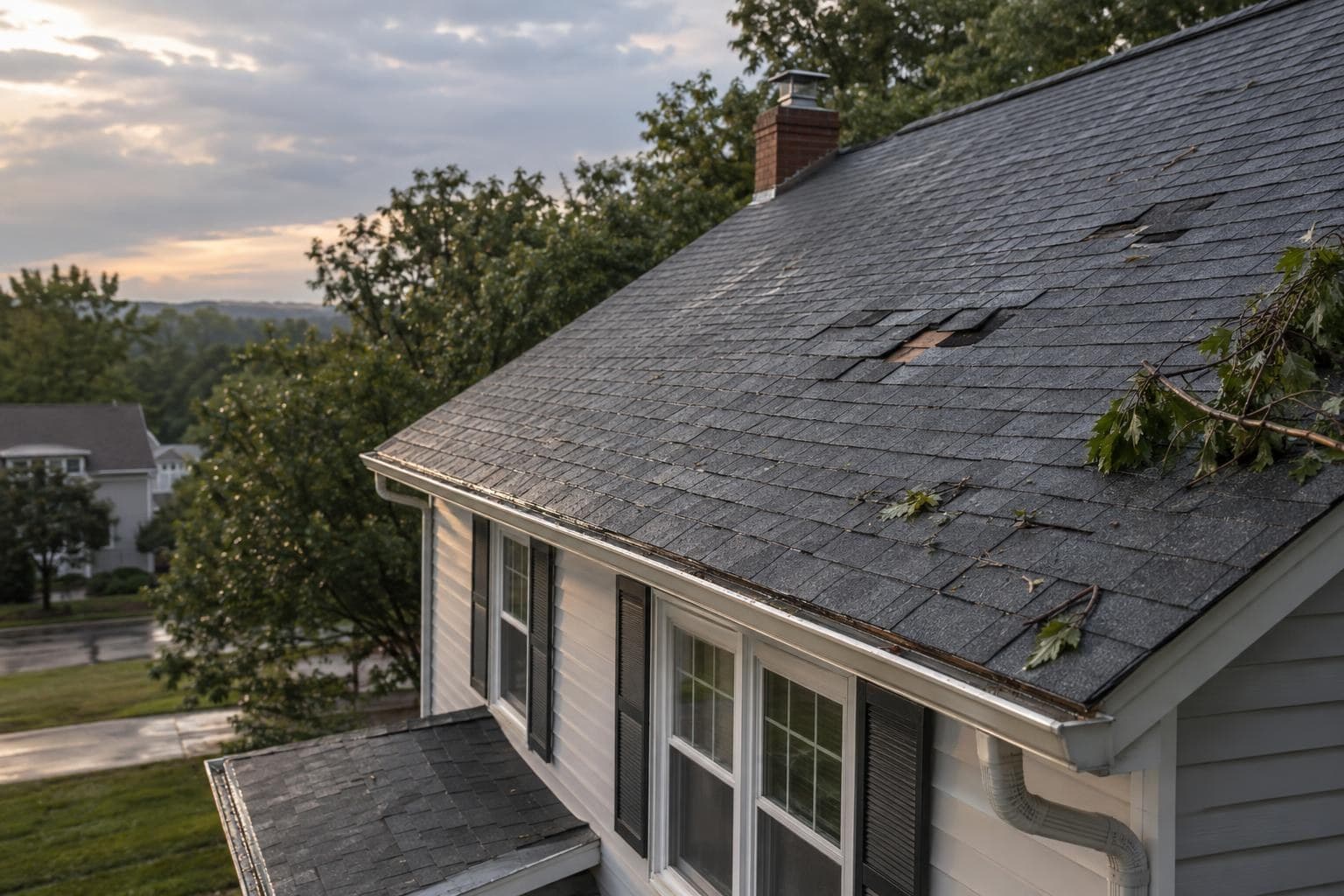
Storm Damage Roof in Pennsylvania: What to Do in the First 48 Hours
If a storm hits your Pennsylvania roof, the first 48 hours matter most. Here is how to document damage, stop water intrusion, and tell storm damage from normal aging.
Read the guide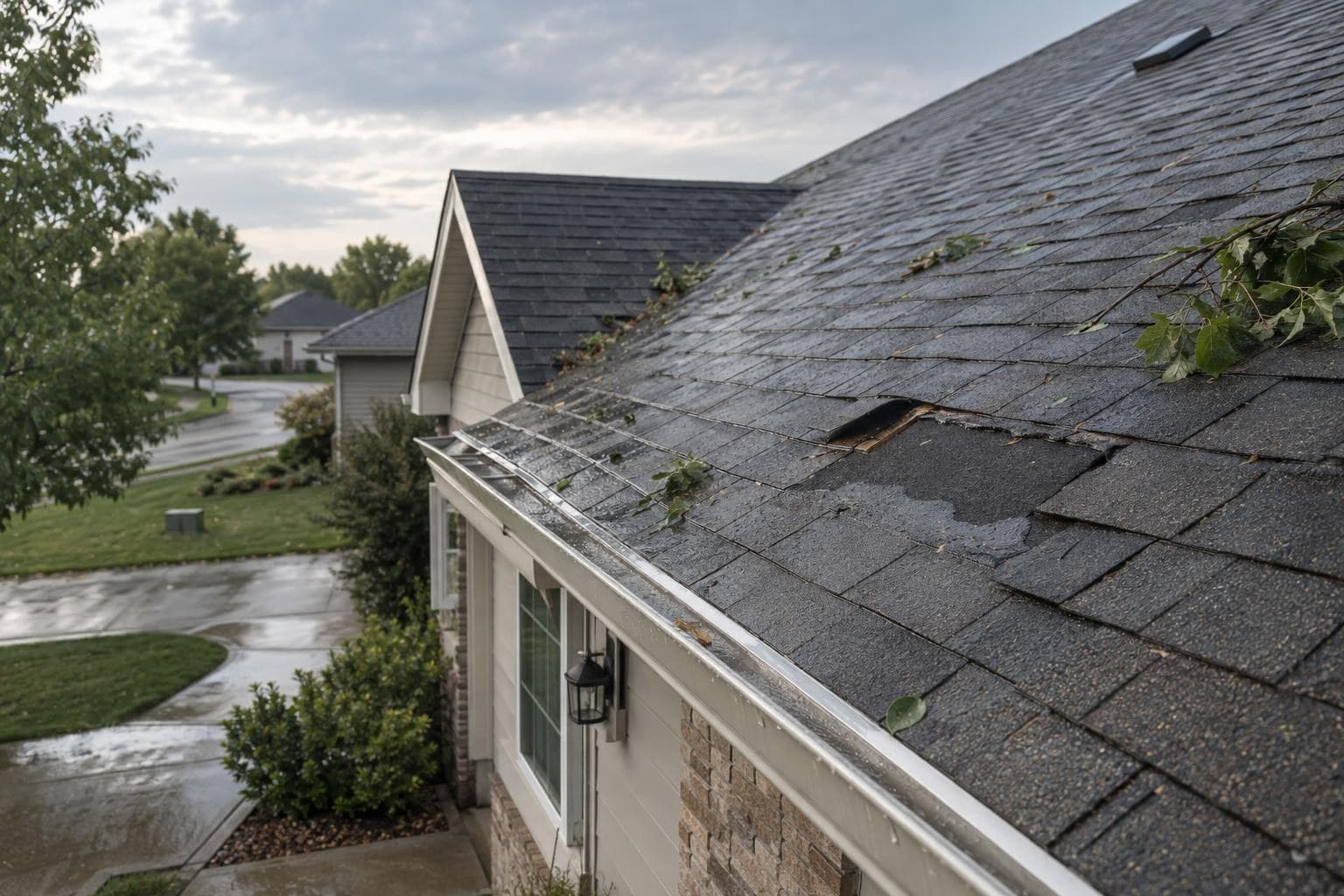
Storm Damage on a North Dakota Roof: What to Do in the First 48 Hours
If a storm just hit your North Dakota roof, your first 48 hours matter. Start by stopping active leaks, documenting damage, and separating fresh storm hits from normal roof wear so your claim and repair plan start on solid ground.
Read the guide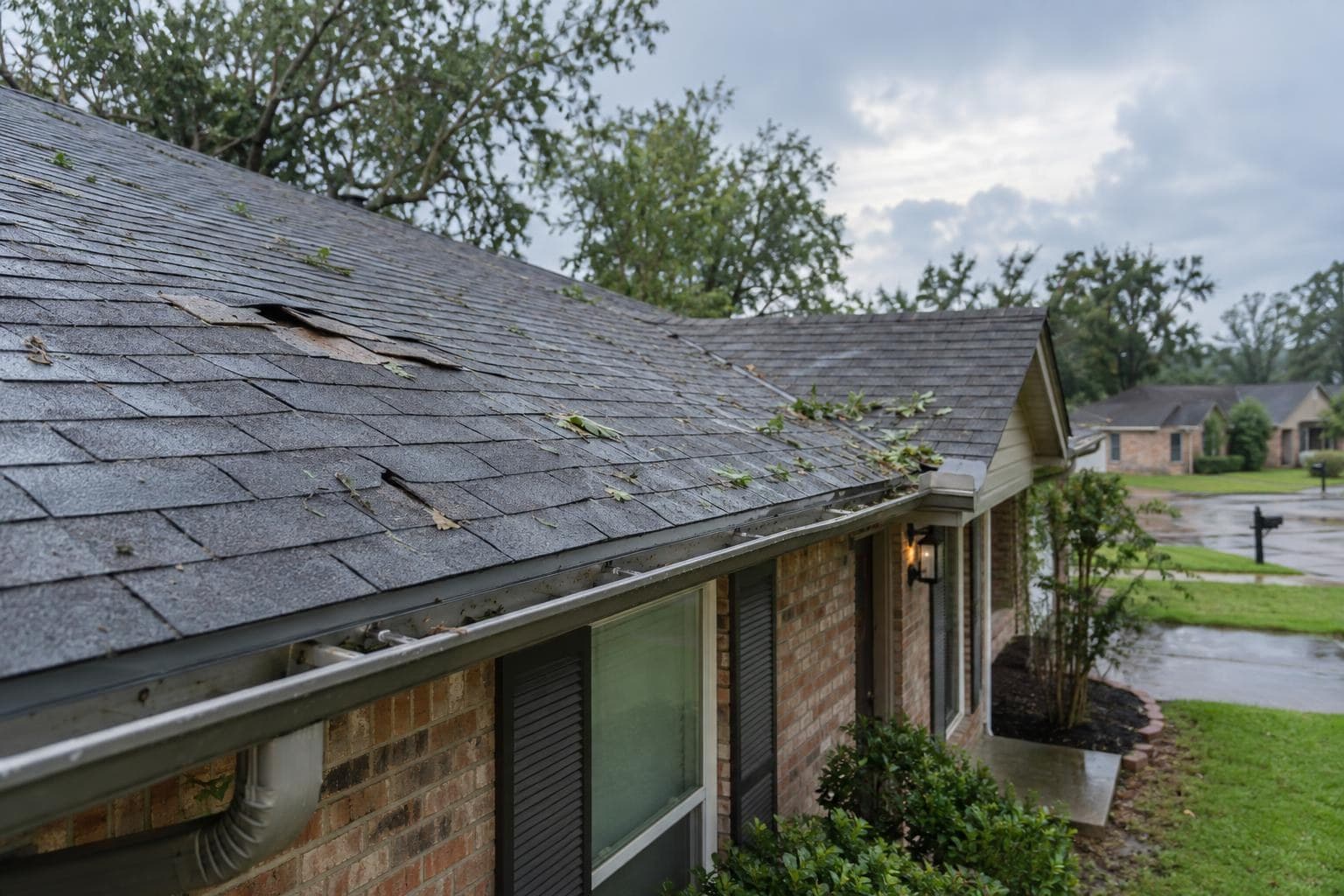
Storm Damage to a Mississippi Roof: What to Do in the First 48 Hours
If a storm hits your Mississippi roof, the first 48 hours matter. Here is how to document damage, stop water intrusion, and tell storm damage from age-related wear.
Read the guide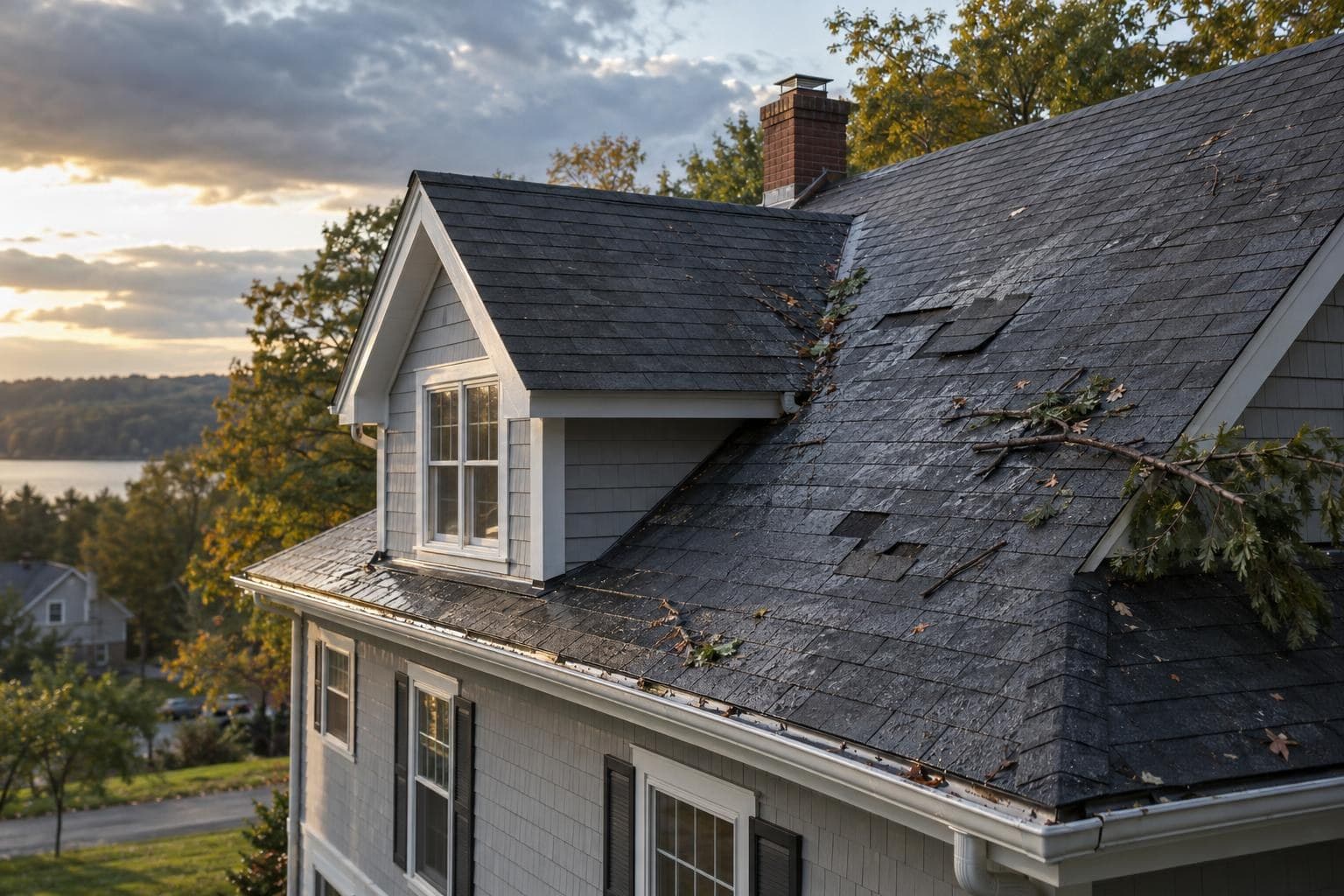
Storm Damage Roof in Maine: What to Do in the First 48 Hours
If a storm just hit your Maine roof, your next steps matter. Start with safety, document everything, make temporary repairs to prevent more damage, and avoid permanent work until the insurance inspection happens. Here is how to handle the first 48 hours and spot the difference between storm damage and normal roof aging.
Read the guide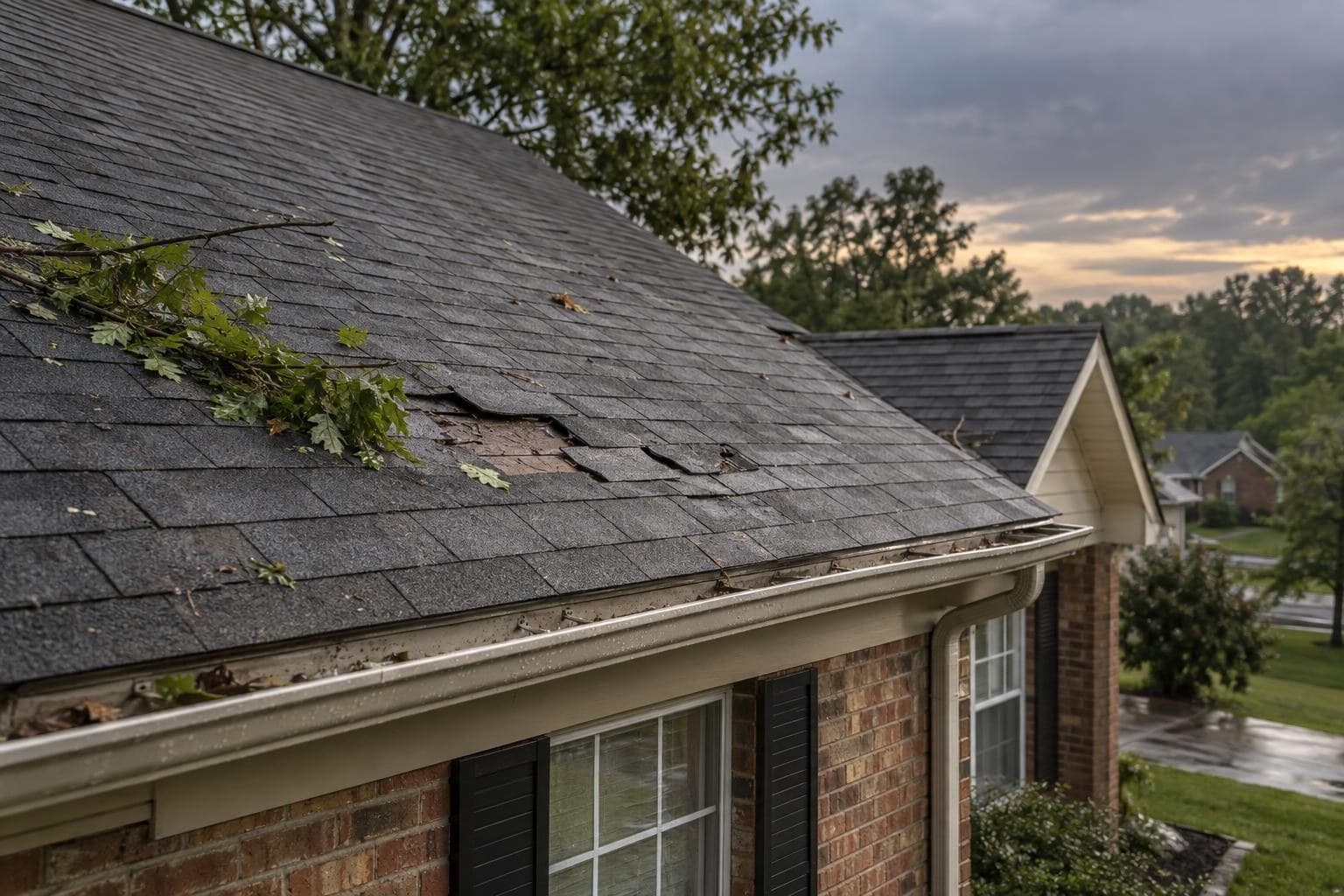
Storm Damage Roof Kentucky: What to Do in the First 48 Hours
If a storm just hit your Kentucky roof, your first moves matter. Start with safety, document everything, stop active leaks, and avoid signing anything before you understand the damage. Here is how to handle the first 48 hours and how to tell storm damage from normal roof aging.
Read the guideReady to talk to a roofer?
Call now, or tell us about your roofing project to start a quote request.
